A chemical fiber mill in Jiangsu had a problem that repeated itself every eighteen months: pin-hole leaks appeared in the carbon steel ducting between its carbon disulfide (CS2) scrubber and the process vents. Production stopped, the maintenance crew wrapped the pipe, and the cycle started again. The scrubber itself was functioning, but the gas path leading to it was failing because the material was never specified for wet, acidic, solvent-laden exhaust.
That failure pattern is common across many plants. Waste gas treatment is not a single machine purchase; it is an engineered system that must match the pollutant profile, the process conditions, and the materials that carry the gas from one stage to the next. This article compares the main treatment methods, explains how to select equipment and materials, and outlines what to verify before choosing a supplier.
What Waste Gas Treatment Has to Handle
Industrial exhaust streams differ significantly. Viscose and chemical fiber plants typically emit reduced sulfur compounds, mainly carbon disulfide (CS2) and hydrogen sulfide (H2S). Paper mills and wastewater treatment facilities generate ammonia and organic sulfides. Power plants produce sulfur dioxide (SO2), nitrogen oxides (NOx), and fine particulates. Coating, printing, and chemical processes release volatile organic compounds (VOCs).
Four characteristics determine how difficult a stream will be to treat:
- Concentration. A high-load stream, such as CS2 in viscose exhaust, needs recovery or destruction capacity. A dilute odorous stream can often be handled by biological methods.
- Solubility and reactivity. Gases that dissolve in water or alkaline solutions, such as HCl and SO2, suit absorption. Poorly soluble compounds require adsorption, oxidation, or biological conversion.
- Temperature and humidity. Hot exhaust can destroy carbon beds and biofilter media, while humid gas causes condensation and corrosion unless the system is designed for it.
- Particulate load. Dust, aerosols, and mist foul packing and blind adsorbent beds, so pre-treatment may be required before the main polishing step.
Defining the pollutant profile before choosing equipment is the most important step. A technology that performs well on one gas composition can fail completely on another.
Main Waste Gas Treatment Methods
Five technology families cover most industrial applications: absorption, adsorption, thermal oxidation, biological treatment, and condensation or membrane separation. Each works on a different principle and suits different operating conditions.
Absorption (Wet Scrubbing)
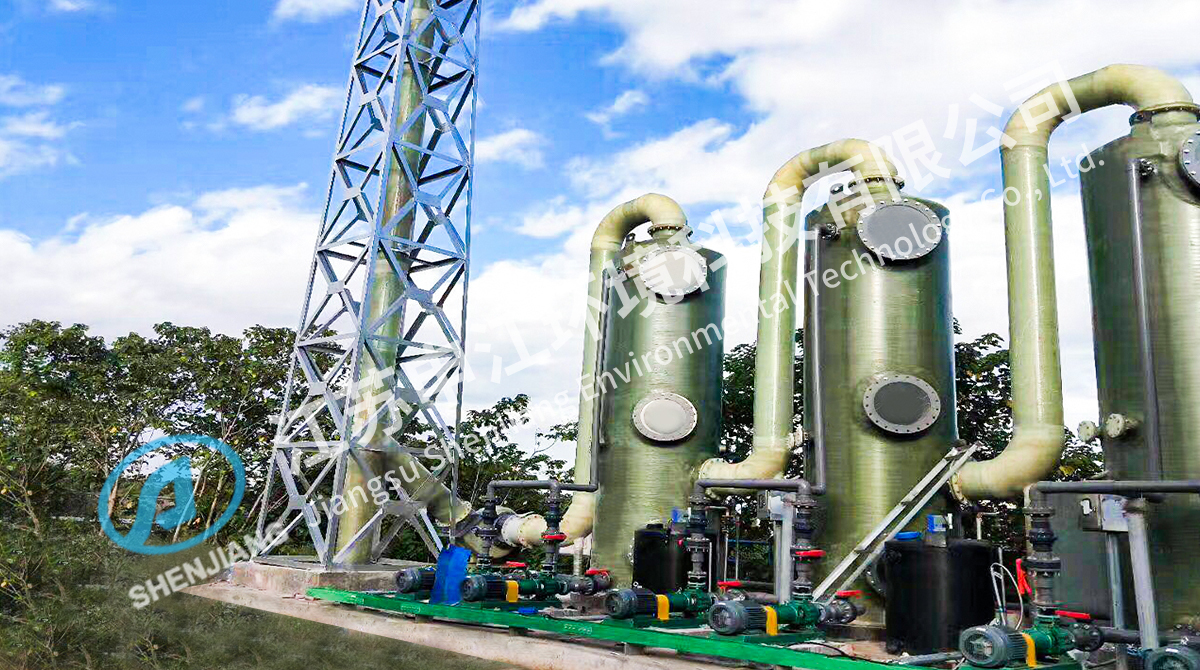
Absorption transfers the pollutant from the gas phase into a liquid, usually water or an alkaline solution. Packed towers and spray scrubbers provide the gas-liquid contact. Absorption is effective for acid gases such as SO2, HCl, HF, and NO2, and for soluble organic compounds. Removal efficiencies above 95% are realistic when the tower packing is correctly sized and the scrubbing liquid is regenerated or replaced on schedule.
Adsorption
Adsorption binds gaseous molecules onto the surface of a porous solid, typically activated carbon, zeolite, or polymeric resin. It suits low-to-moderate VOC concentrations and odorous compounds. The main costs are media replacement and steam regeneration. High-temperature or saturated gas streams require cooling and dehumidification upstream to protect the adsorbent.
Thermal and Catalytic Oxidation
Thermal oxidizers destroy VOCs by heating the gas to 750-900 °C. Catalytic oxidation reaches the same destruction efficiency at 300-500 °C using a precious metal catalyst, reducing fuel demand. Oxidation is the preferred option when organic loads are high or full destruction is mandatory. Catalyst poisons, including heavy metals and silicones, must be kept out of the inlet stream.
Biological Treatment
Biofilters and biotrickling filters use microorganisms to degrade biodegradable pollutants such as H2S, ammonia, and organic sulfides. Operating costs are low, and the process produces no secondary waste. Biological systems require steady temperature, moisture, and nutrient levels, so they are most attractive for low-concentration odorous air from sewage plants, composting facilities, and food processing.
Condensation and Membrane Separation
Condensation recovers volatile solvents by cooling the gas. Membrane systems separate pollutants by selective permeation. Both are niche technologies, applied mainly when solvent recovery has economic value rather than for general pollution control.
Comparison of the five main waste gas treatment technologies, with typical performance ranges and the main operating cost drivers.
| Method |
Best Suited For |
Typical Removal Efficiency |
Main Operating Cost |
| Absorption |
Acid gases, soluble VOCs |
90-99% |
Scrubbing liquid and chemicals |
| Adsorption |
Low-concentration VOCs, odors |
90-98% |
Media replacement, steam |
| Thermal oxidation |
High-load VOCs, odorous compounds |
95-99% |
Fuel or electricity |
| Biological treatment |
Dilute odors, H2S, ammonia |
85-98% |
Water, nutrients, media |
| Condensation/membrane |
Solvent recovery, high-value compounds |
80-99% |
Refrigeration, membranes |
Materials, Corrosion, and Long-Term Reliability
Technology selection determines the removal efficiency of a waste gas treatment system; material selection determines whether the system keeps working. Many field failures in gas treatment plants are not caused by undersized blowers or wrong scrubber chemistry. They are caused by corrosion of ducting, tower shells, and internal components.
Carbon steel is inexpensive but corrodes quickly in wet, acidic service. Stainless steel handles some environments but is vulnerable to pitting and stress corrosion cracking in chloride-laden streams. High-alloy metals resist corrosion but add considerable cost and fabrication complexity.
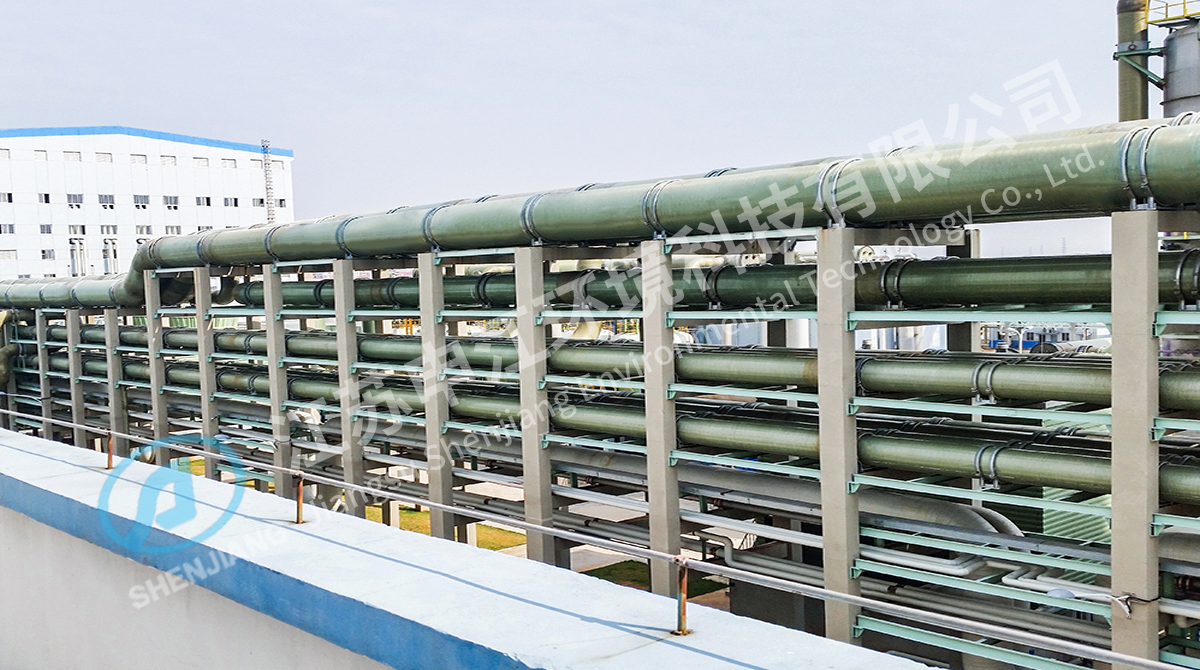
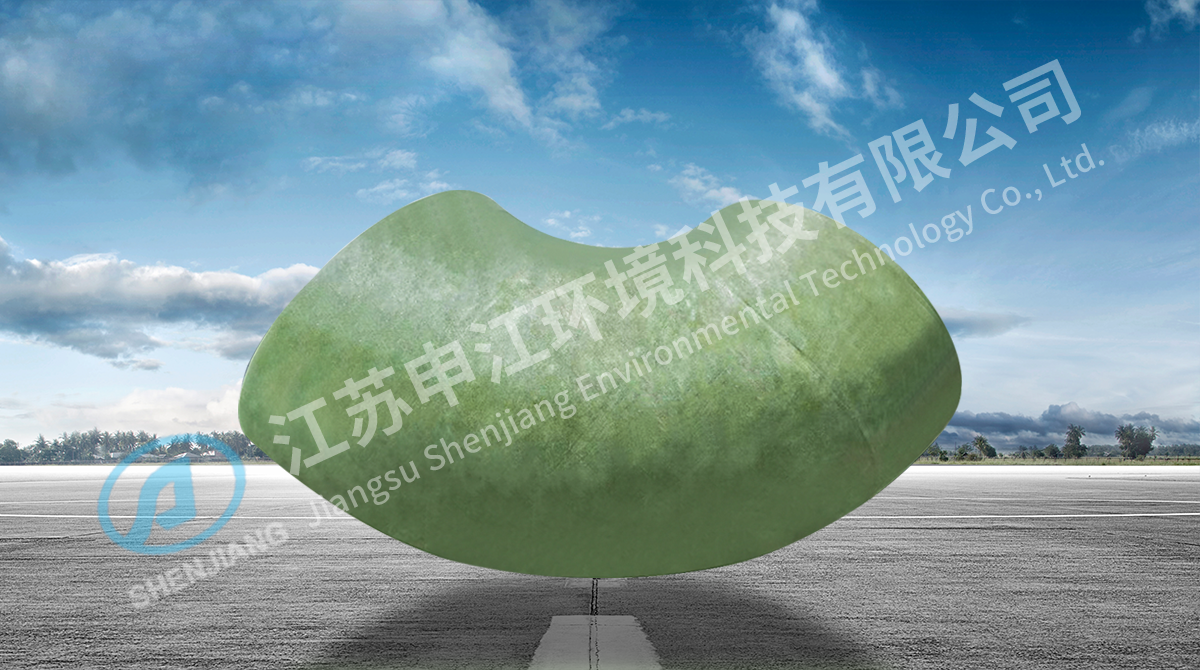
Fiberglass-reinforced plastic (FRP) offers a proven alternative for corrosive exhaust service. An FRP component combines a corrosion-resistant resin barrier with a glass fiber structural laminate, allowing long service life in atmospheres containing hydrochloric acid, sulfuric acid, caustic, and organic solvents. FRP is also significantly lighter than steel, which simplifies support structures and installation.
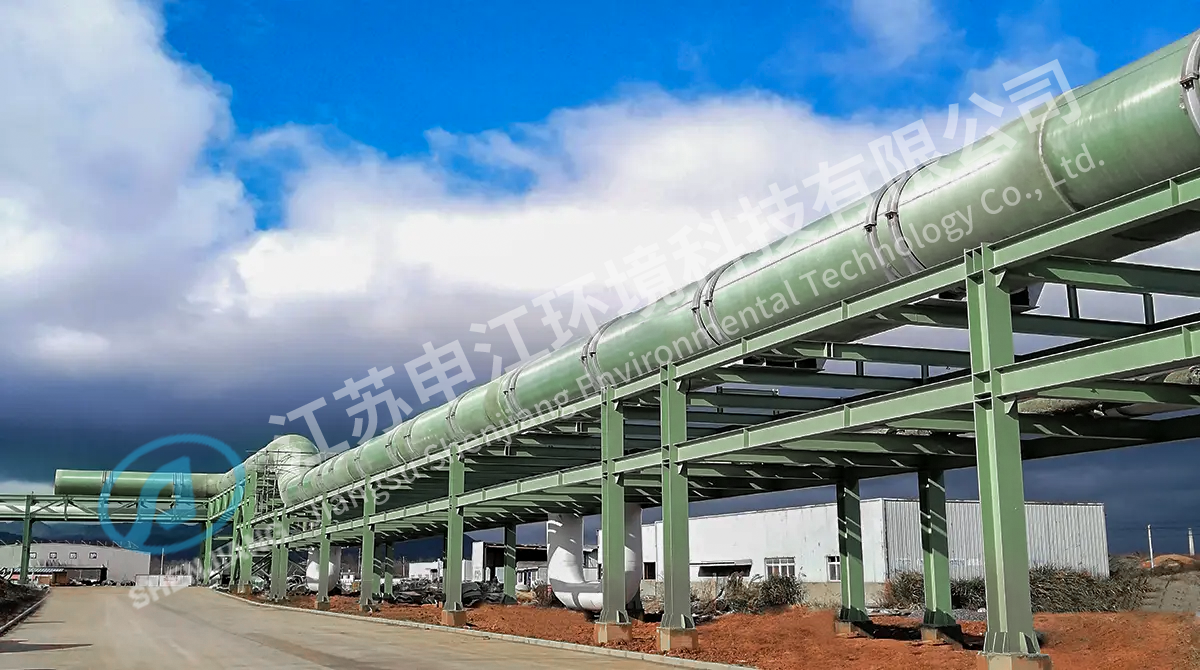
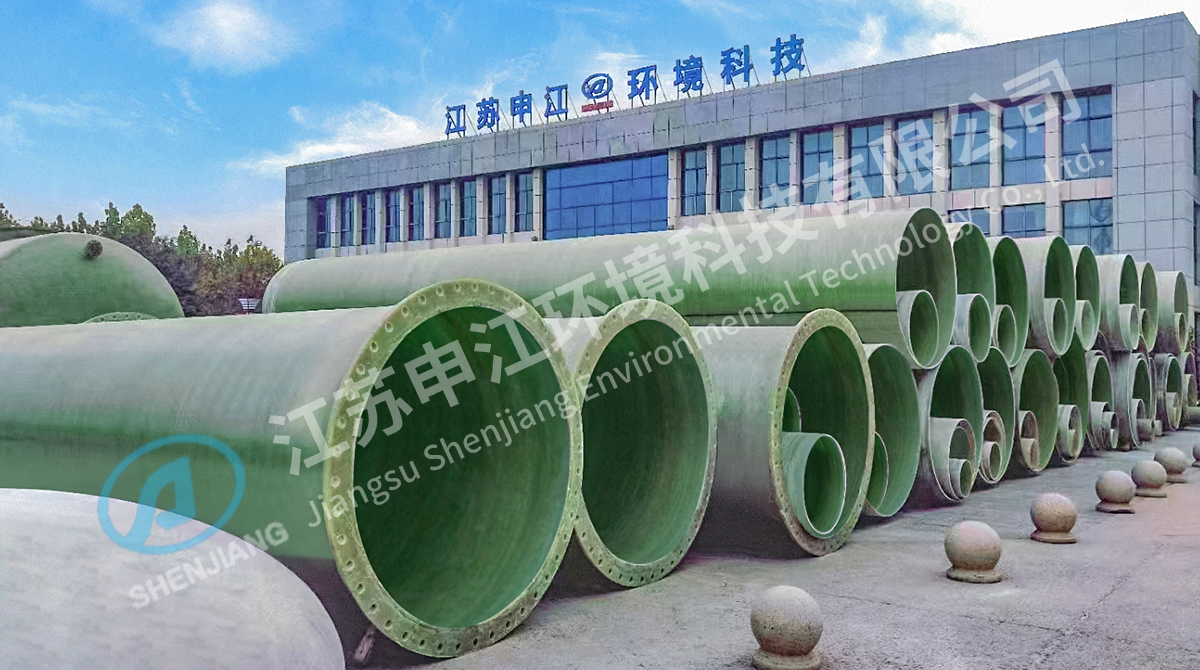
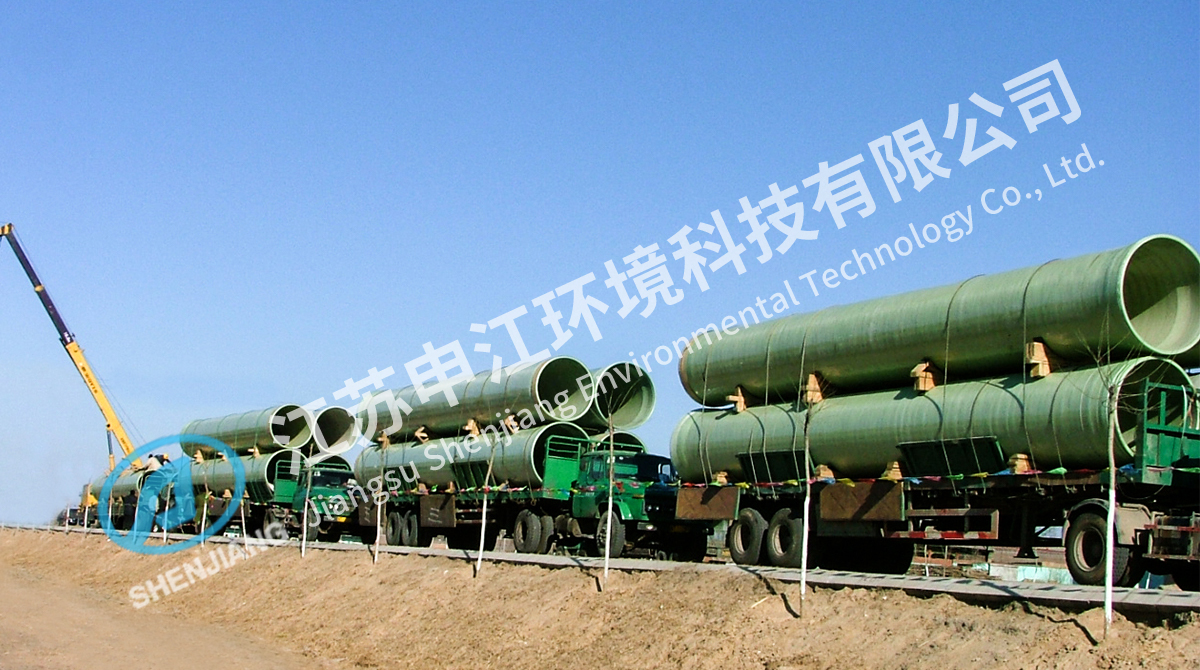
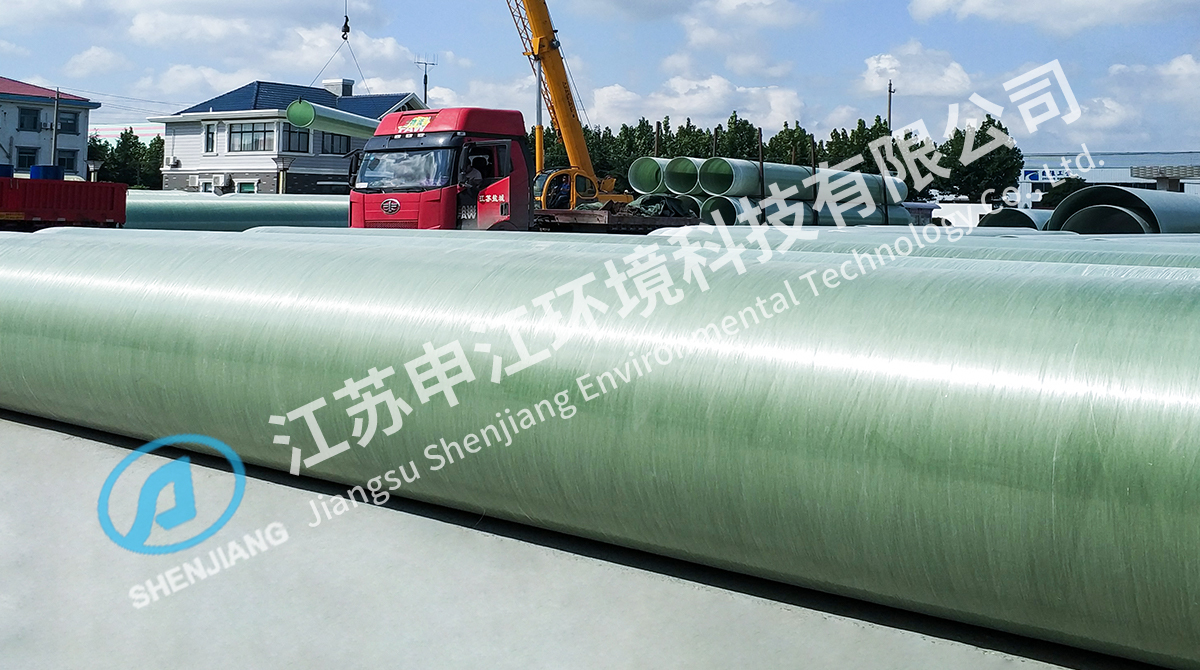
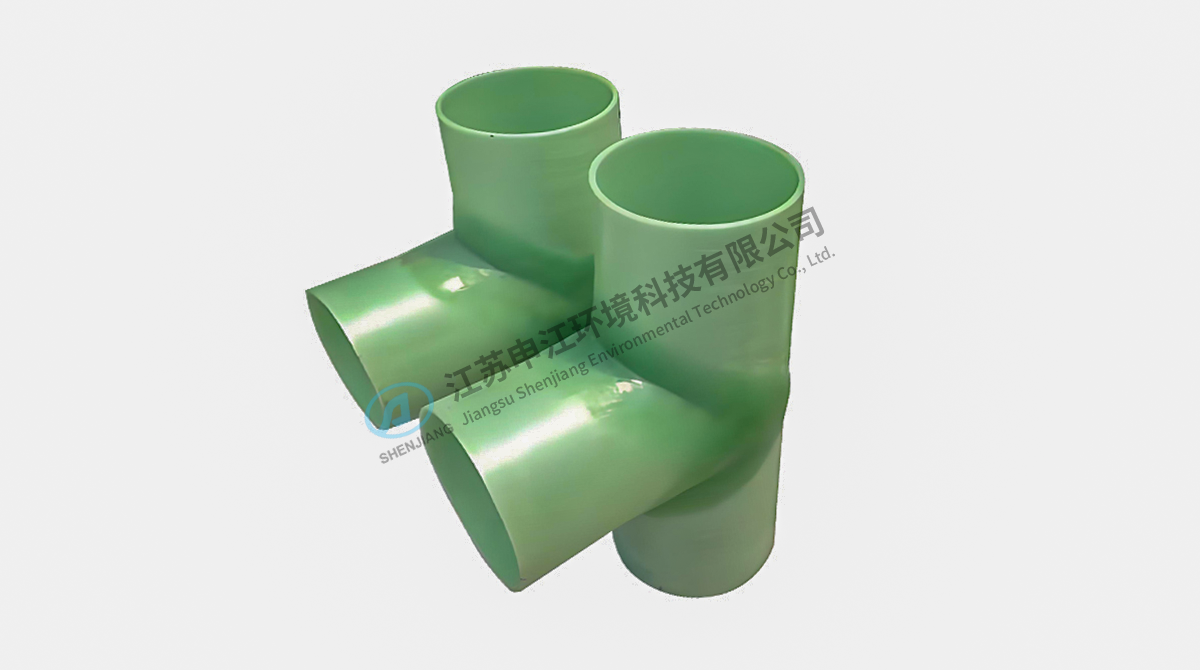
Plant engineers working with wet, acidic exhaust from scrubbers, absorption towers, and process vents commonly specify FRP waste gas transport pipelines for the interconnecting ductwork. These pipes are manufactured in a range of diameters and wall thicknesses, with flanged or butt-and-strap joints, so the system can be engineered for the pressure and vacuum conditions of each application.
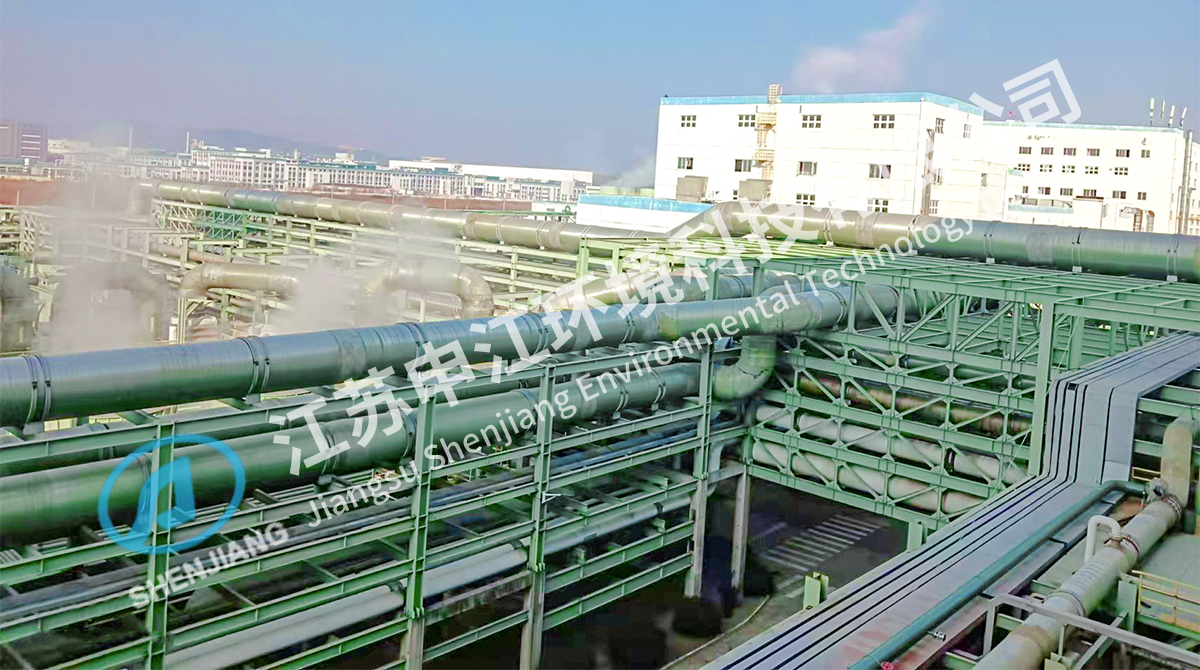 Custom Fiberglass Waste Gas Transportation Pipeline Factory, Manufacturers - JiaJiangsu Shenjiang Environmental Technology Co., Ltd China Custom Fiberglass Waste Gas Transportation Pipeline manufacturers and Fiberglas...View Product →
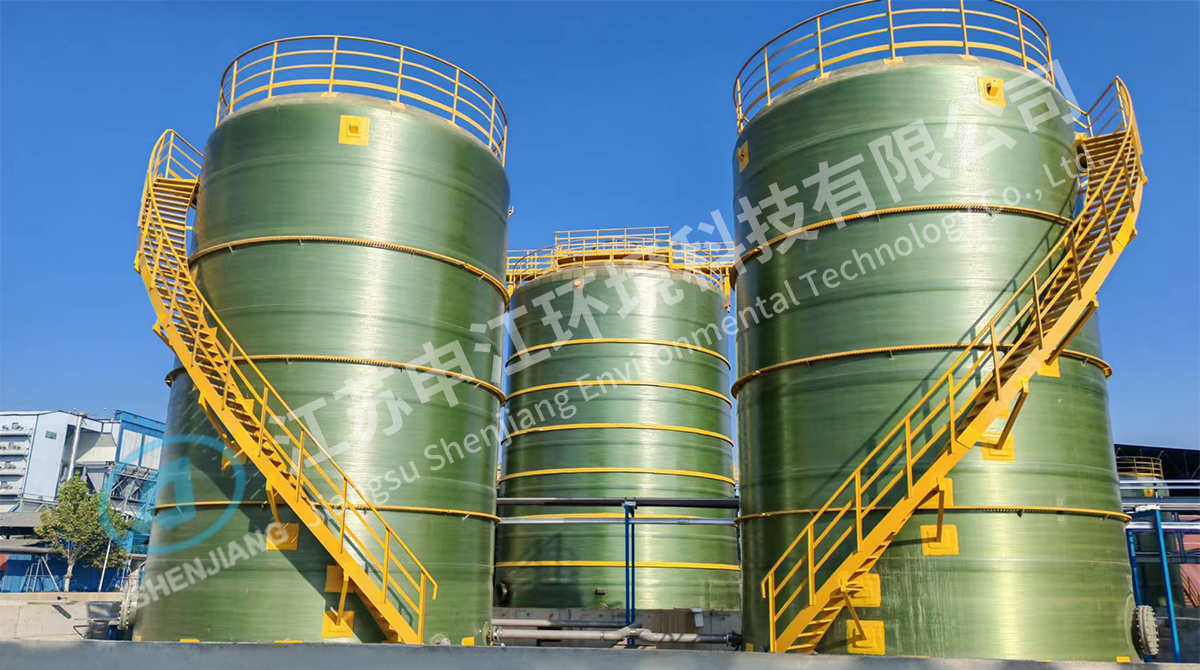
The same material logic applies to towers and tanks. An FRP scrubbing tower with the correct resin selection will typically outlast a metallic equivalent in identical corrosive duty, with lower maintenance cost and fewer unplanned shutdowns.
Engineering and System Integration
Selecting individual equipment items is only part of the job. The decisions that determine whether a plant meets its emission limits include flow balancing, pre-treatment, safety, and instrumentation.
- Flow balancing. Multiple capture points produce variable flow; the system must handle peaks without losing capture velocity at the hoods.
- Pre-treatment. Quenching hot gas, removing particulate, and eliminating liquid carryover protect the downstream scrubber or adsorber.
- Safety. Explosion relief, flame arrestors, and leak detection become essential when the exhaust is flammable or toxic.
- Instrumentation. Continuous monitoring of inlet and outlet concentration, pH, pressure drop, and flow provides the data needed for compliance reporting and troubleshooting.
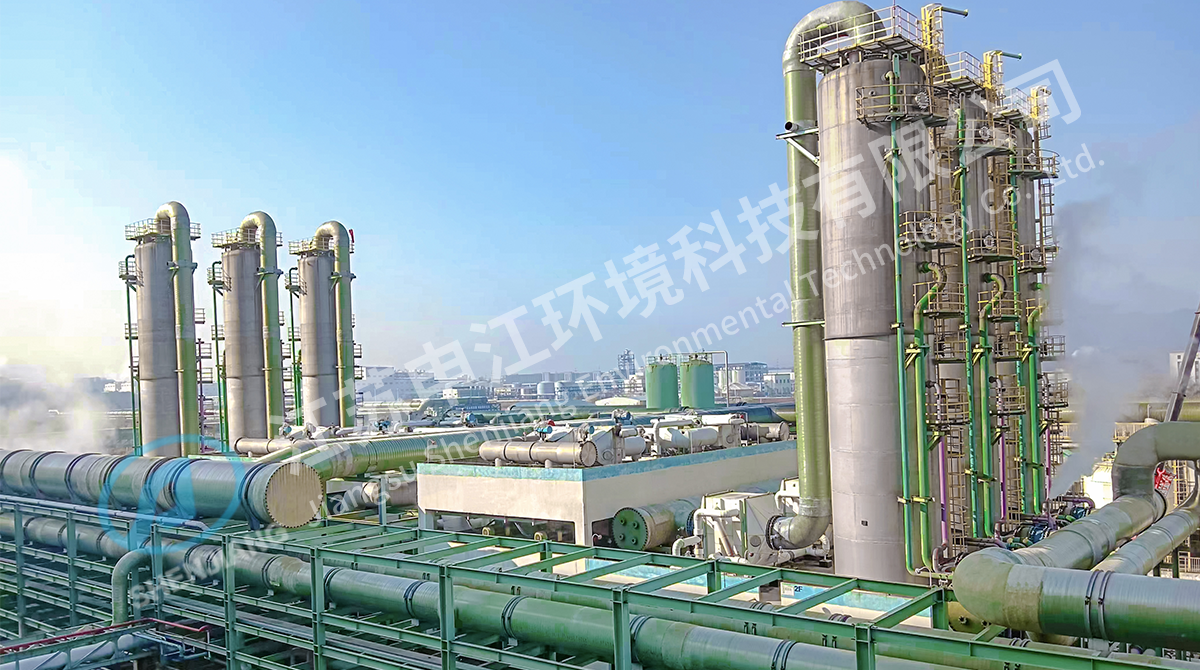
An experienced engineering partner reduces the risk of gaps between the ducting supplier, the scrubber vendor, and the installation contractor. Integration matters most when the pollutant is difficult to handle. For example, a CS2 waste gas treatment package project can cover the complete chain from solution design and engineering design to equipment and pipeline supply, system debugging, and project construction. When one contractor owns the interfaces, the client holds a single party accountable for overall performance instead of coordinating multiple vendors.
 Custom CS2 Exhaust Gas Treatment Package Project Factory, Manufacturers - JiangsJiangsu Shenjiang Environmental Technology Co., Ltd China Custom CS2 Exhaust Gas Treatment Package Project manufacturers and CS2 Exhaust ...View Product →
Selecting a Waste Gas Treatment Supplier
When evaluating equipment suppliers, look beyond the brochure. Site visits, reference installations, and in-house engineering depth matter more than the nameplate of a standard product. Five practical checks help separate capable suppliers from traders and assemblers:
- Has the supplier delivered systems for your specific pollutant profile and industry?
- Does the supplier manufacture key components such as ducting, towers, and tanks in-house, or are they resold?
- Can the supplier execute engineering, fabrication, installation, and commissioning under one contract?
- Do reference systems maintain uptime and emission compliance after handover?
- Is the supplier financially stable and able to provide long-term spare parts and service?
Documented industrial waste gas treatment installations across chemical fiber, papermaking, power, oil, seawater desalination, and gas transportation sectors provide a useful benchmark. A manufacturer established in 1996, with 218 employees, more than 100 production and test machines, and a 3,000-square-meter research and development center, brings a different level of assurance than a start-up or trading house.
For plants that must control multiple pollutants from combustion sources, an industrial flue gas desulfurization and denitrification system combines SO2 and NOx removal with wet electrostatic precipitation for fine particulates. Such systems are engineered around the fuel analysis, boiler operation profile, and local emission standards, so a custom design is almost always necessary.
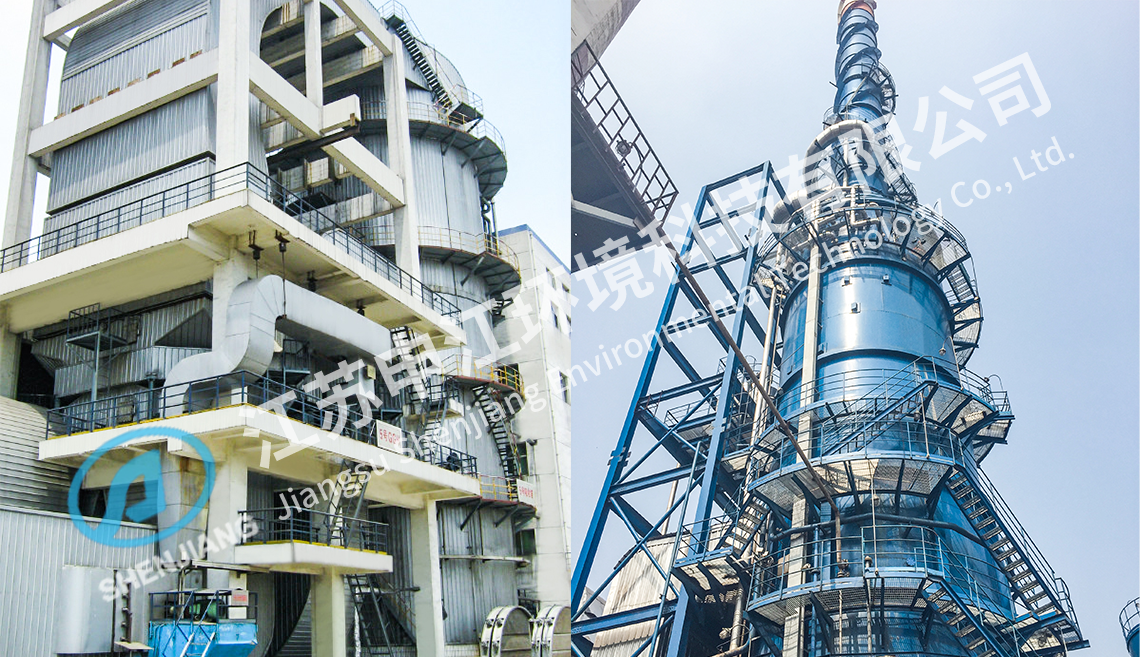 Custom Industrial flue gas desulfurization and denitrification Factory, ManufactJiangsu Shenjiang Environmental Technology Co., Ltd China Custom Industrial flue gas desulfurization and denitrification manufacturers an...View Product →
Waste gas treatment is a discipline where material science, process engineering, and operational discipline converge. Define the pollutant profile first. Then select the technology family, specify materials that will survive the actual service conditions, and choose a supplier with the engineering depth to integrate it all. Getting those four steps right separates a system that barely passes its acceptance test from one that still operates reliably a decade later.




 English
  中文简体
中文简体 Español
 عربى
عربى русский
 ไทย
ไทย Indonesia
 Tiếng Việt