The most expensive waste gas treatment system is usually the one purchased before the gas stream has been properly characterized. A plant may select a scrubber based only on the outlet concentration limit, then find within months that dust, moisture, or a trace corrosive compound is eroding packing, blocking nozzles, or exhausting the adsorbent earlier than planned. The opposite mistake is just as costly: oversizing that absorbs reagents and energy for years.
Waste gas treatment works when the project starts from measured gas data, a method matched to the pollutant, and materials chosen for real operating conditions. This guide covers the technologies that dominate industrial installations, how to compare them, why duct and tower materials determine service life, and what to ask before placing an order.
What Waste Gas Treatment Actually Covers
Industrial waste gas appears in three main forms. Combustion flue gas is high-volume, high-temperature, and carries SO₂, NOₓ, dust, and sometimes trace metals. Process off-gas from chemical, fiber, and petrochemical plants contains solvents, CS₂, hydrogen sulfide, or other volatile compounds. Ventilation air from storage tanks, drying lines, and workshops is large in volume but low in concentration, which changes the economics of treatment.
Identifying the category is the first step because each form demands a different technology. The table below summarizes common pollutant groups and the routes normally used for them.
Typical pollutant groups, sources, and common waste gas treatment routes
| Pollutant group |
Typical sources |
Common treatment route |
| VOCs and solvents |
Coating, printing, chemical synthesis |
Activated carbon adsorption, thermal oxidation, condensation |
| Acidic gases (SO₂, HCl, H₂S) |
Combustion, petrochemical, wastewater |
Wet scrubbing with alkaline reagent |
| Odorous compounds |
Food processing, papermaking, wastewater |
Biofiltration, chemical scrubbing |
| CS₂ and sulfur compounds |
Viscose fiber, rubber production |
Multi-stage scrubbing, catalytic conversion, acid recovery |
| Dust and aerosols |
Kilns, dryers, conveyors |
Cyclone, wet electrostatic precipitator, bag filter |
Main Waste Gas Treatment Technologies
Most installations rely on one of four method families, and combining two is common when the inlet contains mixed pollutants.
Wet Scrubbing (Absorption)
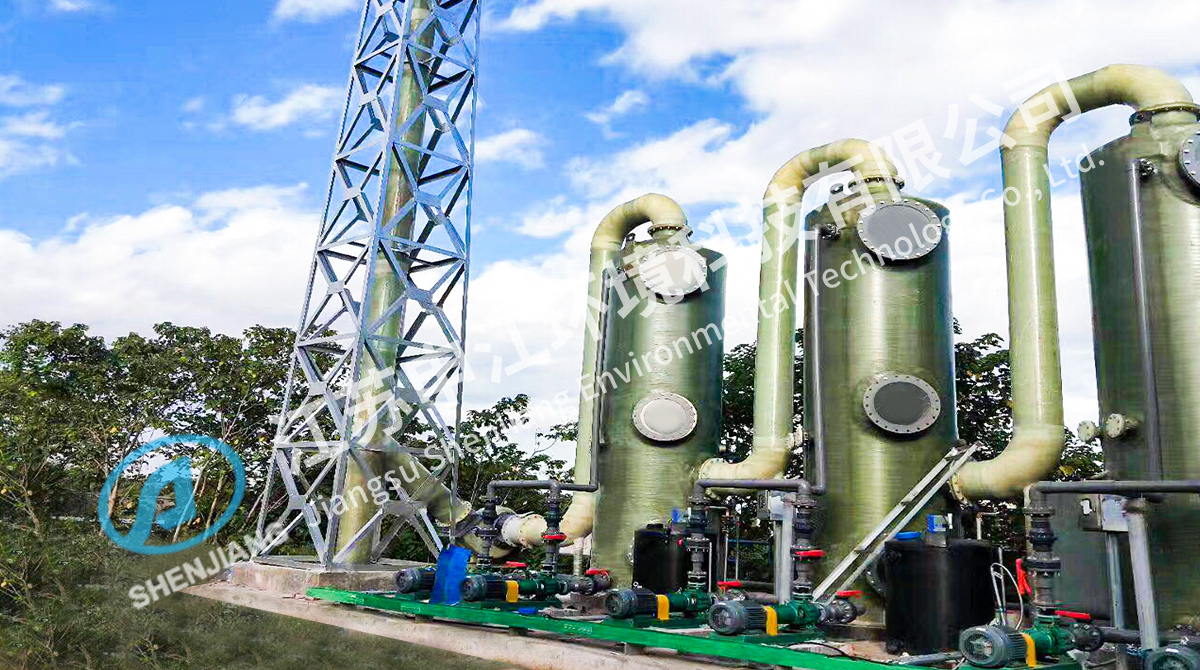
Wet scrubbing contacts the gas with a liquid reagent so the pollutant dissolves or reacts. Packed towers are the most common geometry: gas rises through packing while liquid trickles downward, maximizing contact area. Caustic soda captures acid gases, acidic solutions capture ammonia, and oxidizing reagents handle sulfides and some VOCs. Scrubbers tolerate moderate temperature swings and respond quickly to load changes, which is why they appear in flue gas desulfurization and chemical process plants alike.
Adsorption
Adsorption beds capture VOCs and odorous compounds on activated carbon, zeolite, or resin. The method suits dilute, dry, particulate-free streams and can polish gas to very low concentrations. Operating cost depends on bed life: humidity above roughly 60 percent, heavy organic loading, or dust shortens it quickly. Spent non-regenerative media often has to be disposed of as hazardous waste, so the full service cycle should be priced before choosing adsorption.
Biological Treatment
Biological systems use microorganisms to oxidize biodegradable pollutants. Biofilters pass the gas through a moist organic bed, biotrickling filters recirculate water over inert packing, and bioscrubbers absorb the pollutant into water first. These systems have low energy costs, minimal reagent use, and handle large flows of dilute odorants well. The trade-offs are a larger footprint, sensitivity to shock loads, and the need to hold moisture and temperature within a narrow range.
Thermal Oxidation and Flue Gas Treatment
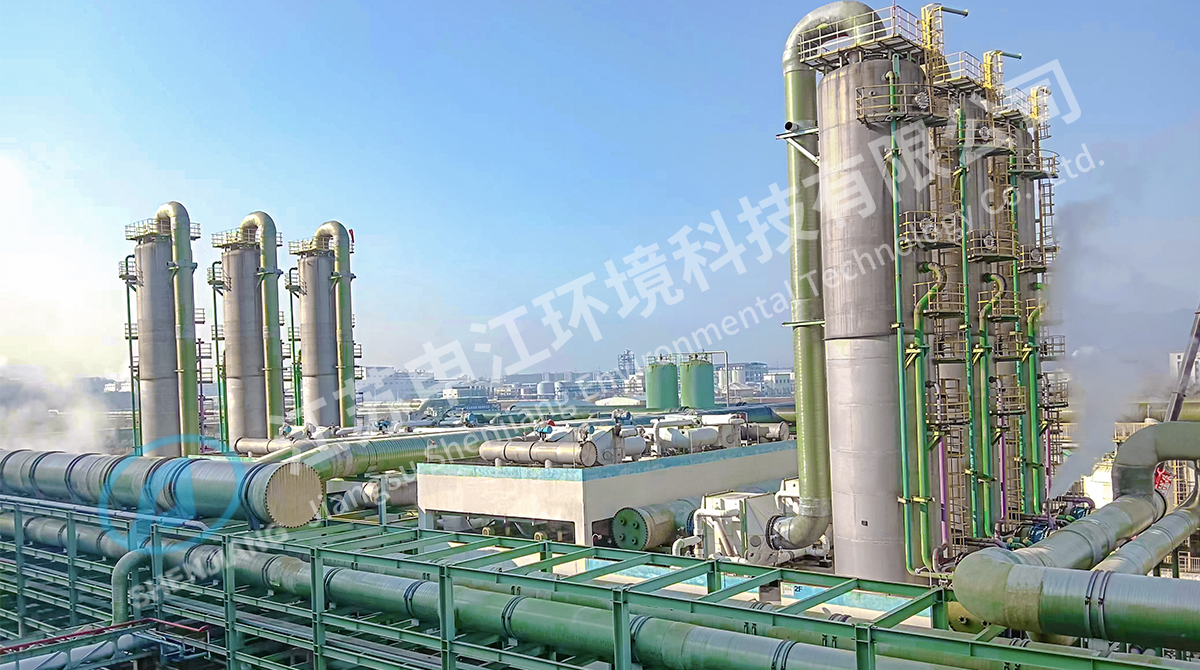
For concentrated VOCs, thermal or catalytic oxidizers heat the gas to 700–900 °C to destroy the pollutant, usually with heat recovery. Boiler flue gas follows a different path: wet or semi-dry absorbers remove SO₂, while selective catalytic reduction removes NOₓ. These are capital-intensive options, but they can exceed 95 percent removal, which is why they dominate power generation and large chemical plants.
How to Compare and Select a Treatment Route
Selection should start with five numbers: pollutant concentration, volumetric flow, gas temperature, humidity, and the removal efficiency the permit requires. No technology performs across all conditions. The decision tree below shows how the pollutant class narrows the shortlist.
Decision tree for common waste gas streams
- Waste gas stream
- Acid gases or soluble pollutants → wet scrubbing
- Concentrated VOCs (above roughly 1 g/Nm³) → thermal or catalytic oxidation
- Dilute biodegradable odorants → biological treatment
- Dilute VOCs or trace odors → adsorption
Once the technology family is shortlisted, compare removal efficiency ranges. The bar chart below gives indicative single-stage values at design conditions.
Indicative single-stage removal efficiency ranges at design conditions
Read the chart as a screening aid, not a guarantee. A scrubber can reach 99 percent on hydrogen chloride yet struggle with poorly soluble VOCs. Performance depends on packing, liquid-to-gas ratio, contact time, humidity, and acclimatization.
Selection Criteria in Practice
Before any purchase order, confirm the following points:
- Use a gas analysis that covers normal operation, start-up, and peak events; a single grab sample is rarely enough.
- Define the flow range and check the fan performance across it, since most systems fail at turndown or during trips.
- Verify the applicable emission limit and whether it is expressed as concentration, mass, or emission factor.
- Subtract humidity and dust: they affect bed life, nozzle wear, and heat recovery.
- Estimate the secondary waste stream—scrubber bleed, spent media, or oxidation products—and confirm how it will be treated.
- Check available floor area, utilities, and the distance to the nearest occupied zone when selecting equipment location.
Materials and Corrosion: Why the Duct Matters as Much as the Tower
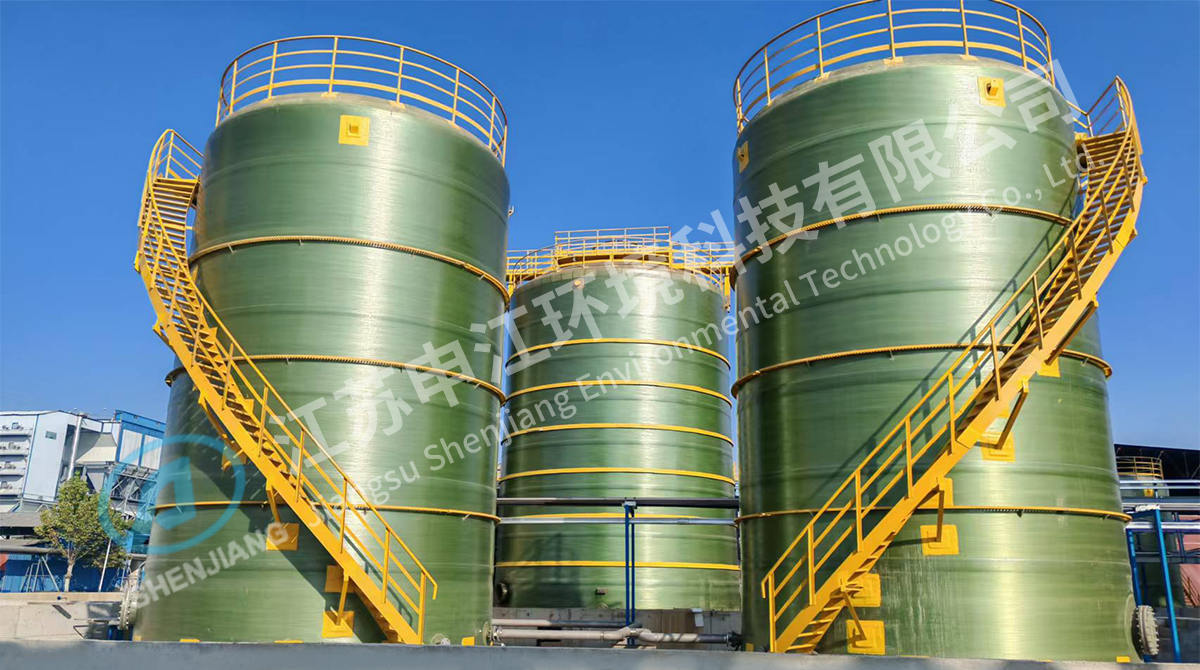
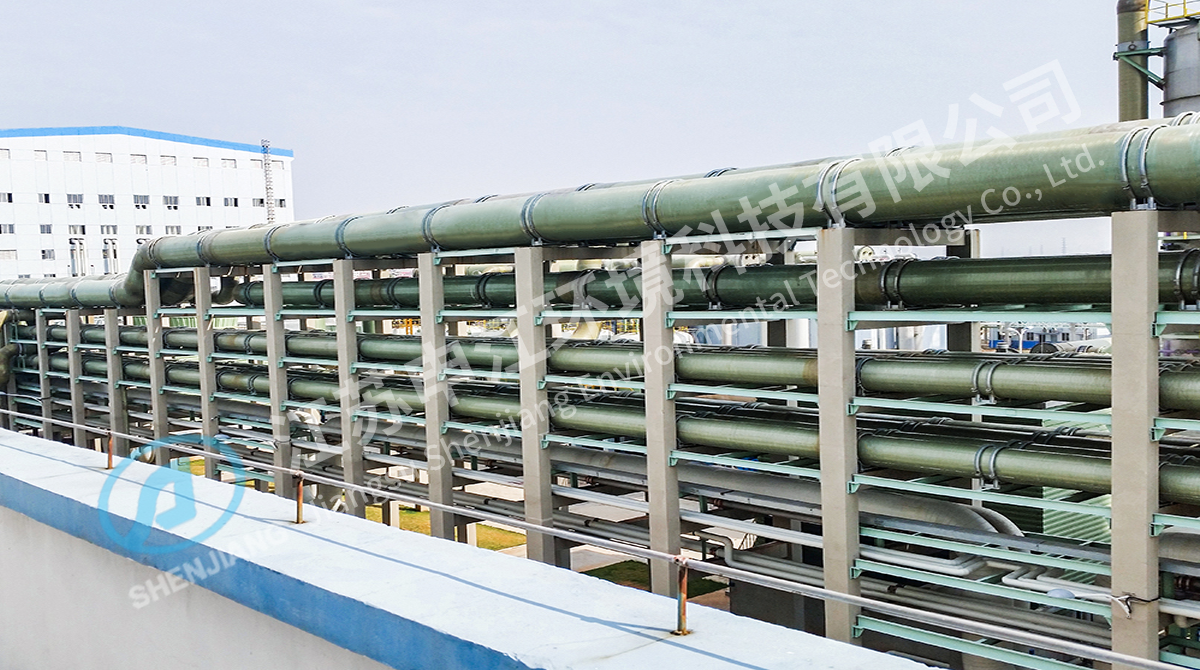
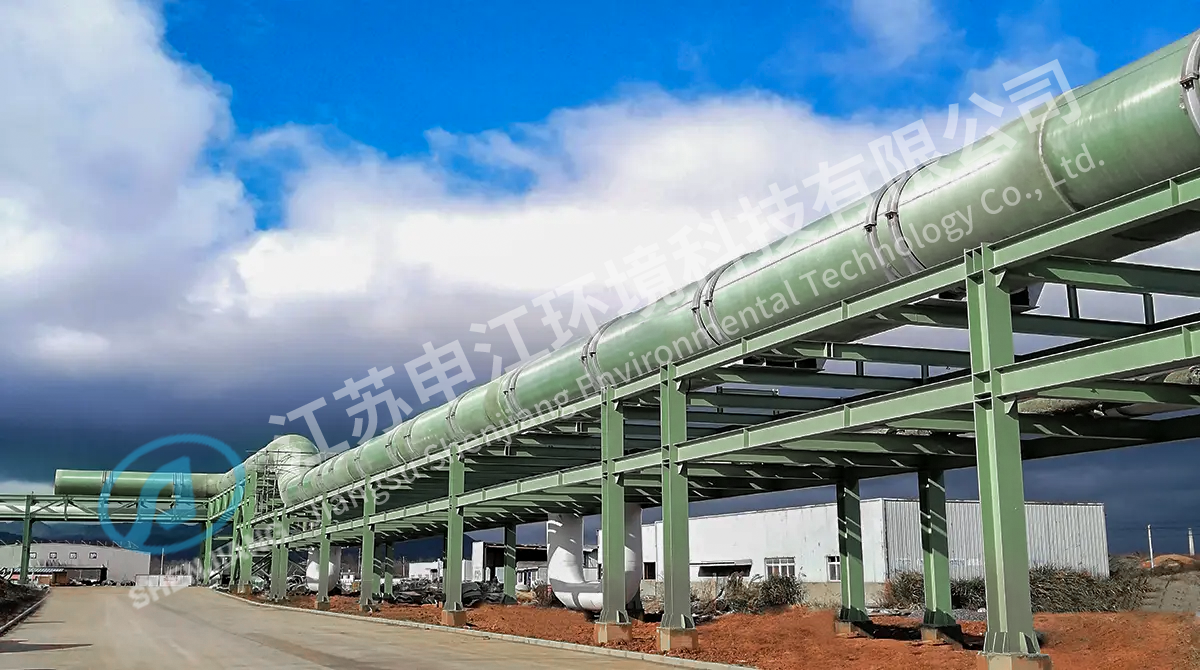
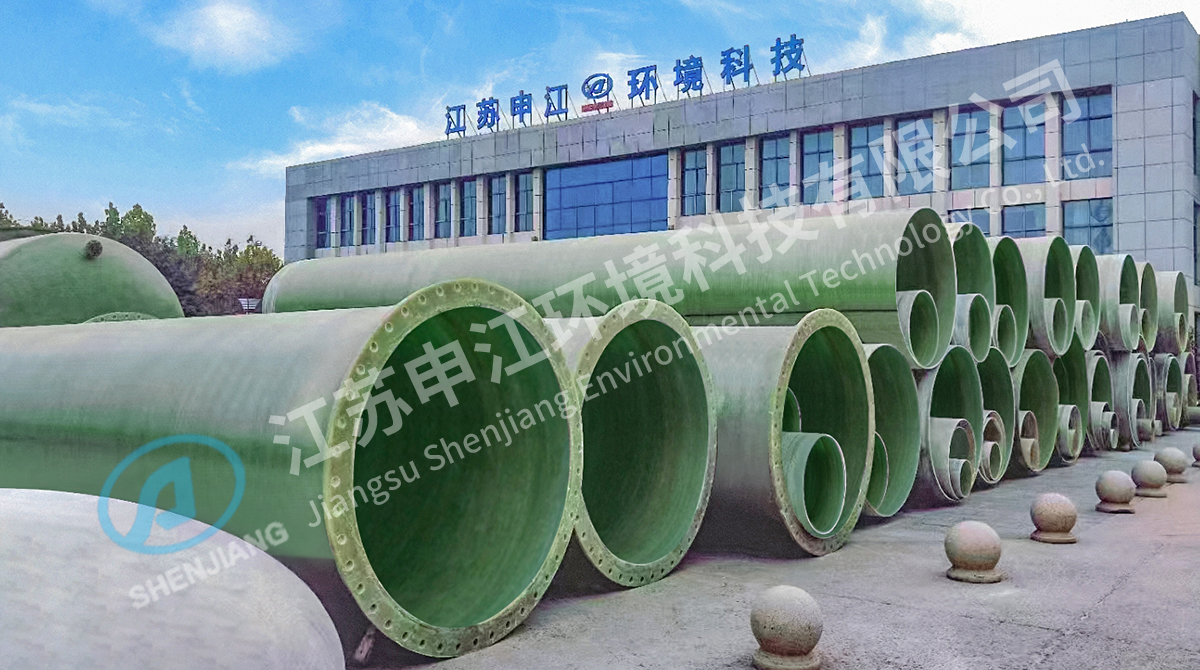
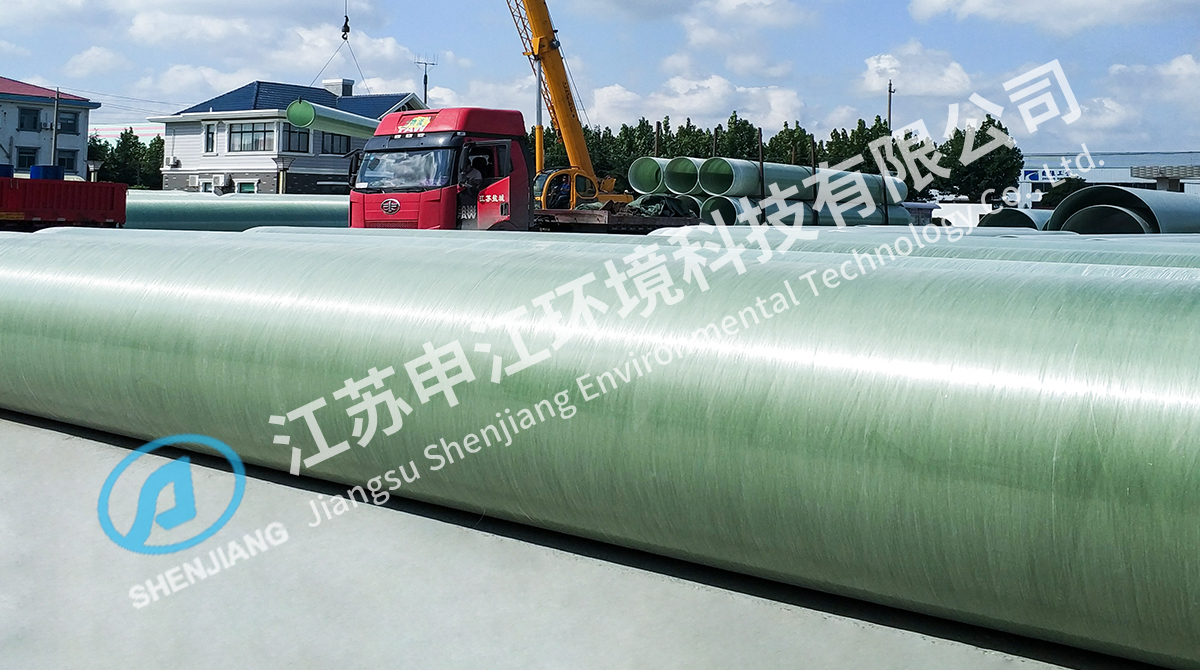
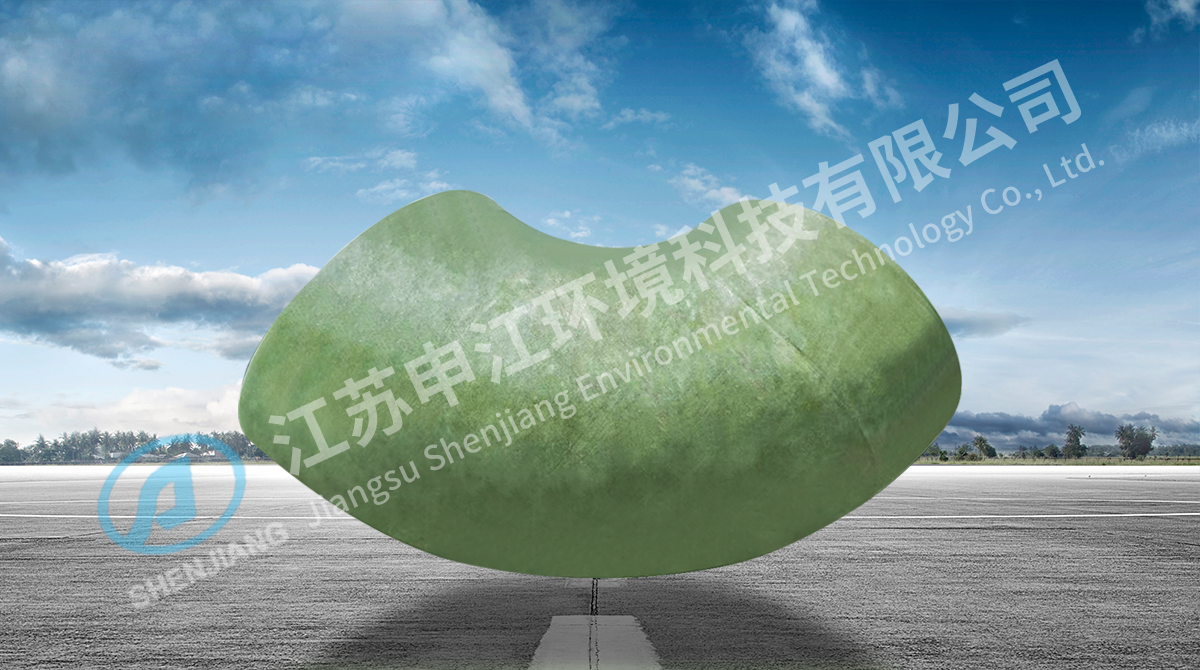
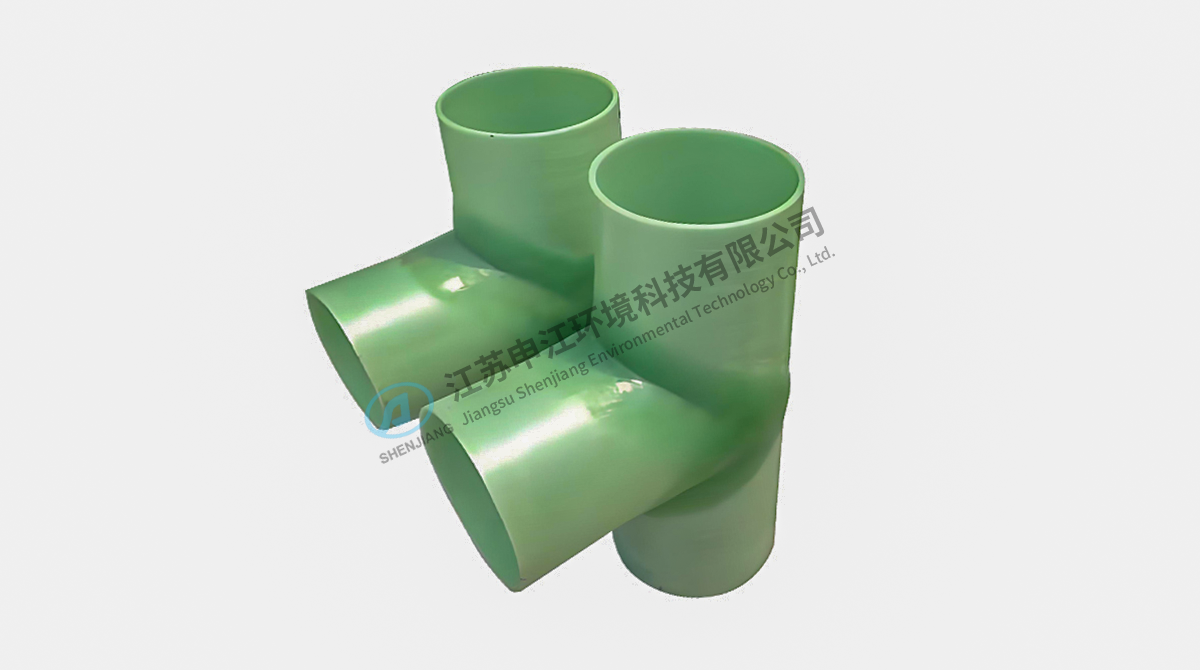
Corrosion often begins where operators do not look: at the duct inlet, at elbows, and downstream of the scrubber, where the gas is saturated. A short temperature drop produces acidic condensate that attacks carbon steel, welds, and dampers. FRP (fiber-reinforced plastic) is common in waste gas service because it resists acids, alkalis, and humidity, and it can be fabricated as monolithic towers, ducts, elbows, and flanges without the vulnerable seams of welded steel.
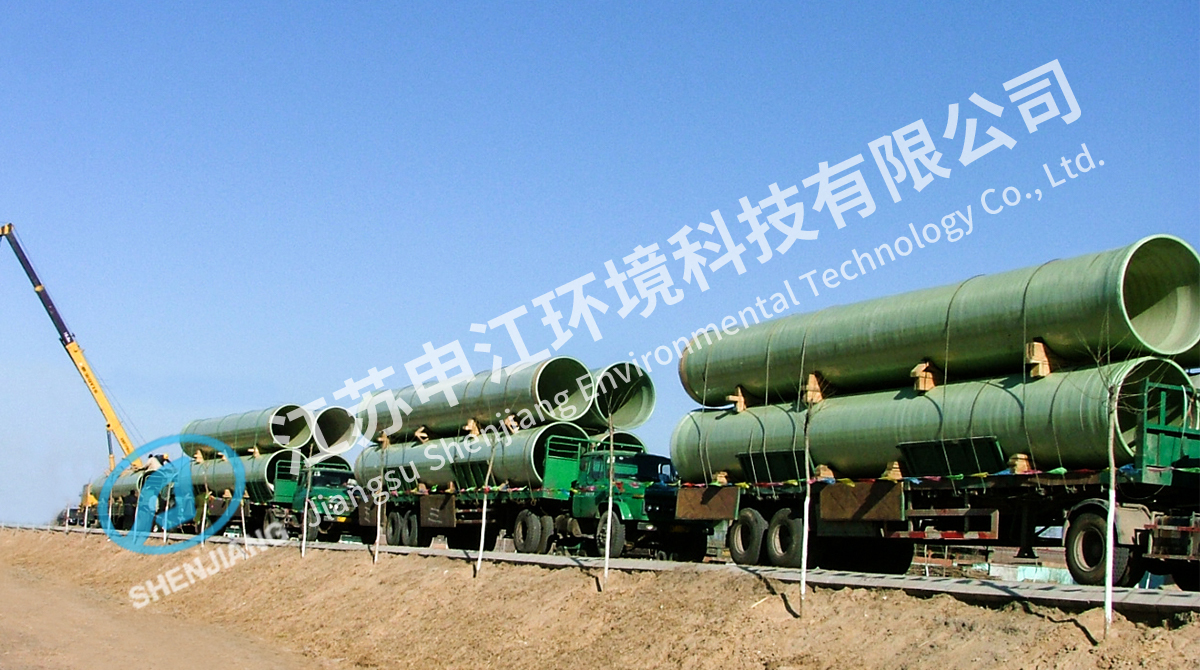
FRP still has to be specified for the actual duty. Resin selection is the first decision: isophthalic polyester handles general acid service, while vinyl ester is better for strong oxidizers and higher temperatures. Wall thickness depends on diameter, internal pressure, support spacing, and the vacuum the fan can create when an inlet damper closes. Joints and flanges must stay accessible, heavy runs need properly spaced supports, and outdoor sections require UV-resistant gel coat.
A duct that leaks or collapses under vacuum does more than violate emission limits; it forces shutdowns and rework far beyond the original saving from a cheaper material. In aggressive service, FRP and lined carbon steel often have similar installed costs, but FRP carries a lifecycle advantage because there is no liner to blister or detach.
Practical Procurement Steps
A waste gas project moves through five stages: process design, equipment supply, installation, commissioning, and operator training. Every supplier can quote a scrubber or an oxidizer, but project risk sits in the interfaces—between the hood and the fan, the fan and the tower, the tower and the stack, and the control system that ties them together.
Working with a design-to-installation manufacturer reduces coordination risk because one party owns the entire boundary. Published project examples across chemical fiber, power, oil, and other industries give a useful check on whether a supplier has actually tackled your pollutant profile before.
Define the commercial package clearly before signing: deliverables, performance test method, spare parts, and response time for technical support. A system is only as good as the commissioning that verifies it.
Waste gas treatment is a balance of chemistry, materials, and operating discipline. The best technology fails if the duct corrodes, the sensor reads wrong, or the bed is changed too late. Treat the project as one system, verify the numbers at every stage, and choose a partner who stands behind the installation. That approach, more than a single component, keeps a plant compliant and the surrounding community satisfied.




 English
 中文简体
 Español
 عربى
 русский
 ไทย
 Indonesia
 Tiếng Việt