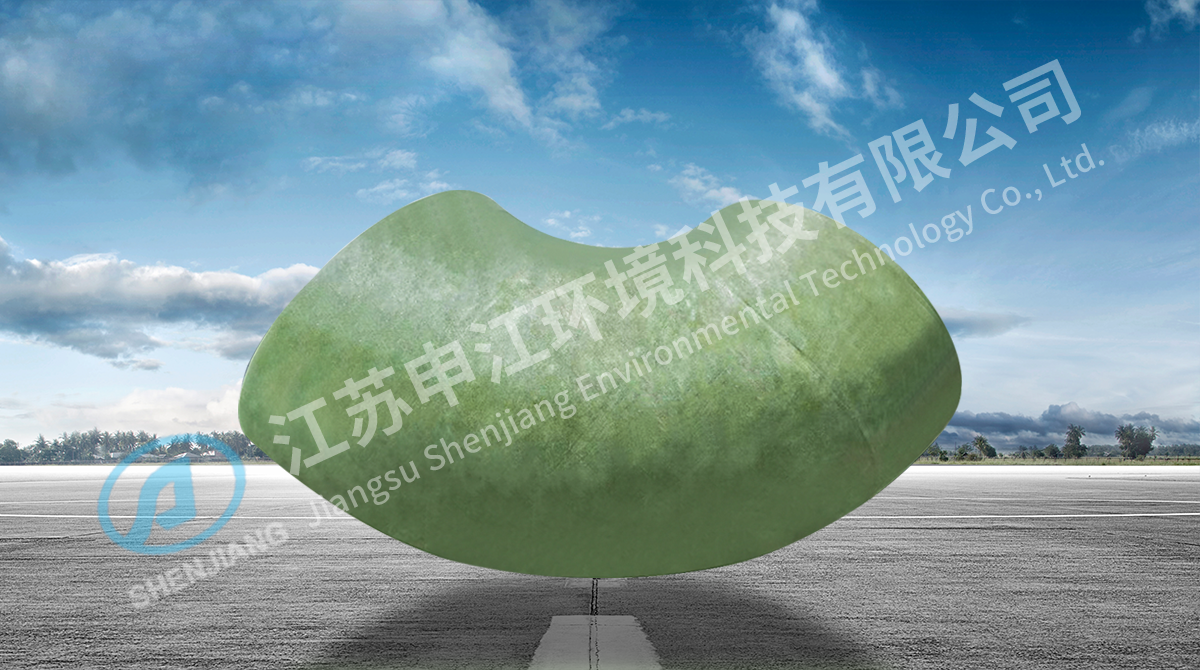
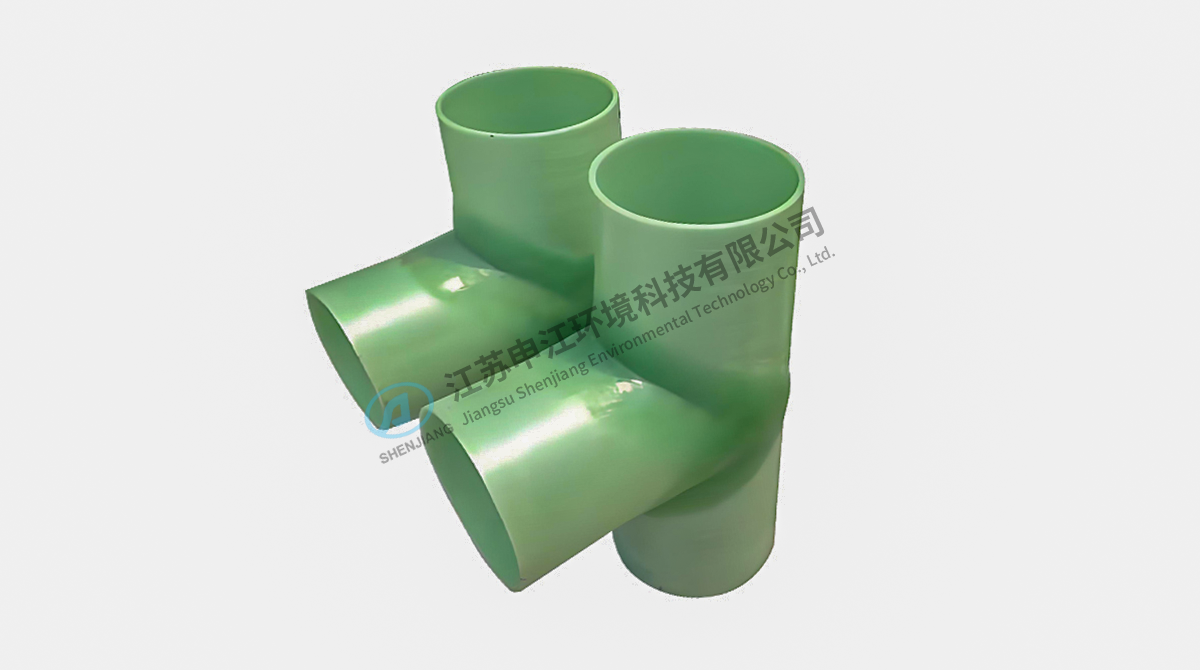
A chemical fiber plant in eastern China was losing product value through its CS2 exhaust stream while facing tightening emission limits, corrosion damage in its ductwork, and rising maintenance costs. The fix was not a single scrubber or a stronger fan. It was a coordinated system of gas collection, absorption, and corrosion-resistant transport built around the specific pollutant profile. That is the reality of environmental protection equipment: effectiveness depends less on buying individual machines and more on selecting an integrated set of equipment matched to the process, the pollutant, and the operating environment.
This guide explains what industrial environmental protection equipment does, how flue gas and waste gas treatment systems differ, why FRP components are central to reliable operation, and what to verify before you commit to a supplier.
What Environmental Protection Equipment Covers
Industrial environmental protection equipment includes all hardware and engineered systems used to prevent, capture, treat, or neutralize pollutants before they reach the atmosphere or water. In practice, it falls into four overlapping groups:
- Flue gas treatment systems: desulfurization, denitrification, wet electrostatic precipitation, and integrated units that handle multiple pollutants.
- Industrial waste gas treatment systems: carbon disulfide (CS2) recovery or destruction, biological deodorization, and acid gas conversion.
- Material handling and containment: corrosion-resistant pipes, ducts, storage tanks, scrubbers, and absorption towers.
- Auxiliary systems: wastewater treatment, cooling towers, and HVAC ventilation that support the main treatment process.
The boundary between equipment and engineering is deliberately blurred. A wet electrostatic precipitator only performs well if the upstream gas distribution, downstream drainage, and electrical controls are correctly designed. That is why most industrial buyers purchase environmental protection equipment as part of a broader system or turnkey project rather than as standalone machinery.
Flue Gas Treatment: Desulfurization and Denitrification Under Real Conditions
For power plants, industrial boilers, and other combustion sources, the two largest pollutant categories are sulfur dioxide (SO2) and nitrogen oxides (NOx). The conventional answer is a desulfurization unit followed by a denitrification unit, or a combined system that handles both in one pass.
What to compare when evaluating flue gas equipment
- Desulfurization efficiency: wet flue gas desulfurization (FGD) systems typically reach 90-98% removal, depending on the absorbent chemistry and the sulfur content of the fuel.
- NOx reduction method: selective catalytic reduction (SCR) using ammonia or urea is the standard; efficiency depends on flue gas temperature, catalyst condition, and injection uniformity.
- Particulate removal: wet electrostatic precipitators capture acid mist, fine droplets, and submicron particles that a conventional scrubber can miss.
- Byproduct handling: gypsum, ammonium sulfate, or other byproducts must fit an existing disposal route or sales channel.
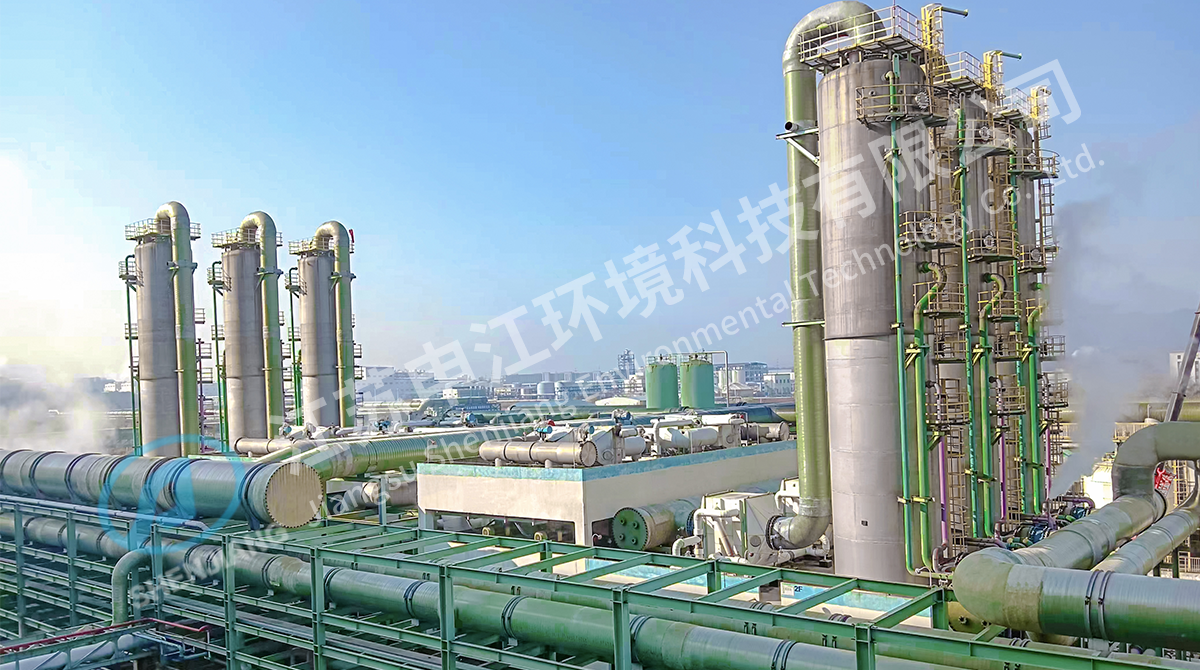
Flue gas contains moisture, chlorides, and temperature swings. Equipment that survives these conditions requires either high-grade alloys or a well-designed FRP construction for ducting, tower internals, and stacks. A combined desulfurization and denitrification system is often the practical choice for mid-sized industrial plants because it reduces footprint and interconnecting pipework.
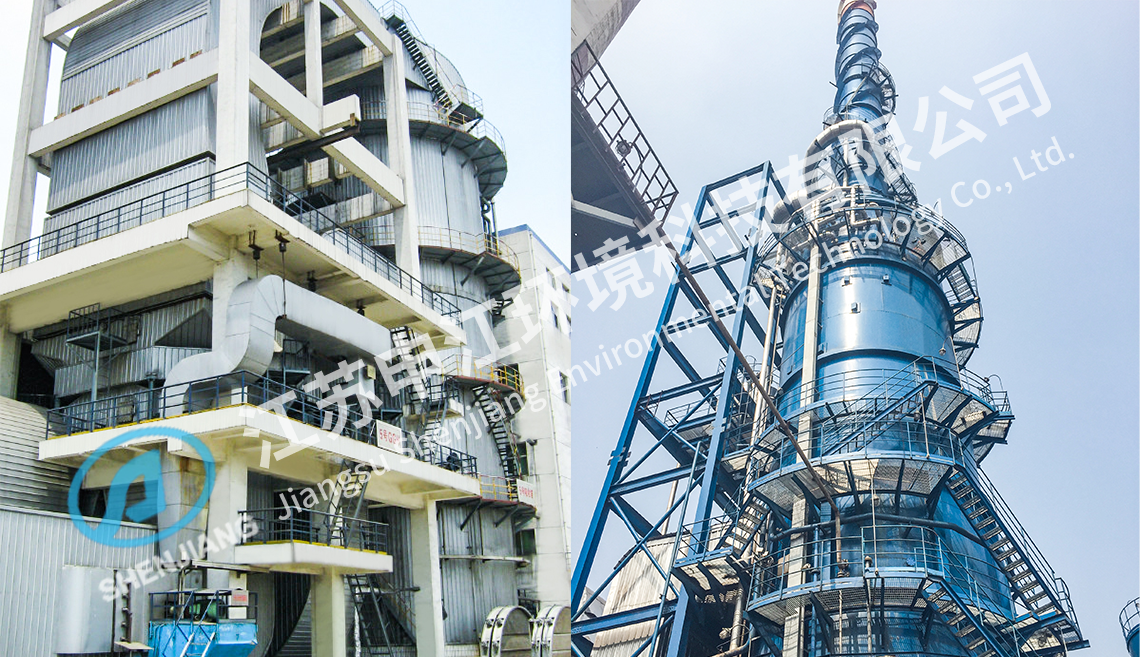 Integrated Flue Gas Desulfurization and Denitrification UnitThis combined system simplifies commissioning and provides single performance guarantees, while reducing footprint and interconnecting pipework. Suitable for mid-sized industrial plants handling moisture, chlorides, and temperature swings, it leverages SCR and SNCR technologies to meet NOx and SO2 emissions limits.View Product →
When a supplier offers the desulfurization and denitrification steps as one integrated unit, commissioning is simpler and performance guarantees cover the whole train instead of separate components.
Industrial Waste Gas Treatment: CS2, Odors, and Acid Gases
Industrial waste gas is broader than flue gas. It includes solvents, sulfur compounds, ammonia, and organic odors from chemical fiber, papermaking, and other processes. Two treatment routes dominate the field:
- Recovery or conversion: CS2 from viscose fiber production can be condensed, absorbed, or converted into sulfuric acid. A waste-gas-to-acid system turns a compliance liability into a usable product.
- Destruction or deodorization: biological deodorization uses microorganisms to break down odorous compounds and is cost-effective for large volumes of dilute gas.
CS2 waste gas is a classic case where equipment choice dictates both compliance and operating cost. Because CS2 is toxic, flammable, and corrosive when oxidized, the treatment train typically includes gas collection, pre-treatment, catalytic conversion, and acid recovery stages. A supplier that covers process design, equipment manufacturing, piping supply, commissioning, and construction reduces the coordination risk that plagues multi-vendor projects.
 CS2 Exhaust Gas Treatment Package ProjectA complete EPC solution covering collection, pre-treatment, catalytic conversion, and acid recovery. This integrated package minimizes coordination risks by providing process design, equipment supply, piping, commissioning, and construction from one vendor, and can link into existing utility networks for added efficiency.View Product →
For plants that already operate a desulfurization or acid recovery line, the same engineering team can often integrate the CS2 treatment into the existing utility network, avoiding duplicate fans, pumps, and control systems.
Why FRP Is the Workhorse Material for Emission Control Equipment
Fiberglass reinforced plastic (FRP) is increasingly the default specification for environmental protection equipment because it solves the corrosion problem that slowly destroys metal components. When a gas stream is humid, acidic, or chloride-laden, carbon steel needs expensive linings, and stainless steel can suffer pitting or stress corrosion cracking. FRP resists these conditions directly, without a sacrificial coating.
Material comparison for wet acidic gas service
| Property |
FRP |
Carbon steel |
Stainless steel (304/316) |
| Corrosion resistance in acid or wet gas |
Excellent |
Poor without lining |
Good but vulnerable to chlorides |
| Weight relative to steel |
About one-quarter |
Baseline |
Slightly heavier |
| Initial cost |
Moderate |
Low |
High |
| Maintenance demand |
Low if properly designed |
Frequent coating repairs |
Moderate |
| Design flexibility |
High, custom shapes |
Moderate |
Moderate |
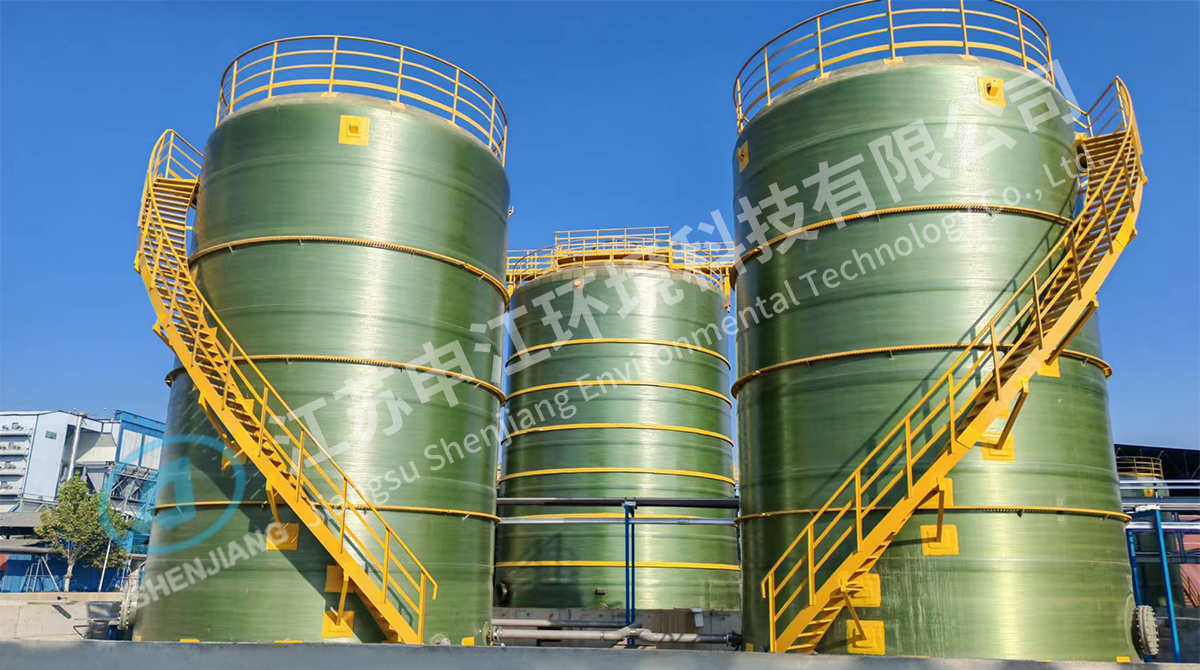
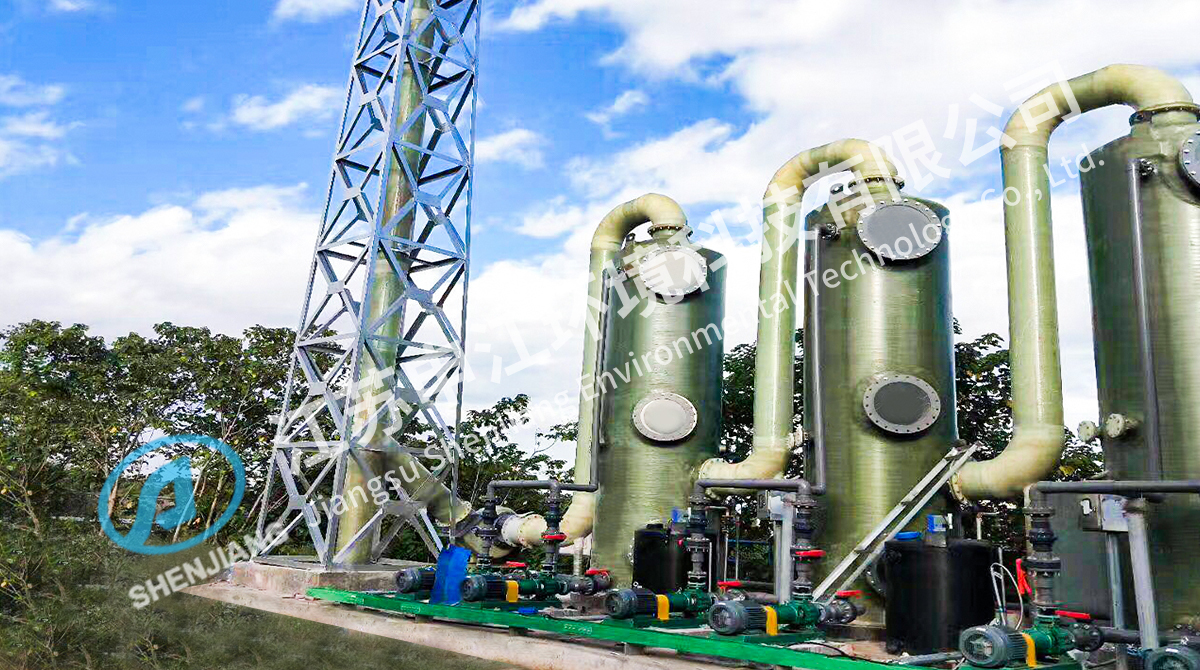
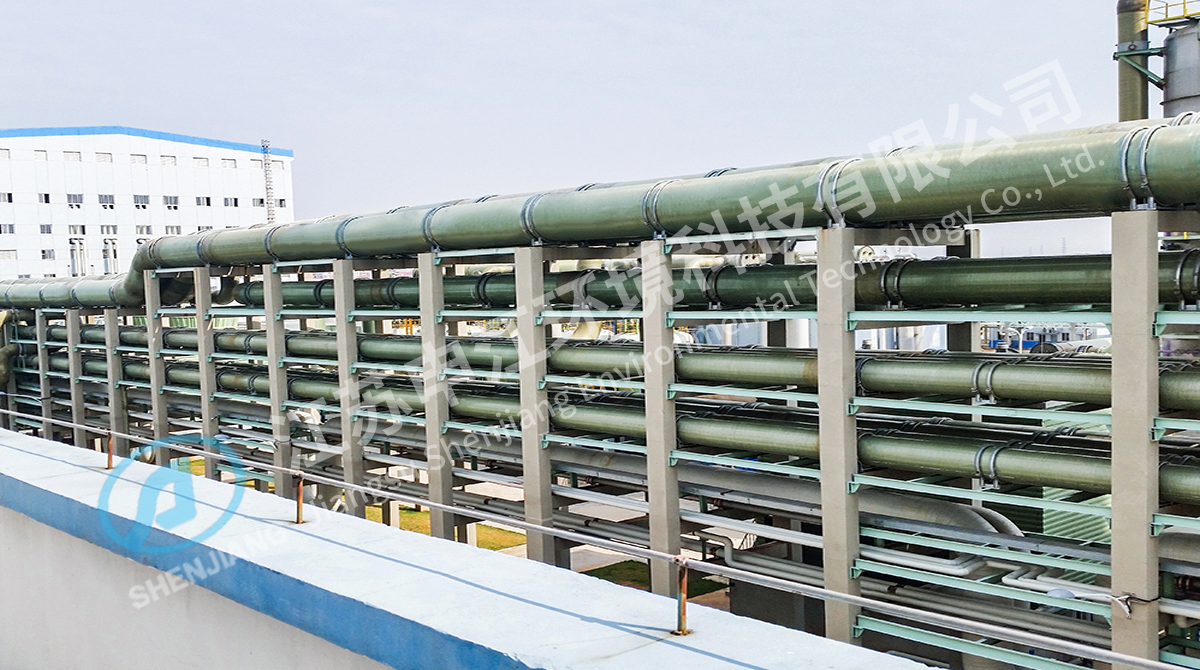
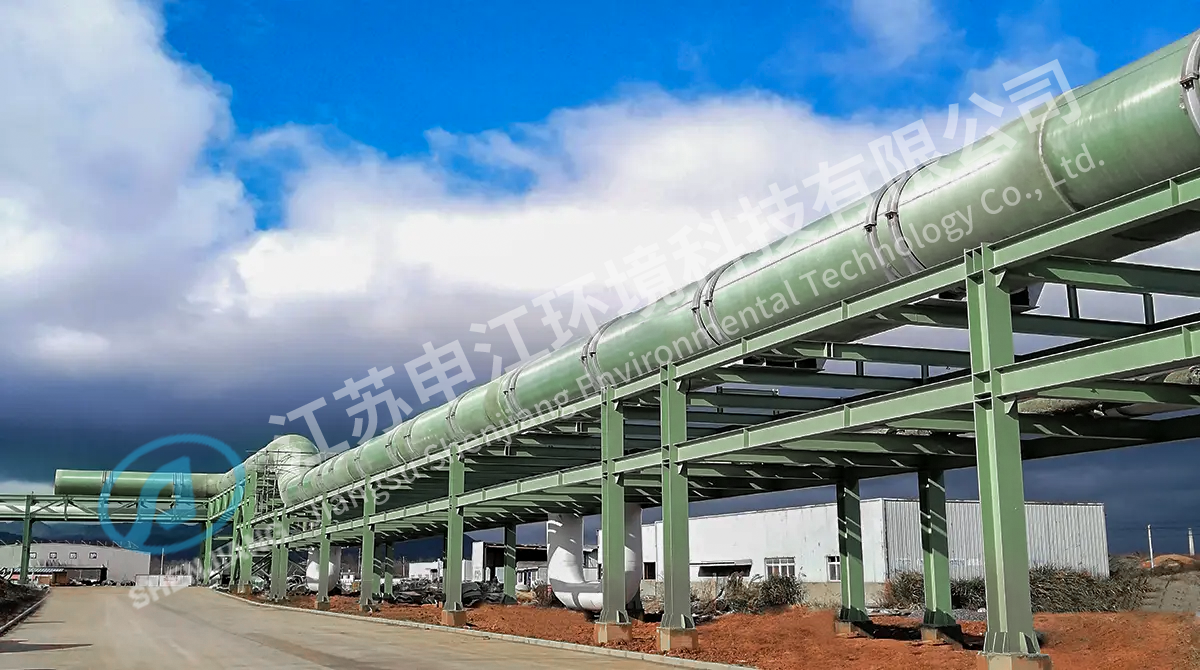
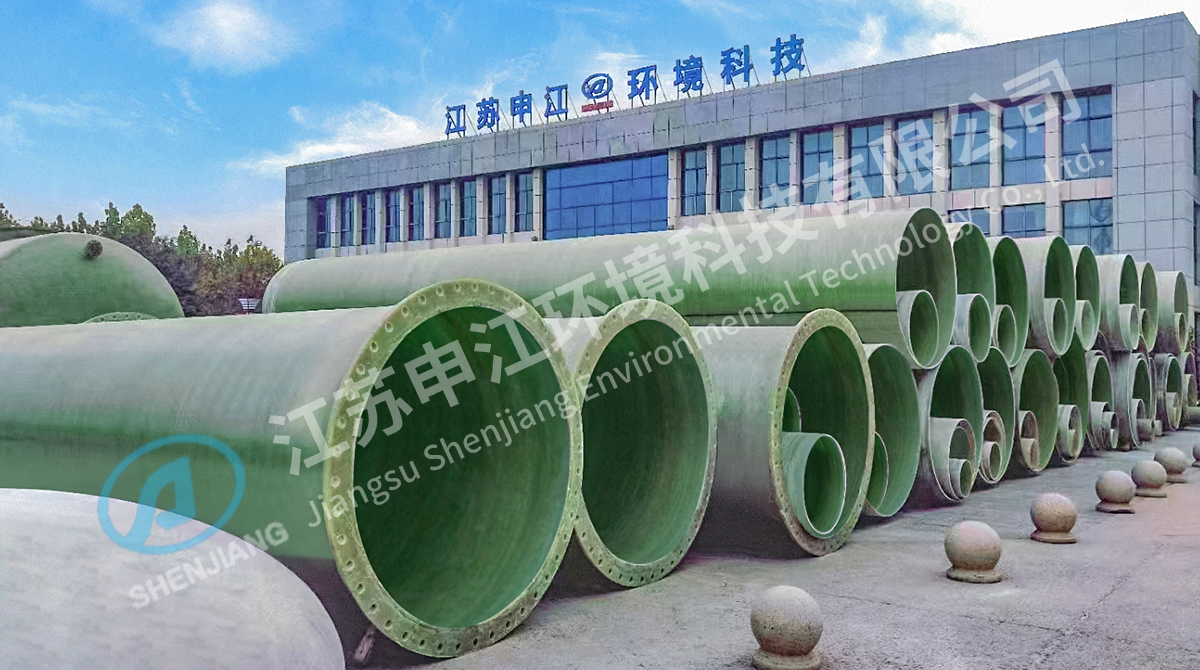
The FRP components that matter most in emission control include waste gas transportation pipelines, exhaust ducts, scrubbing towers, absorption towers, and storage tanks. FRP ducts handle moist, acidic air streams without the condensation-driven corrosion that eventually eats through galvanized steel. FRP towers can be manufactured with integral flanges and reinforced nozzles, which reduces leak points compared with field-welded metal assemblies.
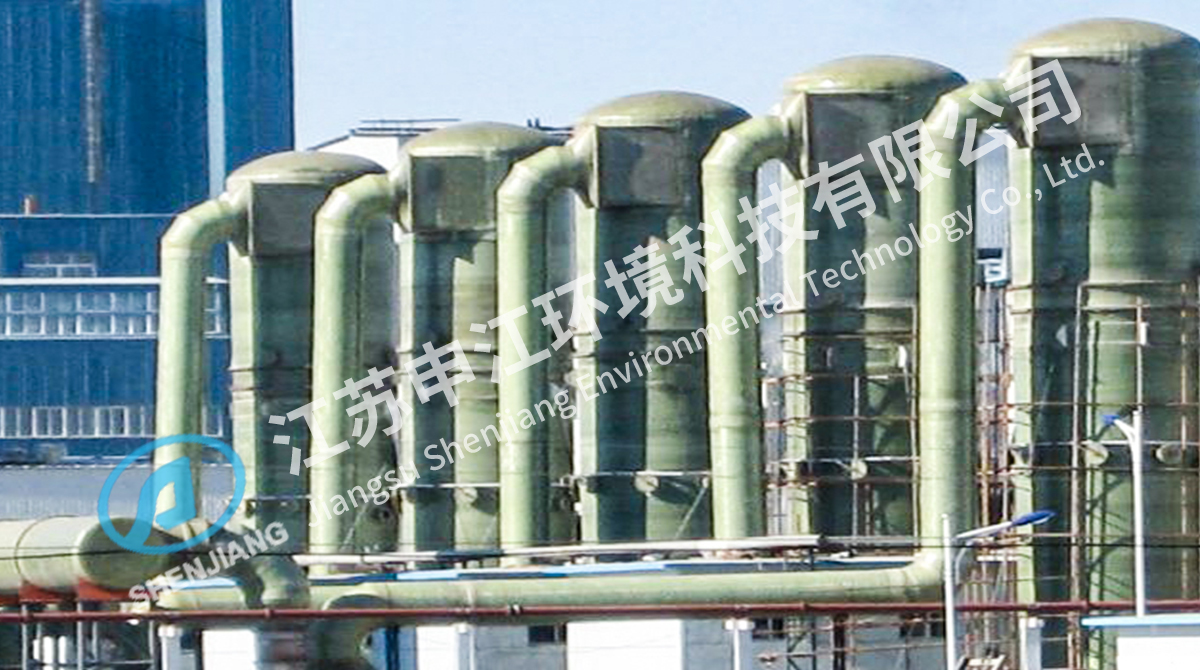 FRP Scrubbing Tower for Corrosive Exhaust StreamsConstructed with fiberglass, this tower resists acidic and alkaline gases, offering higher strength and wear resistance than traditional materials. Integral flanges and reinforced nozzles reduce leak points, and its suitability for wet, humid service makes it a dependable choice for emission control in chemical and industrial applications.View Product →
For a closer look at how FRP components behave in wet service, read our technical assessment of FRP exhaust ducts in high-humidity environments.
Engineering, Installation, and Commissioning: The Hidden Half of the System
Many emission control failures trace back to installation and integration rather than equipment design. A scrubber that performs well in a test bay can underperform on site if the duct layout creates stagnant zones, if the support steel transmits vibration, or if the commissioning loop did not verify liquid distribution and reagent feed rates.
Buyers should look for four capabilities in a supplier:
- Process design: mass balance, gas velocity, residence time, and removal efficiency calculations that start from the actual gas composition.
- Fabrication quality: resin selection, curing control, and thickness consistency in FRP parts.
- Installation and debugging: on-site assembly, leak testing, and tuning of reagent dosing and control logic.
- Project construction: civil works, piping interconnections, and electrical and instrumentation integration.
A supplier that offers engineering design, equipment supply, and project construction under one contract provides a single point of accountability. Our documented project histories and industry cases show how this model works in chemical fiber, power, papermaking, oil, seawater desalination, and gas transport applications.
How Environmental Protection Equipment Is Applied Across Industries
Environmental protection equipment is specified differently in every sector, but the underlying logic is the same: identify the pollutant, match the treatment chemistry, and protect the hardware from the environment it creates.
Typical pollutant-to-equipment mapping by industry
| Industry |
Primary pollutants |
Typical equipment |
| Chemical fiber |
CS2, hydrogen sulfide |
CS2 recovery, acid production, biological deodorization |
| Power generation |
SO2, NOx, particulates |
FGD, SCR, wet electrostatic precipitator |
| Papermaking |
Odors, particulates, wastewater |
Biological deodorization, scrubbers, wastewater treatment |
| Oil and gas |
VOCs, hydrogen sulfide |
Absorption towers, FRP piping, flue gas treatment |
| Seawater desalination |
Corrosive intake and discharge |
FRP seawater submerged pipes |
| Gas transport |
Corrosive gas streams |
FRP exhaust ducts, pipes, and fittings |
Even within a single facility, the same plant may need FRP seawater-submerged pipes for its cooling water intake, an FRP scrubber for tank vent gas, and a flue gas desulfurization unit for its boiler. The common thread is corrosion resistance and process-specific design.
Practical Guidance for Your Next Purchase
Start from the pollutant, not the catalog. Define the composition, temperature, humidity, and flow rate of the gas stream, then set a target removal efficiency that satisfies the local emission limit. Evaluate equipment against three criteria:
- Material durability in your actual environment, including temperature, chlorides, and condensate acidity.
- The supplier's ability to engineer, supply, install, and commission the system as one accountable package.
- Operating cost over the equipment's life, including reagent consumption, power draw, and planned maintenance.
Environmental protection equipment is a long-term asset. A well-designed FRP system with corrosion-resistant internals and a correctly sized treatment train can operate for decades with predictable maintenance. The upfront price matters less than the total cost over the system's life, which is why experienced buyers weigh engineering capability and material selection as heavily as the equipment price tag.




 English
  中文简体
中文简体 Español
 عربى
عربى русский
 ไทย
ไทย Indonesia
 Tiếng Việt