Jiangsu Shenjiang Environmental Technology Co., Ltd.

Recruiting Global Agents

Jiangsu Shenjiang Environmental Technology Co., Ltd.
Home / Product / FRP products / FRP pipes & fittings / FRP Process Pipe

FRP Process Pipe

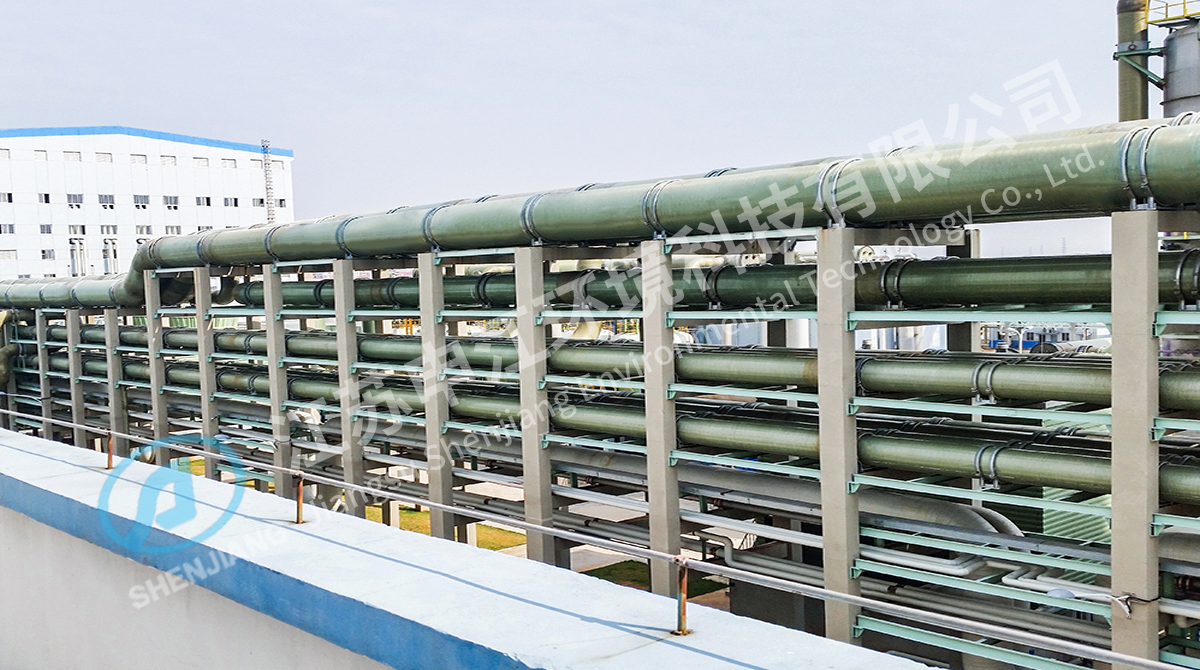
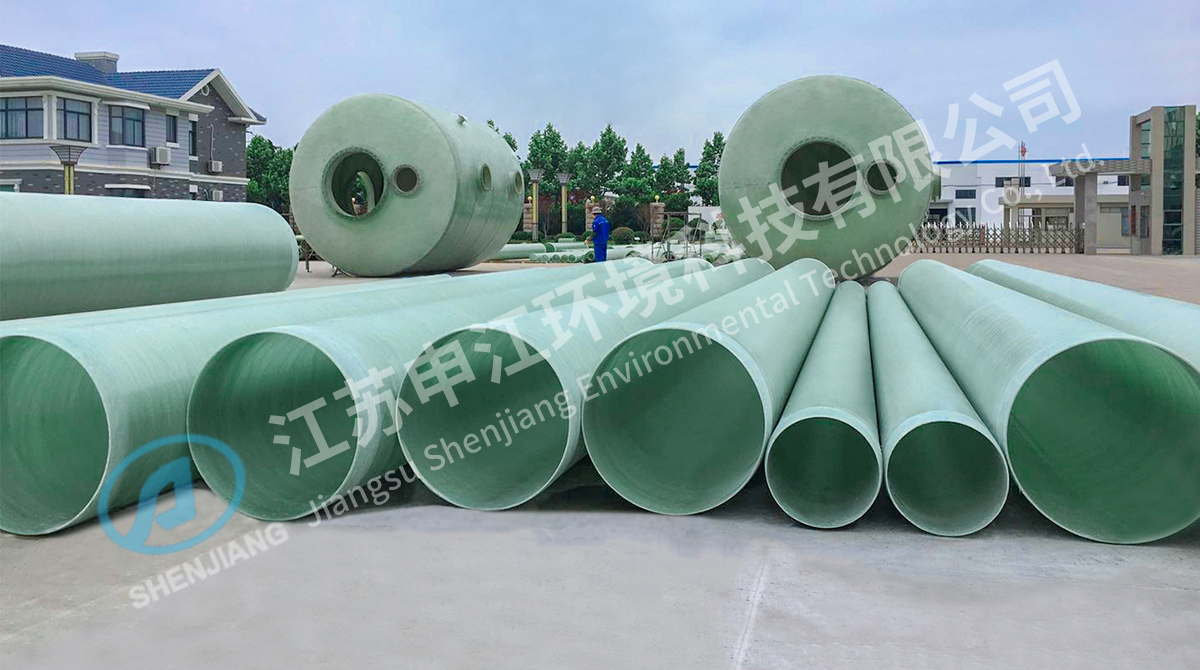
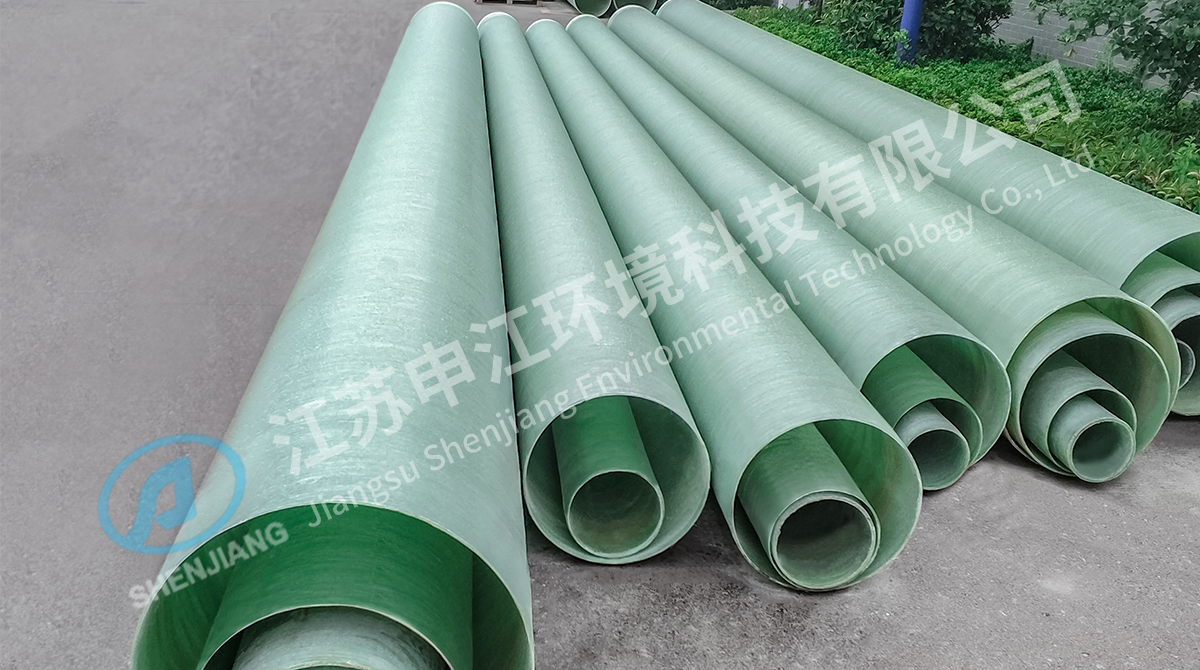
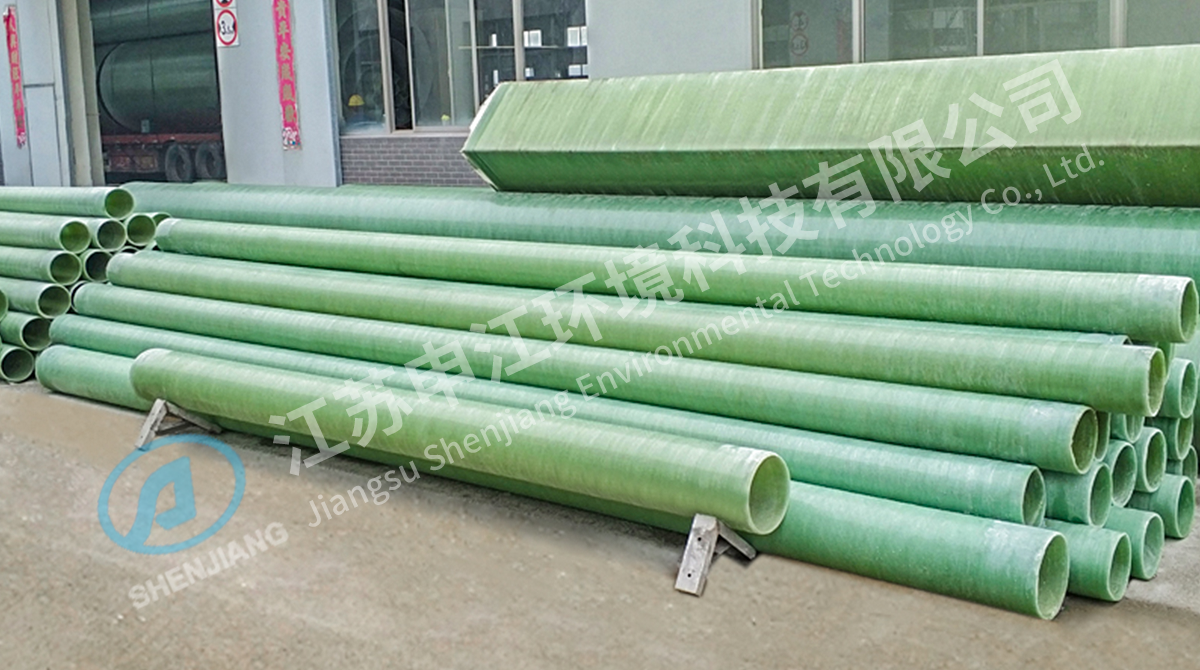
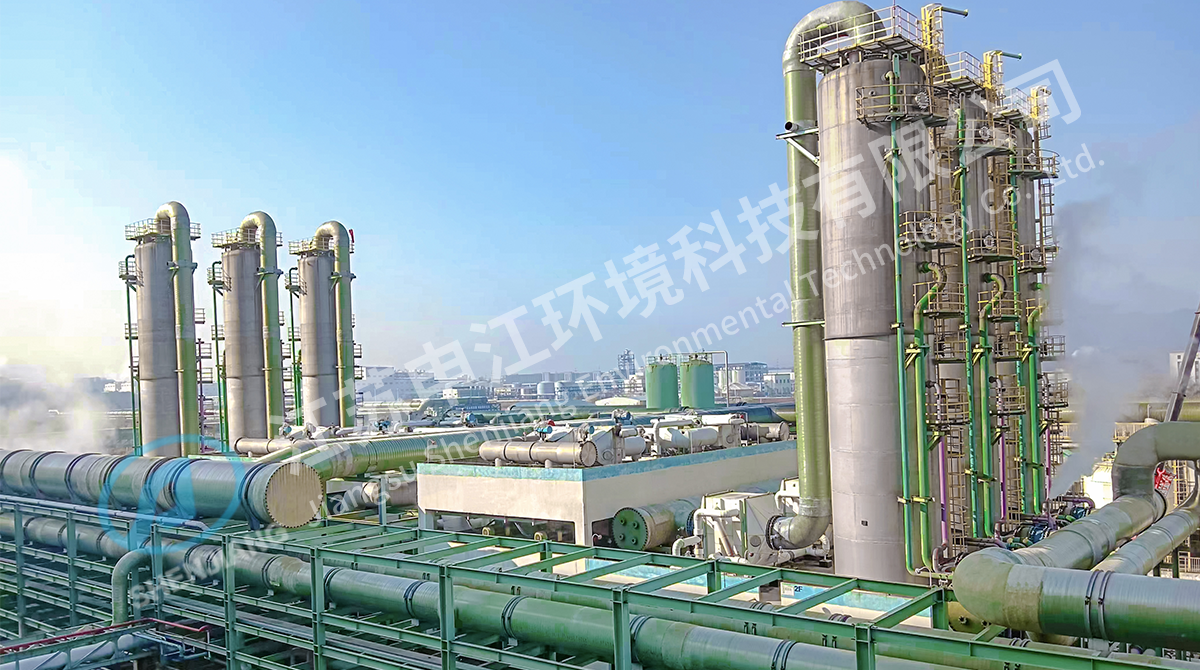
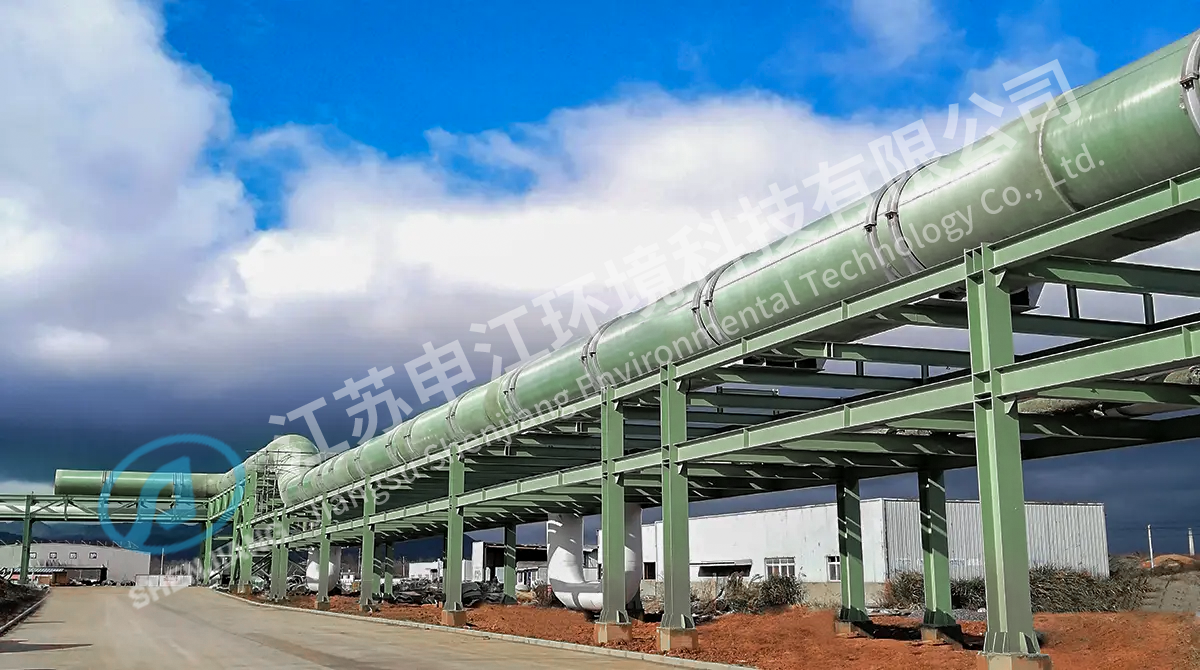
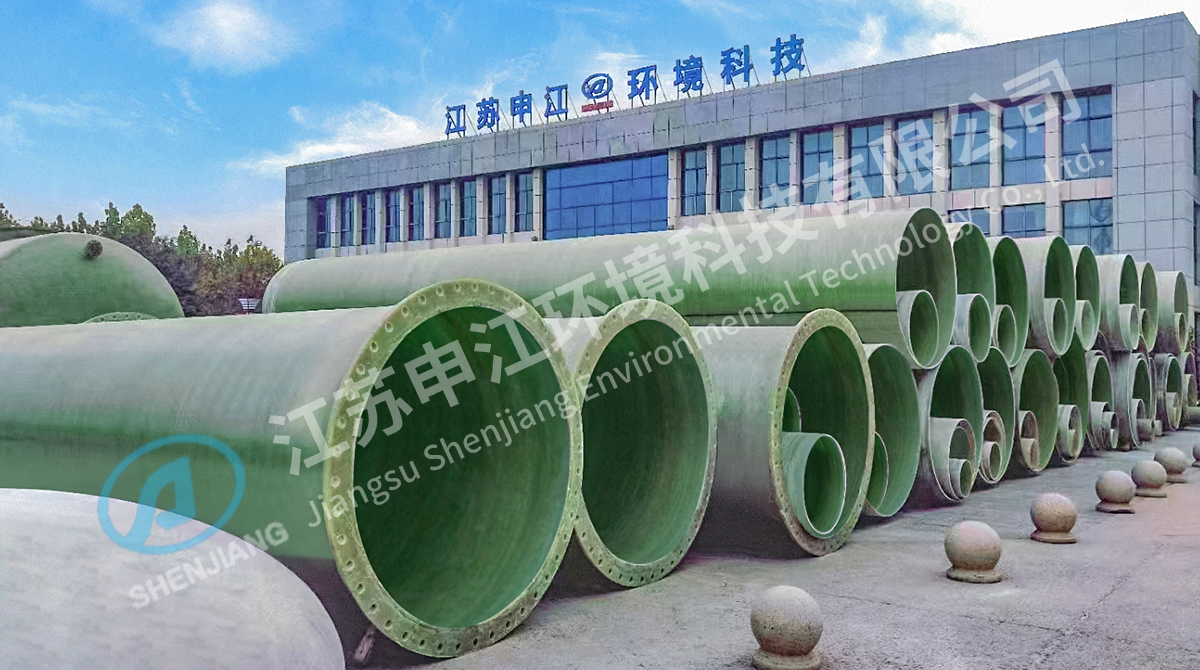
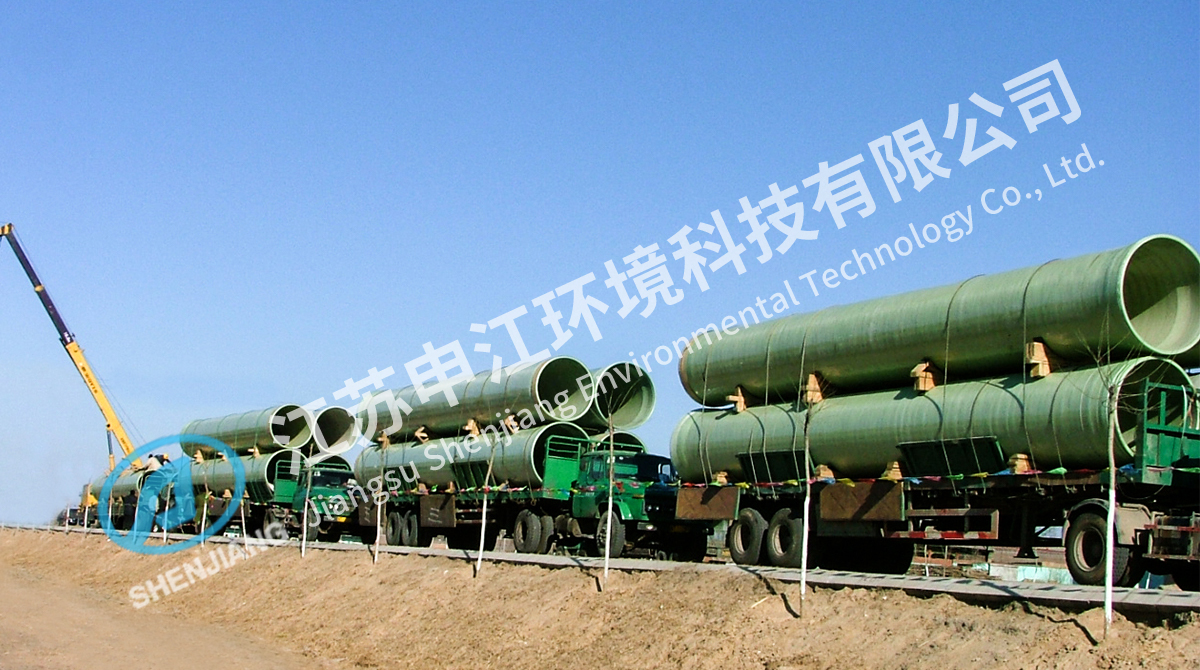
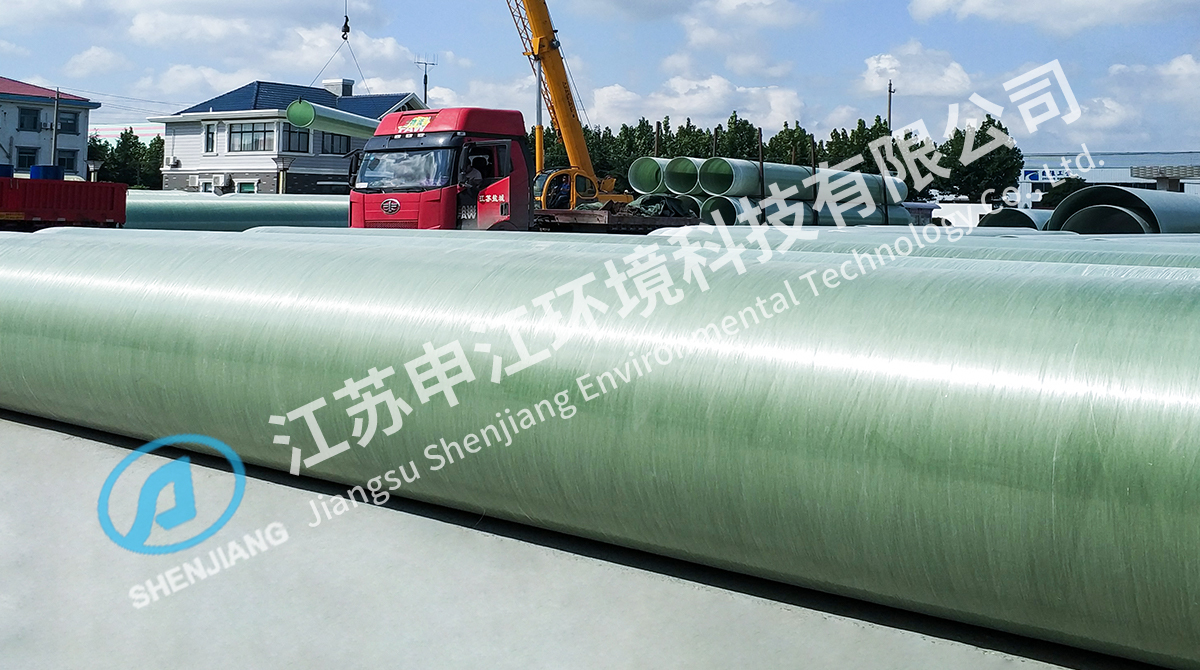
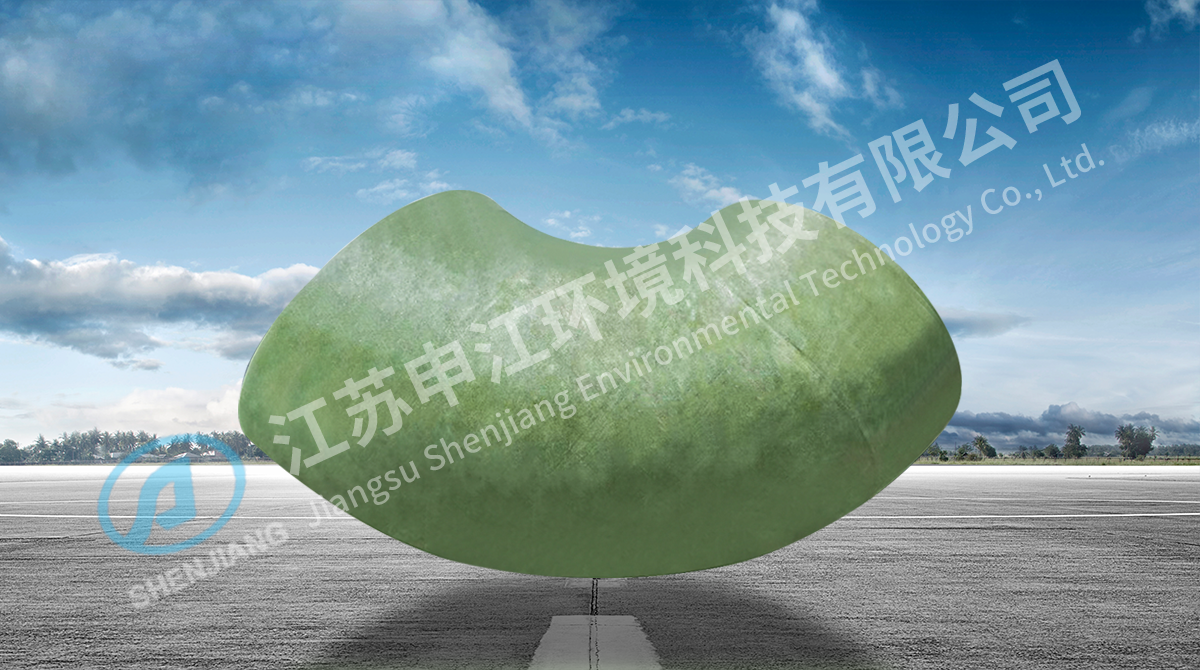
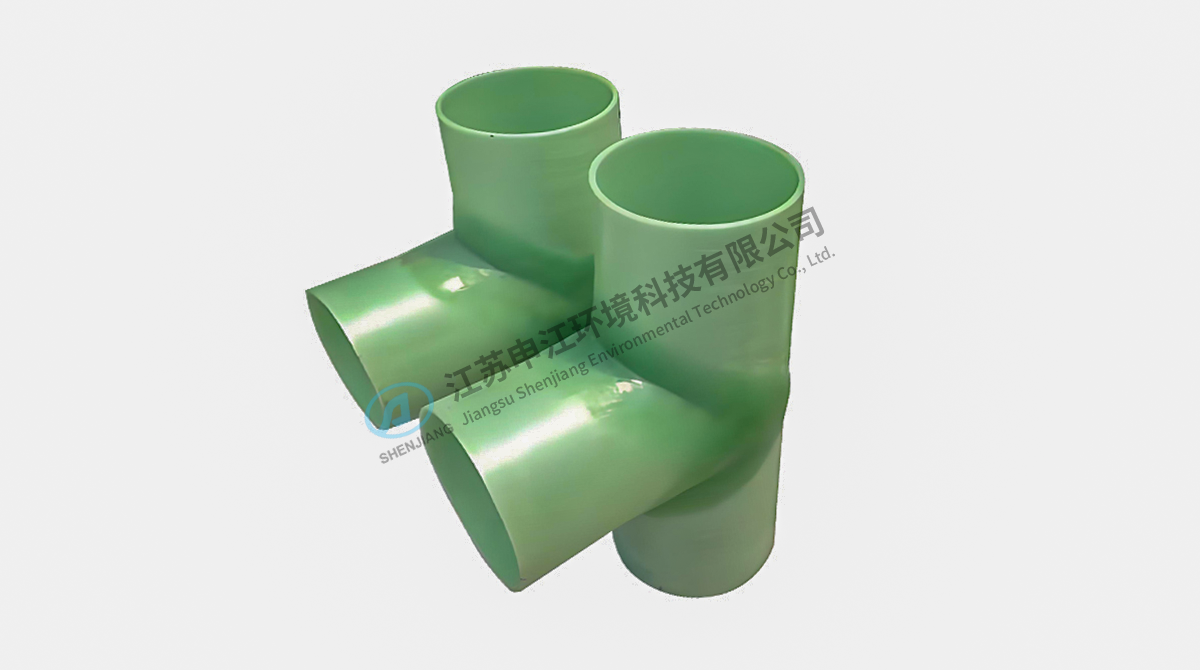
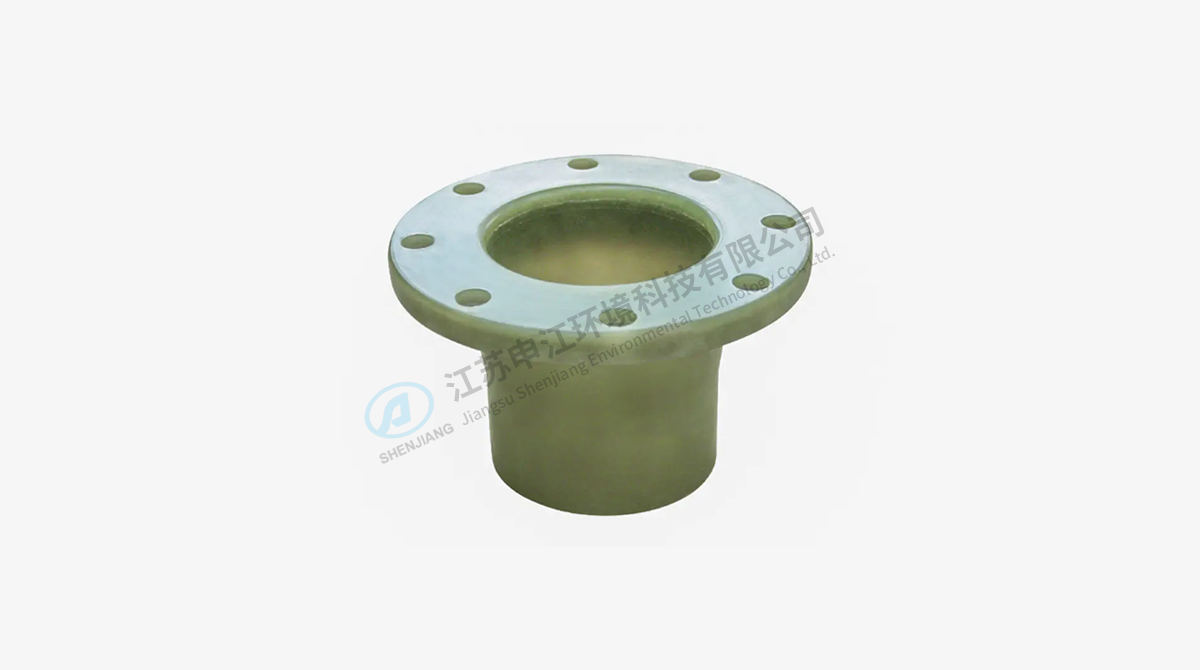
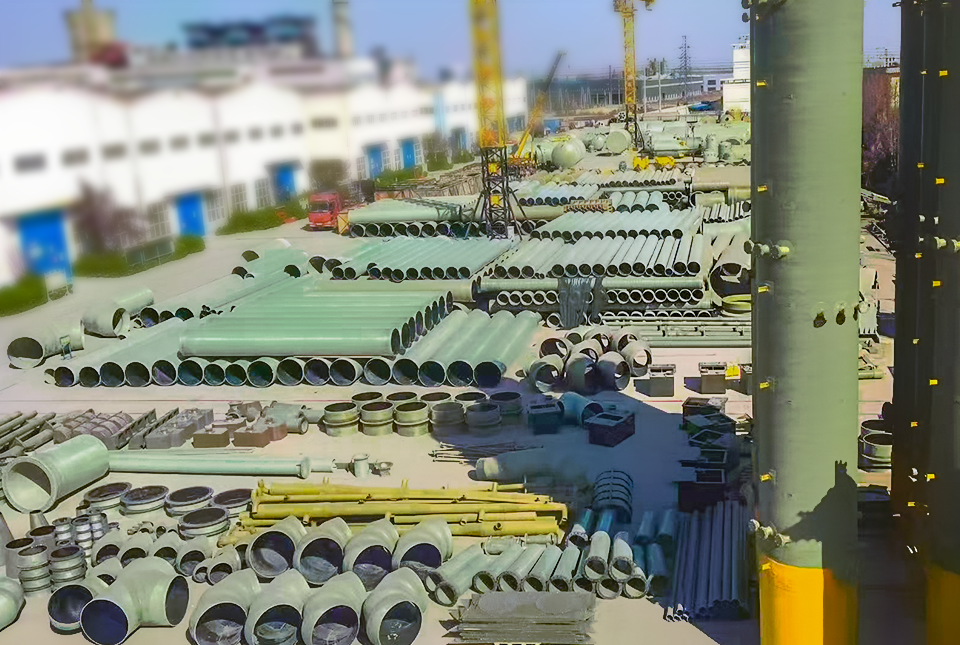
FRP process pipeline, also known as FRP composite pipeline, is a pipeline made of glass fiber and resin composite material. FRP is a composite material with corrosion resistance and high strength, so it is widely used in pipeline systems in chemical, petroleum, food, medicine, and other industries.

FRP process pipeline has the following characteristics:

1. Corrosion resistance: FRP material has corrosion resistance and can resist the erosion of chemical media such as acid, alkali, salt, etc., so it is suitable for the transportation of corrosive media.

2. Lightweight and high strength: FRP pipeline is light in weight but has high strength, which is easy to install and maintain.

3. Wear resistance: FRP pipeline has good wear resistance and can maintain a good surface condition during long-term use.

4. Good conductive insulation performance: FRP is an insulating material suitable for some special transportation occasions.

5. Convenient construction: FRP pipeline can be made on-site as needed to adapt to various complex sites and process requirements.

In general, FRP process pipelines have the advantages of corrosion resistance, lightweight, high strength, wear resistance, conductive insulation, etc., so they are widely used in chemical, petroleum, food, and other industries.

Exceeding Your Dreams on a Budget

Are you looking for solutions that not only meet but exceed your expectations? Look no further! Our dedicated team of experts is at your service, eager to provide you with swift and dependable support. Whether you have questions, need inquiries addressed, or have concerns that require immediate attention, we are here to ensure a good experience for you.

About SHENJIANG
Jiangsu Shenjiang Environmental Technology Co., Ltd.

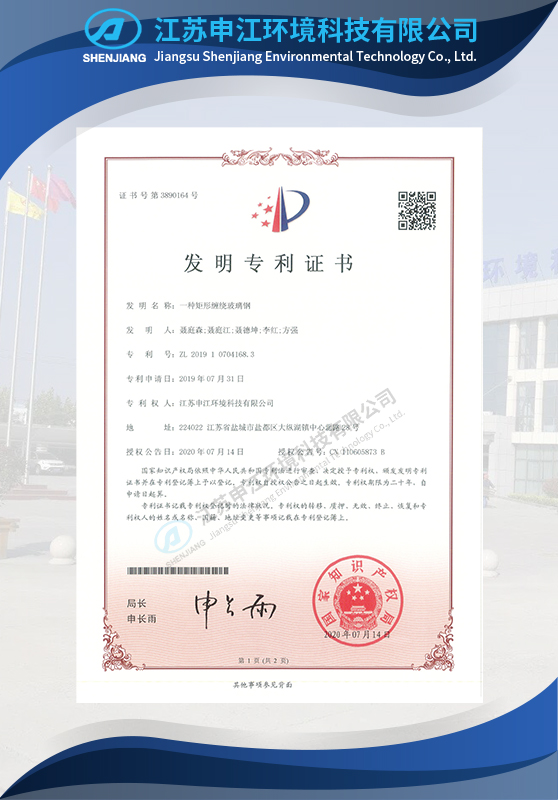
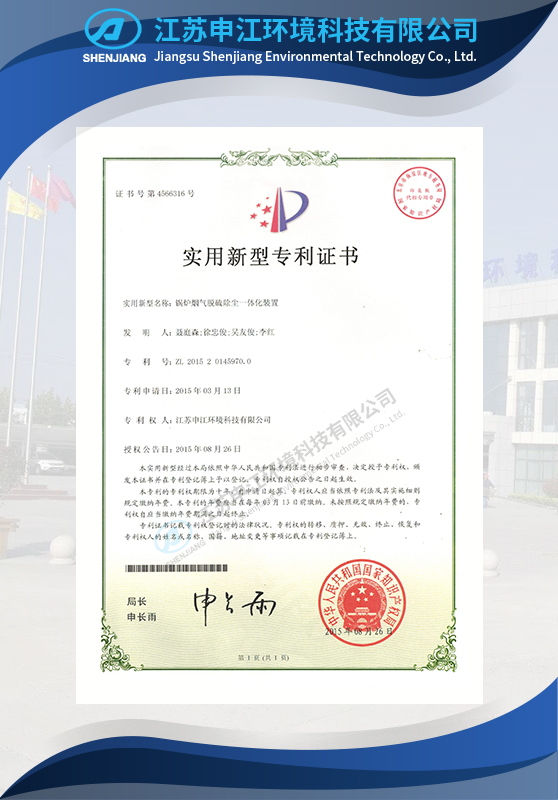
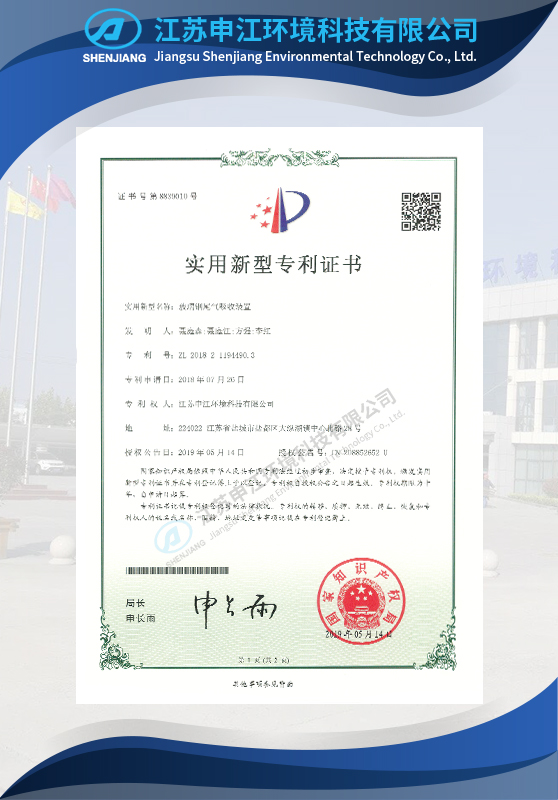
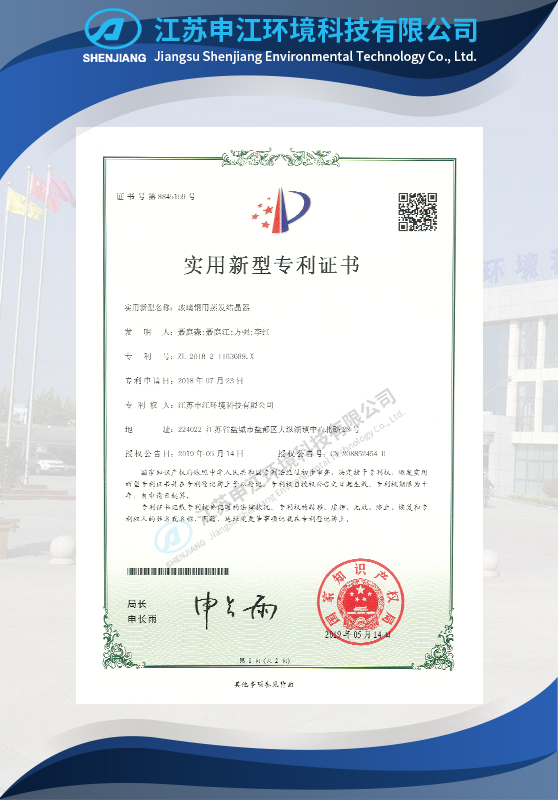
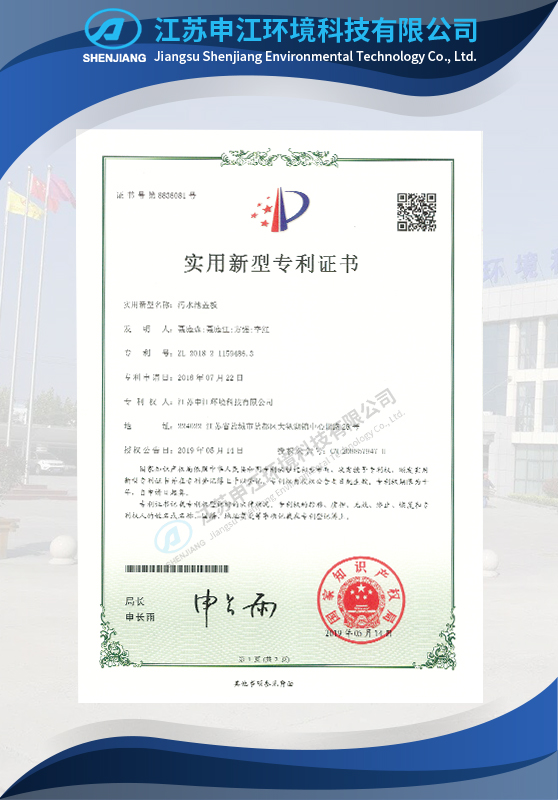
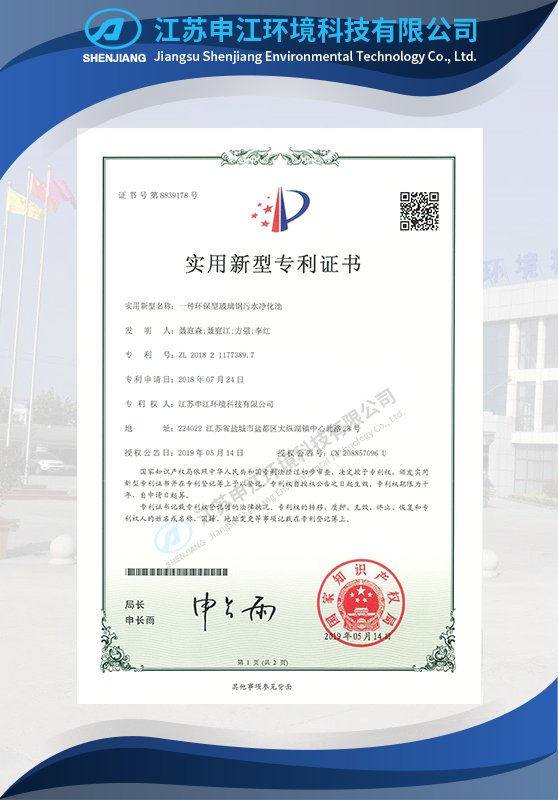
Established in 1996, Jiangsu Shenjiang Environmental Technology Co., Ltd. is a professional China FRP Process Pipe Manufacturers and FRP Process Pipe Factory.And is nestled in the picturesque city of Yancheng, Jiangsu Province, known for its moniker "Land of Water and Fish-Rice." The company specializes in designing, developing, manufacturing, and installing complete sets of waste gas treatment equipment and resin-based composite material products. Adhering to the principle of "market orientation and technological innovation," we have been steadfast in scientific and technological innovation, ensuring the company's sustained and stable growth. Our team comprises 218 dedicated employees, including 35 professional technicians, and we are equipped with over 100 advanced testing and production machines. Our R&D center spans 3,000 square meters, while our factory buildings, office buildings, and business buildings cover an area of 35,000 square meters. With a registered capital of 101.6 million yuan and total assets amounting to 154 million yuan, we have evolved over two decades through continuous self-innovation, utilizing new materials, technologies, and processes, resulting in a cluster of industries with multiple patents. Shenjiang embraces a diversified and multifaceted approach to industry-academia integration. We adopt an applied training model that combines theoretical research with practical exploration, establishing long-term cooperative relationships with esteemed institutions like Southeast University, University of Shanghai for Science and Technology, Xi'an Jiaotong University, "China Environmental Protection Equipment Industry Base Technology Research Center," and "Jiangsu Pollution Control and Resource Utilization Engineering Technology Research Center." In addition, we actively promote international scientific and technological cooperation, forging partnerships with countries such as Indonesia, Thailand, Austria, and Singapore. Guided by the business philosophy of "technology, credibility, service, and development," we have developed a range of innovative products including waste gas treatment and recovery systems, desulfurization and denitrification systems, central air conditioning unit systems and fittings, windpipes, resin-based composite pipes, water supply and drainage sandwich pipes, resin-based composite material non-standard equipment and storage tanks, cooling towers, chemical fiber non-standard equipment, cleaning furnace equipment, and painting complete sets of equipment. These new processes are characterized by advanced technology, strong adaptability, simple operation, and low costs. We have filed 40 proprietary technology certifications, with 30 utility granted, 4 inventions, and 7 PCT certificates. Our independently developed waste gas recovery and treatment devices have been listed in the "Jiangsu Province Key Promoted New Technology and New Product Catalog." With a global presence, we have established supply, installation, and sales offices in various locations, including Indonesia, Singapore, Austria, Xinjiang, Fujian, Nanjing, Shandong, and Sichuan. Moreover, we boast professional construction teams specializing in environmental protection, mechanical and electrical, and anti-corrosion and insulation equipment installation. As our enterprise grows, Shenjiang is committed to enhancing its brand influence, rallying together to face challenges, and seeking mutual development for a shared future. We adhere to a people-oriented approach and a development philosophy that emphasizes scientific innovation. With a united front and the determination to overcome difficulties, we maintain our entrepreneurial spirit and unwavering commitment to our founding principles. We strive to create intellectual property for our enterprise, gradually shift focus to our core business, and pursue diversified development. We are constantly upgrading and transforming, targeting the development trends of both domestic and international markets, and aiming to establish new projects and achieve new outcomes. We are dedicated to making a greater contribution to the cause of environmental protection.


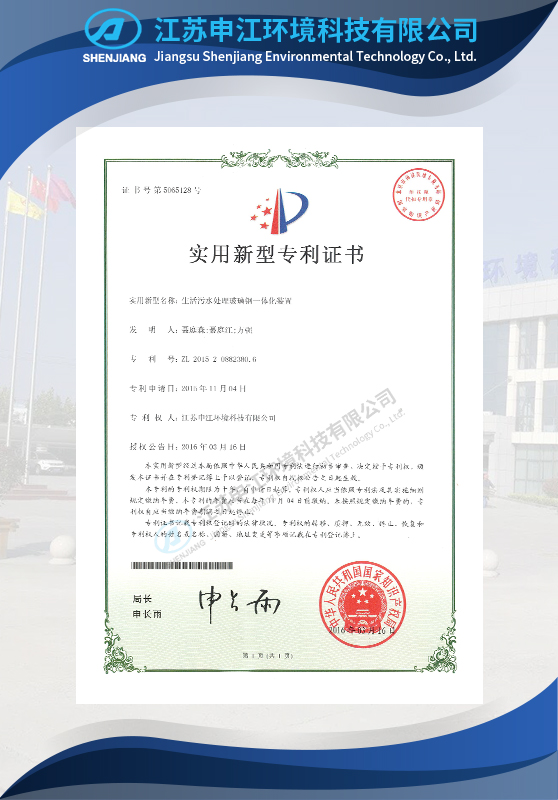
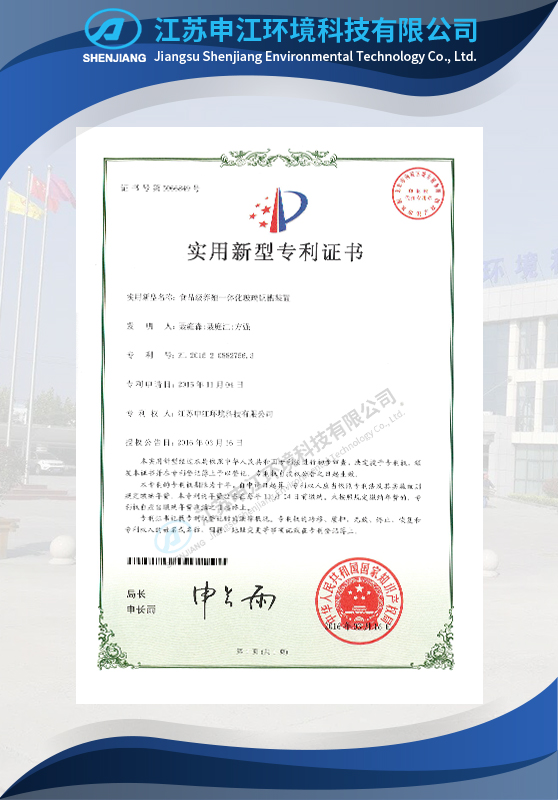
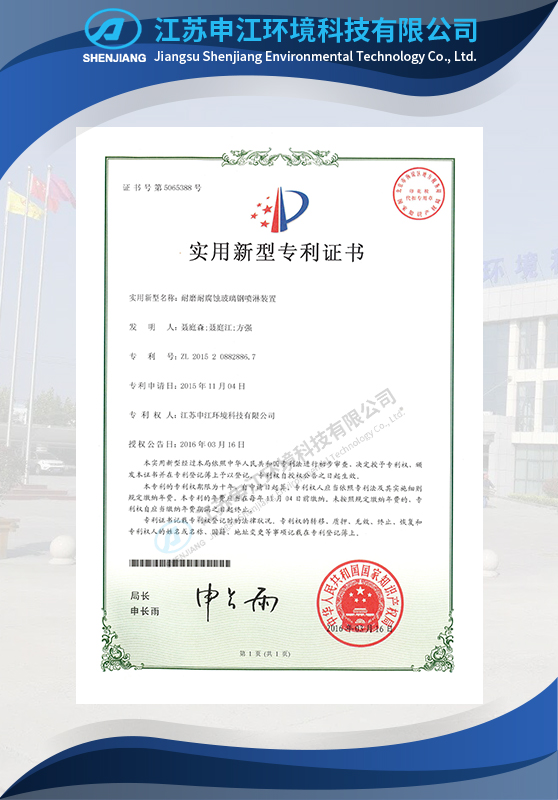
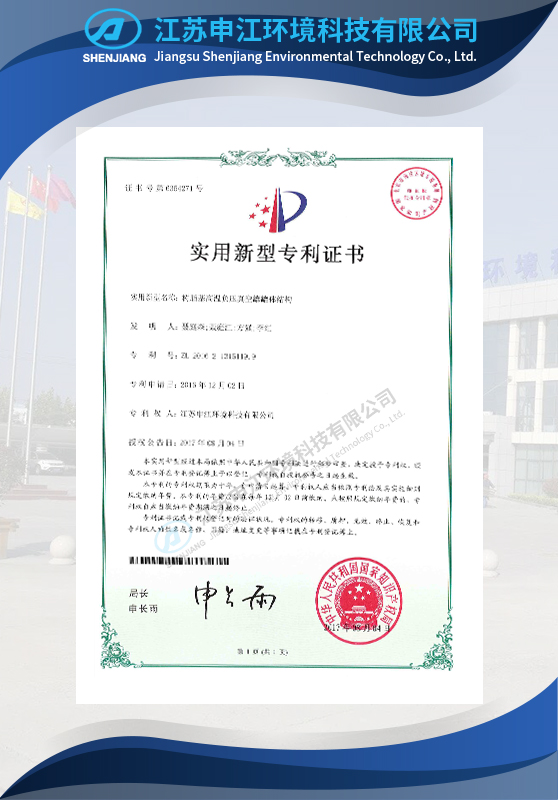
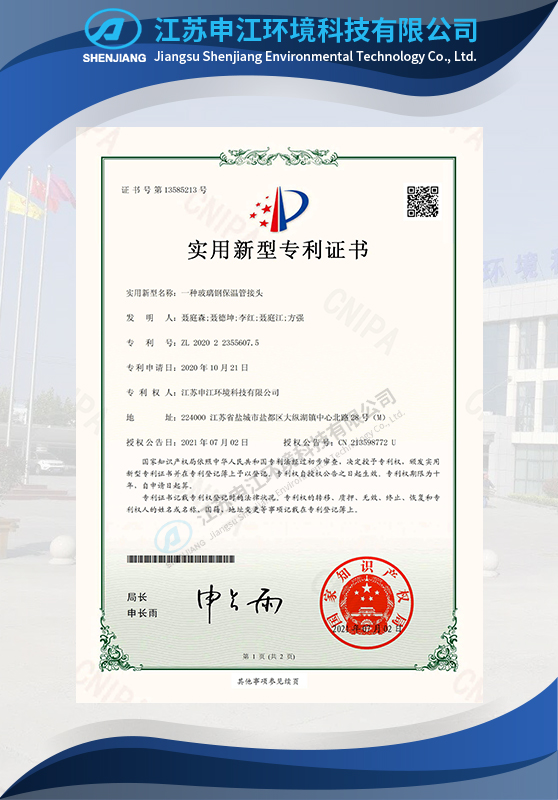
Certificate Of Honor
  • 04
  • 07
  • 08
  • 09
  • 010
  • 011
  • 012
  • 013
  • 014
  • 015
  • 016
  • 017
News
Industry knowledge extension

What are the advantages of FRP process pipe's corrosion resistance?
In modern industrial production, the stability and corrosion resistance of the pipeline system are crucial. FRP (glass fiber reinforced plastic) process pipes have become the preferred solution for many industries due to their excellent performance. FRP process pipes are mainly composed of high-strength glass fibers and high-quality synthetic resins. The former provides a solid foundation for the pipe, while the latter tightly combines the glass fibers with its excellent bonding and molding properties to form a composite material with excellent corrosion resistance. This advanced material combination enables Shenjiang Environmental Technology's FRP process pipes to maintain structural integrity and performance stability when exposed to corrosive media for a long time.
In the chemical industry, pipeline systems often need to transport corrosive media such as strong acids and alkalis. Traditional metal pipes are prone to corrosion in such harsh environments, resulting in leakage and equipment damage, which affects production efficiency and safety. FRP process pipes can effectively resist the erosion of these corrosive media and ensure the stable operation of the system. Shenjiang Environmental Technology's FRP process pipes have been successfully used in the production lines of many chemical companies, significantly reducing equipment failures and production interruptions caused by pipeline corrosion.
Resistant to a variety of chemical media, broadening the application field
FRP process pipes are not only resistant to strong acids and alkalis, but also show excellent resistance to salt, oil and solvents. This multifunctional corrosion resistance enables FRP process pipes to be widely used in environmental protection engineering, water treatment, marine engineering and other fields. For example, in sewage treatment systems, FRP process pipes can withstand the erosion of various chemicals in sewage for a long time, ensuring the efficiency and effectiveness of sewage treatment. In marine engineering, FRP process pipes can effectively resist the corrosion of seawater and provide reliable transportation solutions for submarine pipelines, offshore platforms, etc.
Shenjiang Environmental Technology's FRP process pipes have demonstrated their excellent corrosion resistance and broad application prospects in many large-scale sewage treatment projects and marine engineering projects. The company not only provides standardized FRP process pipe products, but also customizes production according to the specific needs of customers to meet the application needs in various complex environments.
Long-lasting and stable corrosion resistance, reducing maintenance costs
The corrosion resistance of FRP process pipes is long-lasting and stable, and there will be no obvious corrosion even in the case of long-term contact with corrosive media. This feature significantly reduces the maintenance cost of FRP process pipes during use. Compared with traditional metal pipes, FRP process pipes do not require frequent anti-corrosion treatment and maintenance, thus reducing the investment of manpower and material resources.
During the design and production process, Shenjiang Environmental Technology fully considered the actual needs and use environment of customers to ensure that the pipes can still maintain excellent corrosion resistance in long-term use. In addition, the company also provides comprehensive after-sales service and technical support to ensure that the problems encountered by customers during use can be solved in a timely manner.
What are the precautions for installing FRP process pipe?
Before installing FRP (fiberglass reinforced plastic) pipes, a series of preparations must be carried out to ensure the smooth progress of construction and the final installation quality. The following are the professional steps and precautions to be followed during the installation process.
Preparatory work before installation
Construction drawings and technical disclosure
Before installing FRP process pipes, ensure the integrity of construction drawings and related technical documents, and conduct sufficient technical disclosure. Engineers from Shenjiang Environmental Technology will communicate in depth with customers to ensure the feasibility and accuracy of the construction plan to meet the specific needs of the project.
Construction personnel training
Construction personnel must receive professional technical training on building pipeline installation and have the ability to deal with common problems during the installation of FRP process pipes. Shenjiang Environmental Technology provides comprehensive technical training to ensure that the construction team has the necessary professional skills and knowledge to effectively cope with various challenges in actual operations.
Material inspection
Before construction, a comprehensive quality inspection of FRP process pipes and their accessories is required to ensure that there are no defects such as breakage and deformation. Shenjiang Environmental Technology conducts strict quality inspections on each batch of products and provides corresponding quality certification documents to ensure customer trust and product reliability.
Tool preparation
Prepare professional tools required for installation, including cutters, sandpaper, pipe clamps and sealants. Shenjiang Environmental Technology not only provides tool recommendations, but also assists customers in obtaining the required tools to ensure the efficiency and smoothness of the construction process.
Precautions during installation
Ambient temperature
The installation quality of FRP process pipes is significantly affected by the ambient temperature. Generally speaking, construction is not suitable when the temperature is above 40℃ or below 0℃. Shenjiang Environmental Technology's engineers will formulate a reasonable construction plan based on local climatic conditions to ensure the stability of installation quality.
Pipe cutting
Use a special cutting machine to cut the FRP process pipe to ensure that the cut is flat and smooth. Avoid applying excessive force during cutting to prevent damage to the pipe.
Pipeline connection
The connection methods of FRP process pipes include socket connection, hot melt connection and flange connection. Before connection, it is necessary to ensure that the ports of the pipes and accessories are clean and free of impurities such as oil and moisture. The connection operation must follow relevant specifications to ensure the firmness and sealing of the connection.
Pipeline layout and bracket installation
Rationally plan the direction and layout of the pipeline according to the design requirements, and try to avoid unnecessary bends and crosses. The bracket spacing should comply with industry specifications to ensure the stability and safety of the pipeline. Shenjiang Environmental Technology provides comprehensive bracket design and installation services to ensure the long-term stable operation of the pipeline system.
Pipeline fixing
Use fixings such as pipe clamps to fix the pipeline firmly on the bracket, ensure that the spacing between the pipeline and the bracket is uniform, and avoid deformation caused by uneven force. Engineers from Shenjiang Environmental Technology will guide the fixing process on site to ensure that the fixing quality achieves the best effect.
Expansion joint setting
When laying FRP process pipes, the need for thermal compensation must be considered and the expansion joint must be reasonably set. The expansion joint should be set at the confluence fittings of the pipeline, such as tees and crosses. Engineers from Shenjiang Environmental Technology will reasonably set the expansion joint according to the design requirements to ensure the stability and safety of the pipeline system.
Acceptance and maintenance after installation
Pipeline pressure test
After installation, the pipeline needs to be pressure tested to observe whether there is leakage in the pipeline and its joints. If leakage is found, it must be handled and recorded in time. Shenjiang Environmental Technology provides comprehensive pressure testing services to ensure the safety and reliability of the pipeline system.
Pipeline acceptance
After the pressure test is qualified, the final acceptance of the pipeline is carried out to ensure that the installation quality meets the predetermined requirements. If non-compliance is found, rectification must be carried out immediately. Shenjiang Environmental Technology will assist customers in completing the acceptance process to ensure that each installation meets the highest industry standards.