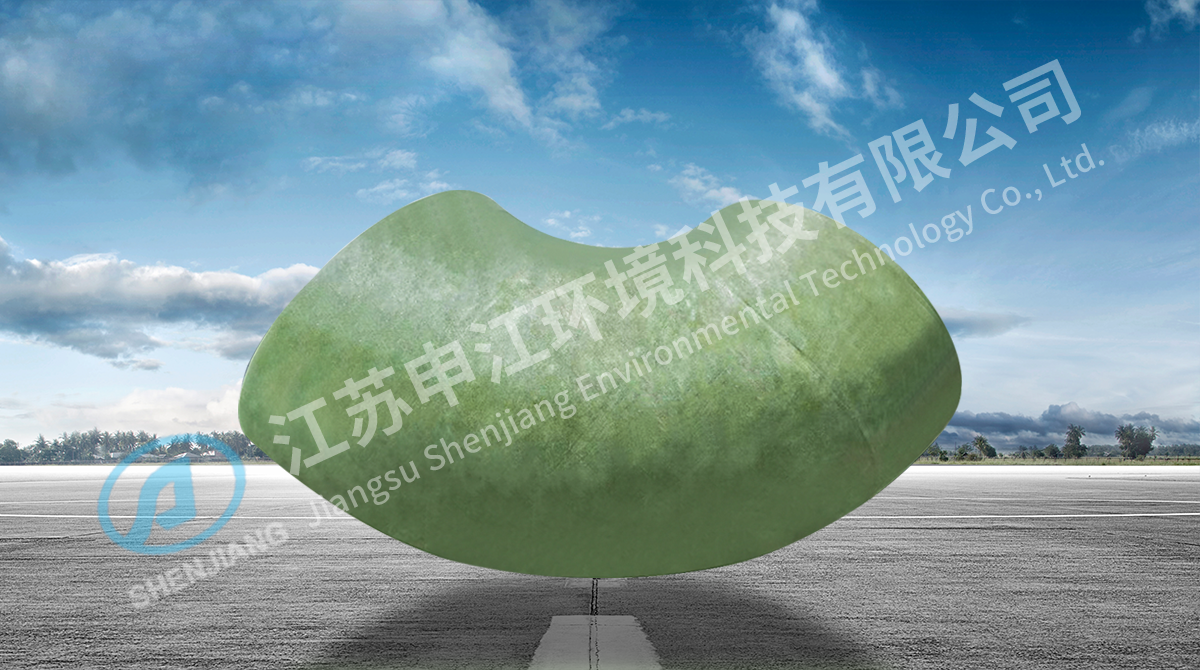
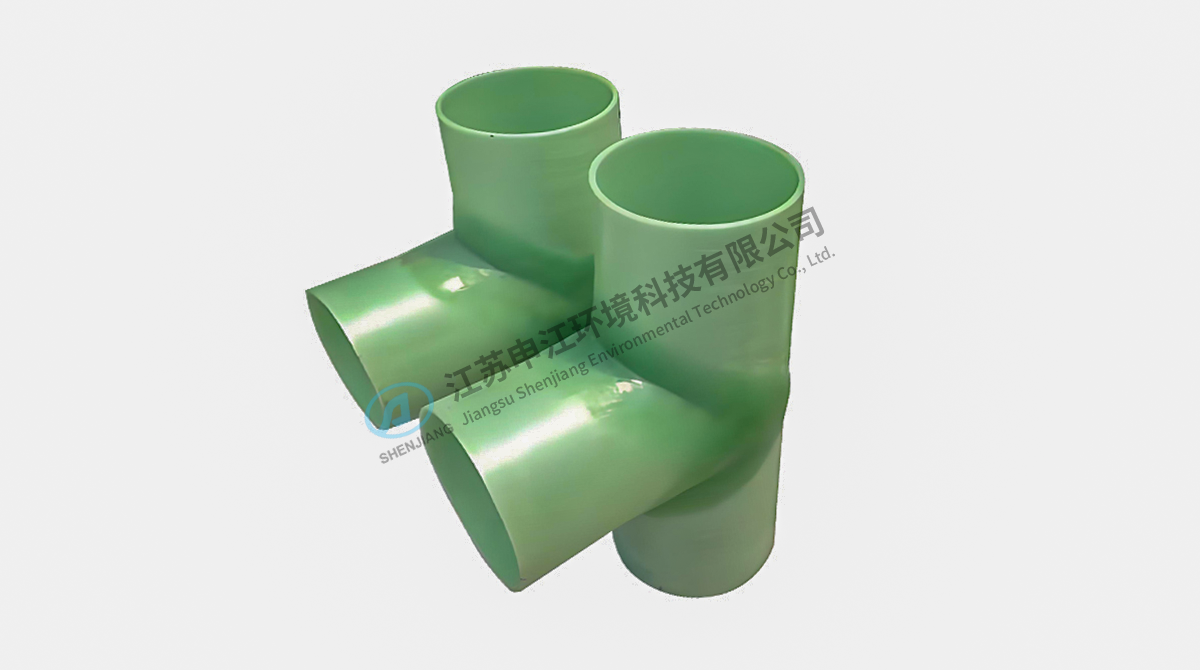
Choosing flue gas desulfurization equipment for a coal-fired plant or an industrial boiler is rarely a straightforward task. The hardware must meet a regulator-approved SO₂ limit, fit the existing layout, handle variations in fuel quality, and still deliver affordable operation for 20 years or more. Before you compare prices or delivery schedules, it makes sense to settle the technical basis: the process route, the materials that will contact the flue gas, and the supplier’s demonstrated ability to design, build, and commission the complete system.
This guide explains the main flue gas desulfurization equipment types, the critical components, and the selection factors that have the largest impact on lifecycle cost. It is written for plant engineers, project managers, and procurement teams who need to translate emission requirements into an equipment specification.
What Flue Gas Desulfurization Does
Flue gas desulfurization (FGD) removes sulfur dioxide (SO₂) from exhaust gas before it reaches the stack. When coal, oil, or other sulfur-containing fuels are burned, the sulfur combines with oxygen to form SO₂. If left untreated, the gas causes acid rain, fine particle formation, and a variety of health concerns. An FGD system absorbs the SO₂ with a reagent, converting it into a harmless solid or slurry by-product.
Wet FGD systems, which use a liquid absorbent such as limestone slurry, are the dominant technology. They achieve the highest removal rates and are the standard for plants that must comply with strict municipal and national emission limits. Dry and semi-dry systems use an injectable reagent and require less water, making them attractive for smaller industrial facilities or locations with water restrictions.
Main Components of an FGD System
A complete flue gas desulfurization system is more than a single scrubber. It consists of several gas-handling and chemical processing stages. In a typical wet limestone FGD train, the following components are present:
- Absorber or scrubber tower: the main reaction vessel where flue gas contacts the slurry. Most designs use a spray tower with multiple spray levels.
- Flue gas inlet and outlet ducting: conveys gas from the boiler or ESP to the absorber and then to the stack.
- Reagent preparation: limestone milling or lime slaking equipment that supplies fresh slurry at the required concentration.
- Slurry circulation pumps and spray headers: deliver slurry to the nozzles and maintain the liquid-to-gas ratio.
- Mist eliminator: removes entrained slurry droplets from the clean gas before it exits the vessel.
- Oxidation air system: forces calcium sulfite to oxidize into gypsum, which can be sold or landfilled.
- Water and waste management: includes dewatering, bleed streams, and wastewater treatment.
- Optional gas-gas heater: reheats the clean gas to improve plume buoyancy and protect downstream equipment.
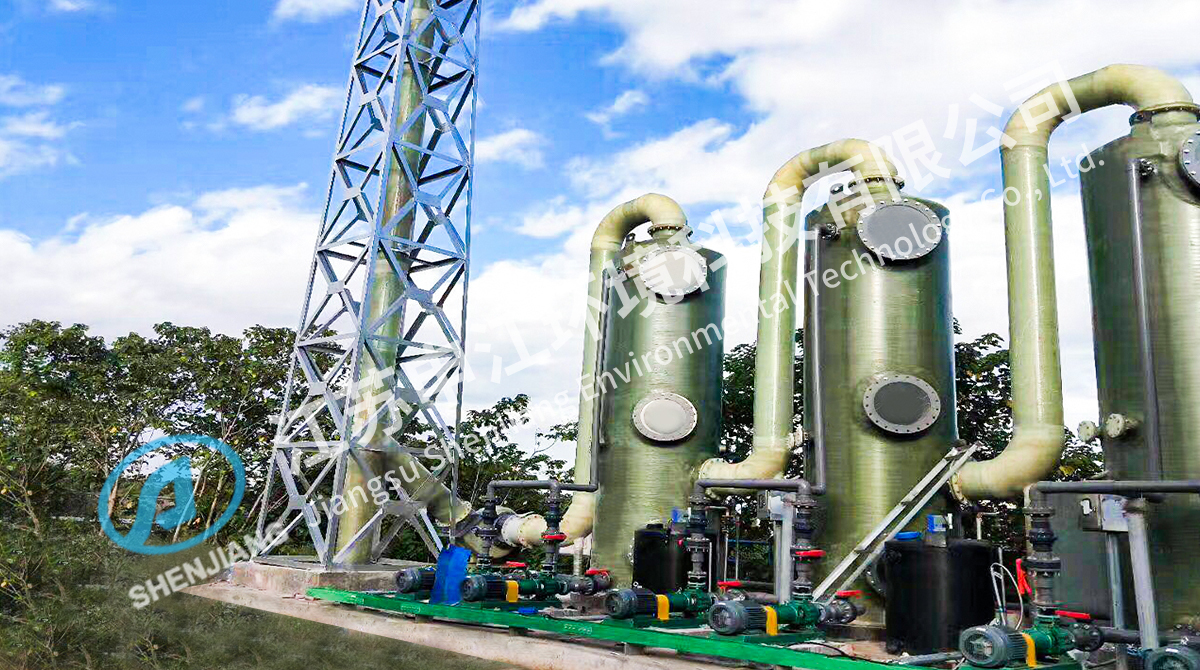
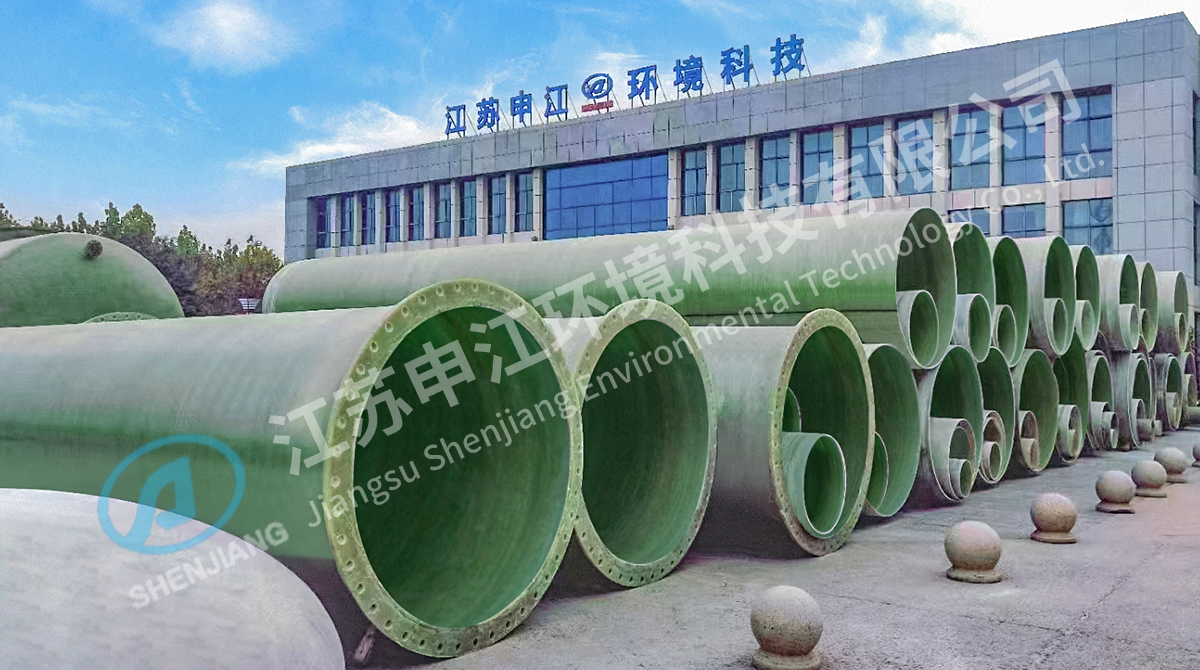
Each component must be sized for the actual flue gas flow and sulfur content, not an average value. Oversizing wastes energy; undersizing leads to SO₂ slippage and permit violations. For the absorber and ducting, materials with proven resistance to chloride-rich acid conditions are essential. Many plants now select FRP scrubbers for this duty because they resist corrosion without complicated rubber linings.
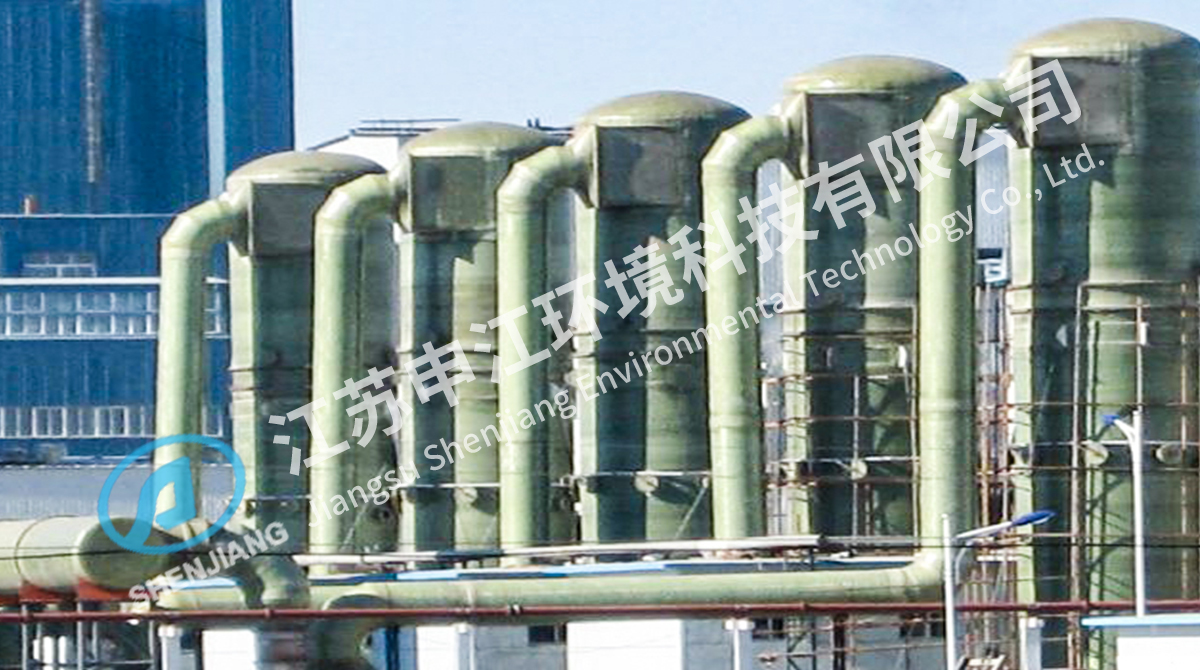 Corrosion-Resistant FRP Scrubbing Tower for Flue GasThis fiberglass absorption tower resists chloride-rich acidic conditions common in wet desulfurization, offering durability and high SO₂ removal performance while simplifying maintenance compared with lined steel.View Product →
Wet vs. Dry FGD Systems
The first major process decision is between wet, semi-dry, and dry desulfurization. Wet systems are known for high SO₂ removal efficiency and are used widely in power generation. Dry systems are simpler and lower in capital cost but less efficient. The table below compares typical performance and operating characteristics.
Table 1: Wet versus dry FGD systems at a glance
| Parameter |
Wet FGD |
Dry FGD |
| SO₂ removal efficiency |
95-99% |
80-90% |
| Typical reagent |
Limestone or lime slurry |
Lime or sodium bicarbonate |
| Capital cost |
Higher |
Moderate |
| Operating complexity |
Higher |
Lower |
| By-product |
Gypsum |
Dry mixed solids |
| Best suited for |
High-sulfur fuel, strict limits |
Low-to-medium sulfur fuel |
Wet limestone systems routinely achieve 95-98% SO₂ removal, and some can reach 99% with advanced process controls. They are the standard choice when the fuel has high sulfur content or the permit requires less than 50 mg/Nm³. Dry systems, often using sodium bicarbonate or lime, are better suited to medium-sulfur applications and smaller units. They avoid the need for a large slurry loop and are easier to retrofit.
The by-product also matters. A wet system can generate commercial-grade gypsum for plasterboard or cement production, while a dry system produces a mixed solid that often has less value. If the site already has a reliable disposal route for dry solids, a dry system can be the lower-cost option despite lower removal efficiency.
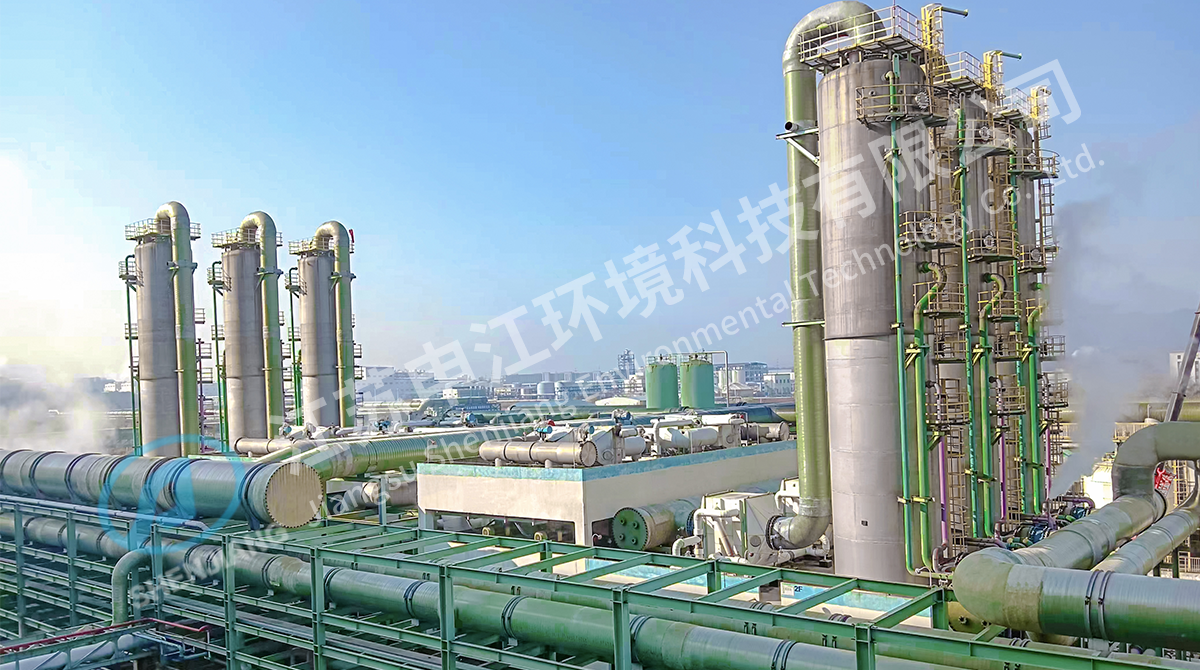
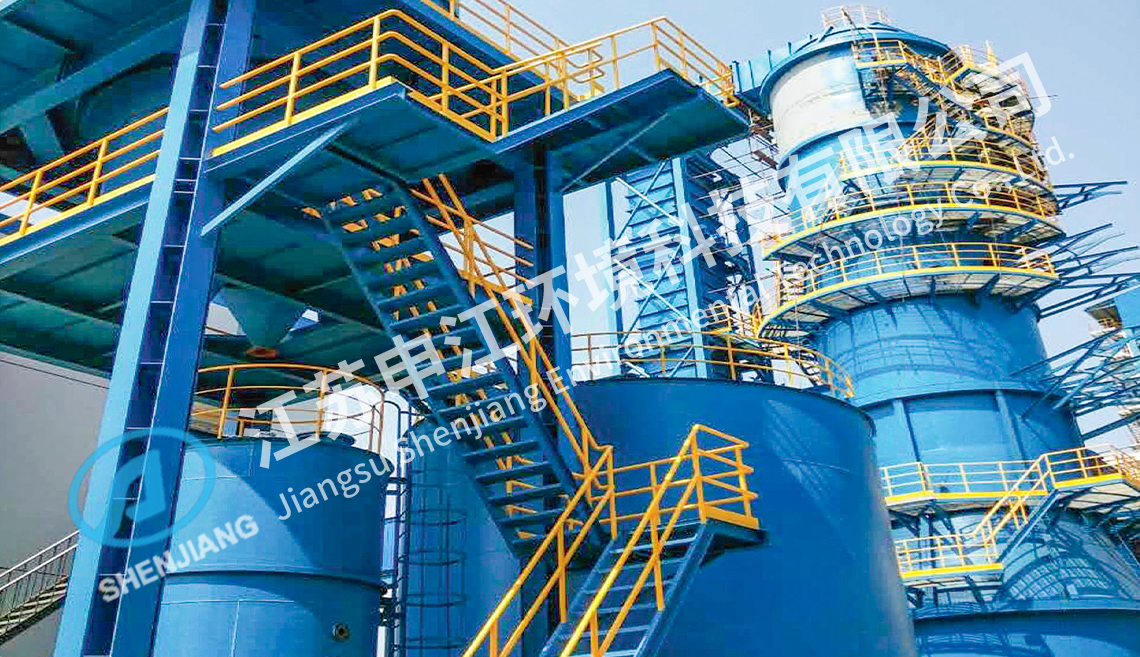 Industrial Flue Gas Desulfurization SystemThis flue gas treatment solution employs selective non-catalytic reduction to lower NOx emissions in coal-fired boilers, supporting integrated pollutant control alongside the desulfurization processes discussed on this page.View Product →
Material Selection and Corrosion Protection
Corrosion is the dominant factor that determines the service life of flue gas desulfurization equipment. Flue gas after a wet absorber is saturated with vapor, acidic, and carries chlorides from the fuel. Carbon steel exposed to this environment can fail in a matter of months without protection. The main choices for wetted components are high-nickel alloys, rubber-lined steel, and FRP.
Table 2: Typical materials for wetted FGD components
| Material |
Corrosion resistance |
Cost |
Common uses |
| Carbon steel with rubber lining |
Good while lining is intact; vulnerable to damage |
Low |
Slurry tanks, pipes |
| High-nickel alloys (C-276, 625) |
Excellent |
High |
Nozzles, spray headers, critical fittings |
| FRP (vinyl ester or polyester) |
Excellent for acids and chlorides |
Moderate |
Ducts, towers, pipes |
FRP has become a practical alternative for a large portion of the FGD system. It is naturally resistant to sulfuric acid and chloride attack, and its smooth internal surface reduces scaling. It also weighs less than lined steel, which simplifies support structures. For flue gas ducting, pipework, and even absorber towers, FRP can be fabricated in large sections with bolted joints that are easy to assemble on site.
Temperature is the main constraint. FRP materials are generally rated for continuous service below 200°C, with the actual limit depending on the resin system. In a typical FGD installation, the gas entering the absorber is already cooled to 150-180°C, which is within the range of a properly selected vinyl ester resin. For hotter gas, an upstream heat exchanger or evaporative gas cooling is needed.
Careful attention to material choice at the specification stage prevents the most common failures: pitting at weld seams, cracking of brittle liners, and degradation behind refractory supports. FRP piping and towers require fewer repairs in chloride-heavy environments than many metal alternatives.
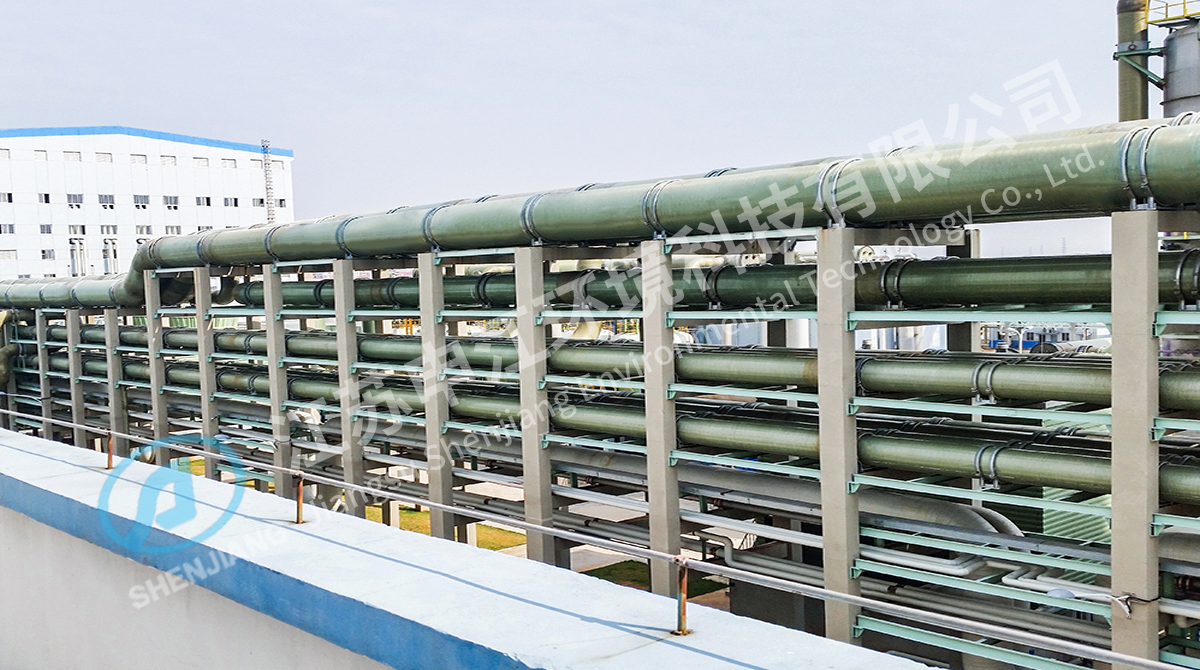
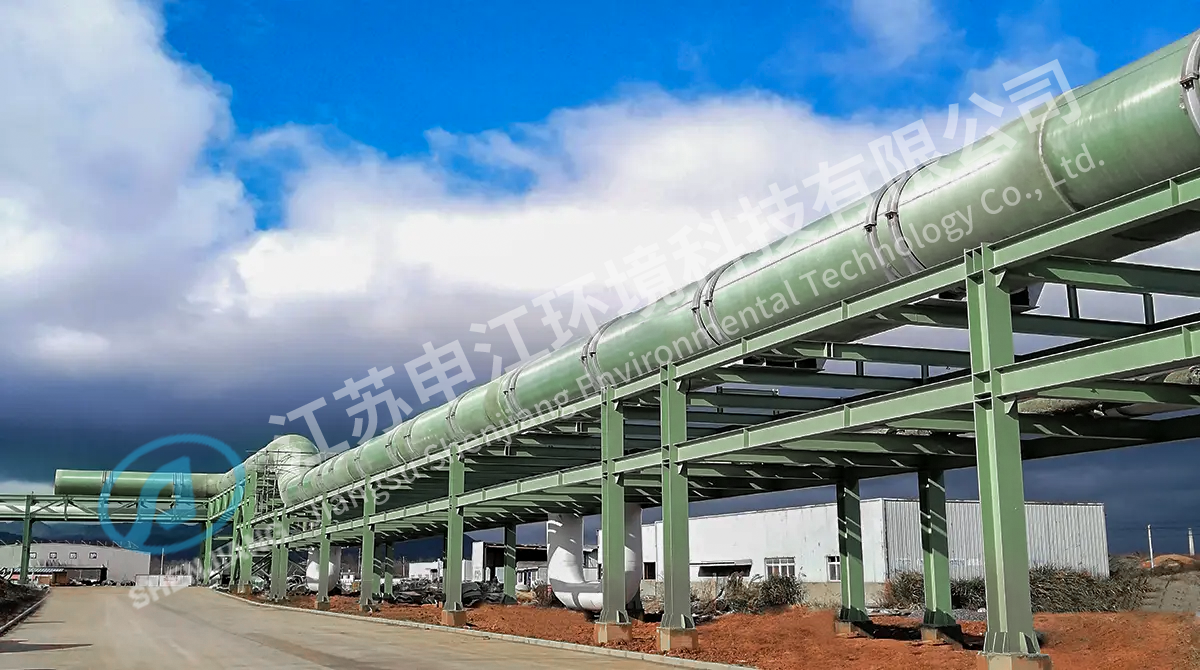
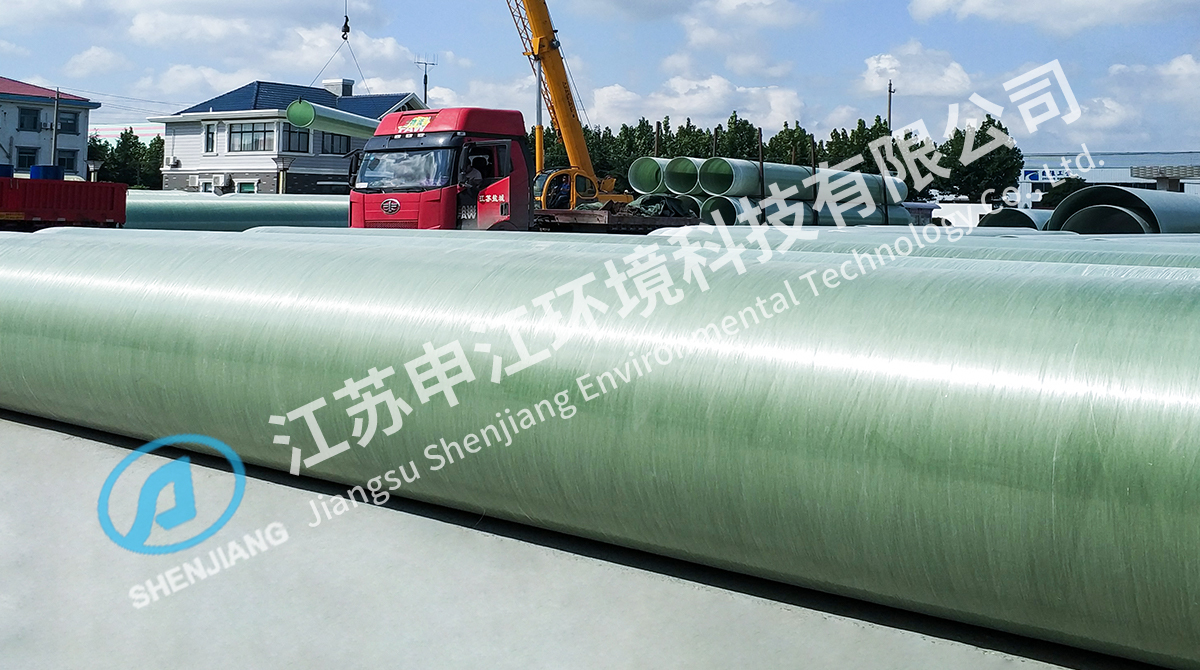
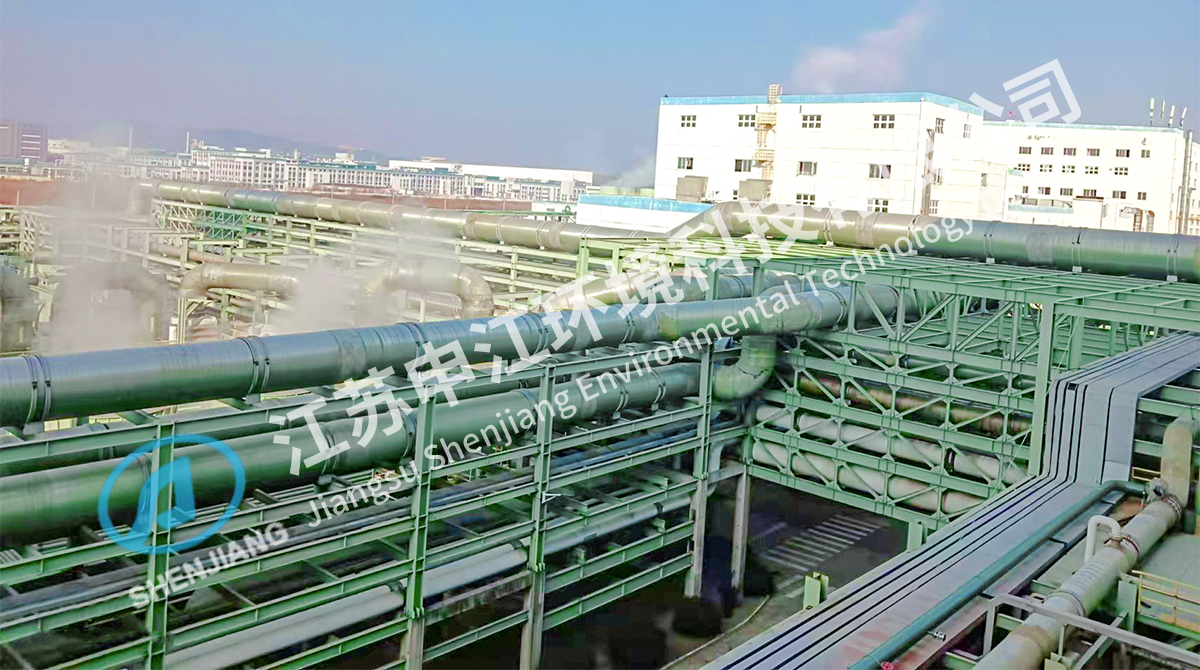 Fiberglass Waste Gas Transport PipelineThis lightweight FRP pipeline resists chemical corrosion from acidic and alkaline waste gases, ensuring low fluid resistance and long service life, making it a practical choice for desulfurization ducting and associated transfer lines.View Product →
Key Purchasing Considerations
After the process route and materials are chosen, procurement decisions come down to several practical factors. The following checklist is based on lessons learned from industrial desulfurization projects.
- Emission compliance: define the worst-case fuel sulfur content and the required SO₂ concentration at each load point. A system built for an average composition may violate the permit during fuel switches.
- Flue gas parameters: record the inlet flow rate, temperature, dust loading, and humidity. These values affect absorber sizing, reagent consumption, and mist eliminator selection.
- Reagent availability: limestone quality varies. Check whether the local supply can guarantee the fineness and reactivity the system needs.
- Water supply and treatment: wet FGD systems produce wastewater. Establish the acceptable discharge limits and the treatment technology before signing a package deal.
- Operability and automation: specify the control philosophy, including pH control, slurry density, and bypass dampers. Automation reduces operator workload and lowers reagent consumption.
- Maintenance planning: ensure adequate access for nozzle replacement, pump servicing, and duct inspection. Equipment that is difficult to reach tends to be neglected.
Supplier experience is another important factor. A manufacturer with documented projects in your industry can anticipate issues that a vendor without field experience will miss. For instance, power-industry reference projects often reveal how the supplier handled absorber internals and bypass dampers in real operation.
Retrofitting and Maintenance
Adding an FGD system to an existing boiler or industrial plant introduces constraints that are absent in a greenfield project. Space may be limited, existing ductwork may not have room for additional bends, and the plant must keep operating during construction. Retrofits also require careful integration with the existing electrostatic precipitator or baghouse, as dust loading affects absorber performance.
Once in service, the maintenance program should focus on the highest-risk components. The scrubber slurry pH should be monitored continuously; too high or too low a pH affects removal efficiency and can cause gypsum scaling. Spray nozzles should be inspected and cleaned regularly to prevent plugging. Mist eliminator washing should be on a fixed schedule to prevent pressure drop increases. Flue gas ducts and pipes should be checked for moisture damage or support erosion.
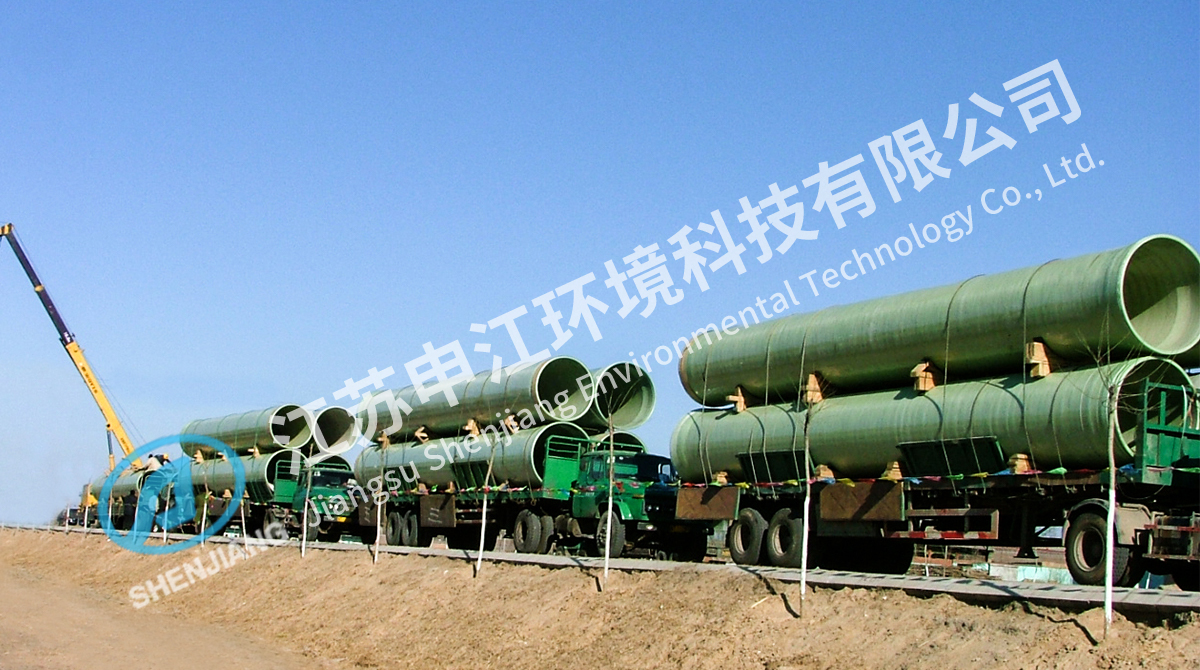
Proper handling of spare materials is part of reliability. New FRP pipes need storage on proper saddles, clear of UV, and with end caps to prevent moisture ingress. Following the manufacturer’s storage precautions for desulfurization pipelines reduces installation defects and ensures the material properties remain as designed.
Conclusion
Flue gas desulfurization equipment is a long-term investment that combines chemical engineering, materials selection, mechanical design, and field service. The most successful projects start from a realistic emission target, choose a process matched to the fuel, specify corrosion-resistant materials, and select a supplier with experience in your industry.
By addressing these questions during the specification phase, you can avoid the classic pitfalls of under-performing scrubbers, rapid corrosion, and excessive operating costs. Take the time to compare process options, verify material performance for your exact flue gas composition, and make sure the manufacturer can provide the full scope of engineering and commissioning support.




 English
  中文简体
中文简体 Español
 عربى
عربى русский
 ไทย
ไทย Indonesia
 Tiếng Việt