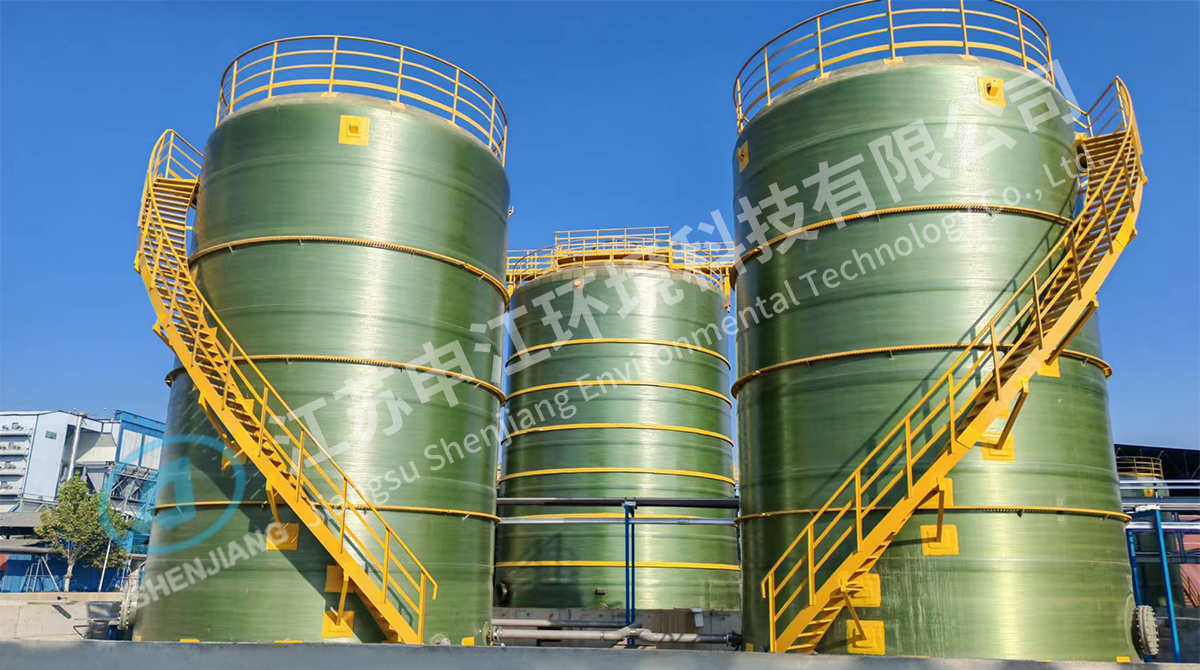
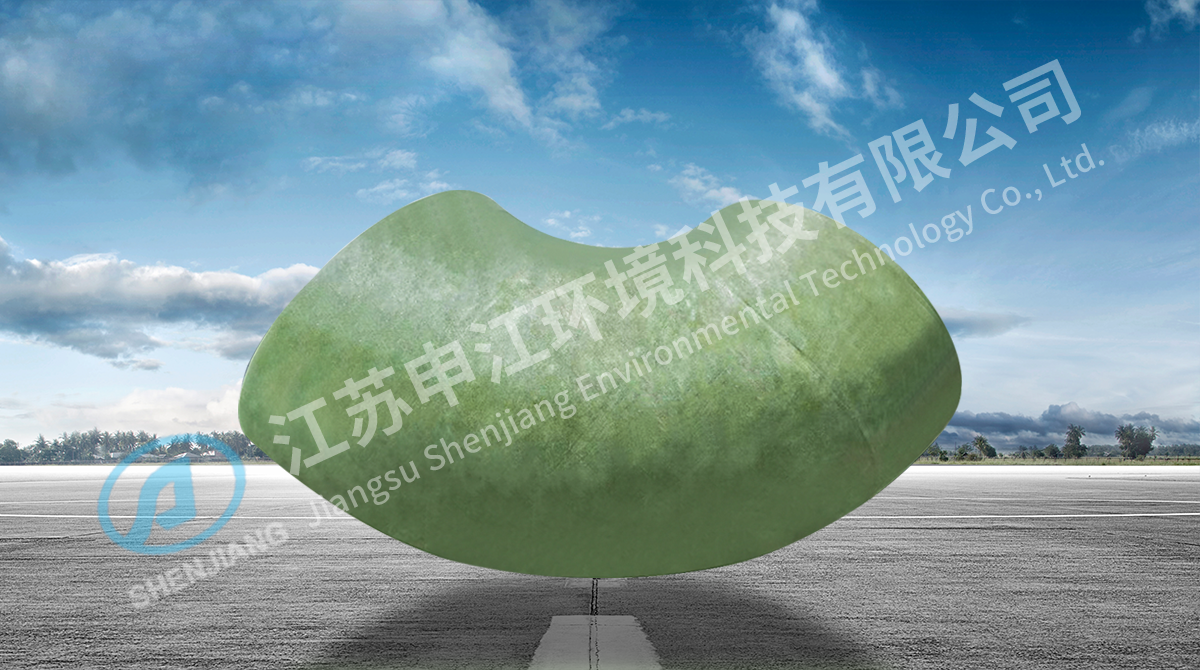
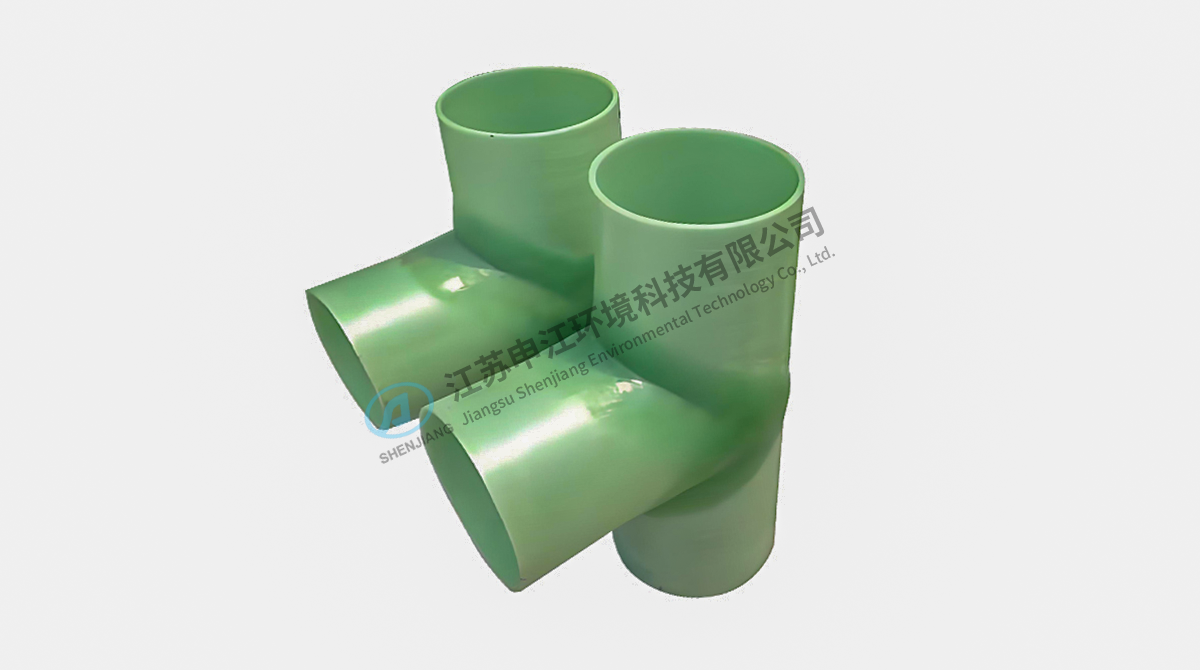
A maintenance engineer at a chemical plant usually wants the same thing: a storage tank that does not leak, does not corrode, and does not require constant recoating. An FRP tank delivers that combination in many aggressive services.
Fiber-reinforced plastic, or FRP, is a composite material made from a polymer resin reinforced with glass fiber. It can be molded into a one-piece vessel with a corrosion-resistant inner layer and a structural outer layer. The result is a tank that is lighter than steel, tougher than plastic, and customizable for chemical compatibility, dimensions, nozzles, and loads.
This article explains what an FRP tank is, how it behaves in real service, and what to check before you specify one.
What Is an FRP Tank?
An FRP tank is a vessel manufactured from fiber-reinforced plastic, often called glass-reinforced plastic or GRP. The material combines a polymer resin matrix with glass fiber reinforcement. In a properly made tank, the inner surface is a resin-rich layer known as the corrosion barrier. Above it, structural layers made of continuous fiber, chopped strand mat, or filament winding carry the mechanical loads.
The corrosion barrier is what separates FRP from ordinary plastic tanks. Its thickness and resin type are selected for the specific chemical, concentration, and temperature of the stored product. Dual-laminate construction can be used when an even more resistant thermoplastic liner is required, for example with PVC or polypropylene bonded to the FRP shell.
Most FRP tanks are built to meet recognized fabrication standards such as ASME RTP-1 or BS EN 13121. These standards define laminate calculation, resin selection, joint design, and quality testing. They help ensure the tank is engineered for actual duty rather than made from an arbitrary wall thickness.
Key Properties of FRP Tanks
FRP is specified for reasons that go beyond basic corrosion resistance. The properties below determine whether it is the right tank material for a project.
- Corrosion resistance: With the correct resin, FRP withstands acids, alkalis, salts, and industrial chemicals that attack carbon steel or require heavy coatings.
- High strength-to-weight ratio: An FRP tank is one-quarter to one-third the weight of a comparable steel tank, simplifying foundations, transport, and erection.
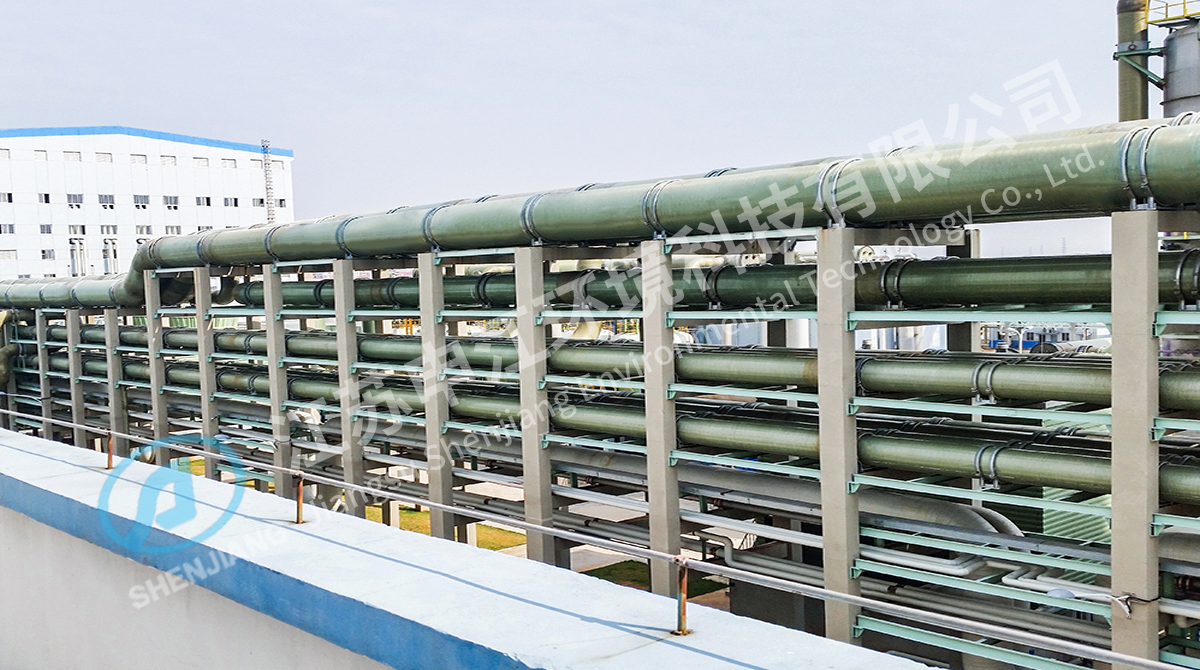
- Design flexibility: Nozzles, baffles, sloped bottoms, and multiple compartments can be molded integrally, eliminating weld joints and reducing leak paths.
- Low thermal and electrical conductivity: FRP reduces heat loss from stored liquids and naturally avoids electrical grounding issues, though heating and grounding provisions still need to be considered if required.
- Low maintenance profile: Without a coating system to repaint, FRP tanks can be inspected and returned to service rather than stripped and recoated.
What Are FRP Tanks Used For?
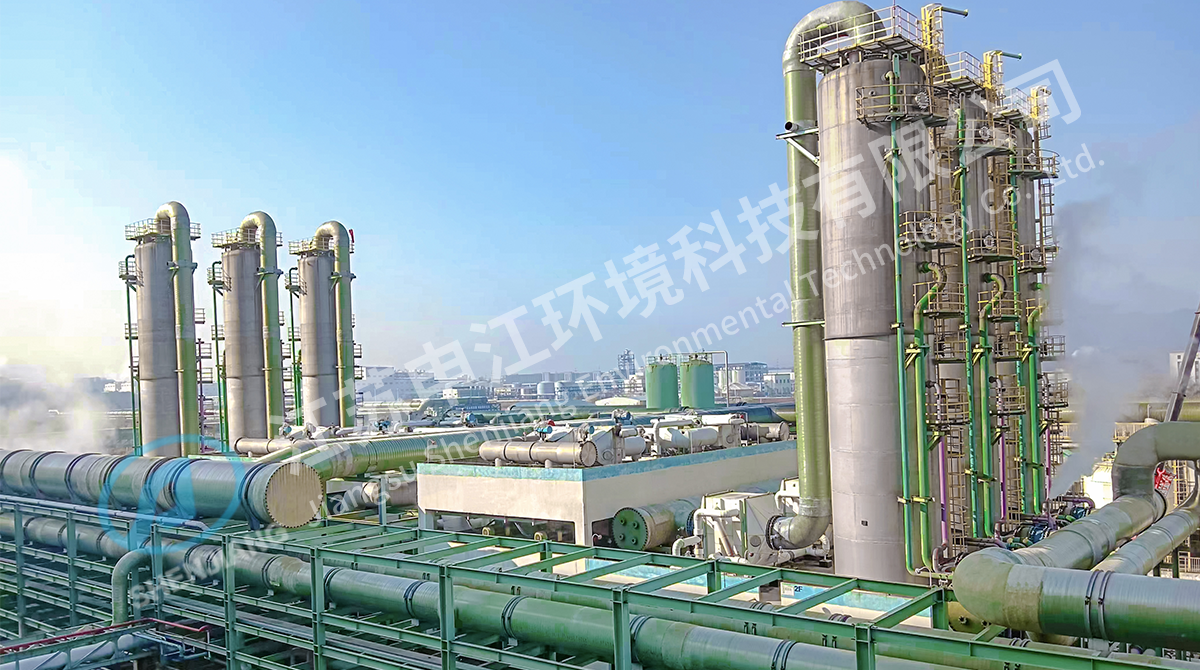
FRP tanks handle corrosive liquids and gases across many industries. Chemical plants use them for hydrochloric acid, sulfuric acid, sodium hydroxide, bleach, and chlorine dioxide. Water and wastewater facilities use them as clarifiers, equalization tanks, dosing tanks, and packaged treatment units. Power plants rely on them for flue gas desulfurization and process water storage. Pulp and paper mills store bleaching chemicals and high-pH liquors in FRP.
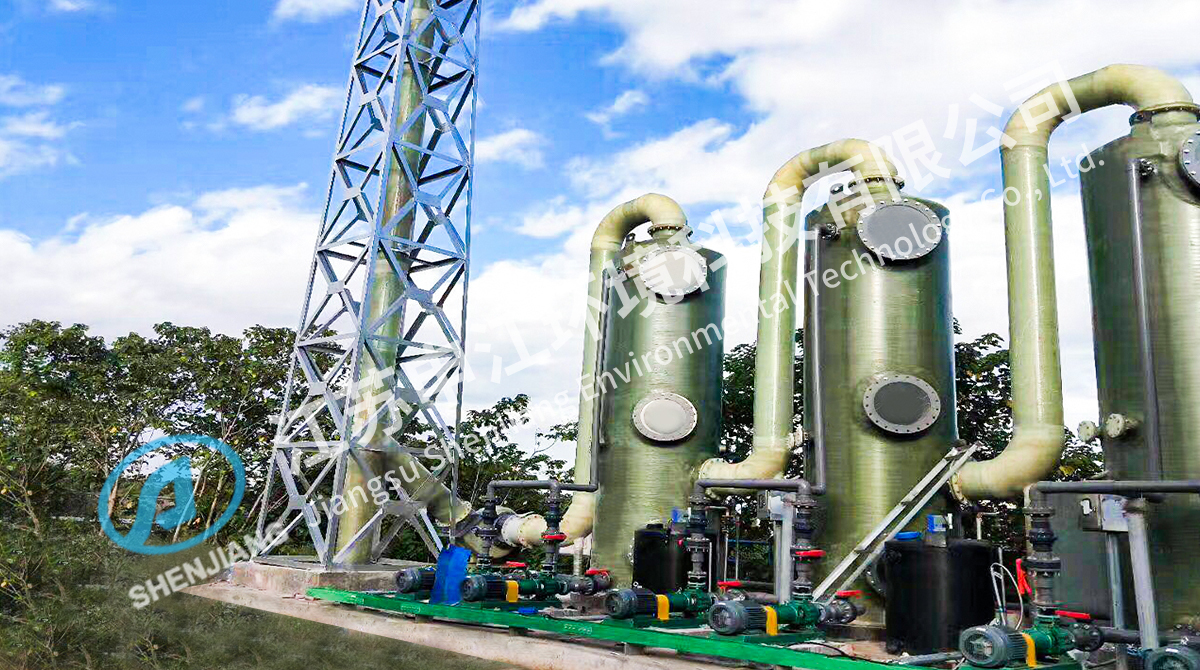
FRP is also a standard material for gas-phase treatment equipment. Wet scrubbers, absorption towers, and degassing tanks use FRP because condensing gases can create an intensely corrosive environment inside the vessel. A typical example is an FRP absorption tower used to remove hydrogen chloride, sulfur dioxide, or ammonia from exhaust air. The one-piece molded construction avoids the seams and gaskets that often leak in metal systems.
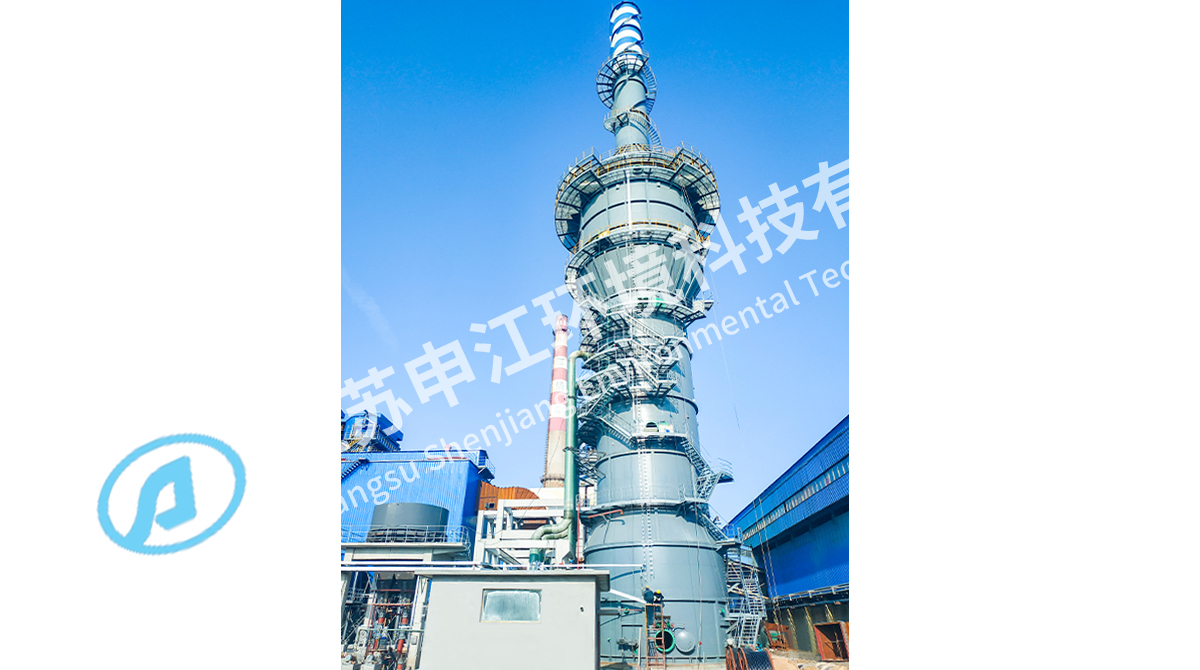 Custom FRP Adsorption Tank Factory, Manufacturers - Jiangsu Shenjiang EnvironmenJiangsu Shenjiang Environmental Technology Co., Ltd China Custom FRP Adsorption Tank manufacturers and FRP Adsorption Tank factory,The FR...View Product →
For a broader view of how these tanks and towers perform in real plants, you can review our case studies page with completed installations in chemical fiber, power, papermaking, and seawater desalination fields.
FRP vs. Steel, Concrete, and HDPE
Material choice depends on the contents, operating temperature, pressure, and installation constraints. This table summarizes the usual trade-offs.
Typical tank material comparison based on common chemical storage service.
| Property |
FRP |
Carbon Steel |
Concrete |
HDPE |
| Corrosion resistance |
Excellent in a broad range of acids, alkalis, and salts when resin is selected correctly |
Poor without coatings, linings, or cathodic protection |
Good against water but susceptible to cracking and chemical attack without a liner |
Good against many chemicals but limited by temperature and permeation |
| Relative weight |
Light to moderate |
Heavy |
Very heavy |
Light |
| Design flexibility |
High: custom shapes, nozzles, and one-piece molding |
Moderate: requires welding, forming, and coating details |
Low: formwork limits shapes and local details |
Low: usually limited to rotational molding or extrusion geometry |
| Temperature limit |
Typically 80 to 120°C depending on resin |
High, but coating limits often apply |
High, but joints and liners may fail |
Low to moderate, usually below 60–70°C |
| Maintenance requirement |
Periodic inspection; low corrosion maintenance |
Frequent coating repair and touch-up |
Crack repair and joint sealing |
Low, but physical damage can be common |
Design Considerations and Limitations
FRP is not the answer for every tank. The following constraints must be checked before selecting it.
UV Degradation
Outdoor exposure without a UV-resistant gel coat will gradually erode the outer resin and expose glass fibers. This does not usually cause immediate failure, but it lowers surface quality and can reduce the effective corrosion barrier life. Specify a UV inhibitor or gel coat for all outdoor installations.
Temperature and Pressure
FRP tanks are designed for atmospheric or low-pressure service. The operating temperature range depends on the resin: vinyl ester systems commonly handle 80–120°C, while polyester is limited to about 60–70°C. Metal tanks are still required for high pressure, high temperature, or severe fire risk.
Chemical Compatibility
The resin must match the entire range of chemicals that will contact the tank, including upset conditions and cleaning agents. Vinyl ester resins resist a wider range of oxidizers than general-purpose polyester. The supplier should provide compatibility data for the exact service list and temperature.
Size and Economic Constraints
Large FRP tanks can be built on site, but shipping and field bonding add cost. For very large capacities, compare life-cycle cost rather than initial price. The lower maintenance cost of FRP often offsets a higher first bid when the operational life is considered.
Manufacturing Quality
The strength of an FRP tank depends heavily on laminate quality. Ask the manufacturer for material test reports, resin cure documentation, and proof of compliance with a recognized standard. A careful manufacturer will also spark-test the corrosion barrier after fabrication.
How to Select a Reliable FRP Tank Supplier
Specifying FRP is only half the job. The supplier must know how to translate chemical conditions into laminate thickness, resin type, and reinforcement schedule. A supplier that also designs process equipment can catch layout issues before the tank is manufactured.
Shenjiang has designed and fabricated FRP equipment since 1996. The company operates a 3,000-square-meter R&D center and more than 100 testing and production machines, supported by 218 employees and 35 technical specialists. That combination of manufacturing and engineering experience is useful when a custom tank must fit tight process limits. You can read more about our background in our company profile.
When you choose a manufacturer that builds custom FRP vessels in-house, nozzles, ladders, platforms, and baffles can be integrated during lamination instead of being bolted on later. Single-source responsibility also makes it easier to verify quality and to adjust the design if process conditions change.
 Custom FRP Vessel Factory, Manufacturers - Jiangsu Shenjiang Environmental TechnJiangsu Shenjiang Environmental Technology Co., Ltd China Custom FRP Vessel manufacturers and FRP Vessel factory,FRP vessels are lightwei...View Product →
Ask for reference installations, resin certificates, hydrostatic test reports, and a clear written warranty. A reliable supplier will welcome those requests.
Bottom Line
An FRP tank is a proven option when corrosion resistance, light weight, and design flexibility are the primary needs. It is not a substitute for metal in high-pressure or extreme-temperature service, and the material must be matched to the chemical environment. Work with a manufacturer that understands both composite lamination and real plant operations, and you will get a vessel that lasts for decades with low maintenance.




 English
  中文简体
中文简体 Español
 عربى
عربى русский
 ไทย
ไทย Indonesia
 Tiếng Việt