
Jiangsu Shenjiang Environmental Technology Co., Ltd.

Recruiting Global Agents

Jiangsu Shenjiang Environmental Technology Co., Ltd.
Home / News / Industry News / What industries are FRP tanks mainly used in?

What industries are FRP tanks mainly used in?

Chemical Processing Industry

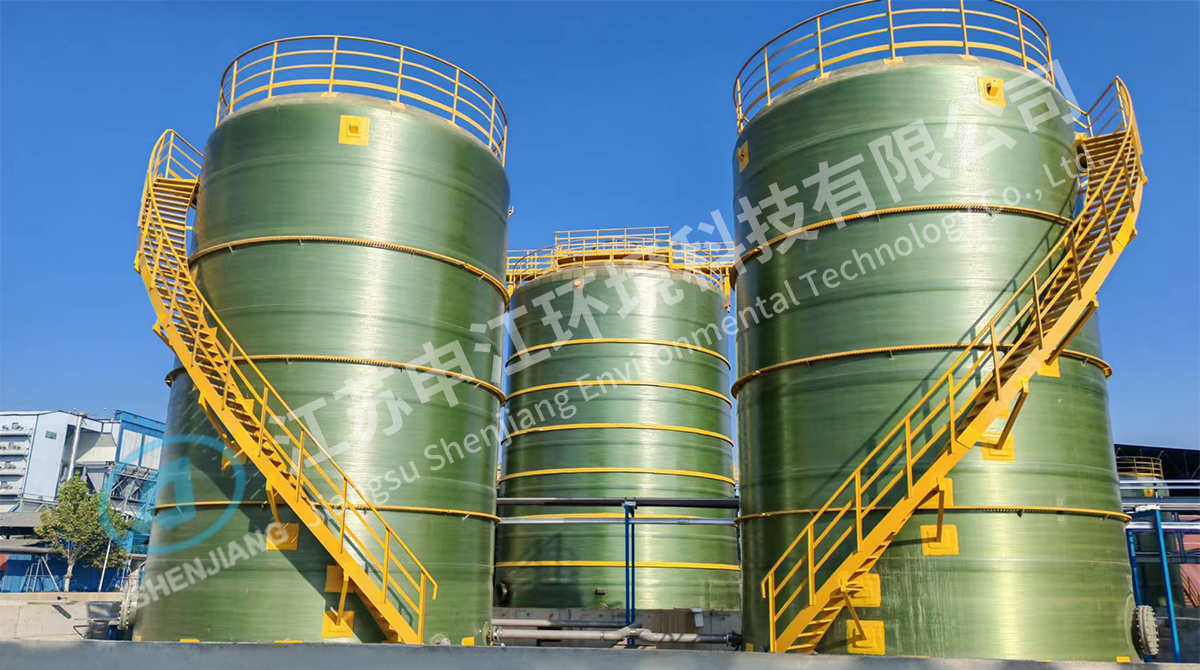
FRP tanks are extensively used in chemical plants for storing corrosive substances like acids, alkalis, and solvents. Their non-reactive properties make them ideal for handling aggressive chemicals that would degrade metal tanks. Common applications include hydrochloric acid storage, sulfuric acid containment, and chemical mixing vessels. The material's resistance to both chemical attack and rust formation provides long-term reliability in harsh environments.

Water and Wastewater Treatment

Municipal water treatment facilities and industrial wastewater plants utilize FRP tanks for various processes. They serve as storage vessels for potable water, holding tanks for treated water, and containment units for wastewater processing. Their smooth interior surfaces prevent scaling and bacterial growth, while their corrosion resistance handles chlorine and other treatment chemicals effectively. FRP is particularly useful for underground storage tanks in water systems.

Oil and Gas Sector

In petroleum operations, FRP tanks store fuels, lubricants, and drilling fluids. They are commonly found in refineries as secondary containment vessels and in fuel stations as underground storage tanks. The material's non-conductive properties reduce fire risks, and its lightweight nature facilitates transportation to remote drilling sites. FRP is also used for produced water storage in oil fields where corrosion resistance is critical.

Food and Beverage Production

The food industry employs FRP tanks for processing and storing ingredients like fruit juices, dairy products, and brewing materials. Food-grade resins create sanitary surfaces that meet FDA requirements, while the material's thermal insulation properties help maintain product temperatures. These tanks are designed with smooth, crevice-free interiors to facilitate cleaning and prevent bacterial contamination.

Pharmaceutical Manufacturing

Pharmaceutical companies use FRP tanks in production processes requiring sterile conditions. They store purified water, active pharmaceutical ingredients (APIs), and various process chemicals. The material's non-reactive nature ensures product purity, and custom designs allow for clean-in-place (CIP) systems. FRP's ability to maintain consistent temperatures supports critical pharmaceutical processes.

Pulp and Paper Industry

FRP tanks handle corrosive chemicals used in paper production, such as chlorine dioxide, sodium hydroxide, and hydrogen peroxide. They serve as bleaching chemical storage vessels, black liquor tanks, and effluent treatment containers. The material withstands both the chemical exposure and temperature variations common in paper manufacturing processes.

Mining and Metallurgy

Mining operations utilize FRP tanks for leaching processes, acid storage, and tailings management. They resist corrosion from sulfuric acid used in metal extraction and provide durable containment for processing solutions. In smelting operations, FRP tanks handle various process chemicals and wastewater streams containing heavy metals.

Power Generation Facilities

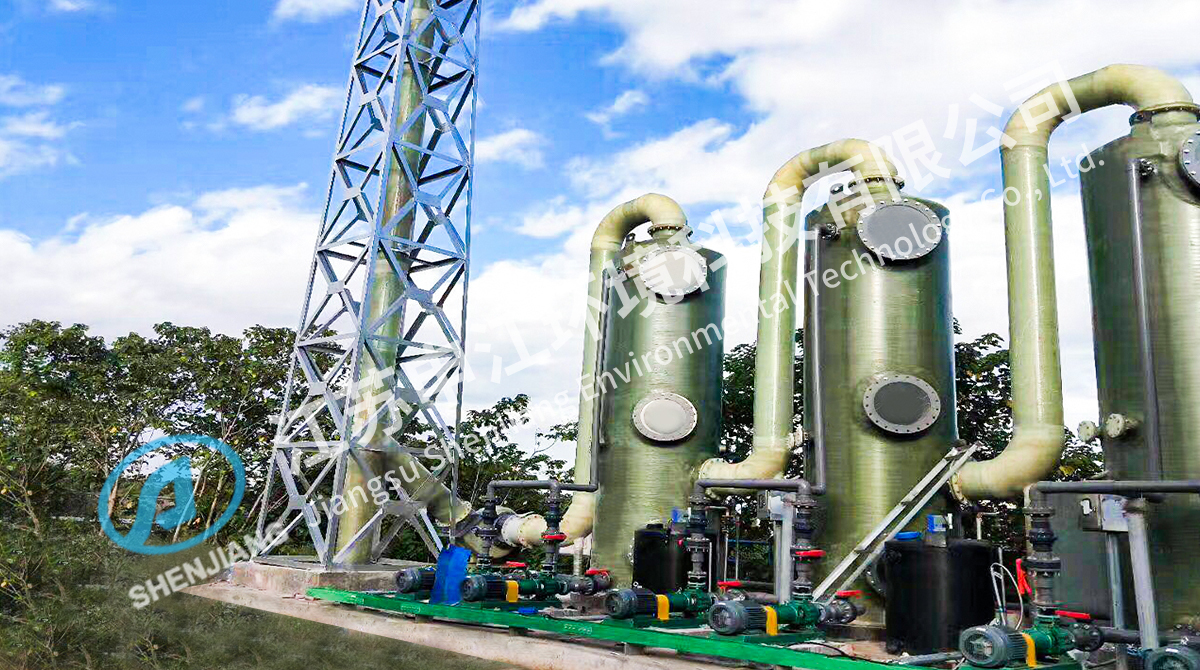
Power plants employ FRP tanks in water treatment systems, flue gas desulfurization (FGD) processes, and chemical storage applications. They contain demineralized water, hold scrubber solutions, and store treatment chemicals for boiler feedwater. The material's durability in high-temperature environments makes it suitable for various power plant applications.

Agriculture and Irrigation

Agricultural operations use FRP tanks for fertilizer storage, pesticide containment, and irrigation water systems. They resist degradation from agricultural chemicals and provide lightweight solutions for mobile applications. Large FRP tanks serve as water reservoirs for crop irrigation, particularly in areas with corrosive soil conditions.

Marine and Offshore Applications

FRP tanks are installed on ships and offshore platforms for ballast water, fuel oil, and wastewater storage. Their corrosion resistance in saltwater environments and reduced weight compared to steel improve vessel performance. Marine-grade FRP tanks meet stringent regulatory requirements for containment and environmental protection.

Electronics Manufacturing

The electronics industry uses FRP tanks in semiconductor fabrication for ultrapure water storage and chemical processing. They maintain water purity by preventing metallic contamination and resist aggressive etchants and solvents used in chip production. Special conductive FRP formulations prevent static buildup in sensitive applications.

Textile Processing

Textile mills employ FRP tanks for dye baths, bleaching solutions, and wastewater treatment. They withstand the corrosive dyes and chemicals used in fabric processing while maintaining dimensional stability in hot liquid applications. The material's color stability prevents staining from textile dyes.

Automotive Industry

Automotive manufacturers use FRP tanks for various process chemicals in painting and surface treatment operations. They store electrocoating solutions, pretreatment chemicals, and wastewater from production lines. FRP's resistance to automotive fluids like gasoline and antifreeze makes it suitable for ancillary storage applications.

Aerospace Applications

Aerospace facilities utilize FRP tanks for specialty chemical storage and water treatment systems. They meet strict flammability requirements while handling corrosive fluids used in aircraft maintenance. Lightweight FRP tanks help reduce overall weight in ground support equipment.

Construction Industry

Construction sites use portable FRP tanks for water storage, chemical mixing, and wastewater containment. Their durability and resistance to job site chemicals make them preferable to temporary metal tanks. FRP septic tanks are also commonly installed in residential and commercial buildings.