Introduction to FRP Desulfurization Equipment Installation
FRP desulfurization equipment is widely applied in industries such as power generation, chemical processing, metallurgy, and waste treatment, where gas emissions require treatment to reduce sulfur compounds. Fiber-reinforced plastic (FRP) is selected due to its corrosion resistance, lightweight structure, and adaptability to various industrial conditions. Proper installation is essential to ensure that the equipment operates reliably and maintains its designed efficiency. The installation process involves a series of technical and environmental considerations, each of which influences the long-term functionality of the system.
Site Preparation and Foundation Requirements
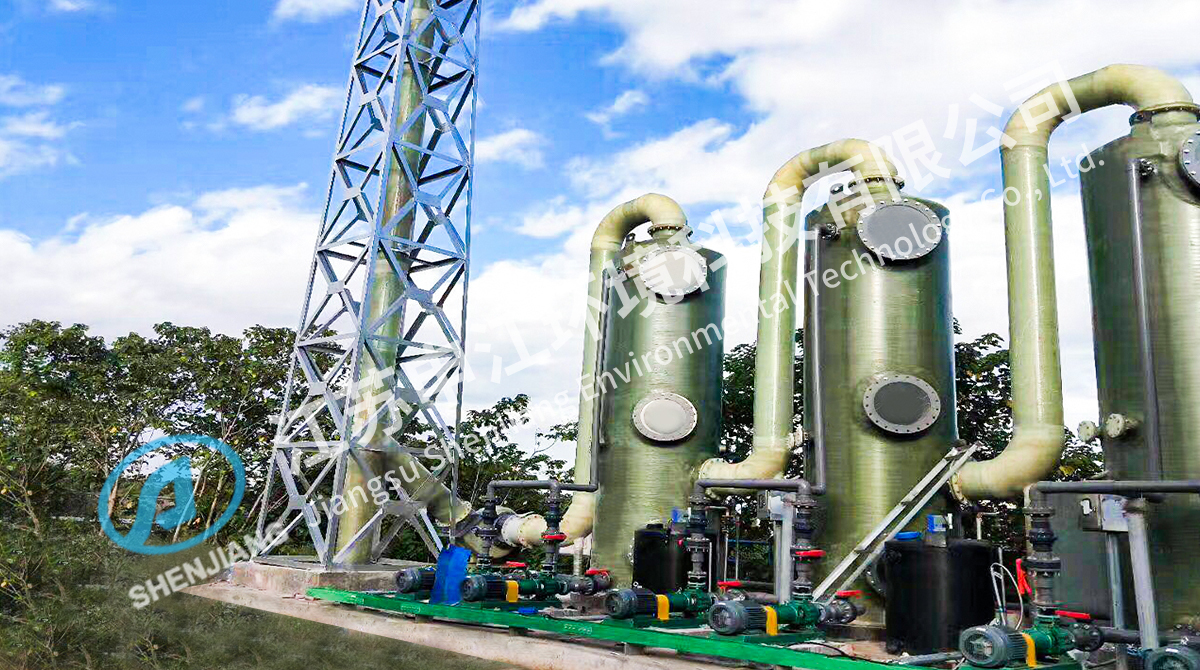
Before installation begins, the site must be prepared to support the FRP desulfurization unit. Since the equipment is often large and may include scrubbers, ducts, pipelines, and auxiliary systems, the foundation should be designed to carry both static and dynamic loads. A reinforced concrete base is commonly used, providing stability against vibrations and external environmental factors such as wind loads. Additionally, the foundation should be level and capable of resisting settlement to prevent misalignment of the equipment. Proper drainage around the foundation is also important to prevent water accumulation that could compromise stability.
Structural Support and Positioning
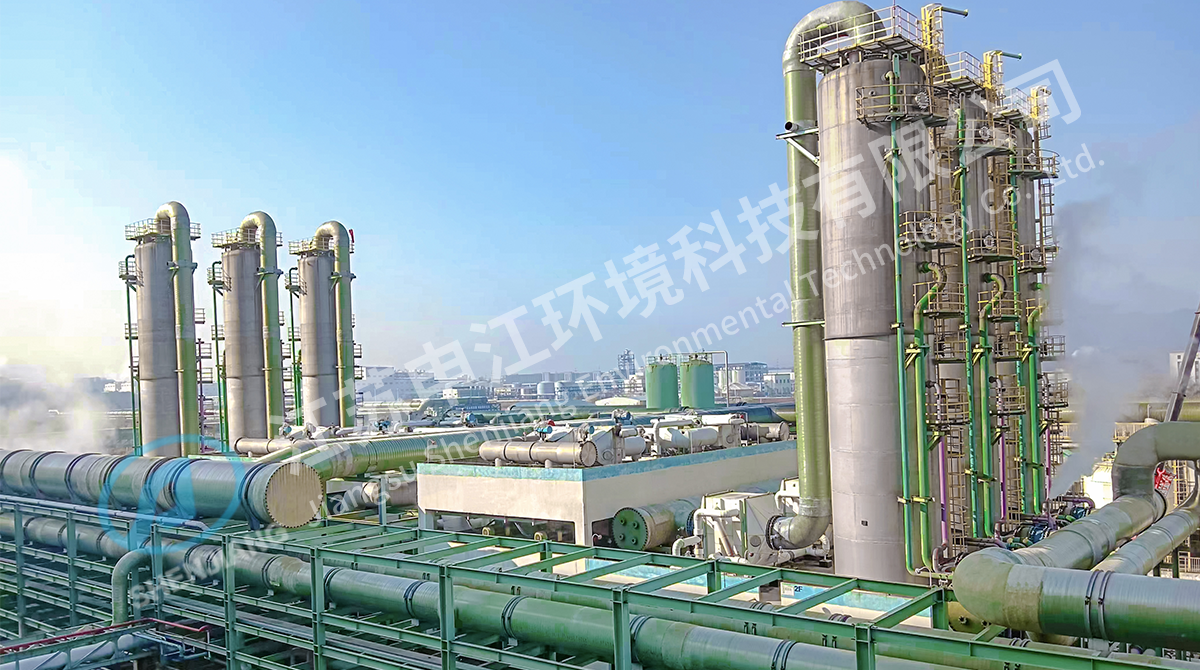
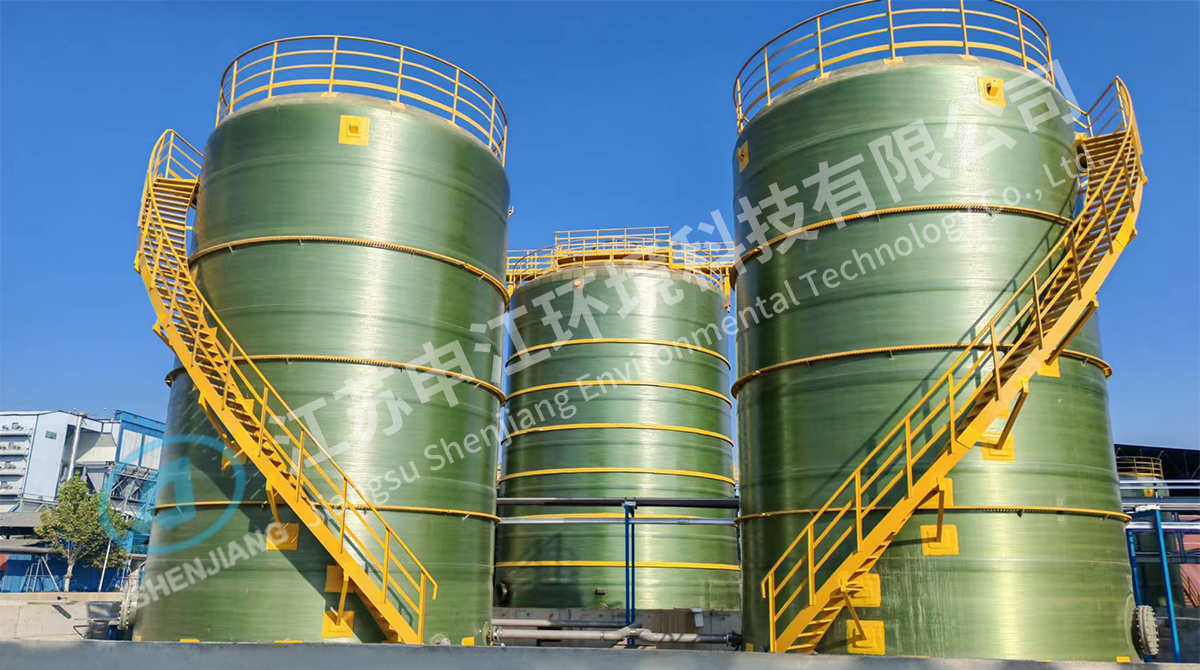
FRP desulfurization systems are often tall structures, and their lightweight nature compared to steel can make them more sensitive to wind forces or misalignment. Structural supports such as steel frames, brackets, or anchor bolts are commonly incorporated to secure the equipment in its intended position. Proper alignment of the scrubber towers, ducts, and auxiliary tanks is crucial to prevent excessive stress on connection points. The positioning also needs to consider accessibility for operation and maintenance, ensuring that technicians can safely reach inspection doors, flanges, and pumps.
Piping and Connection Integrity
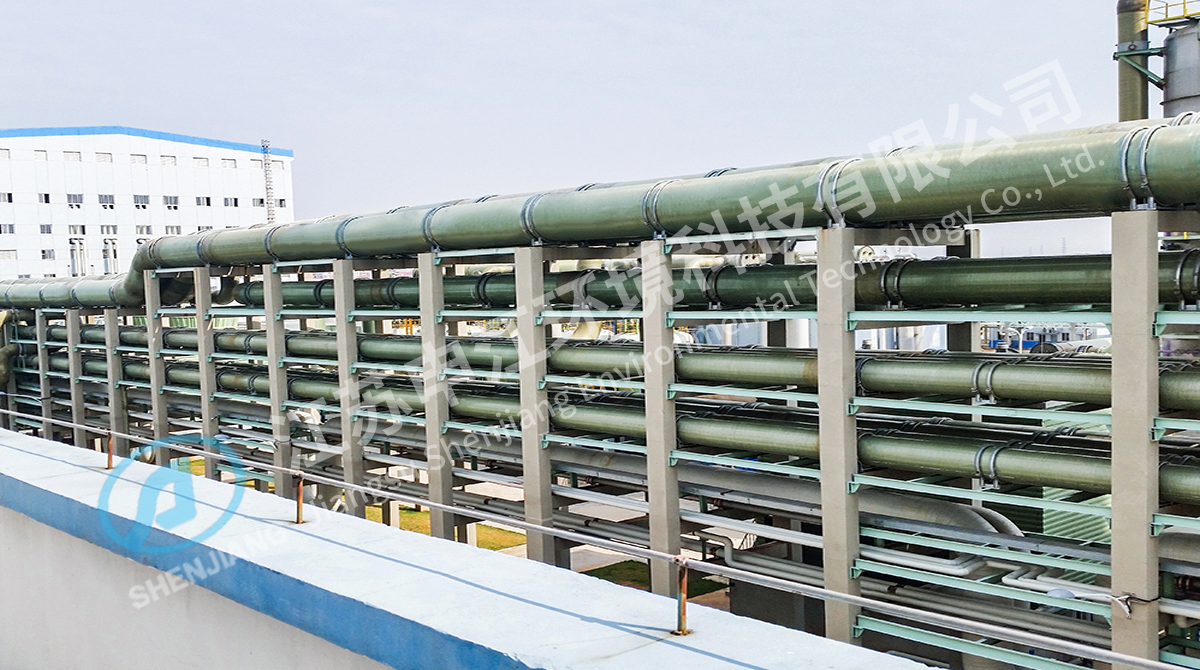
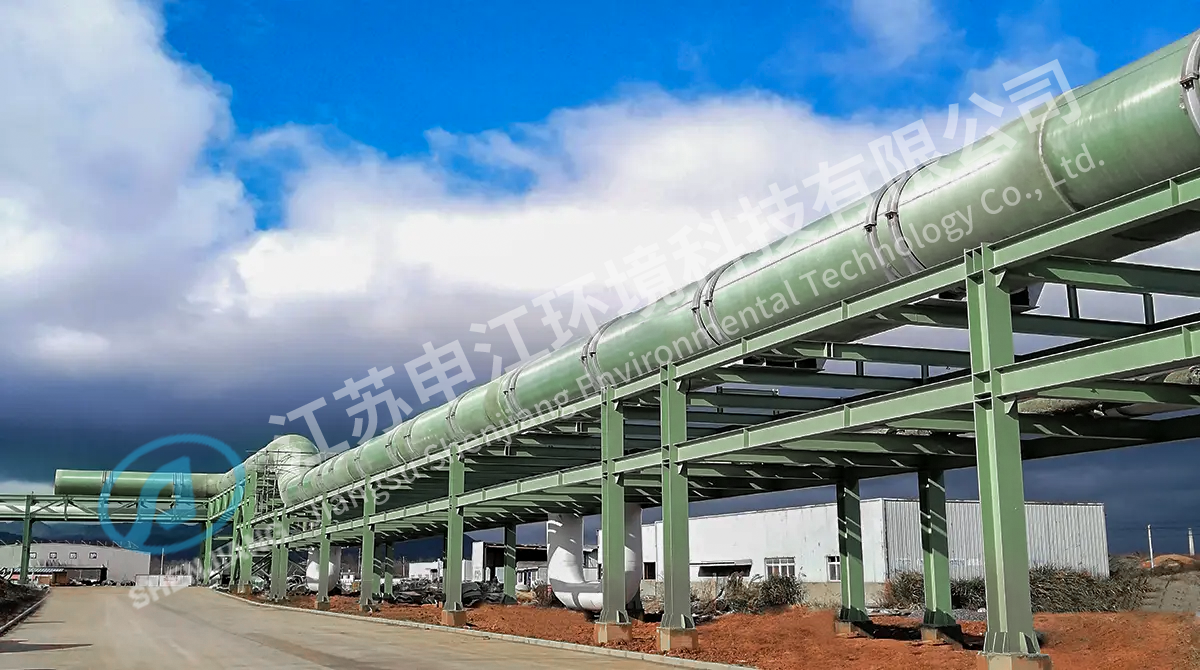
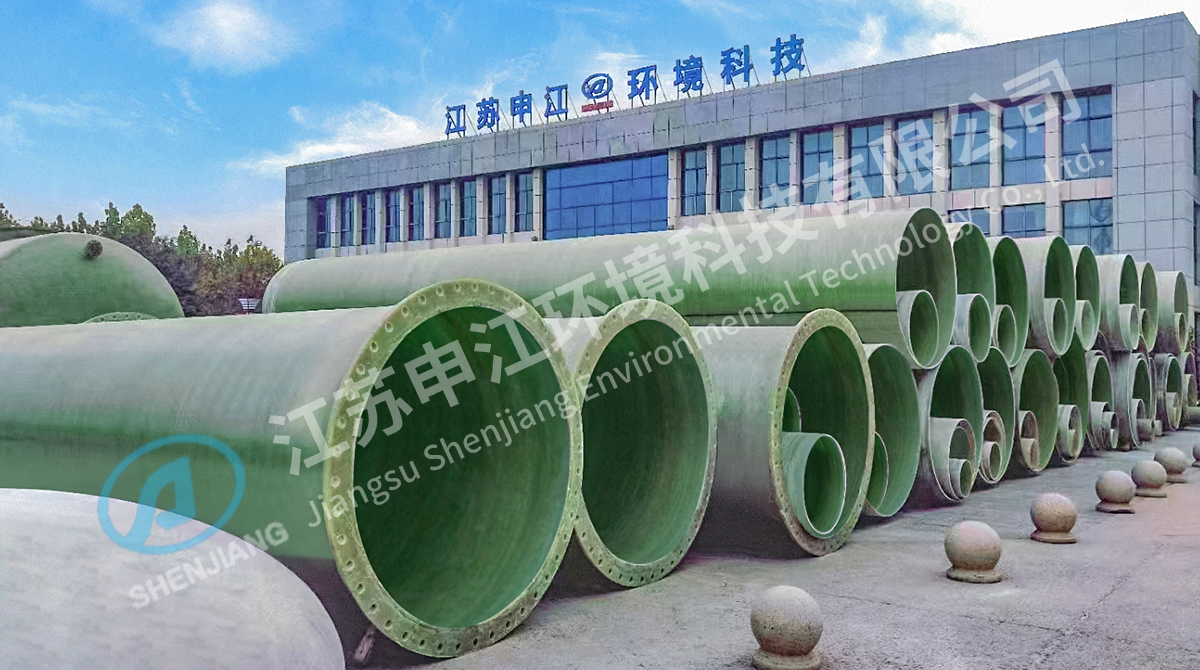
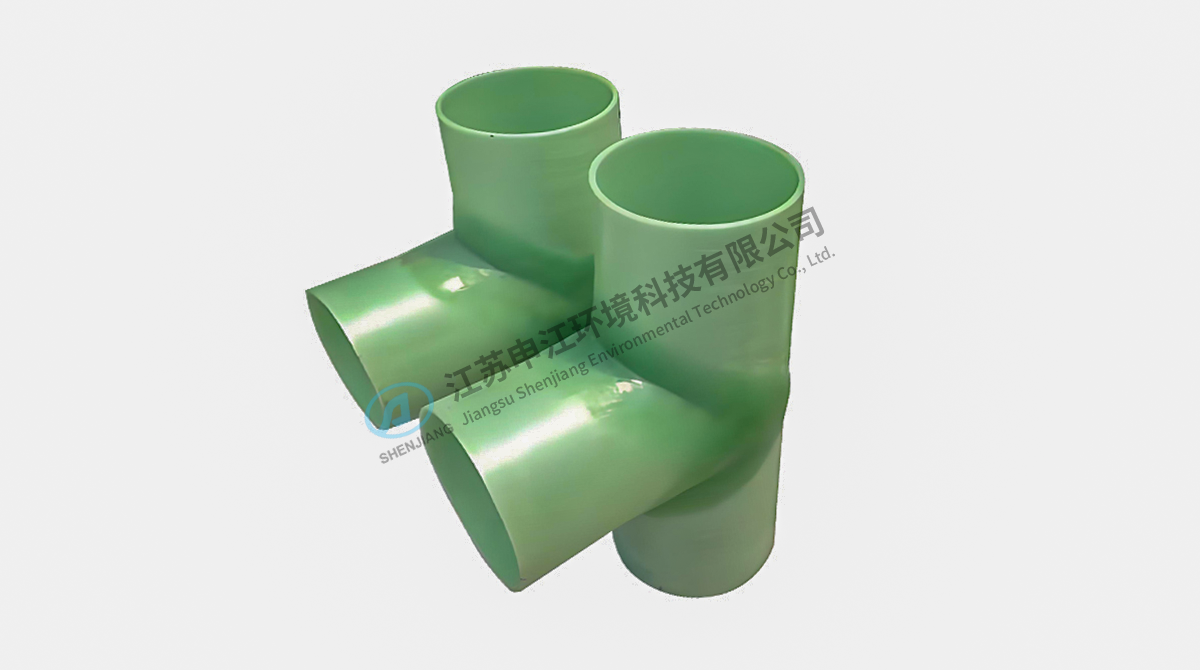
Installation of piping is a critical stage because improper alignment or poor joint quality may lead to leaks, pressure loss, or reduced system efficiency. FRP piping requires specialized jointing techniques such as adhesive bonding, lamination, or flange connections. Each joint must be carefully inspected during installation to ensure sealing integrity. In addition, allowances for thermal expansion and contraction should be integrated into the piping design. Flexible joints or compensators may be installed to reduce stress on pipelines when the system operates under fluctuating temperatures.
Corrosion Resistance and Material Compatibility
Although FRP itself is highly resistant to chemical corrosion, connections, bolts, gaskets, and other accessories must also be selected with corrosion resistance in mind. Stainless steel, rubber-lined fittings, and chemically resistant gaskets are often used in combination with FRP to prevent weak points in the system. The compatibility between the chosen desulfurization reagent, usually limestone slurry or alkali solutions, and the FRP materials must also be confirmed to ensure long-term reliability.
Mechanical and Vibration Considerations
FRP desulfurization equipment may include fans, pumps, and agitators, all of which generate vibration during operation. Improper installation without considering vibration control can shorten equipment lifespan and cause structural damage. Vibration dampers, flexible couplings, and resilient mounts are commonly used to minimize vibration transmission. In addition, rotating equipment such as fans and pumps should be aligned precisely to prevent imbalance that could affect the desulfurization process.
Electrical and Control System Integration
The installation of FRP desulfurization equipment includes not only mechanical assembly but also electrical and automation systems. Sensors, control panels, and monitoring devices need to be integrated with the equipment to ensure process parameters such as pH level, gas flow rate, and slurry circulation are maintained within desired limits. The wiring should be routed carefully to avoid exposure to high moisture areas or corrosive gases. Control systems may include automated shutdown features, alarms, and data logging functions, all of which require proper calibration during installation.
Safety and Environmental Considerations
Safety is a key aspect of installation. Workers must follow confined space entry protocols, fall protection measures, and chemical handling procedures, especially when dealing with slurry tanks or scrubber towers. Environmental safety considerations include controlling dust during installation, preventing leakage of slurry or chemicals, and ensuring compliance with local environmental regulations. Adequate ventilation and monitoring devices may also be required in the installation area to ensure safe working conditions.
Testing and Commissioning
Once installation is completed, testing and commissioning phases begin. Hydrostatic tests are often conducted on FRP piping to confirm pressure resistance and leak tightness. Electrical systems undergo continuity and insulation resistance checks, while automation systems are tested for functionality. Trial runs with water or slurry help to evaluate flow rates, pump efficiency, and gas-liquid contact within the scrubber. Only after satisfactory testing is the system put into operation with actual flue gas. A detailed commissioning report ensures that the equipment performance aligns with the design specifications.
Maintenance Accessibility in Installation
Another critical aspect during installation is ensuring accessibility for maintenance. Inspection doors, access ladders, platforms, and railings must be strategically placed to allow safe entry for operators. Valves, pumps, and instrumentation should be positioned in areas that can be reached without dismantling large sections of the system. Anticipating future maintenance requirements during installation reduces downtime and minimizes operational disruptions in the long term.
Cost and Resource Considerations
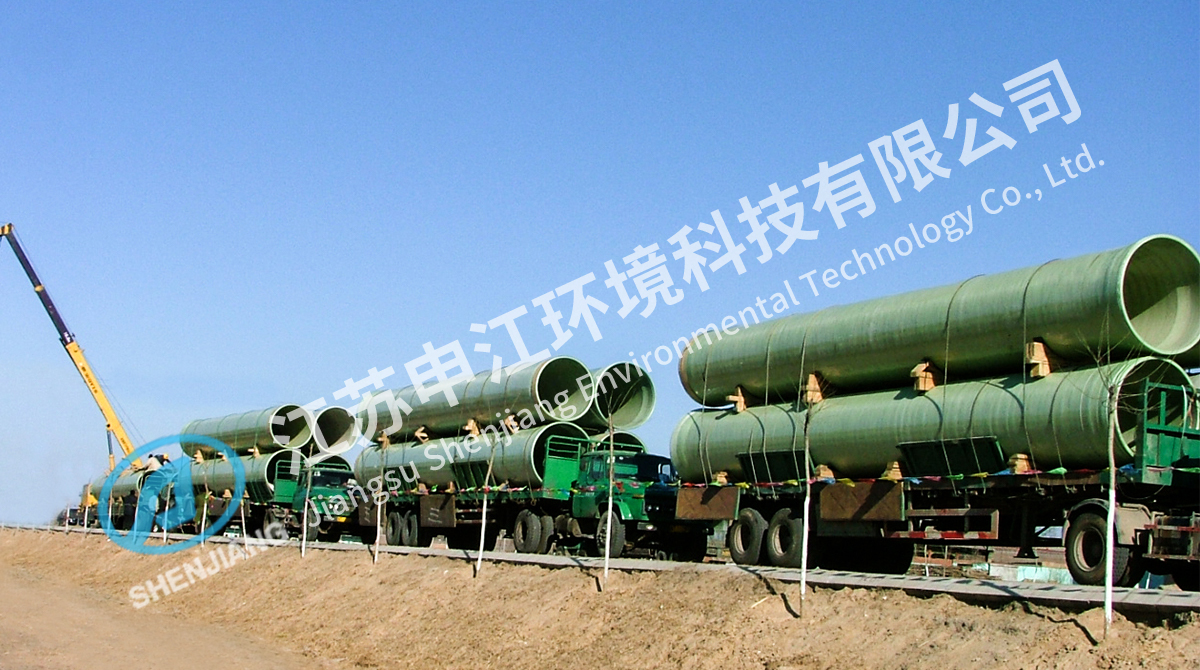
Installation costs extend beyond the purchase of FRP equipment. Civil works for foundation preparation, crane services for lifting and positioning, specialized labor for FRP jointing, and commissioning services all contribute to the overall project budget. Proper resource allocation during planning ensures that delays and cost overruns are minimized. Facilities often perform a cost-benefit analysis of different installation methods, such as modular pre-assembly versus on-site assembly, to determine the most suitable approach.
Comparison of Key Installation Factors
The following table provides a comparative overview of important factors that should be assessed during the installation of FRP desulfurization equipment.
| Factor |
Key Consideration |
Impact |
| Foundation |
Reinforced concrete, level, drainage |
Provides structural stability and prevents misalignment |
| Piping |
Proper jointing and expansion allowance |
Ensures leak-free and efficient flow |
| Corrosion Resistance |
Compatible gaskets, fittings, coatings |
Improves system reliability in harsh environments |
| Vibration Control |
Dampers, couplings, alignment |
Reduces mechanical stress and extends lifespan |
| Control Systems |
Automation, monitoring, calibration |
Maintains process efficiency and safety |
Industry-Specific Adaptations
Different industries have unique requirements for FRP desulfurization equipment installation. Power plants, which operate under continuous load conditions, prioritize robust foundations and high-capacity systems. Chemical plants emphasize corrosion resistance due to aggressive environments. Waste treatment facilities focus on flexibility and ease of maintenance, as their systems often handle variable gas compositions. Recognizing these industry-specific needs ensures that installation is tailored to operational realities rather than relying on a one-size-fits-all approach.




 English
  中文简体
中文简体 Español
 عربى
عربى русский
 ไทย
ไทย Indonesia
 Tiếng Việt