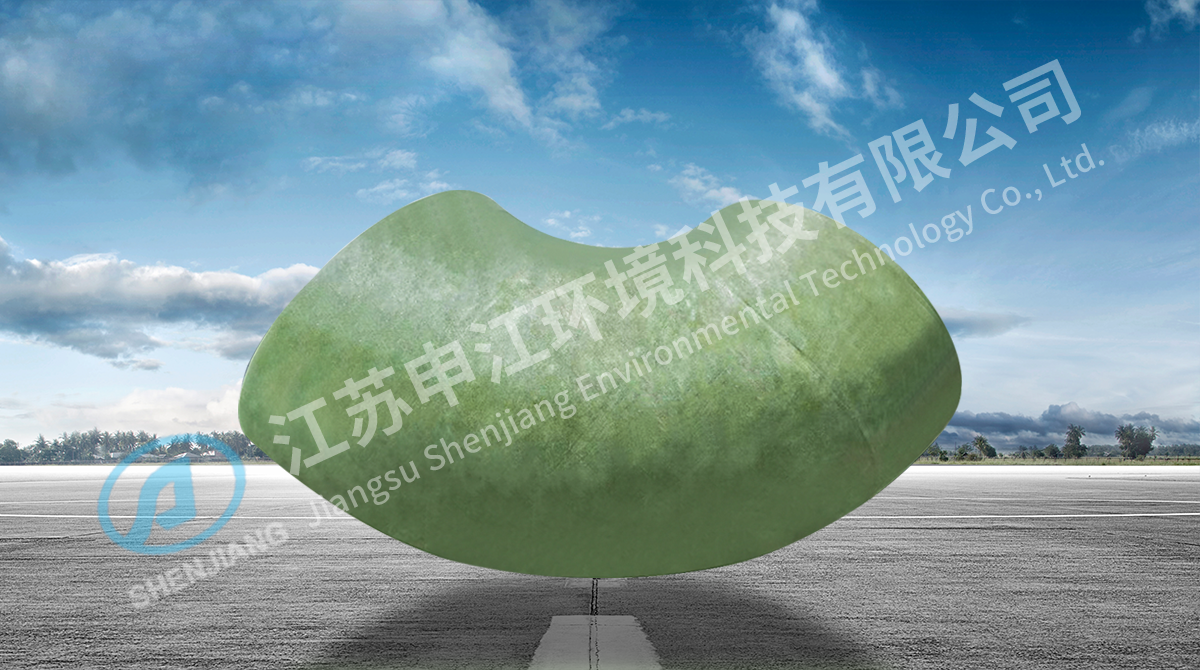
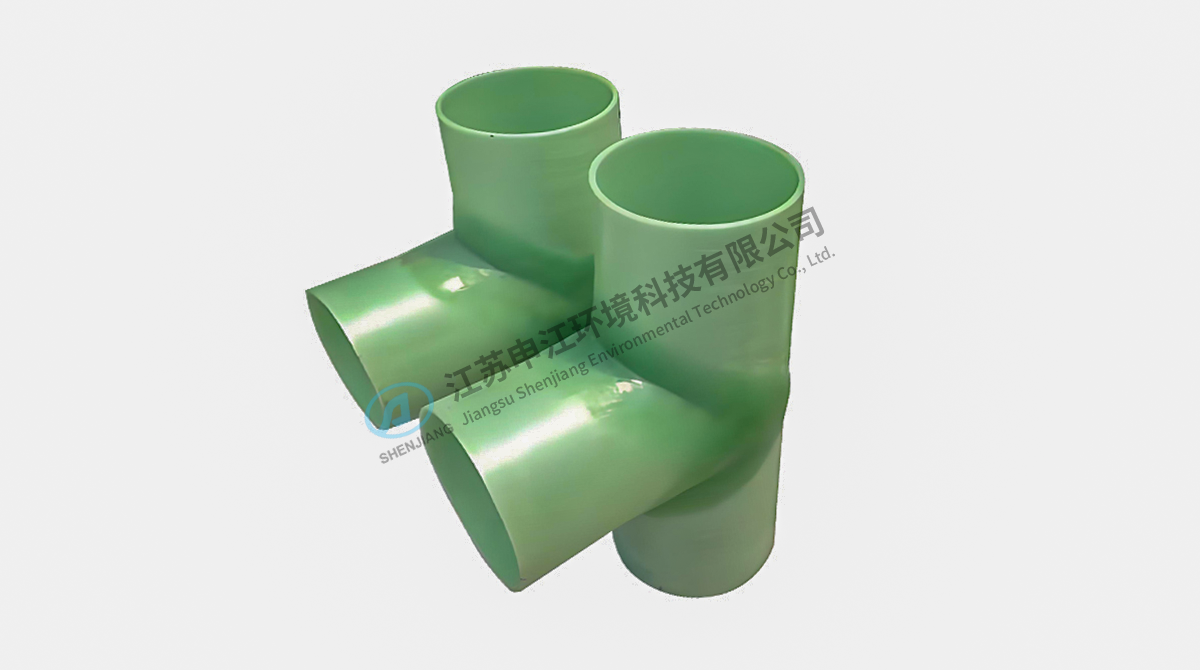
Why FRP Tanks Are the Preferred Choice for Industrial Storage
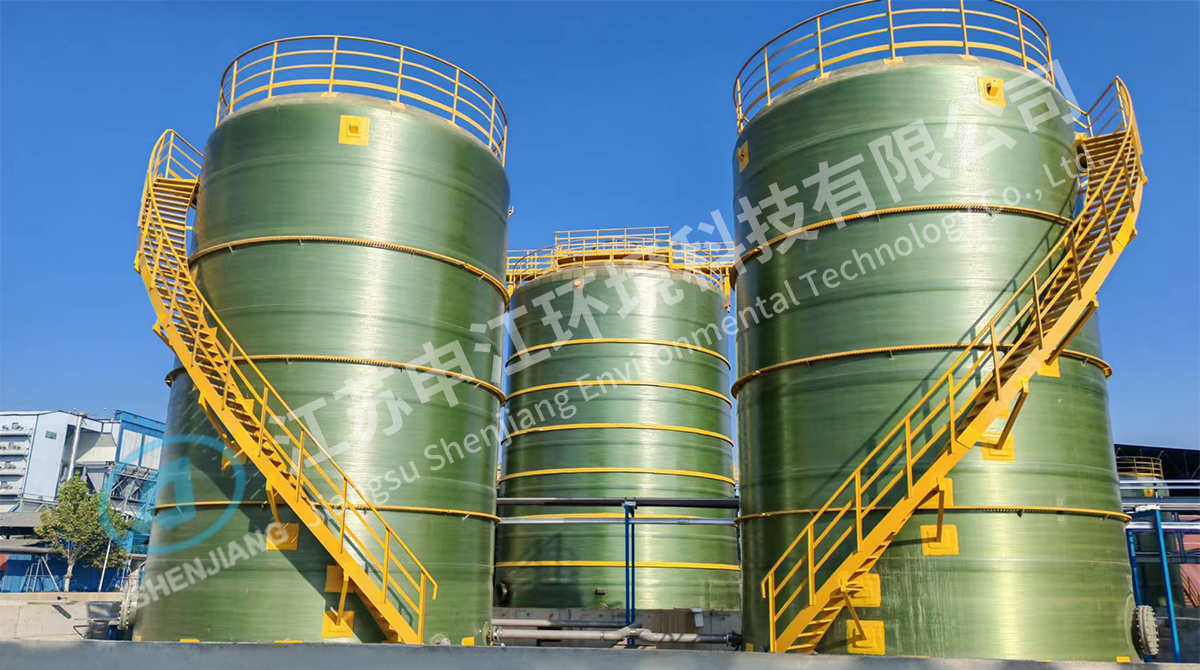
Operators in the chemical fiber, papermaking, power, petroleum, seawater desalination and gas transmission industries handle media that can quickly attack carbon steel, concrete or ordinary thermoplastics. FRP, or fiber-reinforced plastic, solves this problem by combining a corrosion-resistant internal barrier with a high-strength structural laminate. The result is a durable storage tank that does not depend on external coatings or cathodic protection to survive aggressive service.
FRP also brings a favorable strength-to-weight ratio. The material weighs roughly one-quarter as much as steel, which simplifies transportation, positioning and foundation design. Because reinforcement patterns and resin systems can be selected for specific chemical, thermal and mechanical loads, the tank is engineered around the process rather than the other way around. Maintenance costs are usually lower too, since the smooth internal surface resists scaling, biological growth and chemical attack.
These advantages show up in real service conditions. In saltwater environments, FRP is a natural fit because chlorides rapidly damage unprotected steel; see FRP storage solutions for seawater desalination. In refining and petrochemical plants, project teams specify FRP tank applications in the oil industry to contain sour fluids, corrosive by-products and humid gases with less downtime than traditional materials.
FRP vs. Steel vs. Plastic: Key Differences at a Glance
- Corrosion resistance: FRP tolerates acids, alkalis, salts and wet gases. Steel usually requires protective linings or coatings, while thermoplastic tanks can soften or swell in certain chemical environments.
- Weight: FRP is significantly lighter than steel, allowing smaller foundations and lighter lifting equipment during installation.
- Life-cycle cost: The initial price of FRP may be higher than some thermoplastics, but longer service life and lower maintenance often make it more economical in corrosive applications.
- Design flexibility: FRP can be molded into complex shapes, large diameters and customized configurations that steel fabricators find difficult or expensive to produce.
- Operating range: Resin selection determines temperature and chemical limits, so FRP systems can be engineered for everything from mild water service to hot acid exposure.
What Separates a Reliable FRP Tank Manufacturer from the Rest
A reliable FRP tank manufacturer is not defined by one large machine or an attractive quote. The factors that matter are process control, testing capability, engineering depth and project execution experience. When you compare suppliers, look for evidence in each of these areas rather than relying on marketing language alone.
Key Manufacturing Standards to Look For
Industry standards give you a common reference point for reviewing a manufacturer's design and production methods. ASTM D3299 covers filament-wound FRP tanks, while ASTM D4097 covers contact-molded tanks. ASME RTP-1 is a broader design and fabrication standard for reinforced thermoset plastic tanks and pressure vessels. These documents define material requirements, laminate construction, testing procedures and acceptance criteria. When you request a quotation, ask which standards the manufacturer follows and whether they can provide design documentation aligned with those requirements.
Production Capacity and Equipment: What to Ask a Supplier
Production capacity is about more than floor space. It includes winding machines, curing capabilities, fabrication jigs, lifting equipment and inspection instruments. A manufacturer with multiple production lines can handle parallel projects and maintain realistic lead times.
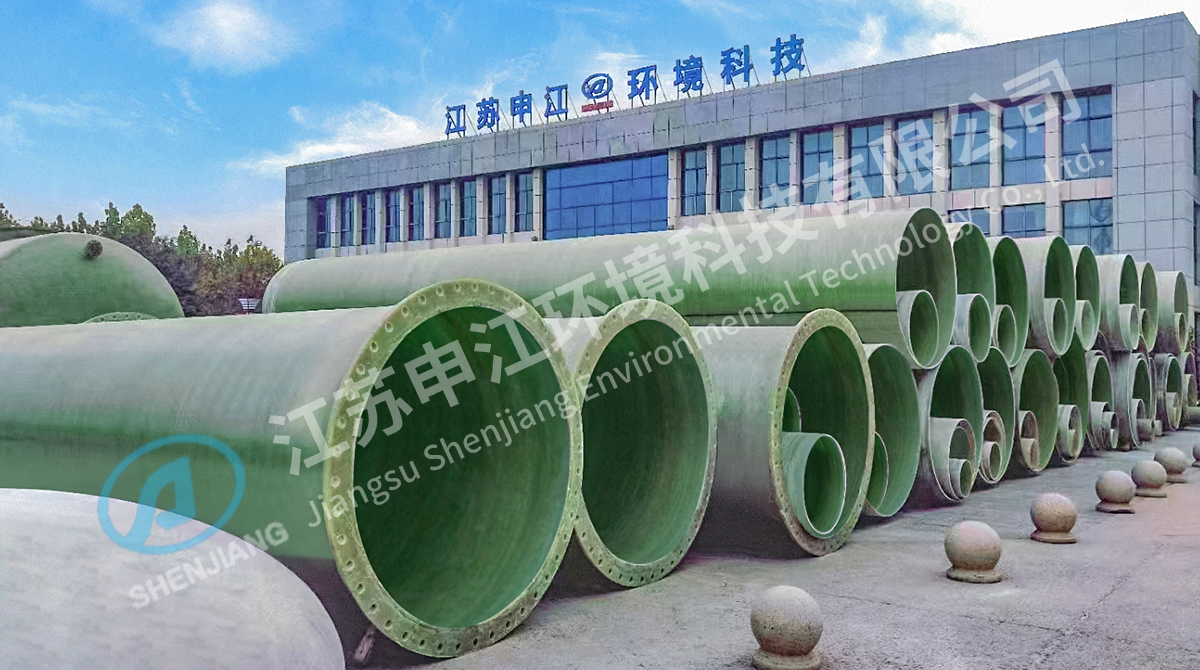
At Jiangsu Shenjiang Environmental Technology, for example, our team of about 218 people includes 35 technical specialists. The facility is equipped with more than 100 testing and production machines, supported by a 3,000-square-meter R&D center and roughly 35,000 square meters of building area. That scale gives us the resources to manage engineering reviews, laminate design, quality control and large-project coordination under one roof.
When evaluating any supplier, ask these practical questions:
- What is the maximum tank diameter and capacity you can manufacture?
- How many filament-winding machines and automated production lines do you operate?
- Which tests do you perform for laminate thickness, surface hardness, dimensional accuracy and leak tightness?
- Can you provide customer references from the same industry as my project?
- What lead time is realistic for a custom FRP tank with multiple nozzles and accessories?
Custom FRP Tank Options: Matching the Tank to Your Process Conditions
Customization is where the real value of a specialized FRP tank manufacturer becomes visible. The tank must fit your chemical service, foundation loads, space constraints and process connections. A useful starting point is to review FRP vessels for liquid and chemical storage to see how nozzle placement, top and bottom arrangements, and laminate details are handled in practical production.
 Custom FRP Vessel Factory, Manufacturers - Jiangsu Shenjiang Environmental TechnJiangsu Shenjiang Environmental Technology Co., Ltd China Custom FRP Vessel manufacturers and FRP Vessel factory,FRP vessels are lightwei...View Product →
Manufacturers should be able to discuss vertical and horizontal configurations, flat or conical bottoms, domed or open tops, and various methods for adding internal components. Some projects require secondary containment, which may mean a double-wall design; this is an option worth asking about even if your current spec does not include it. Every custom tank should also include a corrosion barrier, a structural layer, and an exterior finish that withstands the site environment, including UV exposure and weather.
Choosing the Right Resin System for Your Chemical Environment
Resin selection is the most important material decision in FRP tank manufacturing. General-purpose polyester is often adequate for mild water service, while isophthalic polyester offers better corrosion resistance. Vinyl ester resins handle aggressive acids, alkalis and solvents, and phenolic resins bring heat resistance and low smoke characteristics to certain gas applications. Fire-retardant grades may be required for plant compliance.
Provide your supplier with the complete list of media, concentrations and operating temperatures. With this data, the manufacturer can recommend a resin system that safely handles both normal operation and upset conditions. Where process conditions involve evaporation, crystallization or hot concentrated liquor, FRP evaporator solutions for process applications show how resin choice and laminate design are matched to thermal and chemical stress.
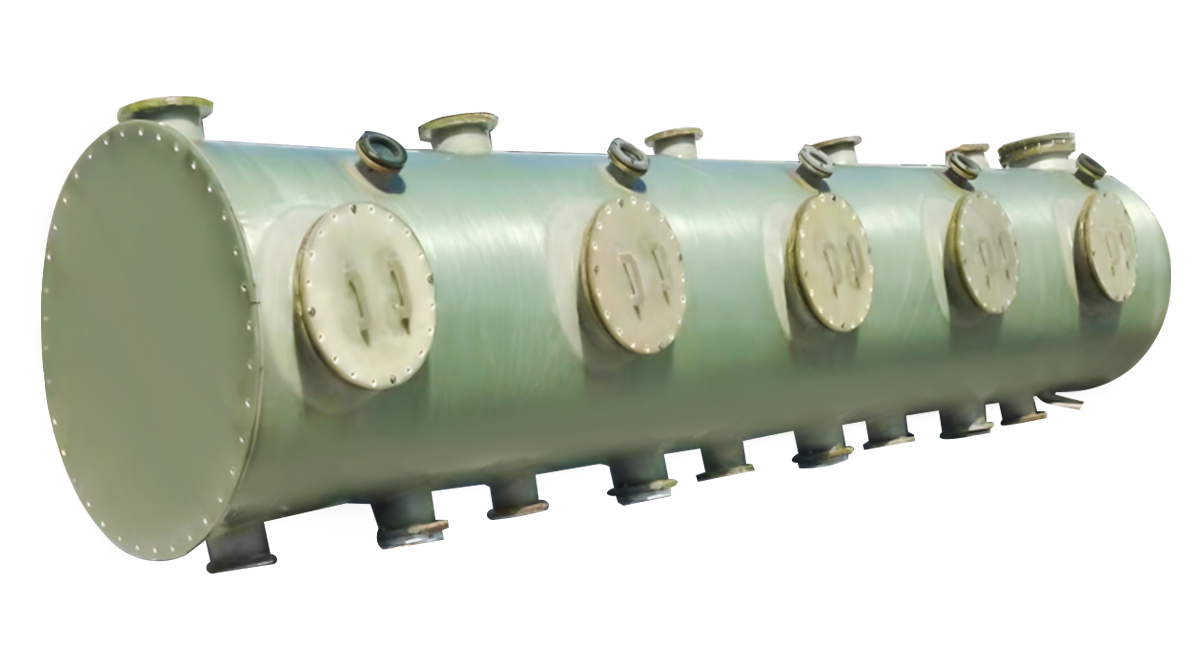 Custom FRP Evaporator Factory, Manufacturers - Jiangsu Shenjiang Environmental TJiangsu Shenjiang Environmental Technology Co., Ltd China Custom FRP Evaporator manufacturers and FRP Evaporator factory,Traditional vacu...View Product →
Common Accessories and Fittings for Industrial FRP Tanks
Accessories are often a source of delays and mismatches, so discuss them early in the quotation stage. Typical items include:
- Flanged nozzles and FRP flanges for inlet, outlet and vent connections
- Manways and clean-out openings for inspection and maintenance
- Instrument connections for level, pressure or temperature measurement
- Overflow and drain connections sized for your process flow rate
- Internal baffles, anti-vortex baffles and mixer support brackets
- External ladders, platforms and handrail packages
- Insulation, heat-tracing support and corrosion-resistant bolting
Large FRP Tanks: Transportation and On-Site Assembly Considerations
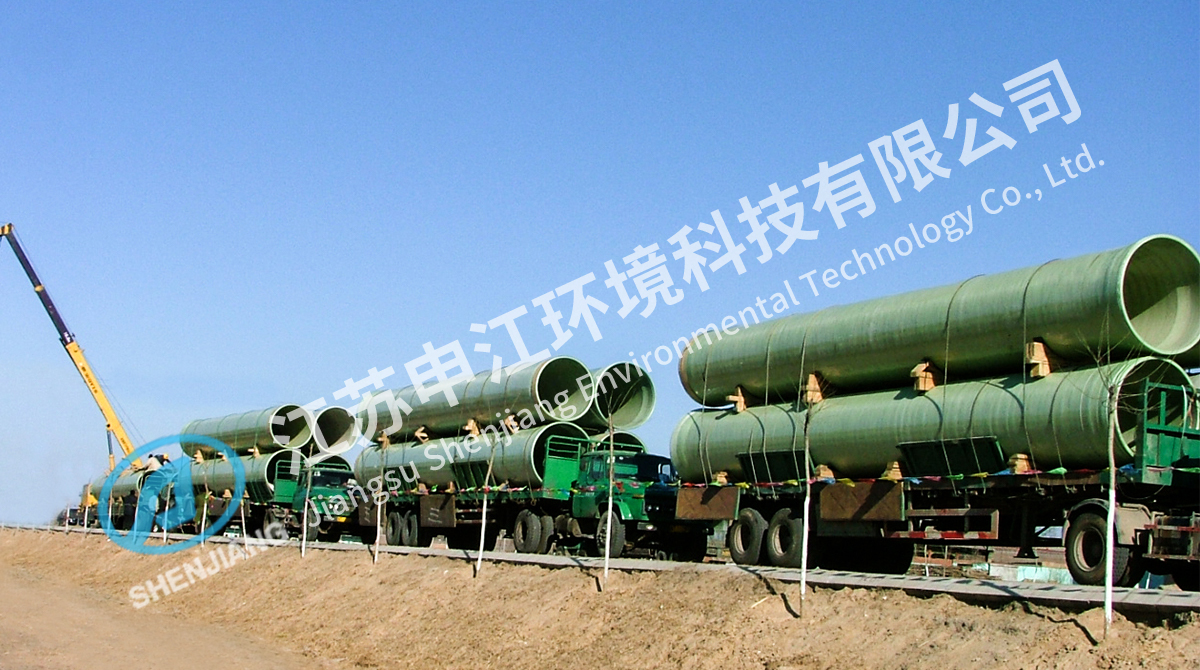
Large-diameter FRP tanks are where manufacturing experience really shows. A tank that fits within transport size limits can be delivered in one piece, but many industrial storage volumes require sectional fabrication. In that case, the manufacturer produces segmented shells in the factory, ships them to the job site, and completes the tank using bolted connections, structural FRP welding and layered laminate overlaps.
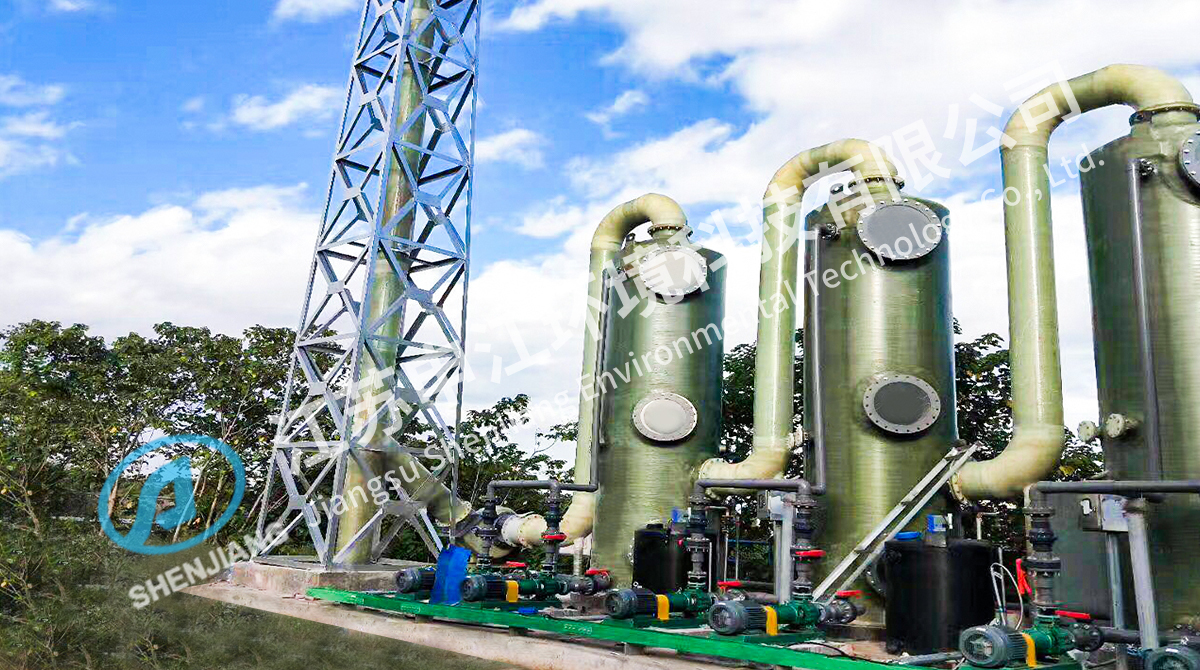
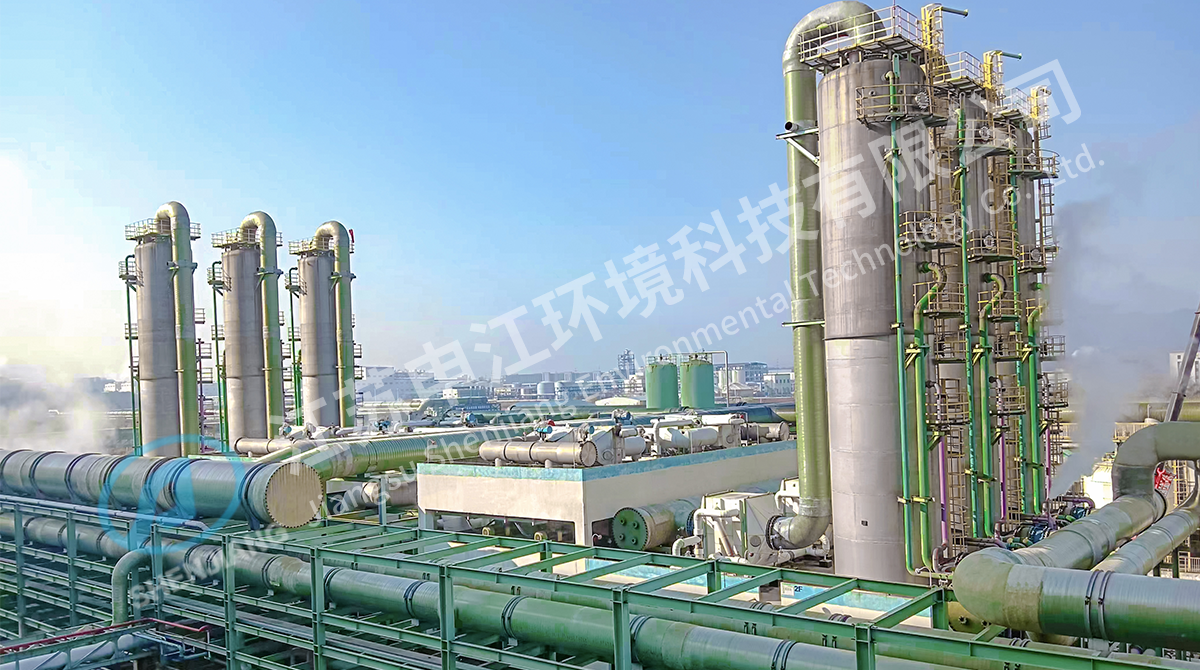
Ask your supplier how they handle oversized components. Barge transport may be suitable for very large sections, while road transport can require special permitting. Some projects justify the use of mobile filament-winding equipment to build the tank directly on site. For tall or highly customized equipment such as FRP absorption towers for industrial gas treatment, the same segmentation discipline is used to control lifting height and field assembly complexity.
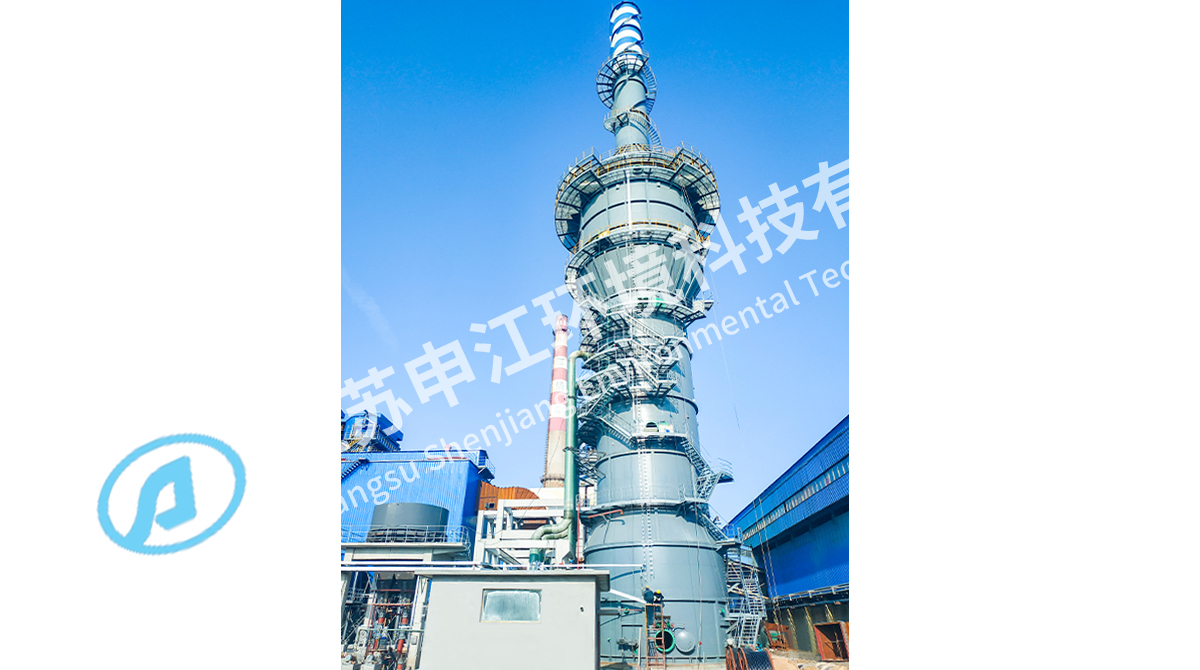 Custom FRP Adsorption Tank Factory, Manufacturers - Jiangsu Shenjiang EnvironmenJiangsu Shenjiang Environmental Technology Co., Ltd China Custom FRP Adsorption Tank manufacturers and FRP Adsorption Tank factory,The FR...View Product →
On-site assembly should be performed by experienced technicians who understand alignment, joint preparation and laminate curing. A manufacturer that can provide installation supervision, field joint materials and quality documentation will reduce the risk of hidden damage or premature failure.
Why Buyers Are Turning to China for FRP Tank Manufacturing
Global buyers no longer have to accept a trade-off between low cost and product quality. Chinese FRP tank manufacturers with modern equipment, engineering staff and export experience can supply custom tanks that meet international design expectations while remaining cost-competitive. The key is to distinguish a genuine manufacturer with production control from a trading company that resells other suppliers' products.
Founded in 1996, Jiangsu Shenjiang Environmental Technology has spent nearly three decades manufacturing FRP tanks, towers, piping and related equipment. Our engineering team supports clients across the chemical fiber, papermaking, power, petroleum, seawater desalination and gas transmission sectors. The company's multilingual website and global agent recruitment program reflect a clear intention to serve international buyers with clear technical communication and responsive support.
Cost advantages come from vertical integration, efficient production and scale, but they only matter when standards are still met. Before committing to any Chinese supplier, request a detailed offer that includes drawings, material specifications, inspection plans, delivery milestones and payment terms. Serious manufacturers welcome these questions because they prevent misunderstandings later in the project.
Checklist: Questions to Ask Before You Choose an FRP Tank Manufacturer
- Which manufacturing standards does your FRP tank design follow?
- What is the largest tank you can produce by diameter and capacity?
- Can you provide reference projects from my specific industry?
- Which resin, glass reinforcement and core materials do you use, and what grades do you typically specify?
- What inspections and tests are included before the tank leaves your factory?
- How do you handle transportation and on-site assembly for large tanks?
- What warranty, spare parts and after-sales support do you offer?
- Can you also supply compatible FRP process pipes, flanges and ventilation components if my project needs them?
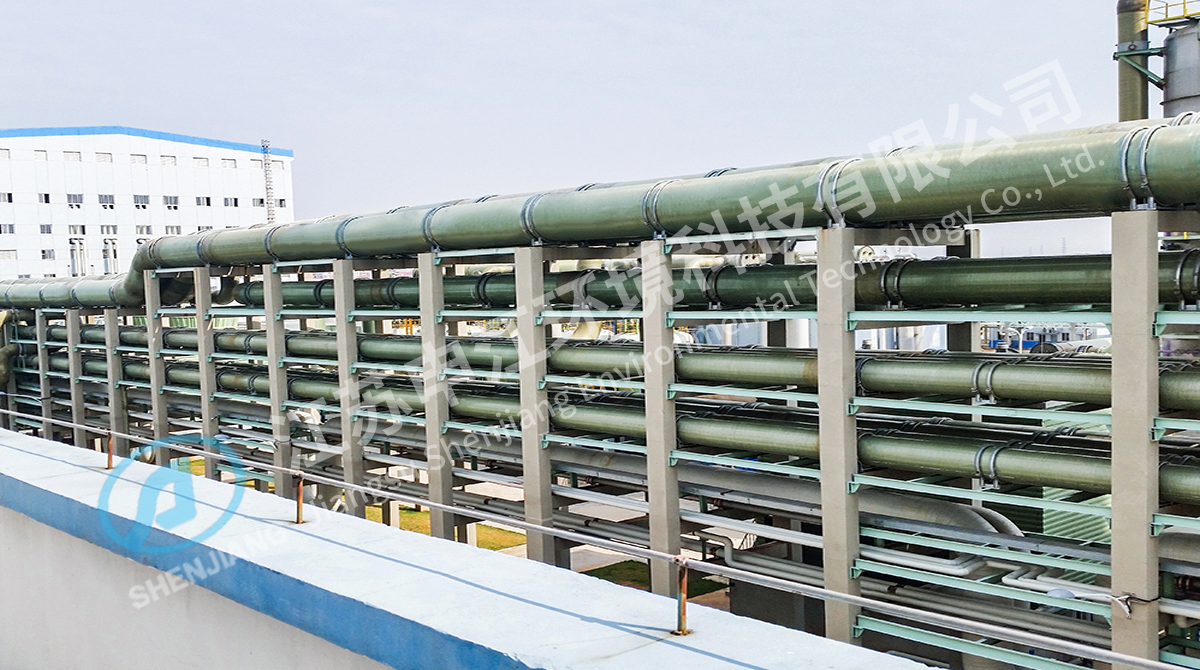
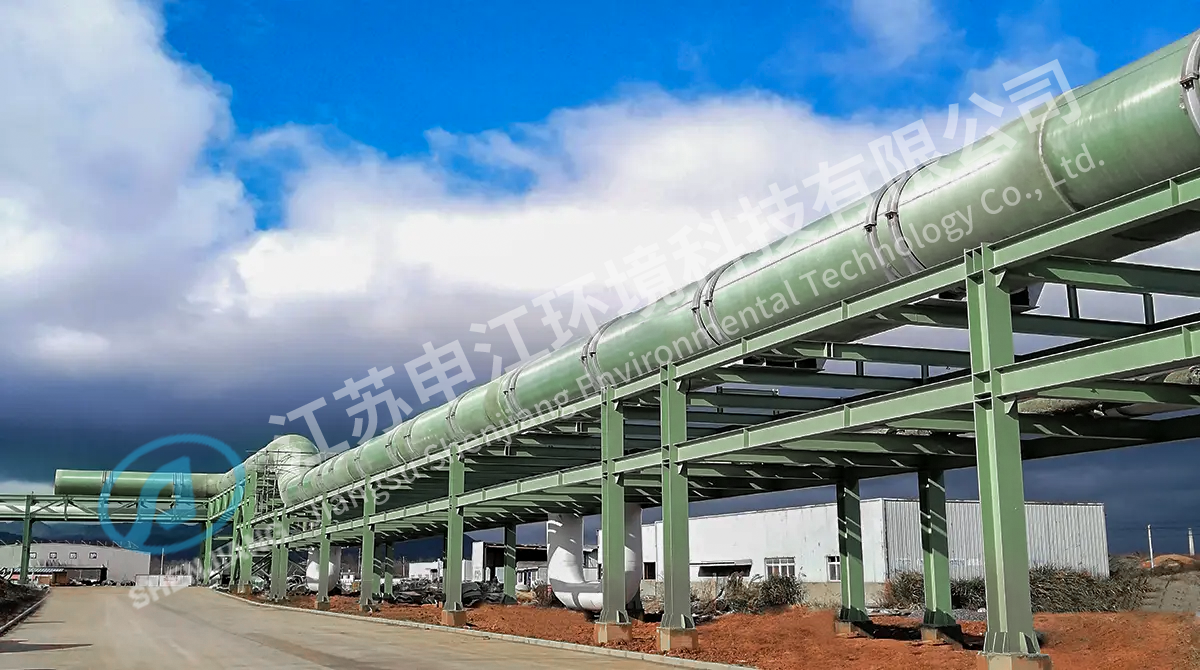
The final question matters more than many buyers realize. If your project includes transfer piping, exhaust ducts or process ventilation, choosing a manufacturer with a complete FRP product line simplifies interface management, material documentation and spare-part sourcing. This is why our range includes not only tanks but also corrosion-resistant FRP piping and fittings under the same quality system.
Conclusion: Partnering with an Experienced FRP Tank Manufacturer
Evaluating FRP tank manufacturers comes down to five dimensions: standards, equipment, customization capability, project experience and service depth. A supplier that performs well in each area can deliver a safe, dependable tank that meets your process conditions and stays within your project schedule.
Use the checklist above when comparing vendors. Request technical data sheets, past project references and a detailed quotation. The most experienced manufacturers will respond with clear drawings, material specifications and an inspection plan. If you are looking for a full-service partner who can support custom FRP tanks and the pipes that connect them, the engineering team at Jiangsu Shenjiang Environmental Technology is ready to discuss your project requirements.




 English
  中文简体
中文简体 Español
 عربى
عربى русский
 ไทย
ไทย Indonesia
 Tiếng Việt