A medium-sized industrial boiler burning coal with 1.5% sulfur can produce hundreds of kilograms of sulfur dioxide every day. Without treatment, that SO2 enters the stack and becomes the plant's single largest compliance problem. Flue gas treatment removes pollutants such as SO2, NOx, and particulates from combustion exhaust before release, and for most operators the real decision is not whether to install it, but which combination of technologies will meet the emission limit reliably without excessive operating cost. This article covers the main pollutants, the core treatment processes, the material issues that affect long-term performance, and the practical criteria used to select a system.
What flue gas treatment actually removes
Flue gas is the exhaust produced when fuel is burned in a boiler, furnace, kiln, or incinerator. Its exact composition depends on the fuel and the combustion conditions, but the pollutants that regulations target fall into a small number of categories. Sulfur dioxide forms when sulfur in the fuel oxidizes during combustion. Nitrogen oxides form partly from nitrogen compounds in the fuel and partly from thermal fixation of nitrogen at high flame temperatures. Particulates include ash, soot, and condensed salts. Acid gases such as HCl and HF appear mainly when burning waste or biomass, and coal combustion can also release mercury and other heavy metals.
Main flue gas pollutants and the technologies most often used to control them.
| Pollutant |
Typical source |
Most common control technology |
| SO2 |
Coal, oil, high-sulfur fuels |
Wet or dry flue gas desulfurization |
| NOx |
High-temperature combustion |
SCR or SNCR |
| Particulates |
Ash, soot, condensed salts |
Electrostatic precipitator, bag filter, wet ESP |
| HCl and acid gases |
Waste or biomass combustion |
Alkali scrubbing |
| Mercury and heavy metals |
Coal combustion |
Activated carbon injection, wet scrubbing |
The key point is that no single process removes all of these pollutants. A complete flue gas treatment system is therefore a series of stages, and each stage is selected for the specific pollutants that the fuel and process generate.
Core flue gas treatment technologies
Although dozens of process variants exist, most full-scale systems are built around three stages: desulfurization, denitrification, and particulate control. Understanding how these stages work and where they sit in the gas path is the fastest way to evaluate a proposed layout.
Flue gas desulfurization
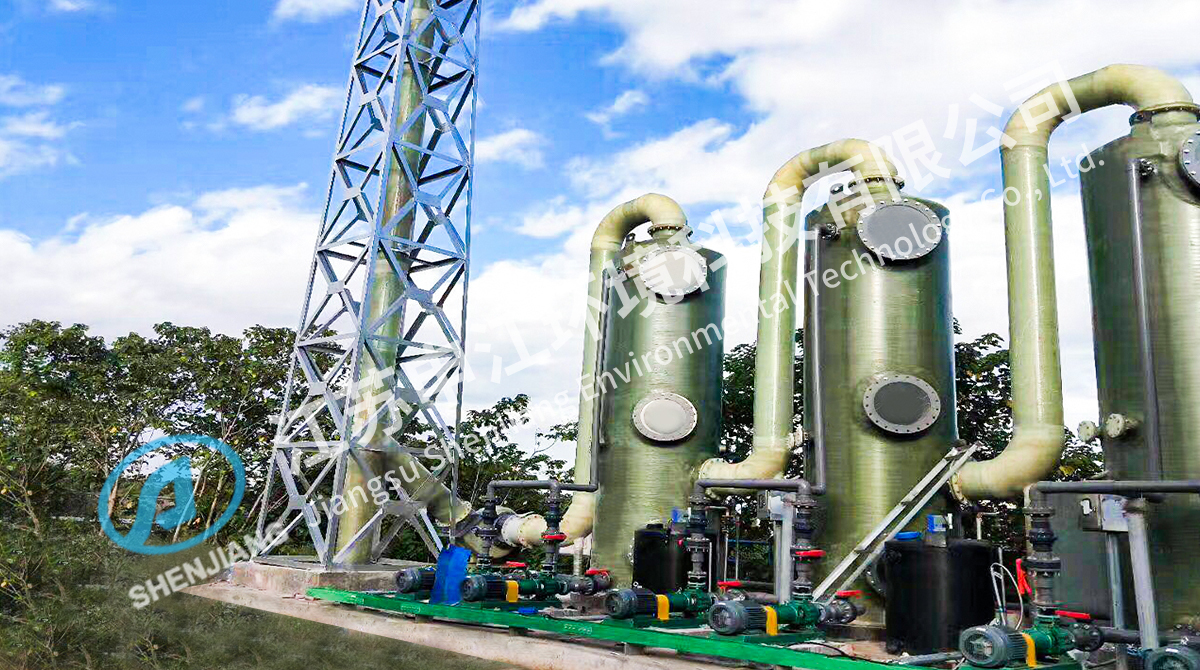
Removing SO2 is the largest single task in most flue gas treatment systems. Wet flue gas desulfurization, normally using a limestone or lime slurry, remains the most widely used method because it reaches removal efficiencies of 90 to 98% and produces a usable gypsum byproduct. The gas is contacted with the slurry in an absorption tower, where SO2 dissolves and reacts before the liquid is collected and processed. Semi-dry and dry processes inject powdered sorbent into the gas stream and are chosen when cooling water is scarce or capital cost must stay low, but they generally consume more reagent. For plants with strict SO2 limits, wet FGD is the default. A well-designed industrial flue gas desulfurization system can bring outlet SO2 down to a few parts per million, depending on inlet load and reagent quality.
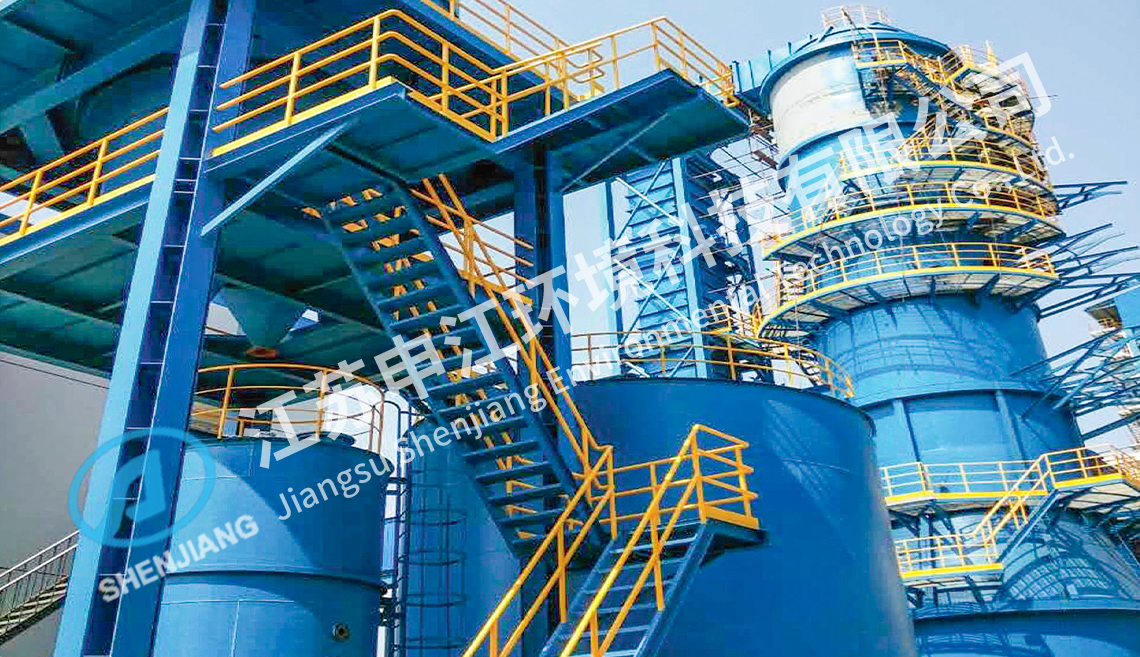 Custom Industrial flue gas desulfurization Factory, Manufacturers - Jiangsu ShenJiangsu Shenjiang Environmental Technology Co., Ltd China Custom Industrial flue gas desulfurization manufacturers and Industrial flue ga...View Product →
Denitrification
NOx control follows a different chemistry. Selective catalytic reduction injects ammonia or urea into the flue gas and passes the mixture over a catalyst bed, converting NOx into nitrogen and water. SCR operates in a temperature window of roughly 300 to 400°C and reaches 80 to 90% reduction, which is why it is the standard choice for coal-fired boilers and large furnaces. SNCR, which injects reagent without a catalyst, works at higher temperatures and gives lower efficiency, so it fits smaller units or places where retrofitting a catalyst is impractical. Placement is critical: if the catalyst is installed where the temperature is too low, ammonia slip rises and the catalyst degrades. A properly matched flue gas denitrification equipment has to be sized against the gas flow and the NOx concentration profile, not against the boiler rating alone.
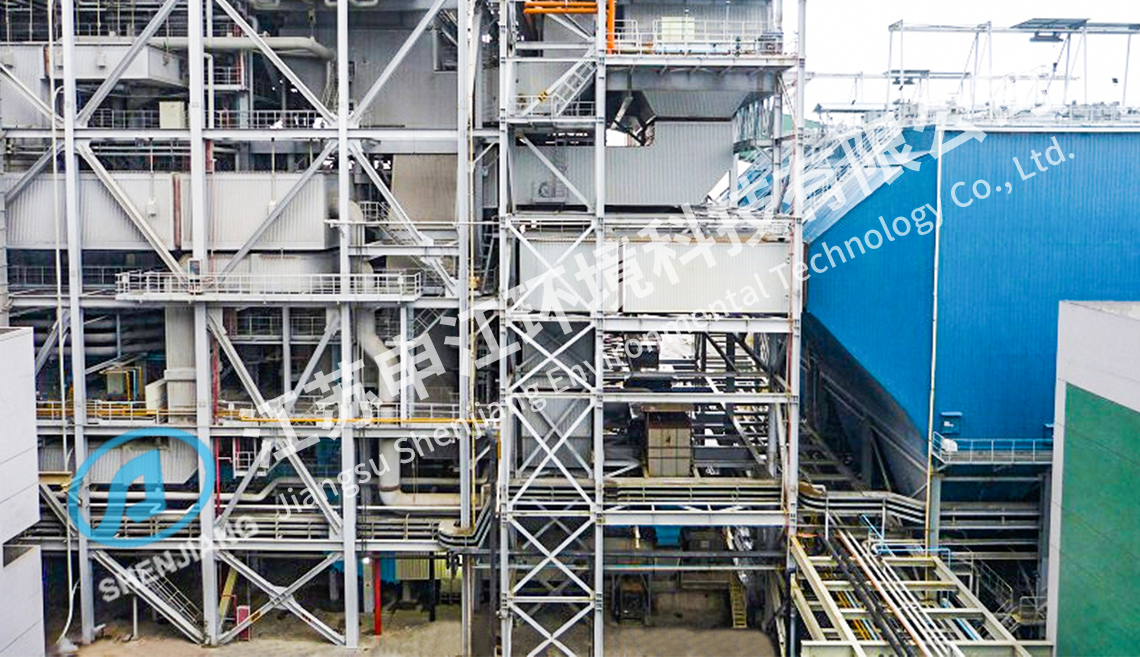 Custom Industrial flue gas denitrification Factory, Manufacturers - Jiangsu ShenJiangsu Shenjiang Environmental Technology Co., Ltd China Custom Industrial flue gas denitrification manufacturers and Industrial flue ga...View Product →
Particulate and fine mist control
The final cleaning stage normally targets dust and fine aerosols. A conventional electrostatic precipitator or bag filter handles dry ash very well, but flue gas that has passed through wet desulfurization is saturated with water vapor and carries fine droplets, dissolved salts, and submicron particles. A wet electrostatic precipitator solves this by applying a high-voltage field to a wet collecting surface, capturing fine aerosols that would otherwise form a visible plume. This is why many recent installations place a wet electrostatic precipitator after the desulfurization tower: it removes the last fraction of particulates, reduces sulfuric acid mist, and makes the discharge less visible.
 Custom Wet electrostatic precipitator Factory, Manufacturers - Jiangsu ShenjiangJiangsu Shenjiang Environmental Technology Co., Ltd China Custom Wet electrostatic precipitator manufacturers and Wet electrostatic preci...View Product →
Material selection for flue gas handling
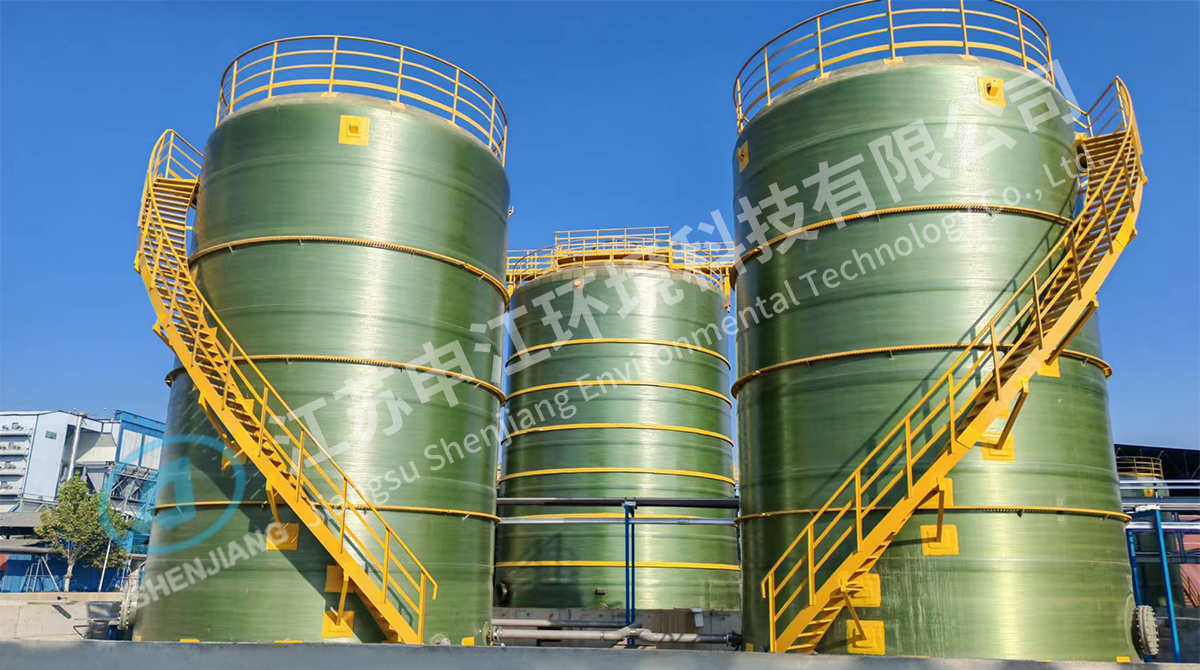
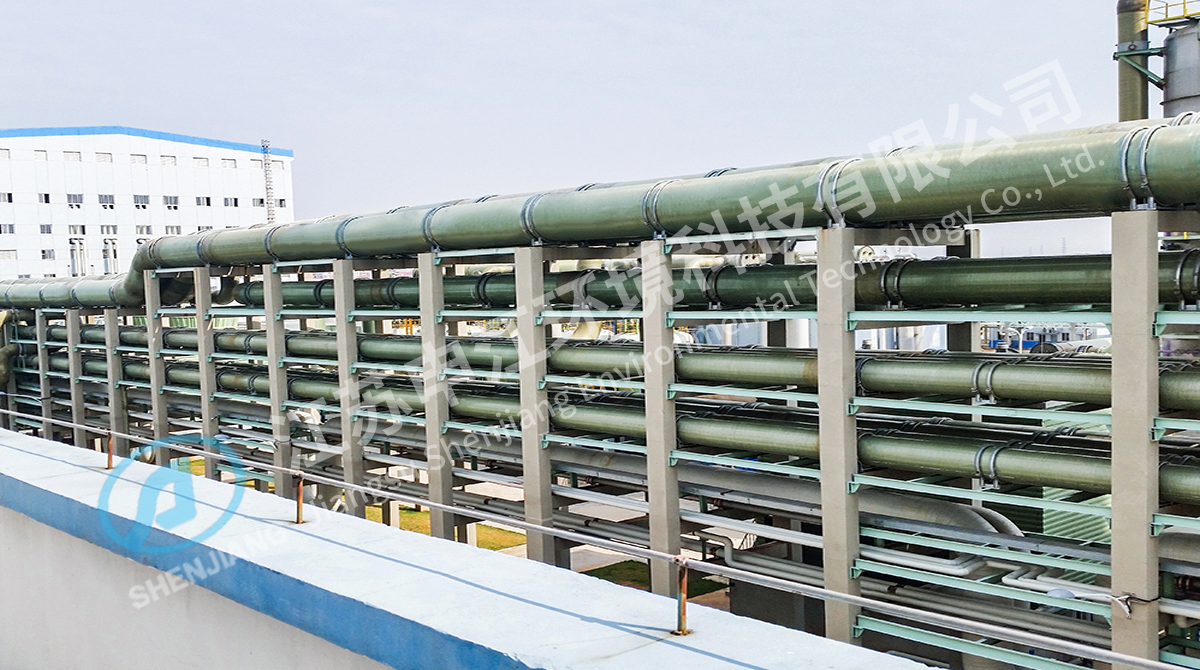
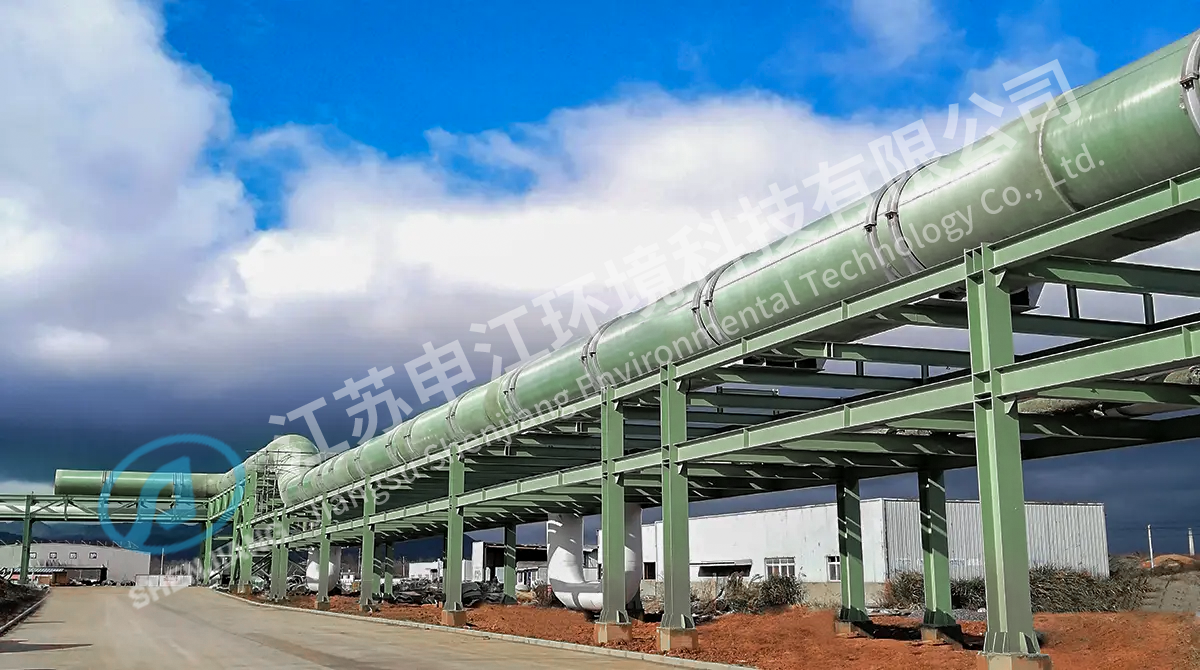
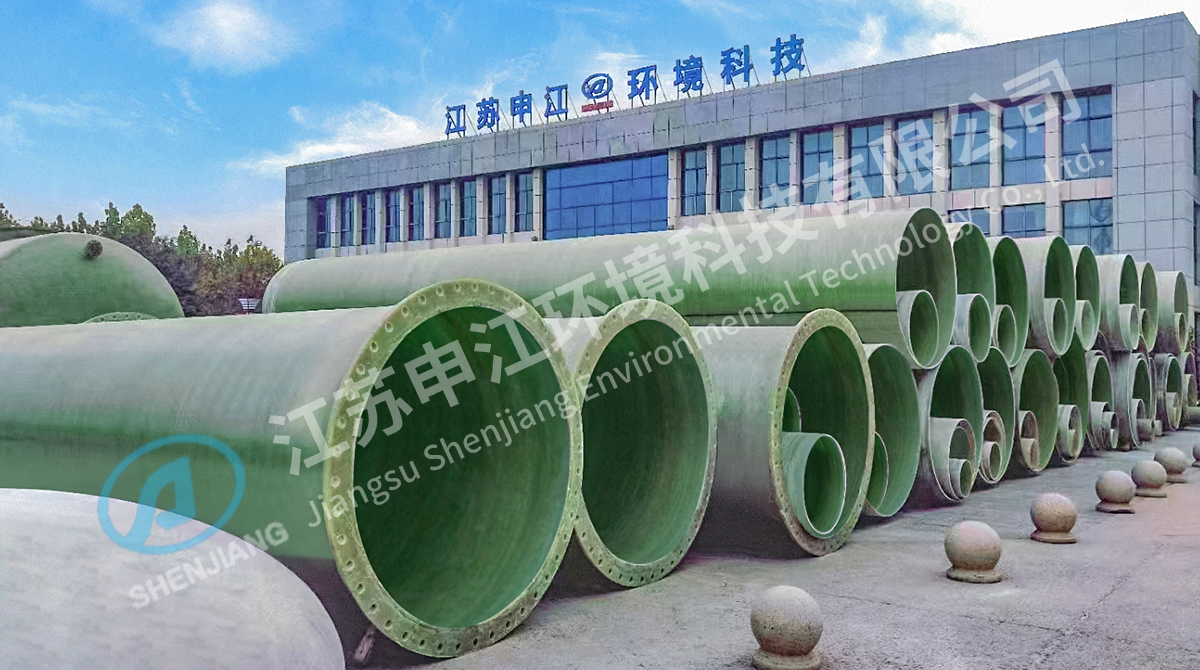
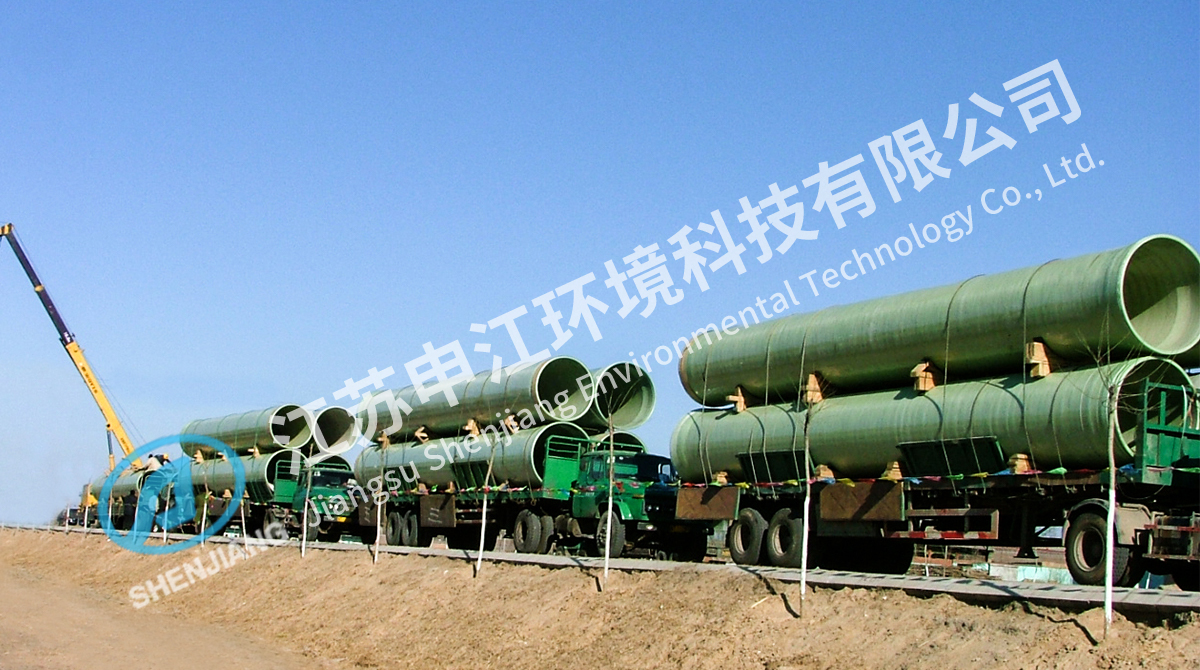
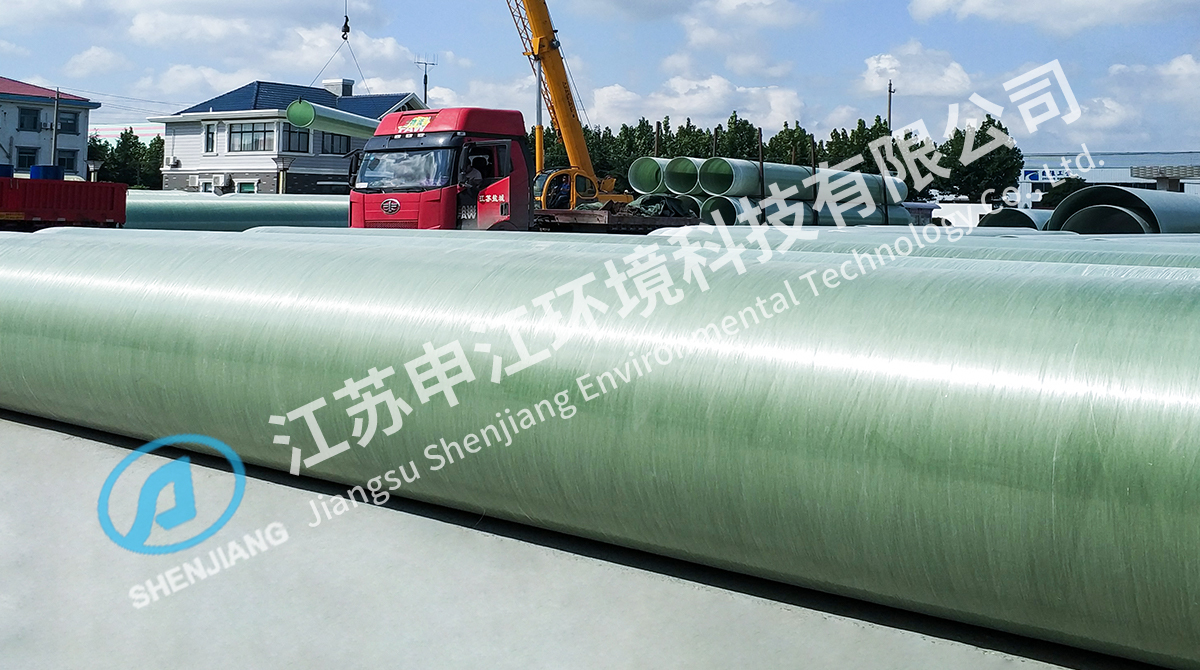
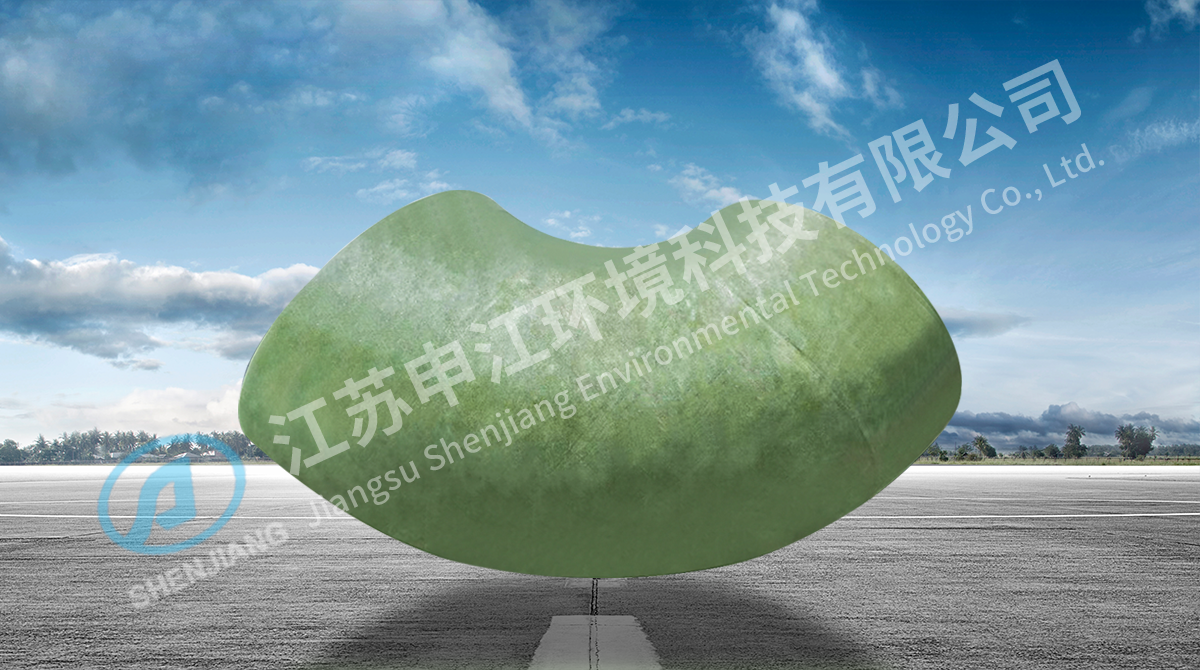
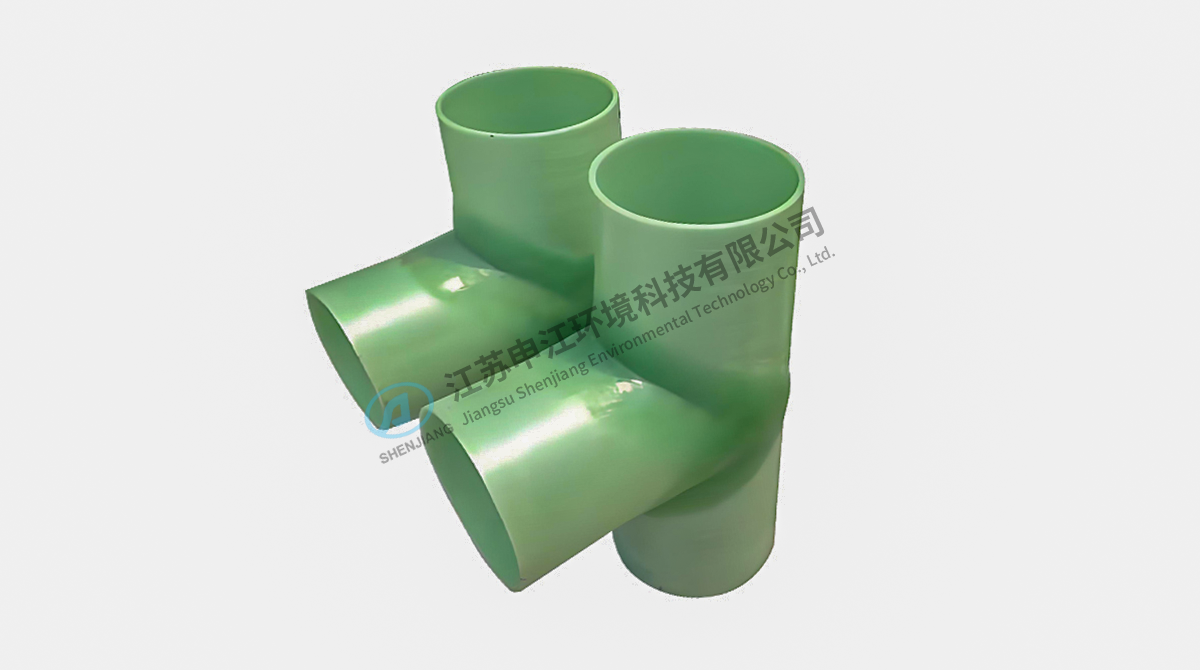
Corrosion is the factor that separates a flue gas treatment system that lasts fifteen years from one that needs major repairs in three. Raw flue gas contains SO2, SO3, HCl, and water vapor; once the gas is cooled or scrubbed, the environment becomes acidic and highly aggressive. Carbon steel ducting rapidly rusts when it operates below the acid dew point. Fiberglass reinforced plastic has therefore become a standard material in this service. FRP exhaust ducts, absorption towers, and scrubbing towers resist sulfuric acid and other corrosive media, weigh much less than steel, and can be manufactured in large diameters without long field-welded seams. The practical message is that a desulfurization design can look perfect on paper and still fail in the field if the duct material is wrong. Buyers should ask for the corrosion allowance of every component, the method used for jointing, and proof of similar installations in flue gas service.
How to evaluate and select a flue gas treatment system
Technology selection starts before equipment selection. The plant needs accurate baseline data: flue gas flow in Nm3/h, inlet SO2 and NOx concentrations, particulate loading, gas temperature, moisture content, and the emission limits that apply at the site. With that data, evaluation follows a repeatable sequence.
- Define the required outlet concentration for each pollutant and add a margin for load variation and future tightening of limits.
- Compare candidate technologies on removal efficiency and operating cost. Wet FGD gives the highest SO2 removal, SCR gives the highest NOx removal, and a wet ESP covers fine aerosols that bag filters miss.
- Check the support systems: reagent supply, waste water treatment, byproduct handling, and energy consumption, because these costs usually exceed the equipment price in the first few years.
- Evaluate suppliers on engineering capability, manufacturing capacity, installation experience, and references in the same industry.
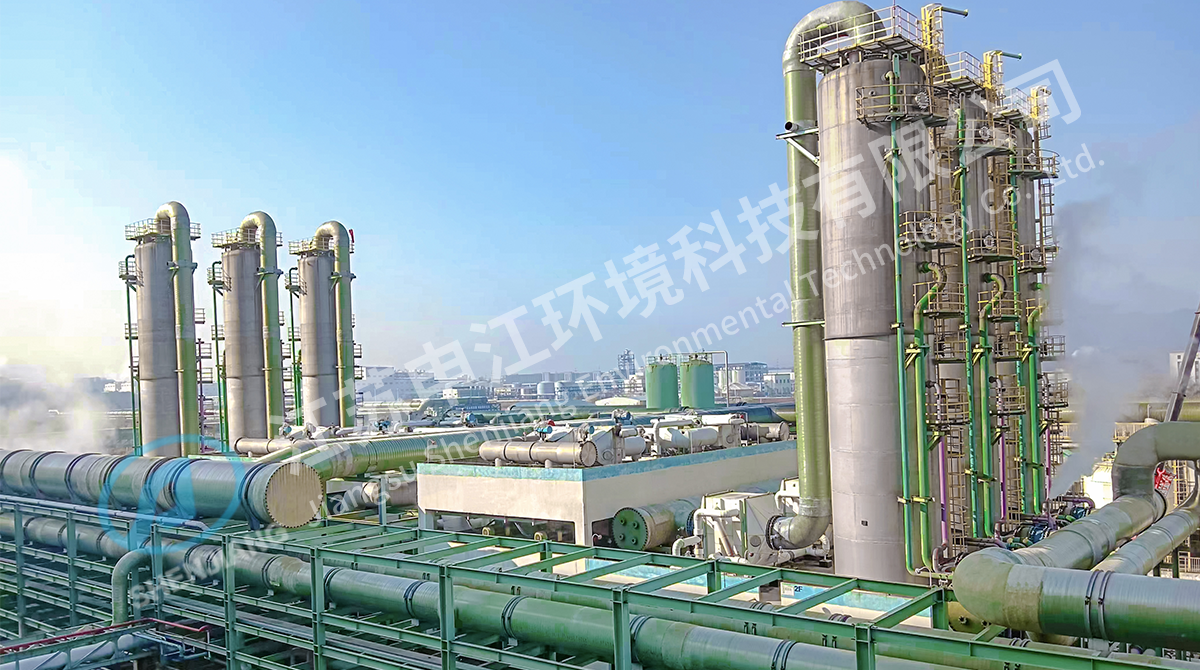
Working with one supplier that can engineer, fabricate, and commission the whole train reduces interface problems between stages. Project references from the power industry flue gas treatment projects demonstrate how the same core technologies are adapted to different fuel qualities and permit conditions. In the chemical fiber industry, flue gas treatment is often combined with the removal of process-specific gases such as CS2, which requires additional condensation and scrubbing stages upstream of the main treatment train.
The pattern that runs through successful flue gas treatment projects is consistent: accurate inlet data, mature technology, and corrosion-resistant materials. Start with the fuel analysis and the emission limit, and only then compare vendors. A complete system that matches the actual flue gas composition will cost less to operate and will keep the plant in compliance year after year. Jiangsu Shenjiang Environmental Technology has designed, manufactured, and installed flue gas treatment equipment for power, papermaking, petroleum, and other industrial plants since 1996, combining FRP product manufacturing with full-system engineering and commissioning.




 English
  中文简体
中文简体 Español
 عربى
عربى русский
 ไทย
ไทย Indonesia
 Tiếng Việt