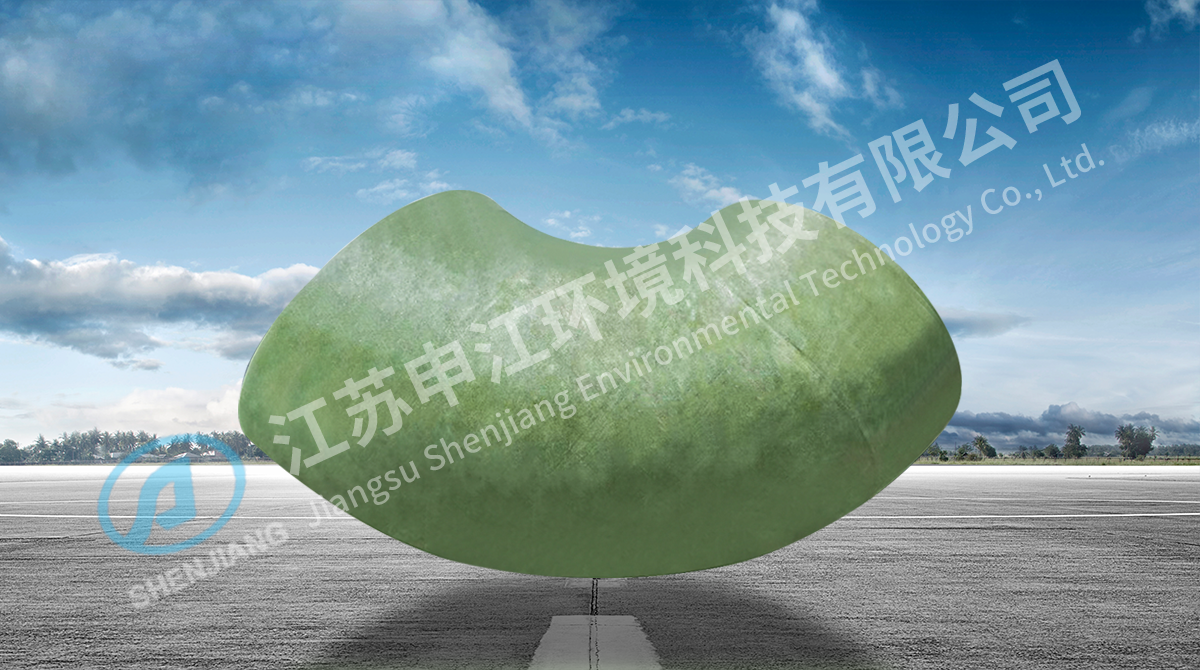
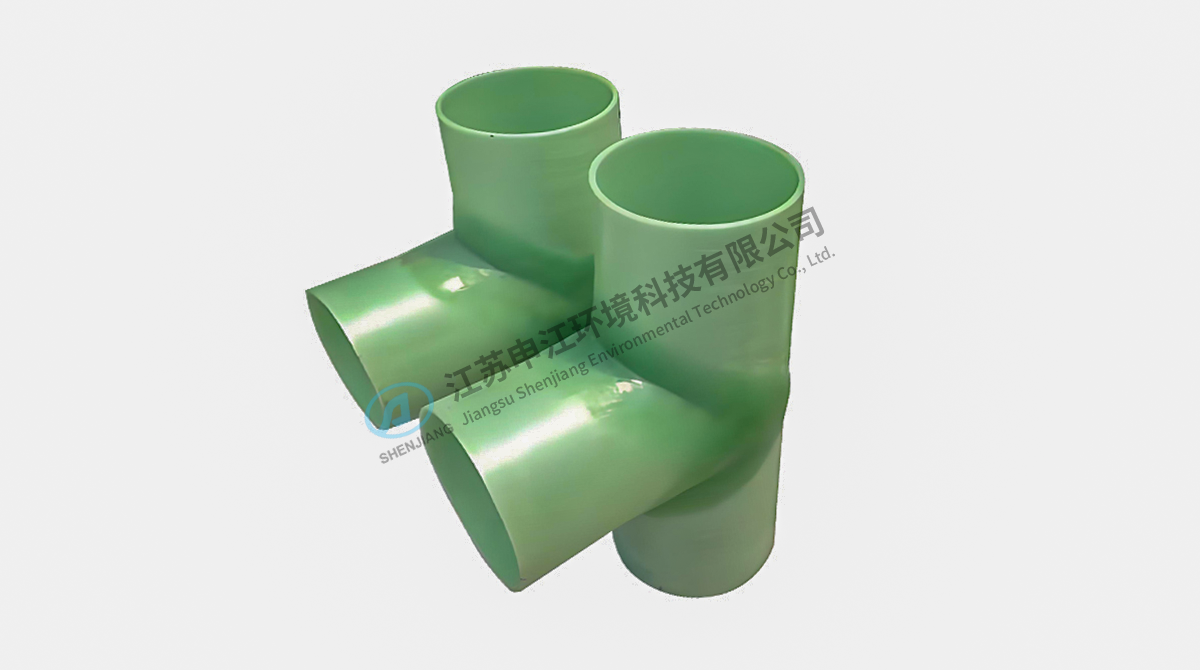
When a chemical plant needs to move a hot, highly acidic process stream, the material selection discussion rarely stays simple. Carbon steel requires internal linings and corrosion allowances. Stainless steel brings a heavy cost and weight penalty. High-density polyethylene (HDPE) often cannot handle the service temperature or external loads. This is precisely where an FRP pipe and fittings system earns its place in industrial projects.
What Are FRP Pipe and Fittings?
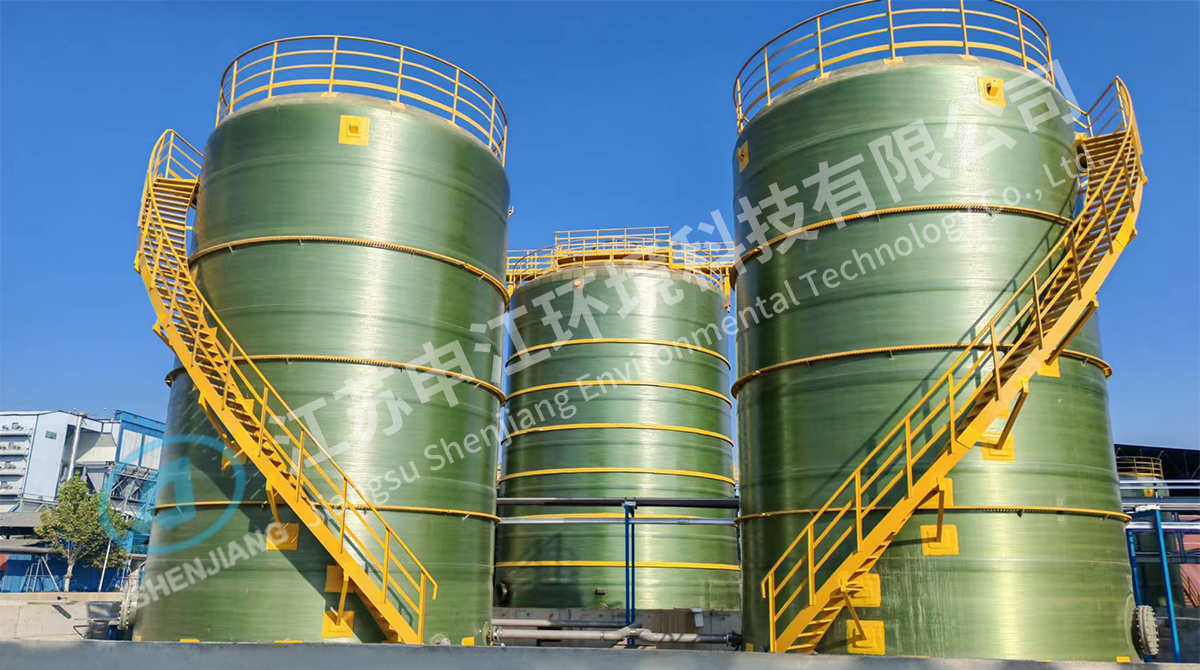
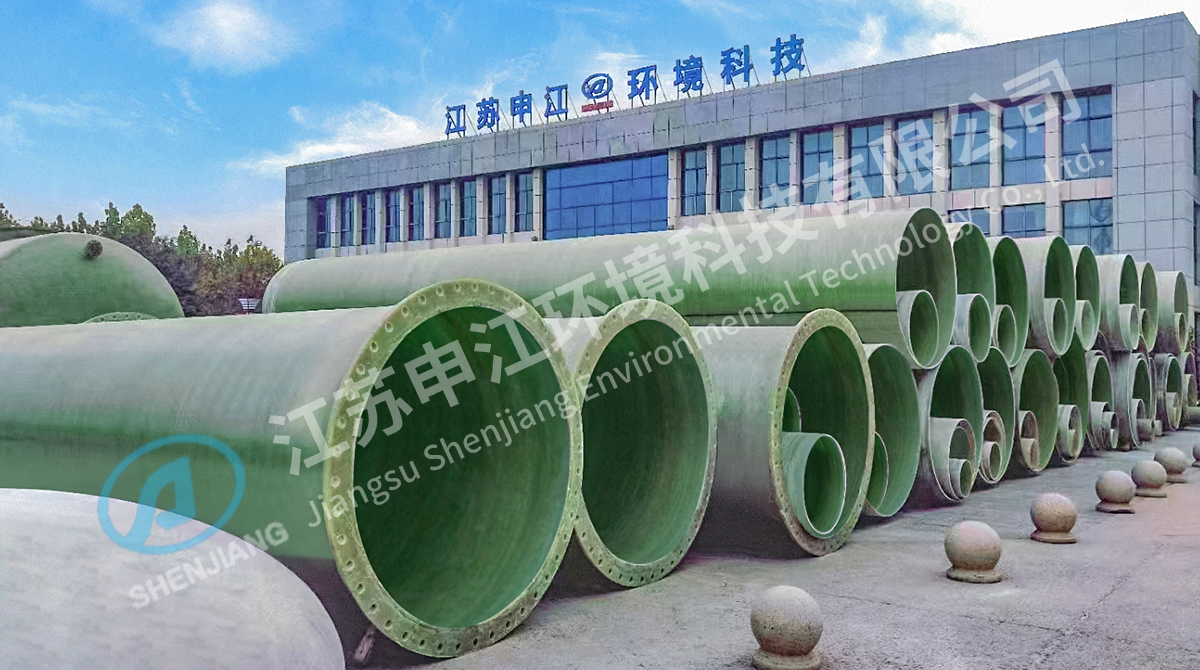
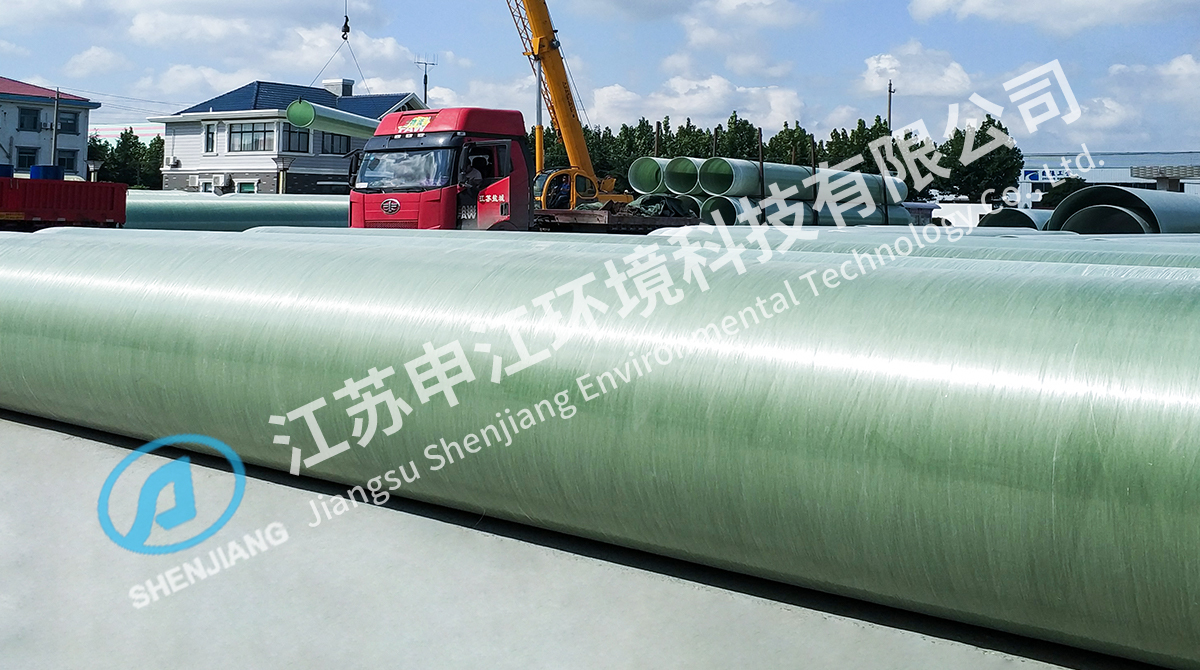
FRP stands for fiber reinforced plastic, a composite material in which glass fibers supply strength and stiffness while a thermosetting resin matrix provides corrosion resistance and dimensional stability. Filament winding, the dominant process for straight pipe, wraps continuous glass strands around a rotating mandrel at controlled angles to meet the required pressure rating. Contact molding builds fittings and complex shapes layer by layer, which is why elbows, tees, flanges, and valve parts come from the same corrosion-resistant material family.
The practical value of FRP comes down to four characteristics: corrosion resistance, lightweight strength, abrasion tolerance, and design flexibility. Because the corrosion barrier is built into the resin itself rather than applied as an external coating, an FRP line can keep serving in media that would destroy unlined carbon steel within months. To review the available configurations, browse our FRP pipe and fittings product range.
FRP vs. Traditional Pipe Materials: Where FRP Wins
The clearest way to understand FRP is to place it beside the materials it most often replaces in corrosive industrial service.
General comparison of FRP with conventional pipe materials in corrosive service
| Consideration |
Carbon Steel |
Stainless Steel |
HDPE |
FRP |
| Corrosion protection |
Coatings or linings required |
Inherent but costly |
Good chemical resistance |
Built into the resin matrix |
| Weight relative to steel |
Baseline |
Similar to steel |
About one-eighth |
About one-quarter to one-fifth |
| Practical temperature ceiling |
High |
High |
Moderate |
High with vinyl ester or epoxy |
| Maintenance in corrosive service |
Frequent recoating and inspection |
Low to moderate |
Low |
Low |
Against carbon steel, the decisive advantage is corrosion management. A carbon steel line needs external coatings, internal linings, or cathodic protection, and still loses wall thickness over time. FRP needs none of these, so the total lifecycle cost, including maintenance and downtime, frequently comes out lower even when the initial purchase price is close.
Against stainless steel, FRP wins on initial cost and weight in most corrosion-driven applications. When 304 or 316 stainless steel is chosen mainly for corrosion resistance rather than for mechanical reasons, FRP delivers equivalent protection at roughly one-quarter to one-fifth of the weight. That difference changes what a project spends on supports, foundations, cranes, and rigging.
Against HDPE, FRP provides a higher service temperature limit and far greater rigidity. HDPE softens and loses strength as temperature rises, while a properly selected vinyl ester or epoxy FRP system typically handles continuous service temperatures up to 100 to 150 °C, depending on media and liner design. FRP also resists external pressure better in buried installations and expands less per degree of temperature change.
For a closer look at how these differences affect real projects, read a detailed comparison between FRP and steel pipes.
Weight and Installation Advantages
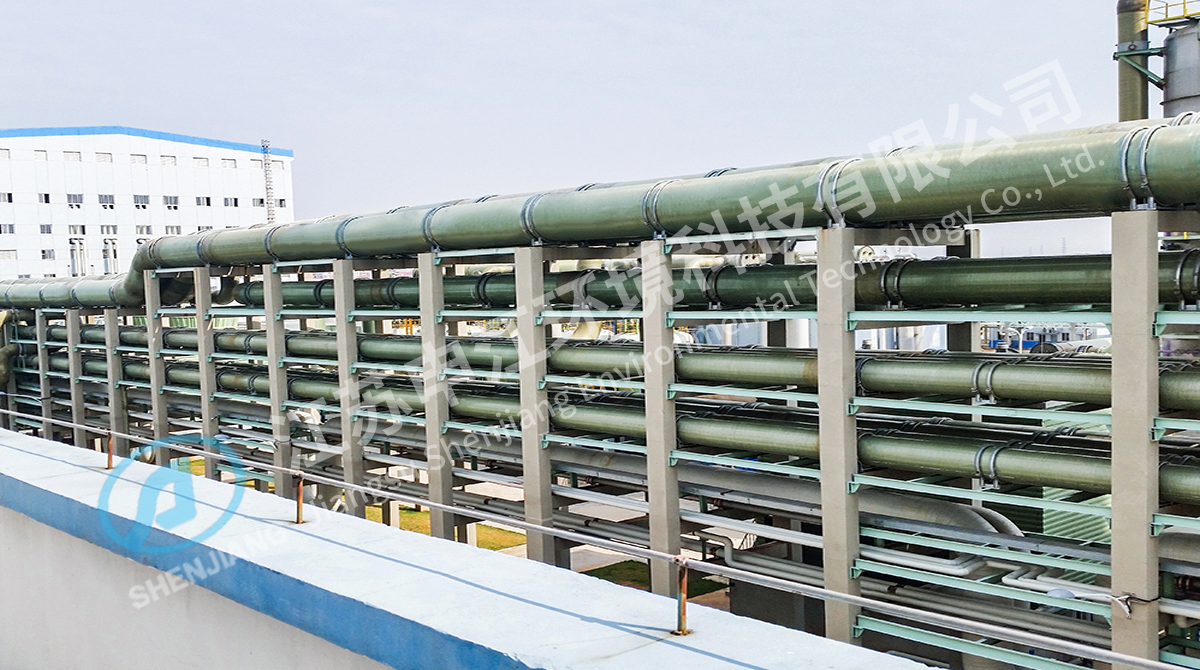
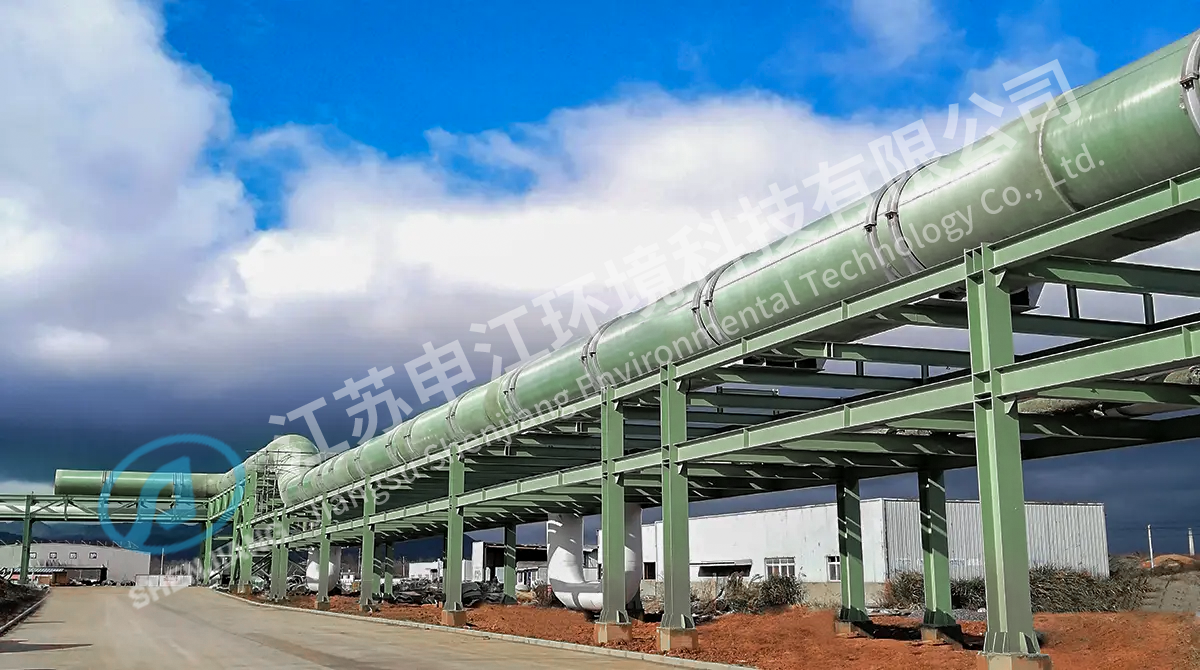
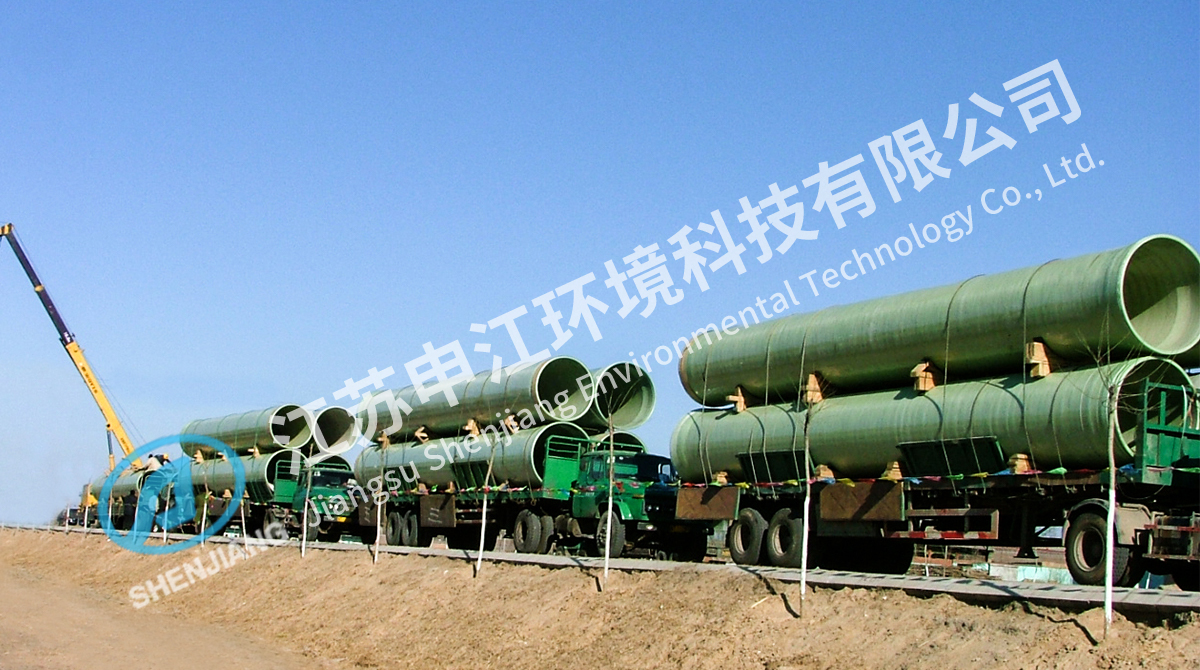
The weight advantage of FRP reshapes the entire installation picture. Light sections require smaller cranes, less rigging, and smaller crews. Because FRP is made in long continuous sections, one pipe often replaces several shorter steel or concrete segments, meaning fewer joints and fewer leak paths. Site connections use adhesive socket joints, flanged connections, or butt-and-strap laminates, depending on pressure, diameter, and maintenance access. FRP flanges and connection fittings are available for every standard joining arrangement.
Main Types of FRP Pipes and Fittings
FRP piping is not a single product; it is a family of engineered products. The right type depends on what the pipe will carry and where it will operate.
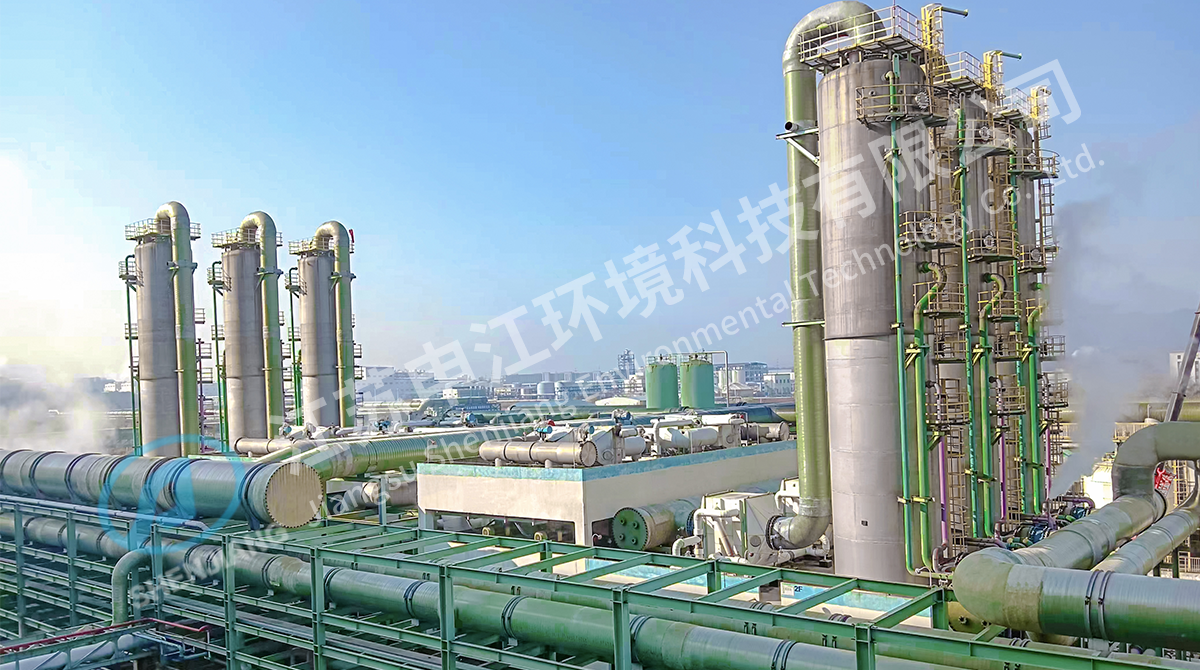
Process pipe is the most widely specified category for chemical media transfer. It handles aggressive acids, alkalis, salts, and organic solvents across a wide range of diameters and pressure ratings. Projects handling aggressive chemicals typically specify FRP process pipe for chemical media transfer, matching diameter and pressure class to the process conditions.
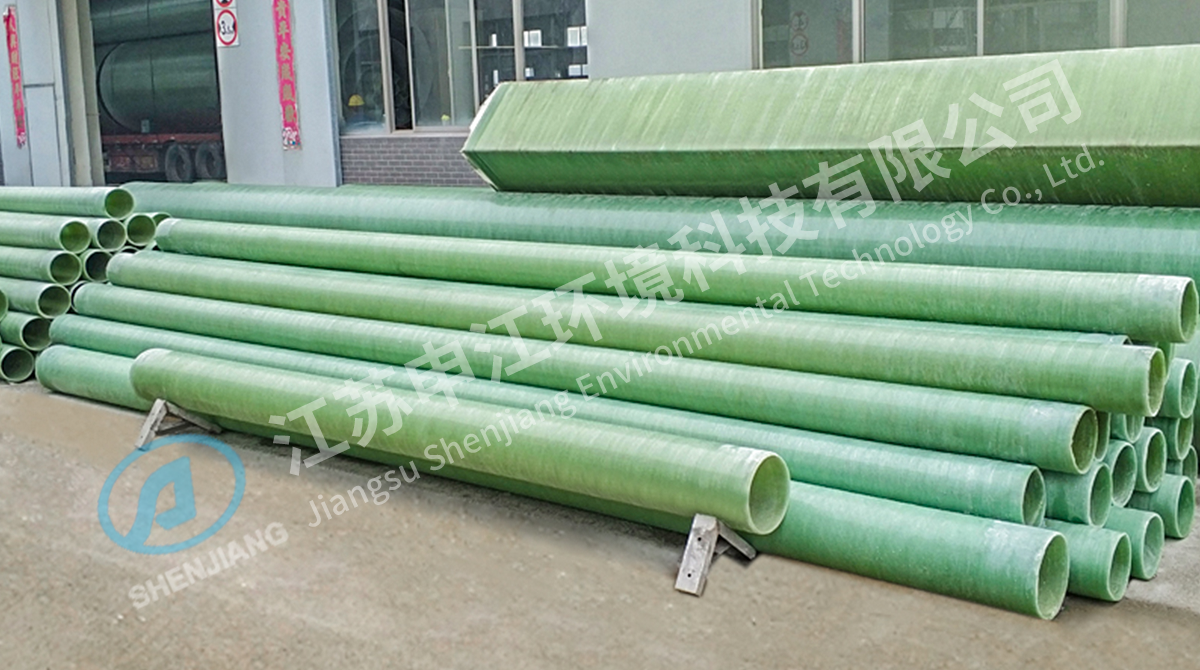 Custom FRP Process Pipe Factory, Manufacturers - Jiangsu Shenjiang EnvironmentalJiangsu Shenjiang Environmental Technology Co., Ltd China Custom FRP Process Pipe manufacturers and FRP Process Pipe factory,FRP process ...View Product →
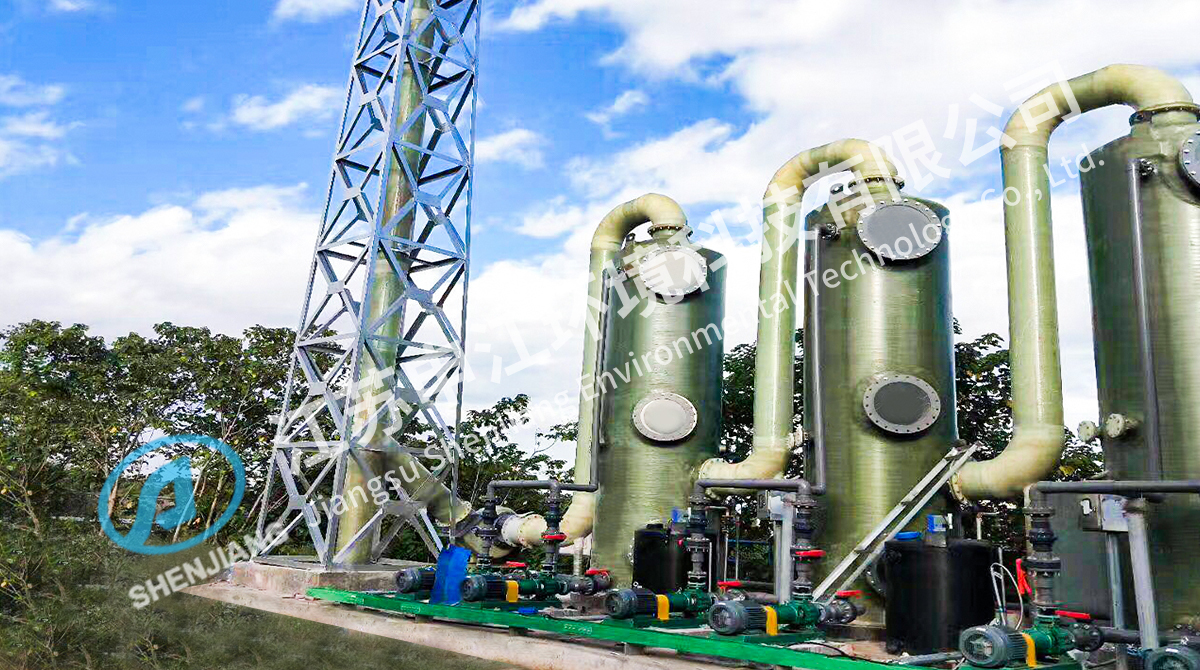
Exhaust ducting removes corrosive fumes from process areas, scrubbers, and wastewater plants. It must resist chemical condensation and elevated gas temperatures. Heat-resistant pipe extends the usable range further when hot process vapors exceed what standard polyester systems tolerate.
Seawater intake and discharge lines demand resistance to chlorides, marine growth, and continuous immersion. Water supply and drainage pipelines offer a corrosion-free alternative to concrete and ductile iron, particularly in aggressive soil conditions.
No piping system works without fittings. FRP elbows, tees, reducers, flanges, and valve parts are manufactured to match the corrosion resistance of the straight pipe. FRP elbows for directional changes in piping systems are available in standard and custom radii, while FRP flanges and connection fittings complete the joint design for larger-diameter or frequently maintained lines.
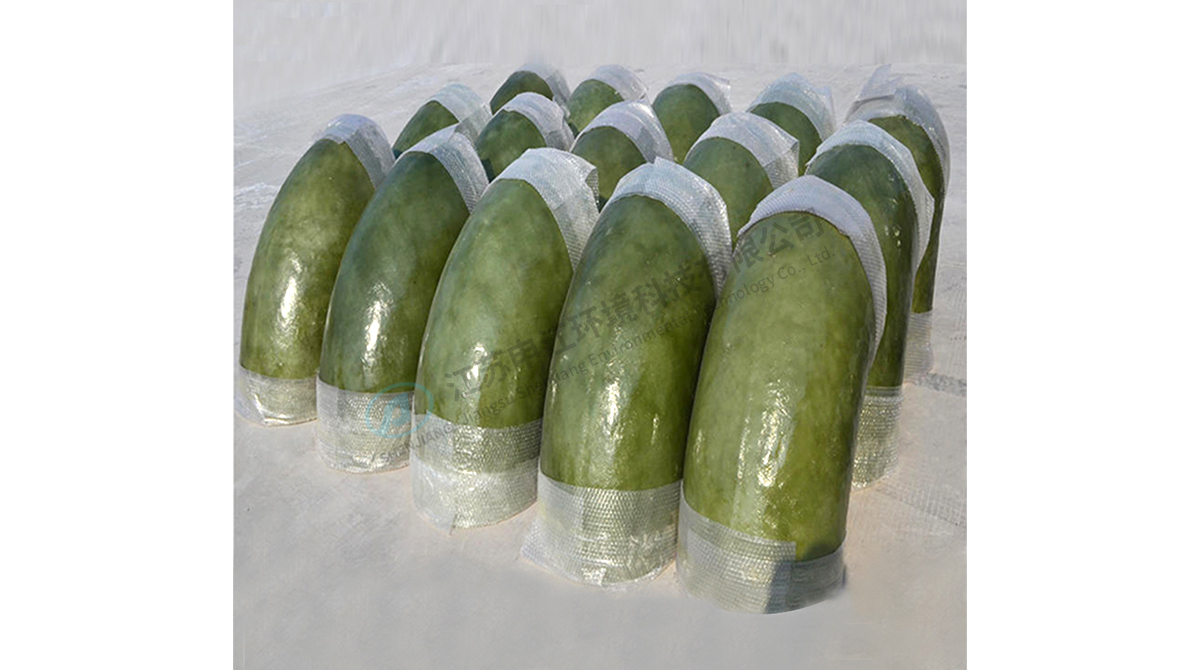 Custom FRP Elbows Factory, Manufacturers - Jiangsu Shenjiang Environmental TechnJiangsu Shenjiang Environmental Technology Co., Ltd China Custom FRP Elbows manufacturers and FRP Elbows factory,FRP elbows are a high-pe...View Product →
Key Selection Criteria for FRP Piping Systems
Selecting an FRP pipe and fittings system is an engineering exercise, not a price comparison. Working through these parameters in order produces a clear specification.
- Media composition and corrosivity: identify every chemical, its concentration, and any abrasive solids.
- Operating temperature: continuous and peak values affect resin choice and liner design.
- Pressure rating: internal pressure and vacuum determine wall thickness and winding architecture.
- Diameter and pipe length: these shape hydraulic performance, transport logistics, and the number of field joints.
- External loading: buried lines must handle soil and traffic loads, while above-ground lines need a support spacing plan.
FRP pipe is typically manufactured in diameters from 2 to 144 inches, depending on the producer's winding capacity, so the class of pipe must match both the hydraulic flow and the mechanical loads.
Understanding Resin Systems and Corrosion Resistance
The resin matrix is the chemical barrier of an FRP pipe, and it is the most important material decision in the specification. Polyester resin offers an economical baseline for general acid and alkali service at moderate temperatures. Vinyl ester resin is the mainstream choice for demanding industrial environments because it resists strong acids, alkalis, bleaches, and many organic solvents while retaining good mechanical properties. Epoxy resin provides outstanding alkali resistance and high-temperature performance for specific process services. Always match the resin to the actual chemical composition and concentration of the media rather than relying on a generic corrosion chart.
Industry Applications of FRP Piping Systems
Across industries, the service conditions change, but the logic of choosing FRP stays the same: wherever corrosion, weight, or lifecycle cost creates a problem, composite piping is worth evaluating.
In the chemical fiber industry, FRP piping reliably transports carbon disulfide waste gas in viscose production, and our chemical fiber industry project experience includes complete CS2 exhaust gas treatment systems with corrosion-resistant ducting throughout. In power plants, FRP ducting serves flue gas desulfurization and denitrification systems, carrying saturated and acidic gas from scrubbers to stacks. In petroleum facilities, FRP carries corrosive media, saltwater, and sour gas streams that would rapidly attack carbon steel.
In seawater desalination, intake and discharge lines operate under continuous immersion in chlorinated seawater. FRP seawater submerged pipes for desalination projects are specified because they resist chloride attack and can be delivered in long sections that reduce underwater joints. Papermaking plants use FRP for bleaching chemicals, waste liquor, and corrosive vapor ventilation. For gas transport, FRP exhaust ducts for industrial ventilation systems are a standard choice in chemical production and wastewater treatment.
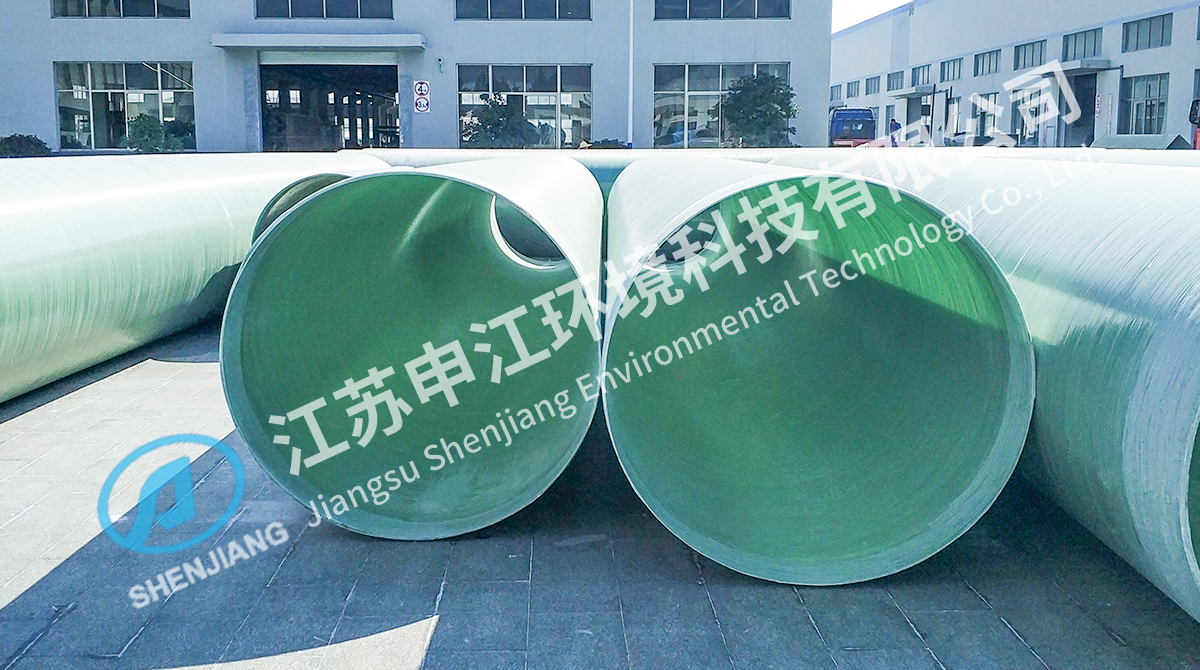 Custom FRP Seawater Submerged Pipe Factory, Manufacturers - Jiangsu Shenjiang EnJiangsu Shenjiang Environmental Technology Co., Ltd China Custom FRP Seawater Submerged Pipe manufacturers and FRP Seawater Submerged Pip...View Product →
Choosing a Reliable FRP Pipe and Fittings Manufacturer
Once the specification is clear, the next question is who can build it reliably. A dependable FRP manufacturer should be assessed on four dimensions.
Manufacturing capability comes first: the size of the production facility, the winding machines, and the testing equipment available for quality control. Technical strength matters just as much; a manufacturer with engineering design capability can translate your service conditions into a proper laminate schedule instead of selling an off-the-shelf product that may be over- or under-specified. Industry experience is a practical shortcut; a supplier that has delivered piping to chemical fiber, power, petroleum, papermaking, or desalination projects understands process demands better than a generalist. Service capability, from design through installation and commissioning, reduces the risk of field problems down the road.
By these standards, a manufacturer with a 35,000-square-meter production area, a 3,000-square-meter R&D center, more than 100 pieces of production and testing equipment, and 35 professional engineers is equipped for projects that smaller shops cannot handle. With 218 employees and long-running project experience across multiple industries, this is the scale a serious buyer should look for in an FRP pipe and fittings supplier.
Conclusion and Next Steps
FRP pipe and fittings are a standard engineering answer to corrosion, weight, and lifecycle cost problems. A correctly specified system resists chemical attack, reduces structural loading, and often exceeds 30 years of service life in properly designed installations.
If you are evaluating FRP for a project, start by writing down the operating parameters: media composition, concentration, temperature, pressure, pipe diameter, and installation environment. Those values determine the resin system, wall construction, and joint type. Then bring that list to a manufacturer with the engineering experience to turn it into a working specification. The right FRP supplier will ask about your process before quoting a price, because the material only performs when it is specified for the right job.




 English
  中文简体
中文简体 Español
 عربى
عربى русский
 ไทย
ไทย Indonesia
 Tiếng Việt