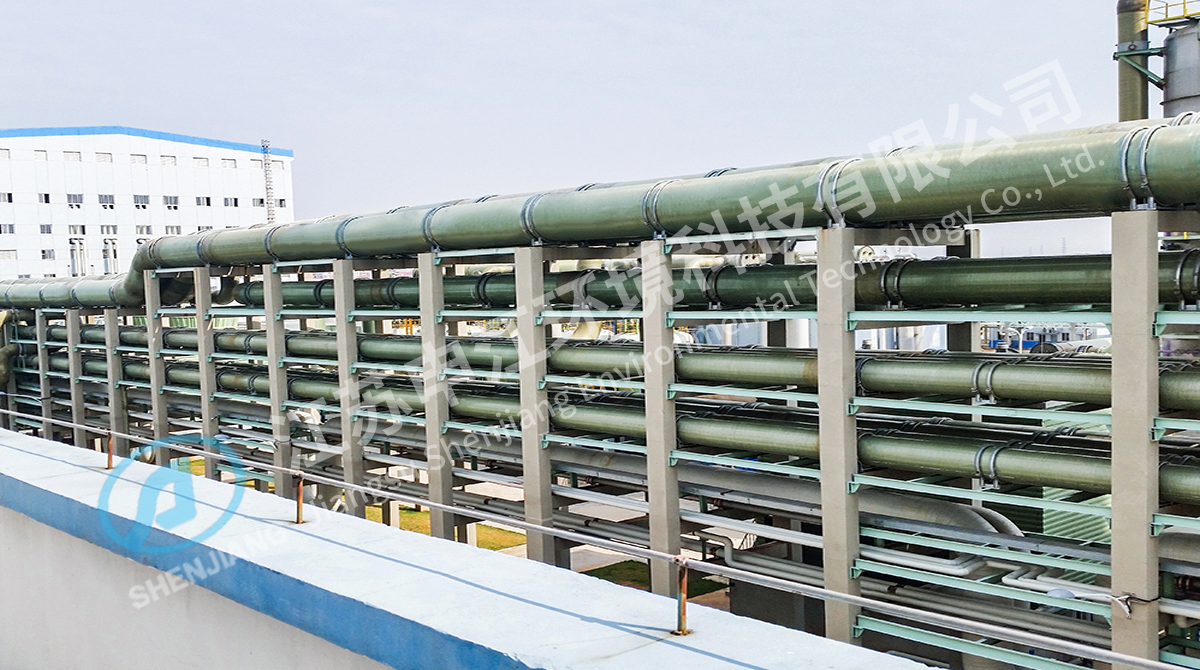
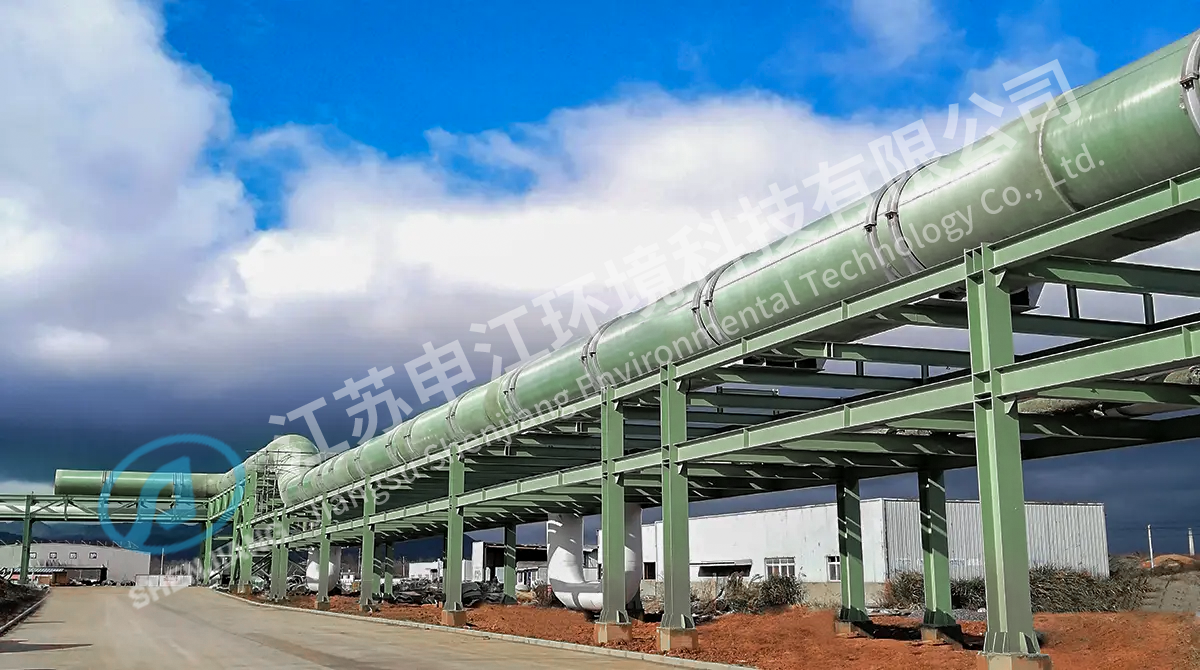
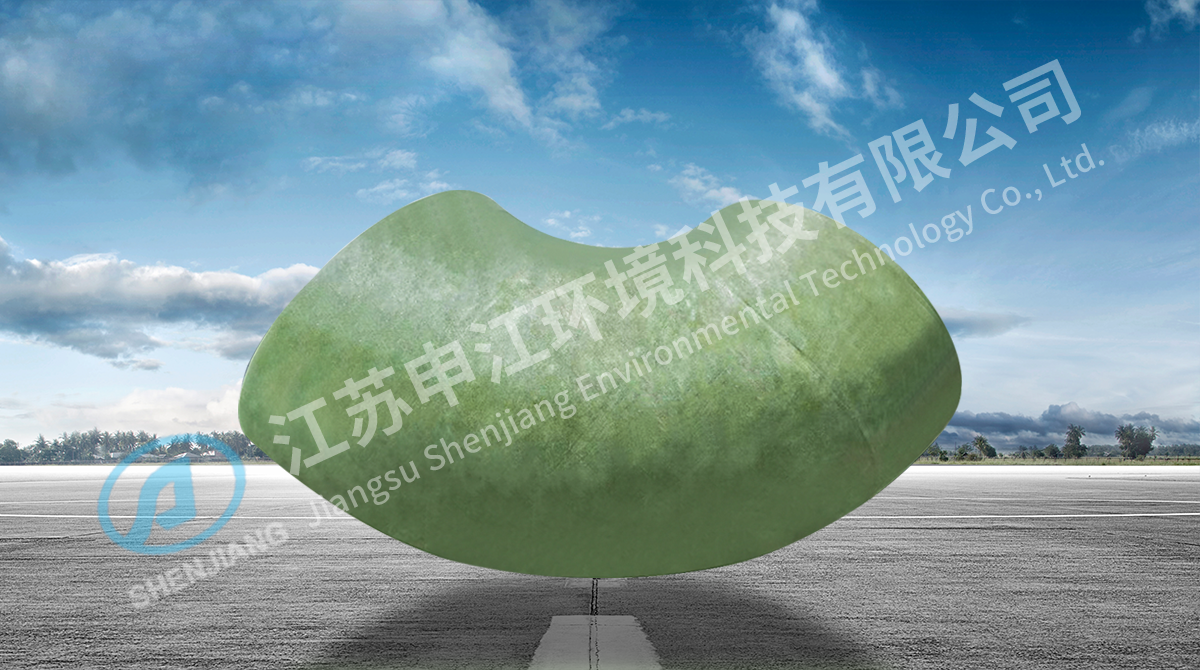
A chemical plant in East China replaced its carbon steel exhaust ductwork three times in five years because of pitting and weld-line corrosion caused by moist hydrogen sulfide. The fourth installation used FRP pipe fittings throughout the gas handling line, and the system has required only routine visual inspections since then.
This scenario is not unusual. Facilities handling corrosive gases, seawater, acidic wastewater, or aggressive chemical media often find that metallic piping systems create a continuous cycle of repair, replacement, and downtime. Fiberglass reinforced plastic (FRP) pipe fittings solve that problem by combining corrosion resistance with structural strength in a single molded component.
What Are FRP Pipe Fittings?
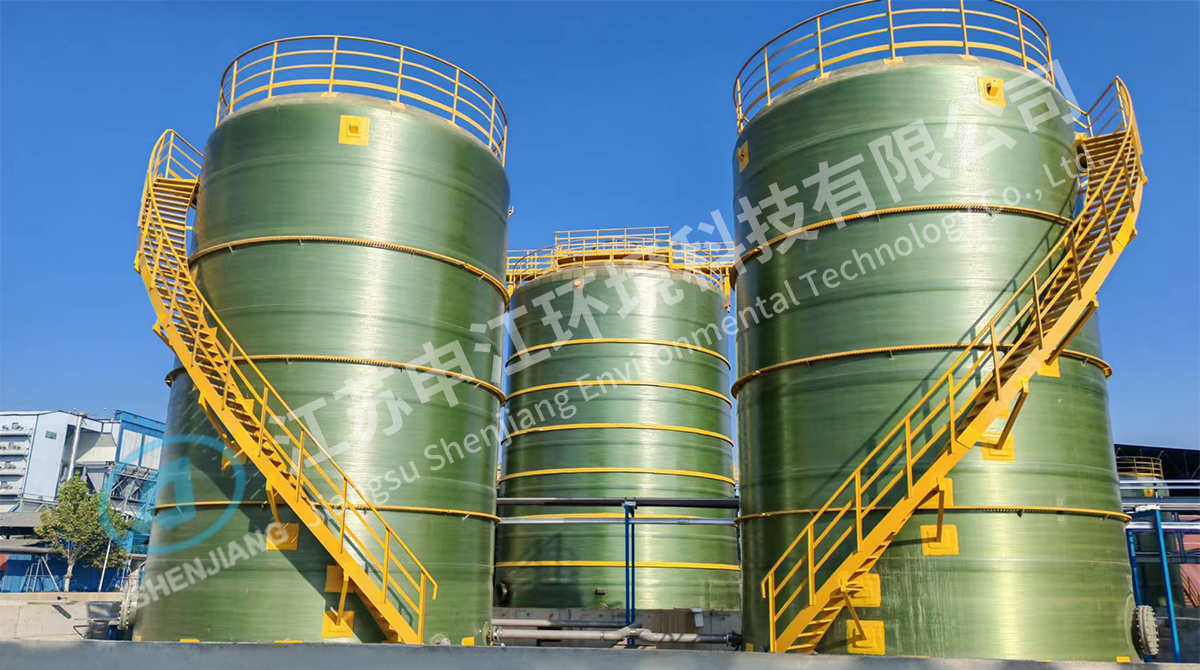
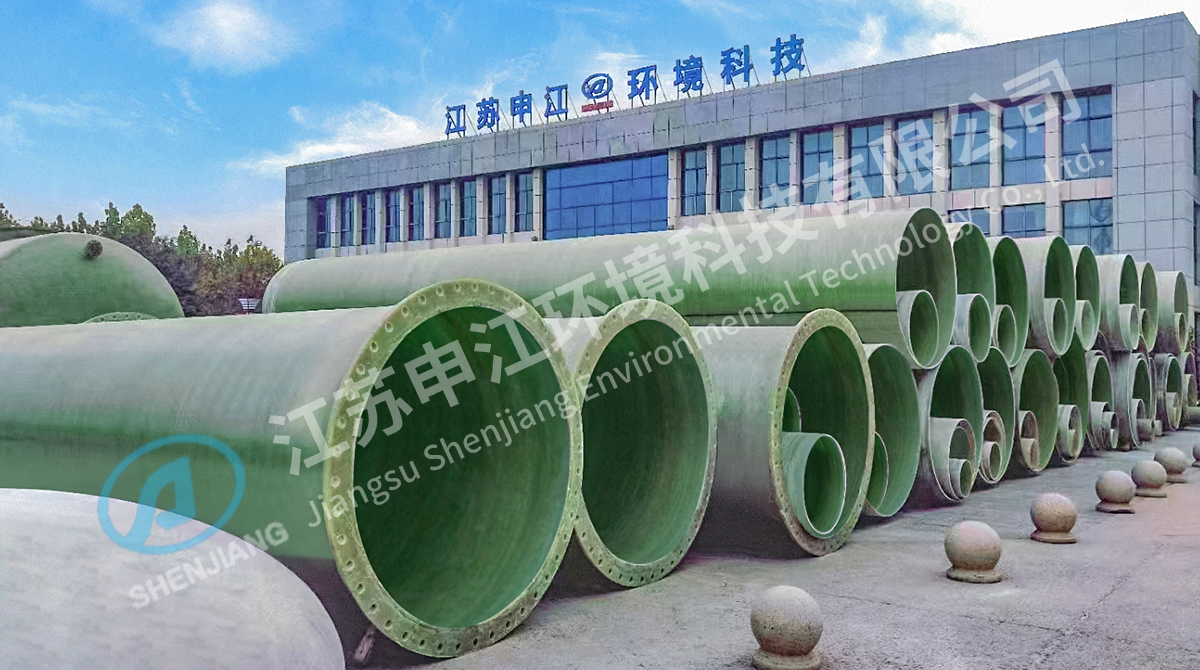
FRP pipe fittings are composite components used to connect, redirect, branch, or terminate pipe runs made from fiberglass reinforced plastic. They include elbows, tees, reducers, flanges, couplings, and specialty shapes for custom layouts. The material system consists of a thermosetting resin, often isophthalic polyester, vinyl ester, or epoxy, reinforced with glass fibers oriented to carry the structural loads.
Because the resin matrix provides chemical resistance while the glass reinforcement provides mechanical strength, FRP fittings can be engineered for specific service conditions. A vinyl ester resin system, for example, offers better resistance to strong acids and oxidizers than a general-purpose polyester system. The same fitting geometry can therefore be produced in different resin grades to match the process media.
Common Types of FRP Pipe Fittings
Most FRP piping systems use the same fitting categories found in metallic piping, but the design details differ because composites are molded rather than welded or forged. The table below summarizes the main types and their typical roles.
Common FRP pipe fitting types and their main functions in industrial piping systems.
| Fitting Type |
Function |
Typical Applications |
| Elbows (45 degrees, 90 degrees) |
Change flow direction |
Ventilation ducts, process lines, exhaust systems |
| Tees (equal or reducing) |
Split or merge flow |
Manifolds, distribution headers, pump suction piping |
| Reducers |
Transition between pipe sizes |
Process connections, equipment tie-ins |
| Flanges |
Connect to valves, pumps, and equipment |
Maintenance access points, flanged equipment |
| Couplings |
Join straight pipe sections |
Long runs, field joints |
| Bent tees and custom shapes |
Fit complex layouts with minimal joints |
Space-constrained installations |
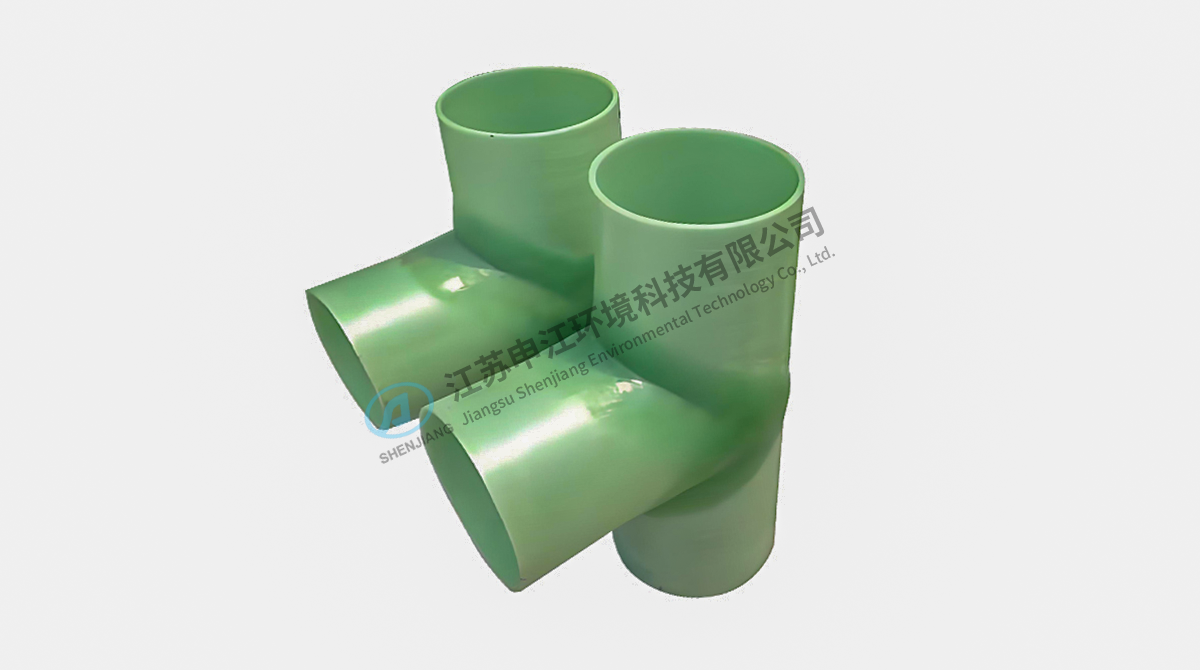
For standard directional changes, FRP elbows are available in multiple radius options and can be wound with wall thicknesses matching the adjacent pipe. When a branch line meets a main header, a fabricated FRP bent tee fitting reduces the number of joints and potential leak paths compared with using separate elbows and a straight tee.
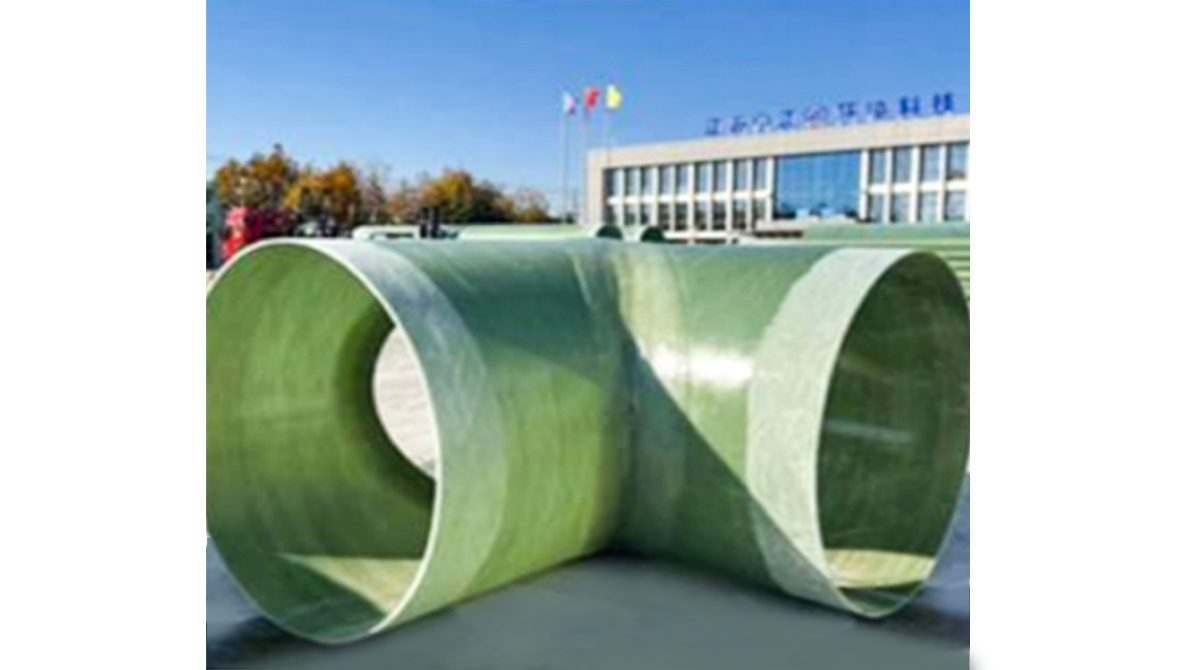 Custom FRP Bent Tee Factory, Manufacturers - Jiangsu Shenjiang Environmental TecJiangsu Shenjiang Environmental Technology Co., Ltd China Custom FRP Bent Tee manufacturers and FRP Bent Tee factory,The FRP bent tee is ...View Product →
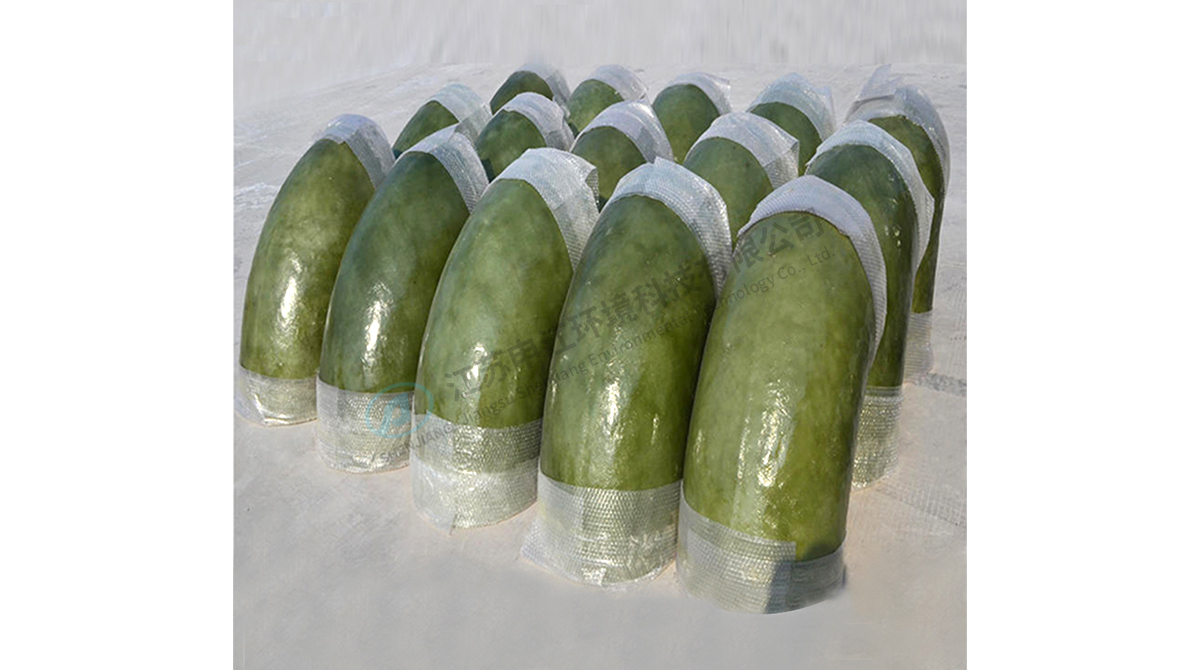 Custom FRP Elbows Factory, Manufacturers - Jiangsu Shenjiang Environmental TechnJiangsu Shenjiang Environmental Technology Co., Ltd China Custom FRP Elbows manufacturers and FRP Elbows factory,FRP elbows are a high-pe...View Product →
Why FRP Fittings Perform Well in Harsh Service
The value of FRP pipe fittings comes from three measurable properties:
- Corrosion resistance is inherent to the material, not dependent on an applied lining. Because the resin is the surface that contacts the process fluid, fittings do not rely on sacrificial coatings or cathodic protection.
- Strength-to-weight ratio is high. A 300 mm nominal FRP fitting weighs roughly one-quarter to one-third of a comparable steel fitting, which reduces support loads and speeds up field installation.
- The internal surface is smooth. Lower surface roughness means less frictional loss, reduced scaling, and fewer condensate hold-up points in gas transport lines.
These properties translate directly into operating cost savings. A piping system that does not corrode does not need to be inspected as often, and a fitting that does not scale keeps its flow coefficient for years.
Application Scenarios for FRP Pipe Fittings
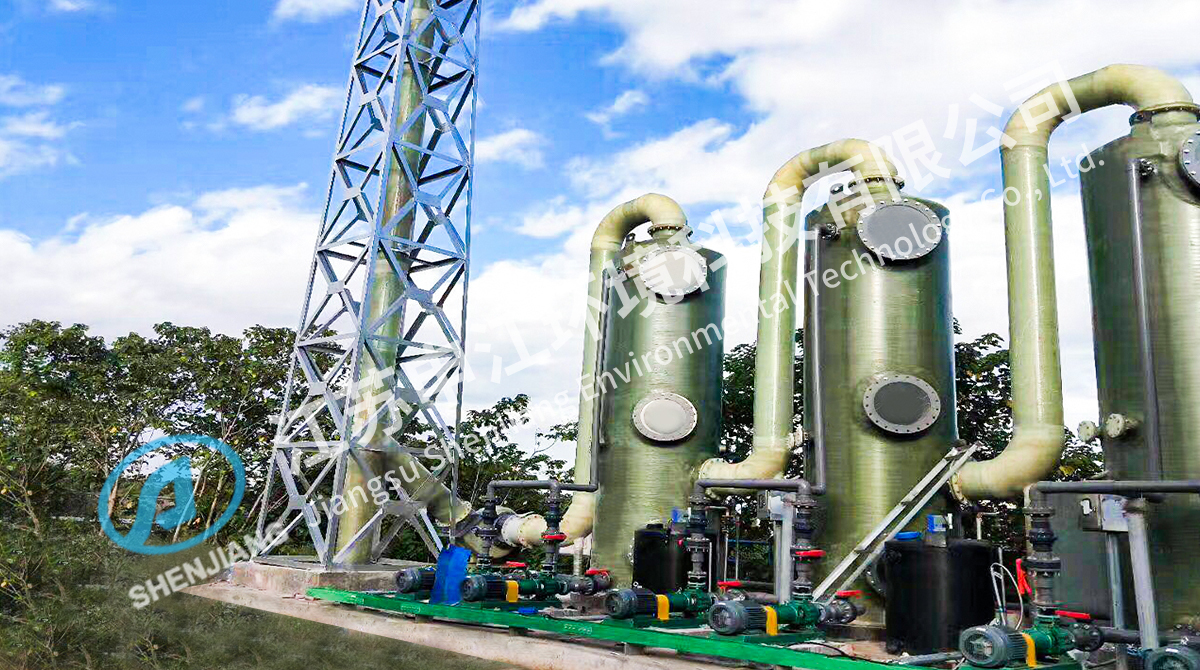
FRP pipe fittings appear wherever the process media attacks conventional metals. The gas transportation field is a primary example: FRP exhaust ducts and fittings carry humid, acidic vapors that would quickly pit galvanized or carbon steel. In chemical fiber production, carbon disulfide exhaust lines are routinely fabricated from FRP because the media is both corrosive and flammable, and the composite system avoids the maintenance joints that welded steel systems require. The chemical fiber industry has used FRP piping for decades precisely because it reduces lifecycle cost in these severe services.
Chemical and Process Industries
Hydrochloric acid storage and transfer, chlorine dioxide bleaching in pulp mills, and pickling acid circulation in metal finishing are all services where FRP fittings outperform metallic alternatives. In many of these lines, the resin system is selected specifically for the acid concentration and temperature range.
Power and Flue Gas Treatment
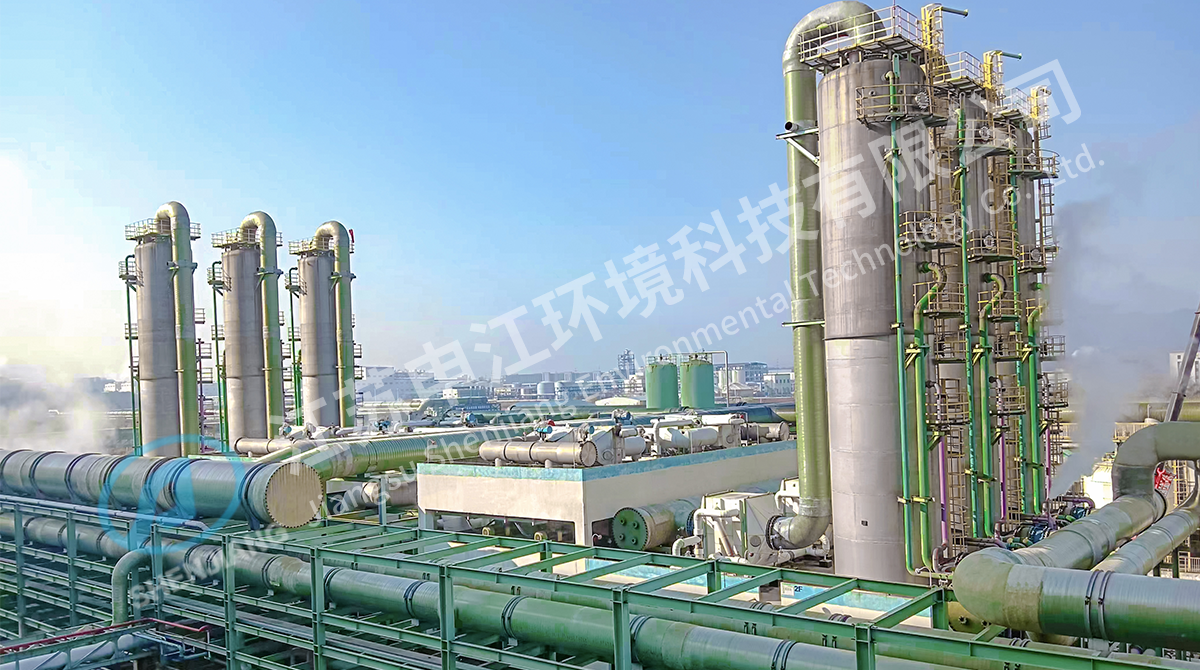
Flue gas desulfurization systems produce a slurry and condensate that are highly corrosive. FRP fittings connect absorber towers, recycle lines, and discharge piping without the weld failures common in carbon steel systems exposed to wet sulfur dioxide.
Seawater and Marine Systems
Seawater intake and discharge lines, desalination plant piping, and marine cooling water circuits rely on FRP fittings because chlorides attack stainless steel and copper alloys. The composite structure is immune to galvanic corrosion in submerged service.
Selecting FRP Pipe Fittings: What Procurement Engineers Should Verify
The performance of an FRP fitting depends on design, material selection, and manufacturing quality. The following factors determine whether a fitting will last the designed service life.
Resin System and Chemical Compatibility
Choosing the correct resin is the first step. Polyester resins handle many organic and inorganic media at moderate temperatures. Vinyl ester resins extend the temperature range and improve resistance to acids, bleaches, and solvents. Epoxy resins provide excellent mechanical properties and are often specified for higher-pressure service. The manufacturer should provide a chemical compatibility table for the specific resin offered.
Pressure and Temperature Ratings
FRP piping is designed using strain-based criteria rather than simple pressure ratings. The operating temperature directly reduces the allowable strain, so a fitting rated at 1.0 MPa at 25 degrees Celsius may only be suitable for 0.6 MPa at 80 degrees Celsius. Confirm that the rated pressure matches the peak operating temperature of the process.
Standards and Test Documentation
Relevant standards for FRP piping include ASTM D2996 for filament-wound pipe, ASTM D2997 for centrifugally cast pipe, and ISO 14692 for petroleum and natural gas applications. Fittings should be pressure-tested and the test records retained. For critical services, ask for hydrostatic proof test certificates and dimensional inspection reports.
Practical Selection Procedure
- Define the full media composition, including trace components and temperature variations.
- Determine the design pressure and the maximum operating temperature at both normal and upset conditions.
- Select the resin family based on chemical compatibility and temperature.
- Choose the fitting geometry and joint type that match the installation and maintenance plan.
- Request dimensional and hydrostatic test documentation from the manufacturer.
Quality Risks in FRP Fitting Supply
Not all FRP fittings are manufactured to the same standard. Common quality failures include inadequate fiber wet-out, under-cured resin, voids in the laminate, and dimensional variation between production batches. These defects are not always visible on the surface; they require the manufacturer to maintain process controls and to test representative samples.
When evaluating suppliers, look for a maker with in-house engineering, dedicated production equipment, and a documented quality system. Jiangsu Shenjiang Environmental Technology Co., Ltd., for example, operates a 3000 square meter research and development center, employs over 100 testing and production machines, and maintains an in-house team of technical personnel. These capabilities matter because they allow the supplier to control material quality and dimensional consistency rather than relying on outsourced production.
Flanged connections are common at pumps, valves, and equipment nozzles because they allow disassembly for maintenance. FRP flanges are manufactured to match standard bolt patterns, and their sealing faces are machined to maintain flatness. For systems that require regular inspection or component replacement, flanged joints pay for themselves by reducing downtime.
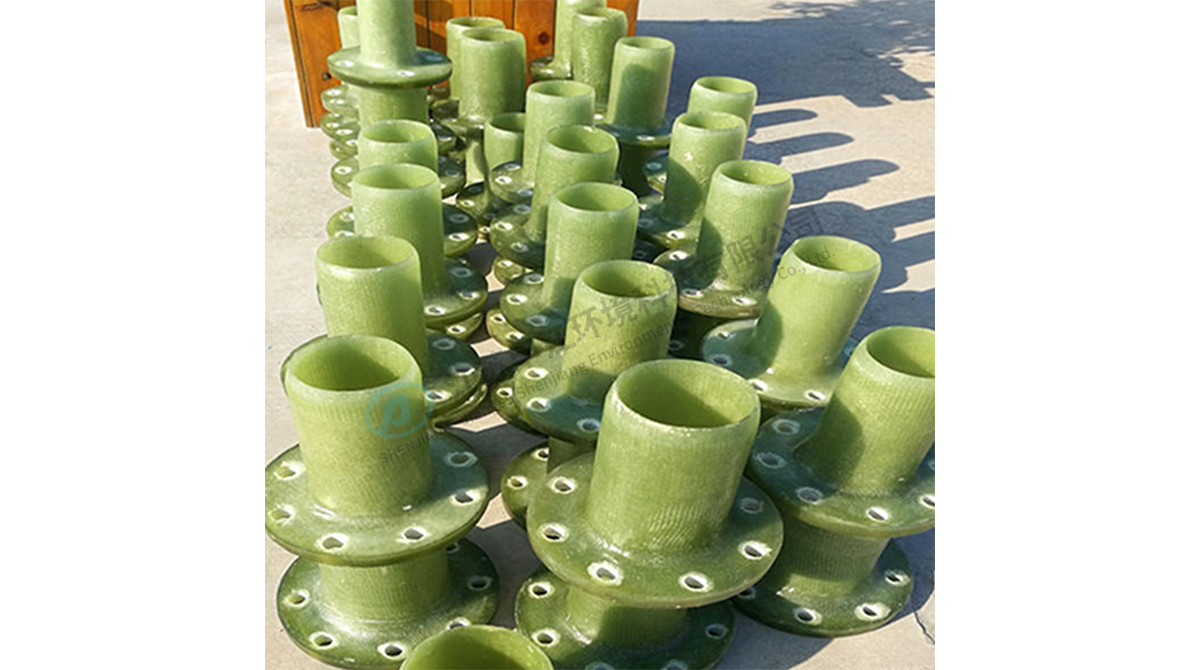 Custom FRP Flanges Factory, Manufacturers - Jiangsu Shenjiang Environmental TechJiangsu Shenjiang Environmental Technology Co., Ltd China Custom FRP Flanges manufacturers and FRP Flanges factory,FRP flanges are widely...View Product →
FRP pipe fittings are a proven solution for piping systems that handle corrosive media, humid gases, or seawater. Their corrosion resistance, light weight, and smooth bore reduce lifecycle costs compared with metallic piping, but the benefits only materialize when the resin system, pressure rating, and manufacturing quality are aligned with the service conditions.
Engineers should approach FRP fitting selection as a design decision, not a catalog purchase. Define the media composition, temperature range, pressure envelope, and installation environment first. Then match the fitting type, resin grade, and joint method to those parameters, and verify that the supplier can provide the required test documentation.




 English
  中文简体
中文简体 Español
 عربى
عربى русский
 ไทย
ไทย Indonesia
 Tiếng Việt