The Definite Choice for Corrosive Industrial Fluid Storage
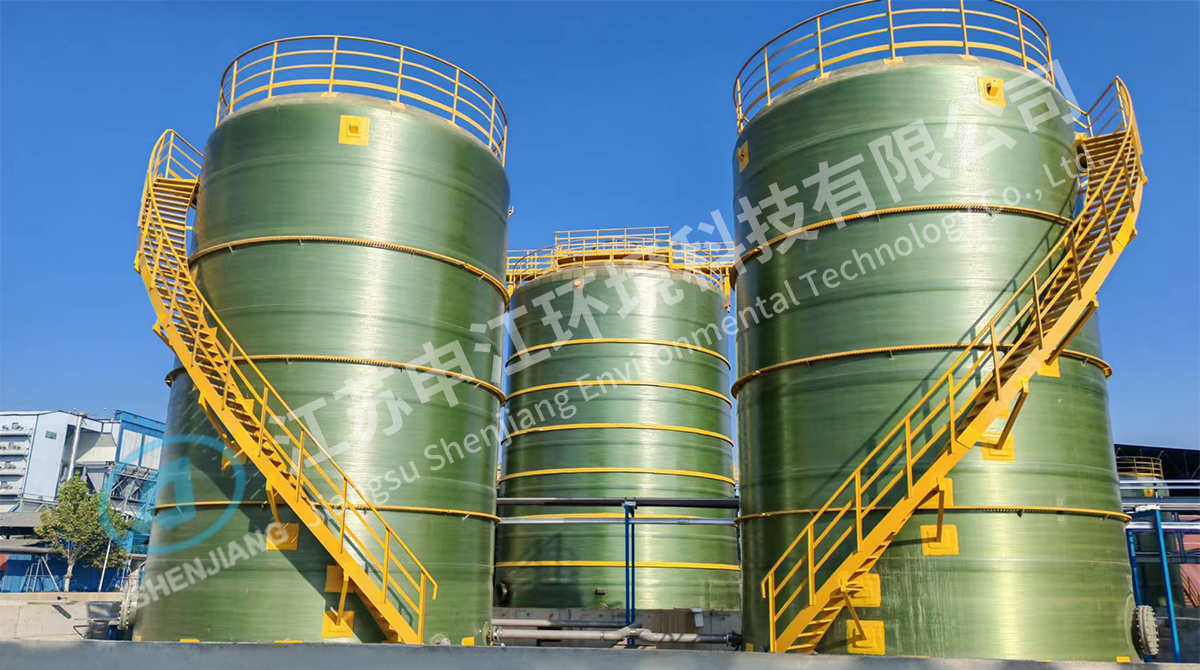
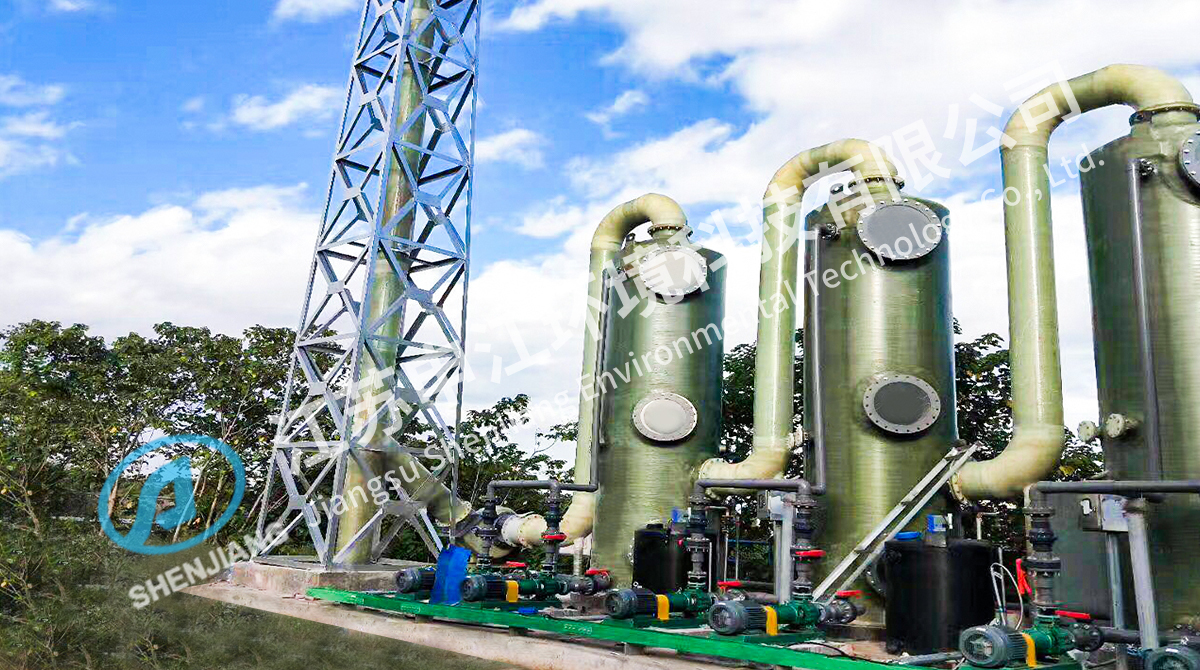
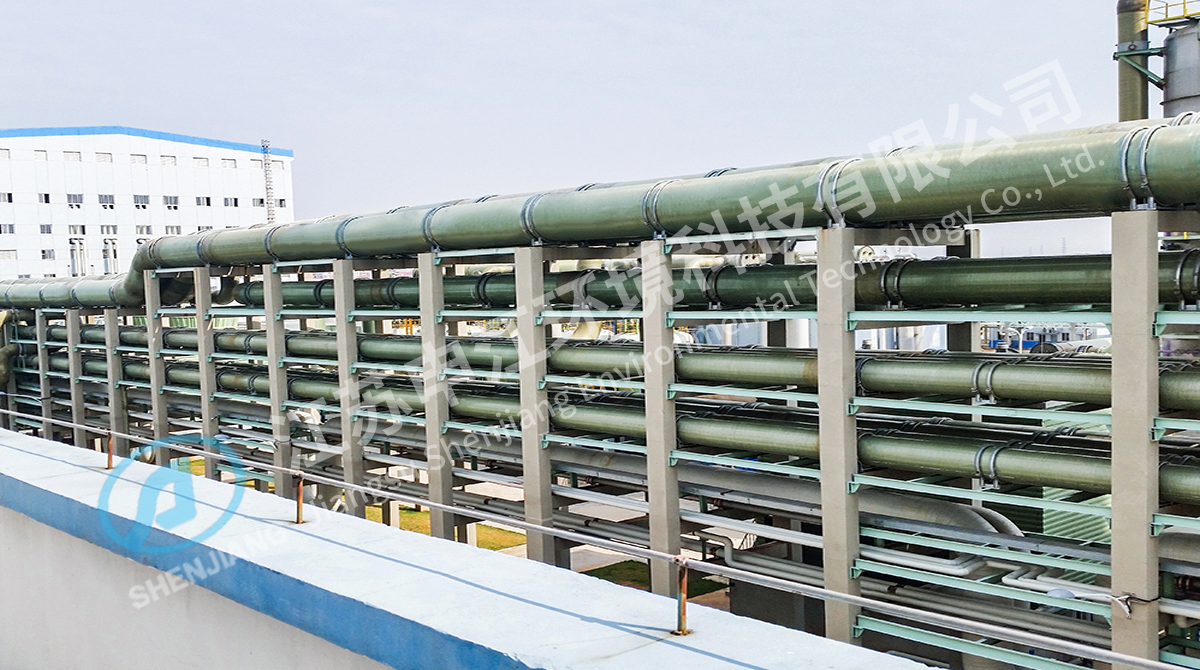
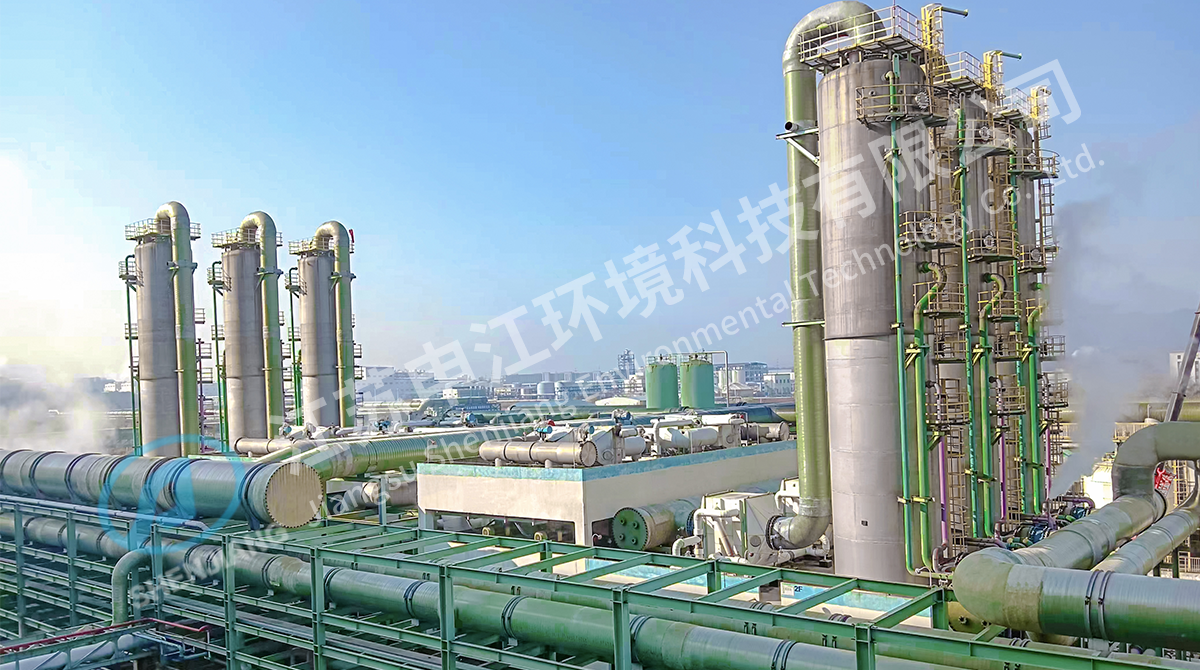
Fiberglass Reinforced Plastic (FRP) tanks have established themselves as the premier structural solution for heavy industrial fluid storage, systematically replacing traditional carbon steel, stainless steel, and exotic alloys in highly corrosive environments. The fundamental advantage of an FRP tank lies in its non-corrosive chemical nature combined with a strength-to-weight ratio that exceeds steel by up to three times. This makes them highly effective for chemical processing plants, wastewater treatment facilities, industrial acid storage, and municipal water infrastructure. Unlike metallic containment systems, which depend on sacrificial coatings or specialized linings prone to localized pitting, galvanic corrosion, and mechanical delamination, a properly engineered FRP vessel provides integrated corrosion resistance across its entire cross-section.
Industrial facilities face significant asset maintenance challenges when handling aggressive chemical reagents such as concentrated hydrochloric acid, sodium hypochlorite, sulfuric acid, and highly alkaline caustic solutions. Traditional metallic structures exposed to these media require frequent, cost-prohibitive ultrasonic thickness testing, regular re-lining procedures, and eventual premature replacement. An optimally specified FRP tank routinely delivers a maintenance-free operational lifespan exceeding 30 years, providing a lower total cost of ownership (TCO) despite variations in initial material costs. This longevity is achieved through precision engineering, aligning specific resin chemistries, structural laminate sequencing, and manufacturing methods with the exact temperature, pressure, and chemical characteristics of the stored fluid.
The Multilayer Composition and Structural Architecture of FRP Membranes
An FRP tank is not a monolithic plastic mass; it is a highly engineered composite laminate consisting of multiple specialized layers, each serving a unique structural or chemical purpose. The wall morphology is divided into three distinct zones: the internal chemical-resistant barrier, the structural cage, and the external environmental protection layer.
The Internal Corrosion Barrier (Inner Liner)
The innermost zone is responsible for sealing the fluid and preventing chemical migration into the structural portion of the tank. **This corrosion barrier typically spans a thickness of 2.5 mm to 3.0 mm and is highly resin-rich, containing up to 70% to 80% resin by weight.** It begins with an ultra-smooth surfacing veil, usually composed of type C-glass (chemical-grade fiberglass) or synthetic organic fibers (such as polyester veils) for highly alkaline or hydrofluoric acid environments. This veil provides a resin-dense surface layer approximately 0.25 mm to 0.5 mm thick. Behind this veil lie multiple layers of chopped strand mat (CSM) featuring finely dispersed, randomly oriented glass fibers. This random orientation prevents micro-cracking and ensures uniform resin distribution, blocking any potential pathways for chemical capillary action.
The Structural Laminate Layer
Once chemical containment is secured by the inner liner, the structural laminate layer provides the mechanical strength necessary to withstand hydrostatic pressures, wind loads, seismic events, and vacuum forces during drainage. **This structural zone typically maintains a lower resin-to-glass ratio of roughly 30% to 40% resin and 60% to 70% glass fibers by weight**, maximizing tensile and compressive properties. It is built using continuous filament winding or alternating sequences of woven roving and chopped strand mats. The continuous glass filaments are wound at precise, computer-controlled helical angles to counteract specific hoop stresses (circumferential forces) and axial stresses (vertical forces) calculated based on the tank’s aspect ratio and specific gravity requirements.
The External Topcoat (Outer Surface Layer)
The outermost layer shields the structural core from external environmental degradation, including ultraviolet (UV) radiation, industrial atmospheric fallout, physical impacts, and accidental chemical splashes. This layer incorporates a paraffin-wax-modified gel coat or a heavy resin spray combined with UV inhibitors and flame-retardant additives. If a tank is situated outdoors in an environment with high solar exposure, **the integration of specialized UV stabilizers reduces polymer chain scission, preventing the structural layer from weathering or developing exposed glass fibers.**
Resin Matrix Chemistry: Matching Polymers to Chemical Aggression
The performance of an FRP tank depends on the selection of the thermosetting resin matrix that binds the fiberglass reinforcement together. Glass fibers provide tensile strength, while the resin provides chemical resistance, impact dissipation, and shear stress distribution. Industrial designers select from three primary resin classes depending on chemical and temperature profiles.
Isophthalic Polyester Resins
Isophthalic polyesters represent the baseline standard for moderate industrial applications. They exhibit good water resistance, fair acid resistance, and excellent mechanical strength under stable ambient conditions. They are commonly specified for municipal wastewater storage, domestic water containment, storm-water collection tanks, and mild chemical storage where temperatures do not exceed 50°C. They serve as a highly economical solution when heavy chemical oxidation or high thermal loads are not factors.
Vinyl Ester Resins
Vinyl esters are the industrial benchmark for severe chemical environments. Formulated by reacting epoxy resins with acrylic or methacrylic acids, vinyl esters combine the high chemical resistance of polyesters with the mechanical toughness of epoxies. **The molecular chain of a vinyl ester features fewer ester linkages than standard polyester, making it highly resistant to hydrolysis and acid attack.** They tolerate aggressive solutions like hydrochloric acid, wet chlorine gases, and various organic solvents at operating temperatures up to 100°C.
Chlorendic Anhydride and Novolac Epoxy Vinyl Esters
For extreme industrial environments where chemicals exhibit high oxidation metrics or temperatures spikes exceed 120°C, engineers specify Novolac epoxy vinyl esters or chlorendic anhydride-based polyesters. Novolac-based resins provide a high density of aromatic rings and cross-linking sites within their cured molecular matrix. This dense cross-linking prevents solvent penetration, making these resins suited for storing concentrated sulfuric acid, hot oxidizing bleaches, and aggressive aromatic hydrocarbons.
Comparative Analysis: FRP Tanks Versus Conventional Metallic Storage
To understand why heavy industries are shifting toward composite containment, it is useful to evaluate the physical, mechanical, and economic metrics of FRP against standard metal alloys. The table below outlines these differences based on standard industrial tank configurations with a storage capacity of 50,000 liters.
| Evaluation Metric |
Fiberglass Reinforced Plastic (FRP) |
Carbon Steel (Epoxy Lined) |
316L Stainless Steel |
| Specific Gravity (Density) |
1.5 - 1.8 g/cm³ |
7.8 g/cm³ |
8.0 g/cm³ |
| Corrosion Mechanism |
None (Chemical degradation of resin only) |
Oxidation, pitting, liner delamination |
Chloride pitting, stress corrosion cracking |
| Expected Operational Lifespan |
30+ Years (Maintenance-free) |
10 - 15 Years (Requires regular re-lining) |
15 - 20 Years (Environment dependent) |
| Thermal Conductivity |
0.23 W/m·K (Inherent insulator) |
54 W/m·K (High thermal loss) |
16 W/m·K (Requires external insulation) |
| Relative Fabrication & Install Cost |
Moderate |
Low initial / High lifecycle cost |
Very High |
Engineering and physical property comparison between FRP, carbon steel, and 316L stainless steel vessels for industrial fluid handling.
Advanced Manufacturing Techniques: Filament Winding vs. Hand Lay-Up
FRP tank manufacturing utilizes two primary construction methods to translate engineered laminate designs into finished industrial vessels. Both processes require precise climate control, as ambient temperature and humidity affect the curing kinetics of thermosetting polymers.
Continuous Helical Filament Winding
Filament winding is an automated process where continuous strands of fiberglass roving are drawn through a temperature-controlled resin bath and wound onto a rotating cylindrical mandrel. **The winding angle is mathematically optimized, shifting between 45 degrees and 85 degrees relative to the longitudinal axis** to balance hoop and axial strength. This automated approach ensures excellent material consistency, precise wall thickness distribution, and a high fiber volume fraction. Filament winding is preferred for large vertical storage tanks, high-pressure vessels, and standardization across high-volume production runs.
Contact Molding (Hand Lay-Up)
Hand lay-up is a manual, highly customizable fabrication method where resin and fiberglass mats are applied by hand to a mold surface, then compressed with segmented rollers to remove entrapped air bubbles. While more labor-intensive and featuring a lower fiber-to-resin ratio, hand lay-up provides isotropic mechanical properties, meaning the strength is equal in all directions. This method is used for complex geometries, specialized tank end-caps (dished, hemispherical, or conical heads), flat bottoms, internal baffles, and custom nozzle attachments where automated filament winding is mechanically impractical.
Design Codes and Regulatory Compliance Frameworks
Because industrial vessels often store hazardous materials, the engineering, testing, and production of FRP tanks must strictly adhere to rigorous global design standards. These codes govern everything from structural safety factors to chemical compatibility validation protocols.
ASME RTP-1 (Reinforced Thermoset Plastic Corrosion-Resistant Equipment)
ASME RTP-1 is a widely recognized industrial standard for fiberglass vessels operating at pressures not exceeding 15 psig (pounds per square inch gauge) externally or internally. This code mandates extensive quality control documentation, certified laminator testing, and rigorous design calculations for wind, seismic, and hydrostatic loads. **ASME RTP-1 requires a conservative structural design safety factor of 10:1**, ensuring the tank can accommodate material variations, localized stresses, and long-term chemical degradation without risk of structural failure.
ASTM D3299 and ASTM D4097 Standards
ASTM D3299 governs filament-wound vertical tanks, while ASTM D4097 covers contact-molded vessels. These standards define standard dimensions, tolerances, nozzle construction configurations, and testing protocols. Compliance with these specifications ensures that custom flanges, manways, lifting lugs, and tie-down systems can withstand operational stresses when integrated into standard industrial layouts.
Critical Engineering Considerations for Installation and Long-Term Operation
Maximizing the lifecycle of an FRP storage vessel requires strict adherence to specialized handling, installation, and preventative maintenance protocols. Unlike malleable steel structures, composite laminates are rigid and require careful load distribution to avoid mechanical damage.
- **Foundation Planarity and Flatness:** FRP flat-bottom tanks must be installed on a continuous concrete foundation that is level to within 2 mm across the entire diameter. Any localized debris, concrete humps, or structural voids can create localized stress concentrations, leading to stress cracks in the bottom knuckle radius under full hydrostatic pressure.
- **Flexible Piping Connections (Expansion Joints):** Due to the lower elastic modulus of fiberglass compared to steel, FRP tank walls flex slightly under changing hydrostatic loads. **All piping connected to tank nozzles must incorporate flexible expansion joints or bellows.** Rigid piping runs transfer piping expansion loads and hydraulic hammer directly to the tank shell, which can result in nozzle shear failure.
- **Vacuum Prevention and Venting Configuration:** FRP vessels are highly effective at holding positive liquid pressures but are susceptible to structural buckling under negative pressures. Tanks must be configured with adequate, non-blocking atmospheric vents or emergency vacuum relief valves to prevent internal vacuum conditions during rapid high-volume liquid drainage.
- **Barcol Hardness and Cure Validation Testing:** Before placing an FRP tank into chemical service, technicians must verify the cure level of the resin matrix using a Barcol impressor. **A fully cured vinyl ester resin must achieve a minimum Barcol hardness rating of 35.** An under-cured liner retains unreacted monomer sites, which can accelerate chemical absorption and lead to premature liner blistering.
Dual-Laminate Systems: Extending Boundaries with Thermoplastic Liners
When an industrial application involves combinations of high thermal loads and aggressive chemicals that exceed the limits of traditional thermosetting resins, engineers utilize dual-laminate construction. This approach fuses the ultimate chemical resistance of specialized thermoplastics with the structural strength of a filament-wound fiberglass exterior.
Thermoplastic Liner Integration
In a dual-laminate tank, the internal corrosion barrier described previously is replaced by a thermoformed thermoplastic sheet. Common lining polymers include Polypropylene (PP), Polyvinyl Chloride (PVC), Chlorinated Polyvinyl Chloride (CPVC), and fluoropolymers such as Polyvinylidene Fluoride (PVDF) and Ethylene Tetrafluoroethylene (ETFE). These liners are welded into a fluid-tight vessel shell using advanced hot-gas or extrusion welding techniques, with all welds verified for integrity via high-voltage spark testing.
The Mechanical and Chemical Bonding Interface
The primary engineering challenge in dual-laminate fabrication is ensuring a permanent bond between the thermoplastic inner liner and the FRP structural outer shell. Because polymers like PVDF or PP have low surface energy, they do not naturally adhere well to fiberglass resins. To overcome this, fabricators utilize liners with a glass-fleece or knit-polyester backing embedded directly into the thermoplastic sheet during manufacture. **The structural fiberglass layer is then filament-wound directly onto this fabric backing**, creating a strong mechanical bond that prevents delamination even under full vacuum or thermal cycling conditions. This approach allows industries to store highly aggressive chemicals like hydrofluoric acid or hot sodium hydroxide at temperatures up to 140°C, providing a reliable alternative to expensive nickel-chromium alloys.




 English
  中文简体
中文简体 Español
 عربى
عربى русский
 ไทย
ไทย Indonesia
 Tiếng Việt