The Industrial Solution for Corrosive Gas and Mass Transfer Processing
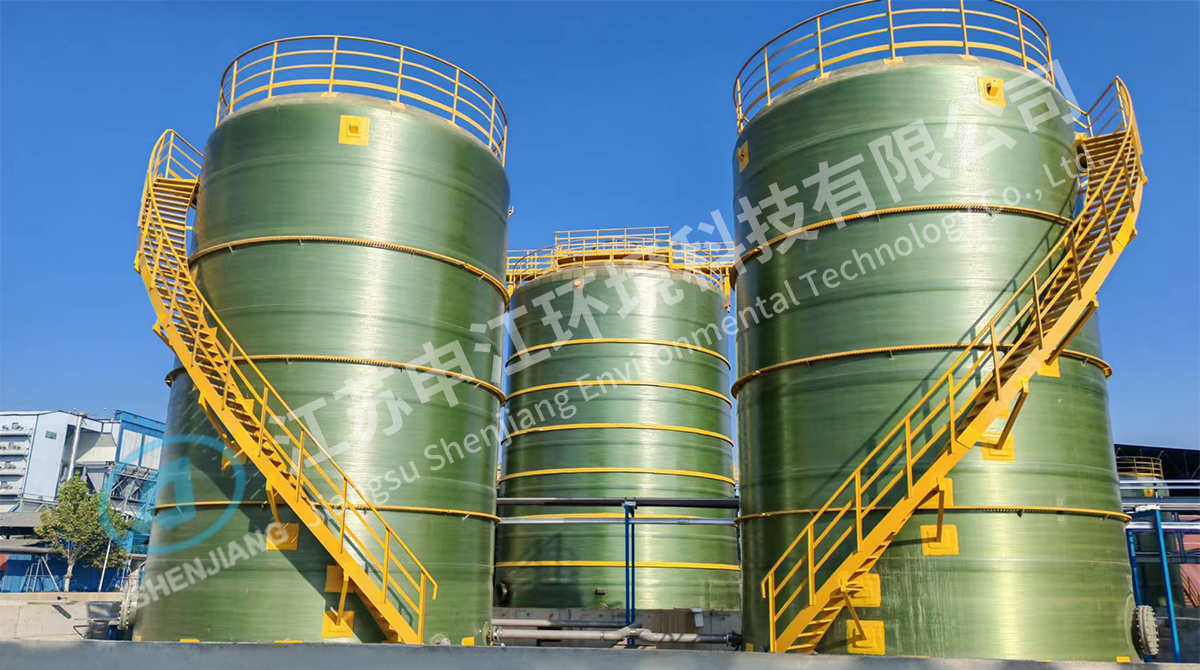
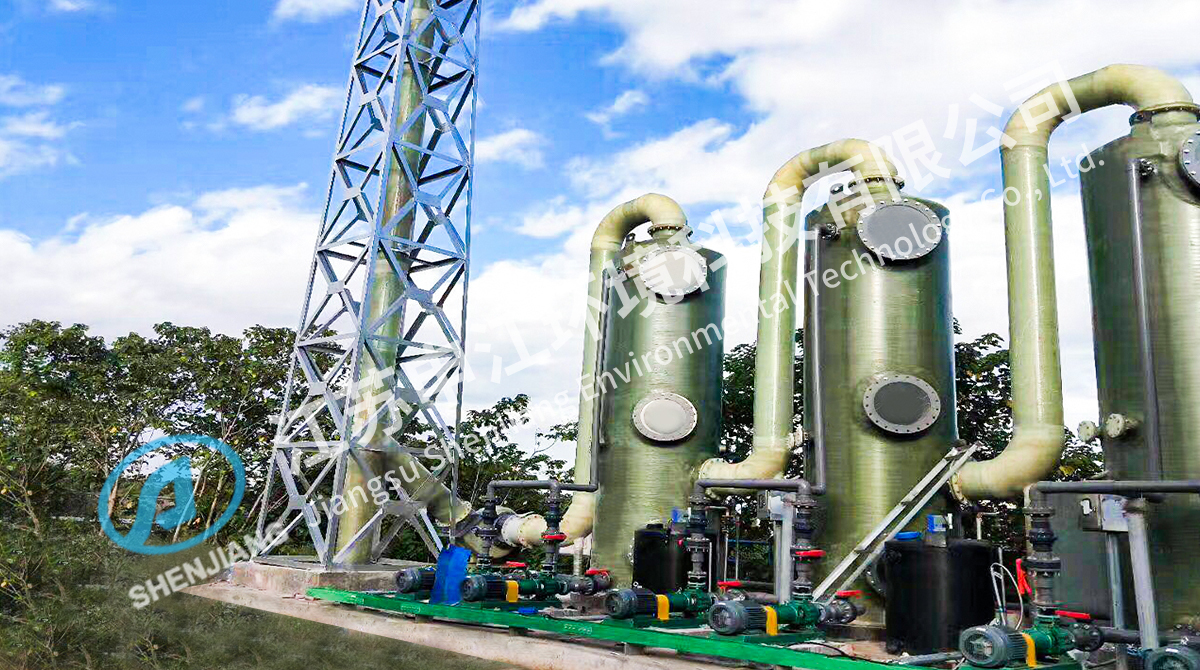
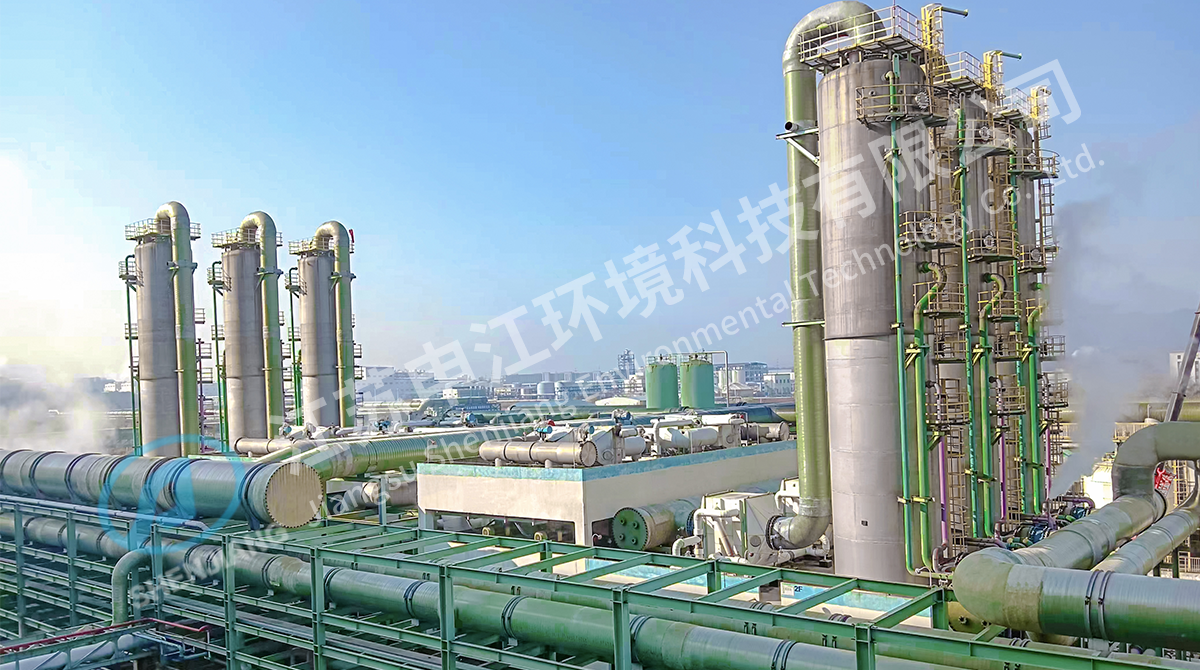
Fiberglass Reinforced Plastic (FRP) towers serve as the premier engineering choice for industrial mass transfer, gas absorption, and air pollution control systems across chemical processing, metallurgy, and municipal waste management sectors. **An FRP tower offers complete, uncompromised corrosion resistance throughout its entire cross-section while retaining a tensile strength equivalent to or greater than structural steel.** This combination makes them effective for demanding environments like flue gas desulfurization (FGD), hydrochloric acid regeneration, chemical scrubbing, and chlorine gas processing. While alloy steel towers suffer from rapid pitting, stress corrosion cracking, and delamination of protective interior coatings, a properly specified FRP vessel eliminates the primary mechanisms of metallic degradation, ensuring reliable, long-term performance.
Industrial gas streams frequently carry a volatile mix of chemical compounds, including sulfur dioxide, nitrous oxides, hydrogen sulfide, and halogenated gases, often at elevated temperatures and under varying pressure conditions. To survive these environments without catastrophic structural failures or toxic gas leaks, process columns must maintain dimensional stability and airtight seals. **Industrial facilities implementing advanced FRP towers see a 40% reduction in lifetime maintenance costs compared to lined carbon steel vessels**, making them the preferred standard for modern greenfield chemical plants and brownfield replacements alike. This operational stability is rooted in precision laminate design, automated filament winding, and exact resin-to-glass balancing optimized for specific chemical environments.
Structural Layer Zoning and Micro-Architecture of FRP Towers
The wall morphology of an industrial FRP tower is customized to handle different mechanical and chemical stresses across its thickness. The composite matrix consists of three key structural zones designed to maintain pressure integrity and protect against chemical penetration.
The Internal Corrosion Barrier
The innermost boundary of the tower shell comes into direct contact with aggressive acidic or alkaline liquid sprays and hot, corrosive gas mixtures. **This internal barrier spans a thickness of 2.5 mm to 4.0 mm and features a resin content of 75% to 80% by weight.** It begins with a surfacing veil composed of chemical-grade C-glass or synthetic organic polymers like polyester veils. This thin layer protects against chemical migration through the matrix. Directly behind this veil are several layers of randomly oriented chopped strand mat (CSM), which prevent micro-cracking and block chemical capillary paths through the structural wall.
The Filament-Wound Structural Cage
Once the inner liner blocks chemical migration, the structural layer manages the mechanical loads. This layer provides the required hoop and axial strength to handle internal process vacuums, positive gas pressures, high wind shear, seismic shifting, and the heavy weight of internal components like packing beds and liquid distributors. **The structural zone contains a higher glass fiber volume fraction, reaching up to 65% to 70% glass by weight.** Using automated filament winding machines, continuous E-glass rovings are wound at precisely calculated helical angles (typically alternating between 45 degrees and 85 degrees) to counter specific vertical and circumferential forces.
The External Weather Topcoat
The outer surface protects the structural core from external environmental damage, such as solar ultraviolet (UV) radiation, ambient chemical vapors, and impact damage. This layer uses a specialized resin formulation that includes UV stabilizers, chemical blockers, and flame-retardant chemistry. For towers placed in areas with high solar exposure, **adding specialized UV absorbers to the external topcoat prevents polymer chain degradation**, maintaining long-term impact resistance and mechanical stability.
Polymer Selection: Matching Resins to Chemical and Thermal Exposures
The continuous operating temperature and chemical aggressiveness of the process gas determine which thermosetting resin matrix is required for the tower. Using the wrong resin can lead to premature polymer degradation, structural softening, or cracking under mechanical load.
High-Performance Vinyl Ester Resins
Vinyl ester resins are the industry standard for chemical scrubber systems and gas absorption towers. Built from an epoxy backbone with acrylic or methacrylic acid reactive ends, these polymers combine the structural toughness of epoxies with the chemical resistance of polyesters. **The lower count of ester groups in vinyl ester polymers makes them highly resistant to hydrolysis from acidic mist and alkaline chemical washes**, allowing them to maintain structural integrity in wet chlorine environments up to 95°C.
Novolac Epoxy Vinyl Esters for High Thermal Loads
When process columns handle hot flue gases from metal smelting or coal combustion, thermal spikes can exceed 120°C. In these scenarios, engineers specify Novolac epoxy vinyl ester resins. These resins feature a dense arrangement of aromatic rings and cross-linking sites when cured. This tight molecular structure stops chemical solvents from softening the matrix, **enabling Novolac FRP towers to handle dry gas thermal spikes up to 180°C** without losing structural strength or dimensional stability.
Comparative Performance Analysis: FRP Towers vs. Alternative Materials
Selecting the right material for a multi-stage industrial tower requires comparing structural, thermal, and economic metrics. The table below compares the performance of FRP against standard metal alloys and lined systems for a standard 15-meter-tall gas absorption column.
| Performance Property |
Fiberglass Reinforced Plastic (FRP) |
Carbon Steel + Flake Glass Lining |
Super Duplex Stainless Steel |
| Structural Density |
1.6 - 1.9 g/cm³ |
7.85 g/cm³ |
8.00 g/cm³ |
| Acid Resistance (HCl, H2SO4) |
Excellent (No surface oxidation) |
Poor if coating pinholes develop |
Moderate (Susceptible to chloride pitting) |
| Thermal Insulation Behavior |
Low conductivity (Inherent insulator) |
High conductivity (Requires insulation) |
High conductivity (Requires jacket) |
| Required Structural Maintenance |
Minimal (Visual inspections) |
High (Lining repairs every 3-5 years) |
Moderate (Weld inspections) |
| Relative Initial Capital Cost |
Moderate |
Low to Moderate |
Extremely High |
Comparison of mechanical, chemical, and economic properties for large-scale industrial tower fabrications.
Integration of Internal Systems and Mass Transfer Structural Supports
An industrial processing tower must reliably support a variety of heavy internal components, including packing beds, spray headers, mist eliminators, and liquid distributors. Integrating these internal support structures requires careful composite design to avoid stress concentrations in the tower shell.
FRP Packing Support Ledges
Random or structured packing beds create high downward forces when filled with chemical fluids. To support these loads, heavy internal ledges are laminated directly into the tower's structural shell. These support rings use multi-directional hand lay-up techniques to distribute forces evenly into the vertical cylinder walls, preventing localized shear damage.
Spray Header and Chevron Mist Eliminator Grids
Liquid distribution headers require secure mounting points to keep spray nozzles aligned during gas surges. FRP towers incorporate integrated structural guide beams and custom brackets molded directly onto the interior wall. **These internal supports are completely sealed under a 3.0 mm corrosion barrier**, ensuring no internal glass fibers are exposed to the chemical process stream.
Critical Engineering and Manufacturing Codes
Because processing towers handle hazardous chemical gases, the design and manufacturing phases must follow rigorous safety and engineering codes. These regulations define everything from safety factors to laminate thickness verification methods.
ASTM D3299 and D4097 Process Standards
These standards define the fabrication parameters for filament-wound and contact-molded chemical process equipment. They specify minimum mechanical properties, nozzle reinforcing methods, and standard flange dimensions. This helps ensure that the custom tower connects reliably with standard industrial piping networks and process equipment.
BS EN 13121 Compliance Framework
The BS EN 13121 European standard provides detailed design guidelines for GRP vessels and towers. It requires rigorous calculation of wind loads, seismic forces, and structural buckling behaviors under negative process pressures. **The code uses a safety factor framework ranging from 4:1 to over 8:1 depending on manufacturing controls**, ensuring high structural reliability under changing plant conditions.
Installation Controls and Field Joint Assembly Operations
Large industrial towers often exceed transport size limits, requiring them to be shipped in sections and assembled on-site. Completing these field joints successfully requires precise alignment and controlled lamination procedures.
- **On-Site Alignment and Levelling:** Tower segments must be precisely leveled on their concrete foundations using heavy optical transits. **The total vertical deviation must remain below 1 mm per meter of tower height** to ensure even liquid distribution across internal packing beds.
- **Butt-and-Strap Joining:** Segment interfaces are joined using a butt-and-strap technique, where alternating layers of chopped strand mat and woven roving are applied over the seam on both the inside and outside. The total thickness of this field joint laminate must match or exceed the original engineered shell wall.
- **Environmental Conditions for Curing:** Field lamination requires careful climate control. If ambient temperatures fall below 15°C, technicians must use temporary heated enclosures to ensure the resin matrix fully cures, preventing uncured polymer sites from weakening the joint.
- **Spark Integrity Testing:** After field assembly is complete, the internal corrosion liner is inspected using a high-voltage spark tester. **Applying a potential of 10,000 to 15,000 volts allows technicians to detect microscopic pinholes or void spaces**, which are repaired before the tower enters service.
Dual-Laminate Systems for Extreme Thermal and Chemical Services
When process columns face temperatures over 120°C combined with aggressive oxidizing chemicals like chlorine dioxide or concentrated hydrofluoric acid, thermosetting resins alone may not suffice. In these demanding scenarios, dual-laminate engineering is utilized.
Thermoplastic Liner Integration
A dual-laminate tower replaces the standard internal resin barrier with a thermoformed thermoplastic liner sheet. Common liner materials include Polyvinylidene Fluoride (PVDF), Perfluoroalkoxy Alkane (PFA), and Ethylene Tetrafluoroethylene (ETFE). These plastic sheets are welded together using hot-gas or extrusion welding techniques, creating a highly durable, chemical-resistant inner shell.
The Mechanical Fabric Interface
To securely bond the thermoplastic liner to the filament-wound structural fiberglass outer shell, fabricators use specialized liner sheets with an embedded glass-fleece or polyester knit backing. **The structural fiberglass layer is wound directly onto this fabric backing**, creating a strong mechanical bond. This dual-laminate approach prevents delamination under vacuum conditions or thermal cycles, allowing industries to operate high-temperature scrubbing columns without relying on expensive nickel alloys.




 English
  中文简体
中文简体 Español
 عربى
عربى русский
 ไทย
ไทย Indonesia
 Tiếng Việt