
Jiangsu Shenjiang Environmental Technology Co., Ltd.

Recruiting Global Agents

Jiangsu Shenjiang Environmental Technology Co., Ltd.
Home / News / Industry News / Denitrification FRP Pipes vs PVC Pipes: Efficiency, Durability, and Application Insights

Denitrification FRP Pipes vs PVC Pipes: Efficiency, Durability, and Application Insights

Why Denitrification FRP Pipes Outperform PVC Pipes

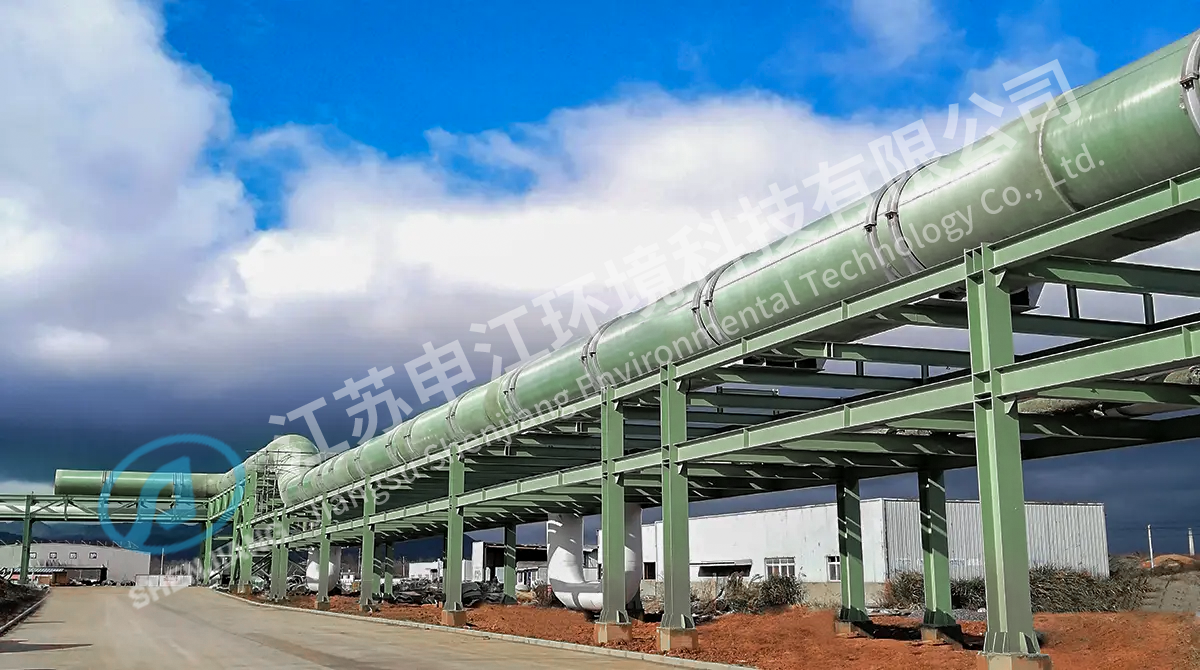
Denitrification FRP pipes offer superior chemical resistance, durability, and long-term reliability compared to traditional PVC pipes in wastewater treatment applications. Their ability to withstand acidic and corrosive environments makes them particularly suited for denitrification processes in municipal and industrial facilities.

Unlike PVC pipes, which may degrade under prolonged exposure to nitrogen-rich effluents and oxidizing agents, FRP pipes maintain structural integrity over decades, reducing maintenance costs and risk of leaks.

Material Composition and Structural Integrity

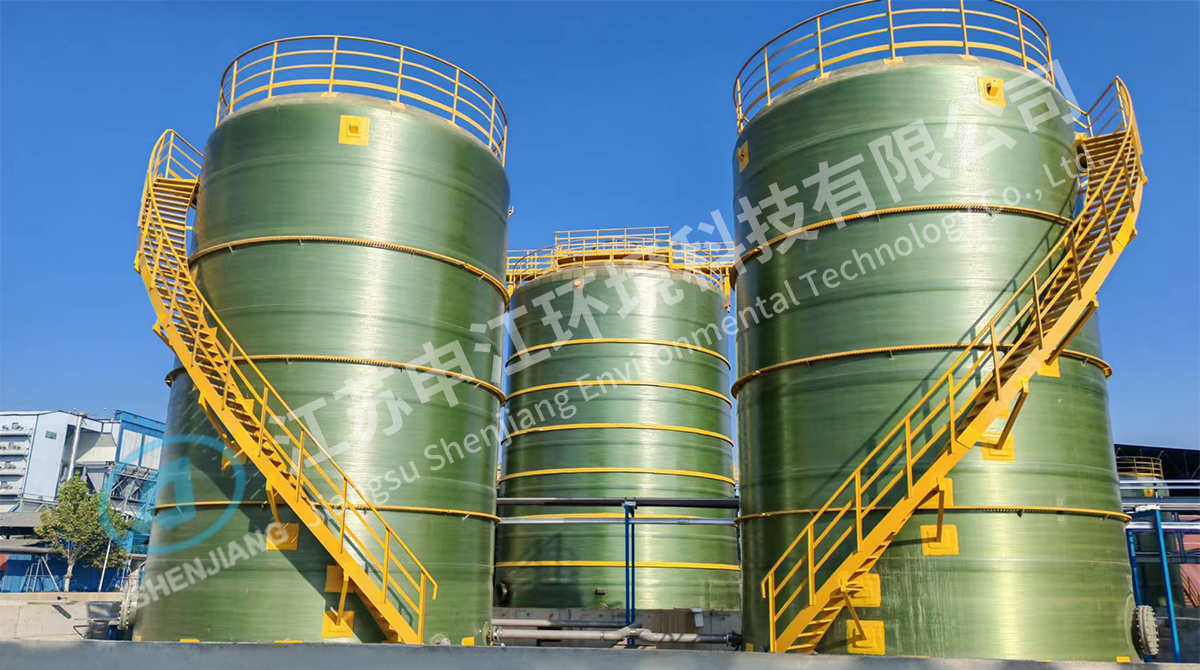
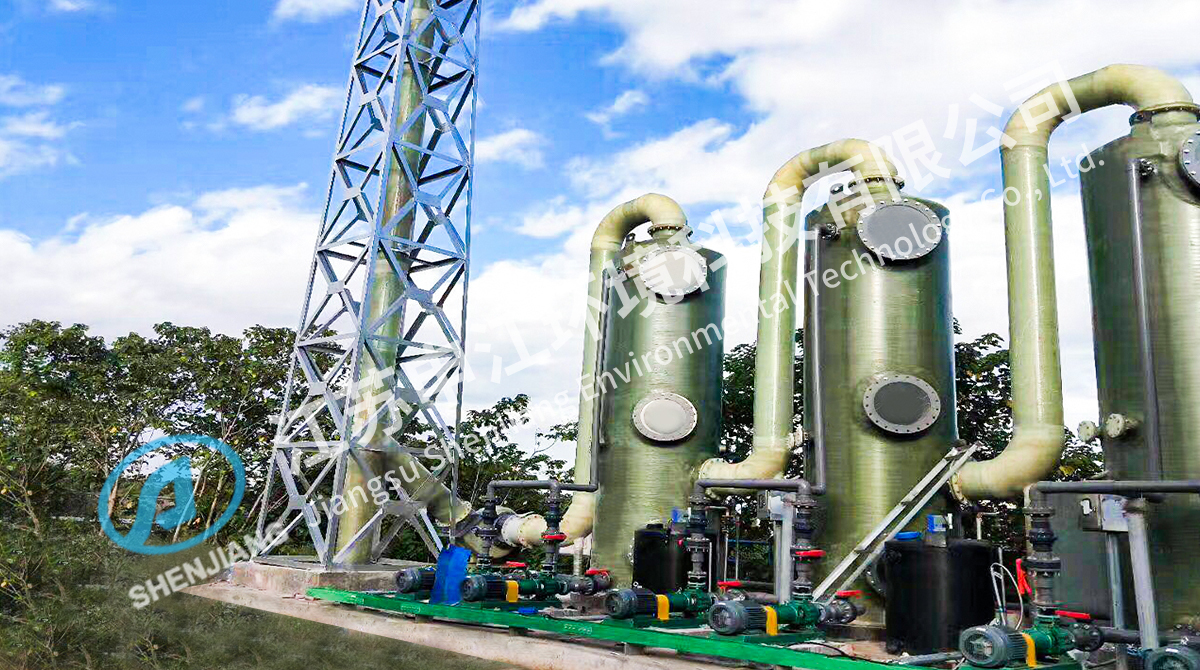
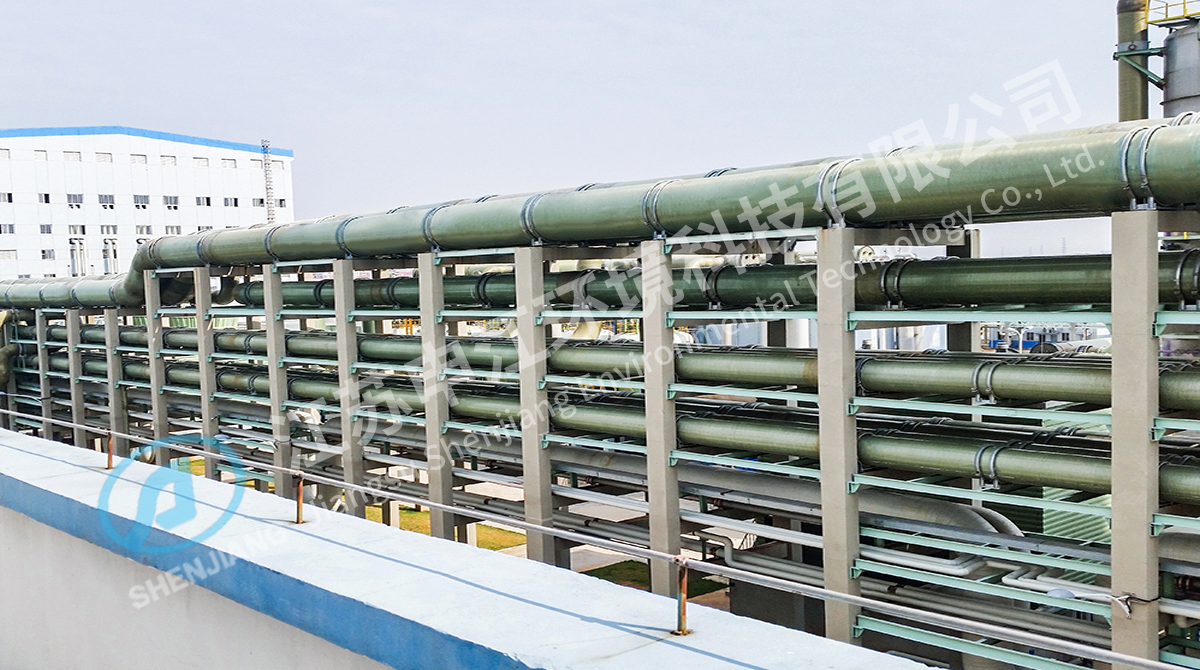
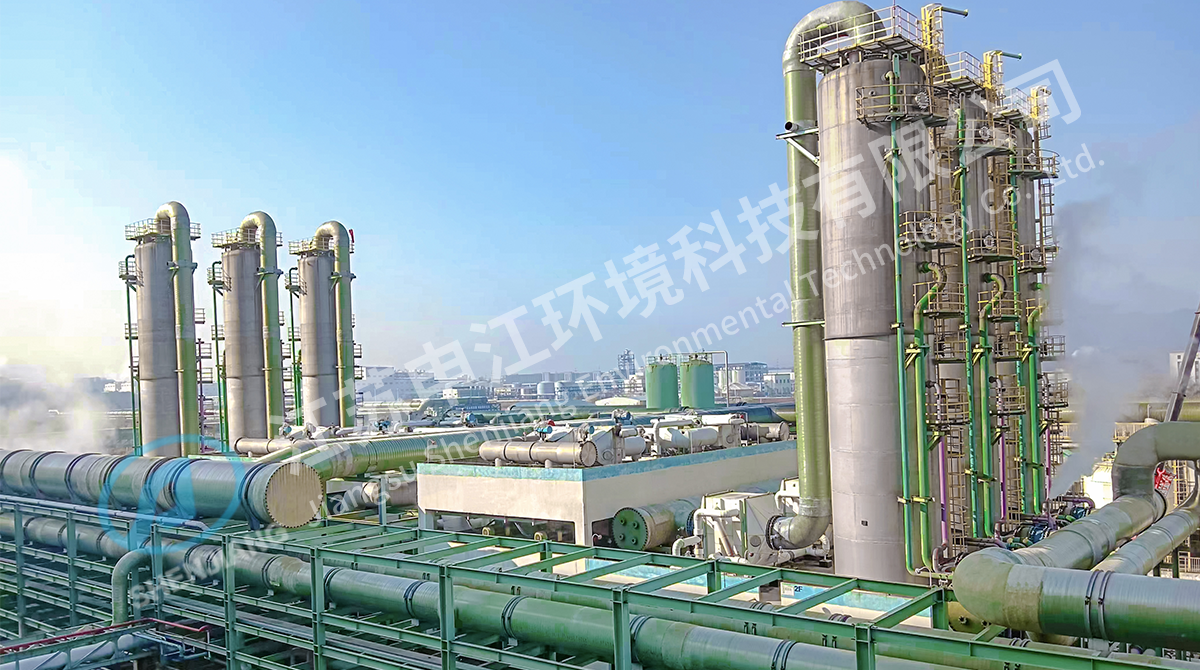
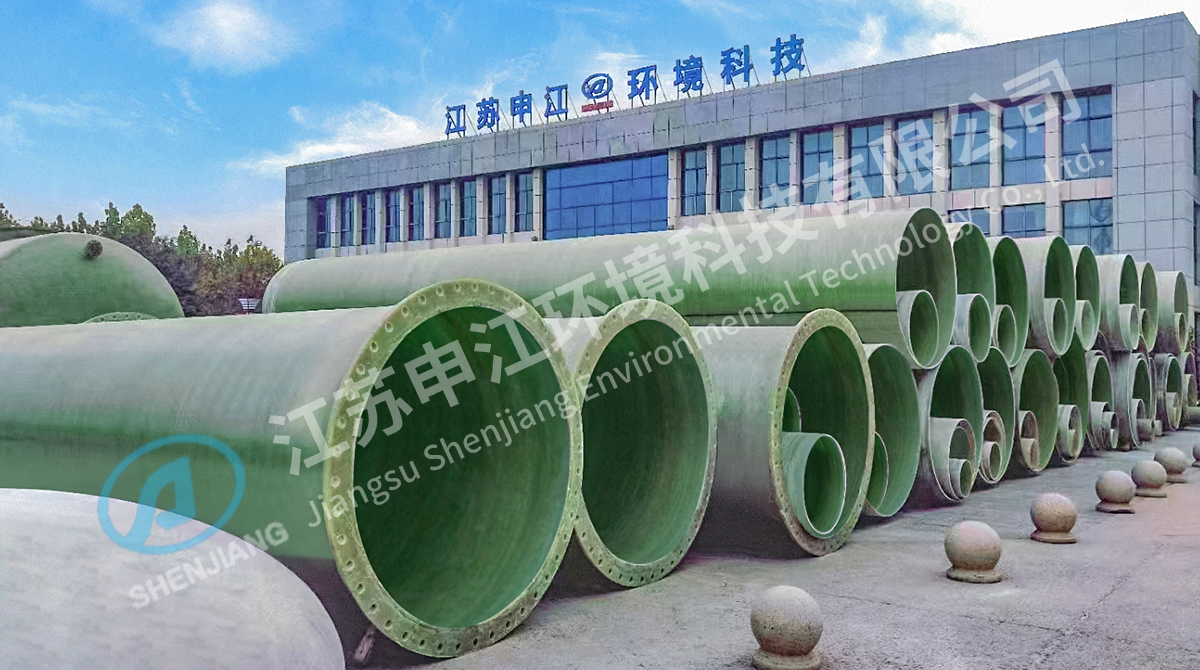
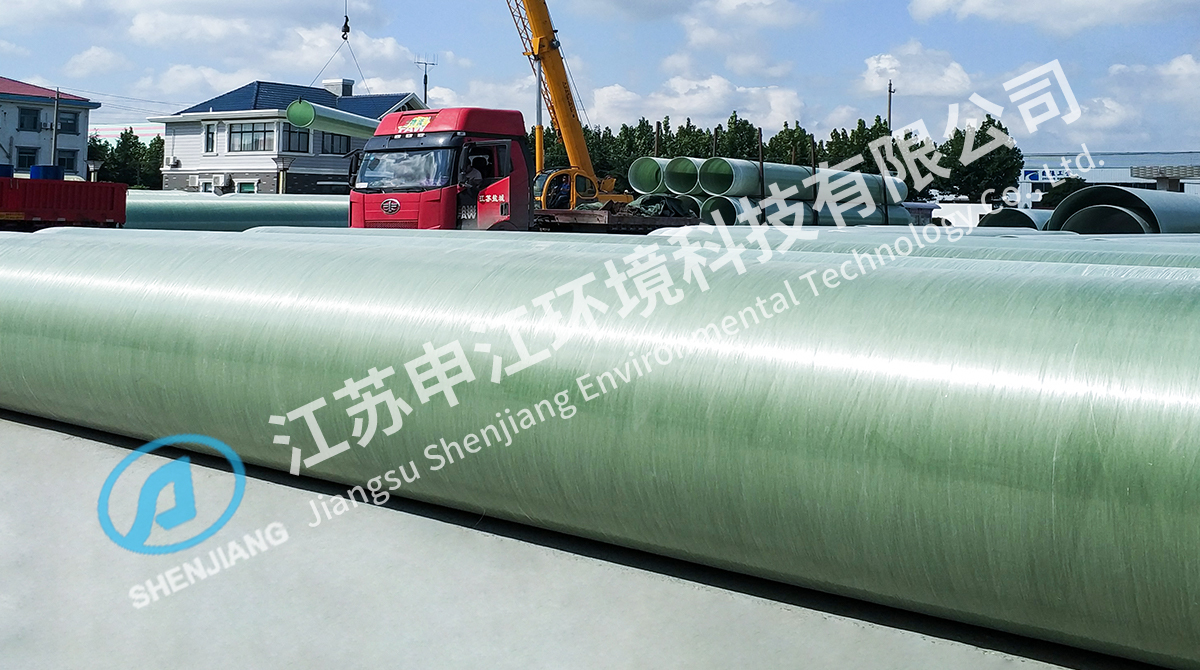
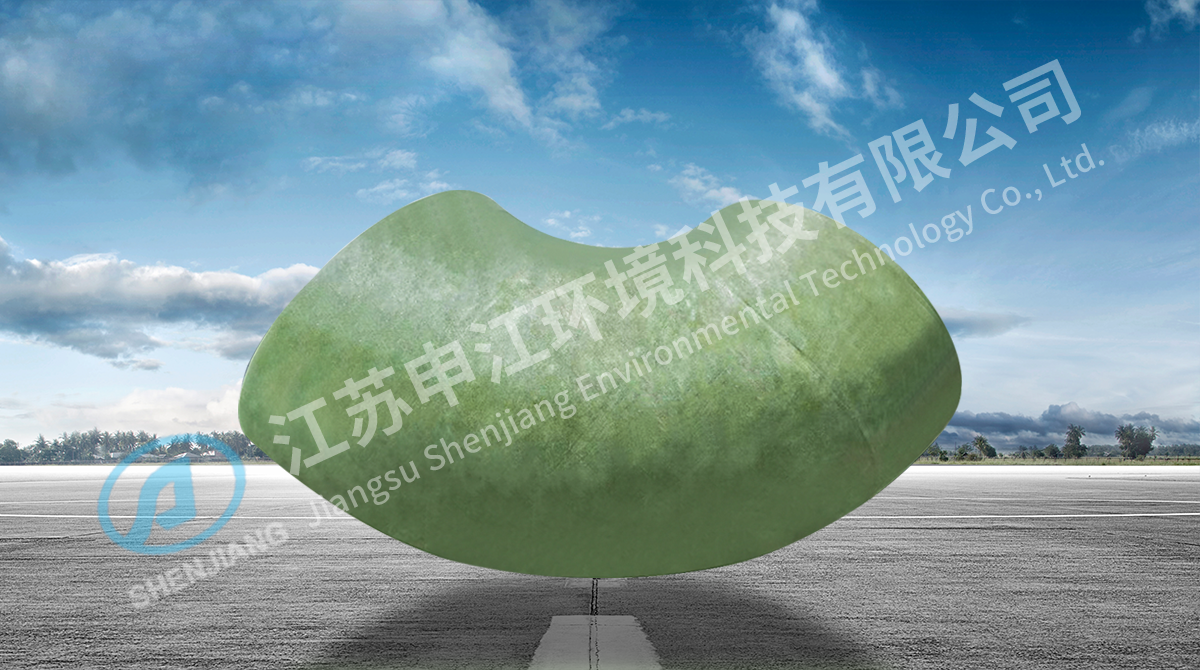
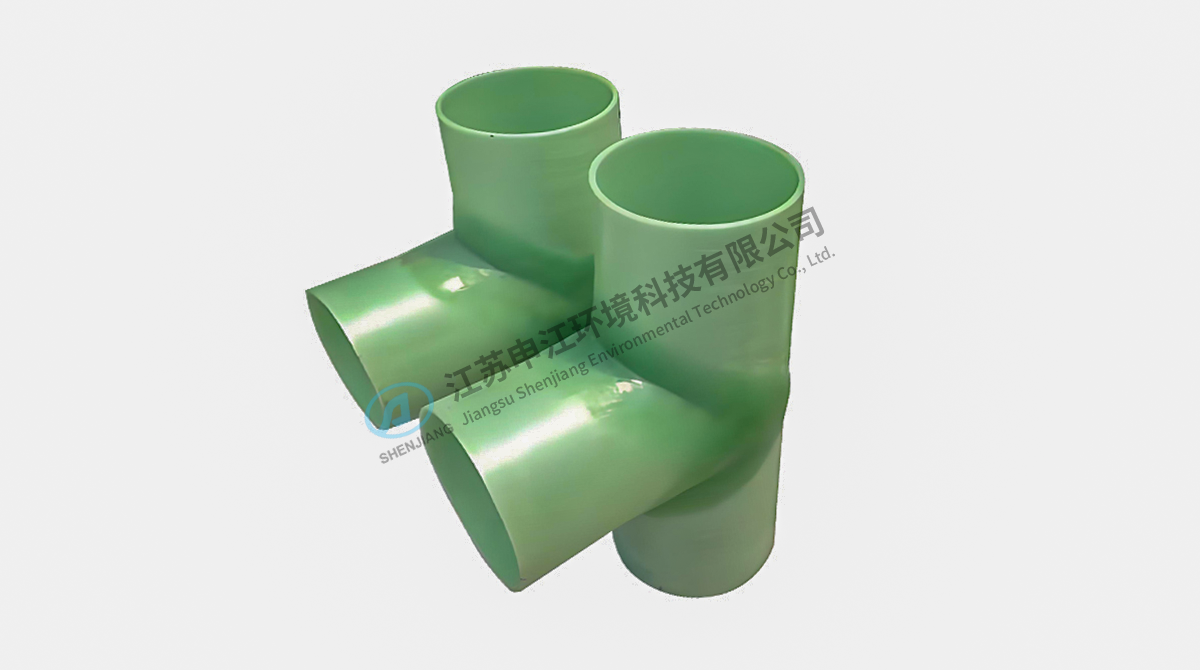
Denitrification FRP Pipes

FRP pipes are composed of fiberglass-reinforced polymer with high-strength resin matrices, offering enhanced tensile strength and resistance to internal pressure. The laminate structure ensures uniform thickness and reduces the risk of cracking under thermal expansion or pressure fluctuations.

PVC Pipes

PVC pipes are lighter and cost-effective but can become brittle over time, especially under UV exposure or in chemically aggressive wastewater environments. Repeated temperature variations may also cause micro-cracks, leading to eventual leakage.

Corrosion and Chemical Resistance

FRP pipes excel in resisting chemical attack from acids, bases, and oxidizing agents commonly found in denitrification systems. Laboratory tests show FRP pipes maintain over 95% of their structural integrity after 10 years in nitrogen-rich wastewater conditions.

PVC pipes, by comparison, may degrade in acidic or high-temperature conditions, leading to scaling, deformation, or reduced flow capacity. Regular inspections and replacements are often required to maintain system efficiency.

Flow Efficiency and Hydraulic Performance

Denitrification FRP pipes offer smooth internal surfaces that reduce friction losses and prevent biofilm accumulation. This ensures stable flow rates and maintains optimal denitrification efficiency even in high-volume wastewater systems.

PVC pipes may experience minor surface roughness over time, leading to increased friction and reduced flow efficiency. In large-scale applications, this can compromise nitrogen removal rates and require additional pumping energy.

Temperature Tolerance and Thermal Expansion

FRP pipes tolerate a wider range of temperatures (-40°C to 120°C) without deformation, ensuring reliable performance in variable climates. Thermal expansion is minimal due to the composite structure, reducing joint stress and leakage risk.

PVC pipes have lower temperature resistance, typically -10°C to 60°C. Exposure to hot wastewater or external heat sources can result in softening, warping, or joint failure.

Installation and Maintenance Considerations

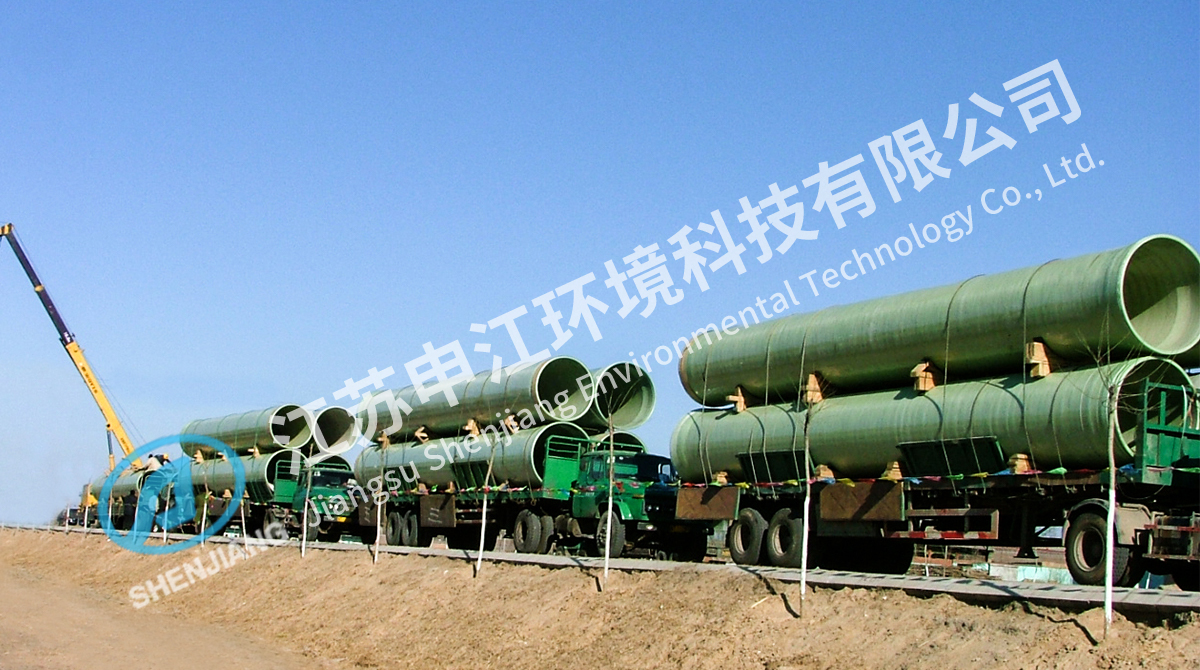
FRP pipes are lightweight yet rigid, allowing quick installation using adhesive bonding or flange connections. Maintenance is minimal due to their corrosion resistance and long service life, typically exceeding 20 years in demanding wastewater environments.

PVC pipes are easier to cut and join, reducing initial installation time. However, frequent inspections and periodic replacements are often required in chemically aggressive systems, which can increase total lifecycle costs.

Cost Analysis: Initial vs Lifecycle

Factor Denitrification FRP Pipes PVC Pipes
Initial Cost Higher Lower
Maintenance Cost Low Moderate to High
Service Life 20+ years 10–15 years
Lifecycle Cost Efficiency High Moderate
Comparison of Denitrification FRP Pipes vs PVC Pipes in Wastewater Treatment

Application Suitability and Case Insights

Denitrification FRP pipes are ideal for:

  • Municipal wastewater treatment plants handling nitrogen-rich effluents
  • Industrial plants with acidic or corrosive wastewater streams
  • Facilities seeking long-term maintenance cost reduction

PVC pipes may still be suitable for:

  • Temporary or low-volume systems
  • Non-corrosive water pipelines where cost constraints dominate

Case studies indicate that switching from PVC to FRP pipes in large-scale denitrification projects reduces maintenance downtime by up to 40% and extends the service interval between inspections by several years.