The Structural and Biochemical Role of Denitrification FRP Tanks
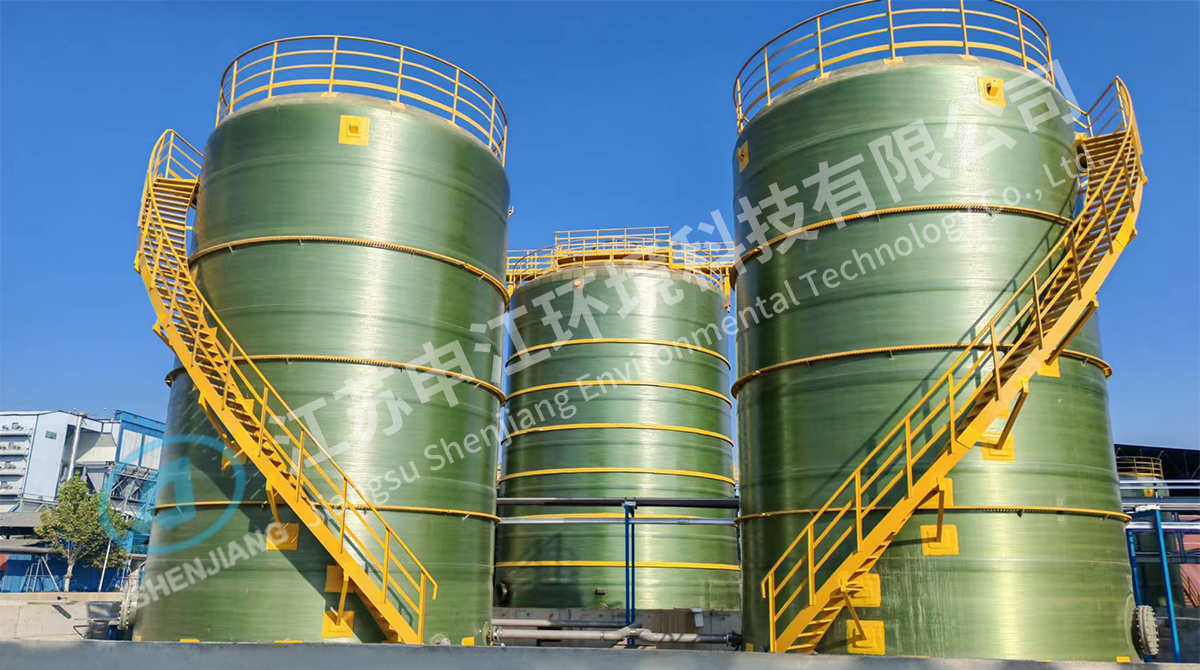
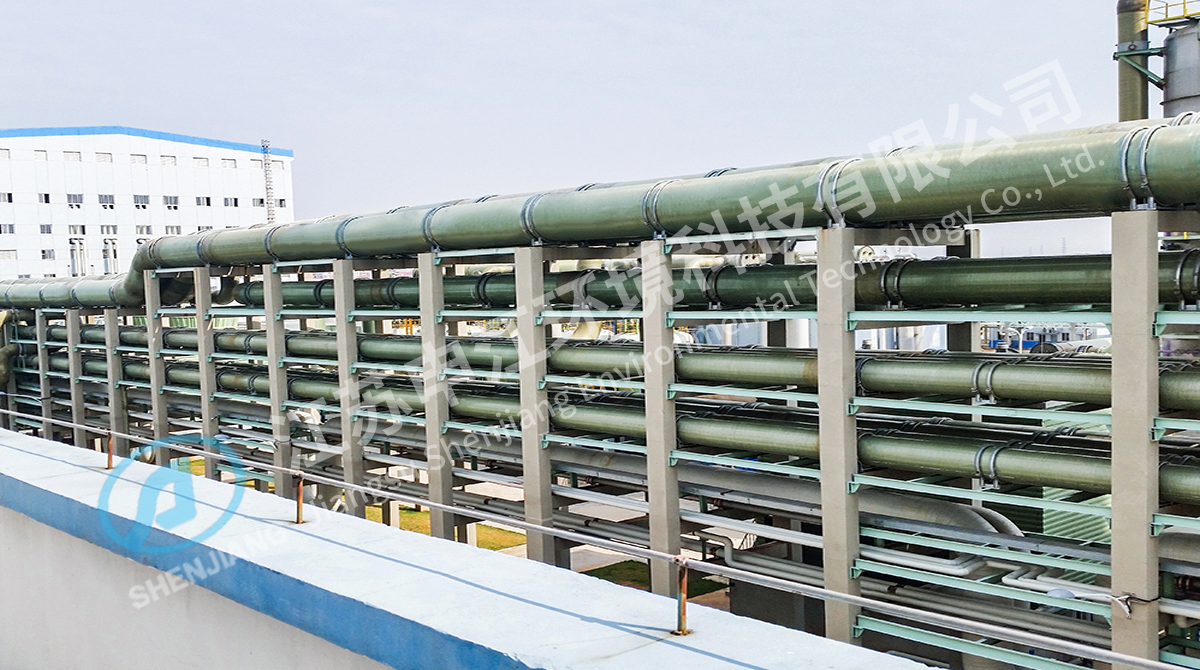
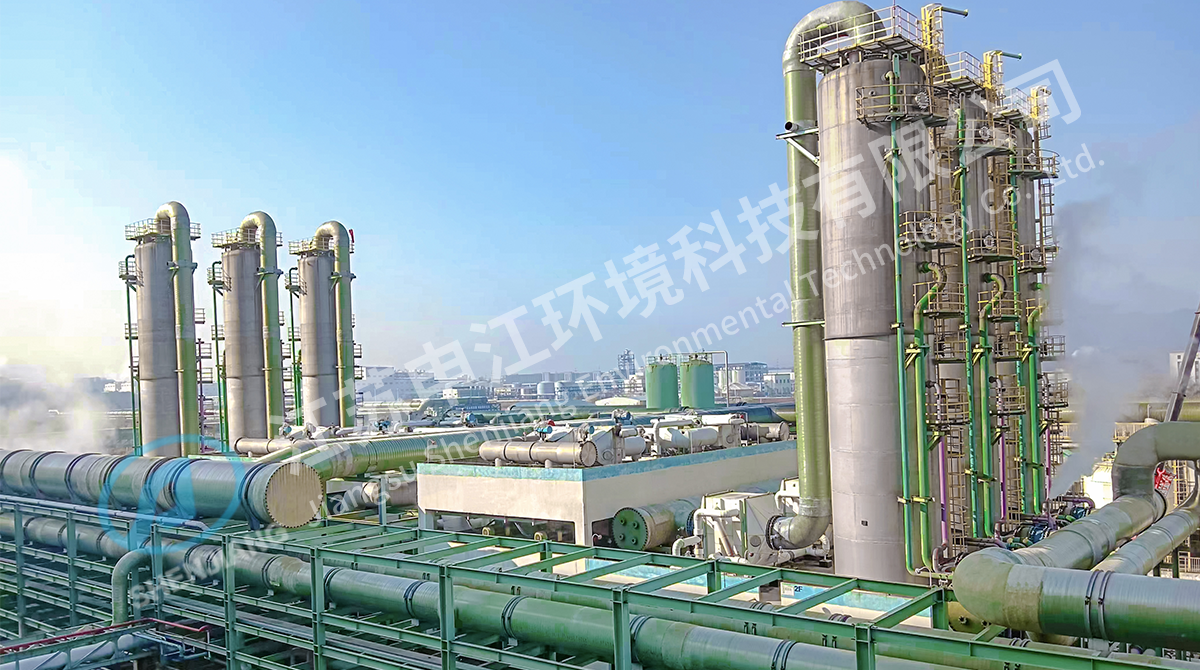
Implementing a high-density denitrification FRP tank (Fiber-Reinforced Plastic) provides an advanced engineering solution for municipal and industrial wastewater facilities tasked with stripping hazardous nitrates from effluent streams. By utilizing a composite structural matrix of glass fiber reinforcement embedded within specialized chemical-resistant thermosetting resins, these vessels withstand the corrosive microenvironments generated during biological nitrogen conversion. This material profile delivers an unyielding reaction chamber that completely eliminates the structural degradation, concrete spalling, and micro-fissuring common in traditional processing reservoirs, ensuring a service life exceeding 30 years in continuous-exposure biochemical environments.
In the modern regulatory landscape, minimizing nutrient discharge is critical to preventing aquatic eutrophication and environmental hypoxia. The biological denitrification process relies on facultative anaerobic bacteria converting nitrate ions into harmless nitrogen gas. However, this metabolic pathway requires the continuous dosing of organic carbon sources like methanol or acetic acid, creating a highly complex chemical and microbiological environment. Selecting an FRP composite configuration over legacy concrete or lined carbon steel ensures absolute containment integrity, keeping localized structural degradation from interrupting critical wastewater treatment workflows.
Material Science and Chemical Resistance Matrices
The performance advantages of a denitrification FRP tank stem directly from its multi-layered composite architecture. Unlike isotropic metals, FRP is an engineered anisotropic material whose chemical resistance and directional tensile thresholds can be tailored to match the precise fluid dynamics of the processing cycle.
The Chemical Corrosion Barrier Layer
The interior surface of a premium denitrification vessel features a dedicated corrosion barrier layer, typically 1.2mm to 2.5mm thick, rich in premium vinyl ester or epoxy resins. This resin-heavy liner blocks chemical penetration and prevents micro-organisms from colonizing the structural layer. This design protects the structural glass fiber filaments from the organic acids, volatile fatty acids, and high-pH backwash chemicals used to manage biological growth within the filter bed.
Filament-Wound Structural Optimization
Beyond the chemical barrier lies the main structural core, manufactured using automated helical filament winding systems. Continuous E-glass fiber strands are saturated with resin and wound around a rotating mandrel at precision-calculated wind angles (typically between 45 and 60 degrees). This process creates a high strength-to-weight ratio, allowing the vessel to withstand hydrostatic pressures and structural shifting without requiring thick, heavy walls.
Comparative Infrastructure Analysis: FRP vs. Concrete vs. Carbon Steel
Selecting the optimal storage and reaction vessel requires evaluating long-term maintenance costs against initial capital expenditure and structural performance. The table below provides a detailed comparison of different materials used in denitrification applications.
Engineering Comparison Matrix: Fiber-Reinforced Plastic (FRP), Reinforced Concrete, and Epoxy-Lined Carbon Steel Vessels
| Technical Factor Profile |
Denitrification FRP Tank |
Reinforced Concrete Basin |
Lined Carbon Steel Tank |
| Biocide and Acid Resistance |
Exceptional (No Surface Corrosion) |
Poor (Subject to Acid Leaching) |
Moderate (Dependent on Liner Integrity) |
| Average Weight Profile (kg/m³) |
1,500 - 1,800 (Lightweight) |
2,400 - 2,500 (Extremely Heavy) |
7,850 (Heavy Structural Requisite) |
| Installation Lead Time Index |
Fast (Pre-fabricated, Modular Setup) |
Slow (Extensive On-site Curing) |
Moderate (On-site Field Welding) |
| Microbial Biofilm Adhesion Risk |
Controlled (Ultra-Smooth Inner Bore) |
High (Porous Surface Traps Biomass) |
Moderate (Risk at Joint Seams) |
| 30-Year Lifecycle Cost Profile |
Minimal (Virtually Maintenance-Free) |
High (Periodic Crack Sealing Needed) |
Significant (Requires Regular Re-lining) |
The empirical comparison highlights the advantages of specifying FRP composites for aggressive bioreactor environments. While concrete remains common for large basin configurations, it faces structural risks from micro-cracking and chemical leaching caused by biogenic sulfuric acid and carbon dosing. FRP tanks solve these issues by providing a seamless shell that eliminates leak paths and lowers ongoing maintenance costs.
Fluid Mechanics and Internal Component Integration
A functional denitrification FRP tank serves as a complete processing environment, incorporating complex internal components designed to optimize retention time and maximize contact between the wastewater and the active biofilm.
- Fluid Distribution Manifolds: Located at the base of the tank, these integrated arrays distribute incoming nitrate-rich water evenly across the reactor. This uniform flow prevents short-circuiting, where water bypasses the treatment media and exits the system prematurely.
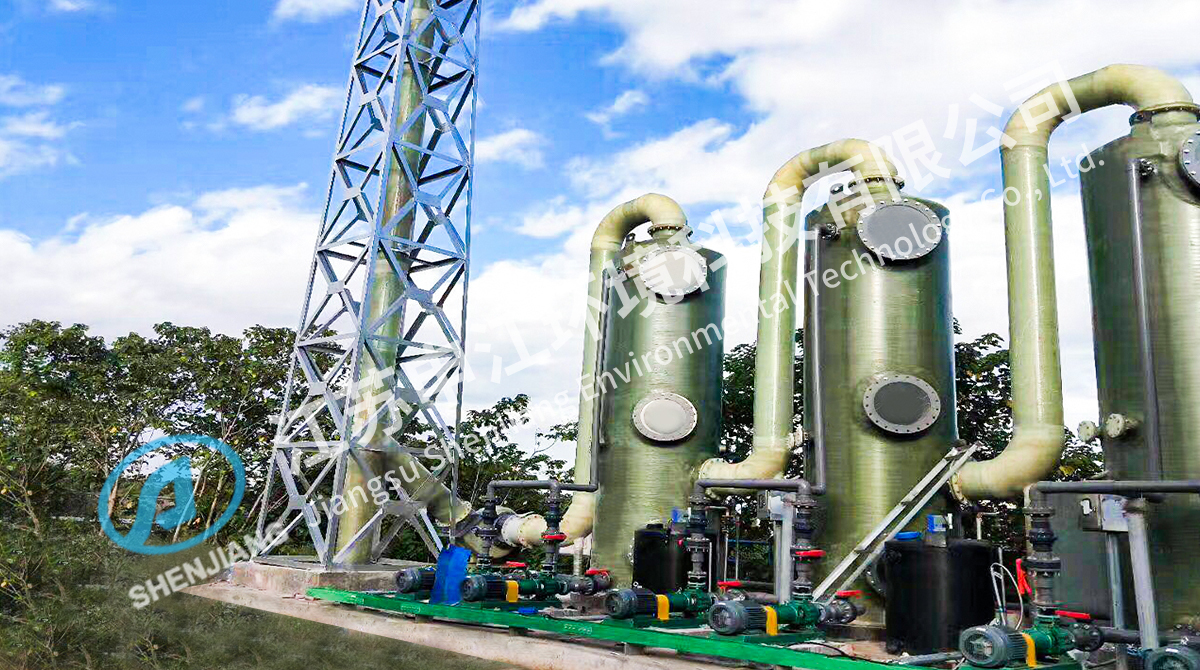
- Biomass Media Support Grids: FRP tanks are frequently configured with internal packing grids that hold thousands of high-surface-area plastic media rings. These structures provide the physical space needed for dense denitrifying biofilms to grow without restricting fluid flow.
- Integrated Gas Venting Hoods: Because biological denitrification converts dissolved nitrogen ions into gaseous nitrogen, the tank must manage internal gas accumulation. Molded FRP gas domes collect these microscopic bubbles and vent them safely, preventing pressure spikes that could disrupt pump operations.
Step-by-Step Installation and Anchor Validation Protocol
Because FRP tanks are lightweight, they require careful installation to handle buoyant forces when empty or partially filled, especially in regions with high groundwater tables.
- Excavation and Slab Engineering: Engineer a reinforced concrete foundation slab configured to handle the tank's maximum operating weight when full. The concrete must cure to at least 75% of its design compressive strength before lowering the vessel onto the pad.
- Rigging and Precision Lifting: Secure specialized lifting straps to the factory-installed lifting lugs on the tank shell. Use a spreader bar to keep the cables from squeezing the tank sides, and slowly lower the vessel onto the concrete pad.
- Buoyancy Tie-Down and Hold-Down Straps: Loop pre-tensioned FRP or vinyl-ester-coated steel hold-down straps over the designated anchor channels on the tank body. Secure these straps to heavy anchor bolts embedded in the concrete foundation slab. Tighten all fasteners to the specified torque settings to counteract updrift from groundwater buoyancy.
- Piping Connections and Boot Seals: Connect the external processing lines to the tank nozzles using flexible rubber boot connectors or structured expansion joints. These flexible connections prevent mechanical stress from thermal expansion or soil settling from cracking the molded tank flanges.
- Hydrostatic Testing and Backfilling: Fill the tank with clean water to check for leaks before backfilling. Once verified, place backfill material around the tank in 300mm layers, tamping each layer manually to ensure uniform support around the composite shell.
Mitigating Operational Risk and Managing Biomass Accumulation
While a denitrification FRP tank provides excellent material performance, managing the process requires careful operational control to maximize nutrient removal efficiency and prevent biomass fouling.
Preventing Hydraulic Channeling via Fluid Backwashing
Over time, the rapid growth of denitrifying bacteria can clog the small gaps within the internal packing media. This accumulation creates localized blockage zones, causing water to channel through narrow pathways and reducing the tank's effective retention time. To maintain efficiency, the control system must trigger periodic upflow water and air scour backwash cycles. The smooth interior walls of the FRP tank easily withstand the scouring forces of these high-velocity fluid flushes, releasing excess biomass without eroding the tank liner.
Managing Carbon Dosing and Structural Outgassing
Dosing carbon sources like methanol must be carefully regulated to match incoming nitrate levels. Under-dosing leaves toxic nitrates in the effluent, while over-dosing wastes chemical resources and leads to excessive biological growth. In enclosed systems, over-dosing can also generate trace amounts of methane or hydrogen sulfide gas. Ensuring the FRP tank is equipped with specialized dual-containment manways and active carbon scrubbers allows operators to sample the process safely and manage outgassing without exposing personnel to hazardous vapor concentrations.




 English
  中文简体
中文简体 Español
 عربى
عربى русский
 ไทย
ไทย Indonesia
 Tiếng Việt