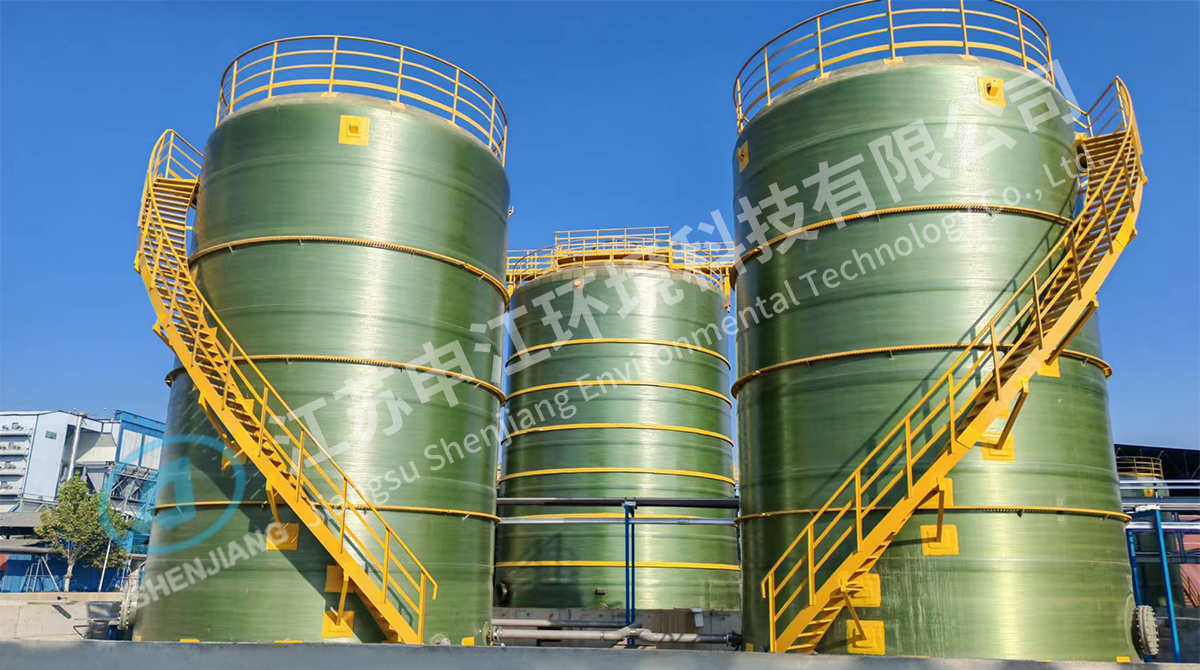
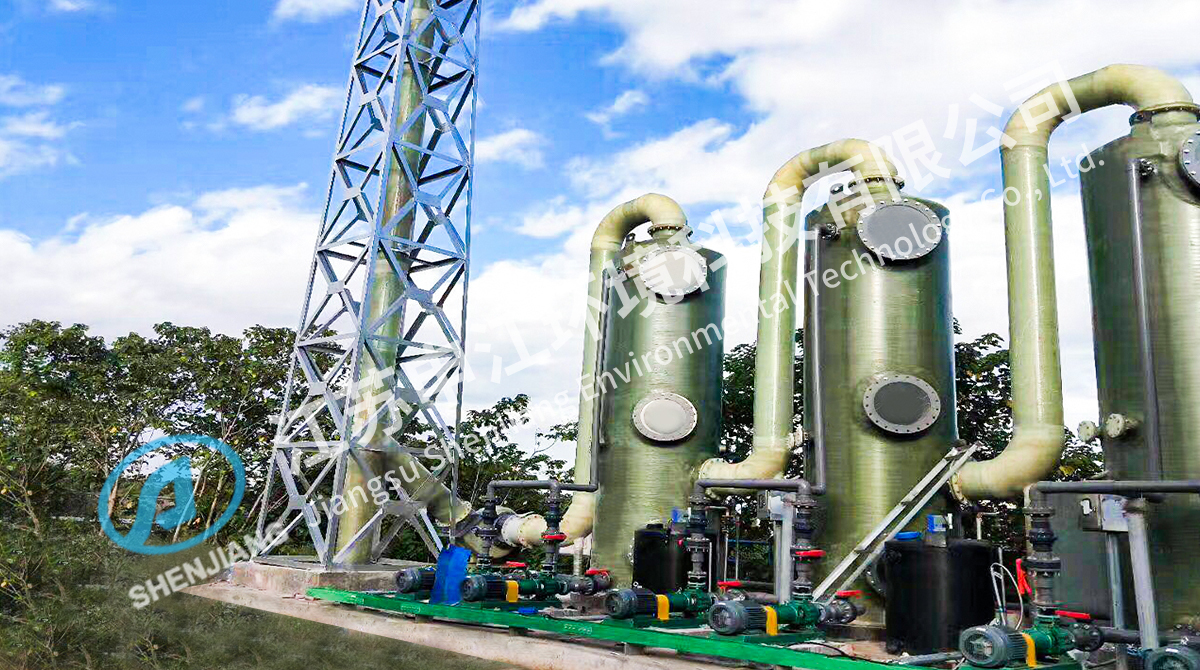
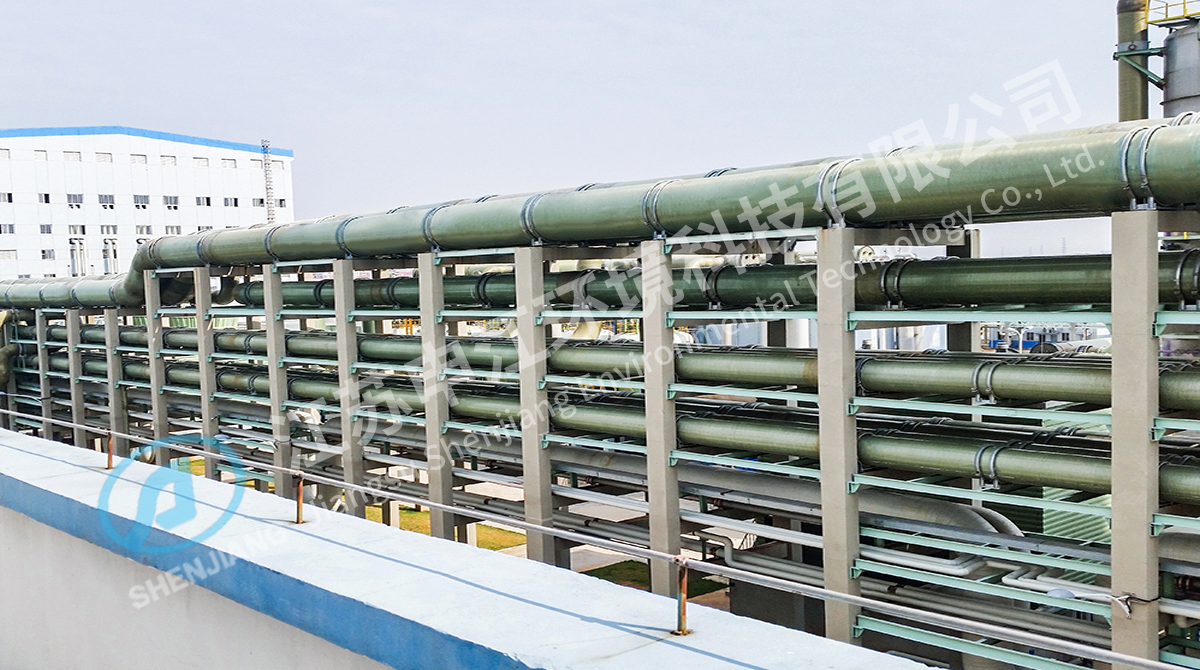
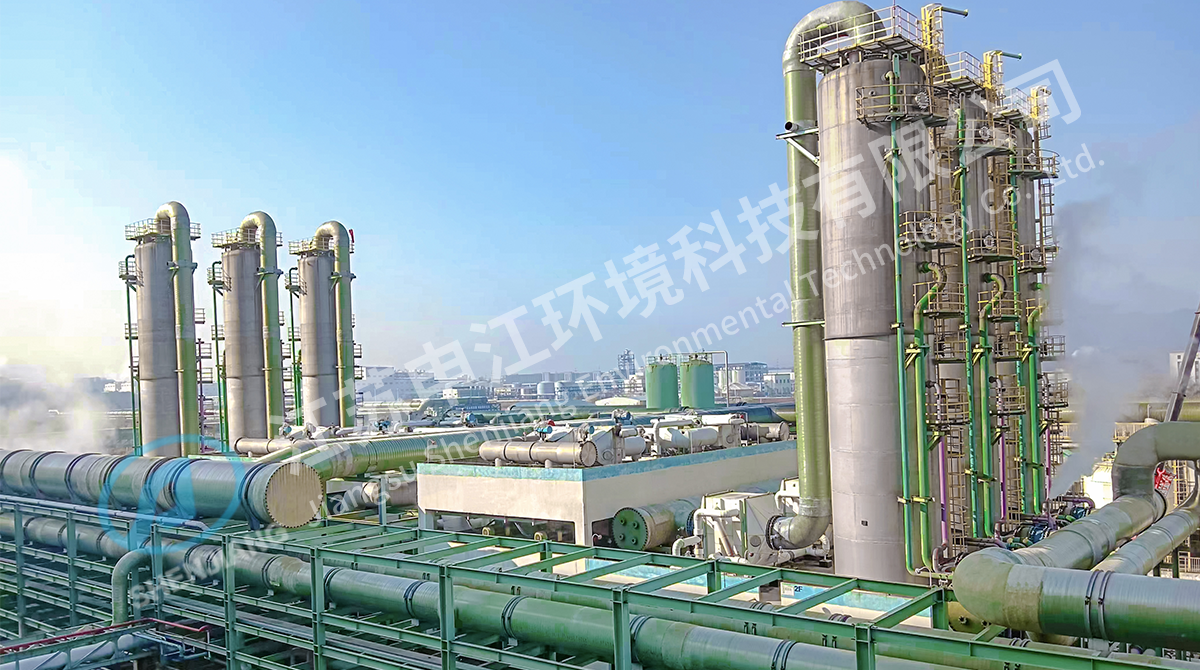
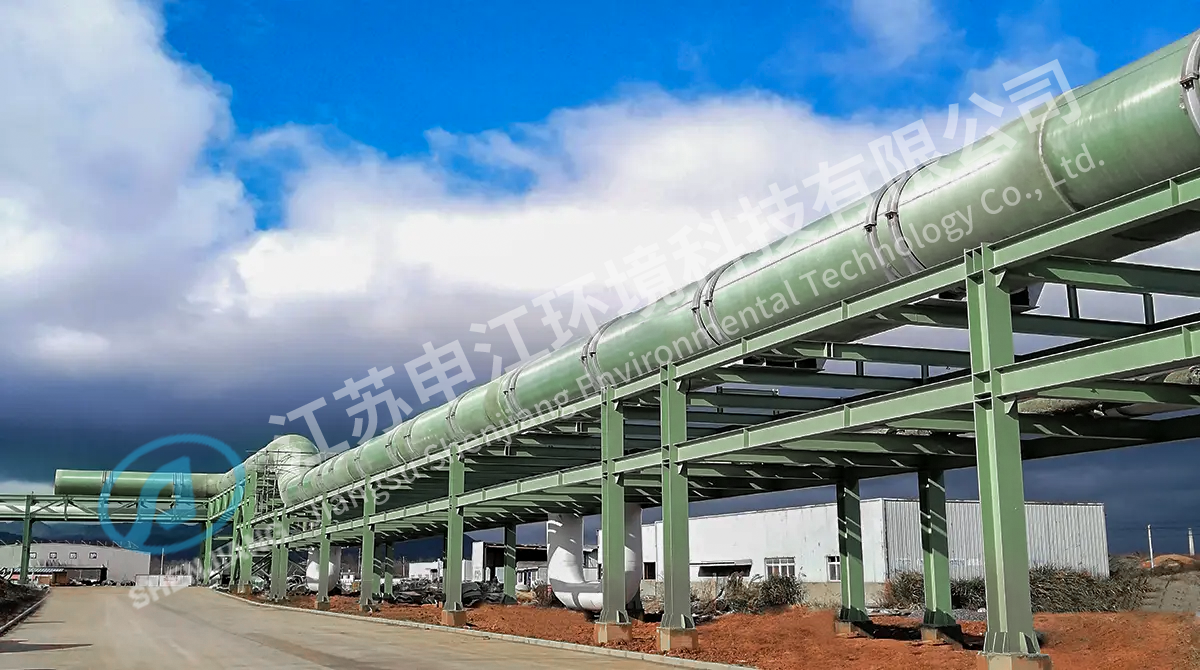
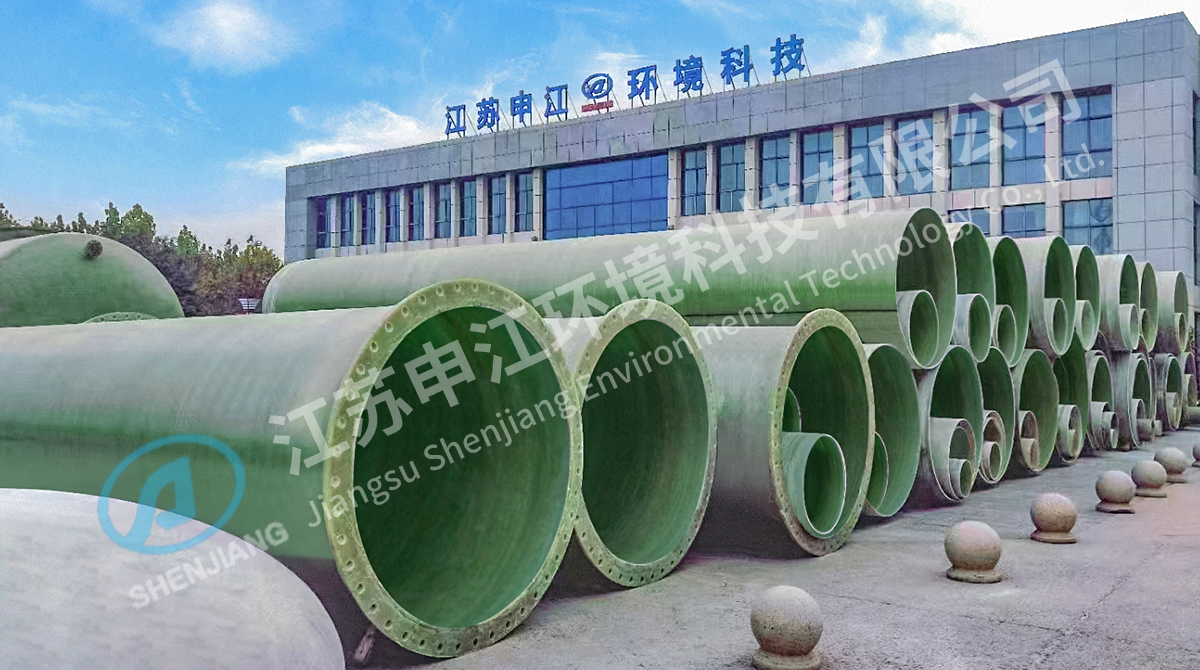
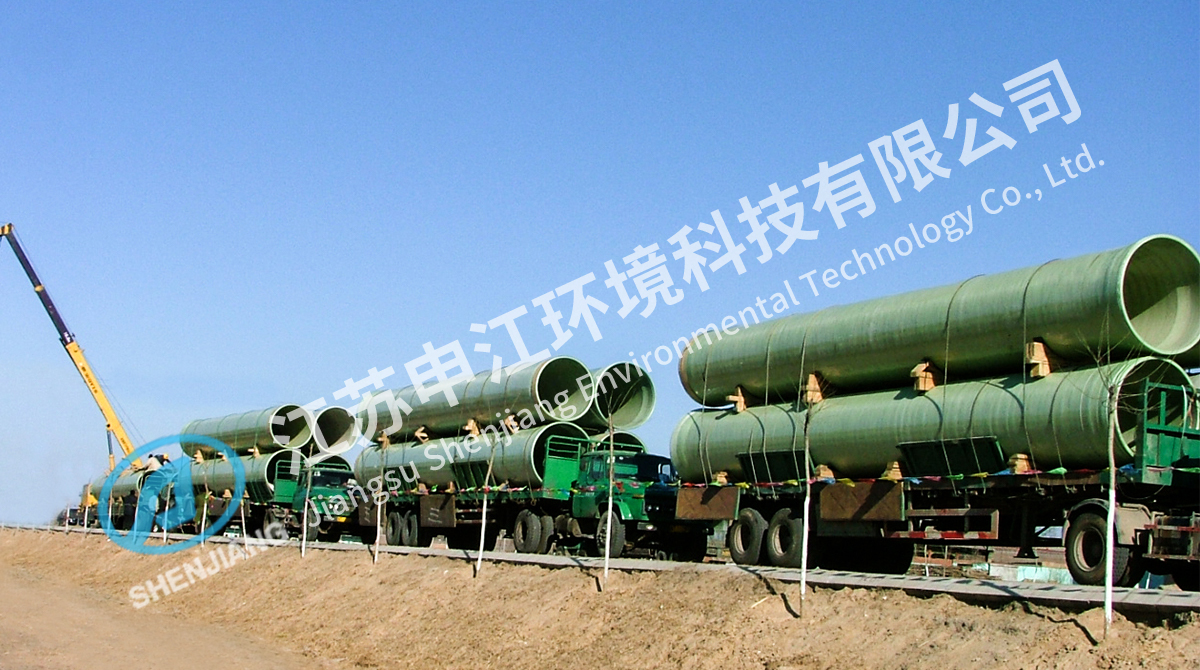
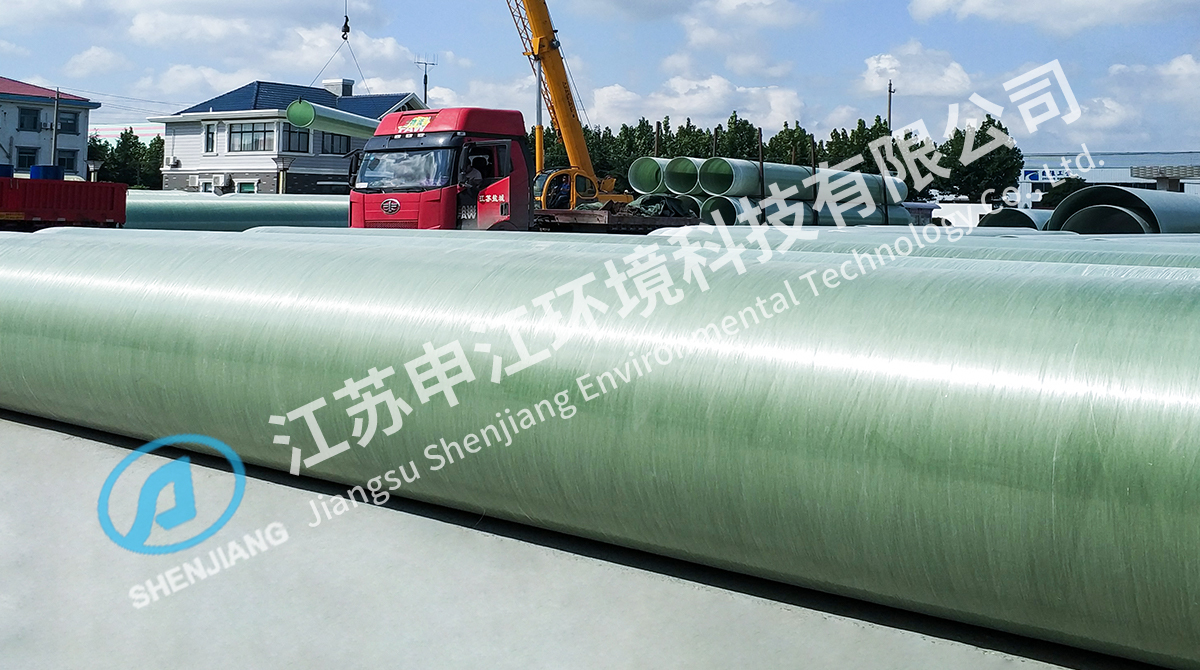
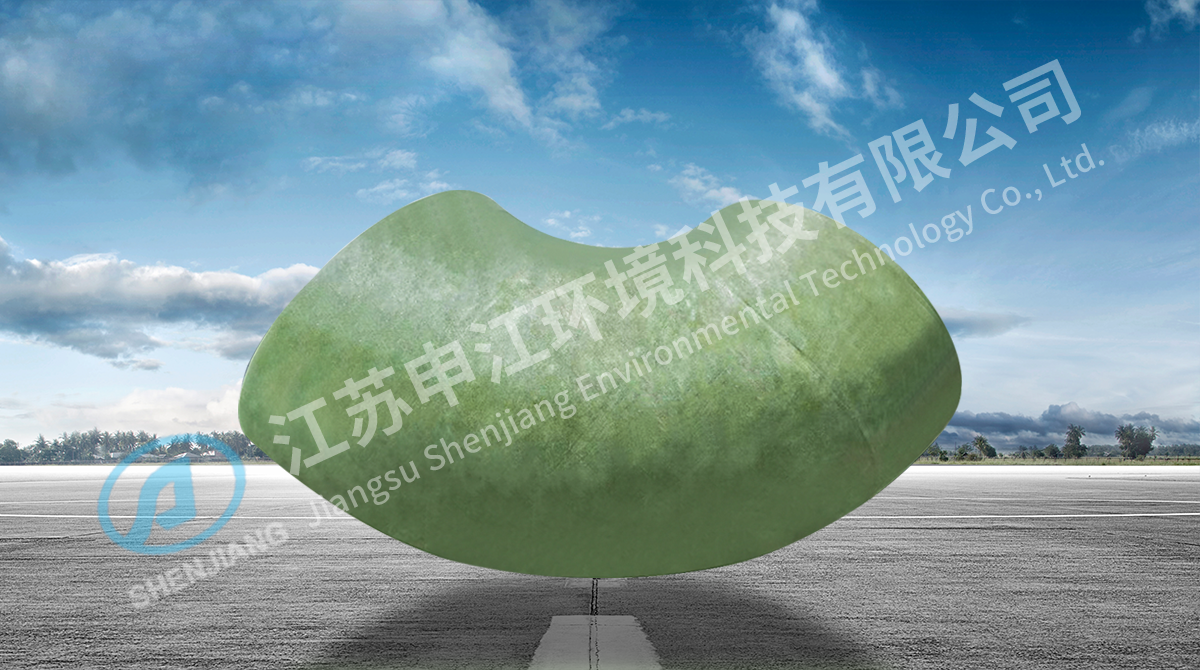
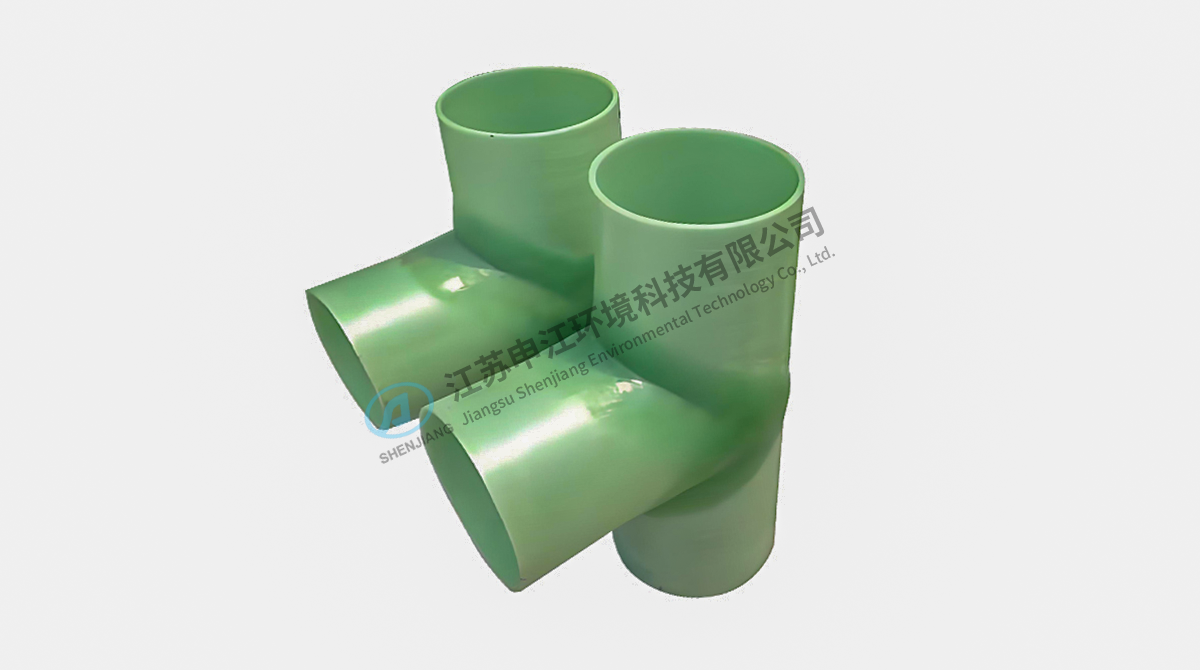
A denitrification FRP tower represents the pinnacle of modern structural engineering and biochemistry for removing harmful nitrate-nitrogen from industrial and municipal wastewater streams. By utilizing Fiber Reinforced Plastic (FRP) as the primary material of construction, these specialized vessels overcome the structural failures and severe chemical corrosion that plague traditional steel or concrete infrastructure. Operating as highly specialized bio-reactors or chemical stripping columns, these towers achieve nitrate removal efficiencies exceeding 95%, providing a mechanically resilient, chemically inert, and thermally stable environment that guarantees compliant wastewater discharge in the most demanding regulatory frameworks.
The Core Mechanics of Nitrogen Elimination within Industrial Streams
Nitrogen compounds, particularly nitrates and nitrites, pose severe ecological and public health threats when discharged unchecked into natural water bodies. In aquatic ecosystems, elevated nitrogen concentrations trigger rapid eutrophication—a phenomenon where runaway algal blooms deplete dissolved oxygen levels, causing catastrophic die-offs of fish and benthic organisms. For municipal drinking water sources, high nitrate levels are strictly regulated due to medical conditions like methemoglobinemia. To combat this, advanced wastewater facilities implement targeted denitrification processes within dedicated tower architectures.
The transformation of liquid-bound nitrates into harmless atmospheric nitrogen gas occurs within the tower via one of two mechanisms: biological metabolic reduction or physical-chemical stripping. In biological denitrification towers, the vessel houses a dense matrix of structured packing media designed to maximize surface area. Heterotrophic bacteria colonize this media, forming a highly active biofilm. As the wastewater trickles downward, an added carbon source (such as methanol, ethanol, or acetic acid) acts as an electron donor. The bacteria utilize the nitrate molecules as terminal electron acceptors in their respiratory chain under strict anoxic conditions, effectively snapping the oxygen-nitrogen bonds and releasing inert gas through the tower’s upper ventilation exhaust.
Alternatively, chemical stripping towers rely on precise pH manipulation and thermal adjustments to gasify ammonium ions into ammonia gas, which is then scrubbed or stripped using counter-current air streams. Regardless of the internal mechanism, the structural shell hosting this aggressive reaction is subjected to constant moisture, volatile organic compounds, dissolved gases, and sharp fluctuations in pH, necessitating a robust and unyielding material profile.
Material Comparison: Why Fiber Reinforced Plastic Outperforms Traditional Substrates
For decades, wastewater design engineers relied almost exclusively on coated carbon steel, premium stainless steel (304 or 316L), and reinforced concrete to build processing towers. However, the unique chemistry of denitrification introduces a destructive operating environment. The introduction of biological acids, the presence of abrasive packing media, and the constant exposure to high-salinity wastewater cause rapid oxidation and micro-cracking in traditional substrates. A comparative assessment reveals why Fiber Reinforced Plastic (FRP) has emerged as the preferred engineering standard.
FRP is a composite material consisting of a high-performance polymer resin matrix reinforced with structural glass fibers. The choice of resin—typically premium vinyl ester or epoxy—is tailored specifically to resist the target chemical envelope of the wastewater. Unlike metals, which corrode via electrochemical oxidation, FRP is completely non-conductive and immune to galvanic or pitting corrosion. When compared to concrete, which suffers from biogenic sulfide corrosion and acid-induced leaching, FRP maintains its structural matrix even when exposed to low-pH washes or aggressive chemical cleaning cycles.
| Performance Metric |
Fiber Reinforced Plastic (FRP) |
Coated Carbon Steel |
Reinforced Concrete |
| Corrosion Resistance |
Immune to chemical, galvanic, and biogenic acid corrosion |
High vulnerability; requires frequent coating re-application |
Susceptible to micro-cracking and acid leaching over time |
| Strength-to-Weight Ratio |
Exceptionally high; ultra-lightweight minimizes foundation load |
Moderate; high structural weight increases shipping/rigging fees |
Extremely low; requires massive, deeply engineered concrete slabs |
| Estimated Lifespan (Years) |
30 to 50+ years with negligible structural degradation |
10 to 15 years before major structural patching/re-coating |
20 to 25 years before structural spalling and rebar exposure |
| Thermal Conductivity |
Very low; naturally insulates and maintains biological heat |
High; suffers massive heat loss, requiring auxiliary insulation |
Moderate; slow response to temperature shifts but prone to cracking |
| Maintenance Requirments |
Minimal; simple periodic pressure wash and inspection |
Extensive; sandblasting and protective coating every 5–7 years |
High; continuous monitoring for structural leaks and cracks |
Structural Engineering and Custom Fabrications for Optimal Flow Dynamics
To successfully operate a denitrification FRP tower, the physical architecture must be precision-engineered using specialized fabrication techniques. Most industrial-scale towers are manufactured using automated filament winding processes. Continuous glass fiber strands are saturated with liquid resin under controlled tension and wound onto a rotating mandrel at exact helical angles. This directional fiber placement ensures that the tower possesses incredible hoop tensile strength to withstand the internal hydrostatic pressures of thousands of gallons of moving water, alongside exceptional axial strength to bear the immense weight of wet internal packing media.
The interior architecture of an FRP denitrification tower is divided into several carefully calculated zones designed to ensure optimal contact time and fluid dynamics:
- Liquid Distribution System: At the apex of the tower, an FRP headers-and-lateral piping grid fitted with non-clogging spray nozzles uniformly disperses incoming nitrate-rich wastewater. Uneven distribution creates channeling, where water bypasses the biological media entirely, dropping treatment efficiency to unacceptable levels.
Media Support Grating: Positioned in the middle of the tower, this heavy-duty, pultruded FRP grid bears the weight of the structured packing. It must be highly porous to allow unrestricted downward water flow and upward gas movement, yet structurally unyielding to prevent sagging under loads that can exceed 500 pounds per square foot when fully fouled with biomass.- Integrated Mist Eliminator: Located just below the top gas vent, this specialized FRP or polypropylene baffle grid captures entrained liquid droplets from the exiting gas stream, preventing hazardous chemical mist or moisture from entering the surrounding atmosphere.
Economic Analysis: The Long-Term Return on Investment
While the initial capital expenditure (CAPEX) for a custom-engineered denitrification FRP tower can be 15% to 20% higher than a basic carbon steel alternative, its long-term operational expenditure (OPEX) offers an undeniable financial advantage. A true assessment of a wastewater treatment asset requires a total lifecycle cost analysis spanning several decades.
Consider a chemical plant processing a high-nitrate effluent stream at a continuous flow rate of 500 gallons per minute. Installing a carbon steel tower requires rigorous surface preparation and multi-layer epoxy coatings during fabrication. Over a 20-year operational window, the abrasive action of wastewater and chemical cleaning routines degrades this coating. Plant operators must take the tower offline every 5 to 7 years for internal sandblasting and re-coating. This process incurs significant direct labor and material costs, and forces the facility into expensive operational downtime or requires redundant backup systems.
An FRP tower completely removes these recurring expenses from the balance sheet. Because the corrosion protection is chemical and built directly into the composite resin matrix, there is no coating to delaminate, blister, or fail. Furthermore, the lightweight nature of FRP reduces installation costs significantly. An FRP tower weighs roughly one-fourth to one-third as much as an identical steel vessel. This allows installation crews to utilize smaller, lower-tonnage cranes during field placement, shortens rigging schedules from weeks to days, and significantly scales down the depth and reinforcement requirements of the concrete foundation pad.
Operational Best Practices for Maintaining Tower Efficiency
To sustain optimal nitrate reduction rates and ensure the longevity of the denitrification tower system, plant technicians must adhere to specialized operational parameters. Biological and chemical reactions within the column are highly sensitive to physical inputs, requiring continuous monitoring and fine-tuning.
First, the internal temperature profile of the tower must be rigorously maintained. Biological denitrification is highly temperature-dependent; the metabolic rate of denitrifying bacteria drops by nearly 50% for every 10°C drop in water temperature below their ideal 25°C to 35°C operating window. Because FRP has an exceptionally low thermal conductivity rating (approximately 0.23 W/m·K compared to carbon steel's 54 W/m·K), it serves as a natural insulator. This material quality allows the tower to retain the thermodynamic heat of incoming industrial processes, minimizing or entirely eliminating the need for expensive auxiliary steam or electric water heaters during cold winter months.
Second, management of the internal biomass accumulation is essential to prevent structural blinding or fouling. Over time, the biological film on the packing media grows thick, filling the void spaces and causing fluid channeling or increased air pressure drop across the bed. Operators should execute periodic, low-pressure air scour or backwash cycles to slough off excess dead biomass. Because the interior surfaces of filament-wound FRP towers are extremely smooth and resin-rich, the sloughed biomass slides smoothly down to the bottom sump for easy extraction without adhering to the vessel walls, maintaining pristine hydraulic efficiency.




 English
  中文简体
中文简体 Español
 عربى
عربى русский
 ไทย
ไทย Indonesia
 Tiếng Việt