
Jiangsu Shenjiang Environmental Technology Co., Ltd.

Recruiting Global Agents

Jiangsu Shenjiang Environmental Technology Co., Ltd.
Home / News / Industry News / FRP Towers: Strength, Durability, and Modern Applications in Infrastructure

FRP Towers: Strength, Durability, and Modern Applications in Infrastructure

FRP Tower: Direct Conclusion

FRP (Fiber-Reinforced Plastic) towers offer high strength-to-weight ratios, corrosion resistance, and low maintenance, making them ideal for telecommunications, power distribution, and industrial structures. Their lightweight nature simplifies transport and installation, while their durability ensures long-term performance in harsh environments.

Choosing an FRP tower over steel or concrete alternatives depends on environmental exposure, load requirements, and lifecycle maintenance considerations. In coastal, industrial, or chemically aggressive environments, FRP towers outperform traditional materials.

Material Composition and Structural Advantages

Fiber Reinforcement

FRP towers are primarily composed of glass, carbon, or aramid fibers embedded in a resin matrix. Glass-fiber reinforced plastics (GFRP) are most common due to their excellent tensile strength and cost-effectiveness.

Corrosion Resistance

Unlike steel, FRP towers are highly resistant to rust and chemical corrosion. This makes them suitable for coastal areas, chemical plants, and wastewater treatment facilities where traditional metals degrade rapidly.

Weight and Handling Benefits

FRP towers are significantly lighter than steel or concrete counterparts, often reducing installation weight by up to 60%. This minimizes foundation requirements and lowers transportation costs.

Design and Engineering Considerations

Load-Bearing Capacity

FRP towers can support telecom antennas, lighting equipment, and small wind turbines. Design calculations consider axial load, wind load, and torsional forces to ensure structural integrity.

Customization and Modularity

FRP towers can be modular, allowing for sections to be prefabricated and assembled on-site. Custom heights, diameters, and load capacities can be tailored to project specifications.

Thermal and Electrical Properties

FRP is electrically non-conductive and exhibits low thermal expansion. This reduces risks in electrical installations and minimizes structural deformation due to temperature changes.

Applications of FRP Towers

Telecommunications

FRP towers are widely used for 4G/5G base stations, satellite dishes, and radio antennas. High strength, corrosion resistance, and low maintenance make them ideal for remote and coastal locations.

Power Transmission

They are also suitable for low- to medium-voltage power lines, substations, and switchgear supports. FRP reduces galvanic corrosion issues common with metallic structures.

Industrial and Environmental Structures

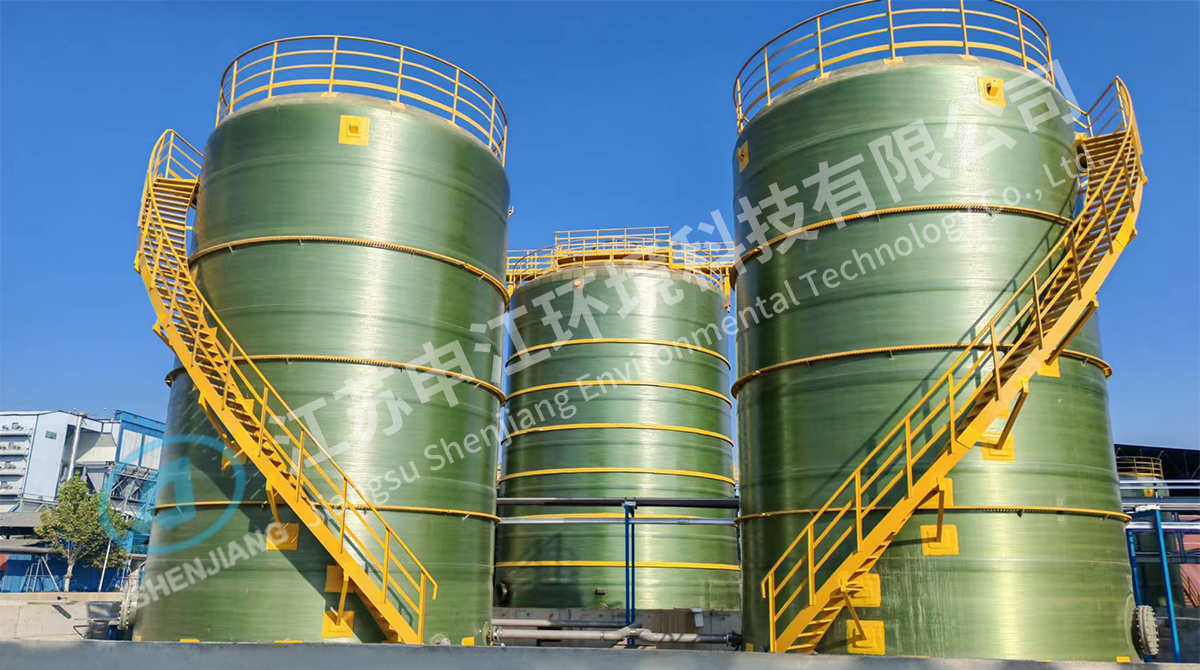
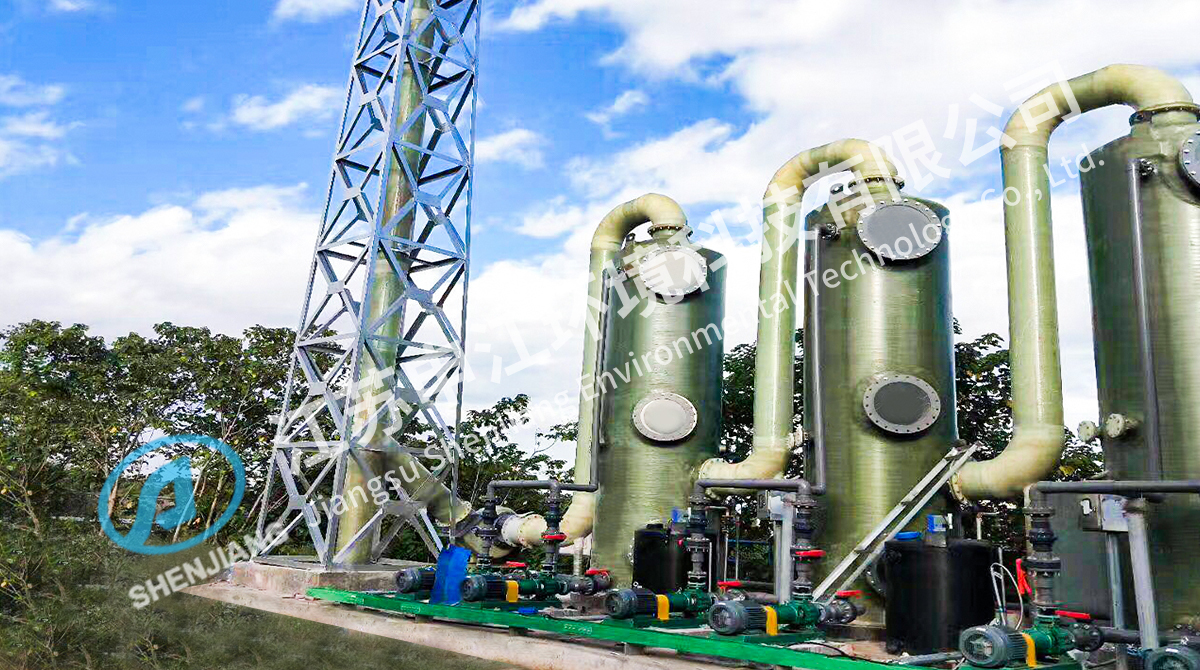
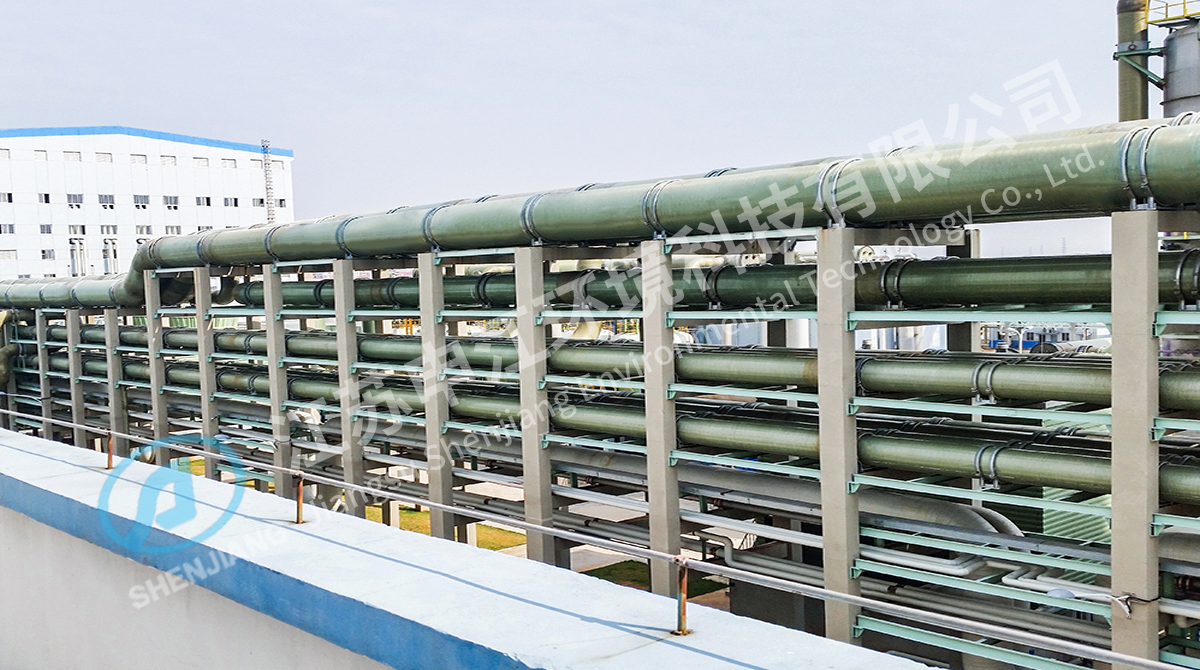
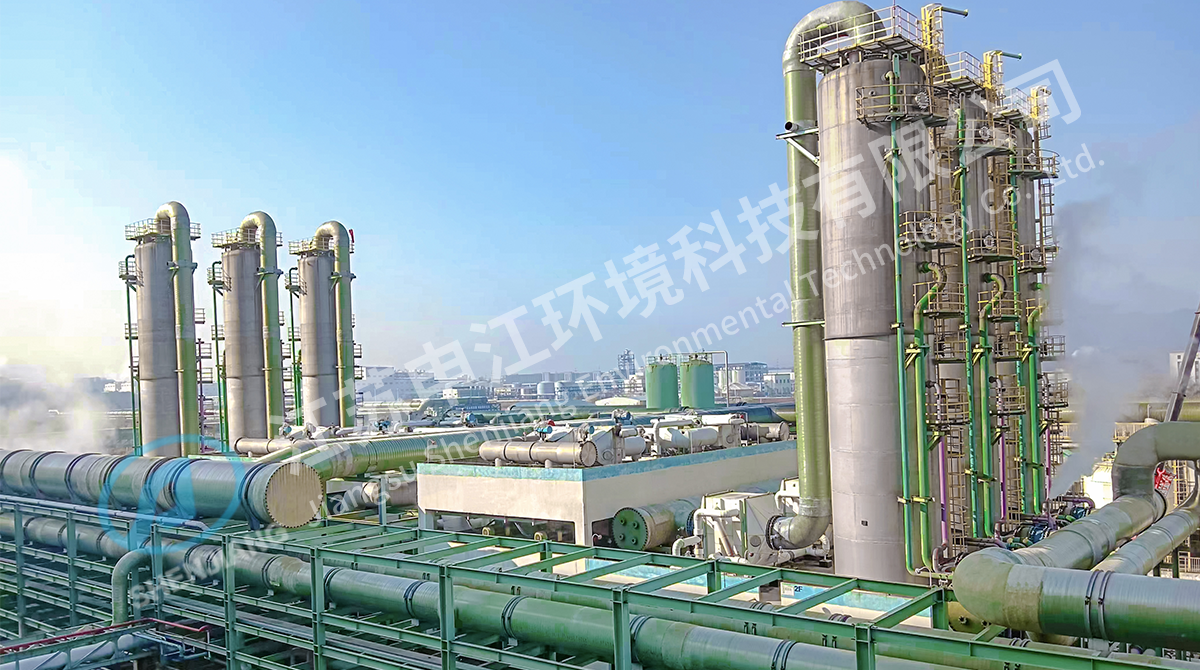
FRP towers are increasingly used in industrial plants, chemical processing, and water treatment facilities due to their resistance to acids, alkalis, and moisture.

Comparison Table: FRP vs Steel Towers

Property FRP Tower Steel Tower
Corrosion Resistance Excellent, non-corrosive Prone to rust, requires coating
Weight Lightweight, easy transport Heavy, requires cranes
Maintenance Low, minimal upkeep High, periodic painting and inspection
Electrical Conductivity Non-conductive Conductive, requires grounding
Installation Time Faster due to lightweight modular sections Slower, heavy lifting required
Comparison of FRP towers with traditional steel towers in key performance metrics

Maintenance and Lifespan Considerations

Routine Inspections

FRP towers require periodic inspection for surface wear, UV degradation, and joint integrity. Compared to steel, inspections are less frequent and less intensive.

Expected Lifespan

FRP towers typically last 25–40 years depending on environmental conditions, maintenance, and load stress. This longevity reduces replacement frequency and lifecycle costs.

Environmental and Safety Advantages

FRP towers are non-toxic, lightweight, and reduce hazards during installation. Non-conductive properties improve safety near high-voltage equipment.