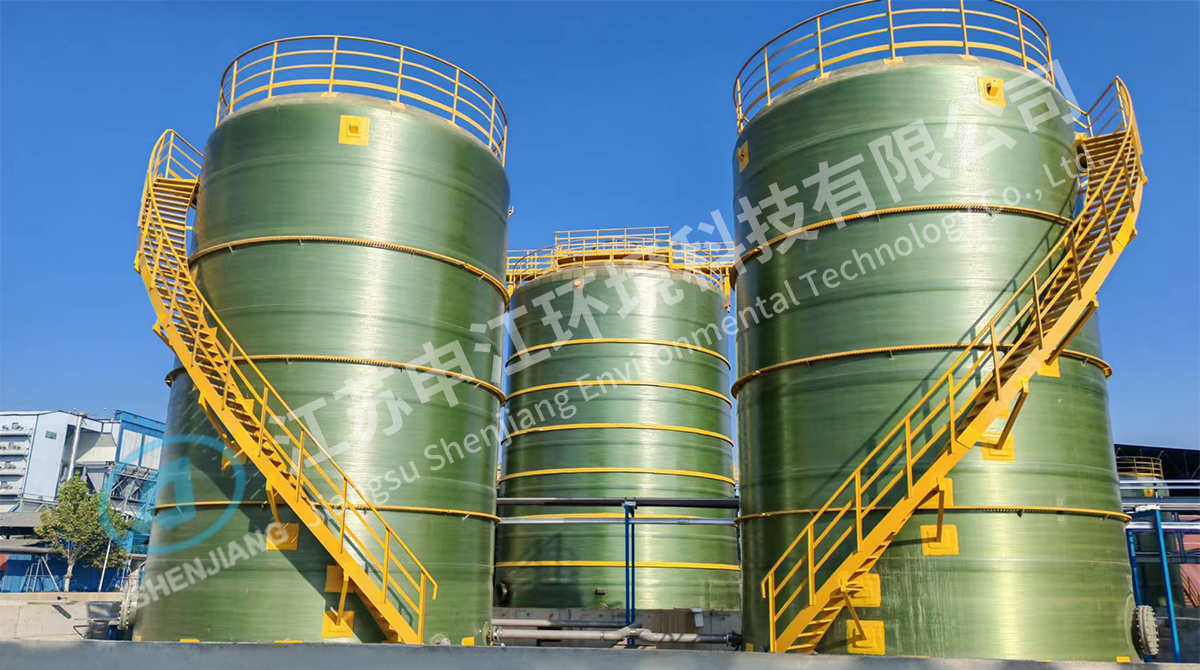
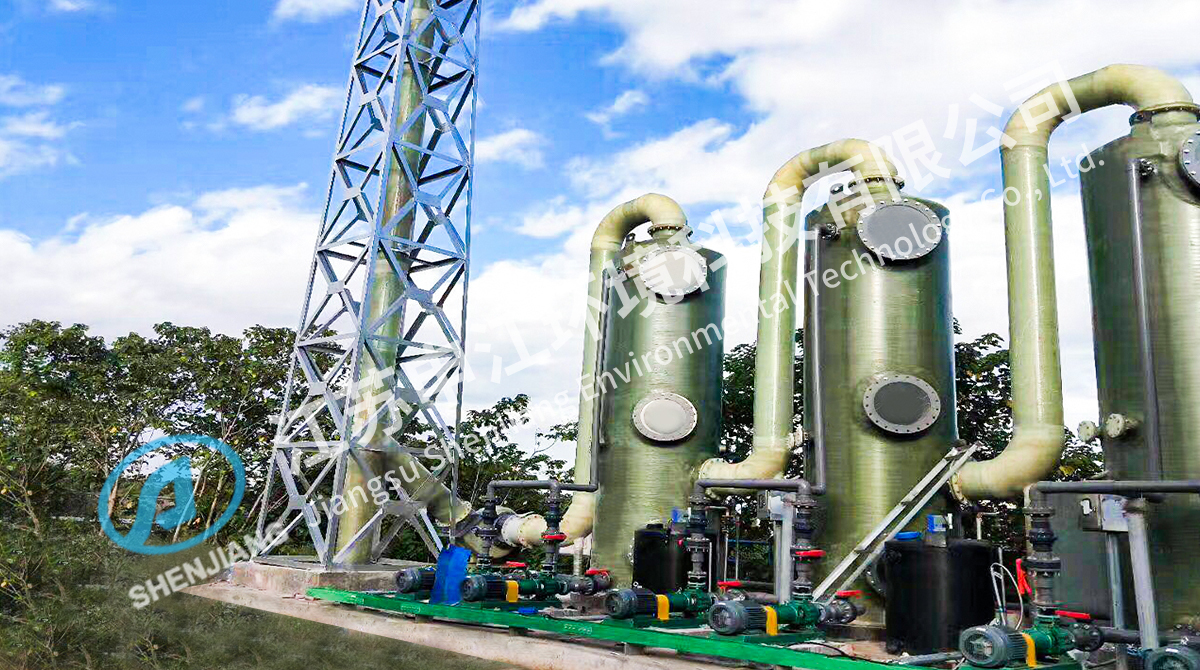
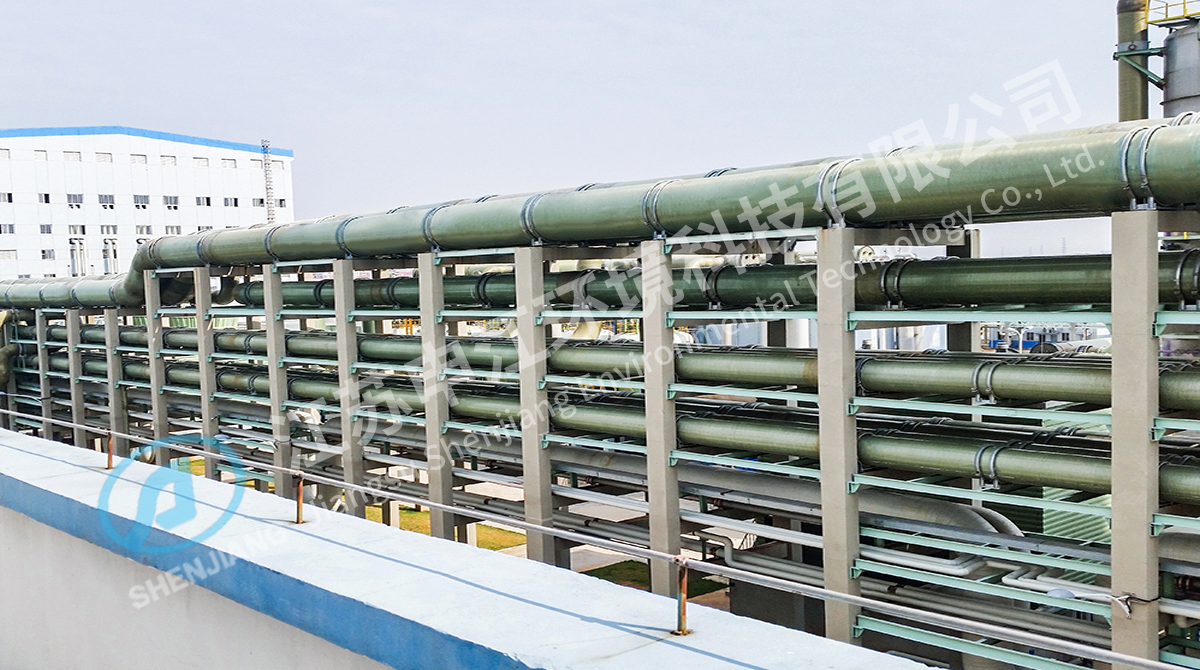
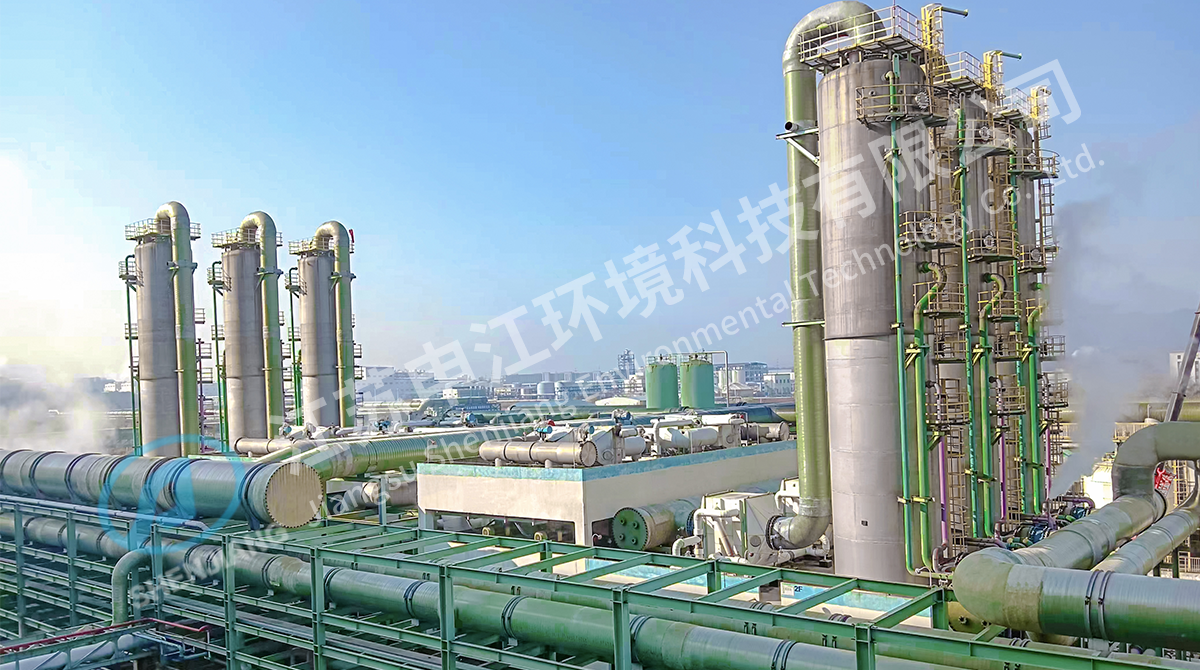
Fiberglass Reinforced Plastic (FRP) has become the definitive material standard for managing highly corrosive fluids in modern industrial processing. While a standard FRP tank offers exceptional resistance to basic chemical storage, the aggressive environments found in environmental flue gas cleanup demand highly specialized engineering. Specifically, a Denitrification FRP tank and a Desulfurization FRP tank are not merely storage units; they are advanced, multi-layered chemical reactors designed to withstand extreme thermal shocks, abrasive slurries, and precise biochemical or catalytic reactions.
Material Architecture and Structural Composition
The primary differentiator between standard atmospheric storage vessels and specialized environmental process tanks lies in their resin formulation and structural reinforcement strategies. Standard vessels typically employ orthophthalic or isophthalic polyester resins, which provide adequate protection for mild acids, alkalis, and water treatment chemicals. However, these formulations fail rapidly under the harsh conditions of heavy emission control systems.
A Denitrification FRP tank—frequently utilized in Selective Catalytic Reduction (SCR) or Selective Non-Catalytic Reduction (SNCR) systems—must safely store and manage pure ammonia or urea solutions. The inner corrosion barrier of these tanks requires premium vinyl ester resins combined with synthetic surfacing veils (such as Nexus veils) to prevent chemical permeation. Conversely, a Desulfurization FRP tank operates in Flue Gas Desulfurization (FGD) scrubbers, where it faces a brutal combination of abrasive limestone slurries, high-velocity gases, and sulfuric acid byproducts. To combat this, these tanks integrate specialized carbon glass veils and ceramic-filled wear layers to prevent mechanical erosion.
| Technical Parameter |
Standard FRP Tank |
Denitrification FRP Tank |
Desulfurization FRP Tank |
| Primary Resin Matrix |
Isophthalic Polyester / Standard Vinyl Ester |
Premium Bisphenol-A Epoxy Vinyl Ester |
Chlorendic Anhydride / Novolac Vinyl Ester |
| Corrosion Barrier Design |
0.5 mm to 1.2 mm standard glass veil |
2.5 mm high-permeation resistant synthetic veil |
3.0 mm to 5.0 mm abrasive-resistant ceramic compound barrier |
| Temperature Threshold |
Up to 60°C (140°F) |
Up to 95°C (203°F) continuous |
Up to 120°C (248°F) continuous / excursions to 180°C |
| Abrasive Resistance |
Low (Fluid static storage only) |
Moderate (Agitated fluid management) |
Extreme (High-solids slurry handling) |
Chemical Compatibility and Degradation Resistances
Evaluating chemical compatibility requires looking closely at the specific degradation mechanisms unique to each industrial application. Standard industrial applications rarely face alternating chemical environments. They hold a single substance at a controlled temperature, making structural fatigue rare unless mechanical stress occurs.
Engineering Note: When managing volatile nitrogen oxides and sulfur oxides, the FRP matrix must resist both chemical oxidation and mechanical shear simultaneously. A failure to match the correct resin type to the specific gas profile will drastically shorten the equipment lifespan.
In denitrification processes, the chemical stress originates from the alkalinity of ammonia reactants or the crystal formation profiles of concentrated urea. The Denitrification FRP tank must maintain structural integrity against structural blistering caused by basic osmotic pressures. If a standard resin is substituted, the ester linkages within the polymer matrix undergo hydrolysis, leading to rapid delamination and structural failure within less than 24 months of continuous operation.
Desulfurization systems present a completely opposite chemical challenge. The environment inside a Desulfurization FRP tank is intensely acidic, driven by the absorption of sulfur dioxide gas which converts into sulfurous and sulfuric acids. Furthermore, the inclusion of limestone or lime creates a highly abrasive slurry with a solids content often exceeding 15% by weight. The internal structural laminate must therefore feature an elastomeric modified vinyl ester compound capable of absorbing the kinetic energy of continuous particle impacts without micro-cracking.
Lamination Engineering and Manufacturing Standards
The structural integrity of these vessels depends heavily on the winding techniques used during manufacturing. Standard industrial tanks are usually fabricated using automated chop-hoop winding or basic filament winding methods, optimizing circumferential strength for hydrostatic head pressures. The structural thickness is uniform, focusing primarily on holding the weight of the liquid.
Process-specific tanks require sophisticated, multi-axis filament winding configurations to handle complex dynamic loads:
- Bi-axial & Helical Winding Patterns: Applied at precise angles (typically between 45° and 55°) to balance internal pressure resistance with the longitudinal stiffness needed to support heavy top-mounted mixers, internal spray headers, and gas distribution packing grids.
- Integrally Molded Flanges and Nozzles: Hand-laid directly into the tank shell body using continuous glass reinforcement sheets to completely eliminate weak points at high-stress connection joints.
- Vacuum Infusion and Heat Curing: Controlled post-curing cycles in thermal ovens maximize the glass transition temperature of the resin, ensuring the tank handles temperature spikes without losing structural stiffness.
Total Cost of Ownership and Investment Lifespan
A direct capital expenditure (CAPEX) comparison shows that specialized process vessels require a larger upfront investment than standard fluid storage systems. A custom-engineered Denitrification FRP tank or Desulfurization FRP tank can cost 40% to 85% more than a standard FRP tank of identical volumetric capacity. This premium stems from the use of advanced vinyl ester resins, specialized reinforcement materials, and the rigorous quality control testing required for heavy industrial emissions compliance.
However, focusing solely on initial acquisition costs misrepresents the long-term economics of heavy processing plants. Standard tanks deployed into aggressive desulfurization environments often suffer catastrophic wall thinning or structural stress fractures within two to three years, leading to unplanned facility shutdowns. A properly engineered desulfurization vessel routinely achieves an operational lifespan exceeding 20 years with minimal maintenance. The avoidance of a single unscheduled patch repair or emergency shutdown easily offsets the initial CAPEX premium within the first few years of installation.
System Integration and Operational Considerations
Integrating specialized vessels into an operational industrial plant requires careful structural and mechanical planning. Standard tanks are generally plug-and-play installations, requiring only a flat concrete pad and simple flexible piping connections. Process tanks, however, act as dynamic hubs within a larger environmental control system.
For example, a Desulfurization FRP tank must interface seamlessly with heavy slurry recirculation pumps, aeration piping grids, and mist eliminator wash systems. The structural design must account for large dynamic loads, including liquid sloshing, agitator torque, and high-velocity gas streams. This requires heavy-duty internal baffles, reinforced bottom support rings, and precise structural calculations to prevent shell buckling from internal vacuums or sudden pressure drops.
Similarly, a Denitrification FRP tank handling hazardous anhydrous or aqueous ammonia requires specialized safety features. These include integrated dual-wall secondary containment options, continuous leak detection sensors, and dedicated top-mounted spray systems to rapidly manage thermal spikes or chemical vapor buildup. This ensures full compliance with strict local environmental and occupational safety regulations.
Frequently Asked Questions
Can a standard FRP tank be retrofitted for use in a flue gas desulfurization system?
No, retrofitting a standard tank for this application is generally not recommended. Standard tanks lack the thick, abrasive-resistant vinyl ester liner and the structural reinforcing needed to withstand the high temperatures, acidic environment, and heavy slurry friction found in desulfurization systems. Doing so creates a high risk of catastrophic structural failure.
What specific manufacturing standards govern the production of a Denitrification FRP tank?
These specialized vessels are designed and built to strict international standards for pressure vessels and chemical handling, including ASME RTP-1 (Reinforced Thermoset Plastic Corrosion Resistant Equipment), ASTM D3299 for filament-wound tanks, and BS EN 13121 for industrial FRP vessels.
How do temperature spikes affect a Desulfurization FRP tank compared to standard vessels?
A specialized desulfurization vessel uses high-$T_g$ (glass transition temperature) vinyl ester resins that let it handle continuous operation up to 120°C, and brief emergency gas bypass spikes up to 180°C without softening. A standard tank would experience structural softening, resin degradation, and eventual wall collapse under similar conditions.
What maintenance routines are required to ensure a 20+ year lifespan for these process tanks?
Key maintenance steps include annual internal visual inspections to check for liner wear, ultrasonic thickness testing to monitor erosion in high-velocity zones, and checking the torque on agitator and nozzle flange connections. The smooth interior of premium resins also makes cleaning and inspection much simpler than traditional steel alternatives.
Why is FRP preferred over stainless steel for denitrification and desulfurization applications?
FRP provides superior overall corrosion resistance at a lighter weight and lower total lifecycle cost than high-grade alloys like 316L stainless steel, Duplex, or Nickel-based metals. It completely eliminates the risks of pitting corrosion and chloride stress corrosion cracking, which are common causes of failure in steel tanks exposed to sulfur and nitrogen flue gases.




 English
  中文简体
中文简体 Español
 عربى
عربى русский
 ไทย
ไทย Indonesia
 Tiếng Việt