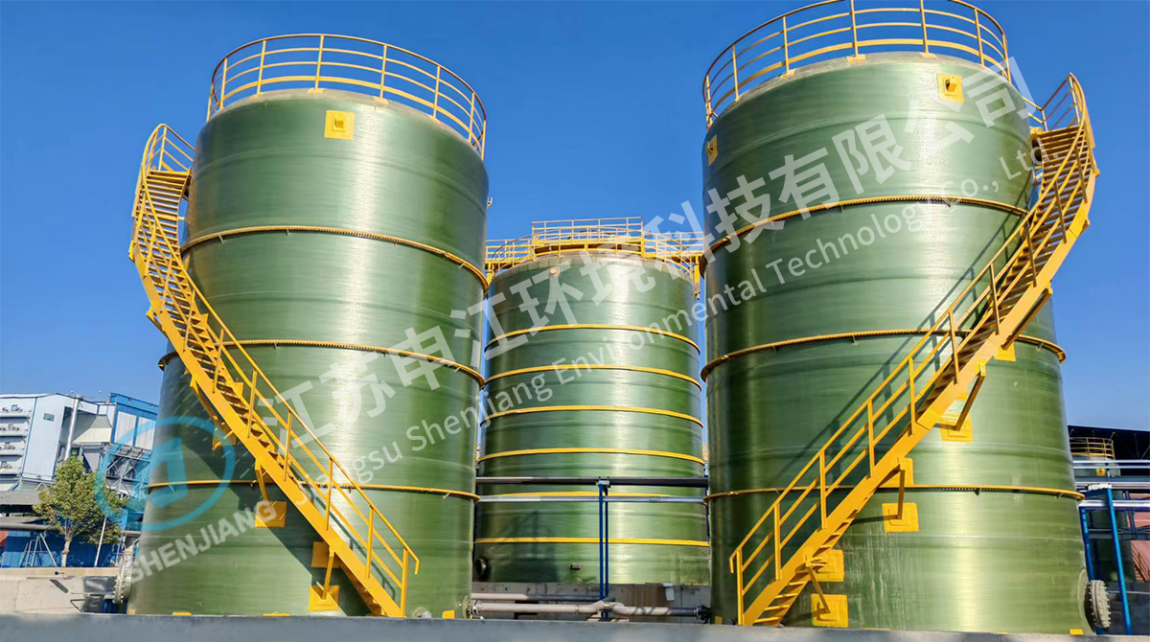

FRP Equipment Provides Durable and Cost-Effective Solutions for Flue Gas Treatment
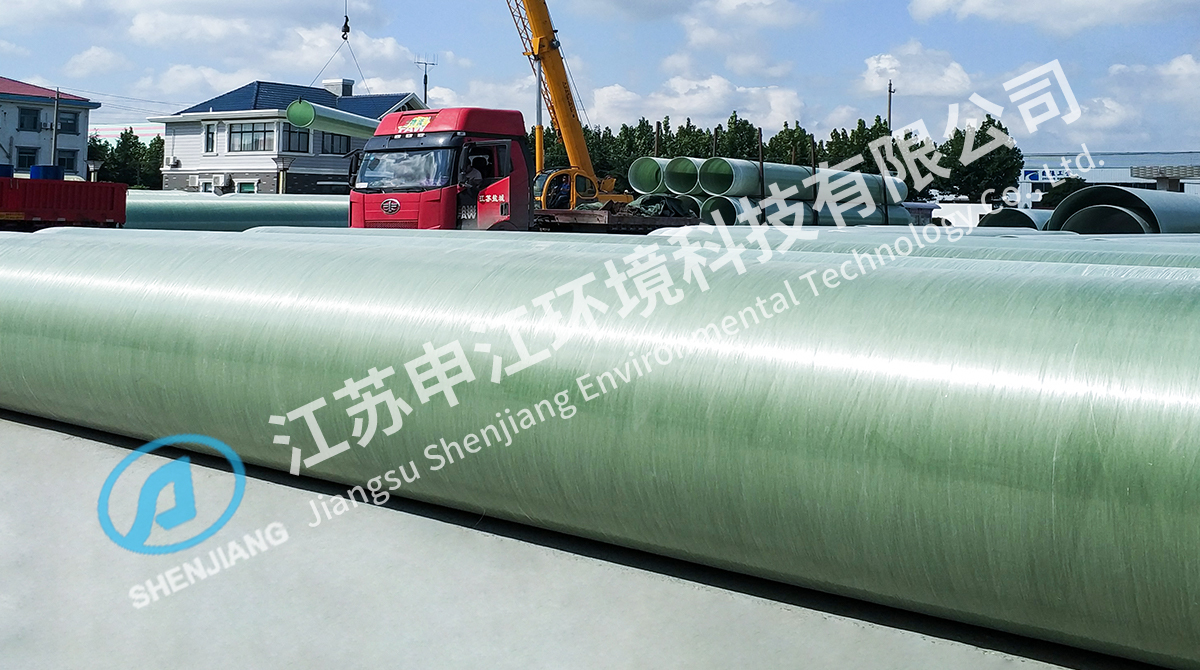
FRP desulfurization equipments and FRP denitrification equipments offer superior corrosion resistance, long service life, and lower lifecycle costs compared to traditional steel systems. Widely used in power plants, chemical processing, and industrial exhaust treatment, FRP products have become essential for handling aggressive gases such as SO₂ and NOx under high humidity and acidic conditions.
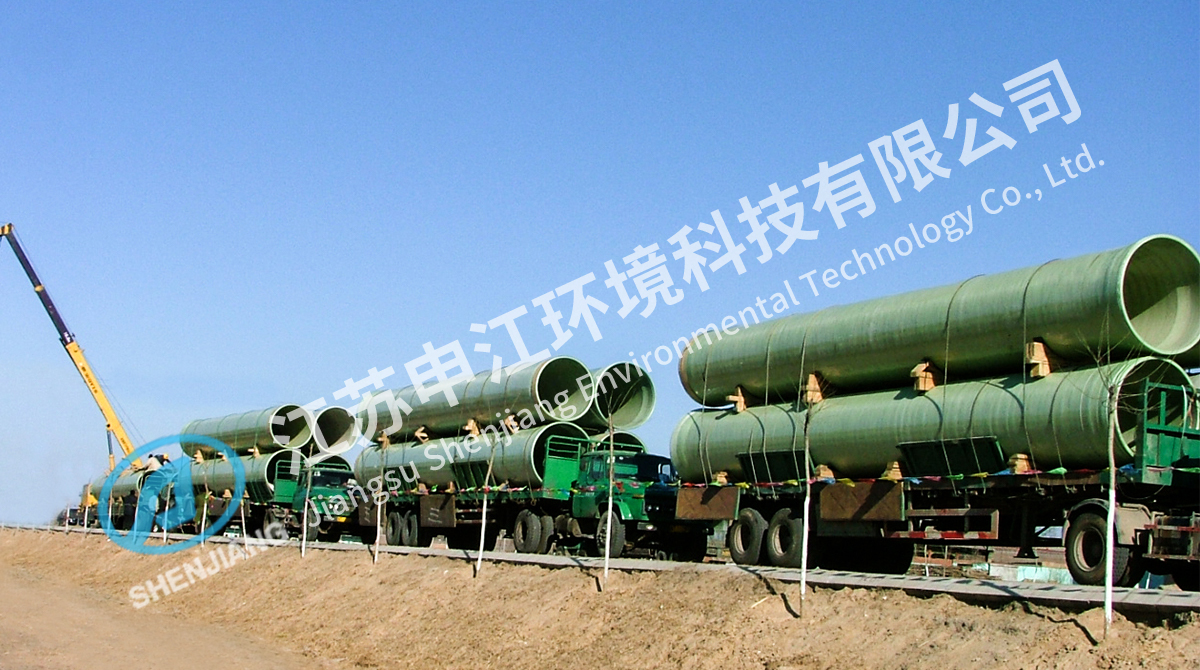
By combining lightweight structure with high mechanical strength, FRP equipments reduce installation complexity while maintaining structural reliability, making them a preferred solution in modern environmental engineering systems.

Material Characteristics of FRP Products in Industrial Applications
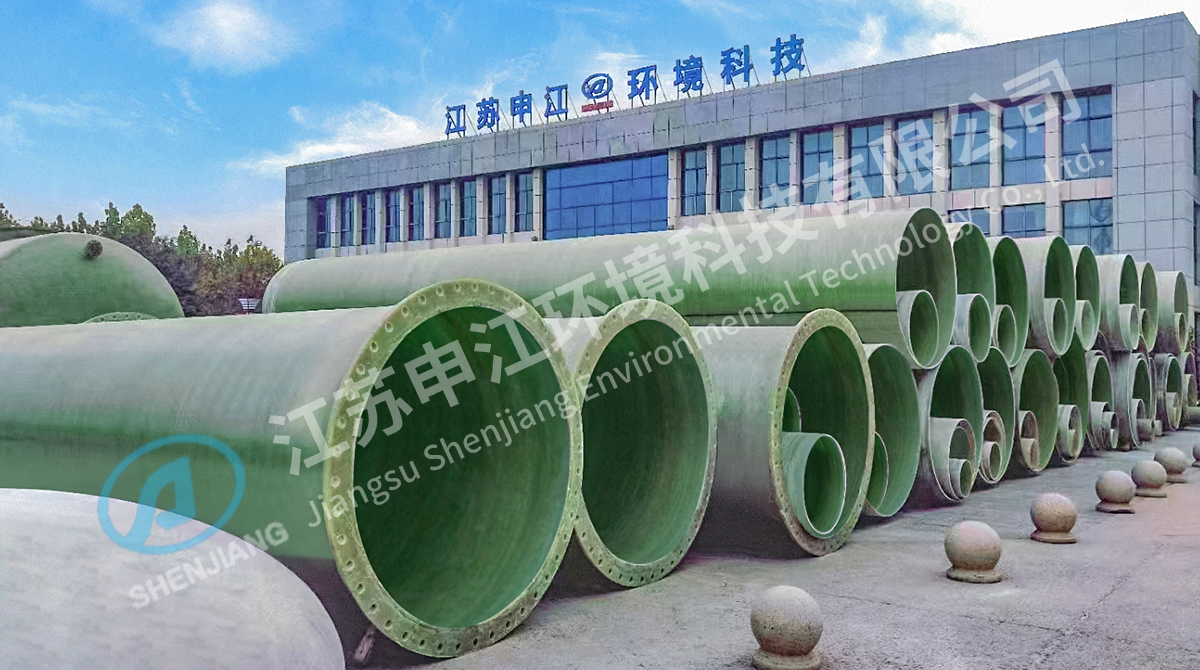
Fiber Reinforced Plastic (FRP) is a composite material made from glass fibers embedded in a polymer matrix, typically polyester, vinyl ester, or epoxy resin. This combination results in a material that performs exceptionally well in harsh chemical environments.
Core Advantages of FRP Equipments
- Excellent corrosion resistance against acids, alkalis, and salts
- High strength-to-weight ratio, reducing structural load
- Thermal stability in operating temperatures up to 120°C (customizable)
- Low maintenance requirements and long lifespan
Compared to carbon steel, FRP materials can achieve 2–3 times longer service life in corrosive environments, significantly reducing replacement frequency and downtime.
Working Principles of FRP Desulfurization Equipments
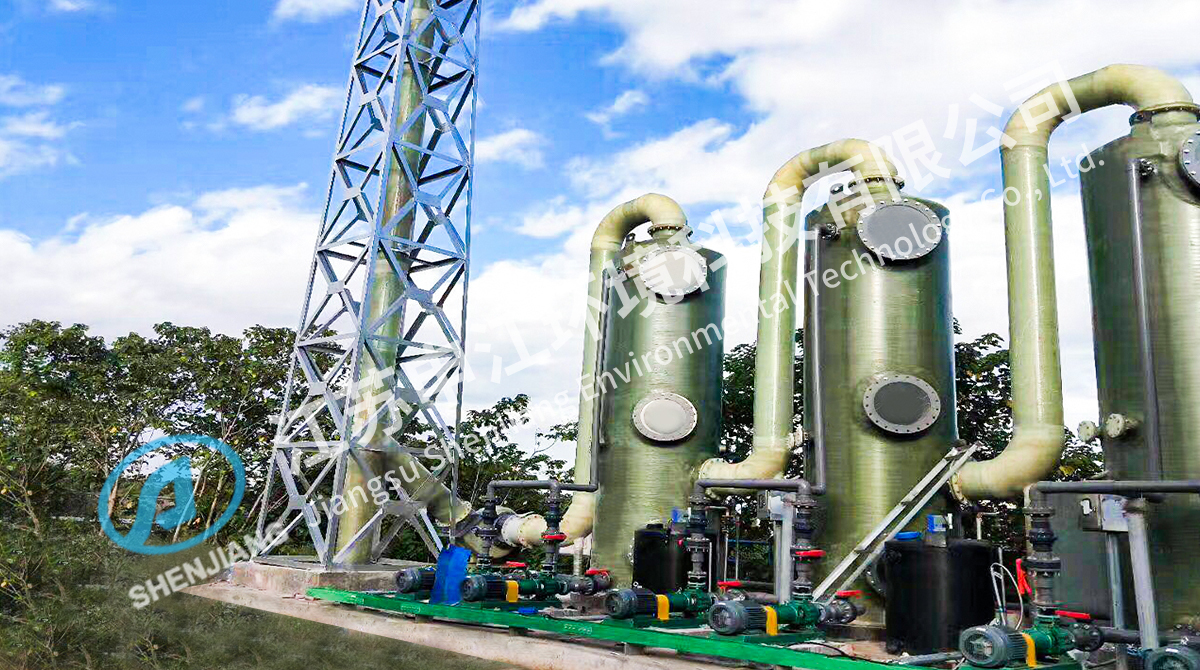
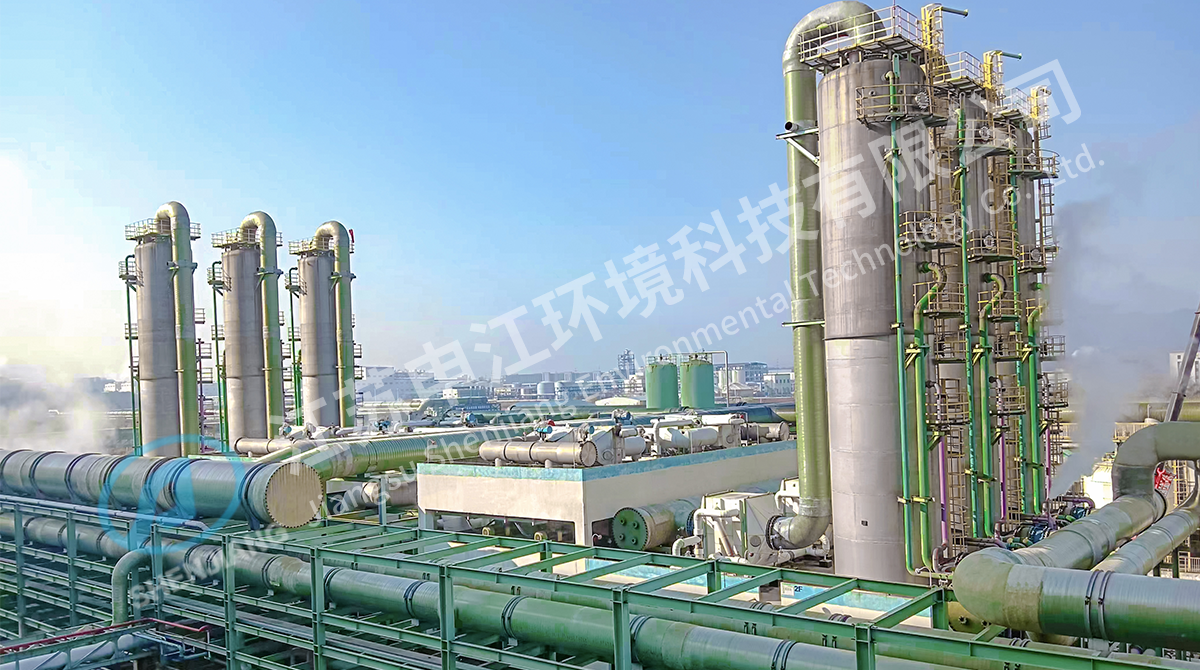
FRP desulfurization equipments are primarily used in flue gas desulfurization (FGD) systems to remove sulfur dioxide emissions. These systems commonly employ wet scrubbing processes where flue gas is contacted with an alkaline slurry.
Typical Process Flow
- Flue gas enters the scrubber tower
- Alkaline slurry (e.g., limestone) is sprayed
- SO₂ reacts to form gypsum or sulfates
- Clean gas exits through a mist eliminator
Desulfurization efficiency can exceed 95% in optimized FRP systems, especially in coal-fired power plants where high sulfur content fuels are used.
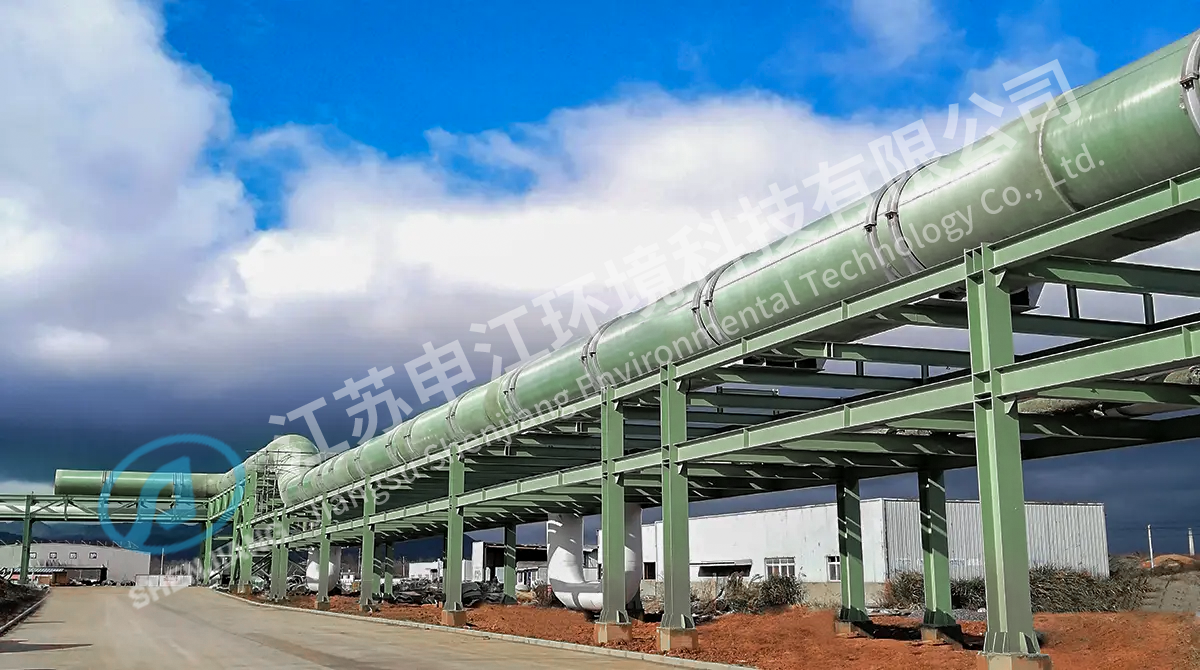
FRP is particularly suitable for scrubber towers, spray headers, and ducting because these components are continuously exposed to acidic condensates and abrasive particles.
Design and Function of FRP Denitrification Equipments
FRP denitrification equipments are used to reduce nitrogen oxides (NOx) emissions through processes such as Selective Catalytic Reduction (SCR) and Selective Non-Catalytic Reduction (SNCR).
Key Functional Components
- Reactor housing made of FRP for corrosion resistance
- Ammonia or urea injection system
- Catalyst layers for NOx reduction
- Gas distribution and flow control systems
In SCR systems, NOx reacts with ammonia in the presence of a catalyst to form nitrogen and water. These systems can achieve NOx removal efficiencies of 70%–90% depending on operating conditions.
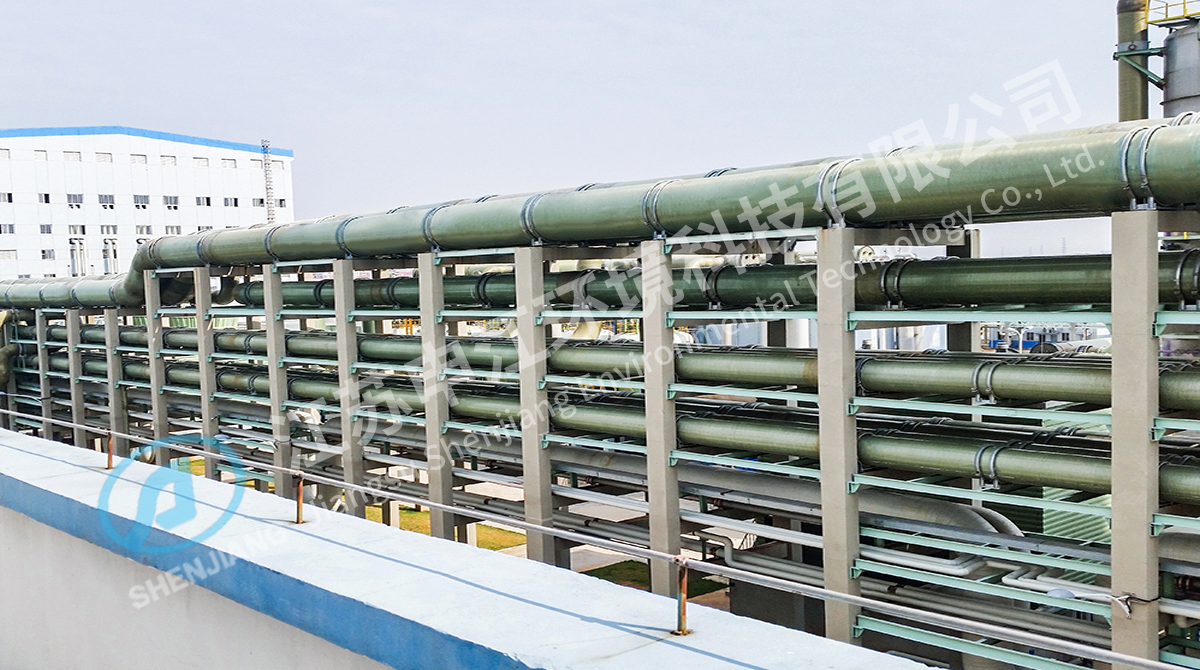
FRP products are often used in downstream ductwork and housings where temperatures are moderate and corrosion risk is high.
Comparison Between FRP Equipments and Traditional Materials
Choosing the right material for desulfurization and denitrification systems significantly impacts operational efficiency and cost. The table below compares FRP with commonly used materials.
| Property |
FRP Equipments |
Carbon Steel |
Stainless Steel |
| Corrosion Resistance |
Excellent |
Poor |
Good |
| Weight |
Light |
Heavy |
Heavy |
| Maintenance Cost |
Low |
High |
Medium |
| Service Life |
20+ years |
5–10 years |
10–15 years |
Performance comparison of FRP equipments and traditional materials
The data clearly shows that FRP products provide the best overall balance of durability and cost efficiency in corrosive industrial environments.
Typical Industrial Applications of FRP Products
FRP equipments are widely applied across industries that require reliable handling of corrosive gases and liquids.
Key Application Areas
- Coal-fired power plants (FGD and SCR systems)
- Chemical processing facilities
- Waste incineration plants
- Metallurgical industries
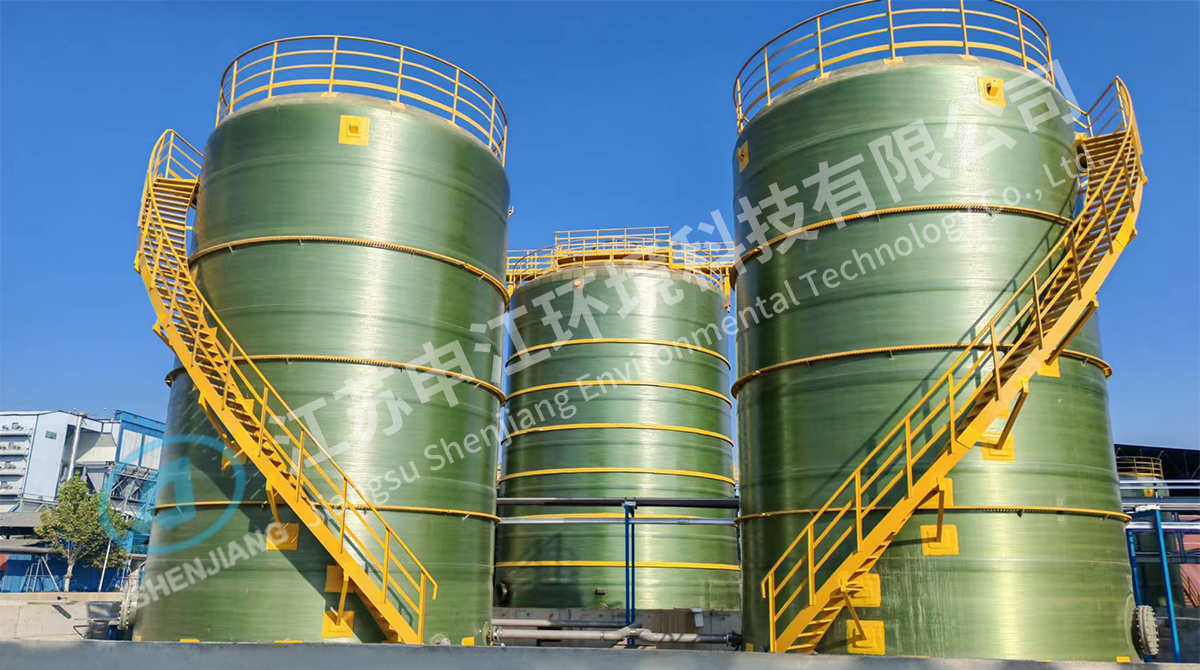
In large-scale power plants, FRP desulfurization towers can reach heights of over 30 meters while maintaining structural integrity and corrosion resistance.
Installation and Maintenance Considerations for FRP Equipments
Proper installation and maintenance are essential to maximize the lifespan of FRP products. Although FRP is relatively low-maintenance, attention to detail during setup can prevent long-term issues.
Installation Best Practices
- Ensure proper alignment to avoid stress concentration
- Use compatible sealing materials
- Avoid excessive mechanical impact during handling
Maintenance Recommendations
- Regular inspection for surface wear or cracks
- Periodic cleaning to remove chemical deposits
- Repair minor damage using resin-based patching
With proper maintenance, FRP equipments can operate reliably for more than two decades, even in highly aggressive environments.