
Jiangsu Shenjiang Environmental Technology Co., Ltd.

Recruiting Global Agents

Jiangsu Shenjiang Environmental Technology Co., Ltd.
Home / News / Industry News / Flue Gas Treatment: Essential Methods and Environmental Benefits

Flue Gas Treatment: Essential Methods and Environmental Benefits

Understanding Flue Gas Treatment

Flue gas treatment refers to a set of technologies and processes aimed at reducing or removing harmful pollutants emitted from industrial and power plant exhausts. These emissions, commonly produced by fossil fuel combustion, can contain dangerous substances like sulfur dioxide (SO2), nitrogen oxides (NOx), particulate matter, and volatile organic compounds (VOCs). Proper treatment of flue gas is essential for improving air quality, protecting the environment, and ensuring compliance with air pollution regulations.

Key Pollutants in Flue Gas

Flue gas typically contains a range of pollutants that need to be managed to prevent environmental damage. Some of the most common pollutants include:

  • Sulfur Dioxide (SO2): This gas is a major contributor to acid rain and can irritate the respiratory system.
  • Nitrogen Oxides (NOx): These gases play a role in smog formation and contribute to respiratory problems.
  • Carbon Dioxide (CO2): While not a direct pollutant, CO2 is a greenhouse gas that contributes to climate change.
  • Particulate Matter (PM): Fine particles in flue gas can be harmful to human health and the environment.
  • Mercury (Hg): A toxic element that can contaminate water supplies and harm aquatic life.

Flue Gas Treatment Methods

There are several methods used in the treatment of flue gases. These methods vary in their efficiency and the specific pollutants they address. The main types of treatment include:

1. Scrubbing Systems

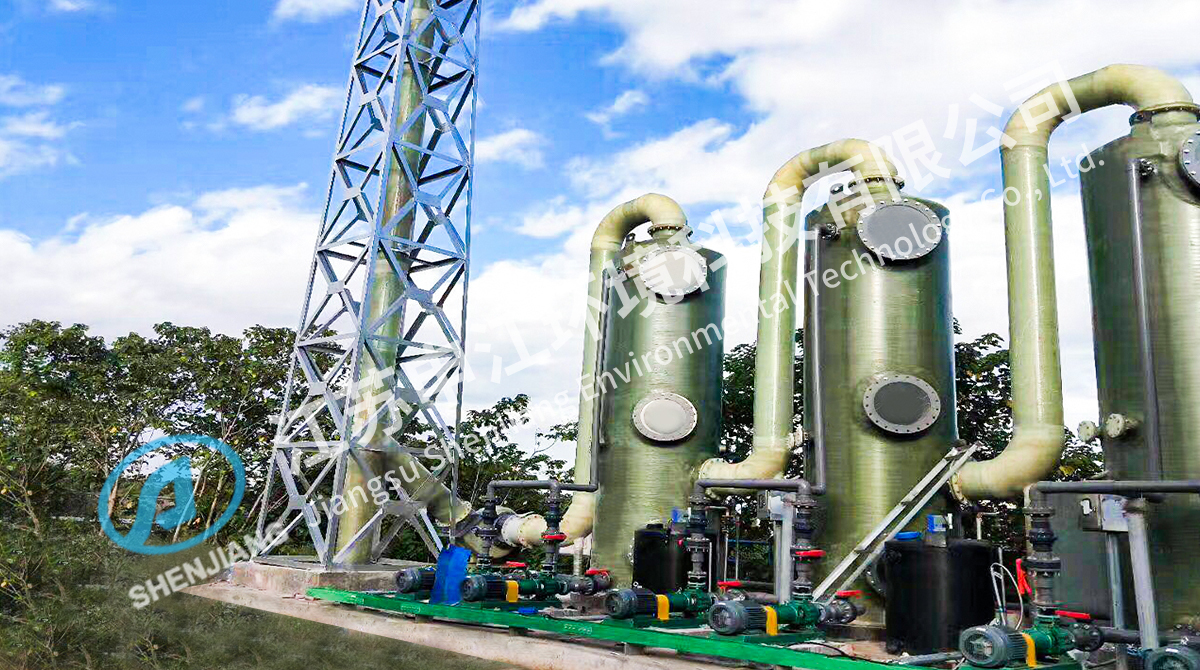
Scrubbers are devices used to remove pollutants from flue gas by using a liquid to wash the gas. The most common type is the wet scrubber, which uses water mixed with chemicals to neutralize or capture pollutants, such as SO2 and particulate matter.

2. Electrostatic Precipitators

Electrostatic precipitators (ESPs) are used to remove fine particulate matter from flue gas by applying an electrical charge to the particles. These particles are then attracted to oppositely charged plates or collected in a hopper.

3. Selective Catalytic Reduction (SCR)

SCR is a process used to reduce NOx emissions by injecting ammonia or urea into the flue gas, where it reacts with a catalyst to break down NOx into harmless nitrogen and water vapor. This is one of the most effective methods for controlling NOx.

4. Flue Gas Desulfurization (FGD)

FGD systems are used to remove sulfur dioxide from flue gas, typically through a chemical reaction with a slurry of limestone or other alkaline materials. This process converts sulfur dioxide into calcium sulfate, which can then be safely disposed of.

5. Carbon Capture and Storage (CCS)

CCS is a technology used to capture CO2 emissions from flue gas before they are released into the atmosphere. The captured CO2 is then stored underground in geological formations. This method is gaining importance in the fight against climate change.

Benefits of Flue Gas Treatment

Flue gas treatment offers numerous environmental and public health benefits. Some of the key advantages include:

  • Improved Air Quality: Reducing harmful emissions like NOx, SO2, and particulate matter leads to cleaner air and less smog formation.
  • Health Protection: By capturing harmful pollutants, flue gas treatment reduces the risk of respiratory diseases and cardiovascular problems caused by air pollution.
  • Compliance with Regulations: Flue gas treatment ensures compliance with local and international air quality regulations, helping industries avoid penalties.
  • Climate Change Mitigation: Technologies like CCS help reduce the impact of greenhouse gas emissions, contributing to global efforts to combat climate change.

Challenges in Flue Gas Treatment

While flue gas treatment technologies are effective, there are several challenges to consider:

  • High Operational Costs: Many flue gas treatment methods, such as CCS, can be expensive to implement and operate.
  • Energy Requirements: Some treatment technologies, like SCR, require significant energy input, which can add to the overall environmental footprint.
  • Complex Maintenance: Some systems require regular maintenance and replacement of components, which can increase operational downtime.
  • Waste Disposal: In some treatment processes, waste products need to be properly managed and disposed of, which can pose logistical challenges.