A chemical fiber plant reviewing bids for environmental protection equipment may see three quotations that all promise a scrubber, ductwork, and commissioning. The decisive difference is not the vessel drawing. It is whether each bidder has defined the exhaust profile, turndown range, condensate path, and interface with the existing process. For a carbon disulfide (CS2) duty, a package that ignores duct slope or fan balance can pass drawing review and still fail in the first month. The rule is simple: specify the duty first, then compare equipment families, materials, and guarantees.
Define the Duty Before the Equipment
Environmental protection equipment is not a catalog item with a single rating. A waste gas system is sized around pollutant, airflow, temperature, moisture, corrosivity, and operating pattern. Two plants with the same stack diameter can need different equipment because one runs continuously and the other cycles between batch peaks. The design basis should be written and signed before quotation comparison; otherwise bidders will price different scopes.
Table 1. Design inputs that should be fixed before comparing environmental protection equipment quotations.
| Parameter |
Why it changes the selection |
Typical question to ask |
| Pollutant and concentration |
Drives the treatment chemistry, residence time, and guarantee point. |
Is the limit based on continuous or batch operation? |
| Airflow and turndown |
Sets vessel size, fan duty, and part-load stability. |
What is the minimum and maximum flow? |
| Temperature |
Affects resin choice, biological activity, and cooling needs. |
Is there a peak temperature during start-up? |
| Moisture and condensate |
Changes corrosion risk, drain design, and reheat requirements. |
Where will liquid collect and how is it removed? |
| Corrosive species |
Determines FRP, alloy, lining, and joint details. |
Are chlorides, acid mist, or seawater present? |
| Duty cycle |
Affects control logic, spares, and maintenance access. |
How many starts and stops occur per week? |
| Available space |
Limits tower height, duct routing, and maintenance clearance. |
Can the system be serviced without a major shutdown? |
| Discharge limit |
Defines the acceptance test and required redundancy. |
Which test method and averaging period apply? |
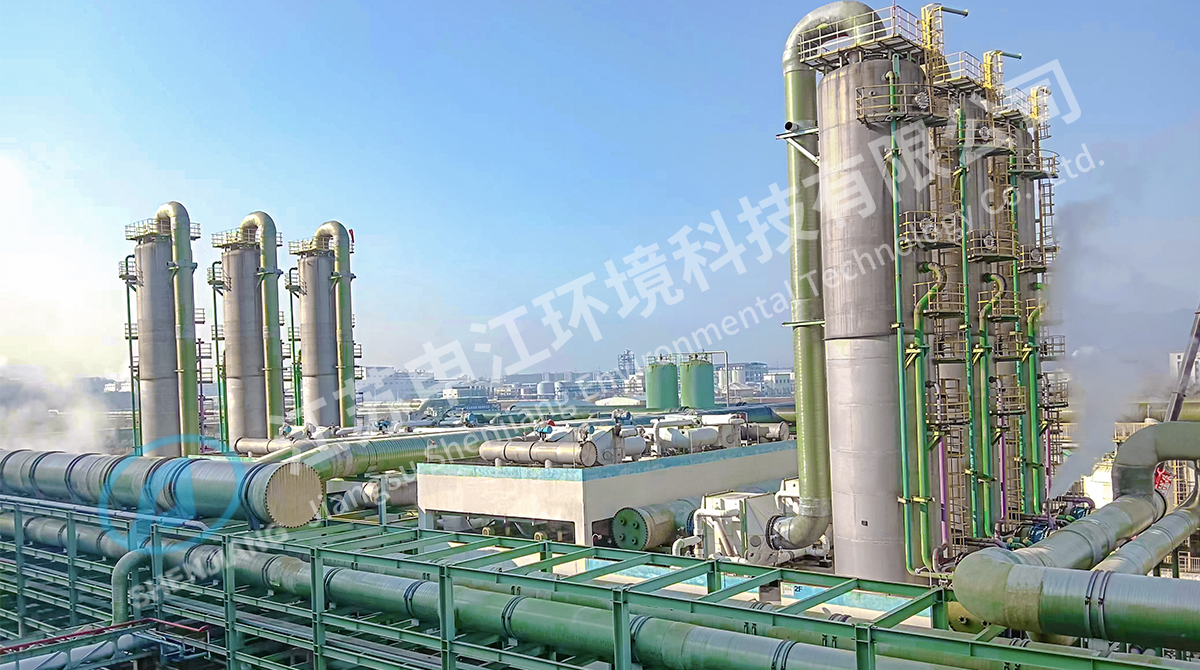
For a CS2-containing stream, the package scope should include the treatment train and connecting pipework, not just the absorption vessel. Review the same basis across bidders: gas conditions, reagent or biological support, fan location, control logic, and commissioning steps.
 Integrated CS2 Exhaust Gas Treatment PackageA complete treatment train for CS2-containing exhaust, spanning collection, concentration-specific treatment, recovery, acid-making, and final desulfurization and denitrification.View Product →
Match Equipment Families to the Pollutant
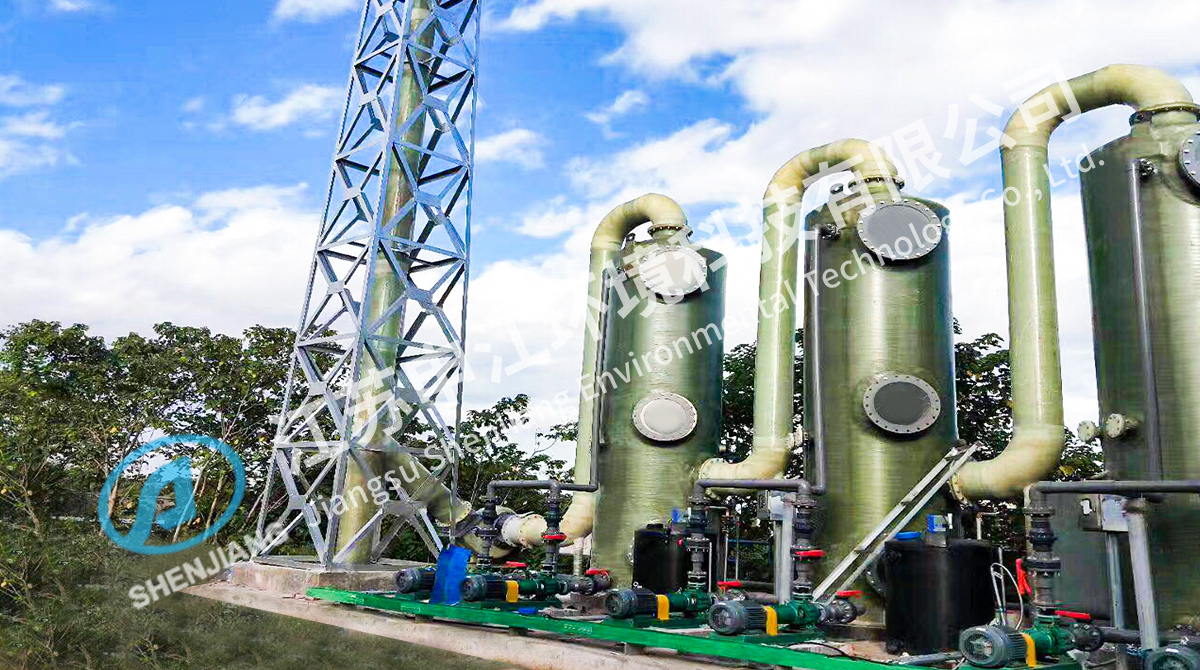
Once duty is fixed, choose the equipment family. A wet scrubber is often selected for water-soluble gases, mists, and some odorous compounds; biological deodorization suits biodegradable odors at suitable temperature and humidity; wet electrostatic precipitation targets fine particulate and acid mist; and acid production recovers sulfur-bearing gases where the process allows. No single family covers every duty.
Table 2. Common equipment families and the constraints that decide their fit.
| Equipment family |
Best-fit duty |
Main constraint |
What to verify |
| Wet scrubber |
Water-soluble gases, mists, and some odors |
Packing height, liquid rate, and demister performance |
Guaranteed outlet concentration and pressure drop |
| Biological deodorization |
Biodegradable odors at moderate conditions |
Temperature, humidity, and shock loading |
Empty-bed residence time and nutrient control |
| Wet electrostatic precipitator |
Fine particulate, acid mist, and heavy-industry flue gas |
Power supply, wash water, and corrosion protection |
Collection area, wash cycle, and inlet pretreatment |
| Acid production system |
Sulfur-bearing gas recovery where the process allows |
Gas strength, impurity limits, and product handling |
Mass balance, materials, and safety interlocks |
| FRP duct and tower |
Corrosive gas transport and scrubbing service |
Resin selection, joints, supports, and UV exposure |
Design temperature, pressure rating, and drain points |
| HVAC and ventilation |
Industrial ventilation, cooling, and air handling |
Air balance, humidity control, and duct leakage |
Fan curve, insulation, and access for cleaning |
The mistake is choosing by equipment name. A scrubber with the wrong packing height, liquid rate, or demister can meet the drawing but miss the limit. A biological system can be compact but sensitive to inlet temperature and shock loads. A wet ESP can handle fine particles but needs attention to power supply, wash water, and corrosion protection. Compare guaranteed outlet concentration and operating envelope, not vessel volume alone.
Materials and Layout Decide Service Life
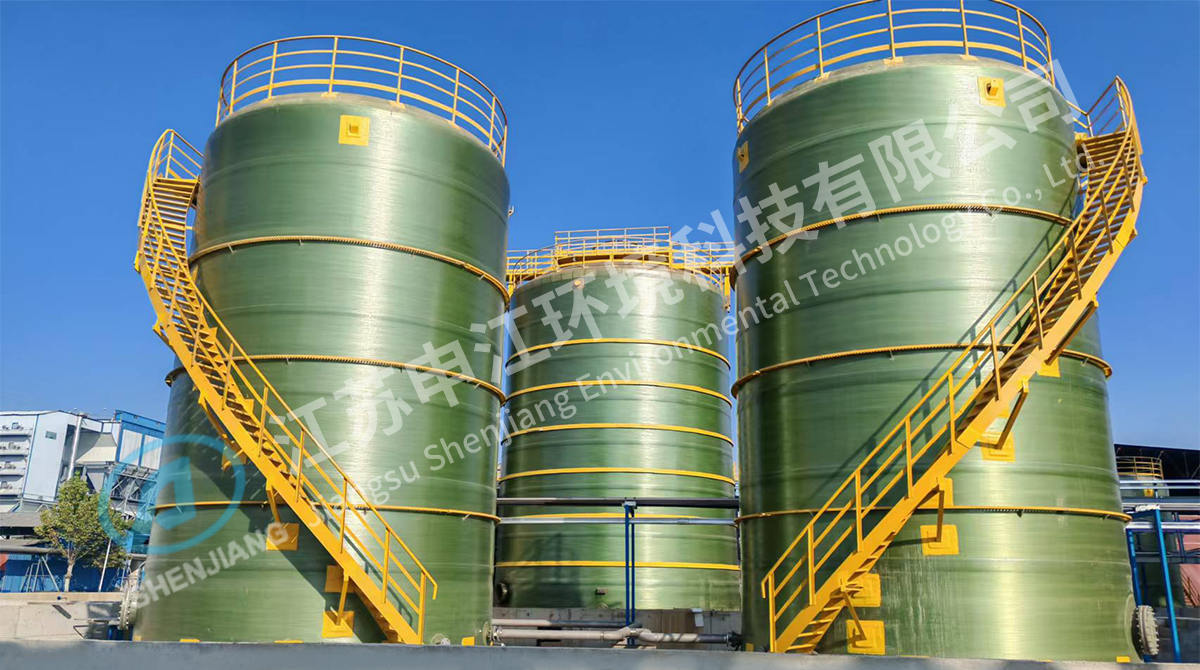
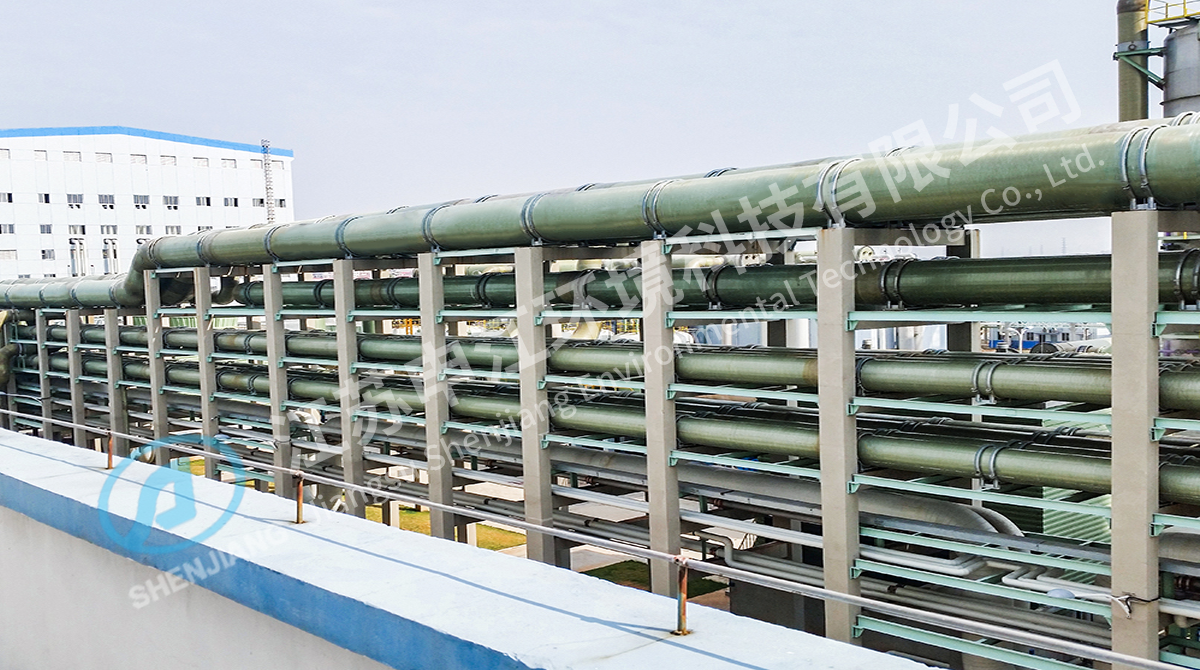
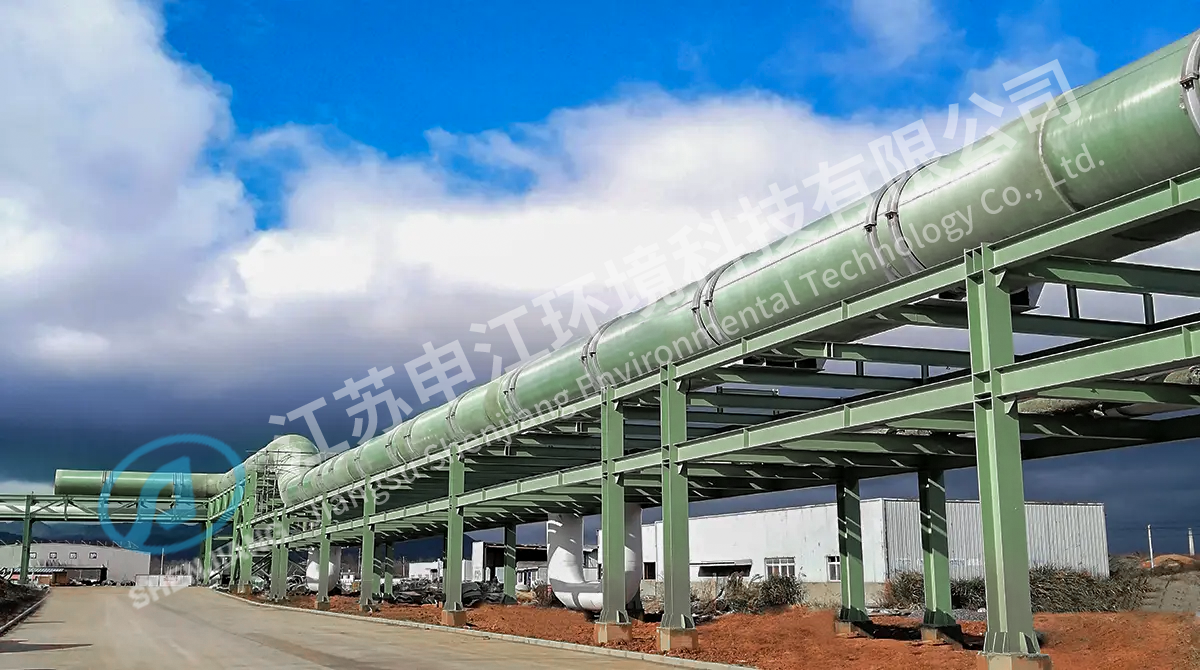
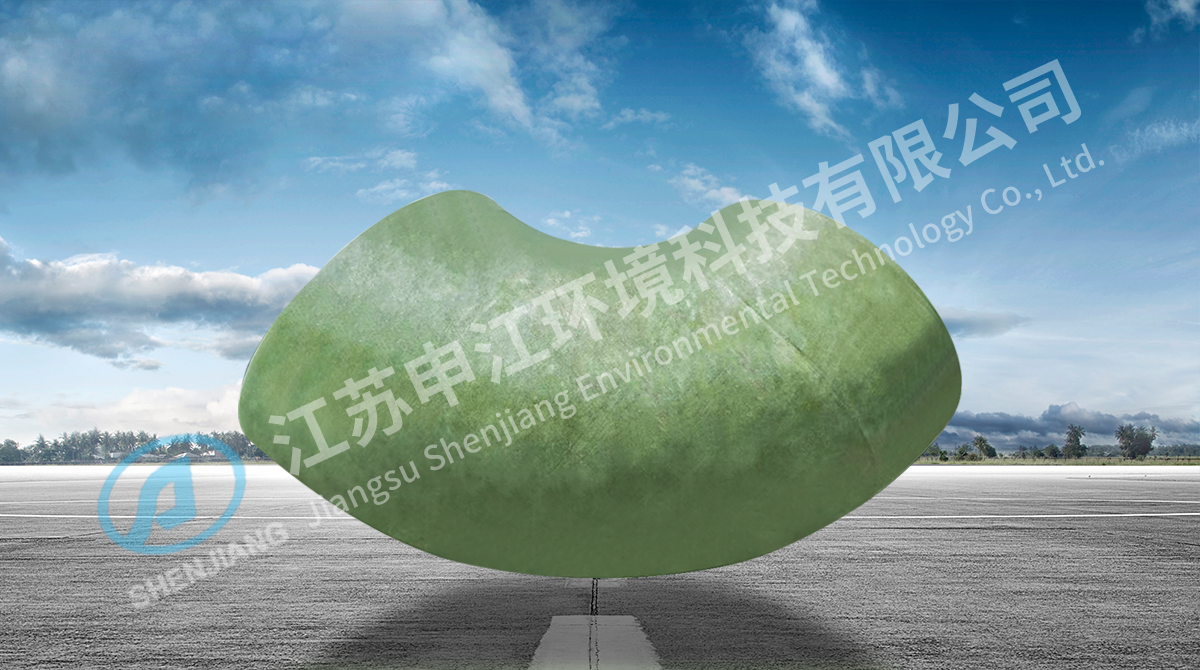
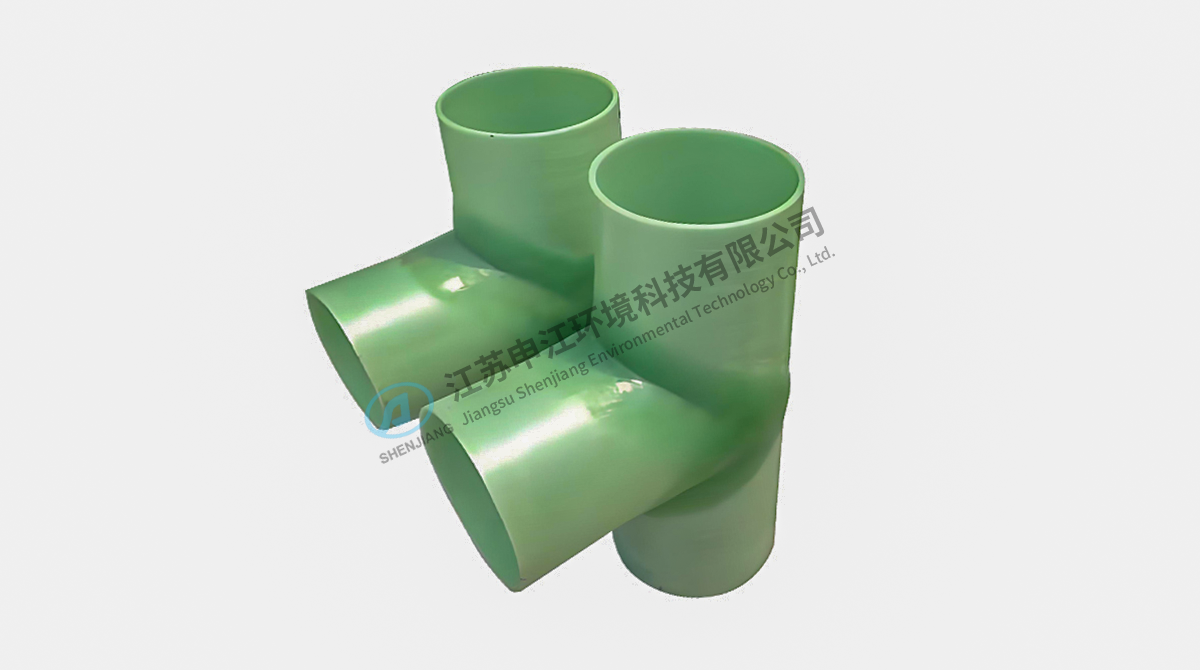
In corrosive service, material schedule is part of treatment performance. FRP ducts, tanks, and towers are common where chlorides, acid mist, seawater, or condensate would shorten carbon steel life. The trade-off is not simply plastic versus steel; it is temperature rating, resin selection, joint detail, support spacing, and resistance to UV and abrasion. A useful reference is this FRP pipe and steel pipe comparison, but final choice depends on the specific gas and cleaning regime.
Layout matters as much as material. Low points collect condensate; long runs change fan static pressure; tight bends create dust drop-out; and a tower placed too close to a building can recycle its own exhaust. During design review, check duct slope and drain points, access doors, sampling ports, and maintenance clearance. These details are cheap on paper and expensive after installation.
Procurement Checks That Reveal Real Capability
Bids for environmental protection equipment often look similar at summary level. Differences appear in engineering deliverables. Ask for a design basis, mass and energy balance, P&ID, material schedule, utility consumption, fan and pump curves, control philosophy, commissioning plan, and spare parts list. A supplier that cannot show these documents is asking the buyer to carry integration risk.
- Confirm the guaranteed emission limit and the test method.
- Check turndown and part-load behavior, not only design flow.
- Compare fan static pressure and system resistance on the same basis.
- Verify material thickness, resin type, joint details, and corrosion allowance.
- Review control logic for start-up, shutdown, upset, and interlock cases.
- Require a commissioning plan with performance test points and acceptance criteria.
Power and heavy-industry projects add dust loading, acid mist, and variable load. A wet electrostatic precipitator may be justified for fine particulate control, but evaluate it with upstream pretreatment and wash-water system. Reviewing reference power-industry projects can show whether the arrangement has been used in comparable gas conditions.
 Wet Electrostatic Precipitator for Industrial ExhaustA wet ESP with high-voltage electrical equipment, gas distribution, corona and precipitation poles, and washing, suited to fine particulate and acid mist duties.View Product →
When a Complete System Is the Better Buy
Component shopping works when the plant has an experienced engineering team, a clear interface plan, and time to coordinate suppliers. A complete system is usually better when exhaust is variable, pollutant mix is complex, or new equipment must fit an existing process with limited shutdown windows. The value is interface management: ductwork, fan balance, reagent supply, controls, structural supports, and commissioning are designed as one system.
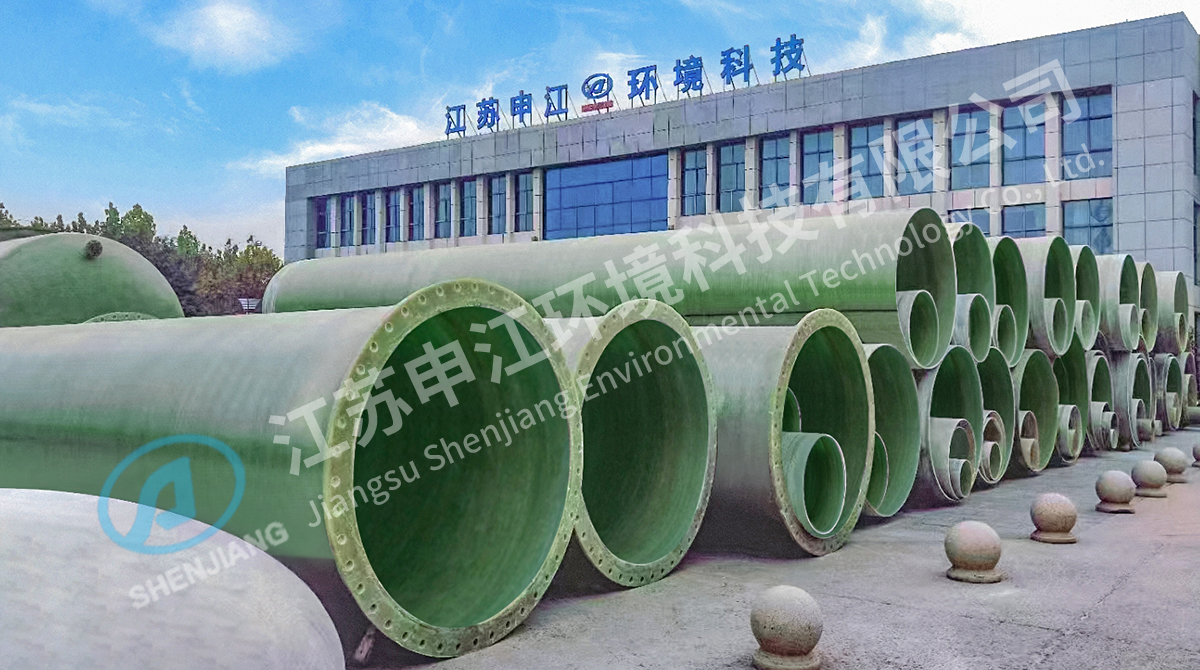
Jiangsu Shenjiang Environmental Technology, for example, builds both composite products and treatment systems. Its public profile describes a company founded in 1996, with 218 employees, 35 technical staff, more than 100 production and test machines, a 3,000 m2 R&D center, and about 35,000 m2 of factory and office space. That combination matters when a project needs FRP ducts, tanks, and towers alongside a waste gas treatment package. The buyer should still verify scope, but a single interface can reduce gaps between vessel, duct, and control system.
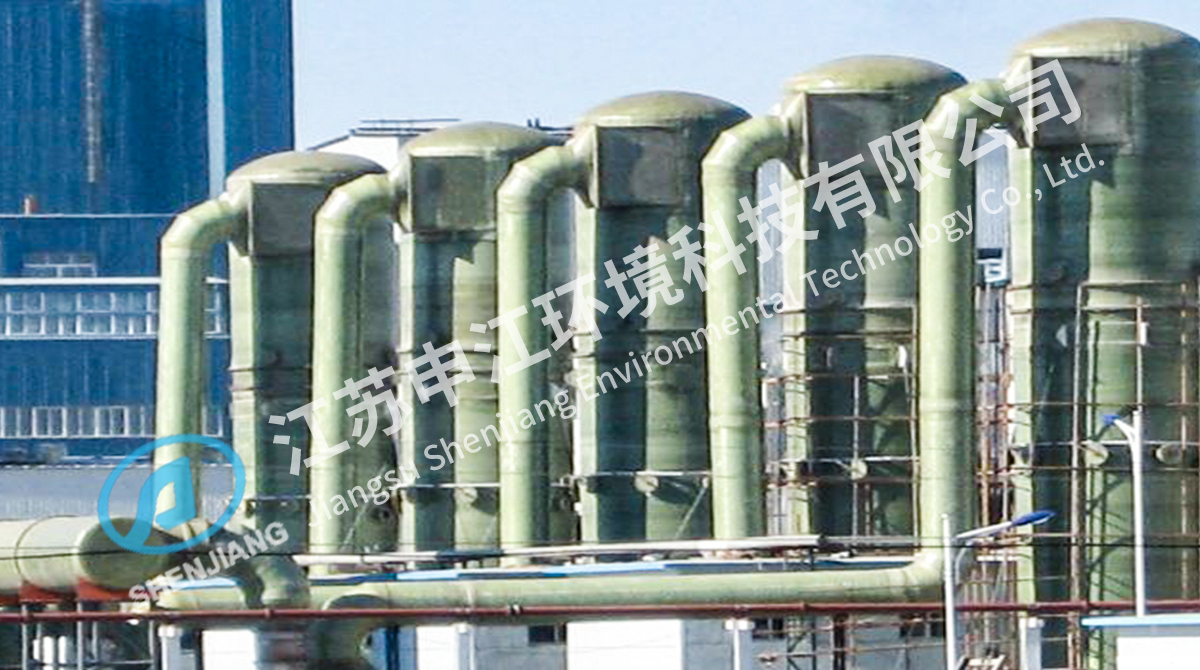 FRP Scrubbing Tower for Corrosive Waste GasA fiberglass-reinforced plastic tower using spray-liquid contact to remove acidic, alkaline, and solvent pollutants from corrosive industrial exhaust streams.View Product →
Commissioning, Spares, and Lifetime Cost
Purchase price is only one line in lifetime cost. Energy for fans and pumps, reagent consumption, water treatment, replacement packing, corrosion repair, and downtime often exceed the initial saving from a low bid. A system that is 5% cheaper at purchase but needs a shutdown every quarter is not cheaper in service. Evaluate every bid on the same operating hours, utility prices, and maintenance interval.
Suggested bid-evaluation weighting for a waste gas project; adjust to the actual duty and site constraints.
| Evaluation area |
Weight |
Relative bar |
| Design basis and guarantees |
30 |
|
| Materials and corrosion protection |
25 |
|
| Controls and operability |
20 |
|
| Installation and commissioning |
15 |
|
| Spares and service |
10 |
|
During commissioning, test at design point and at least one part-load point. Record fan current, pressure drop, pH or reagent dose, wash-water flow, and outlet concentration. Handover should include as-built drawings, operating instructions, a spare-parts list, and a clear response path for breakdowns. These are not paperwork extras; they separate a system that is accepted from one that is actually operated.
The safest buying sequence is therefore: define the exhaust duty, select the equipment family against the pollutant, verify materials and layout, compare engineering deliverables, and test before acceptance. That keeps the discussion on performance and operating cost, where real differences between bids usually sit.




 English
 中文简体
 Español
 عربى
 русский
 ไทย
 Indonesia
 Tiếng Việt