
Jiangsu Shenjiang Environmental Technology Co., Ltd.

Recruiting Global Agents

Jiangsu Shenjiang Environmental Technology Co., Ltd.
Home / News / Industry News / Denitrification FRP Tank & Desulfurization FRP Tank: Industrial Applications & Benefits

Denitrification FRP Tank & Desulfurization FRP Tank: Industrial Applications & Benefits

Industrial Role of Denitrification FRP Tank and Desulfurization FRP Tank

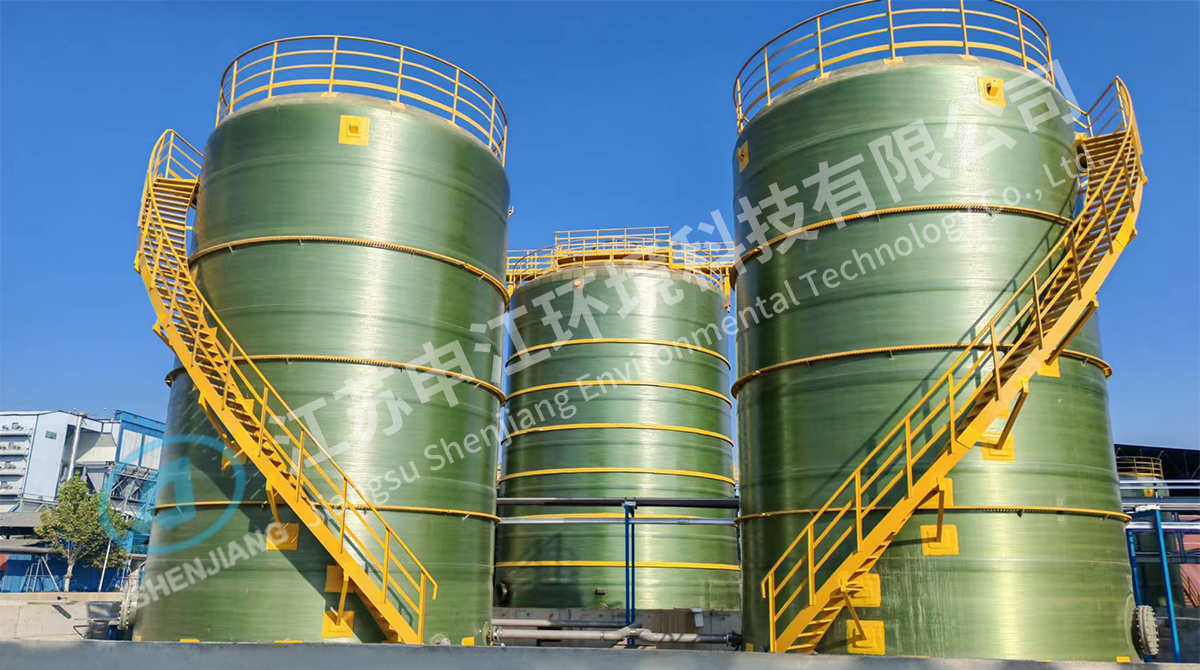
Denitrification FRP tank and desulfurization FRP tank are widely used in environmental protection systems, especially in wastewater treatment and flue gas purification processes. In practical engineering terms, these FRP (Fiber Reinforced Plastic) tanks provide corrosion resistance, long service life, and stable chemical performance under highly aggressive treatment conditions.

Denitrification FRP tanks are designed to remove nitrogen compounds from wastewater, while desulfurization FRP tanks focus on eliminating sulfur dioxide and sulfide-related pollutants. Together, they form essential components in modern pollution control systems for power plants, chemical industries, and municipal treatment facilities.

Working Principles of Denitrification FRP Tank Systems

Biological Denitrification Process

Denitrification FRP tanks typically support biological processes where nitrate (NO₃⁻) is reduced into nitrogen gas (N₂) by anaerobic bacteria. This process helps reduce nitrogen pollution in wastewater discharged from industrial and municipal sources.

Structural Support for Microbial Stability

The FRP structure provides a stable environment resistant to chemical corrosion caused by fluctuating pH levels. Compared with steel tanks, FRP tanks can extend operational lifespan by 30–50% in aggressive wastewater environments.

Hydraulic Efficiency and Flow Control

Proper hydraulic design ensures uniform mixing and sufficient contact time between microorganisms and wastewater. This directly improves nitrogen removal efficiency, often reaching removal rates above 80% in optimized systems.

Desulfurization FRP Tank in Industrial Emission Control

Flue Gas Desulfurization (FGD) Process

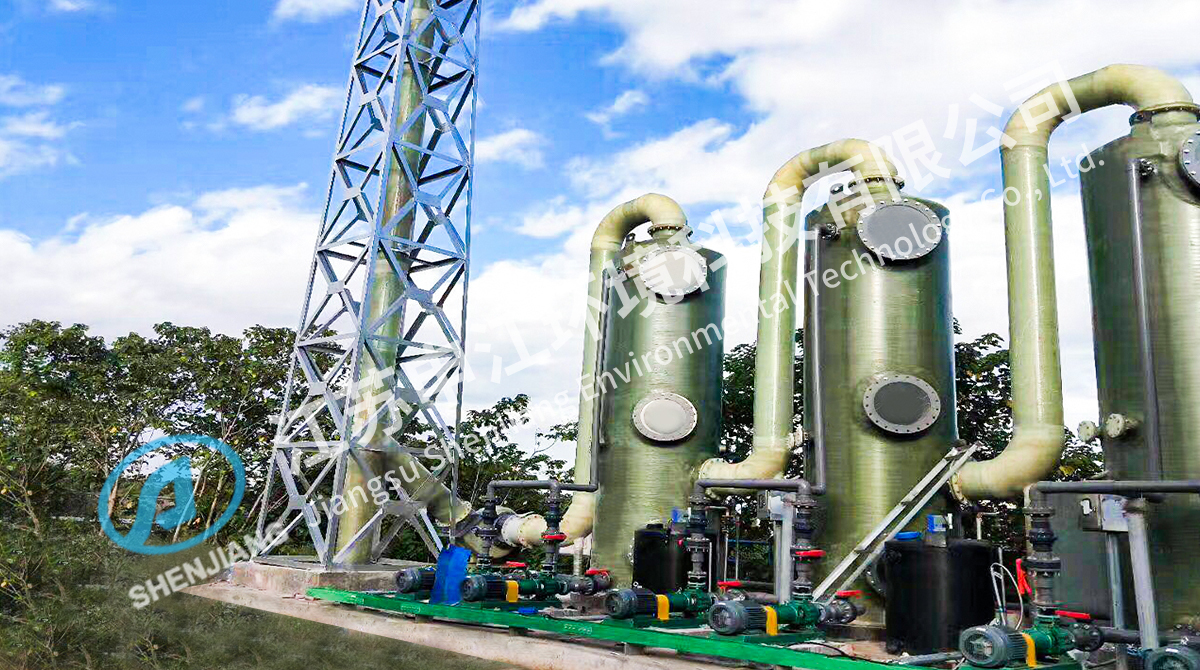
Desulfurization FRP tanks are commonly used in wet flue gas desulfurization systems. In these systems, sulfur dioxide (SO₂) is absorbed into alkaline slurry solutions, where it is converted into gypsum or other stable compounds.

Corrosion Resistance in Acidic Environments

Sulfur-rich environments are highly corrosive, especially in coal-fired power plants. FRP materials resist acid attack far better than traditional steel, offering service lifetimes exceeding 15–20 years with proper maintenance.

Chemical Stability and Maintenance Reduction

FRP tanks reduce maintenance frequency because they do not rust or scale internally. This improves operational uptime and lowers long-term lifecycle costs in desulfurization systems.

Comparison Between Denitrification and Desulfurization FRP Tanks

Feature Denitrification FRP Tank Desulfurization FRP Tank
Main Function Nitrogen removal (NO₃⁻ reduction) Sulfur dioxide removal (SO₂ capture)
Process Type Biological treatment Chemical absorption
Environment Anaerobic/low oxygen Acidic & alkaline slurry systems
Corrosion Level Moderate chemical exposure High acid corrosion
Typical Industry Municipal wastewater, food industry Power plants, chemical plants


Although both systems use FRP materials, their operational environments and chemical mechanisms differ significantly, requiring customized engineering design.

FRP Material Advantages in Environmental Engineering

High Corrosion Resistance

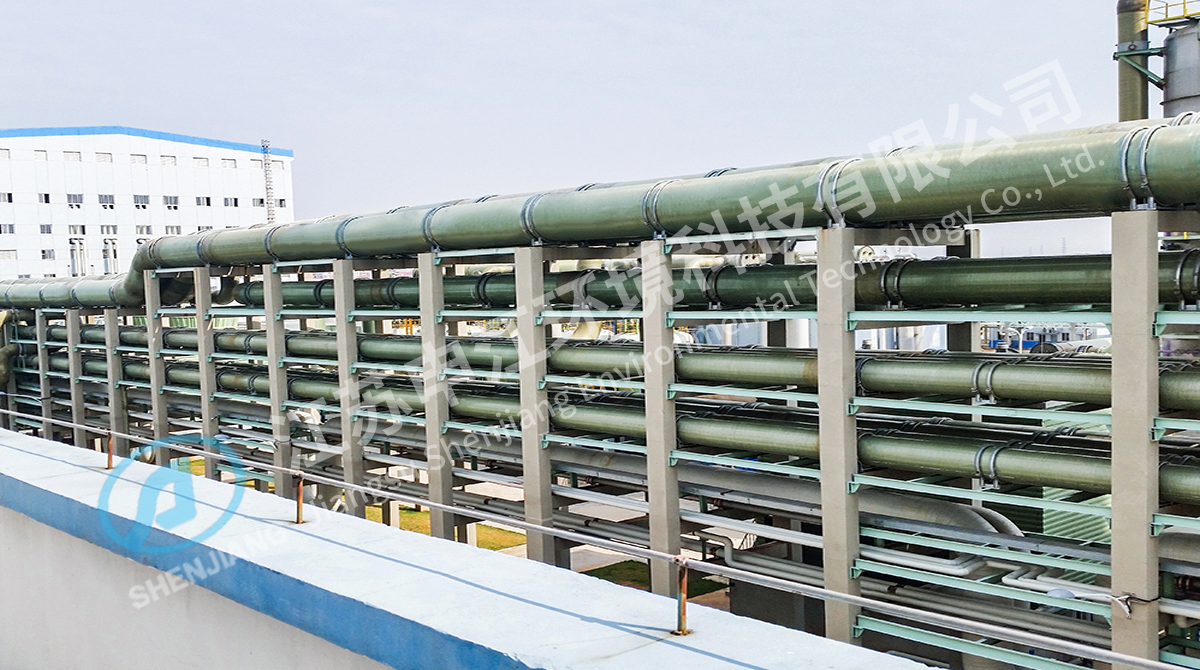
FRP materials are composed of glass fiber reinforcement and thermosetting resins, making them highly resistant to acids, alkalis, and salts. This makes them ideal for both denitrification and desulfurization processes.

Lightweight Structure and Easy Installation

Compared with steel tanks, FRP tanks can reduce structural weight by up to 70%, significantly lowering transportation and installation costs in large-scale environmental projects.

Long-Term Operational Stability

FRP does not rust, scale, or degrade easily, ensuring stable operation even in fluctuating chemical environments over extended periods.

Design Considerations for Industrial FRP Tank Systems

Structural Reinforcement

Large-scale FRP tanks require reinforced layering to handle internal pressure and chemical loading. Fiber orientation and resin selection directly affect mechanical strength.

Chemical Compatibility

Selecting appropriate resin systems (such as vinyl ester or epoxy) is essential for ensuring long-term resistance against acidic or alkaline solutions.

Operational Efficiency Optimization

Engineers must balance flow rate, retention time, and mixing efficiency to maximize nitrogen or sulfur removal efficiency in treatment systems.

Industry Applications and Market Development

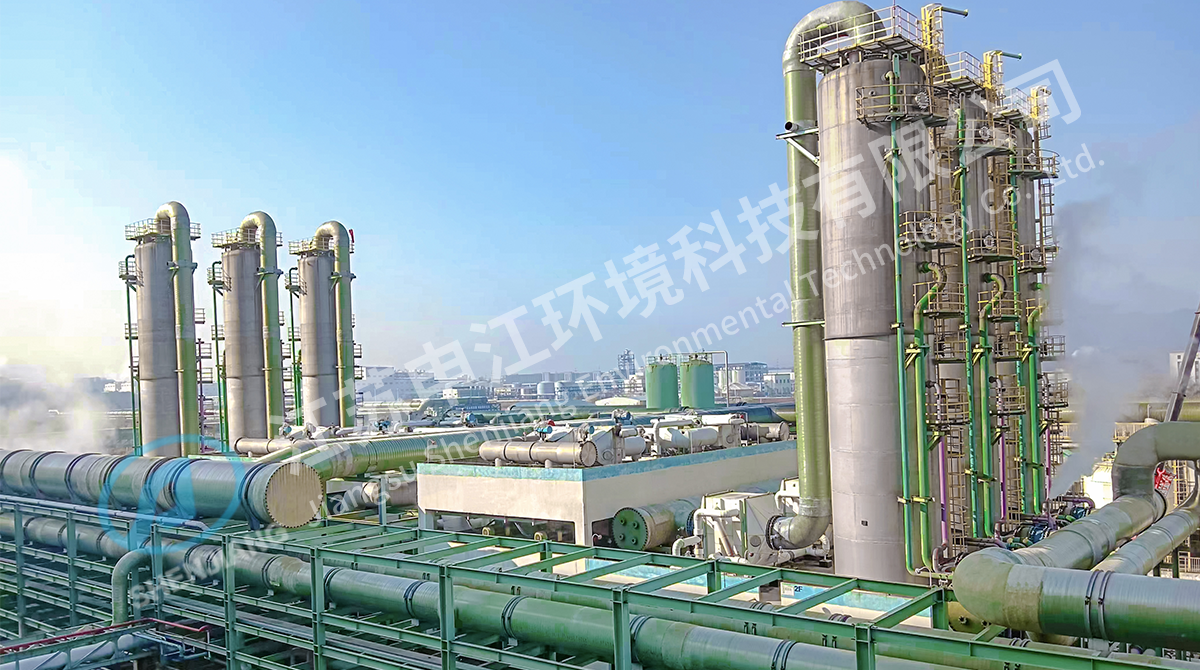
Denitrification FRP tanks and desulfurization FRP tanks are widely deployed in municipal wastewater treatment plants, coal-fired power stations, petrochemical industries, and food processing facilities.

With increasingly strict environmental regulations, demand for FRP-based treatment systems is growing steadily. Industry reports show annual growth rates exceeding 6–8% in FRP environmental equipment adoption.

As environmental engineering evolves, FRP tanks will continue to play a central role in sustainable pollution control infrastructure.