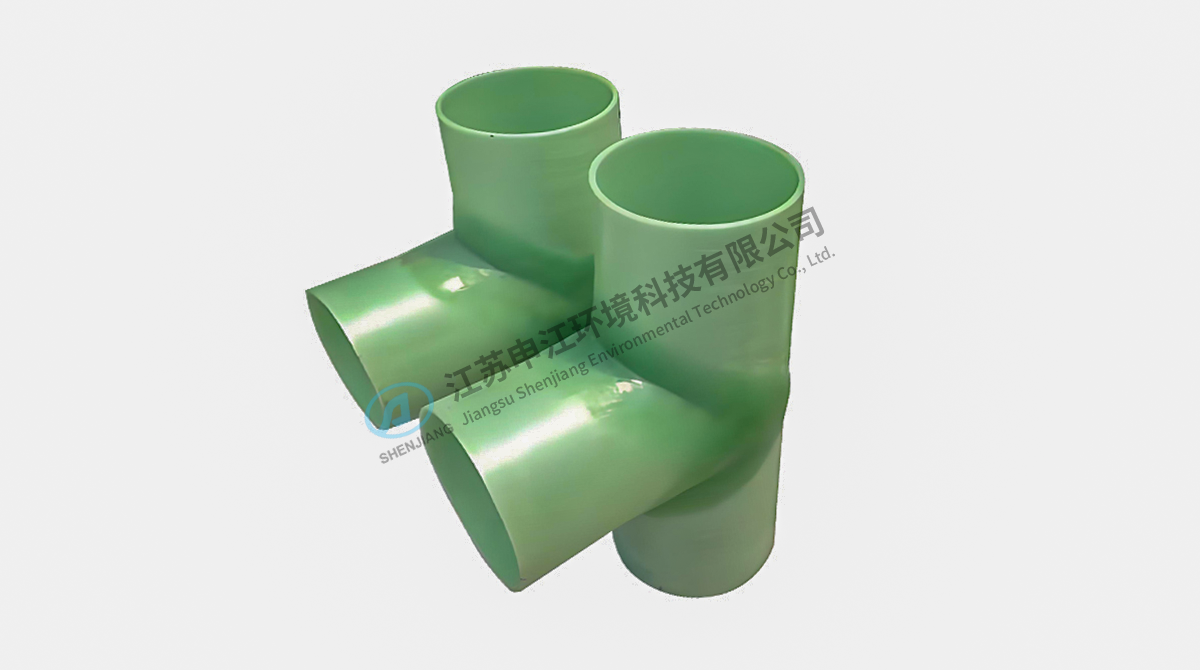
Introduction to Flue Gas Treatment and Its Impact on Energy Consumption
Flue gas treatment is a crucial process in industries such as power generation, chemical manufacturing, and other sectors that involve burning fossil fuels or other materials. The treatment aims to reduce harmful emissions and ensure compliance with environmental standards. However, the question arises whether the process of flue gas treatment leads to an increase in the energy consumption of the plant.
The Process of Flue Gas Treatment
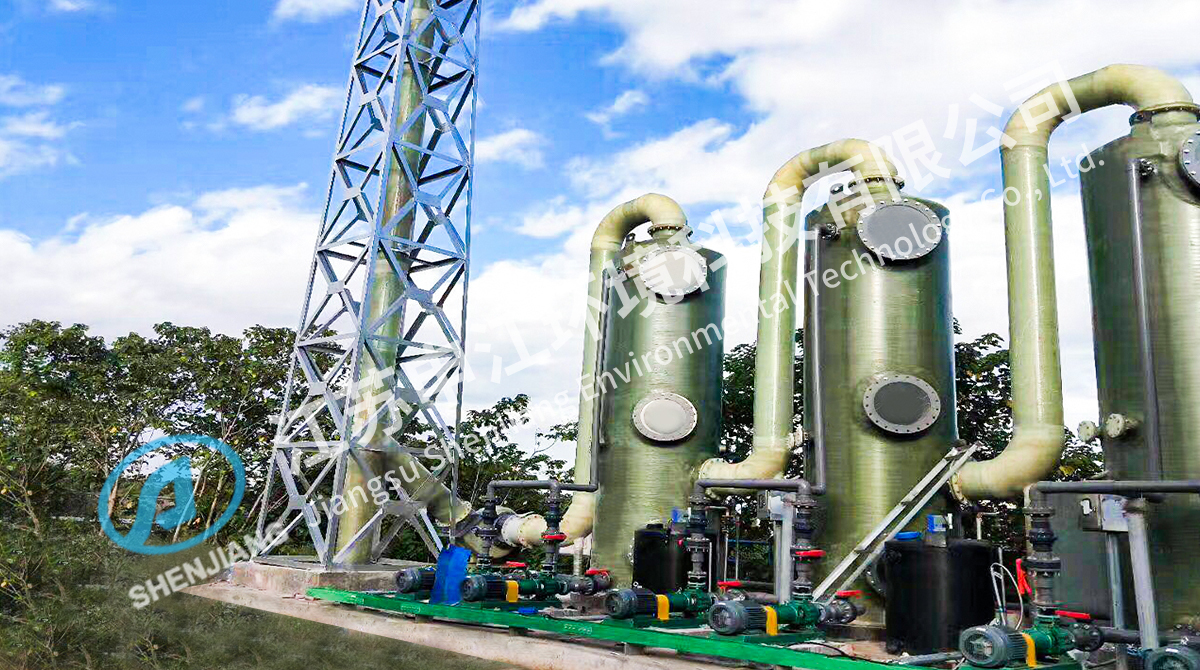
Flue gas treatment involves several technologies designed to capture and neutralize harmful pollutants released during combustion processes. These pollutants can include sulfur dioxide (SO2), nitrogen oxides (NOx), particulate matter, carbon dioxide (CO2), and volatile organic compounds (VOCs). Different methods, such as scrubbers, selective catalytic reduction (SCR), electrostatic precipitators (ESP), and fabric filters, are employed depending on the pollutants present and the specific regulatory requirements of the region.
In general, flue gas treatment systems work by using chemical reactions, physical processes, or a combination of both to capture and neutralize these pollutants. For example, scrubbers use a liquid to absorb gases, while SCR systems use catalysts to reduce NOx emissions. Each of these systems consumes energy to operate—whether through pumps, fans, chemical reactions, or heating mechanisms—which may increase the overall energy demand of the plant.
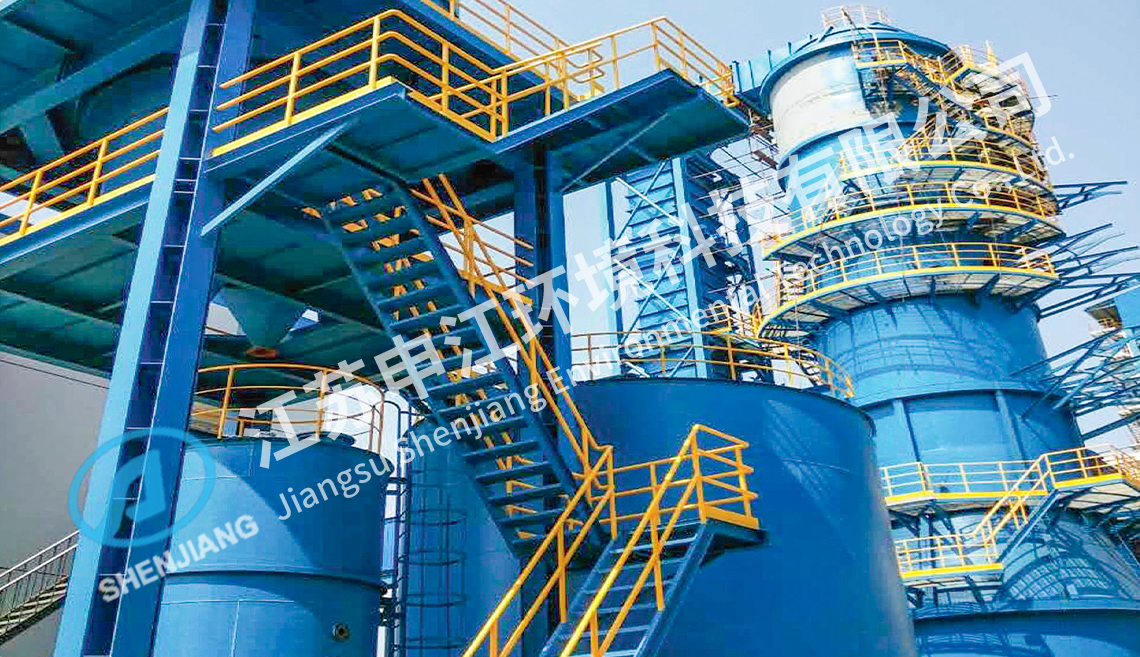
Energy Consumption in Flue Gas Treatment Systems
One of the key concerns regarding flue gas treatment is the additional energy required to run the various systems involved. The equipment used in these processes, such as fans, pumps, blowers, and compressors, requires electricity to operate. For instance, scrubbers often require energy to circulate the absorbing solution and maintain the flow of gases through the system. Similarly, electrostatic precipitators and fabric filters need fans and electrical components to operate efficiently. Selective catalytic reduction systems also need power for the circulation of gases and the heating of catalysts.
The amount of energy required depends on several factors, including the size of the plant, the specific treatment technology used, and the level of emissions that need to be controlled. Some processes, like SCR, might require more energy due to the need for high temperatures and catalysts, while others, such as dry scrubbers, may consume less energy but may not be as efficient at capturing certain pollutants. As a result, the energy consumption of flue gas treatment systems can vary significantly from one plant to another.
The Impact on Plant Energy Efficiency
Integrating flue gas treatment systems into a plant’s operations can affect its overall energy efficiency. The additional energy required by these systems can lead to a reduction in net plant efficiency, especially if the plant was already operating near full capacity. In some cases, the energy consumed by the flue gas treatment process may be a substantial portion of the total energy input, which can affect the plant's profitability and environmental performance.
For example, a coal-fired power plant equipped with flue gas desulfurization (FGD) systems may see a drop in thermal efficiency due to the energy used to operate the scrubbers. This energy is typically drawn from the same source that generates the plant's electricity, meaning that some of the energy that would otherwise go toward power generation is diverted to operating the pollution control systems. This creates a direct trade-off between improving environmental compliance and maximizing energy efficiency.
Energy Penalty of Flue Gas Treatment Systems
The "energy penalty" is a term used to describe the additional energy required to operate flue gas treatment systems. This penalty is an unavoidable aspect of environmental compliance, as the technologies used to reduce emissions typically consume more energy than would be necessary if no treatment systems were in place. In many cases, the energy penalty associated with flue gas treatment can range from 2 to 10 percent of the plant's total energy output, depending on the type of treatment system and the level of pollution being controlled.
For instance, wet scrubbing systems designed to remove sulfur dioxide can use large amounts of water and electricity to maintain the flow of gases and manage the waste products generated. Similarly, selective catalytic reduction systems, which are used to control nitrogen oxides, require additional energy to heat the catalysts and circulate gases at optimal temperatures. While these systems are effective at reducing emissions, they come at the cost of additional energy input.
Strategies to Minimize Energy Consumption in Flue Gas Treatment
Although flue gas treatment inherently increases energy consumption, there are several strategies that plant operators can use to minimize this impact and improve overall efficiency. One of the most common strategies is the optimization of treatment system design. For example, more efficient scrubbers or newer SCR systems may use less energy while achieving the same level of emissions control. Additionally, optimizing the flow rates, pressures, and temperatures in the system can help reduce energy requirements.
Another approach is the integration of waste heat recovery systems into the treatment process. Many industrial plants, including power plants, produce excess heat as a byproduct of combustion. By capturing and reusing this heat to drive portions of the flue gas treatment system, plants can reduce the need for additional power from the grid or from other energy sources. This strategy can help offset some of the energy penalty associated with flue gas treatment while improving overall plant efficiency.
In addition to optimizing the design and operation of treatment systems, advancements in technology continue to make flue gas treatment more energy-efficient. Newer materials, improved catalysts, and innovative chemical processes are all being developed to reduce the energy required for pollution control. For example, more efficient catalysts for SCR systems may operate at lower temperatures, requiring less energy to achieve the desired NOx reductions. Similarly, dry scrubbing technologies have become more energy-efficient and can be used in place of wet systems to reduce water and energy consumption.
Balancing Environmental Compliance and Energy Efficiency
As environmental regulations continue to tighten globally, power plants and industrial facilities must strike a balance between ensuring compliance with emissions standards and maintaining energy efficiency. The need for flue gas treatment will only increase, as governments push for stricter emission limits to combat air pollution and climate change. However, this can create challenges for plant operators, who must find ways to reduce their carbon footprints while maintaining the economic viability of their operations.
One of the most effective ways to achieve this balance is through the adoption of cleaner, more energy-efficient technologies. For example, switching to cleaner fuels, improving combustion processes, or transitioning to renewable energy sources can reduce the amount of pollutants in flue gases and, in turn, decrease the need for intensive flue gas treatment. In some cases, transitioning to combined heat and power (CHP) systems can improve overall energy efficiency while still meeting emissions standards.
Moreover, plant operators can explore energy recovery and reuse options, such as integrating heat exchangers or utilizing surplus electricity for auxiliary systems. These efforts can help offset the additional energy costs incurred by flue gas treatment systems, ensuring that the plant remains competitive and environmentally responsible.
Long-Term Trends in Flue Gas Treatment and Energy Consumption
Looking forward, it is likely that advancements in both pollution control and energy recovery will continue to improve the efficiency of flue gas treatment systems. New materials and more refined engineering solutions are likely to reduce the energy consumption of existing systems. Additionally, governments and industries will continue to prioritize energy efficiency as part of their sustainability initiatives, which could lead to the development of even more energy-efficient treatment technologies.
As industries around the world seek to reduce their environmental impact, the balance between energy consumption and pollution control will continue to evolve. Although current systems come with an energy penalty, ongoing improvements in both flue gas treatment technologies and energy recovery processes will likely mitigate these impacts in the future. Furthermore, the rise of renewable energy sources and alternative power generation methods may reduce the need for traditional flue gas treatment in certain sectors, offering new pathways to reduce overall energy consumption while still achieving environmental goals.




 English
  中文简体
中文简体 Español
 عربى
عربى русский
 ไทย
ไทย Indonesia
 Tiếng Việt