Introduction to FRP Towers
FRP (Fiber Reinforced Polymer) towers are engineered structures composed of reinforced polymer composites, combining strength, corrosion resistance, and lightweight properties. These towers are widely used in communication, power transmission, and observation applications. The combination of fiber reinforcement with a polymer matrix allows FRP towers to achieve sufficient structural stability while maintaining a weight advantage over traditional steel or concrete towers. This characteristic makes them attractive for deployment in locations where transportation and installation are challenging, such as complex terrain or remote areas.
The modular nature of FRP towers permits adaptation to varying heights and structural requirements, which further supports their application in difficult-to-access sites. The choice of tower configuration, including lattice, monopole, or self-supporting designs, influences ease of assembly and suitability for uneven terrain.
Lightweight Design and Transportation Benefits
One of the primary advantages of FRP towers in remote or rugged locations is their lightweight construction. Compared to steel towers of similar height, FRP components weigh significantly less, reducing the logistical burden of transportation. This is particularly relevant for areas lacking developed road networks or where terrain prevents the use of heavy transport vehicles.
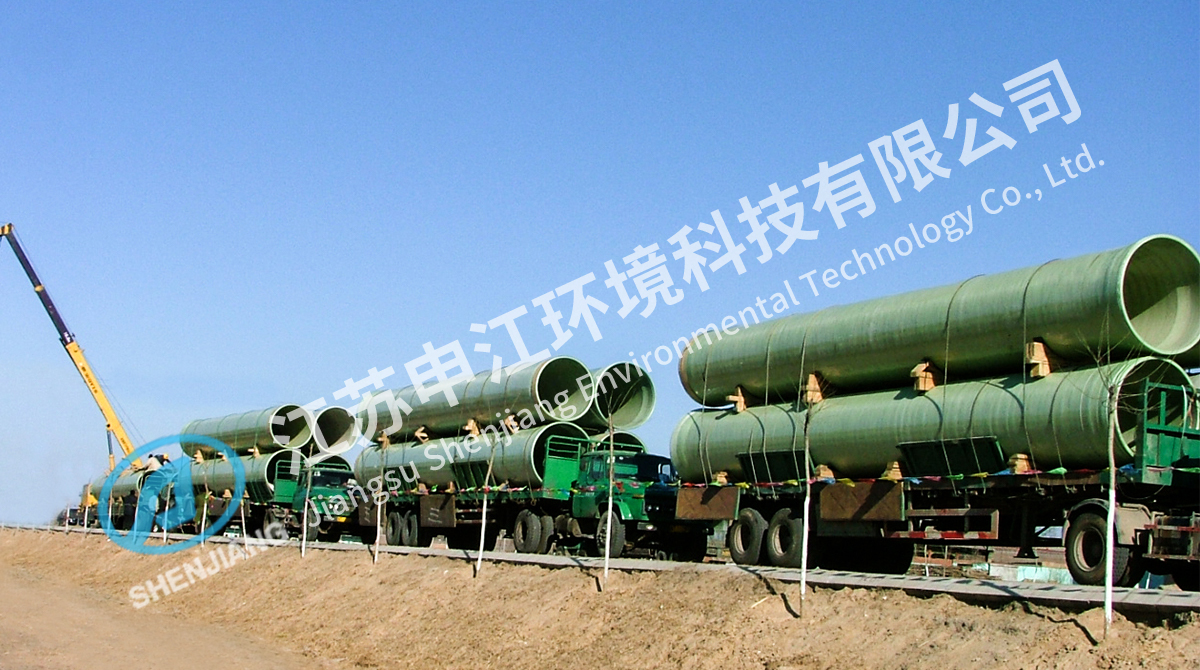
Components of FRP towers can be transported in sections using smaller vehicles, helicopters, or even pack animals in extremely inaccessible regions. The reduced weight also simplifies handling on site, decreasing the need for large cranes or heavy lifting equipment. These factors make FRP towers more feasible for deployment in mountainous regions, islands, or forested areas.
Modular Assembly and Installation in Challenging Locations
FRP towers are often designed as modular systems, consisting of prefabricated sections that can be bolted or laminated together on site. This modularity allows the tower to be adjusted to terrain conditions, with foundation points adapted to uneven or sloped surfaces. Unlike monolithic steel or concrete structures that require extensive on-site fabrication, FRP tower sections are relatively easy to assemble by small teams.
The assembly process benefits from reduced reliance on specialized tools. Lightweight sections and modular design allow teams to transport and install towers using hand tools or minimal mechanical assistance, which is advantageous in remote locations where infrastructure support is limited.
Corrosion Resistance and Environmental Durability
FRP materials offer high resistance to corrosion, which is a significant factor in remote or harsh environments. Coastal areas, high-humidity regions, or chemically aggressive soils can accelerate corrosion in traditional metal towers. FRP’s resistance to moisture, salts, and industrial pollutants reduces maintenance needs and extends operational life. In remote areas, where access for routine maintenance is limited, the reduced susceptibility to environmental degradation is a major advantage.
UV-resistant coatings and additives can further enhance the durability of FRP towers exposed to intense sunlight or variable weather conditions. This environmental resilience supports long-term reliability in areas where repair or replacement logistics are difficult.
Structural Adaptability to Complex Terrain
Complex terrain often presents challenges such as uneven ground, variable soil conditions, and restricted access for foundation preparation. FRP towers can be engineered with flexible foundation designs, including adjustable base plates, screw piles, or anchor systems that adapt to local ground conditions. This flexibility allows towers to maintain vertical alignment and structural integrity even on sloped or irregular surfaces.
The following table illustrates typical FRP tower adaptability in challenging terrains:
| Terrain Type |
Foundation Approach |
Installation Method |
Structural Consideration |
| Mountainous Slope |
Adjustable Anchor Base |
Sectional Assembly |
Height and Tilt Compensation |
| Coastal Area |
Piled Base |
Segmented Bolt Assembly |
Corrosion Protection |
| Forest or Remote Island |
Minimal Excavation Footing |
Manual or Light Crane Assembly |
Weight Reduction Benefits |
Wind and Seismic Considerations
FRP towers possess favorable performance characteristics in response to dynamic loading such as wind or seismic forces. The composite material’s elasticity allows controlled deflection under wind pressure, which reduces stress concentrations. Lattice or truss designs amplify stability while minimizing material use and weight. In seismically active regions, the lightweight nature of FRP towers reduces inertia forces, potentially enhancing performance compared to heavier steel or concrete structures.
Engineering analysis of site-specific wind and seismic conditions is essential to determine tower dimensions, cross-section profiles, and reinforcement requirements. Proper design ensures that FRP towers can maintain structural safety while accommodating local environmental loads.
Maintenance Requirements in Remote Areas
Maintenance accessibility is a key consideration for towers in remote locations. FRP’s low-maintenance properties reduce the frequency of inspections and repairs. Unlike steel towers that require routine painting or anti-corrosion treatment, FRP towers generally only require periodic inspection for mechanical wear at bolted joints or protective coatings. This characteristic is particularly beneficial in locations where access is limited, and logistical support for maintenance operations is constrained.
Long-term reliability of FRP towers also depends on proper installation practices, including secure bolting, alignment, and protective measures against localized impact or abrasion during transport and assembly.
Compatibility with Communication and Power Equipment
FRP towers are often used to support antennas, telecommunication equipment, or small power transmission lines. The dielectric properties of FRP can reduce electromagnetic interference, which is advantageous for communication applications. Modular designs allow easy integration of mounting brackets, cable management systems, and safety features. This flexibility ensures that the tower can serve multiple functions in remote or difficult-to-access areas without requiring significant structural modifications.
Weight reduction also allows towers to support additional equipment without overloading the foundation. The structural strength of FRP composites ensures that payload requirements can be met while maintaining overall stability.
Cost Considerations and Logistics
While the initial material cost of FRP towers may be higher than conventional steel, savings arise in transportation, installation, and maintenance, particularly in complex terrain or remote regions. Reduced weight lowers shipping and handling expenses, and modular assembly minimizes labor requirements. The long service life and reduced environmental degradation further contribute to life-cycle cost advantages.
Project planners often consider these factors when choosing tower materials for sites where logistics present challenges. FRP towers offer an overall solution where accessibility, durability, and environmental conditions intersect.
Limitations and Design Constraints
Despite many advantages, FRP towers have limitations. High-temperature exposure, localized mechanical impact, or excessive UV exposure without protection can affect material performance. Structural height limitations may exist for very tall applications compared to steel towers, requiring careful design evaluation. Additionally, engineering expertise is needed to ensure that modular components are correctly aligned and securely fastened to withstand environmental loads.
These constraints emphasize the importance of proper design, material selection, and site-specific engineering analysis to ensure FRP towers meet performance expectations in complex terrain or remote areas.
Future Applications and Technological Developments
Advancements in FRP material technology, including higher-strength fibers, improved resins, and UV-stable coatings, continue to expand the applicability of FRP towers in challenging environments. Modular design improvements, such as pre-fabricated bolted sections and integrated mounting systems, further support deployment in remote locations. Innovations in lightweight lifting equipment and helicopter transport also facilitate installation in otherwise inaccessible terrain.
Ongoing research and practical deployment experience suggest that FRP towers can increasingly serve applications where traditional materials face logistical or environmental constraints. Their combination of lightweight construction, corrosion resistance, and modular flexibility positions them as a viable solution for complex terrain and remote-area infrastructure development.




 English
  中文简体
中文简体 Español
 عربى
عربى русский
 ไทย
ไทย Indonesia
 Tiếng Việt