Understanding the Scope of Waste Gas Treatment and Solid Waste Treatment
Waste gas treatment and solid waste treatment are both crucial aspects of environmental management, yet they address different forms of pollution. Waste gas treatment primarily targets airborne pollutants such as volatile organic compounds (VOCs), nitrogen oxides (NOx), sulfur oxides (SOx), and particulate matter. It employs techniques like absorption, adsorption, thermal oxidation, and biofiltration to reduce the impact of industrial emissions on air quality. In contrast, solid waste treatment focuses on tangible materials that require collection, sorting, recycling processes, incineration, composting, or landfill management. Both areas fall under the broader framework of waste management technologies, but their approaches, tools, and outcomes are distinct.
Key Pollutants and Their Characteristics
The difference between waste gas treatment and solid waste treatment can be illustrated by the type of pollutants they manage. Waste gases contain invisible compounds and fine particles that disperse quickly in the atmosphere. These include VOCs that contribute to smog, NOx and SOx that drive acid rain, and particulate matter that affects respiratory health. On the other hand, solid waste consists of plastics, metals, organic matter, and hazardous residues that are physically stored, transported, and processed. Each type of waste presents its own risks and requires unique handling strategies within environmental management frameworks.
| Pollutant Type |
Examples |
Main Sources |
Environmental Concerns |
| Gaseous |
VOCs, NOx, SOx, particulate matter |
Industrial combustion, chemical plants, vehicles |
Air pollution, acid rain, smog, respiratory issues |
| Solid |
Plastics, metals, organic residues, hazardous waste |
Municipal waste, manufacturing, agriculture |
Soil contamination, landfill overuse, toxic leachate |
Technological Approaches in Waste Gas Treatment
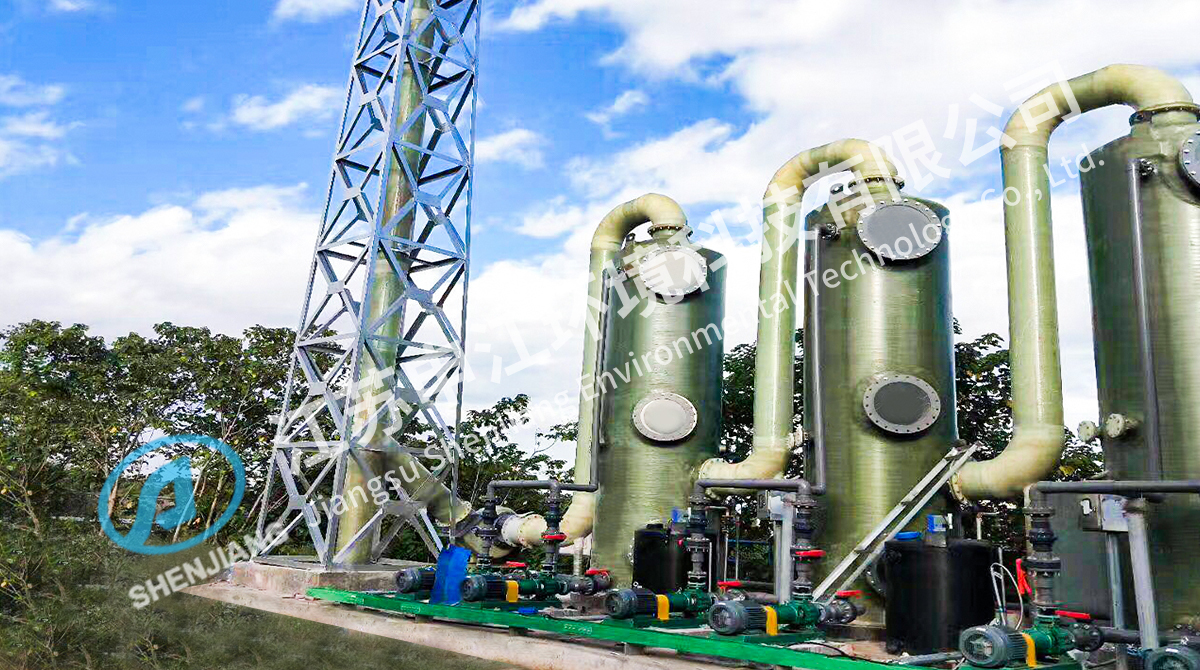
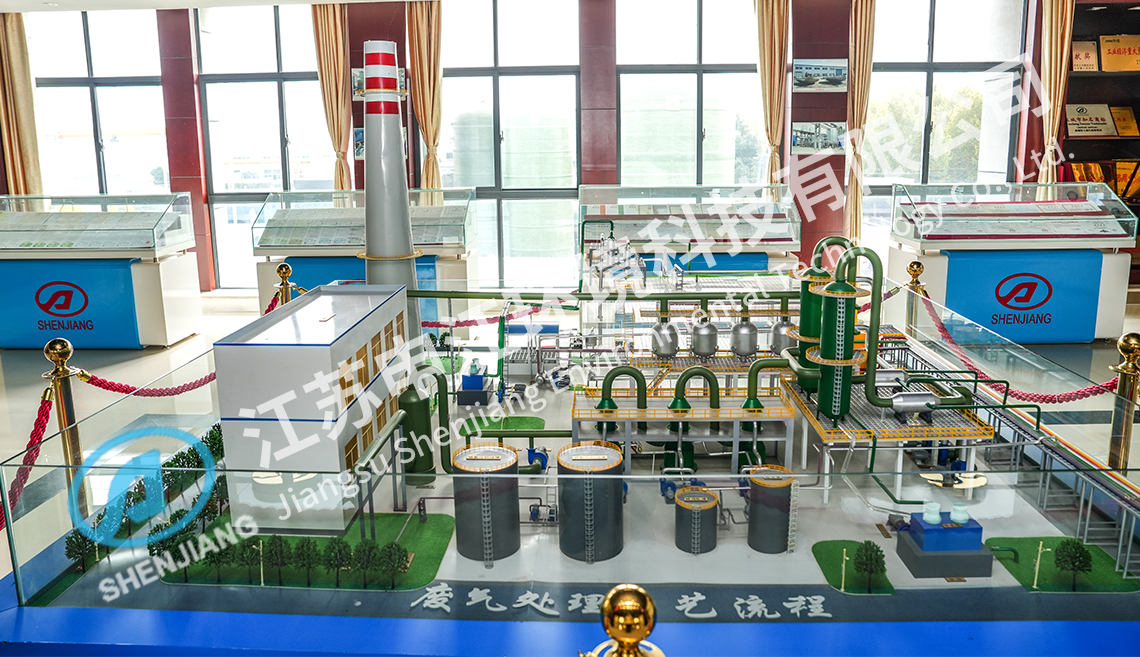
Waste gas treatment relies on a set of waste management technologies designed to eliminate or neutralize harmful airborne substances. Absorption systems use liquids to capture soluble gases like SOx, while adsorption systems employ activated carbon or zeolites to trap VOCs. Thermal oxidation destroys pollutants through high-temperature combustion, converting them into less harmful compounds. Biofiltration, a biologically driven process, utilizes microorganisms to degrade organic pollutants. These techniques form the backbone of air pollution control systems across industries such as petrochemical, metallurgy, and manufacturing, ensuring emissions are managed before release into the atmosphere.
| Method |
Principle |
Suitable Pollutants |
Key Considerations |
| Absorption |
Soluble gases absorbed into liquids |
SOx, NOx |
Requires liquid handling and disposal |
| Adsorption |
Pollutants adhere to solid surfaces |
VOCs |
Activated carbon regeneration needed |
| Thermal Oxidation |
High-temperature combustion of pollutants |
VOCs, CO |
Energy intensive, potential heat recovery |
| Biofiltration |
Microorganisms degrade pollutants |
Organic vapors |
Requires stable biological conditions |
Technological Approaches in Solid Waste Treatment
Solid waste treatment encompasses multiple processes aimed at reducing, reusing, or safely disposing of physical waste materials. Recycling processes separate materials like plastics, glass, and metals for reintroduction into production cycles. Composting breaks down organic matter, while anaerobic digestion produces biogas from food and agricultural waste. Incineration reduces waste volume and can be combined with waste-to-energy systems to generate electricity or heat. Landfill management focuses on safe storage of non-recyclable materials while preventing leachate and gas emissions. These diverse methods make solid waste treatment a key part of integrated waste management strategies worldwide.
| Method |
Main Focus |
Energy Potential |
Environmental Considerations |
| Recycling |
Material recovery (plastics, metals, glass) |
Indirect (saves raw material energy) |
Reduces landfill usage |
| Composting |
Organic matter breakdown |
Minimal |
Produces soil amendments |
| Anaerobic Digestion |
Biogas production from organics |
High |
Requires controlled conditions |
| Incineration |
Volume reduction and energy recovery |
High (waste-to-energy) |
Air emissions must be managed |
| Landfill Management |
Safe storage of residual waste |
Low (limited gas capture) |
Risk of leachate and methane |
Comparison of Environmental Challenges
The environmental challenges addressed by waste gas treatment and solid waste treatment differ in scope and intensity. Waste gas treatment must deal with the immediate dispersion of pollutants in the air, requiring rapid and continuous control systems to prevent environmental and health impacts. Solid waste treatment involves long-term strategies such as landfill management and recycling, where space, logistics, and resource recovery are central issues. While waste gas treatment focuses on preventing air pollution, solid waste treatment emphasizes reducing land contamination and conserving material resources.
Cost Considerations in Treatment Systems
The cost of implementing waste gas treatment and solid waste treatment varies according to scale, technology, and local regulations. Waste gas systems like thermal oxidation or biofiltration require significant investment in equipment and continuous energy input. Solid waste treatment, on the other hand, involves infrastructure costs related to collection systems, sorting facilities, and landfill maintenance. Recycling processes can offset costs by creating secondary raw materials, while waste-to-energy initiatives generate economic value. The financial balance often depends on the degree of policy enforcement and the efficiency of waste management technologies applied.
| Cost Aspect |
Waste Gas Treatment |
Solid Waste Treatment |
| Initial Investment |
High (equipment and integration) |
Moderate to high (infrastructure, sorting plants) |
| Operating Costs |
Continuous energy, monitoring |
Collection, transport, processing |
| Revenue Potential |
Heat recovery in thermal systems |
Recycling material sales, waste-to-energy |
| Policy Impact |
Strict emission regulations drive costs |
Landfill restrictions and recycling targets influence strategy |
Operational Differences Between Waste Gas and Solid Waste Systems
Waste gas treatment systems are usually integrated into industrial processes, operating continuously to meet emission standards. They are highly automated and require precise monitoring of pollutants like VOCs, NOx, SOx, and particulate matter. Solid waste treatment systems, in contrast, involve extensive logistics for collection, transportation, and sorting. Operations may be centralized in large facilities where recycling, composting, or incineration is performed. These differences underline the contrasting operational models of air pollution control and solid waste handling within environmental management frameworks.
Role in Integrated Waste Management
Integrated waste management combines multiple approaches to address environmental pollution comprehensively. Waste gas treatment contributes by reducing emissions from industrial activities, thus improving air quality. Solid waste treatment adds value by recovering materials through recycling processes, composting organic matter, and generating energy via incineration or anaerobic digestion. Together, they provide a balanced approach where air pollution control and resource recovery are aligned. This integration is essential for achieving sustainable waste management practices in modern societies.
Comparative Table of Treatment Characteristics
The following table outlines the main differences between waste gas treatment and solid waste treatment in terms of pollutants, technologies, and outcomes.
| Aspect |
Waste Gas Treatment |
Solid Waste Treatment |
| Pollutants |
VOCs, NOx, SOx, particulate matter |
Plastics, metals, organics, hazardous residues |
| Technologies |
Absorption, adsorption, thermal oxidation, biofiltration |
Recycling processes, composting, incineration, landfill management, anaerobic digestion |
| Primary Objective |
Air pollution control |
Material recovery and safe disposal |
| Timeframe |
Immediate and continuous |
Long-term management |
| Energy Recovery |
Limited (thermal oxidation with heat recovery) |
Waste-to-energy through incineration or anaerobic digestion |
| Environmental Impact |
Air quality improvement |
Land conservation and resource efficiency |
Future Trends in Waste Management Technologies
The future of waste gas treatment and solid waste treatment will be shaped by technological innovation and stricter environmental management policies. Advanced adsorption materials are being developed to improve VOC capture, while hybrid systems combining thermal oxidation and biofiltration offer higher efficiency. Solid waste treatment is moving toward circular economy principles, emphasizing recycling processes and waste-to-energy integration. Innovations in anaerobic digestion and composting also support sustainable agriculture and energy production. Together, these advances will strengthen the role of waste management technologies in addressing global environmental challenges.




 English
  中文简体
中文简体 Español
 عربى
عربى русский
 ไทย
ไทย Indonesia
 Tiếng Việt