General Role of HVAC Systems in Modern Buildings
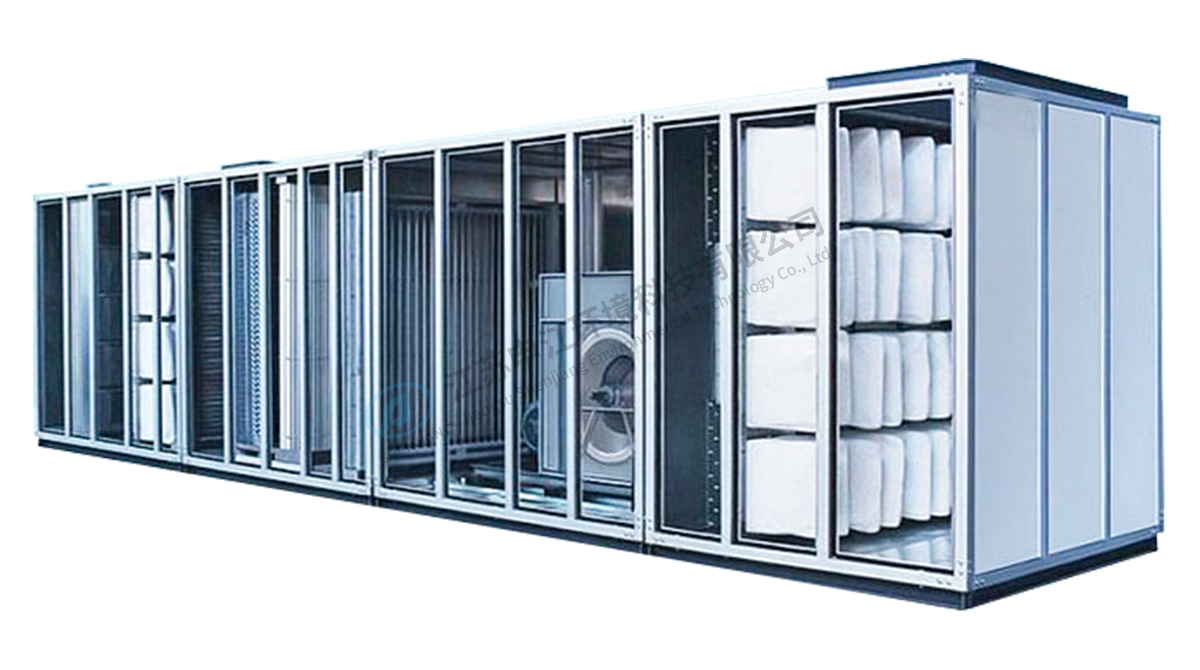
HVAC systems, which include heating, ventilation, and air conditioning, are integral to maintaining indoor environmental conditions across a wide range of building types. These systems regulate temperature, control humidity, manage air quality, and support occupant comfort and health. As buildings have become more complex and expectations for indoor comfort have increased, HVAC systems have evolved to address diverse functional needs. Different building categories rely on HVAC systems in distinct ways, shaped by occupancy patterns, usage intensity, regulatory requirements, and climate conditions.
Residential Buildings and Living Environments
Residential buildings are among the most common users of HVAC systems. Single-family homes, apartments, condominiums, and residential complexes rely on heating and cooling systems to maintain stable indoor temperatures throughout the year. In colder climates, heating functions dominate, while in warmer regions, air conditioning plays a larger role. Ventilation is essential to remove indoor pollutants generated by cooking, cleaning, and daily activities. Modern residential HVAC systems often focus on balancing comfort, energy consumption, and noise levels, as occupants spend long periods indoors.
High-Rise Residential Developments
High-rise residential buildings present unique HVAC challenges due to vertical distribution, varying exposure to sunlight and wind, and differences in occupant behavior across floors. Centralized HVAC systems or hybrid configurations are often used to serve multiple units while allowing individual control. Ventilation systems must manage pressure differences and ensure consistent air exchange. In these buildings, HVAC systems also play a role in fire safety and smoke control, further expanding their functional importance.
Commercial Office Buildings
Office buildings commonly rely on HVAC systems to support productivity and occupant well-being. These environments typically house large numbers of people for extended working hours, generating internal heat loads from occupants, computers, lighting, and equipment. HVAC systems in office buildings are designed to handle variable occupancy, maintain acceptable indoor air quality, and provide zoning flexibility. Open-plan offices, meeting rooms, and private offices each impose different thermal and ventilation demands, requiring adaptable system designs.
Corporate Campuses and Mixed-Use Offices
Corporate campuses and mixed-use office buildings often combine office space with amenities such as cafeterias, fitness areas, and conference centers. HVAC systems in these environments must accommodate diverse usage patterns and fluctuating loads throughout the day. Integration with building management systems allows for centralized monitoring and control, helping operators adjust temperature and ventilation based on real-time conditions. These buildings highlight the role of HVAC systems as part of a broader building infrastructure.
Retail and Shopping Facilities
Retail buildings, including shopping malls, standalone stores, and supermarkets, rely heavily on HVAC systems to create comfortable environments that encourage customer engagement. Large open spaces, frequent door openings, and variable occupancy levels place specific demands on heating and cooling systems. In supermarkets, HVAC systems must also interact with refrigeration equipment, managing heat rejection and humidity control. Proper ventilation helps manage odors and maintain indoor air quality despite high foot traffic.
Hospitality Buildings Such as Hotels and Resorts
Hotels, resorts, and similar hospitality facilities depend on HVAC systems to support guest comfort across a wide range of spaces. Guest rooms require individual temperature control, while common areas such as lobbies, restaurants, and conference halls demand consistent environmental conditions despite varying occupancy. HVAC systems in hospitality buildings must operate reliably around the clock and minimize noise. Ventilation and humidity control are particularly important in ensuring comfort and preventing moisture-related issues.
Healthcare Facilities and Medical Buildings
Healthcare buildings are among the most technically demanding users of HVAC systems. Hospitals, clinics, laboratories, and medical centers require precise control of temperature, humidity, and air cleanliness. Ventilation systems are designed to limit the spread of airborne contaminants and support infection control. Specialized areas such as operating rooms, isolation wards, and laboratories have strict requirements for air changes and pressure differentials. HVAC systems in healthcare facilities are closely tied to patient safety and regulatory compliance.
| Building Type |
Main HVAC Purpose |
Key Environmental Focus |
| Residential |
Comfort and habitability |
Temperature stability and ventilation |
| Office |
Support productivity |
Thermal comfort and air quality |
| Healthcare |
Patient safety |
Air cleanliness and pressure control |
| Retail |
Customer comfort |
Temperature balance and airflow |
Educational Buildings and Learning Institutions
Educational buildings such as schools, colleges, and universities commonly use HVAC systems to maintain suitable learning environments. Classrooms, lecture halls, laboratories, libraries, and dormitories each present distinct requirements. High occupancy density in classrooms increases the need for effective ventilation to control carbon dioxide levels and maintain attention. HVAC systems in educational settings often operate on schedules aligned with academic calendars, requiring flexibility and efficient control strategies.
Laboratories and Research Facilities
Research laboratories require HVAC systems capable of supporting specialized processes and safety protocols. Ventilation systems often include fume hoods, exhaust systems, and precise airflow control to protect occupants from chemical exposure. Temperature and humidity stability may be necessary to ensure experimental accuracy. These facilities demonstrate how HVAC systems extend beyond comfort to directly support functional and safety requirements.
Industrial and Manufacturing Buildings
Industrial buildings and manufacturing plants use HVAC systems for both human comfort and process control. In some facilities, maintaining specific temperature or humidity levels is essential for product quality or equipment performance. Ventilation systems are often designed to remove heat, dust, fumes, or other airborne byproducts generated during production. HVAC systems in industrial settings must be robust and adaptable to changing production loads and operational schedules.
Warehouses and Logistics Centers
Warehouses and logistics centers commonly use HVAC systems in a more limited but still important capacity. While full air conditioning may not be necessary in all storage areas, heating, ventilation, and localized cooling are often required to protect goods, equipment, and workers. Temperature control is especially important in facilities storing sensitive products such as pharmaceuticals, food, or electronics. HVAC systems in these buildings balance functional requirements with energy considerations.
Data Centers and Technology Facilities
Data centers represent a specialized building type where HVAC systems are critical to operation. Servers and electronic equipment generate significant heat, requiring continuous cooling to maintain reliable performance. HVAC systems in data centers focus on precise temperature control, airflow management, and redundancy. Ventilation is designed to protect equipment rather than occupants, highlighting a different priority compared to residential or office buildings.
Public Buildings and Government Facilities
Public buildings such as courthouses, municipal offices, libraries, and community centers rely on HVAC systems to provide safe and comfortable environments for both employees and visitors. These buildings often experience fluctuating occupancy and must accommodate diverse activities. HVAC systems in public facilities are typically designed with durability and ease of maintenance in mind, as they are expected to serve long operational lifespans.
Transportation-Related Buildings
Transportation hubs including airports, train stations, bus terminals, and subway stations commonly use HVAC systems to manage large volumes of people and air movement. These buildings often feature expansive open spaces, high ceilings, and frequent door openings. HVAC systems must address thermal comfort while handling significant ventilation demands. In some cases, systems are designed to prioritize specific zones, such as waiting areas or control rooms.
Cultural and Recreational Facilities
Museums, theaters, concert halls, and sports arenas rely on HVAC systems to support both occupant comfort and preservation requirements. Museums often require strict control of temperature and humidity to protect artifacts and artworks. Performance venues must manage variable occupancy and internal heat loads from lighting and equipment. HVAC systems in these buildings contribute to both visitor experience and asset protection.
| Facility Category |
Primary HVAC Challenge |
Operational Consideration |
| Educational |
High occupancy variation |
Scheduled operation |
| Industrial |
Process heat and emissions |
System durability |
| Data center |
Continuous heat removal |
Redundancy and reliability |
| Museum |
Environmental stability |
Artifact preservation |
Religious and Community Buildings
Religious buildings such as churches, mosques, temples, and synagogues also commonly use HVAC systems. These spaces often have intermittent occupancy, with large gatherings during specific times. HVAC systems must respond quickly to changing conditions while remaining efficient during unoccupied periods. High ceilings and large volumes influence air distribution and temperature control strategies.
Residential Care and Assisted Living Facilities
Assisted living facilities, nursing homes, and residential care centers rely on HVAC systems to support vulnerable populations. Stable indoor temperatures and good air quality are essential for occupant health and comfort. Ventilation helps reduce the concentration of airborne contaminants, while humidity control supports respiratory comfort. HVAC systems in these buildings often operate continuously and require reliable maintenance practices.
Mixed-Use Buildings and Urban Developments
Mixed-use buildings that combine residential, commercial, retail, and entertainment spaces are increasingly common in urban environments. HVAC systems in these developments must serve diverse functions within a single structure. Different zones may require independent control strategies, temperature setpoints, and ventilation rates. The complexity of mixed-use buildings highlights the adaptability of modern HVAC systems across building types.
Influence of Climate and Regional Factors
The types of buildings that use HVAC systems are also influenced by regional climate conditions. In extreme climates, even buildings with limited occupancy may require heating or cooling to protect materials, equipment, or structural components. Regional energy regulations and building codes further shape HVAC system adoption and design across different building categories.
Integration of HVAC Systems Into Building Design
Across all building types, HVAC systems are increasingly integrated into architectural and structural design from early planning stages. This integration allows systems to meet functional needs without compromising space usage or aesthetics. As buildings continue to evolve in form and function, HVAC systems remain a fundamental component supporting a wide range of indoor environments.




 English
  中文简体
中文简体 Español
 عربى
عربى русский
 ไทย
ไทย Indonesia
 Tiếng Việt