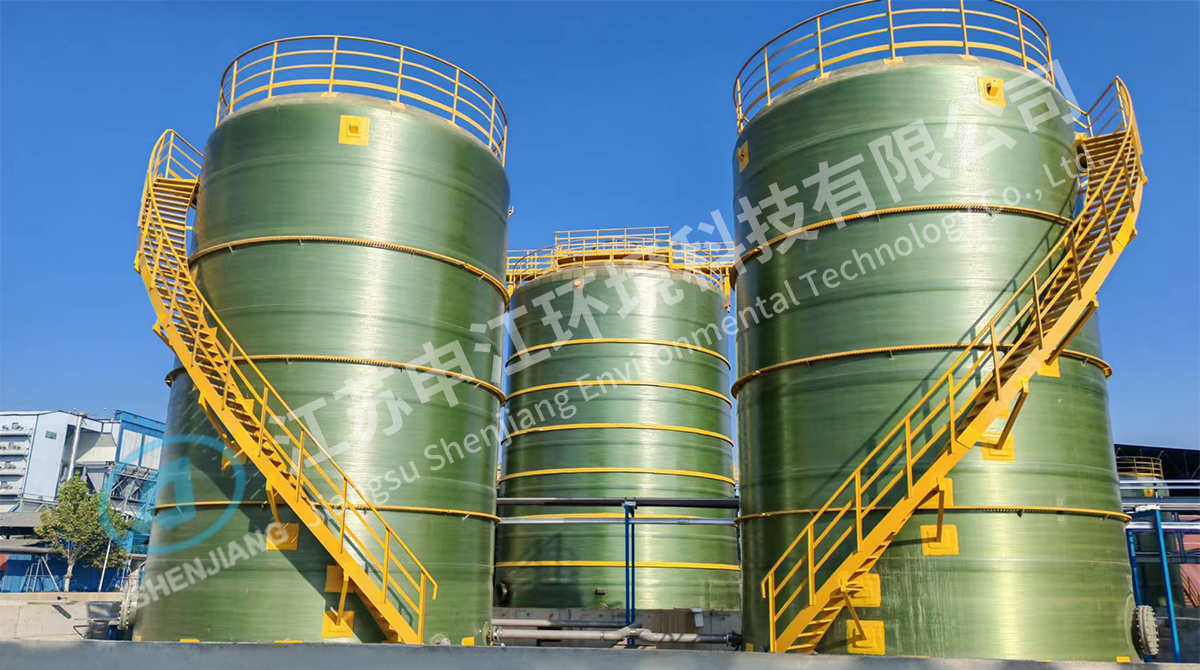
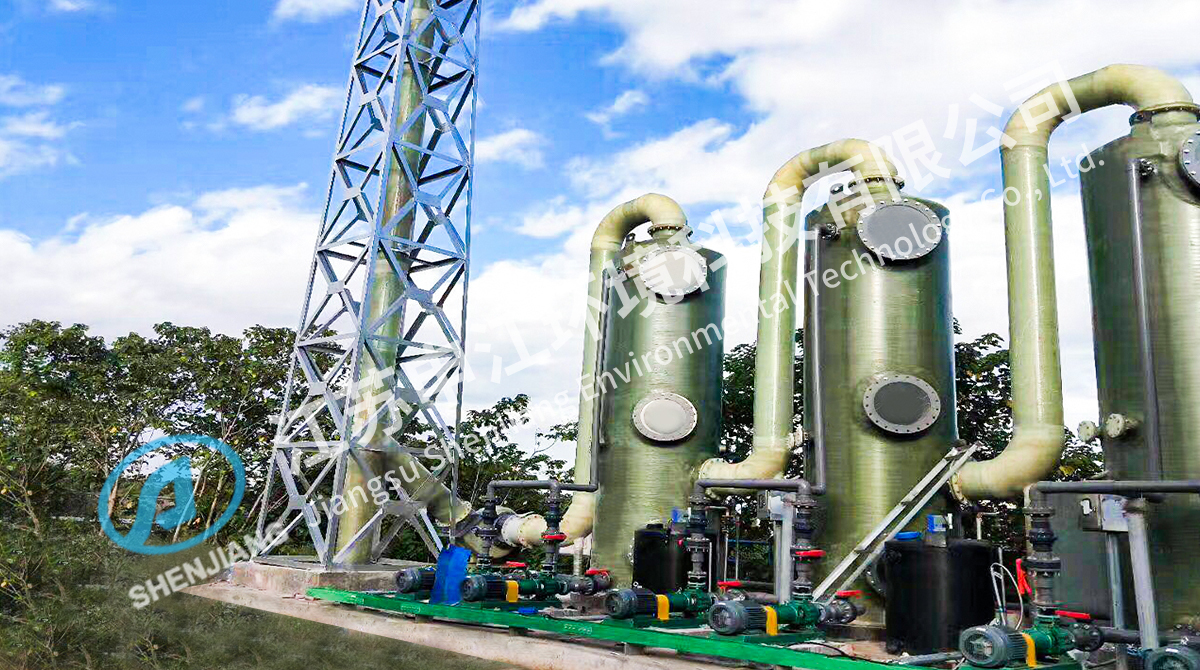
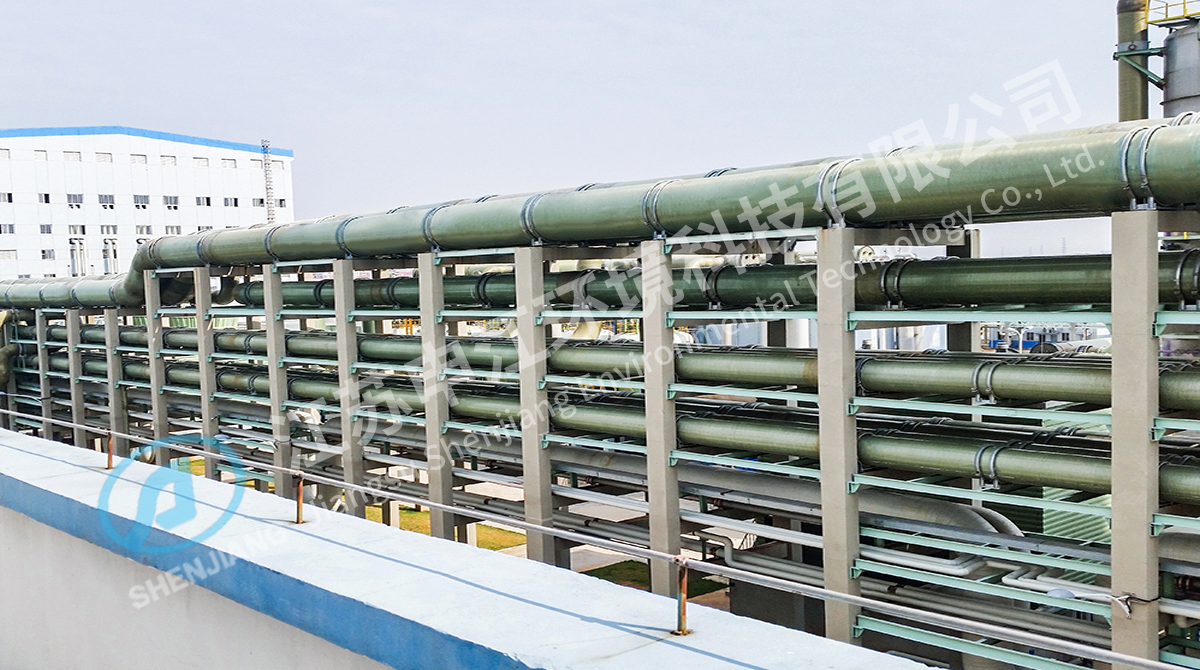
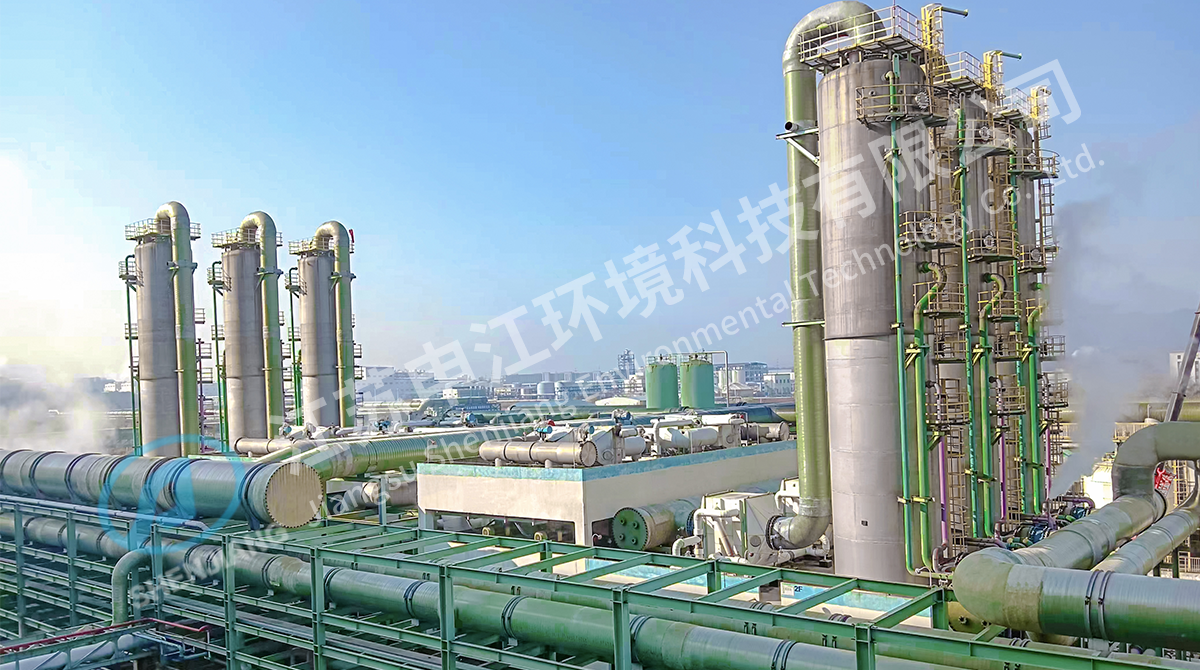
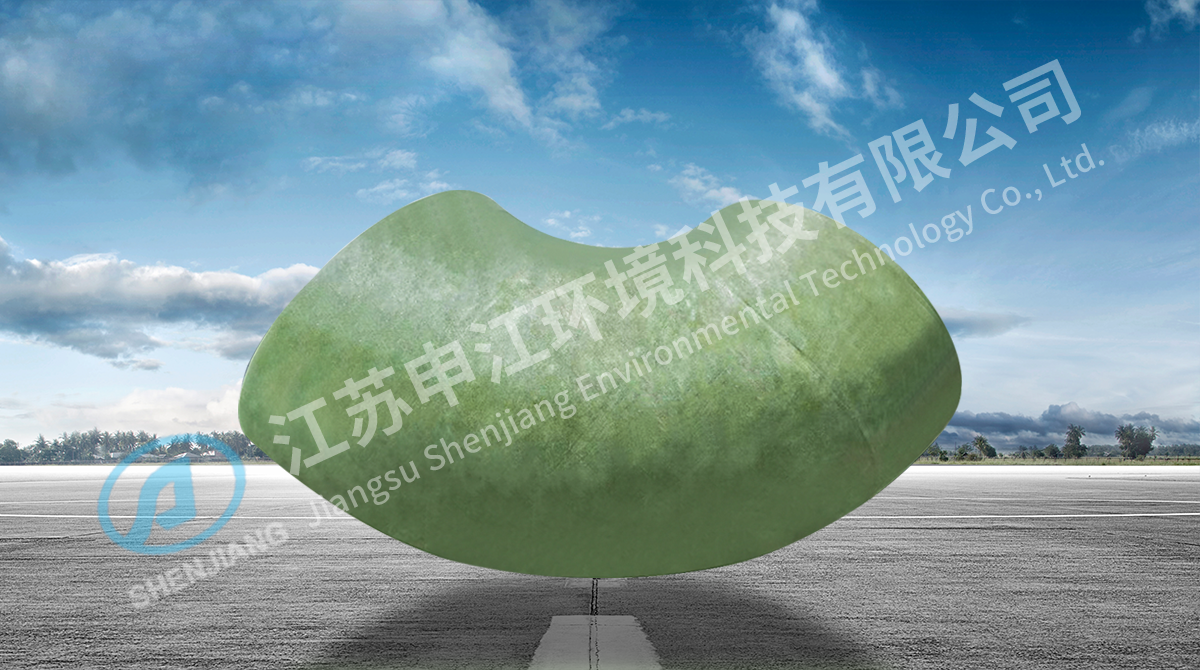
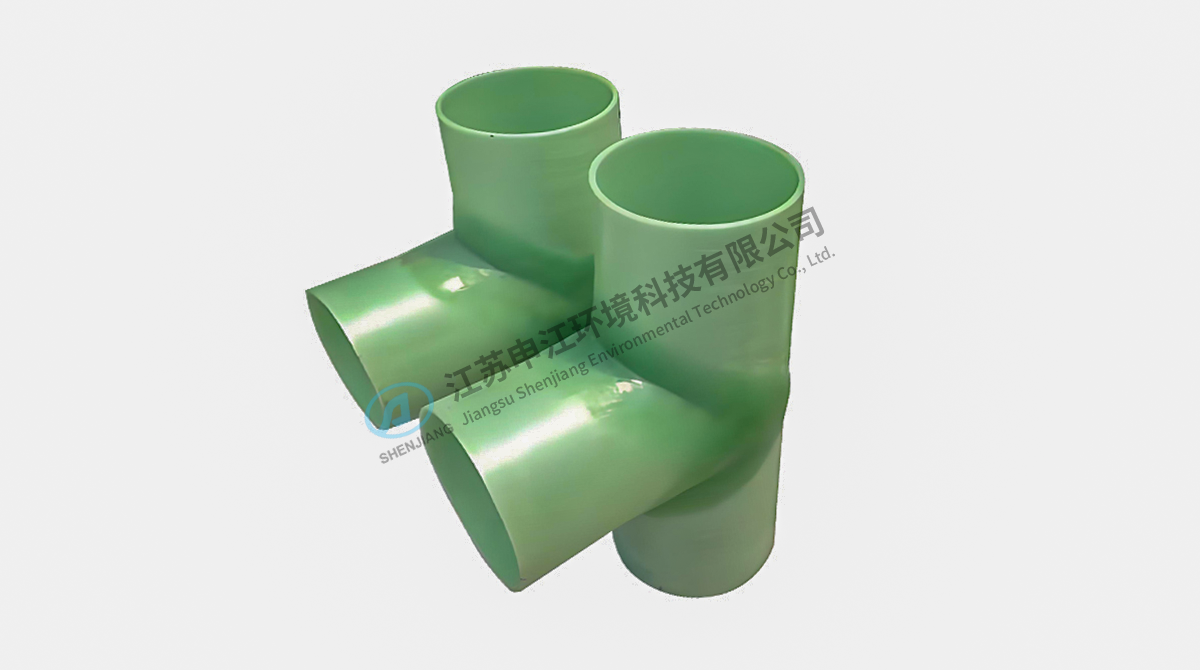
Flue gas treatment refers to the process of reducing or removing harmful pollutants from the gases emitted by industrial facilities, particularly those involved in combustion processes. This is crucial in controlling air pollution, as it helps limit the release of substances like sulfur dioxide (SO2), nitrogen oxides (NOx), particulate matter (PM), and other potentially hazardous chemicals. While the primary goal of flue gas treatment is to mitigate the environmental impacts of industrial emissions, the treatment itself also comes with its own set of environmental consequences.
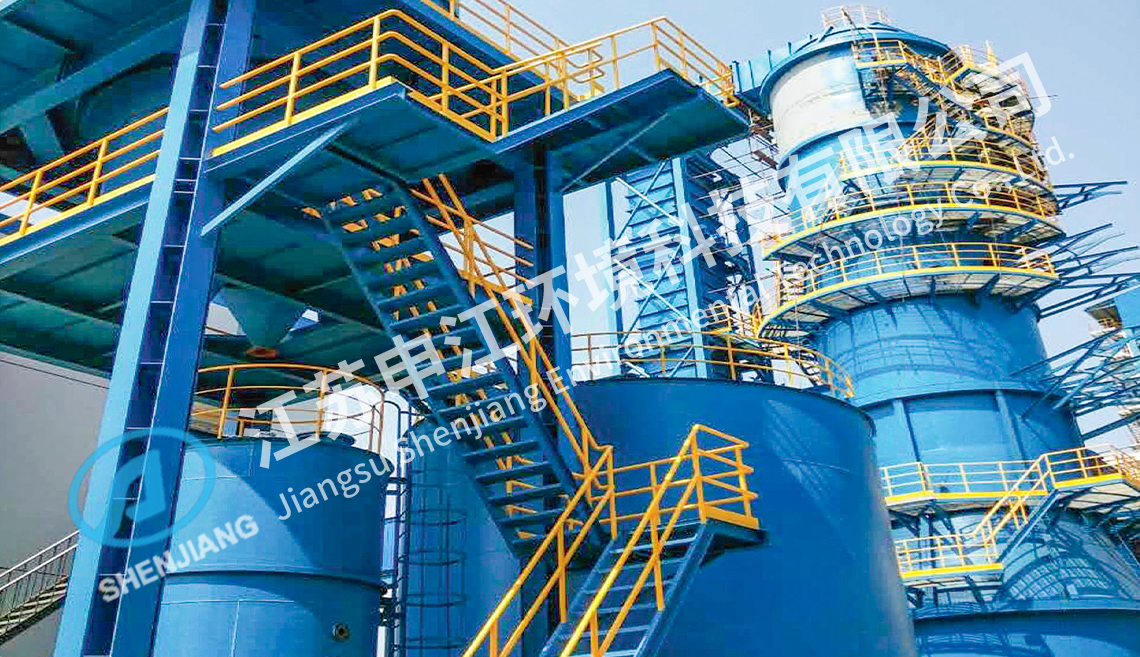
Reduction in Airborne Pollutants
One of the most significant benefits of flue gas treatment is the reduction of airborne pollutants. By employing various technologies such as selective catalytic reduction (SCR) for NOx reduction, flue gas desulfurization (FGD) for sulfur dioxide removal, and electrostatic precipitators (ESPs) for particulate matter control, industrial plants can significantly lower the concentration of harmful emissions released into the atmosphere. This reduction contributes to improved air quality, which benefits both human health and the environment. For example, the decrease in sulfur dioxide emissions can help prevent acid rain, which is detrimental to soil, aquatic ecosystems, and vegetation. Moreover, reducing NOx emissions can help mitigate smog formation and reduce respiratory problems in urban areas.
Energy Consumption and Resource Use
While flue gas treatment systems are effective in reducing emissions, they often require substantial energy inputs to operate. Technologies such as scrubbers, catalytic converters, and filters require electricity or thermal energy to maintain their operation, which can lead to higher energy consumption. This additional energy use may offset some of the environmental benefits, especially if the energy is sourced from fossil fuels, further contributing to carbon emissions. Additionally, the production and disposal of materials used in flue gas treatment, such as sorbents in desulfurization processes or catalysts in NOx reduction, can lead to resource depletion and environmental burdens associated with their extraction and processing. For example, mining activities for materials like limestone, which is used in wet scrubbers, can result in habitat disruption and pollution.
Waste Generation and Disposal
Flue gas treatment processes often produce waste by-products, some of which can be harmful to the environment. In desulfurization systems, for instance, the chemical reactions used to remove sulfur dioxide from flue gases result in the creation of gypsum, a solid waste product. While gypsum can be used in the production of construction materials, if not properly managed, it can accumulate in landfills, leading to space constraints and potential leaching of chemicals into the surrounding soil and groundwater. Similarly, other treatment processes, such as the use of activated carbon to capture mercury, generate spent carbon that must be disposed of, which can lead to land and water contamination if not handled appropriately. The disposal of these by-products requires careful management to minimize their long-term environmental impact.
Water Usage and Pollution
Water is often used in flue gas treatment systems, particularly in wet scrubbing processes where water is used to dissolve and remove pollutants from the exhaust gases. While these systems are effective in capturing pollutants, they can also lead to significant water consumption, which may strain local water resources, particularly in areas where water availability is limited. Furthermore, the water used in these systems can become contaminated with pollutants, creating wastewater that needs to be treated before being discharged back into the environment. Improper treatment or disposal of this wastewater can lead to contamination of rivers, lakes, or groundwater, posing a threat to aquatic ecosystems and drinking water quality. In regions with already limited water resources, the environmental impacts of water use and wastewater generation from flue gas treatment systems may be a significant concern.
Long-Term Environmental Footprint
Despite the primary goal of reducing pollution, the long-term environmental footprint of flue gas treatment technologies is complex. The materials used in constructing and operating these systems have their own environmental impacts, from resource extraction to manufacturing and transportation. For instance, the production of large-scale infrastructure such as scrubbers or electrostatic precipitators involves the use of metals, chemicals, and other resources that can have a significant environmental cost in terms of energy consumption, emissions, and waste generation during their lifecycle. Additionally, the disposal of used treatment materials, such as spent catalysts or worn-out filter media, can create long-term environmental burdens if not properly managed. As industries increasingly focus on sustainability, these factors must be considered when assessing the overall environmental impact of flue gas treatment technologies.
Potential for Secondary Pollution
While the primary objective of flue gas treatment is to reduce pollutants, there is also the potential for the generation of secondary pollutants during the treatment process. For example, the chemical reactions used in some desulfurization systems can produce by-products like hydrogen chloride or other hazardous chemicals. Similarly, the use of ammonia in NOx reduction processes can lead to the formation of ammonium salts or even secondary particulate matter. These secondary pollutants can contribute to additional environmental challenges, such as soil acidification or the formation of fine particulate matter, which can affect air quality and human health. The management of these secondary pollutants requires careful monitoring and control measures to ensure that the treatment processes do not inadvertently create new environmental issues.
Impact on Greenhouse Gas Emissions
Another environmental consideration of flue gas treatment is its potential effect on greenhouse gas (GHG) emissions. Some flue gas treatment systems, especially those that rely on chemical reactions, can release gases like carbon dioxide or nitrous oxide, both of which are potent greenhouse gases. The operation of treatment systems that use energy-intensive processes can also indirectly increase GHG emissions if the energy comes from fossil fuels. Moreover, the manufacture, transportation, and installation of the equipment needed for flue gas treatment contribute to the carbon footprint of the entire system. Therefore, while these technologies are crucial for reducing specific air pollutants, their contribution to overall GHG emissions must also be considered in the broader context of climate change mitigation efforts.
Advancements in Technology and Potential Benefits
Over the years, significant advancements have been made in the development of more efficient and environmentally friendly flue gas treatment technologies. Innovations in materials, such as the use of more sustainable catalysts or more effective filtration systems, have the potential to reduce the environmental impact of these processes. Additionally, emerging technologies like carbon capture and storage (CCS) aim to directly capture CO2 emissions from flue gases, offering a way to reduce the carbon footprint of industrial facilities. These advancements hold promise for addressing some of the challenges associated with traditional flue gas treatment methods, such as energy consumption and waste generation. As research continues, it is likely that the environmental impacts of flue gas treatment will be further mitigated, allowing for more sustainable industrial operations.




 English
  中文简体
中文简体 Español
 عربى
عربى русский
 ไทย
ไทย Indonesia
 Tiếng Việt