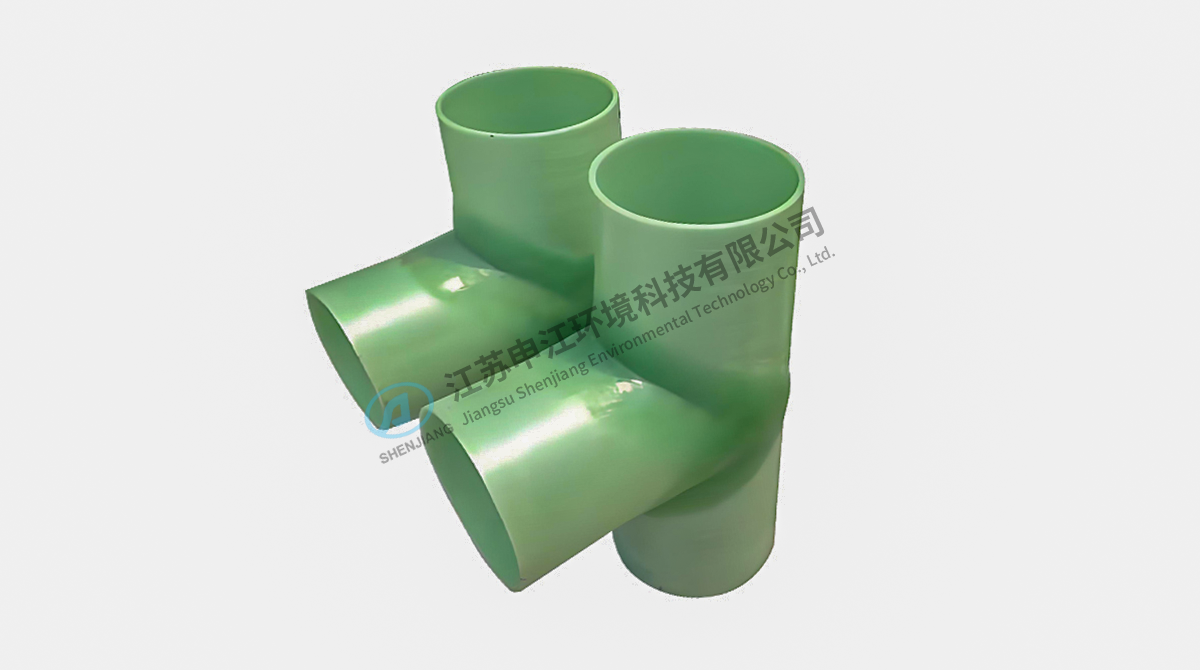
Introduction to FRP Tanks
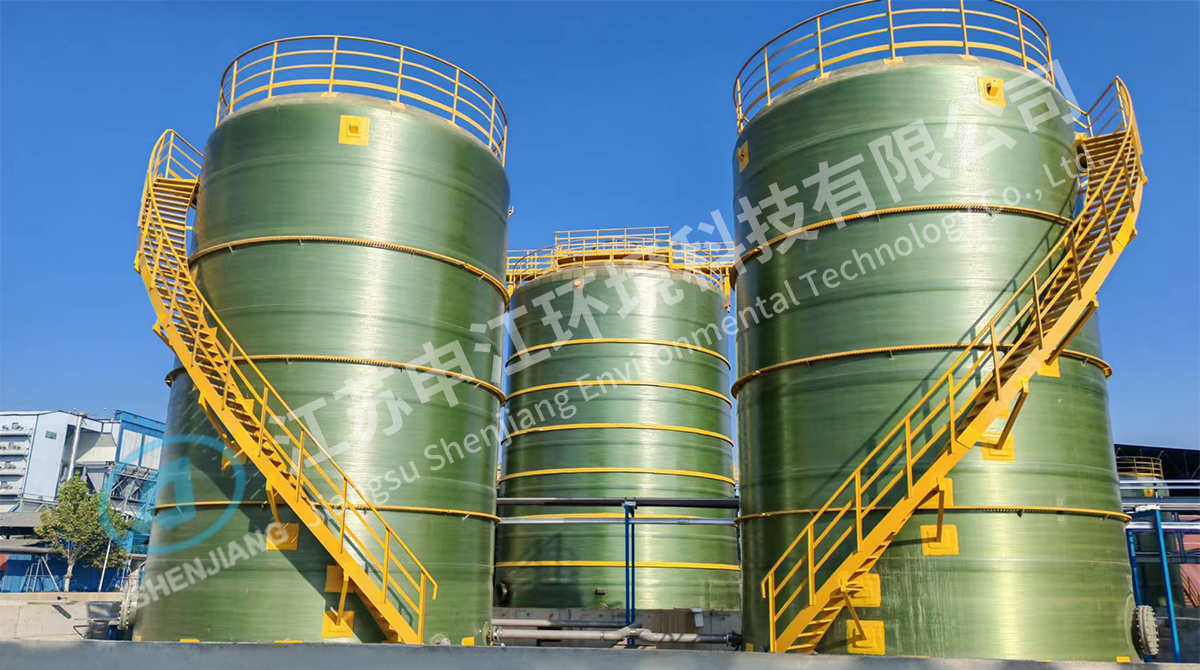
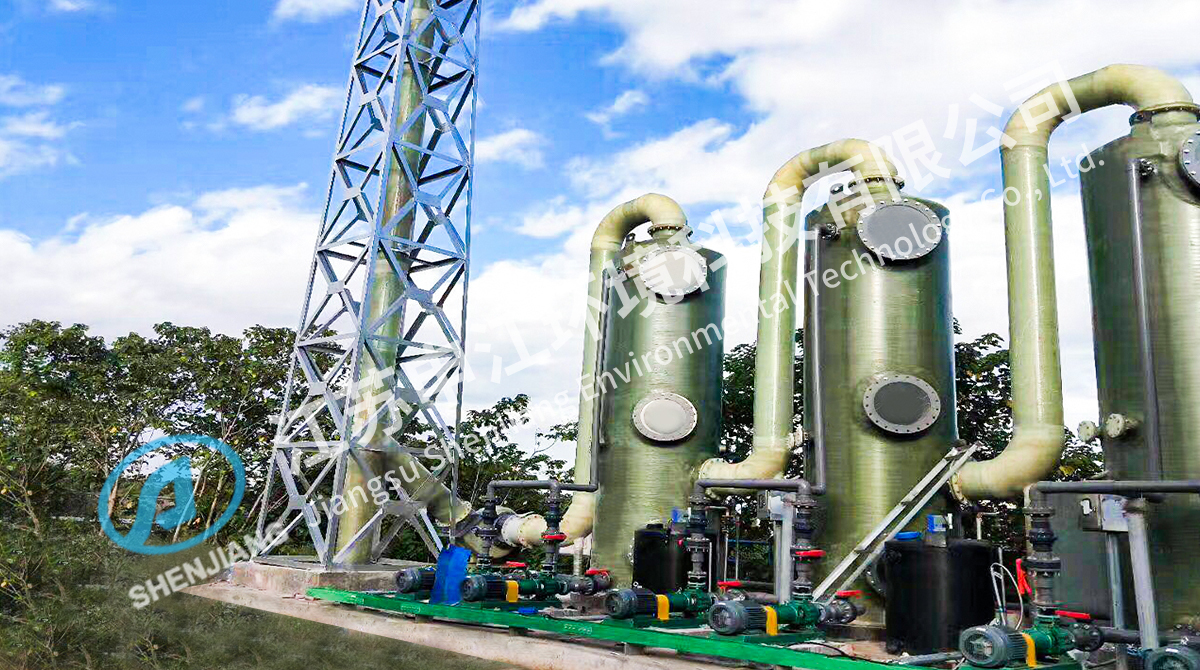
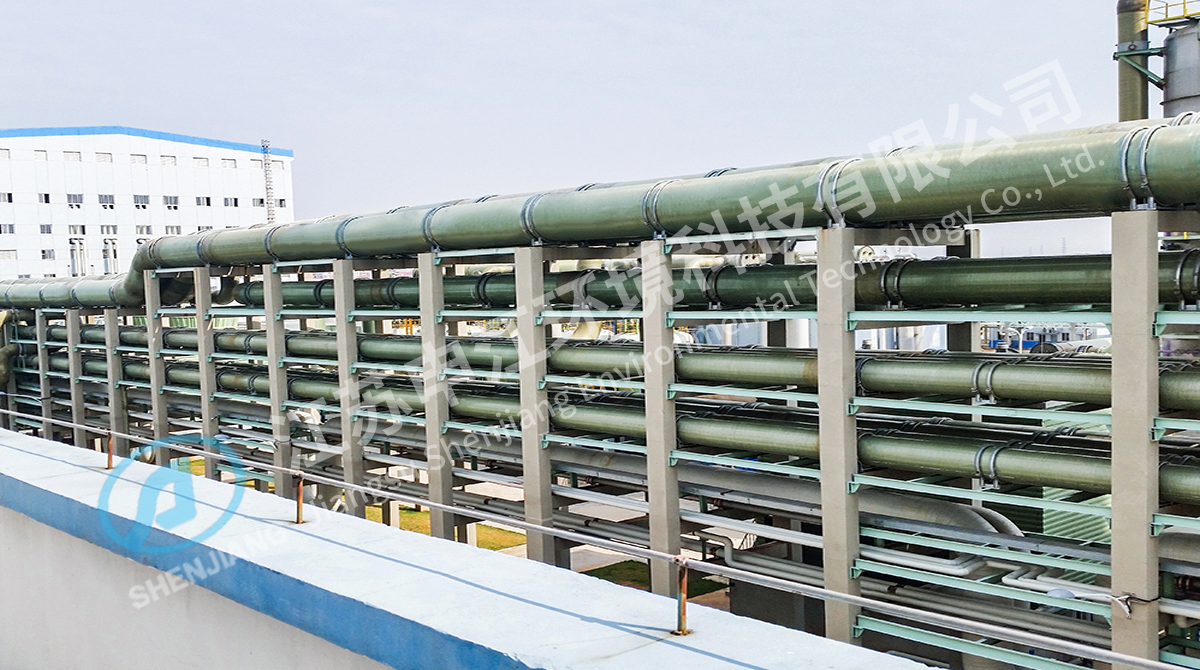
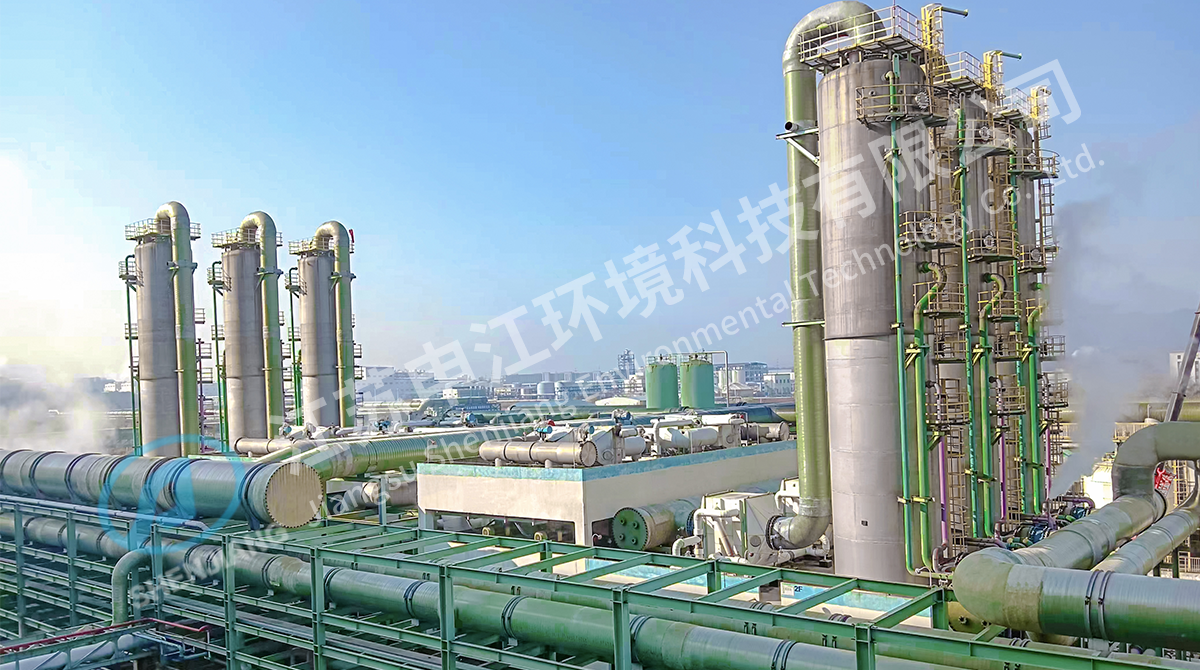
Fiber Reinforced Polymer (FRP) tanks are widely used in various industries due to their excellent resistance to corrosion, high strength-to-weight ratio, and relatively easy maintenance. These tanks are commonly employed in the storage and transportation of chemicals, water, and other substances. One of the key factors in determining their effectiveness is assessing the strength and compressive strength of the material used in their construction. These mechanical properties are critical for ensuring the tank’s ability to withstand operational stresses and external forces.
The strength of FRP materials refers to their ability to resist deformation or failure when subjected to stress. This characteristic is essential for the structural integrity of the tank. FRP materials are typically made by combining a polymer matrix with reinforcing fibers, such as glass or carbon fibers. The reinforcing fibers contribute to the tank’s overall strength by enhancing the material’s resistance to tension, bending, and torsion forces. However, the quality of the polymer matrix and the orientation and volume fraction of the reinforcing fibers play significant roles in determining the overall strength of the tank.
The strength of FRP tanks can be influenced by several factors, including the type of resin used, the fiber content, and the manufacturing process. Proper curing of the resin, for example, ensures that the polymer matrix bonds effectively with the fibers, thus improving the strength of the material. Additionally, the design of the tank, such as its wall thickness and the method of fiber layup, can also affect the strength. A well-designed FRP tank will typically exhibit strength characteristics suitable for its intended applications, provided that the correct materials and construction methods are used.
Compressive Strength of FRP Tanks
Compressive strength refers to the ability of a material to withstand compressive loads, where the material is subjected to forces that push or compress it together. In the case of FRP tanks, compressive strength is important because tanks may experience external forces, such as weight from stored liquids or pressure from external environmental conditions, that create compressive stresses on the walls of the tank.
FRP materials generally exhibit lower compressive strength compared to metals, but their resistance to corrosion and lightweight nature often outweighs this limitation. For tanks subjected to moderate compressive loads, the compressive strength of FRP may be sufficient, provided that the tank is designed to distribute stresses evenly. However, when tanks are subjected to high external loads, such as those encountered in certain industrial applications, additional reinforcements may be necessary. These reinforcements can include thicker walls, external bracing, or the incorporation of materials with higher compressive strength to ensure the tank can withstand the applied loads.
Factors Influencing the Strength and Compressive Strength
The strength and compressive strength of FRP tanks can be influenced by various factors, such as the quality of raw materials, manufacturing processes, and environmental conditions. The choice of resin plays a significant role in determining the mechanical properties of the tank. Epoxy resins, for example, tend to offer higher strength and durability compared to polyester or vinyl ester resins. The type of fibers used also contributes to the material’s strength; carbon fibers, for instance, provide higher strength than glass fibers but are more expensive. The orientation of the fibers within the composite material can also affect the overall strength, as certain orientations may provide better resistance to specific stresses.
Environmental factors can also influence the strength and compressive strength of FRP tanks. Exposure to extreme temperatures, ultraviolet (UV) radiation, or harsh chemicals can degrade the material over time, leading to a reduction in both strength and compressive strength. Therefore, FRP tanks need to be carefully selected and designed to operate within the expected environmental conditions to ensure that their strength properties remain adequate throughout their service life. Regular inspection and maintenance are also essential to identify any degradation of the material and prevent failure.
Design Considerations for FRP Tanks
The design of an FRP tank plays a crucial role in determining whether its strength and compressive strength are adequate for its intended application. One of the primary considerations in tank design is the tank’s size and shape, which can affect the distribution of stresses. For instance, cylindrical or spherical tanks often provide better resistance to internal pressure and external compressive loads compared to rectangular tanks due to their geometry, which helps distribute stress more evenly.
Wall thickness is another key factor in tank design. Thicker walls can improve both the strength and compressive strength of the tank, allowing it to withstand higher loads. However, increasing wall thickness also increases the weight of the tank, which may not always be desirable. Therefore, a balance must be struck between adequate strength and weight considerations. Additionally, the presence of reinforcing ribs or external supports can enhance the compressive strength of the tank by helping to distribute loads more effectively and prevent buckling or deformation under external pressure.
Testing and Validation of Strength and Compressive Strength
To ensure that the strength and compressive strength of an FRP tank are sufficient for its intended use, rigorous testing and validation procedures are required. Various standardized testing methods can be used to evaluate the mechanical properties of FRP materials, including tensile tests, compression tests, and flexural tests. These tests are typically performed on sample specimens taken from the tank material to assess their performance under controlled conditions. Testing helps determine whether the material meets the required specifications for strength and compressive strength, providing confidence that the tank will perform reliably in real-world applications.
In addition to laboratory testing, real-world performance data can also be valuable for validating the strength and compressive strength of FRP tanks. This data can be obtained from field inspections, monitoring systems, and feedback from operators who have experience with the tanks in actual use. By collecting and analyzing this data, engineers can identify any potential weaknesses or areas for improvement in the design or construction of the tanks, ensuring that future tanks meet the necessary performance standards.
Applications of FRP Tanks and the Role of Strength and Compressive Strength
FRP tanks are used in a wide range of applications across various industries, including chemical storage, water treatment, and food processing. The strength and compressive strength of these tanks play an essential role in determining their suitability for specific applications. In chemical storage, for example, tanks must be able to withstand internal pressures created by the stored liquids, as well as resist external forces such as seismic activity or vehicle traffic. In such cases, the tank’s strength and compressive strength are critical factors in ensuring its durability and safety.
In the case of water treatment, FRP tanks are often used to store and transport water or chemicals used in the purification process. The compressive strength of these tanks is particularly important when the tanks are subjected to pressure changes during the treatment process. For food processing, FRP tanks are used to store ingredients and finished products. These tanks must meet strict regulatory standards regarding strength and durability to ensure food safety and quality.




 English
  中文简体
中文简体 Español
 عربى
عربى русский
 ไทย
ไทย Indonesia
 Tiếng Việt