Introduction to flue gas treatment
Flue gas treatment refers to the process of removing or reducing pollutants from industrial exhaust gases before they are released into the atmosphere. These pollutants may include particulate matter, sulfur oxides (SOx), nitrogen oxides (NOx), heavy metals, and volatile organic compounds. The main goal of flue gas treatment is to minimize environmental damage and reduce potential health risks to nearby populations. The effectiveness of the treatment process directly influences air quality and the surrounding ecosystem.
Reduction of airborne particulate matter
One of the primary benefits of flue gas treatment is the reduction of airborne particulate matter, including dust and soot. Particulate matter can penetrate deep into the respiratory system, causing irritation, lung inflammation, and exacerbation of respiratory diseases. By using equipment such as electrostatic precipitators and fabric filters, industries can capture a large portion of these particles. Consequently, the release of dust into the atmosphere is minimized, reducing its immediate impact on human health and visibility in urban areas.
Control of sulfur oxides (SOx) emissions
Sulfur oxides, primarily produced from burning fossil fuels, are major contributors to acid rain. Acid rain can harm soil quality, freshwater ecosystems, and vegetation. Flue gas desulfurization (FGD) systems are commonly used to remove SOx from exhaust gases. By neutralizing sulfur compounds, these systems reduce the direct environmental impact, protecting crops, forests, and aquatic life. For humans, lower SOx emissions decrease the risk of respiratory problems and cardiovascular complications related to long-term exposure.
Reduction of nitrogen oxides (NOx) emissions
Nitrogen oxides are significant contributors to smog formation and ground-level ozone, which can affect both human health and the environment. Selective catalytic reduction (SCR) and low-NOx burners are techniques employed in flue gas treatment to reduce these emissions. Lower NOx concentrations help prevent respiratory irritation, reduce asthma attacks, and improve air quality. For ecosystems, reduced NOx deposition prevents nutrient imbalances in soil and water bodies, protecting flora and fauna.
Removal of heavy metals
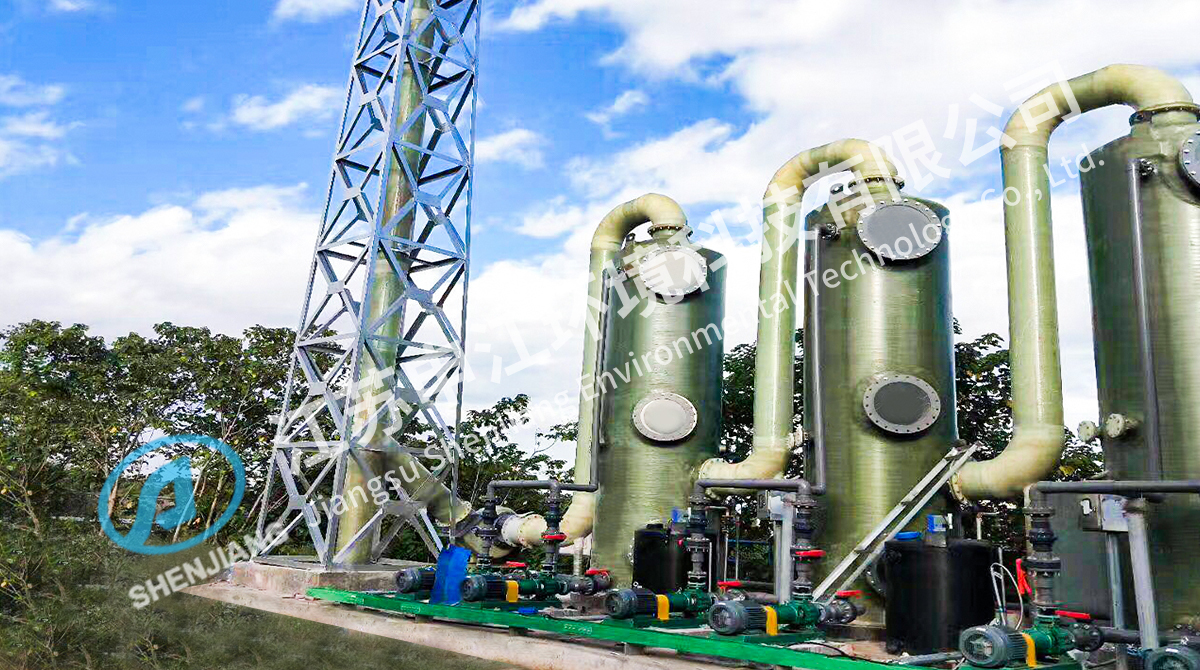
Industrial combustion can release heavy metals such as mercury, cadmium, and lead into the atmosphere. These metals are toxic and can accumulate in human tissues and the food chain, leading to neurological, renal, and developmental disorders. Advanced flue gas treatment systems, including activated carbon injection and wet scrubbers, can capture heavy metals effectively. This reduces their direct exposure to both humans and animals, and prevents environmental contamination in soil and water.
Minimization of volatile organic compounds (VOCs)
Volatile organic compounds contribute to air pollution and formation of secondary pollutants like ozone. VOCs can cause eye, nose, and throat irritation, and long-term exposure may increase the risk of chronic respiratory diseases. Flue gas treatment using thermal oxidizers, adsorption systems, or catalytic converters can reduce VOC emissions, thereby lowering the immediate health risks and mitigating the formation of secondary pollutants that affect both humans and the environment.
Impact on local air quality and urban environments
The cumulative effect of flue gas treatment on local air quality can be substantial. By reducing dust, SOx, NOx, and VOCs, treated emissions help decrease smog and haze, improving visibility and overall urban environmental conditions. Cleaner air directly benefits human populations, particularly in industrial zones or cities with high traffic and energy production activities. Additionally, improved air quality contributes to healthier plant life and reduced acid deposition on buildings and infrastructure.
Indirect environmental benefits
While the direct impacts focus on air pollutants, flue gas treatment also has indirect environmental effects. By reducing acid-forming gases and toxic compounds, soil and water ecosystems are protected from chemical imbalances. Aquatic life experiences fewer changes in pH levels and lower metal concentrations, which supports biodiversity. Forested areas and agricultural lands benefit from less acid deposition and particulate accumulation, promoting sustainable growth.
Health benefits to human populations
Direct human health benefits of flue gas treatment include lower incidence of respiratory diseases such as bronchitis, asthma, and chronic obstructive pulmonary disease (COPD). Cardiovascular health is also positively affected, as long-term exposure to particulate matter and NOx is associated with heart disease. Children and the elderly, who are more susceptible to air pollution, benefit significantly from cleaner air. Moreover, reduced heavy metal exposure prevents developmental and neurological issues in vulnerable populations.
Importance of monitoring and maintenance
The effectiveness of flue gas treatment systems depends on proper operation and maintenance. Regular inspections and monitoring of emissions are necessary to ensure that pollutants remain within regulated limits. Equipment such as scrubbers, filters, and catalytic converters must be maintained to prevent leaks or inefficiencies. Well-maintained systems maximize environmental protection and human health benefits.
Direct Impacts of Flue Gas Treatment
| Pollutant Type |
Environmental Impact |
Human Health Impact |
Treatment Method |
| Particulate matter |
Reduced air and soil deposition, improved visibility |
Decreased respiratory irritation and lung disease |
Electrostatic precipitators, filters |
| Sulfur oxides (SOx) |
Less acid rain, protection of soil and water |
Lower risk of respiratory and cardiovascular issues |
Flue gas desulfurization (FGD) |
| Nitrogen oxides (NOx) |
Reduced smog formation, less ozone |
Decreased asthma and respiratory irritation |
Selective catalytic reduction (SCR) |
| Heavy metals |
Reduced soil and water contamination |
Lower neurological and renal toxicity |
Activated carbon injection, scrubbers |
| Volatile organic compounds (VOCs) |
Reduced ozone formation, better air quality |
Less irritation to eyes, nose, throat; lower long-term respiratory risk |
Thermal oxidizers, catalytic converters |




 English
  中文简体
中文简体 Español
 عربى
عربى русский
 ไทย
ไทย Indonesia
 Tiếng Việt