Introduction to Air Pollution Control Equipment
Air pollution has become one of the pressing challenges in modern societies as rapid industrialization and urbanization contribute to emissions of harmful gases, particulate matter, and volatile compounds. Environmental protection equipment designed for air pollution control follows systematic principles to capture, neutralize, or reduce pollutants before they are released into the atmosphere. The design of such equipment integrates scientific understanding of fluid mechanics, chemistry, and thermodynamics, combined with practical engineering approaches. The primary goal is not only to reduce the environmental impact but also to improve compliance with environmental regulations. This article explores the most common principles applied in air pollution control equipment, analyzing their mechanisms and practical implications in diverse industrial contexts.
Principle of Filtration and Mechanical Separation
One of the fundamental principles in air pollution control equipment is filtration and mechanical separation. This approach is typically used to remove particulate matter from gas streams by forcing the polluted air through filters or screens. Devices such as baghouse filters, fabric filters, and cartridge filters operate on this principle. The physical barriers trap solid particles while allowing gases to pass through. In addition, cyclonic separators apply centrifugal force to separate particles based on density differences, which is particularly useful in industrial processes with high concentrations of dust. These systems emphasize mechanical interception, inertial impaction, and diffusion as ways to achieve separation, making them effective in capturing particles ranging from coarse dust to finer particulates.
Principle of Electrostatic Precipitation
Electrostatic precipitation is another common principle used in environmental protection equipment for air pollution control. Electrostatic precipitators (ESPs) apply an electric field to charged particles suspended in the gas stream, causing them to migrate toward oppositely charged collection plates. The accumulated particles are then removed by mechanical rapping or washing. This principle is widely employed in industries such as power generation, cement production, and metallurgy, where fine particulate matter needs to be captured efficiently. The effectiveness of this principle depends on factors like particle size, gas temperature, and electrical resistivity of the dust. By utilizing electrical forces rather than solely mechanical barriers, this method achieves fine particulate removal without creating a large pressure drop in the system.
Principle of Absorption
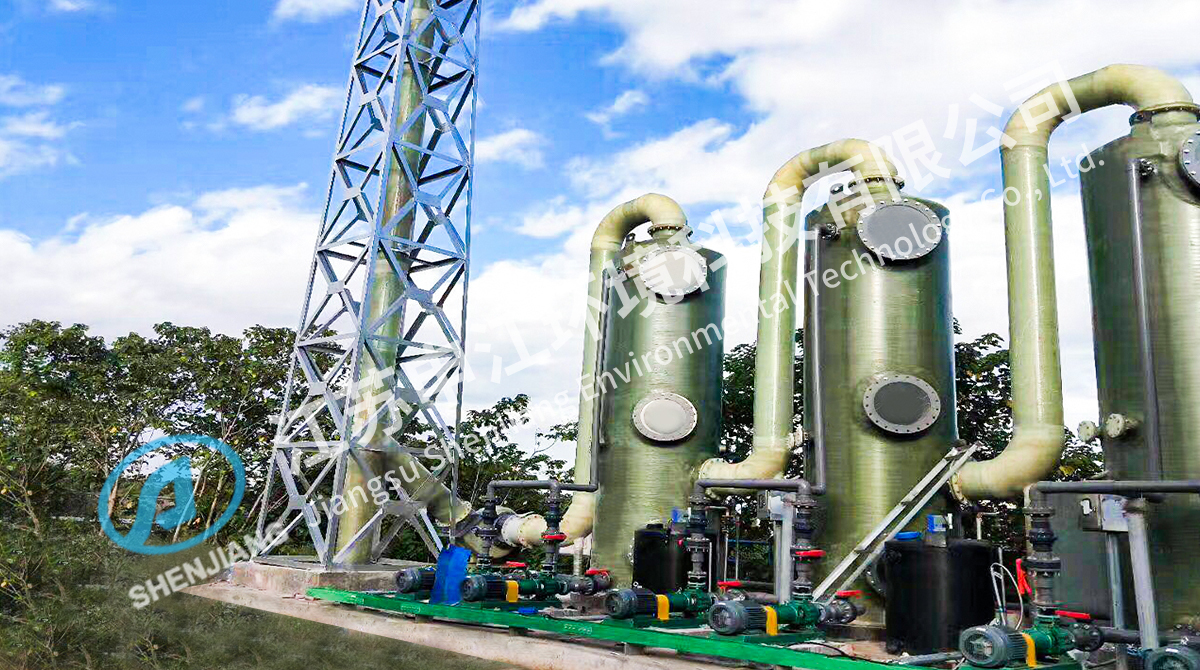
Absorption involves transferring gaseous pollutants from the air into a liquid medium. Equipment such as packed bed scrubbers and spray towers utilize this principle, where pollutants like sulfur dioxide or hydrogen chloride are absorbed into water or alkaline solutions. The absorption process is governed by solubility, chemical reactivity, and the surface area of contact between the gas and liquid. Enhancing contact through atomized sprays, packed materials, or high turbulence improves the efficiency of pollutant removal. The absorbed pollutants can either be neutralized chemically or processed further for safe disposal. This principle is especially common in chemical industries, incineration facilities, and processes that generate acidic gases.
Principle of Adsorption
Adsorption relies on the accumulation of gas molecules on the surface of solid materials. Activated carbon, silica gel, and zeolites are widely used adsorbents due to their high surface area and porous structures. In air pollution control equipment, adsorption units capture volatile organic compounds (VOCs), odors, and toxic gases. The adsorption process depends on physical forces like van der Waals interactions as well as chemical bonding in some cases. Once the adsorbent becomes saturated, it must either be regenerated through heating or replaced. Adsorption equipment is often used in industries requiring control of organic vapors and in indoor air purification systems. Its effectiveness is particularly valued in situations where pollutants are present in relatively low concentrations but require targeted removal.
Principle of Catalytic Conversion
Catalytic conversion plays a vital role in reducing harmful gaseous emissions, particularly nitrogen oxides, carbon monoxide, and hydrocarbons. Catalysts such as platinum, palladium, and vanadium oxides are used to accelerate chemical reactions that convert pollutants into less harmful compounds. A typical example is the catalytic converter in automotive exhaust systems, where carbon monoxide is oxidized to carbon dioxide, and nitrogen oxides are reduced to nitrogen and oxygen. In industrial applications, selective catalytic reduction (SCR) systems utilize ammonia or urea in the presence of a catalyst to reduce nitrogen oxides. This principle leverages chemical transformation rather than separation, making it particularly useful for gaseous pollutants that cannot be captured through mechanical methods.

Principle of Thermal Oxidation
Thermal oxidation, also known as incineration, involves combusting pollutants at high temperatures to convert them into less harmful compounds such as carbon dioxide and water vapor. This principle is effective in treating volatile organic compounds, hazardous gases, and odorous emissions. Thermal oxidizers are designed to ensure complete combustion by maintaining appropriate temperature, residence time, and turbulence. In some cases, regenerative thermal oxidizers (RTOs) are used to recover heat from the combustion process, enhancing energy efficiency. While effective, thermal oxidation requires careful monitoring to ensure that secondary pollutants such as nitrogen oxides are minimized during operation.
Principle of Condensation
Condensation is a principle used to control pollutants by cooling the gas stream until vapors condense into liquid form, which can then be collected and removed. This method is commonly applied to recover solvents or remove volatile organic compounds from air emissions. The effectiveness of condensation depends on the cooling capacity, the vapor pressure of the pollutant, and the design of the condenser. Equipment such as surface condensers and cryogenic condensers are used based on the specific requirements of the process. While condensation may not be sufficient as a standalone method for complete air pollution control, it is often combined with other techniques to enhance overall effectiveness.
Integration of Multiple Principles
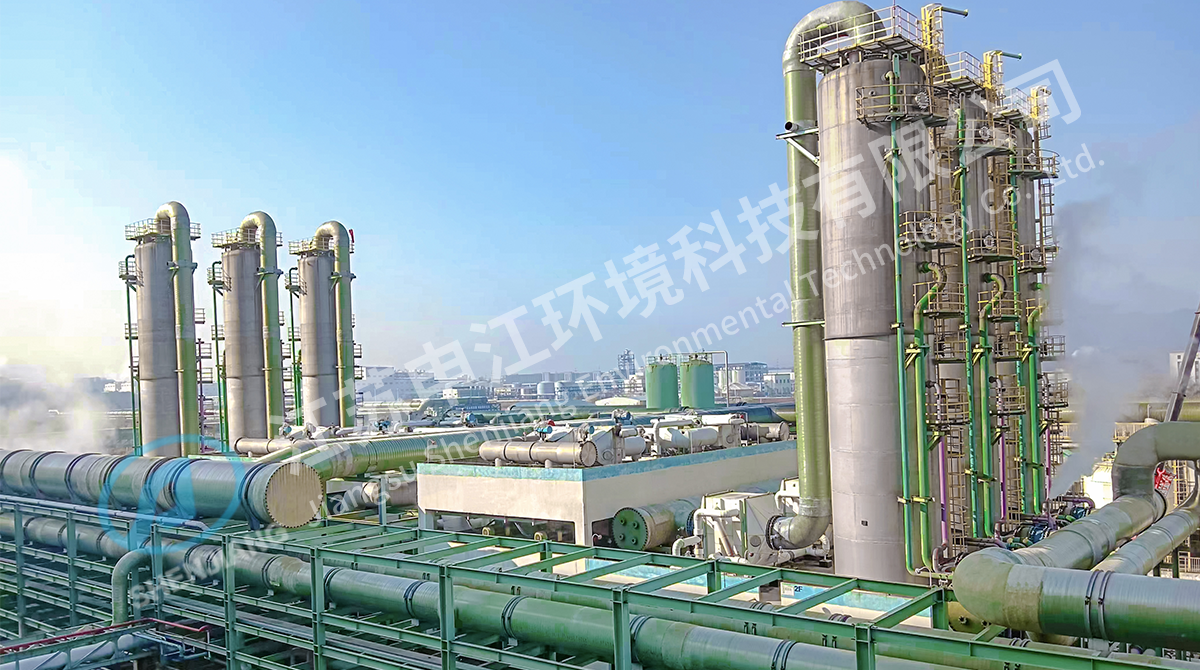
Modern air pollution control systems often integrate multiple principles to achieve comprehensive treatment. For example, a facility may use cyclones for coarse particle removal, electrostatic precipitators for fine particles, and scrubbers for gaseous pollutants in sequence. This integration ensures that both particulate and gaseous pollutants are addressed effectively. The design of integrated systems considers factors such as pollutant characteristics, regulatory limits, and operational efficiency. The combination of principles also allows industries to tailor equipment to specific needs, balancing cost, efficiency, and maintenance requirements.
Comparison of Principles in Practice
The choice of principle in air pollution control equipment depends on the type of pollutant, concentration, and process conditions. For particulate matter, mechanical filtration and electrostatic precipitation are widely used. For gaseous pollutants, absorption, adsorption, and catalytic conversion are common. Thermal oxidation and condensation are often applied for volatile organic compounds. The following table provides a comparative overview of the main principles:
| Principle |
Target Pollutant Type |
Typical Equipment |
Key Considerations |
| Filtration/Separation |
Particulate matter |
Baghouse filters, cyclones |
Particle size, pressure drop |
| Electrostatic Precipitation |
Fine particles |
ESPs |
Particle resistivity, gas conditions |
| Absorption |
Acidic gases |
Scrubbers, spray towers |
Solubility, contact area, chemical reactivity |
| Adsorption |
VOCs, toxic gases |
Activated carbon units |
Adsorbent capacity, regeneration method |
| Catalytic Conversion |
NOx, CO, hydrocarbons |
Catalytic converters, SCR |
Catalyst type, reaction conditions |
| Thermal Oxidation |
VOCs, hazardous gases |
Thermal oxidizers, RTOs |
Combustion temperature, energy efficiency |
| Condensation |
Solvent vapors, VOCs |
Condensers, cryogenic systems |
Cooling efficiency, vapor pressure |
Future Trends and Sustainability Considerations
Looking ahead, the development of environmental protection equipment for air pollution control is increasingly focused on sustainability, energy efficiency, and adaptability to emerging pollutants. Innovations include the use of nanomaterials for advanced filtration, hybrid systems combining adsorption and catalytic conversion, and digital monitoring systems that optimize equipment performance in real-time. Additionally, there is growing emphasis on reducing the energy footprint of pollution control systems, ensuring that the equipment itself does not contribute significantly to greenhouse gas emissions. The integration of renewable energy sources, modular designs, and recyclable materials represents the future direction of this field.




 English
  中文简体
中文简体 Español
 عربى
عربى русский
 ไทย
ไทย Indonesia
 Tiếng Việt