
Difference in material composition
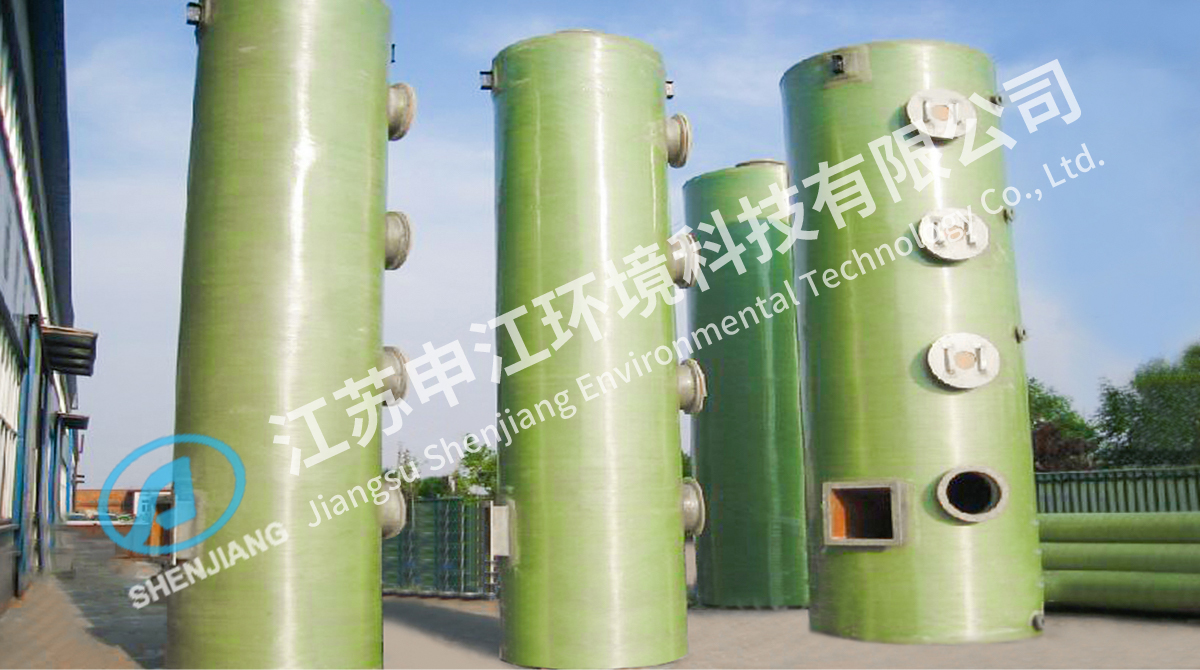
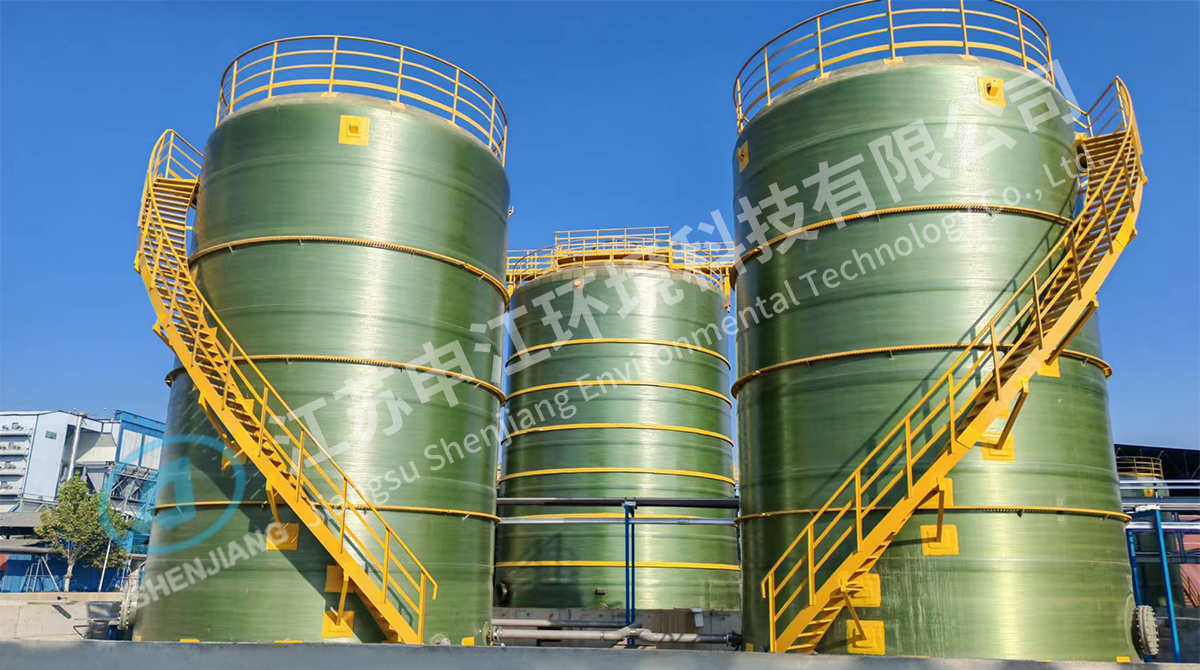
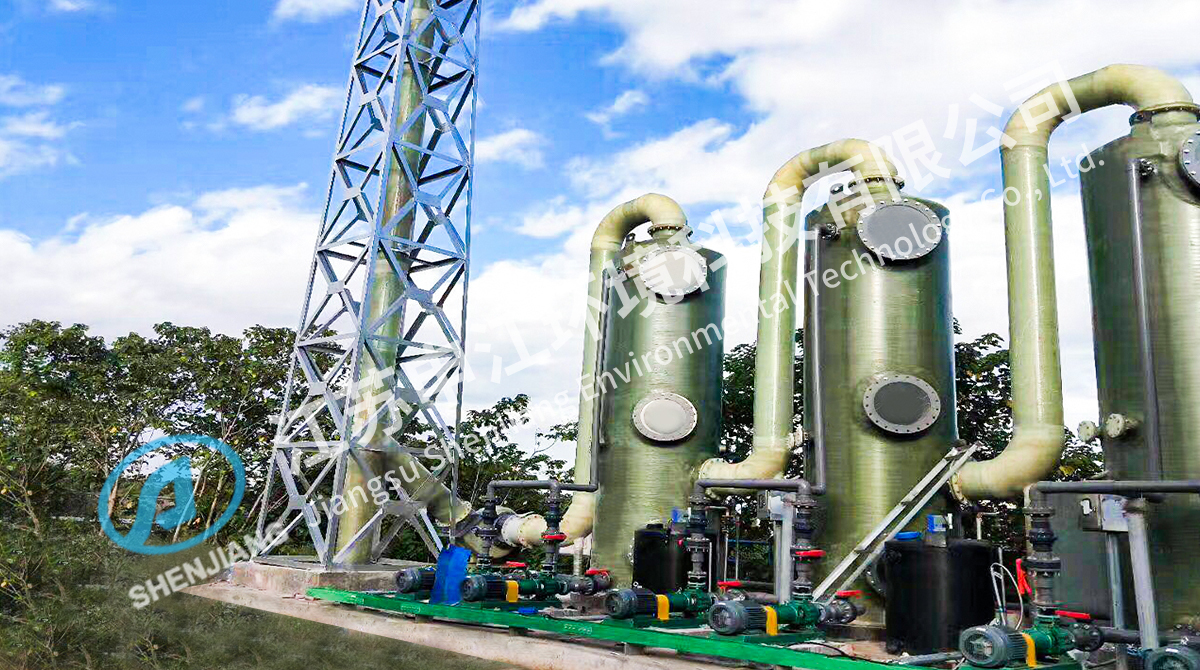
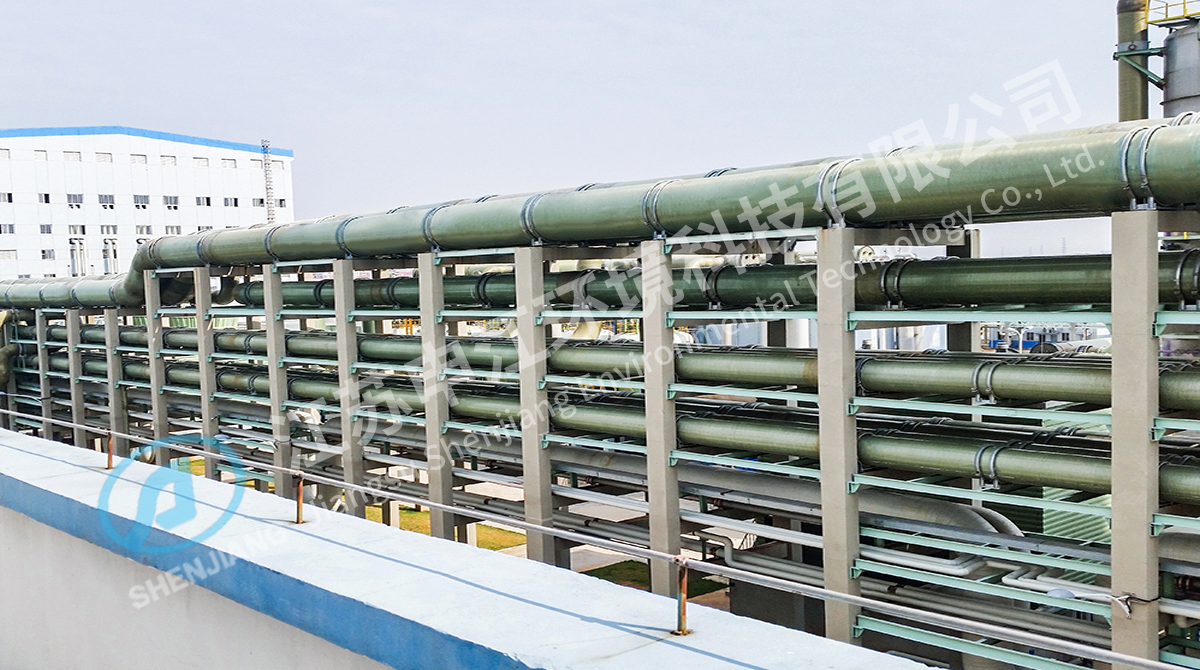
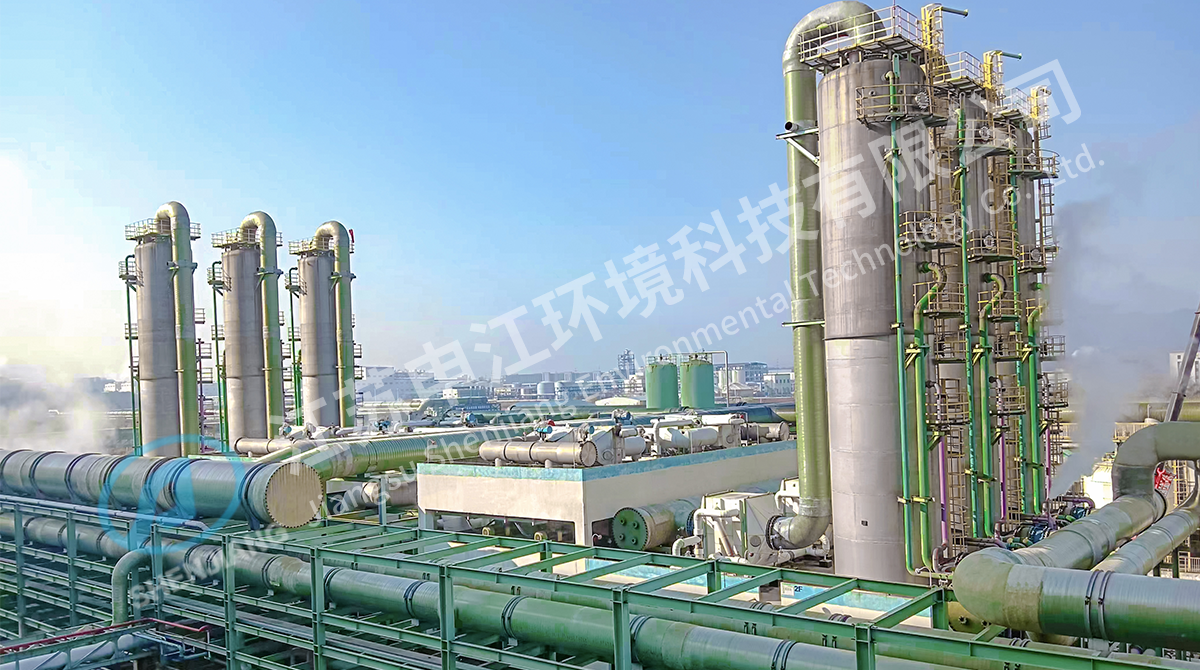
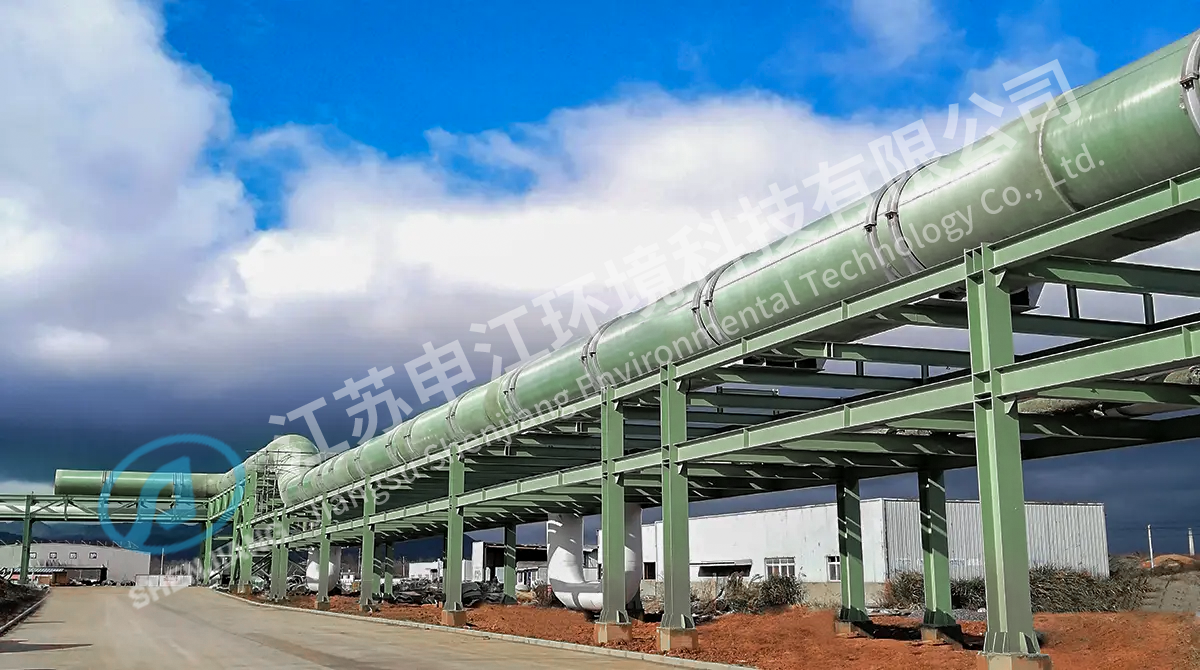
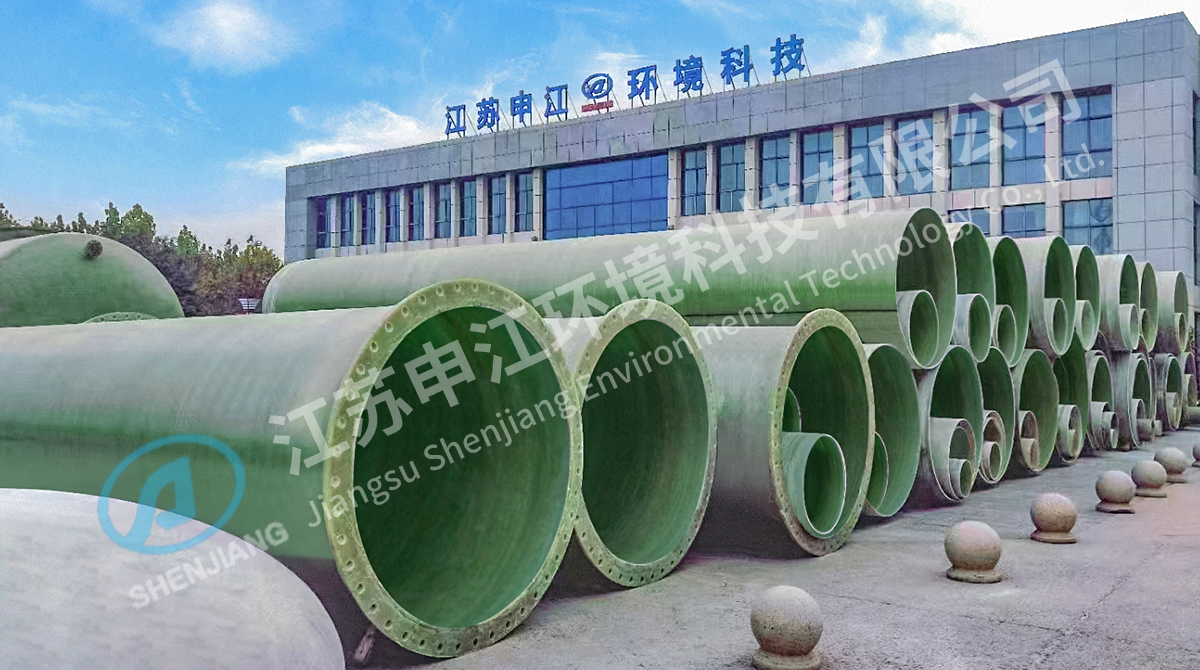
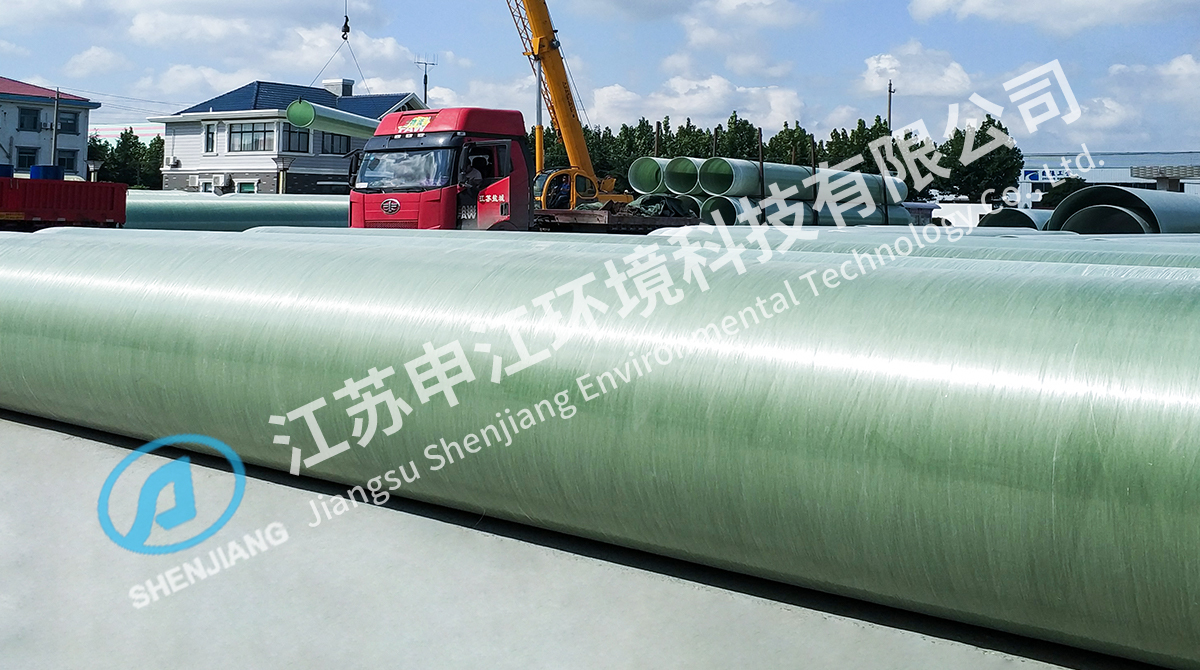
FRP towers are mainly made of fiberglass reinforced plastic, a composite material composed of glass fiber and resin, with strong corrosion resistance and insulation properties. Traditional steel structure towers use steel, which has high strength and rigidity, but is easily affected by corrosion and requires regular maintenance. The difference between the two materials makes them show differences in performance and use environment.
Weight and structural design differences
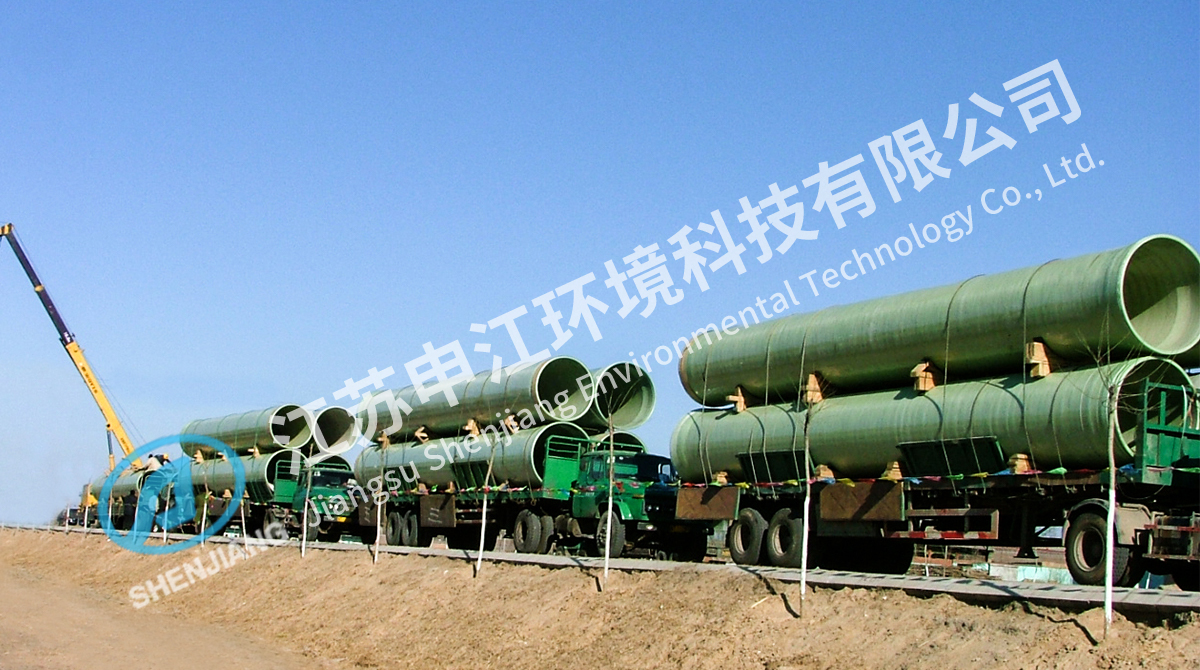
FRP towers are lighter than traditional steel structure towers. This is mainly due to the low density of FRP materials and the high density of steel. The lightweight design makes FRP towers more flexible in transportation and installation, reducing construction difficulty and transportation costs. Traditional steel structure towers require more complex lifting equipment and more manual cooperation during installation due to their heavy weight.

Anti-corrosion performance comparison
FRP materials themselves have strong corrosion resistance and can resist the erosion of various chemical substances. They are especially suitable for use in harsh environments such as wet, marine, and acid rain. In contrast, although traditional steel structure towers are strong, they are prone to rust and corrosion, and require regular spraying of anti-corrosion coatings, and the maintenance cost is relatively high. The corrosion resistance of FRP towers gives them certain advantages in terms of maintenance cycle and cost.
Insulation performance and safety
FRP is a non-conductive material with good insulation performance, which is especially important in high-voltage power equipment and communication equipment. The use of FRP towers can reduce the risk of electric shock and improve the safety of equipment and operators. Traditional steel structure towers are metal conductors. Without additional insulation measures, there may be a risk of electric shock, so insulation devices are required to ensure safety.
Differences in structural strength and stiffness
Steel structure towers can carry large loads due to the high strength and rigidity of steel, and are suitable for building tall towers with high bearing capacity requirements. Although FRP towers have high strength, they are not as good as steel in stiffness and bending resistance, and are usually suitable for medium and low height applications with small loads. When designing FRP towers, it is necessary to reasonably consider the material properties and take corresponding structural reinforcement measures.
Service life and maintenance requirements
Due to their good corrosion resistance, FRP towers can usually maintain a long time in harsh environments without frequent maintenance, reducing the work intensity and frequency of maintenance personnel. Traditional steel structure towers need to regularly check the anti-corrosion coating, remove rust, and may need to replace damaged parts, which has a high maintenance cost. The complexity and frequency of maintenance are obvious differences between the two.

Convenience of construction and installation
Due to the light weight and small components of FRP towers, transportation and on-site assembly are relatively simple. The modular design of FRP towers facilitates rapid assembly on site and shortens the construction period. The components of steel structure towers are large and heavy, and the technical requirements for mechanical equipment and personnel are high during construction, and the construction period is relatively long. In terms of construction convenience, FRP towers have certain advantages.
Environmental resistance
FRP towers perform well in environmental adaptability such as UV resistance and acid and alkali resistance. They are not easily corroded by moisture, salt spray and pollutants, and are suitable for environments such as seaside and industrial areas. If steel structure towers are not fully protected, they are prone to accelerated corrosion in these environments, affecting service life and safety. Differences in environmental adaptability are an important consideration when selecting materials.
Economic cost analysis
In terms of initial procurement costs, FRP towers are usually more expensive than traditional steel structure towers, mainly due to manufacturing processes and material costs. In the long run, due to the low maintenance cost and stable service life of FRP towers, their comprehensive economic benefits may be more attractive. The procurement cost of steel structure towers is low, but the cost of later maintenance, repair and replacement of parts is relatively high.
Differences in application fields
FRP towers are mostly used in communication base stations, meteorological observations, environmental monitoring and other occasions with special requirements for insulation and corrosion protection. Steel structure towers are widely used in high-voltage power transmission, heavy machinery support and other fields, suitable for carrying large equipment and heavy-load environments. The performance characteristics of different materials determine their application focus in actual engineering.