
Jiangsu Shenjiang Environmental Technology Co., Ltd.

Recruiting Global Agents

Jiangsu Shenjiang Environmental Technology Co., Ltd.
Home / News / Industry News / How to ensure the strength and sealing of the FRP tank when making it?

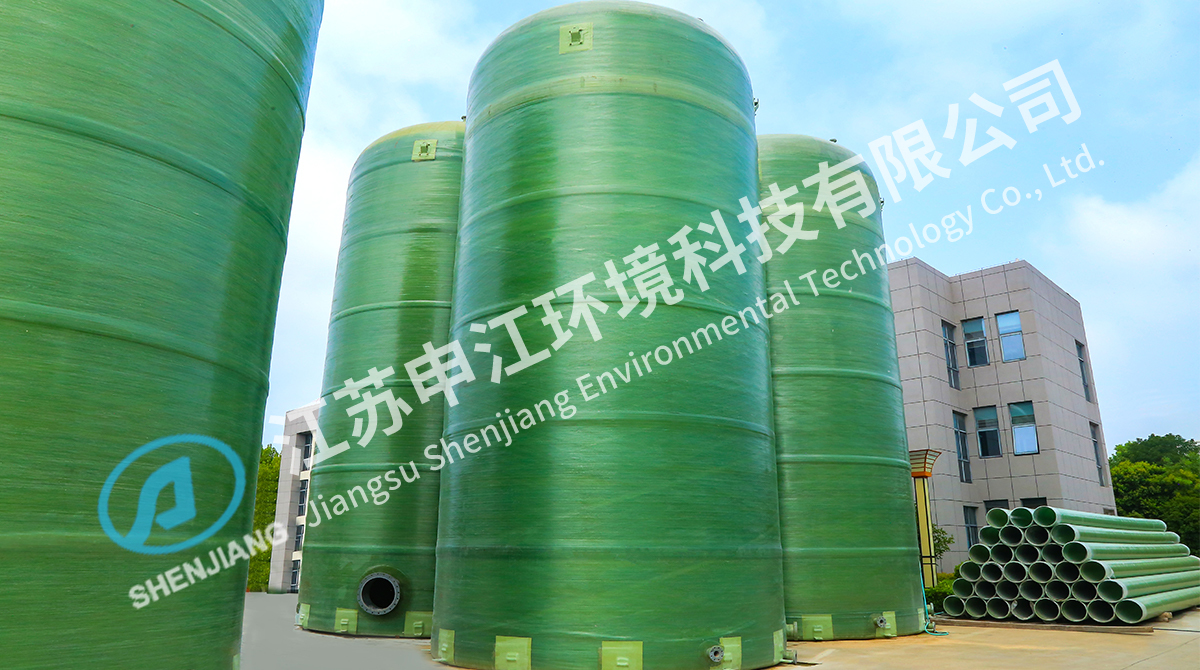
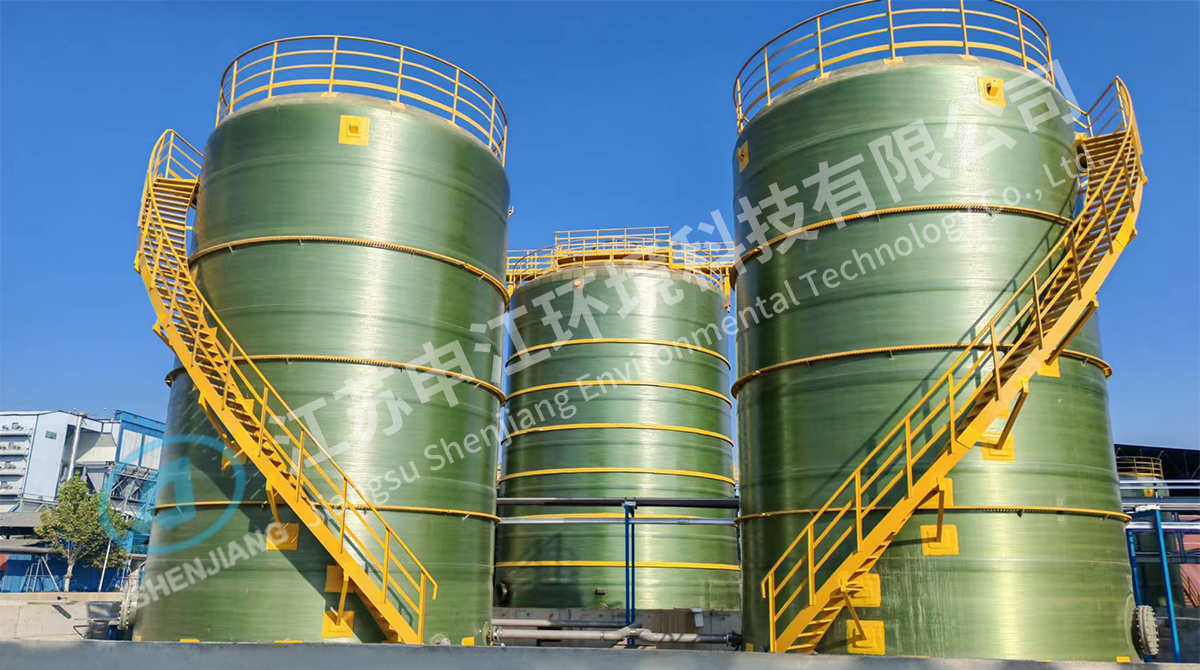
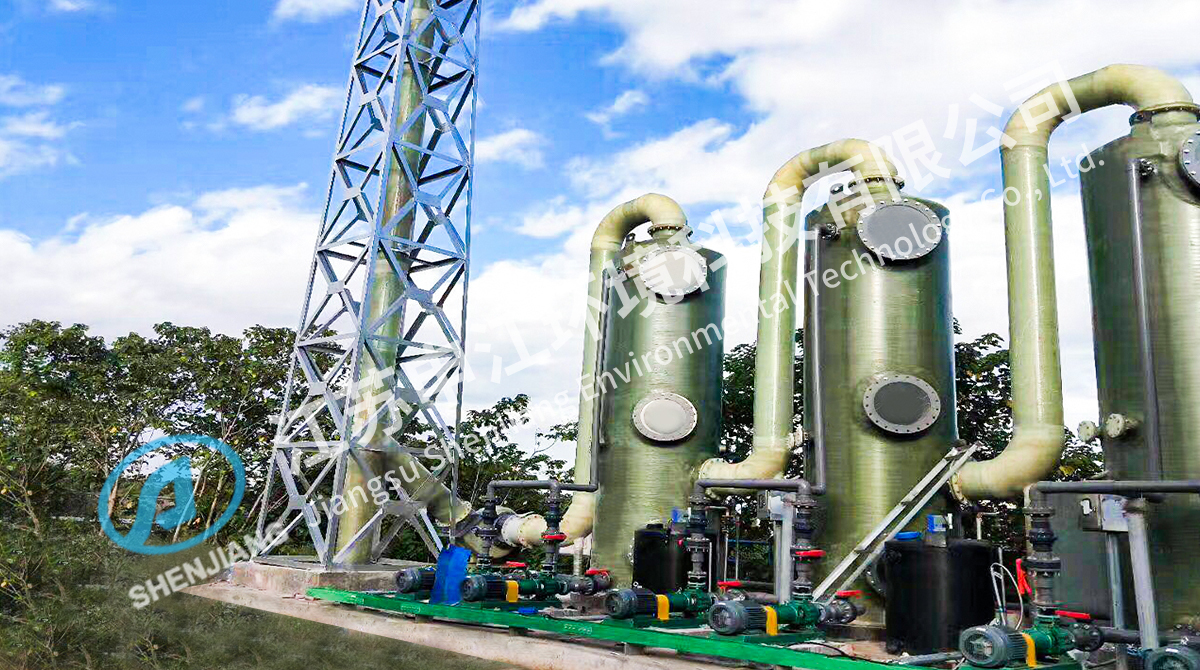
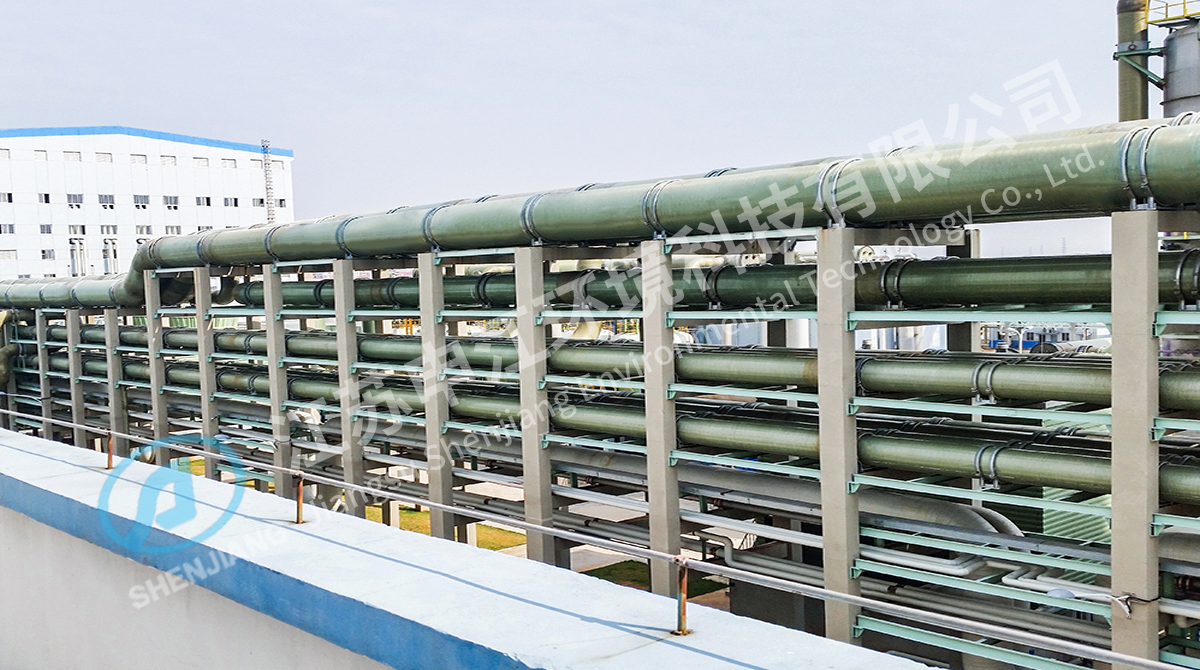
How to ensure the strength and sealing of the FRP tank when making it?

Structural rationality in the design stage
In the manufacture of FRP tanks, the design stage is the basic work to ensure the strength and sealing of the tank body. Engineering designers need to scientifically determine the structural form, wall thickness and reinforcement arrangement of the tank body according to the conditions such as the medium used, pressure, temperature and installation environment. The impact of internal pressure and external load on the tank body should be fully considered during design to avoid local stress concentration causing deformation or rupture of the tank body. At the same time, design calculations should be carried out in accordance with relevant industry standards and specifications to ensure that the structural parameters meet the requirements of long-term use.

Scientific material selection
The main materials of FRP tanks are glass fiber reinforced materials and resins, and the properties of the two directly determine the strength and sealing of the tank body. In the material selection process, it is necessary to select the appropriate resin type according to the properties of the medium stored in the tank body, such as acid and alkali resistant, solvent resistant or high temperature resistant resin. At the same time, glass fiber should be selected from varieties with good tensile strength and corrosion resistance to ensure the reinforcement effect. In addition, the compatibility of the matrix resin and the reinforcing material is also an important factor that needs attention, which helps to improve the interlayer bonding and prevent stratification or delamination.

Standardization of process control
The manufacture of FRP tanks usually adopts processes such as winding, hand lay-up or centrifugal casting. Regardless of the process, process control during the production process is the key to ensuring strength and sealing. For the winding process, the fiber winding angle, tension and number of layers must be strictly controlled to ensure that the fibers are evenly distributed and tightly arranged. For the hand lay-up process, attention should be paid to uniform glue coating and thorough exhaust to prevent bubbles or interlayer defects. During the production process, the curing temperature, humidity and time of the resin also need to be strictly controlled according to the process requirements to ensure sufficient curing and interlayer bonding.

Structural treatment of joints and flanges
The joints, flanges and manholes of the tank body are links where sealing and strength are easily weak. These locations need to be strengthened during manufacturing. For example, a local thickening layer or reinforcement ribs can be added at the root of the flange to withstand stress concentration during installation and use. The design of the joint should minimize the number of welds or splicing seams, and adopt overlap or multi-layer composite structures to improve the overall sealing. When assembling and bonding, an adhesive compatible with the tank material should be used, and the bonding surface should be kept clean and dry to obtain a good bonding effect.

Rigorousness of curing and post-processing
After the FRP tank is manufactured, it needs to be fully cured and necessary post-processing procedures. The curing process should be carried out in an environment with suitable temperature and humidity to avoid internal stress or cracks caused by uneven curing. After curing, the surface of the tank body needs to be polished and trimmed to remove surface defects and burrs. If necessary, a protective coating can be added to the inner and outer surfaces of the tank body to improve the sealing and medium resistance. In addition, some high-demand occasions will also use lining or inner coating processes to enhance the overall sealing effect of the tank body.

Comprehensiveness of inspection and testing
Before the FRP tank leaves the factory, the finished product needs to undergo multiple inspections and tests to verify the strength and sealing performance of the tank body. Commonly used inspection methods include appearance inspection, thickness measurement, interlayer bonding test, pressure test and leakage test. The pressure test can check whether the tank body is deformed or leaking under the design pressure. The leakage test is usually carried out by filling with water, air or vacuum to confirm the sealing performance of the tank body and its joints. For tanks with special requirements, ultrasonic testing or infrared testing may also be performed to detect hidden defects such as internal pores and stratification.

Standard operation of installation and transportation
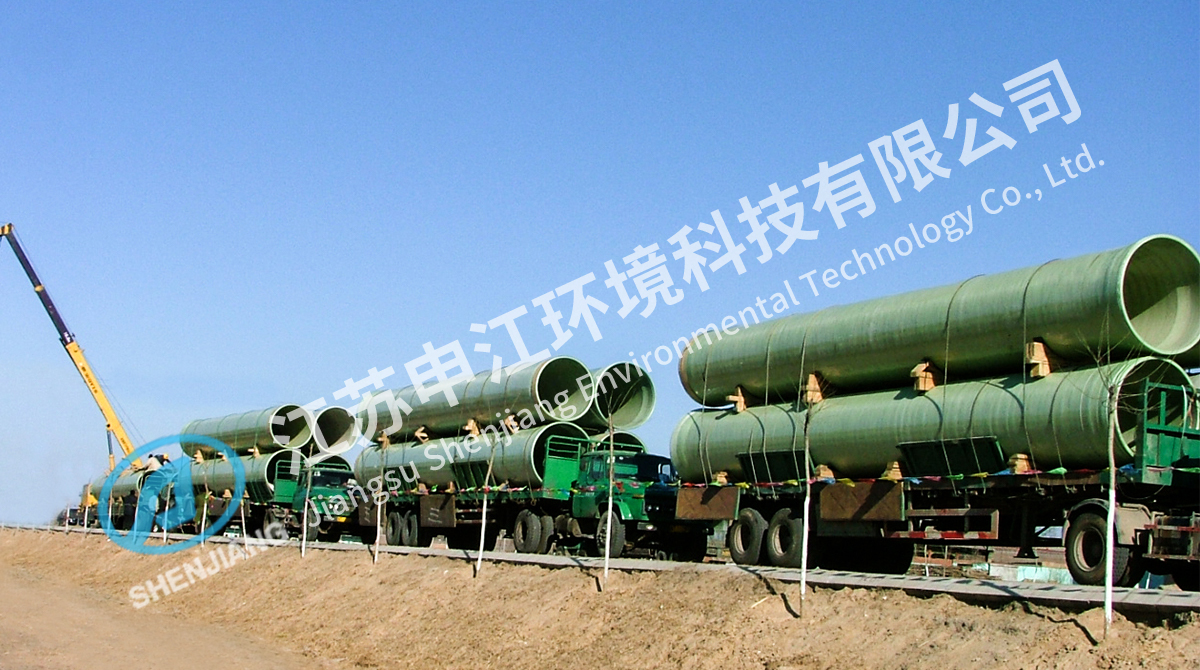
The strength and sealing of FRP tanks are not only related to the manufacturing process, but also affected by the installation and transportation process. During lifting, handling and transportation, protective measures should be taken to prevent the tank from being impacted or scratched. During installation, the foundation should be ensured to be flat to avoid local force causing deformation of the tank. At the same time, when connecting pipes and accessories, forced docking or excessive force should be avoided to prevent damage to the joint sealing surface or cause local stress concentration.

Maintenance management during use
In order to extend the service life of FRP tanks and maintain good sealing, it is necessary to strengthen maintenance management during use. The surface of the tank should be checked regularly for abnormal phenomena such as cracks, bulges, deformation, etc., and the joints and flanges should be checked for leakage. For tanks that are used for a long time or store special media, pressure resistance or sealing performance retests can be carried out as planned to detect and deal with potential problems in a timely manner. In addition, care must be taken to prevent the tank from being subjected to pressure, temperature or external force exceeding the design limit to reduce the risk of damage or leakage.