Introduction to FRP Towers
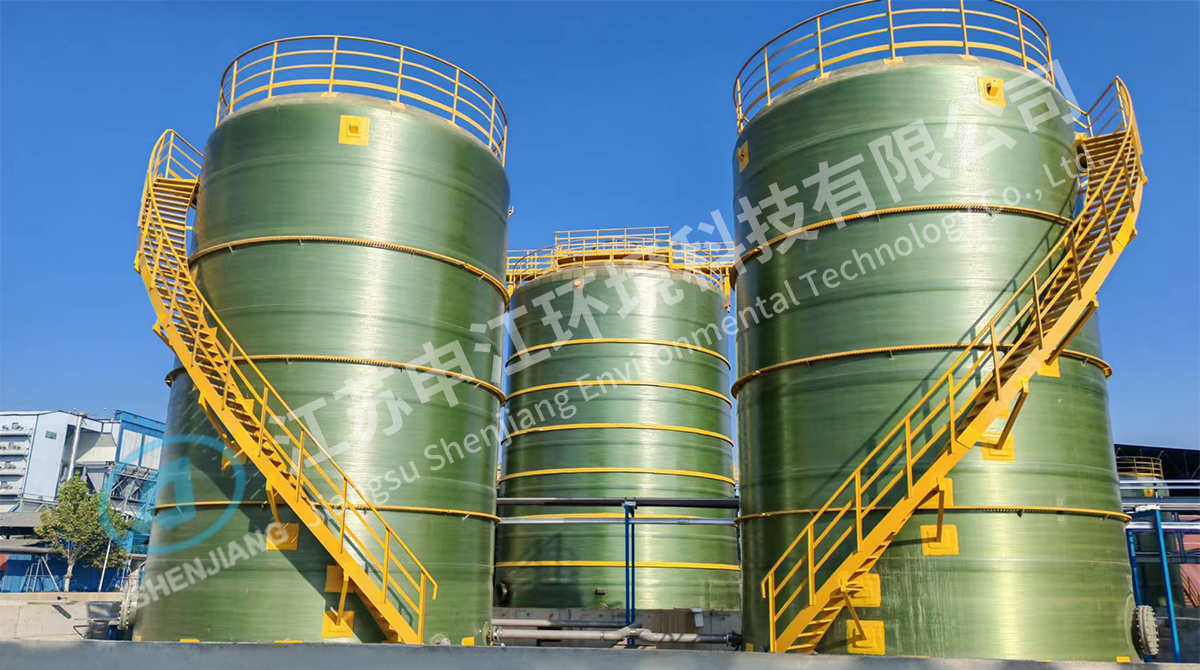
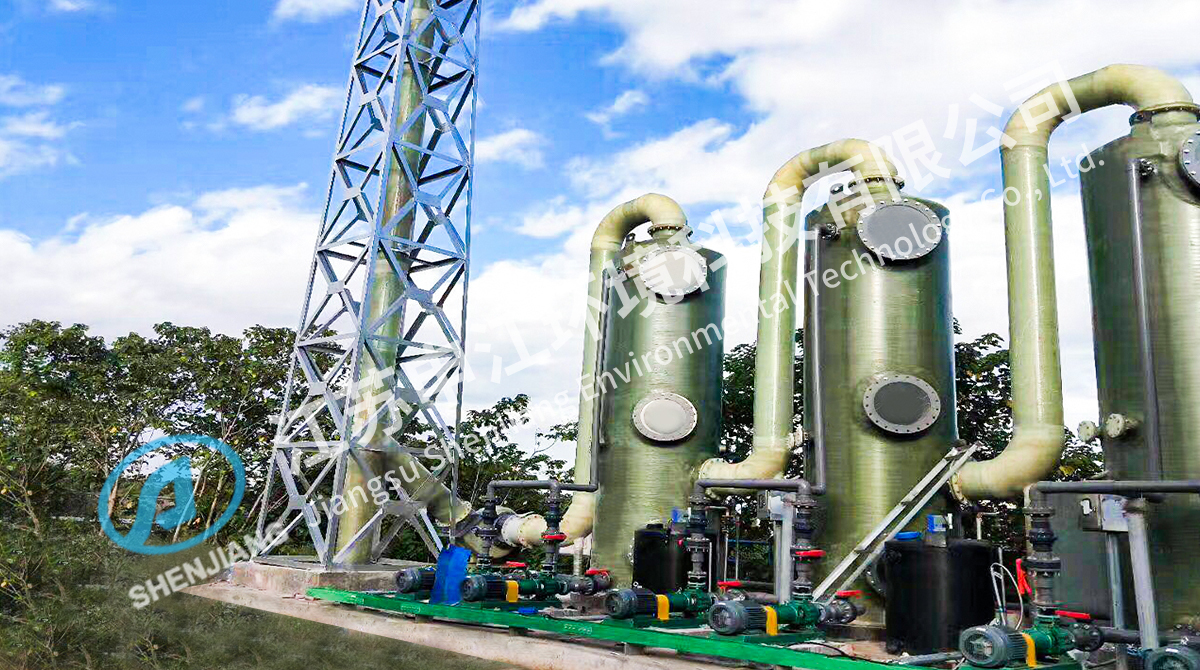
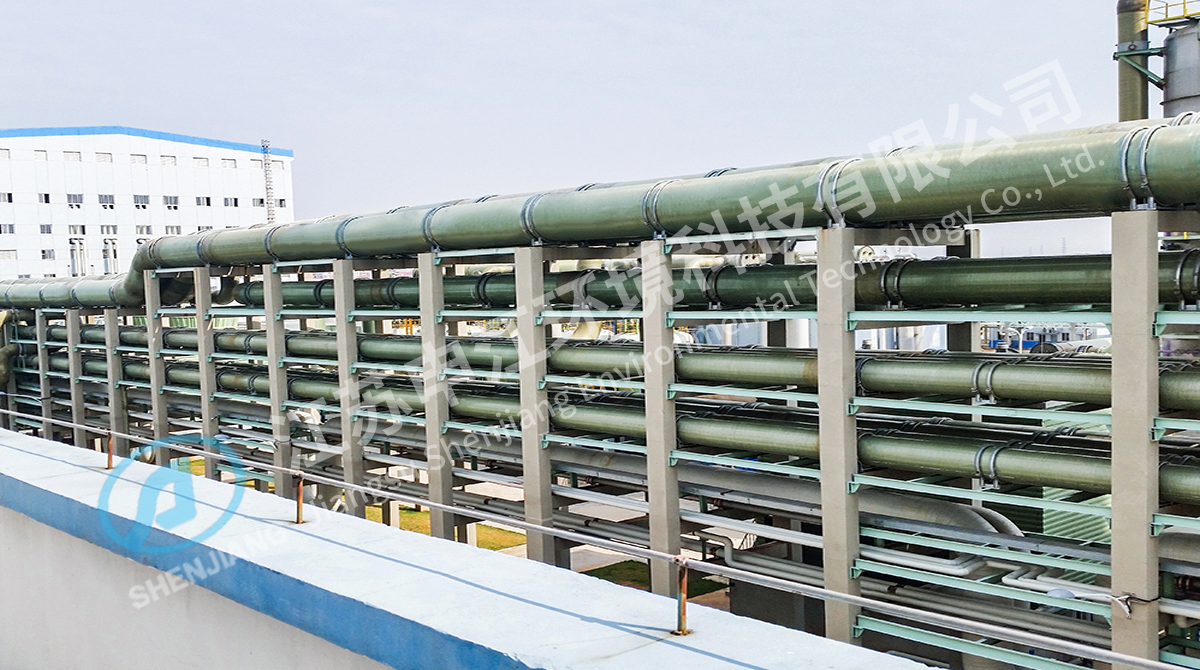
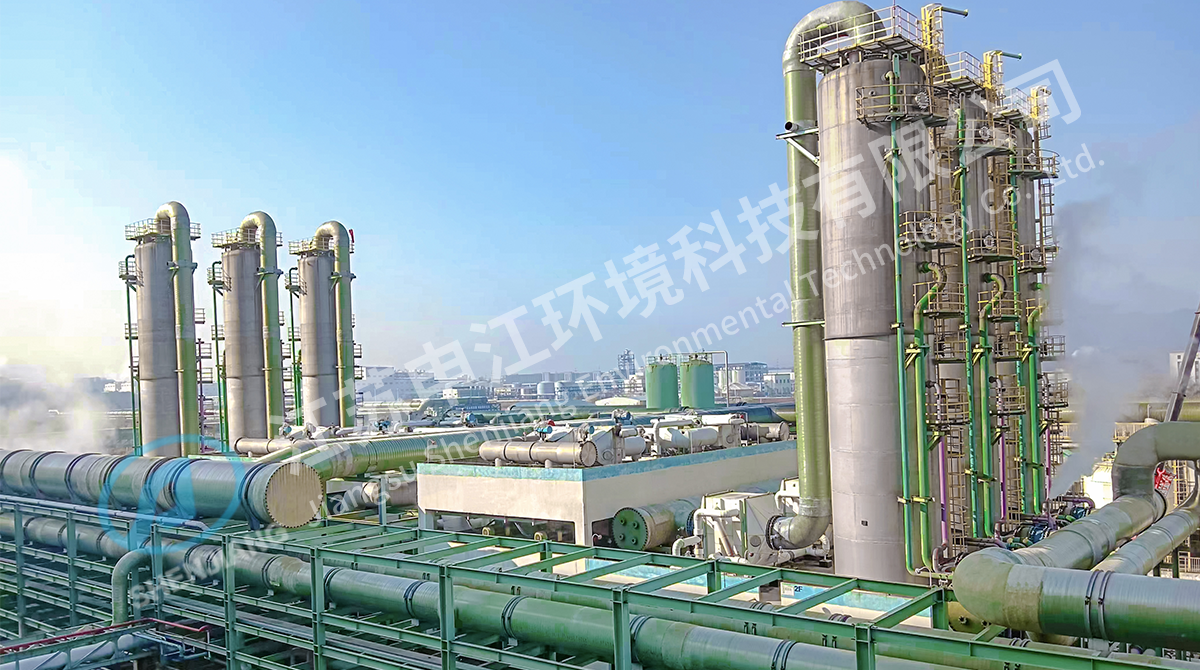
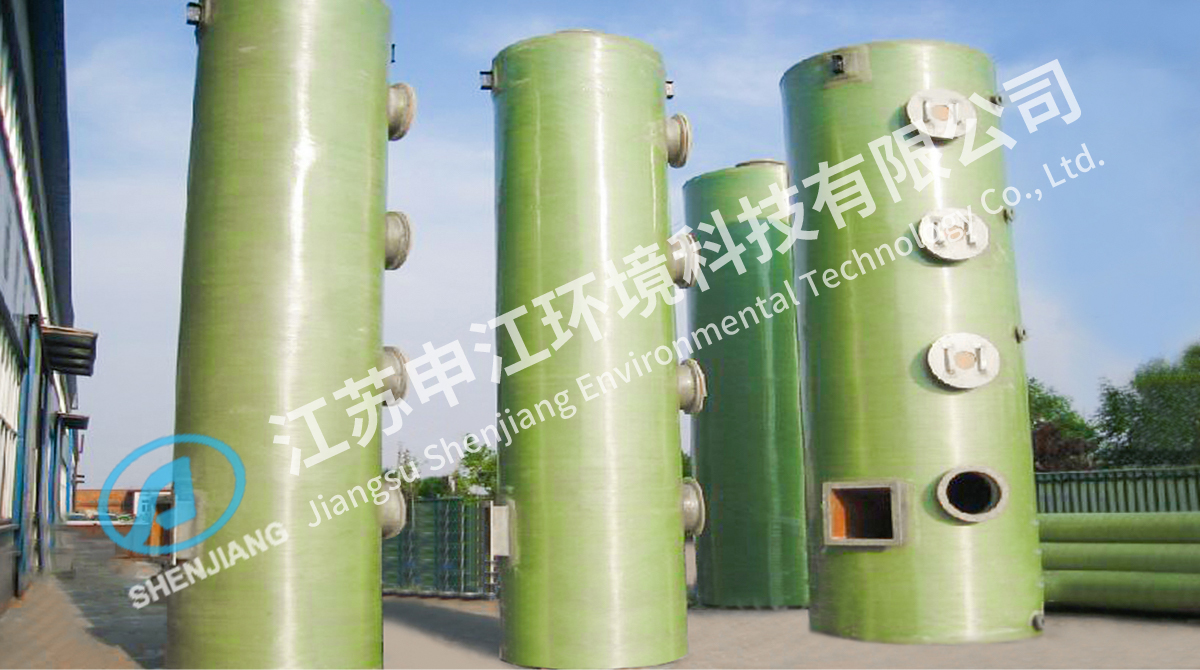
FRP (Fiberglass Reinforced Plastic) towers are widely used in industrial applications for tasks such as cooling, ventilation, and chemical processing. These towers are known for their durability, corrosion resistance, and lightweight construction, making them suitable for environments that demand high performance and reliability. Due to their exposure to harsh operating conditions, proper maintenance and regular inspection are critical to ensure that FRP towers continue to function effectively.
Daily Inspection Requirements for FRP Towers
Regular inspections are essential to identify potential issues early and ensure that the FRP tower operates at its full capacity. A daily inspection typically includes a visual check for any signs of damage, wear, or unusual operation. The goal is to catch problems before they develop into more significant issues that may require costly repairs or downtime.
Visual Inspection of Structural Components
One of the first steps in daily inspection is checking the overall structural integrity of the FRP tower. The exterior of the tower should be free from cracks, chips, or signs of delamination. Fiberglass components, especially those exposed to UV light, should be examined for any signs of surface degradation, such as discoloration or brittleness. The structural supports, including the base, framework, and supports for internal components, should be checked for any signs of bending, rust, or corrosion.
Checking for Leaks and Water Damage
Leaks are a common issue in cooling towers, where water is often involved in the process. Inspecting for leaks is crucial in the daily inspection routine. Water pooling around the base or inside the tower may indicate a leak in the system. Leaks not only compromise efficiency but can also cause damage to the structure over time, especially if water leaks into areas where electrical components are located. It is also essential to check the water distribution system to ensure that all nozzles are functioning correctly, and the water is evenly distributed throughout the tower.
Monitoring Fan and Motor Performance
The fans and motors in an FRP tower are vital components responsible for air circulation. A daily inspection should include listening for unusual noises from the fan motors, which can indicate worn bearings or other mechanical issues. Vibrations or changes in fan speed may also be signs of malfunctioning components. The motor housing should be free from excessive heat, which could suggest electrical issues or inadequate ventilation. Additionally, checking for visible dirt or debris accumulation on the fan blades is important to ensure that airflow is not restricted.
Inspecting the Water Treatment System
FRP towers often rely on water treatment systems to maintain water quality and prevent scale build-up or biofilm formation. The water treatment system should be checked daily to ensure that chemicals are being dosed correctly and that the system is functioning properly. This includes verifying that the water filters are clean and effective, and that there are no blockages in the water pipes. If the tower uses a chemical treatment system, daily monitoring of chemical concentrations is essential to maintain proper water quality and prevent corrosion or scaling within the tower.
Cleaning and Maintaining Water Distribution Nozzles
Clogged water distribution nozzles can reduce the efficiency of the FRP tower by preventing water from being evenly distributed over the cooling media. A daily inspection should involve checking the nozzles for any signs of clogging or scaling. Any blocked nozzles should be cleaned immediately to ensure that water is flowing freely throughout the system. Regular cleaning of these nozzles helps maintain the overall efficiency of the tower, reduces water waste, and prevents potential damage to other components.
Checking Electrical Components
Electrical systems play a crucial role in the operation of FRP towers, particularly in controlling motors, fans, and pumps. A daily inspection should include checking all electrical connections for signs of wear or damage. Wiring should be inspected for signs of fraying or corrosion, and control panels should be free from dirt or moisture. If the system uses a variable frequency drive (VFD) to control fan speed, the VFD should be checked for any error codes or signs of malfunction. Ensuring that the electrical components are in good working order helps prevent unexpected failures and reduces downtime.
Ensuring Proper Airflow and Ventilation
Good airflow is essential for the proper functioning of an FRP tower. During daily inspections, ensure that there are no obstructions blocking the tower’s ventilation areas, such as dirt, debris, or external objects. These obstructions can affect the cooling efficiency of the tower and may lead to overheating or system failure. Additionally, the airflow rate should be monitored to ensure that it meets the operational requirements of the tower. Any irregularities in airflow can be a sign of fan problems or internal blockages.
Routine Maintenance Tasks
In addition to daily inspections, routine maintenance tasks are necessary to keep the FRP tower functioning optimally. These tasks are generally carried out at regular intervals and help extend the lifespan of the tower. Routine maintenance may include lubrication, filter replacement, and cleaning, among other tasks. Below are some common maintenance tasks that should be performed on a regular basis.
Lubrication of Moving Parts
Many parts of an FRP tower, such as fan motors, bearings, and pumps, have moving components that require periodic lubrication. Lack of lubrication can lead to excessive wear, increased friction, and eventual failure of these components. Depending on the manufacturer’s guidelines, lubrication should be performed at least every few months or as recommended by the system’s operation manual. Regular lubrication reduces the risk of component failure and ensures smooth and efficient operation.
Cleaning and Replacing Filters
Over time, filters within the FRP tower can become clogged with debris, dust, or scale. Clogged filters reduce the efficiency of the water treatment system and can contribute to poor water quality. Regular cleaning and, if necessary, replacement of filters should be part of the maintenance routine. The frequency of filter cleaning depends on the operating environment and the quality of the water being processed. It is also a good idea to monitor the pressure drop across the filter to determine when cleaning or replacement is needed.
Cleaning of Cooling Media
The cooling media, such as fill material or cooling pads, can accumulate dirt, dust, or biological growth over time. This accumulation can impair heat transfer and reduce the overall efficiency of the tower. Periodic cleaning of the cooling media is essential to maintain the tower’s heat exchange efficiency. Depending on the design of the tower, cleaning may involve flushing the cooling media with water or using chemical cleaning agents to remove scale or biological contaminants.
Replacement of Worn Components
During routine maintenance, it is essential to check for any components that may be showing signs of wear and replace them as necessary. Common components that may require replacement include fan blades, bearings, seals, and water distribution nozzles. Regularly replacing worn parts ensures that the tower continues to operate at its full capacity and reduces the risk of more significant failures that could lead to downtime.
Seasonal Maintenance Considerations
In addition to daily and routine maintenance, seasonal checks are necessary, particularly when the tower is subjected to extreme weather conditions. Before the onset of winter, for example, it is crucial to check for any freeze protection measures. Ice buildup can damage FRP components or interfere with the operation of water systems, so it is important to ensure that all freeze protection measures are in place and functioning properly. Similarly, before summer, checks should be made to ensure that the tower’s cooling efficiency is optimized for higher temperatures.
Maintenance and Inspection Table
| Maintenance Task |
Frequency |
Details |
| Visual Inspection of Structure |
Daily |
Check for cracks, delamination, and other damage to FRP components. |
| Leak Check |
Daily |
Inspect for water leakage around the tower’s base or inside the system. |
| Fan and Motor Inspection |
Daily |
Check for unusual noises, vibrations, or performance issues with the fan and motor. |
| Water Treatment System Check |
Daily |
Verify correct chemical dosing, filter cleanliness, and proper operation of water pipes. |
| Cleaning of Water Distribution Nozzles |
Daily |
Inspect and clean nozzles to ensure even water distribution. |
| Lubrication of Moving Parts |
Monthly |
Lubricate fan bearings, motor shafts, and other moving components. |
| Filter Cleaning/Replacement |
Monthly |
Clean or replace filters to ensure optimal water quality and system efficiency. |
| Cleaning of Cooling Media |
Seasonal |
Clean cooling media to prevent clogging and ensure efficient heat transfer. |




 English
  中文简体
中文简体 Español
 عربى
عربى русский
 ไทย
ไทย Indonesia
 Tiếng Việt