How to Handle and Repair Damage or Wear on an FRP Tank?
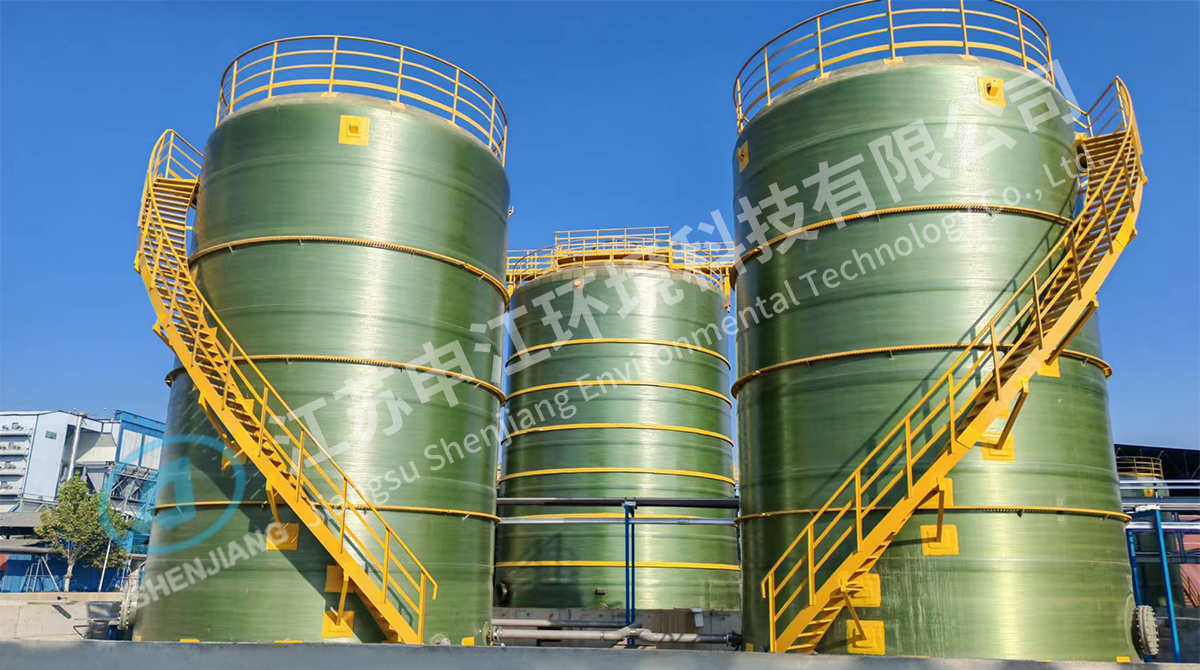
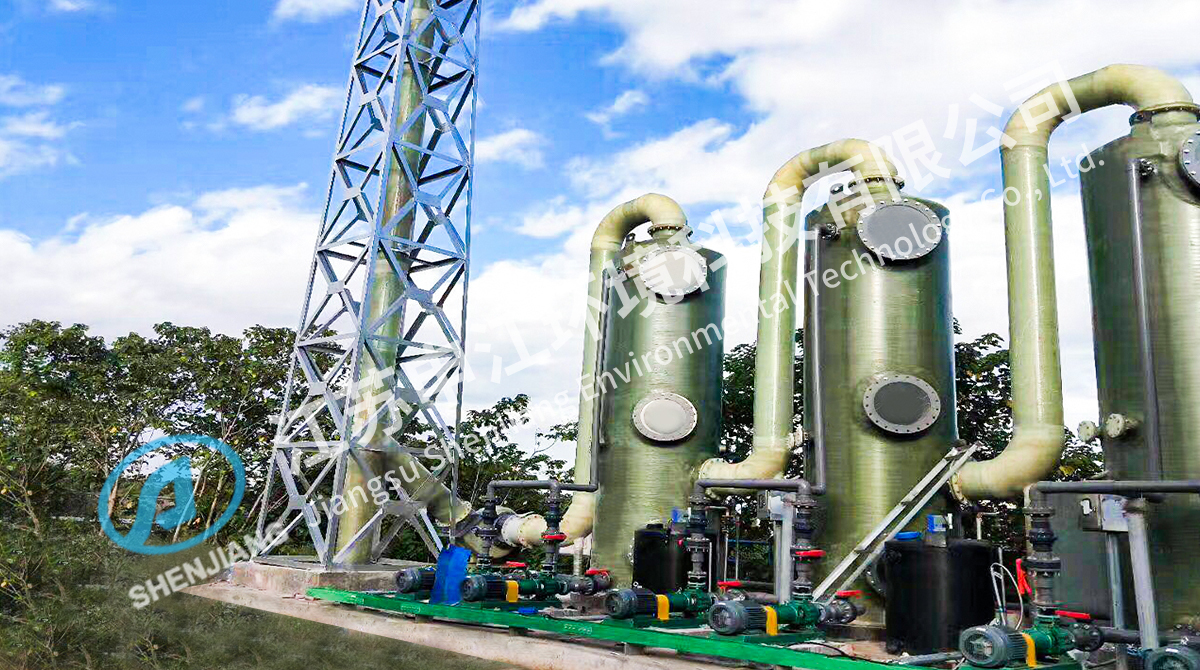
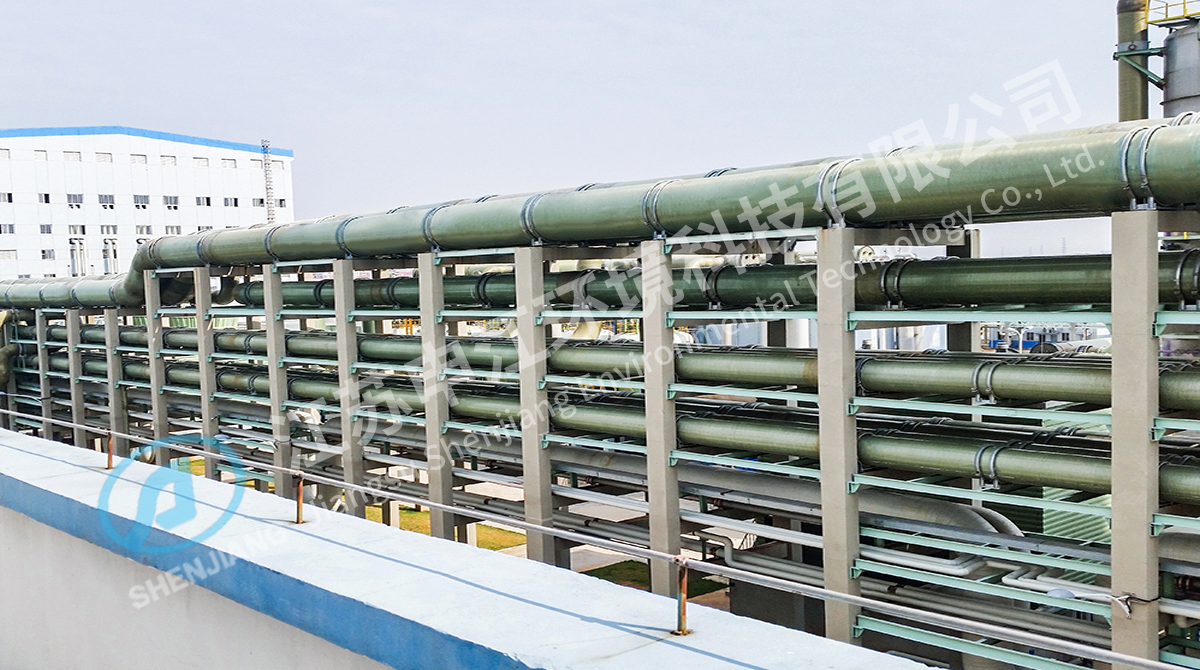
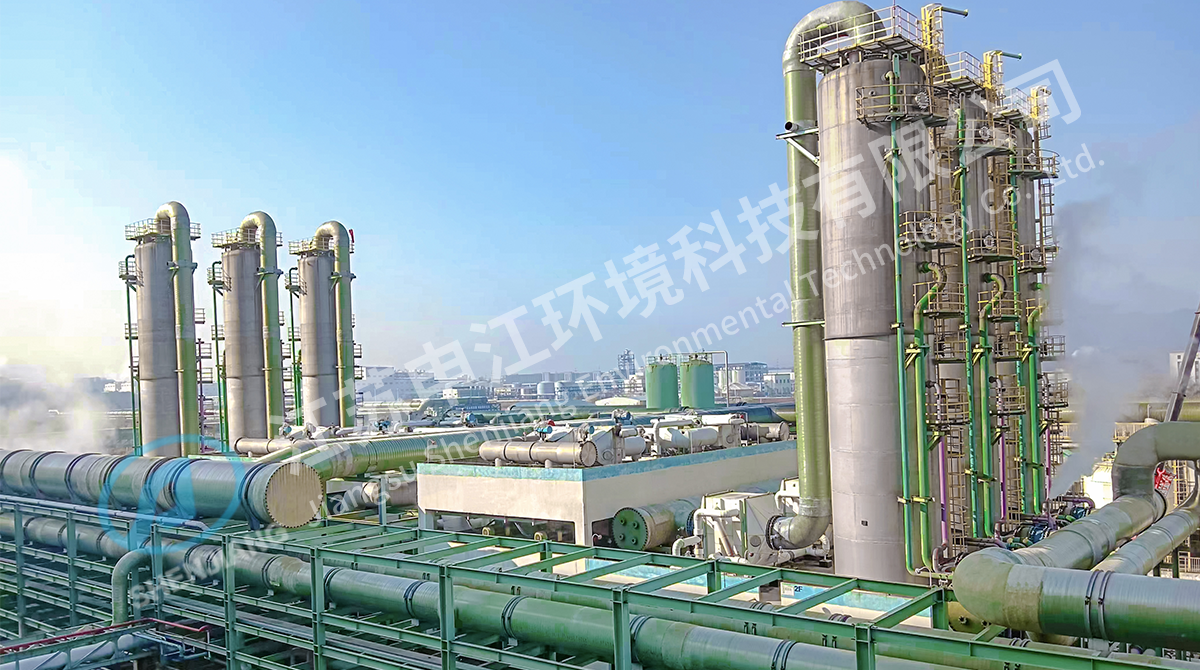
Fiberglass Reinforced Plastic (FRP) tanks are widely used in various industries for their durability, lightweight nature, and resistance to corrosion. However, like any other industrial equipment, they are not immune to wear and damage over time. Regular maintenance and timely repairs are essential to extend the life of an FRP tank and ensure its continued performance. This article will provide an overview of how to handle and repair damage or wear on an FRP tank, covering common types of damage, repair procedures, and tips for prolonging the tank's lifespan.
Understanding FRP Tanks and Their Durability
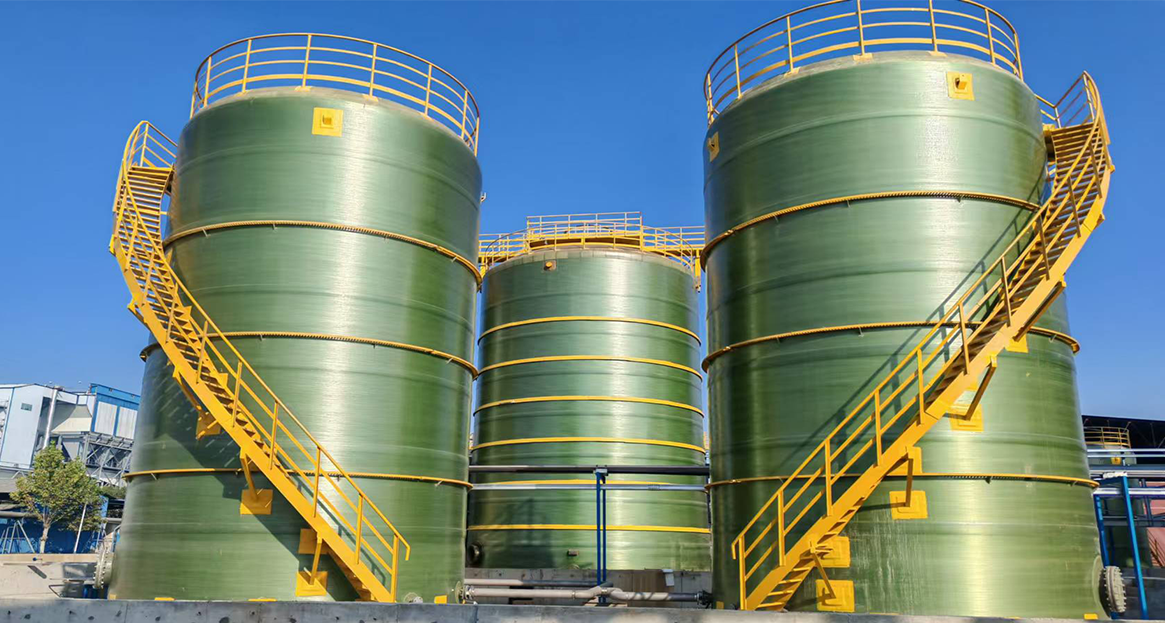
FRP tanks are designed to offer excellent resistance to a range of environmental and chemical conditions. These tanks are made by embedding fiberglass fibers within a polymer matrix, which gives them strength and flexibility. This structure provides superior corrosion resistance, making them ideal for storing chemicals, water, and other fluids. However, over time, these tanks can suffer from damage due to physical impact, exposure to extreme temperatures, or the stress of constant use.
The primary advantage of FRP tanks is their durability, but this does not make them completely impervious to damage. Regular inspections are critical to identifying potential issues early on. Recognizing common types of damage, understanding their causes, and addressing them promptly can help prevent more serious problems from arising.
Common Types of Damage in FRP Tanks
FRP tanks, despite their strength and resilience, can still be vulnerable to certain types of damage. The following are some of the most common issues that may require repair:
1. Cracks and Fractures
Cracks and fractures are among the most frequent types of damage to FRP tanks. These can develop due to physical impact, thermal expansion, or pressure changes within the tank. Small cracks, if left unaddressed, can grow over time, leading to leaks or more significant structural damage. In some cases, cracks may also occur due to improper installation or poor-quality materials.
2. Surface Abrasion
FRP tanks are often exposed to abrasive materials or rough handling, which can result in surface wear. This abrasion can degrade the protective surface layer of the tank, leading to reduced resistance to chemical exposure or weakening the structural integrity. Surface abrasion can be caused by the flow of abrasive liquids, external impacts, or even improper cleaning procedures.
3. Gelcoat Damage
The gelcoat is the outer layer of the FRP tank that provides both aesthetic appeal and additional protection against environmental factors such as UV light, chemicals, and water. Over time, the gelcoat can become damaged due to exposure to sunlight, chemical reactions, or abrasive contact. Gelcoat damage not only affects the tank's appearance but can also reduce its resistance to corrosion and other environmental factors.
4. Delamination
Delamination occurs when the layers of the fiberglass composite begin to separate. This can happen as a result of prolonged exposure to moisture, chemicals, or extreme temperatures. Delamination can significantly compromise the structural integrity of the tank and may lead to leakage if not addressed promptly. It is often more difficult to repair than surface cracks but can be fixed with the right materials and techniques.
5. Leaks
Leaks are a serious concern for any FRP tank, as they can lead to contamination of the stored substance or loss of product. Leaks may develop as a result of cracks, delamination, or improper seals. Identifying the source of a leak and addressing it quickly is essential to prevent further damage to the tank or its contents.
Steps to Repair Damage on an FRP Tank
When an FRP tank suffers from damage, it is essential to address the issue as soon as possible. The repair process can vary depending on the type and extent of the damage. Below are general steps for repairing common damage types in an FRP tank:
1. Inspect the Tank
The first step in any repair process is a thorough inspection. Identifying the specific areas of damage, including cracks, leaks, or wear spots, is essential for determining the necessary repairs. In some cases, a small crack or hole can be repaired easily, while in other cases, more extensive work may be required. Inspections should be conducted visually, and any areas that feel soft or compromised should be marked for further attention.
2. Prepare the Surface
Before making any repairs, the damaged area must be properly prepared. This involves cleaning the surface thoroughly to remove any debris, dirt, or chemicals that may hinder the bonding process. Depending on the type of damage, it may also be necessary to sand or grind the surface to ensure proper adhesion of the repair materials. For cracks or fractures, it is important to create a clean, smooth surface for the resin or epoxy to bond effectively.
3. Apply Resin or Epoxy
For most types of damage, such as cracks or fractures, applying a resin or epoxy compound is the most common repair method. The resin is typically mixed with hardeners or catalysts, depending on the product specifications. Once mixed, the resin should be applied directly to the affected area, filling the crack or damaged section. It is essential to work quickly, as the resin will begin to cure once mixed. Multiple layers may be required, especially for larger cracks or structural repairs.
If delamination is present, the layers should be re-bonded using resin or specialized fiberglass cloth. The resin is applied between the layers, and pressure is applied to ensure the layers adhere to each other. Once the resin has cured, the repaired area can be sanded smooth for a seamless finish.
4. Gelcoat Repair
For gelcoat damage, a new layer of gelcoat can be applied over the affected area. The gelcoat serves as both a protective and aesthetic layer. After cleaning and preparing the surface, the gelcoat should be mixed and applied evenly to restore the tank's protective layer. It may also be necessary to apply multiple layers for thicker or deeper damage. Once the gelcoat is applied, the surface should be allowed to cure properly before any further use of the tank.
5. Curing and Finishing
Once the resin, epoxy, or gelcoat has been applied to the damaged area, the repair must be allowed to cure fully. Curing times will vary based on the materials used, ambient temperature, and humidity levels. It is important to follow the manufacturer's instructions regarding curing times to ensure the repair is solid and durable.
After curing, the repair should be sanded and smoothed to match the rest of the tank surface. Any rough edges or uneven areas should be addressed to ensure that the tank's structural integrity is not compromised. The final step involves inspecting the repair area for any signs of weakness or incomplete bonding.
Preventive Maintenance and Prolonging the Life of an FRP Tank
While repairing damage to an FRP tank is essential, taking steps to prevent damage in the first place can help extend the tank's lifespan. Regular maintenance and proactive measures can prevent costly repairs and ensure the continued safe operation of the tank.
1. Regular Inspections
Conducting regular visual inspections is the best way to catch small issues before they become larger problems. Inspections should focus on identifying cracks, abrasions, signs of delamination, and other potential weaknesses. Early detection is critical to preventing further damage that may compromise the tank’s structural integrity.
2. Proper Cleaning
Proper cleaning procedures can help prevent surface wear and extend the life of the FRP tank. Abrasive cleaning methods or harsh chemicals should be avoided, as they can damage the tank’s surface. It is essential to use cleaning agents that are compatible with FRP materials and ensure that cleaning is done gently to avoid surface abrasion.
3. Protect from Environmental Stress
Environmental factors such as UV exposure, temperature fluctuations, and exposure to aggressive chemicals can accelerate the wear of an FRP tank. Whenever possible, it is advisable to install tanks in locations that minimize exposure to these stresses. Additionally, applying UV-resistant coatings or using protective covers can help protect the tank from environmental damage.




 English
  中文简体
中文简体 Español
 عربى
عربى русский
 ไทย
ไทย Indonesia
 Tiếng Việt