Introduction to FRP Pipes and Fittings
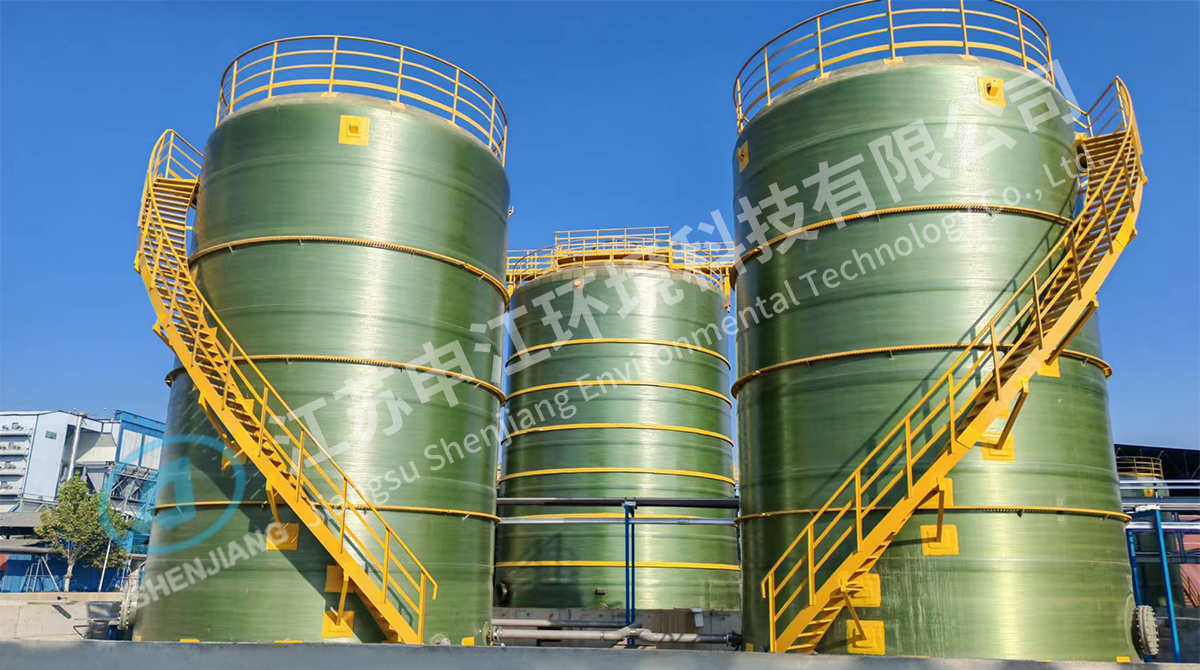
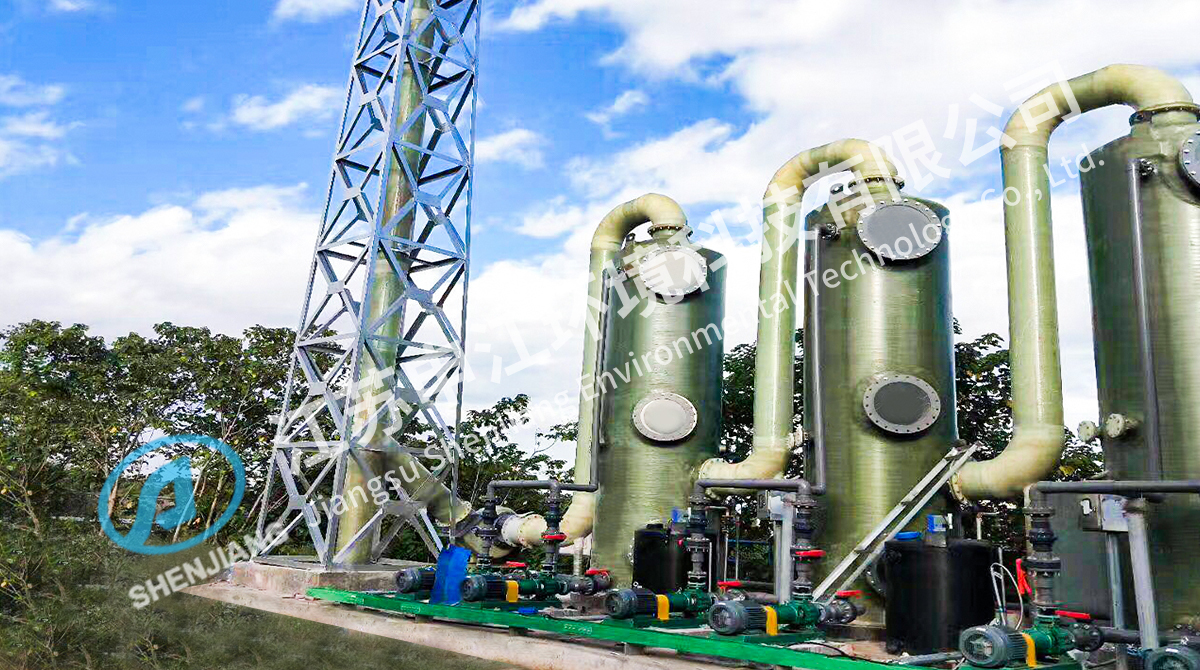
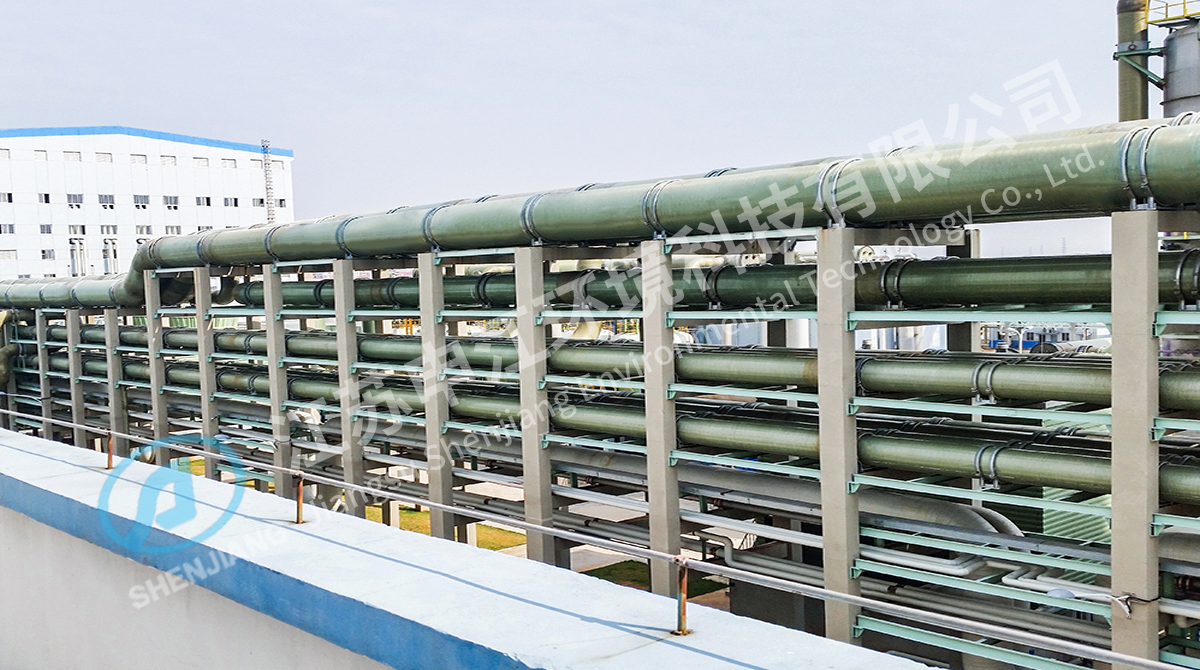
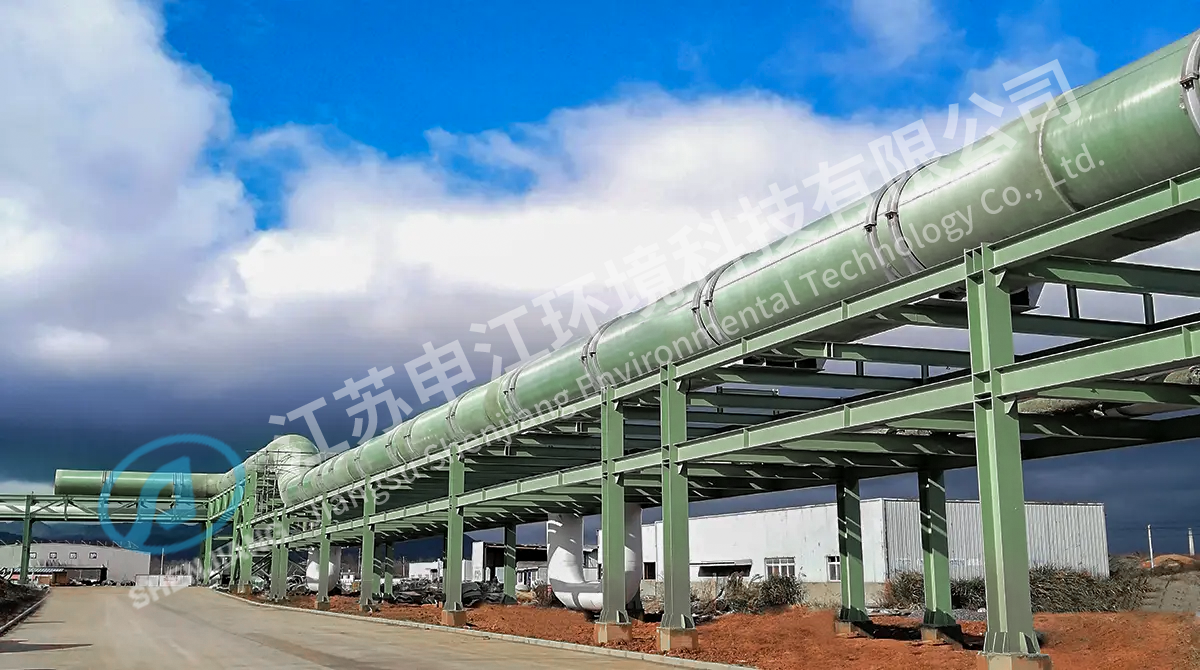
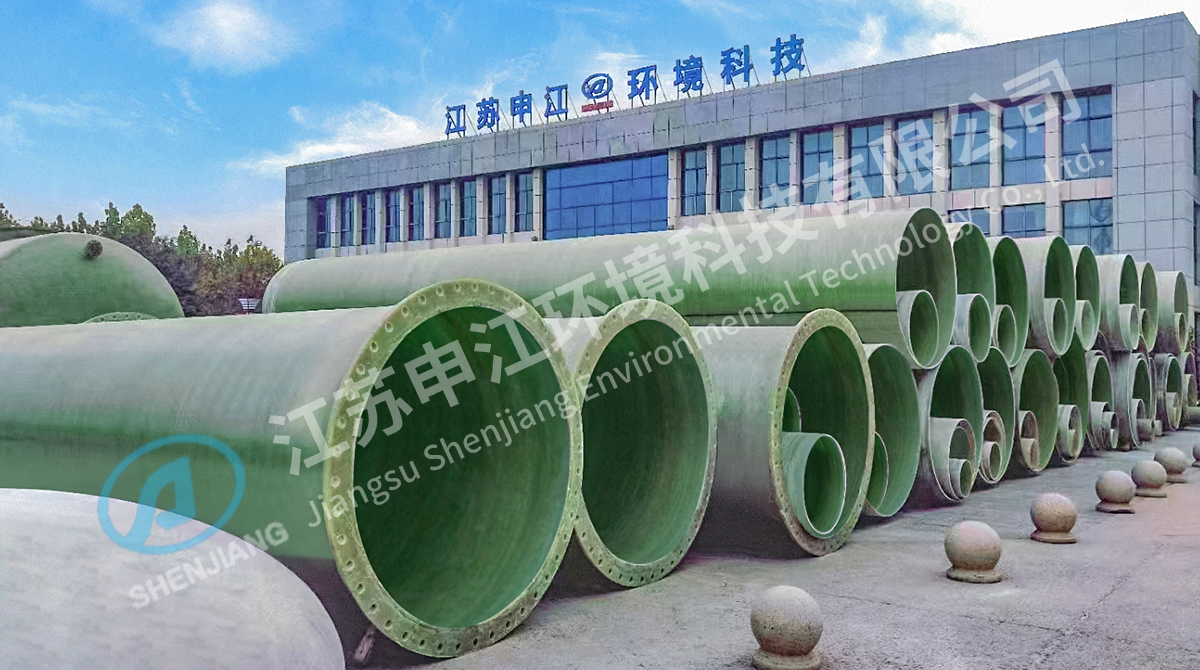
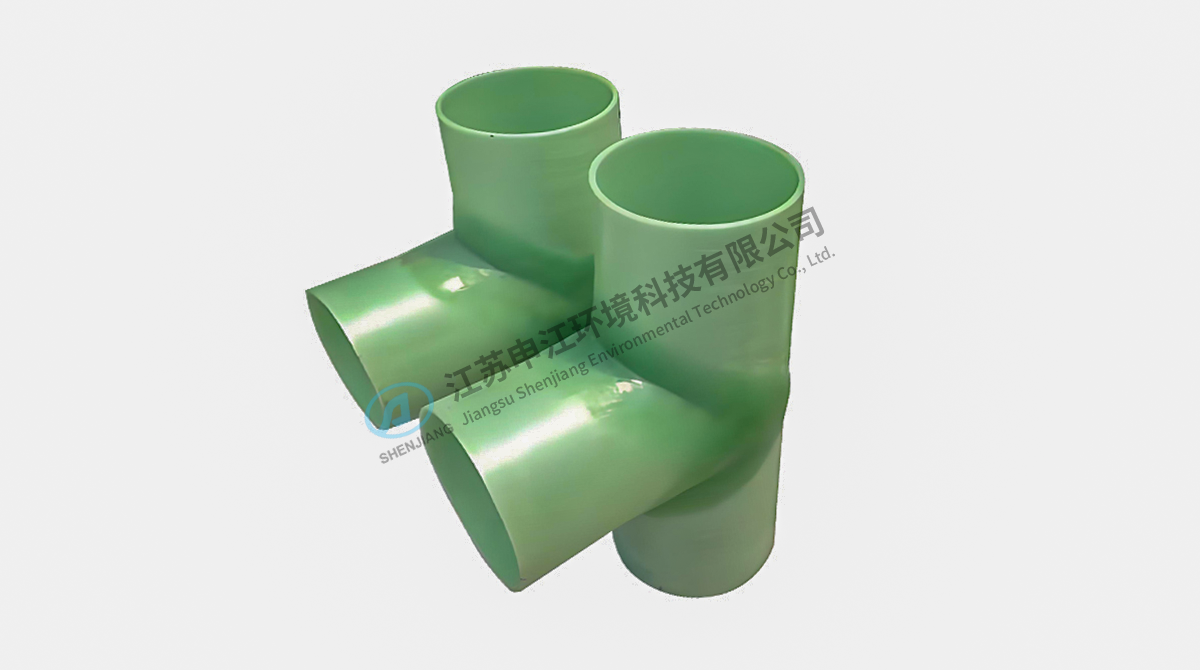
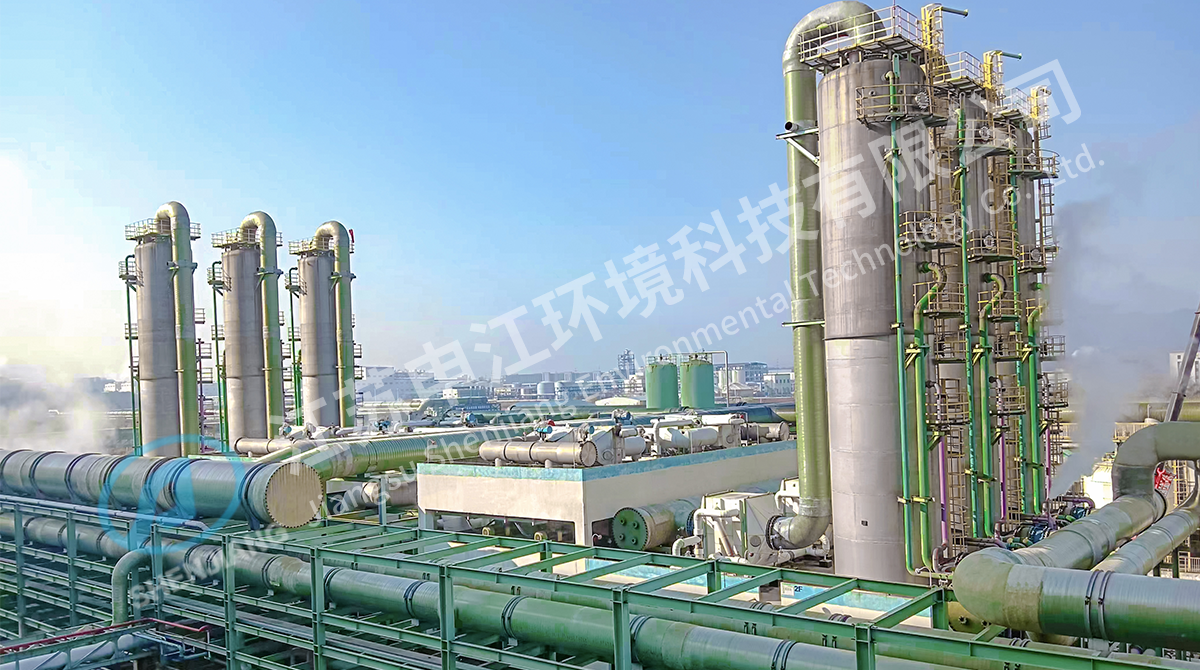
Fiberglass reinforced plastic (FRP) pipes and fittings are composite materials made from a combination of thermosetting resins and glass fibers. These materials are widely used in industrial, commercial, and residential applications due to their strength, corrosion resistance, and lightweight nature. Understanding their fire resistance and flame retardant properties is essential for determining their suitability in environments where fire safety standards are a concern. FRP components are commonly installed in chemical plants, water treatment facilities, HVAC systems, and oil and gas pipelines.
Composition and Fire Behavior
FRP pipes and fittings are composed of a polymer matrix reinforced with glass fibers. The polymer matrix, typically made from polyester, vinyl ester, or epoxy resins, primarily determines the material’s response to heat and fire. While glass fibers themselves are non-combustible, the resin component can ignite and contribute to flame propagation if exposed to high temperatures. Manufacturers often modify the resin with additives or fillers to improve fire performance. The resulting fire behavior depends on the resin formulation, fiber content, and the thickness of the composite.
Flame Retardant Additives
To enhance fire resistance, FRP resins can include flame retardant additives such as brominated compounds, phosphorus-based chemicals, or mineral fillers like aluminum hydroxide and magnesium hydroxide. These additives act by releasing water or other gases when exposed to heat, which cools the material and slows down combustion. Flame retardant formulations help FRP components achieve specific fire ratings required by building codes and industrial standards. The effectiveness of these additives is influenced by their concentration, distribution within the matrix, and the manufacturing process.
Fire Resistance Ratings
Fire resistance ratings measure the ability of a material to withstand exposure to fire for a specified period without structural failure. FRP pipes and fittings can be designed to meet various fire resistance standards, depending on their intended application. Testing methods such as ASTM E84 (surface burning characteristics) and UL 94 (flammability) evaluate flame spread and smoke development. Components that pass these tests can be classified under specific ratings such as Class A, Class B, or Class C for flame spread, indicating how quickly the material will burn and emit smoke under controlled conditions.
Table of Common FRP Fire Ratings
The following table summarizes typical fire performance metrics for FRP pipes and fittings with various resin formulations.
| FRP Composition |
Flame Spread Index |
Smoke Developed Index |
UL 94 Classification |
| Standard Polyester FRP |
75-150 |
150-300 |
HB |
| Vinyl Ester FRP with Flame Retardant Additives |
25-75 |
50-150 |
V-0 to V-2 |
| Epoxy FRP with Mineral Fillers |
10-50 |
50-100 |
V-0 |
Standards and Certification
FRP pipes and fittings intended for use in fire-sensitive environments must comply with local and international standards. Regulatory bodies such as ASTM, UL, ISO, and NFPA provide testing protocols and classification guidelines. Compliance ensures that the FRP components can be safely installed in buildings, industrial facilities, and infrastructure projects. Certification also provides guidance for engineers and architects in selecting materials that meet both mechanical and fire performance requirements.
Applications Requiring Fire-Resistant FRP
FRP pipes and fittings are often installed in areas where fire resistance is critical. Industrial chemical plants require materials that resist ignition and limit flame propagation. HVAC systems in commercial buildings benefit from FRP ducts and fittings with low smoke and flame spread characteristics. In marine and offshore applications, fire retardant FRP components help maintain safety in confined spaces where fire hazards are present. Proper material selection ensures both regulatory compliance and operational safety.
Limitations and Considerations
Despite improvements in flame retardancy, FRP materials have inherent limitations. The resin component can still degrade at elevated temperatures, leading to structural weakening. Smoke production can vary depending on the type of resin and additives, and some formulations may emit toxic gases during combustion. Designers must consider these factors when selecting FRP for critical applications, ensuring that the material's fire performance aligns with the intended service environment. Engineering controls, such as insulation or protective coatings, can also be used to enhance fire safety.
Impact of Fiber Content and Laminate Design
The proportion of glass fiber in FRP composites significantly affects fire resistance. Higher fiber content generally reduces the amount of combustible resin, improving overall performance. Laminate design, including the orientation of fibers and the number of layers, influences how heat is transferred and how the material responds to fire. Optimizing fiber content and laminate construction is a key factor in achieving desired fire resistance and structural integrity during exposure to high temperatures.
Comparison with Traditional Materials
When compared with metals and conventional plastics, FRP offers distinct advantages and challenges in fire performance. Metals such as steel or aluminum do not ignite but may lose strength rapidly when exposed to high heat. Traditional thermoplastics can burn easily and emit toxic fumes. FRP with proper flame retardant formulations can achieve a balance between structural performance, weight reduction, and fire safety. This makes FRP a viable alternative in applications where both corrosion resistance and fire performance are needed.
Maintenance and Longevity in Fire-Prone Areas
The fire performance of FRP pipes and fittings can be affected by aging, environmental exposure, and mechanical wear. Regular inspection and maintenance help ensure that the flame retardant properties remain effective throughout the service life of the material. UV exposure, chemical contact, and mechanical abrasion can degrade resin layers, potentially reducing fire resistance. Protective coatings and proper installation practices are recommended to maintain both mechanical and fire-related performance over time.
Conclusion on FRP Fire Performance
FRP pipes and fittings can meet fire resistance and flame retardant rating requirements when manufactured with appropriate resin formulations, flame retardant additives, and laminate designs. Compliance with testing standards such as ASTM E84, UL 94, and ISO classifications provides assurance of performance in fire-sensitive applications. Considerations such as fiber content, resin type, and environmental exposure play an important role in maintaining fire resistance throughout the lifespan of the components. With proper selection and installation, FRP materials offer a combination of corrosion resistance, structural strength, and controlled fire behavior suitable for a range of industrial and commercial applications.




 English
  中文简体
中文简体 Español
 عربى
عربى русский
 ไทย
ไทย Indonesia
 Tiếng Việt