Introduction to Tower Structures
Towers serve as essential support systems in industries such as telecommunications, power transmission, cooling, and structural frameworks. The selection of tower materials directly influences the durability, efficiency, and maintenance of the entire structure. Two common options in the modern industry are Fiber Reinforced Plastic (FRP) towers and traditional steel towers. While steel towers have long been utilized because of their structural load-bearing capabilities, FRP towers are increasingly chosen for their corrosion resistance and ease of handling. Comparing these two options provides valuable insights for engineers, designers, and operators seeking reliable solutions for long-term projects.
Material Properties of FRP Towers
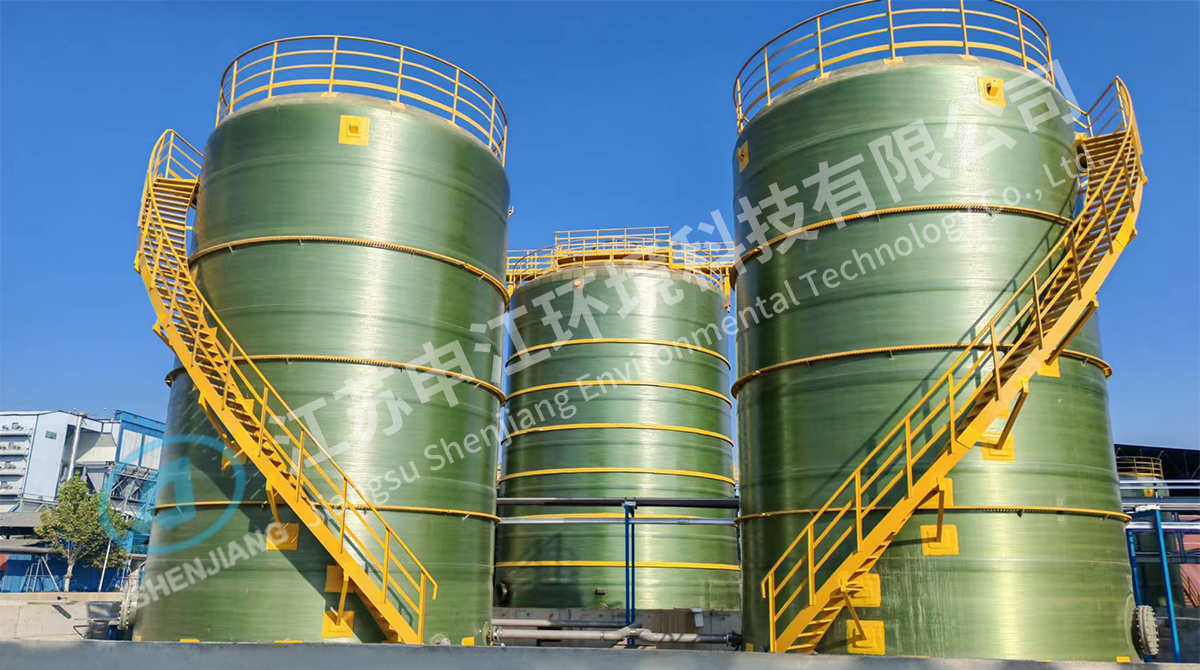
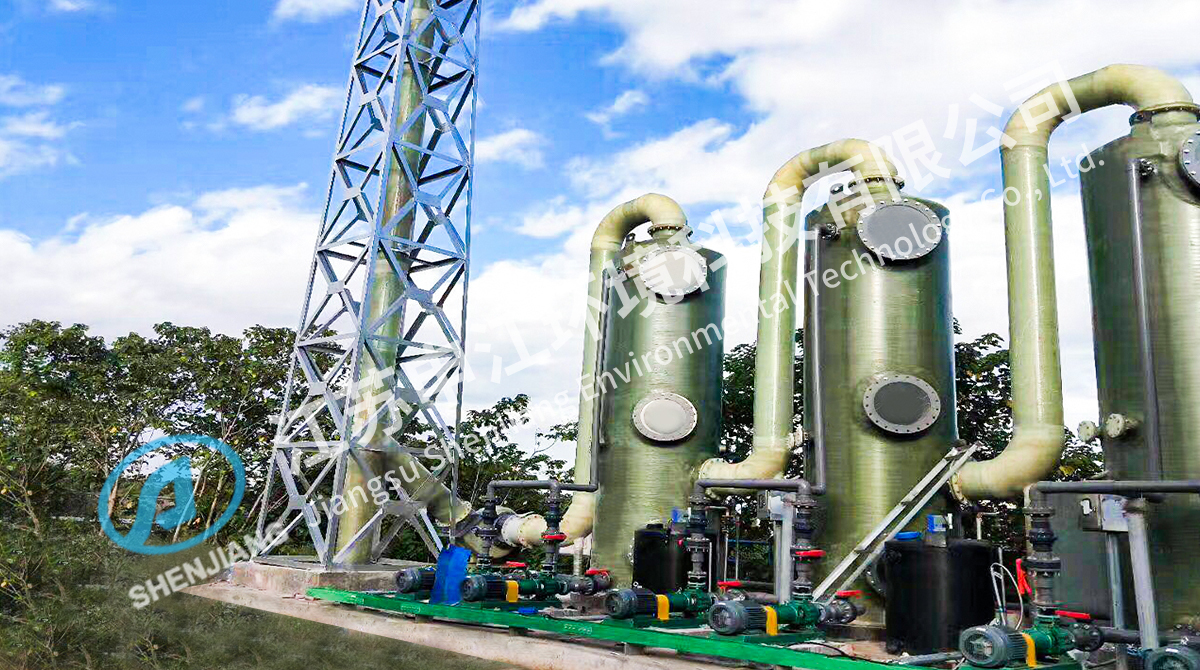
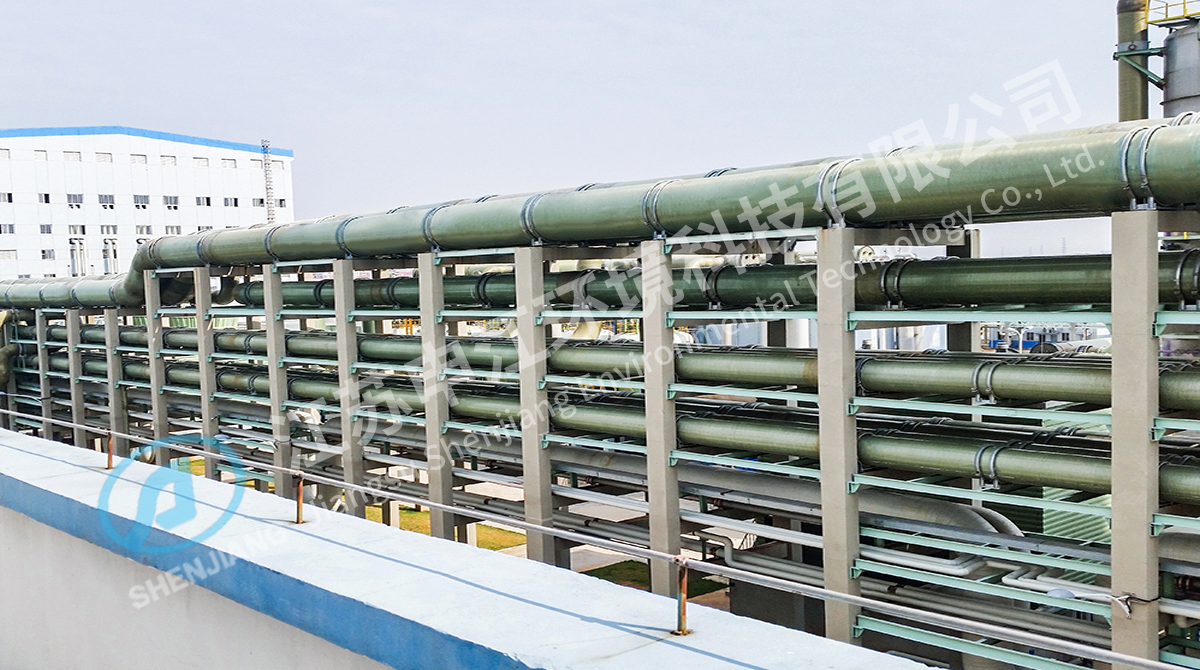
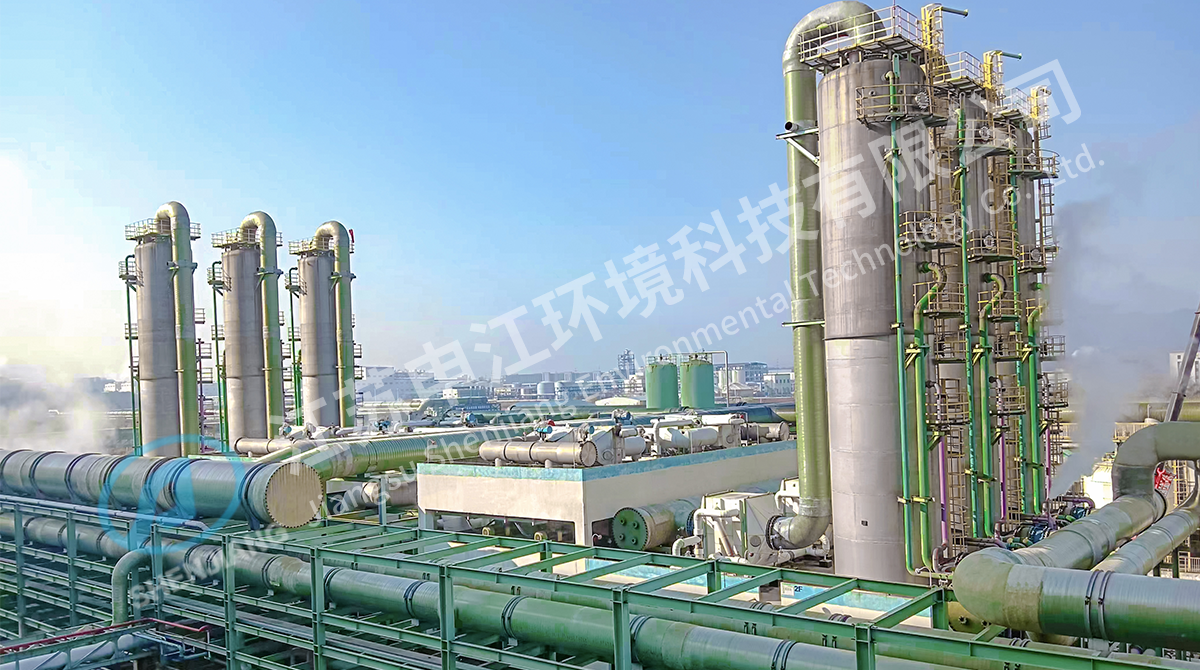
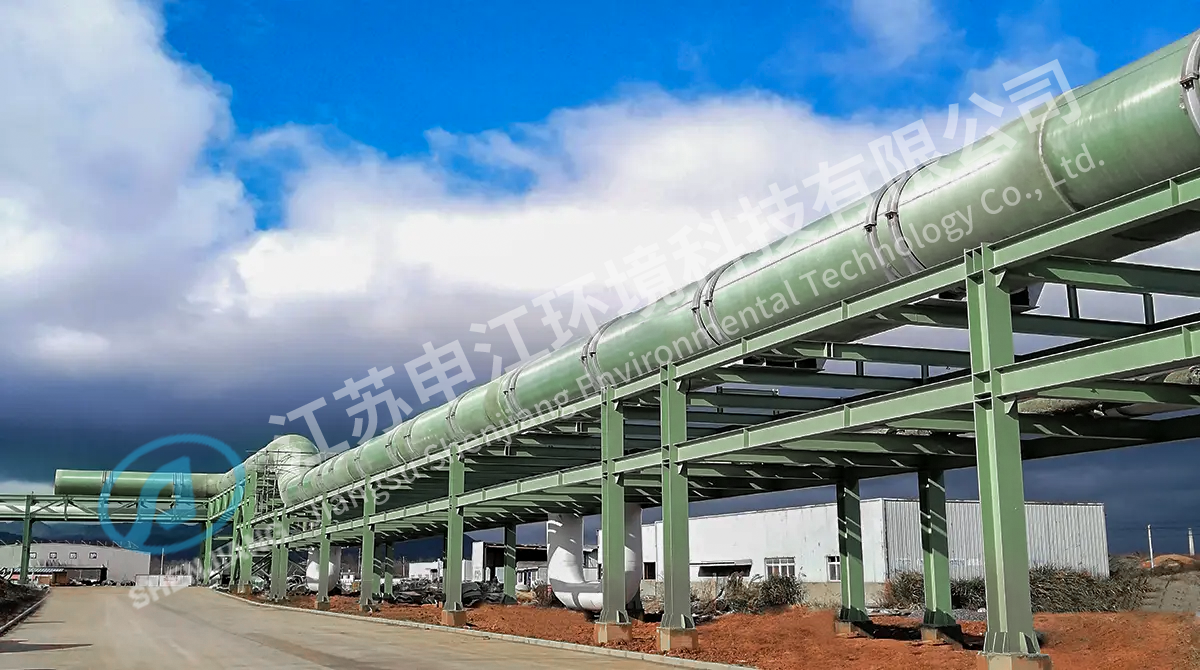
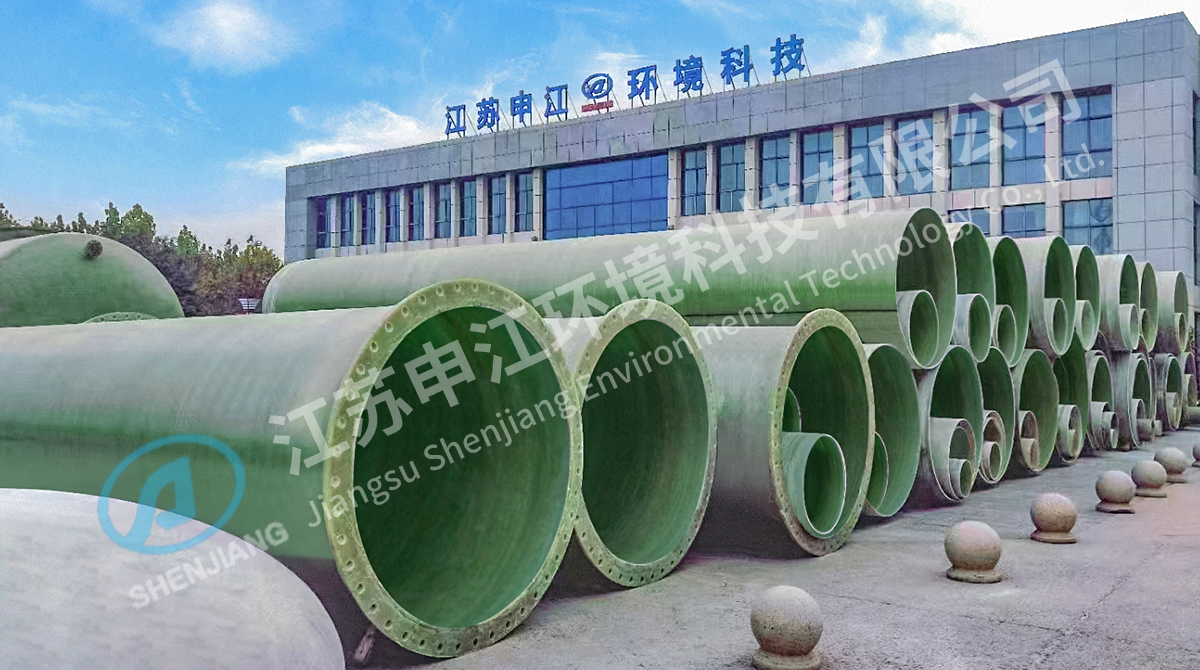
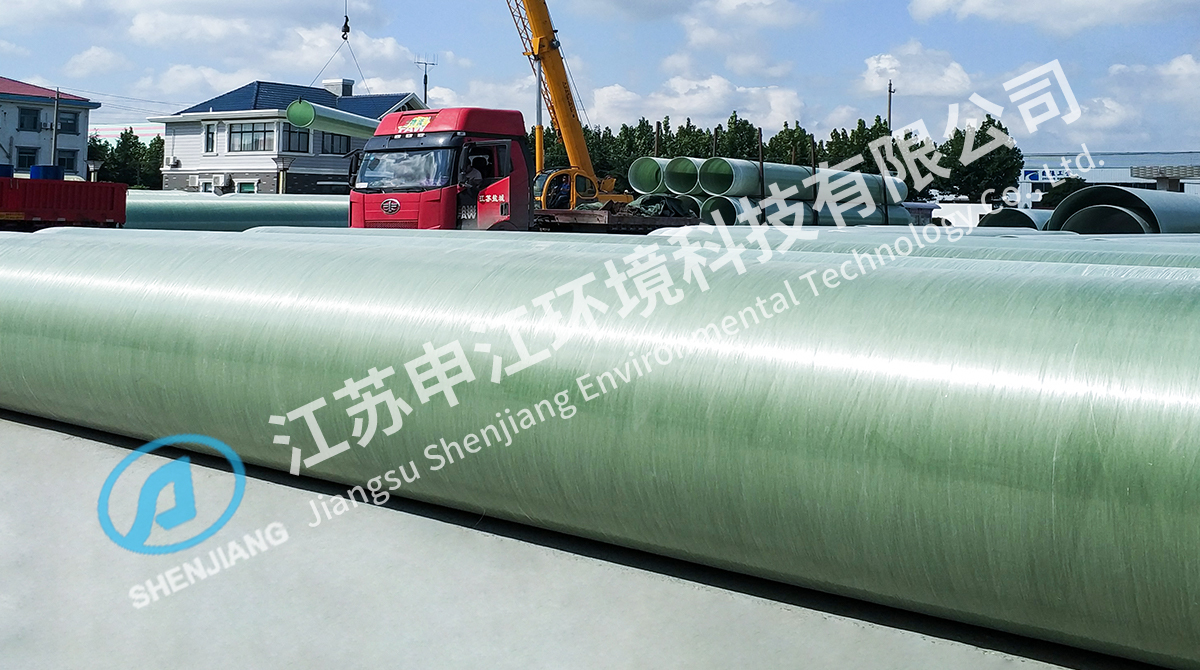
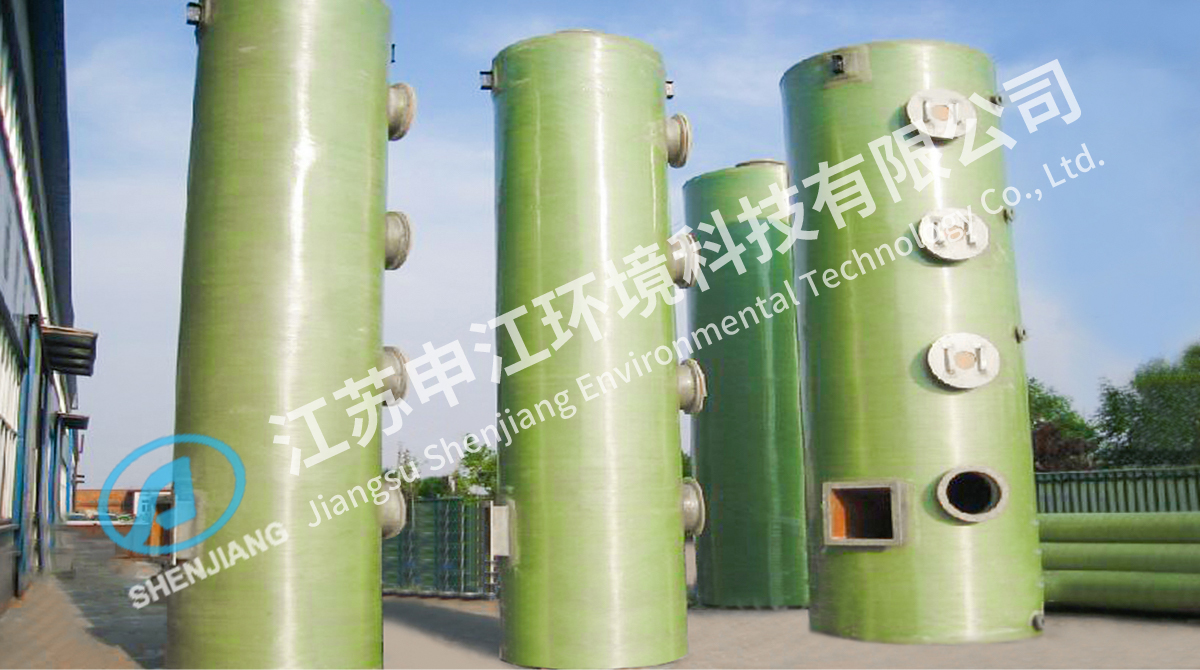
FRP towers are made from a composite of fiberglass reinforcements and resin matrices. This combination results in a lightweight but durable structure that resists degradation in corrosive environments. The non-conductive nature of FRP materials adds value in applications where electrical insulation is required. The flexibility of FRP also allows manufacturers to customize tower designs with ease. Unlike metals, FRP materials are less prone to rust, which extends their service life in environments such as coastal regions or chemical plants.
Material Properties of Steel Towers
Steel towers are typically constructed from galvanized or stainless steel, offering strong mechanical performance and the ability to withstand heavy loads. Steel has been a conventional choice due to its availability, established manufacturing techniques, and well-understood structural characteristics. With proper surface treatment, steel towers can operate effectively in varied climates. However, steel requires careful maintenance to prevent corrosion, especially in environments with high humidity, salinity, or industrial pollution.
Structural Performance Comparison
The structural performance of towers depends on tensile strength, compressive resistance, and flexibility. Steel towers generally offer higher tensile strength, making them suitable for heavy-duty applications such as high-voltage power lines. FRP towers, on the other hand, excel in resisting chemical attack and maintaining structural stability in environments where steel would quickly corrode. The choice depends on balancing the structural requirements with the environmental challenges of the installation site.
| Property |
FRP Towers |
Steel Towers |
| Tensile Strength |
Moderate |
High |
| Weight |
Light |
Heavy |
| Corrosion Resistance |
High |
Moderate to Low (needs coating) |
| Electrical Conductivity |
Non-conductive |
Conductive |
| Customization |
Easy to mold into complex designs |
Limited by fabrication methods |
Durability in Harsh Environments
Durability plays a key role in tower selection. FRP towers are resistant to saltwater, acidic chemicals, and UV exposure, which makes them suitable for coastal and chemical industry applications. Steel towers can endure extreme wind and load-bearing requirements, but they are more susceptible to corrosion when exposed to chemicals or salt-laden air. Protective coatings and galvanization improve durability, but these require periodic renewal to maintain effectiveness.
Installation and Handling
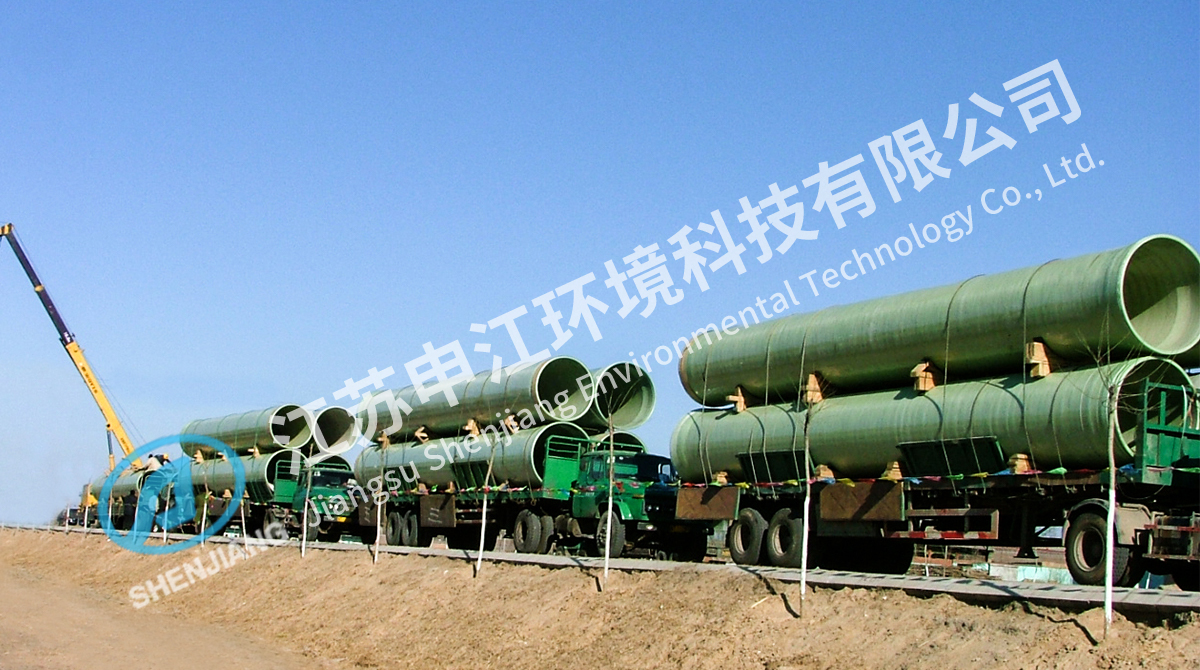
Installation procedures differ significantly between FRP and steel towers. FRP towers, being lightweight, can often be transported and installed without heavy machinery, which reduces initial setup costs and time. In contrast, steel towers demand cranes and specialized lifting equipment due to their weight. For sites with restricted accessibility, such as remote islands or mountainous regions, FRP towers offer clear advantages in logistics and ease of assembly.
Maintenance Requirements
The long-term maintenance of tower structures affects both operational costs and downtime. FRP towers require minimal maintenance since they are resistant to rust and environmental degradation. Visual inspections and cleaning are often sufficient for ensuring functionality. Steel towers, however, demand routine inspections for corrosion, surface degradation, and structural fatigue. Protective coatings must be reapplied at scheduled intervals to ensure safety and reliability.
| Maintenance Aspect |
FRP Towers |
Steel Towers |
| Corrosion Monitoring |
Rarely needed |
Essential |
| Coating Renewal |
Not required |
Required regularly |
| Cleaning Frequency |
Low |
Moderate to High |
| Structural Fatigue Checks |
Standard |
Frequent |
Cost Considerations
Initial and long-term costs vary between FRP and steel towers. FRP towers generally involve higher upfront material expenses due to composite manufacturing techniques. However, their lower installation costs and minimal maintenance needs balance the overall investment. Steel towers are usually less expensive to manufacture and purchase, but they incur recurring expenses for maintenance, protective treatments, and corrosion repair. Over the entire service life, FRP towers may offer competitive cost efficiency despite the initial higher investment.
Safety and Reliability
Safety considerations include resistance to electrical hazards, fire performance, and stability under load. FRP towers are non-conductive, which makes them safer in applications involving electrical equipment. Steel towers, while conductive, can be grounded effectively to manage electrical risks. Both types of towers can provide reliability, but the choice of material should align with the safety priorities of the project environment.
Sustainability and Environmental Impact
Sustainability has become an essential factor in material selection. FRP towers, while durable, can be challenging to recycle due to their composite nature. Efforts are underway to improve recycling methods for fiberglass composites. Steel towers, in contrast, are fully recyclable, making them favorable from a circular economy perspective. However, the environmental cost of corrosion protection treatments should be considered. Decision-makers must weigh both sustainability and operational efficiency when selecting a tower type.
Application Scenarios
FRP towers are commonly applied in corrosive industrial environments, coastal communication systems, and places where lightweight structures are necessary. Steel towers dominate in high-load applications, such as power transmission lines, broadcasting, and tall telecommunication towers. Selecting the right structure depends on the nature of the project, environmental factors, and cost balance.
| Application Field |
Preferred Tower Type |
Reason |
| Coastal Areas |
FRP Towers |
Resistant to saltwater corrosion |
| Power Transmission Lines |
Steel Towers |
High tensile strength and stability |
| Chemical Plants |
FRP Towers |
Strong chemical resistance |
| Remote Regions |
FRP Towers |
Easier transport and installation |
| Broadcasting Towers |
Steel Towers |
Withstands heavy load and high winds |
Future Development Trends
The future of tower structures lies in advancing materials and construction methods. Hybrid designs combining FRP and steel are being explored to achieve both strength and corrosion resistance. Advances in resin technology may make FRP more recyclable and environmentally friendly. Steel manufacturing is also evolving with improved anti-corrosion alloys and sustainable coating techniques. These trends indicate that both FRP and steel will remain vital, but innovations will shift the balance of preference depending on the industry.




 English
  中文简体
中文简体 Español
 عربى
عربى русский
 ไทย
ไทย Indonesia
 Tiếng Việt