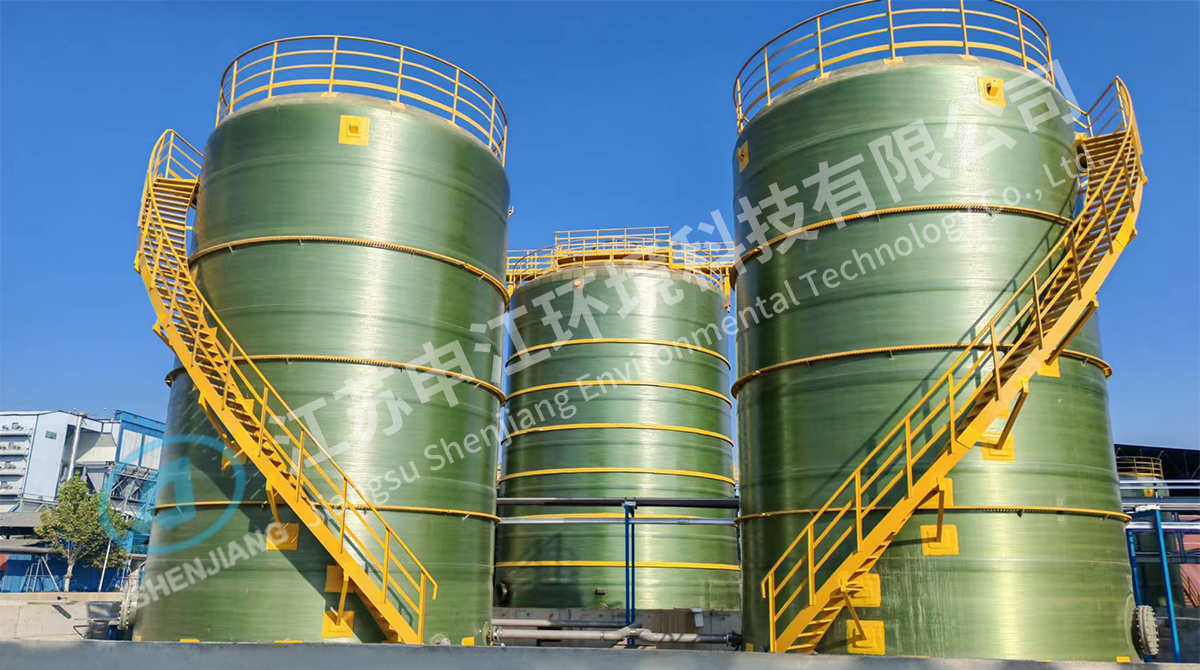
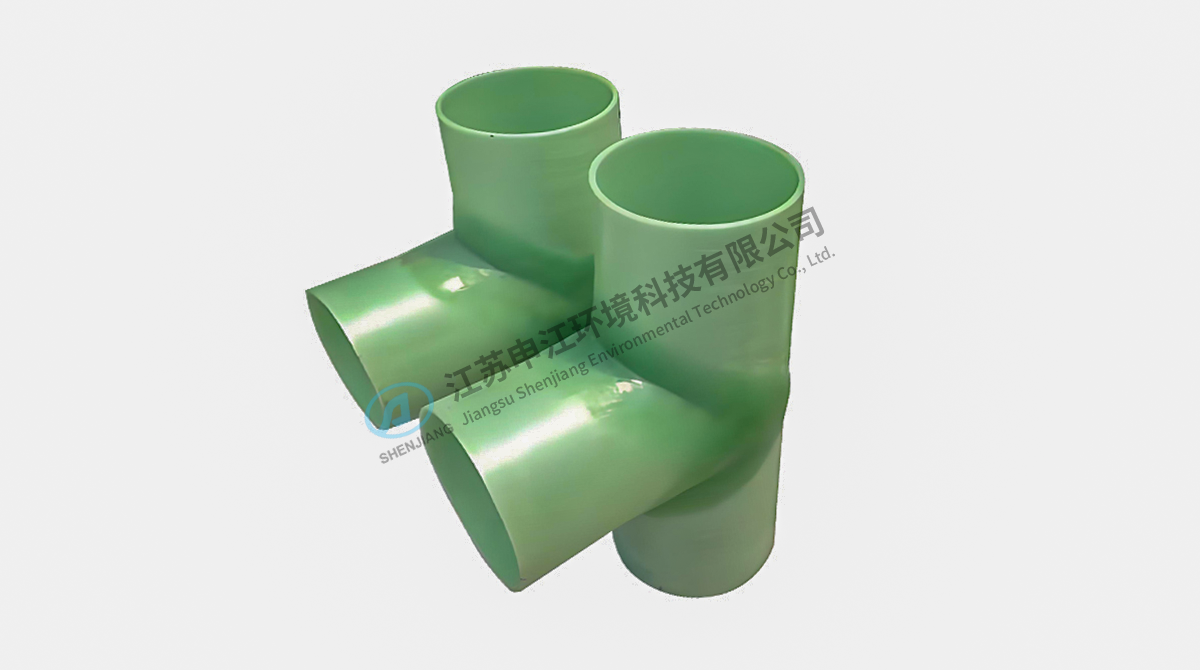
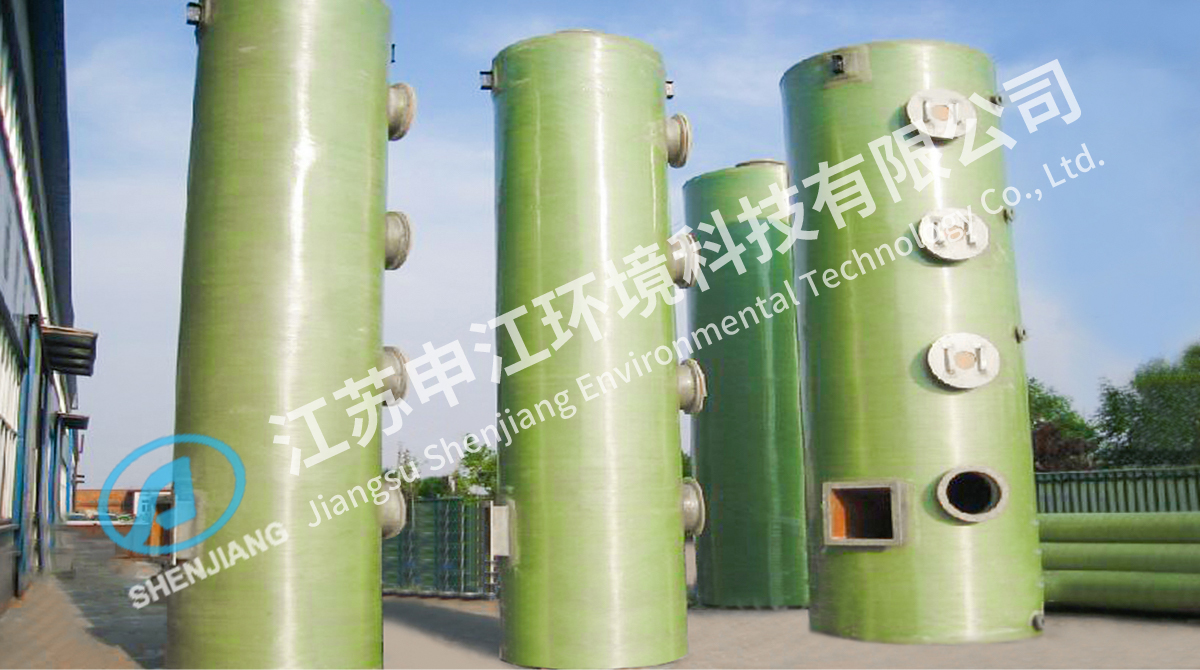
Cylindrical FRP tower structure design
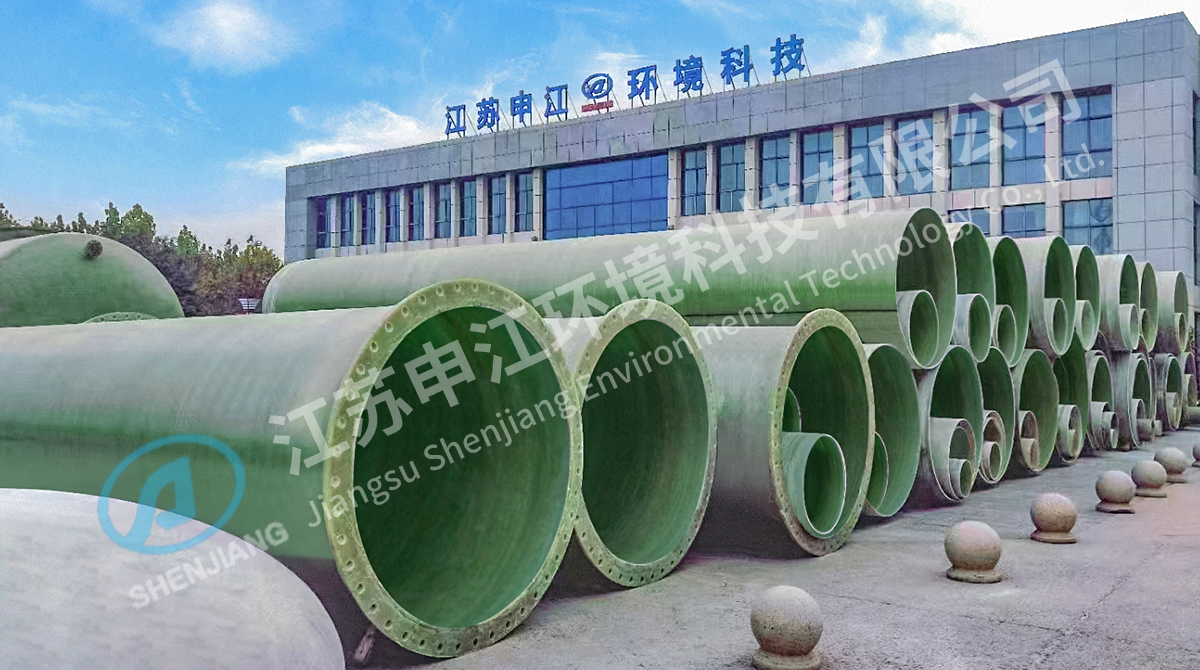
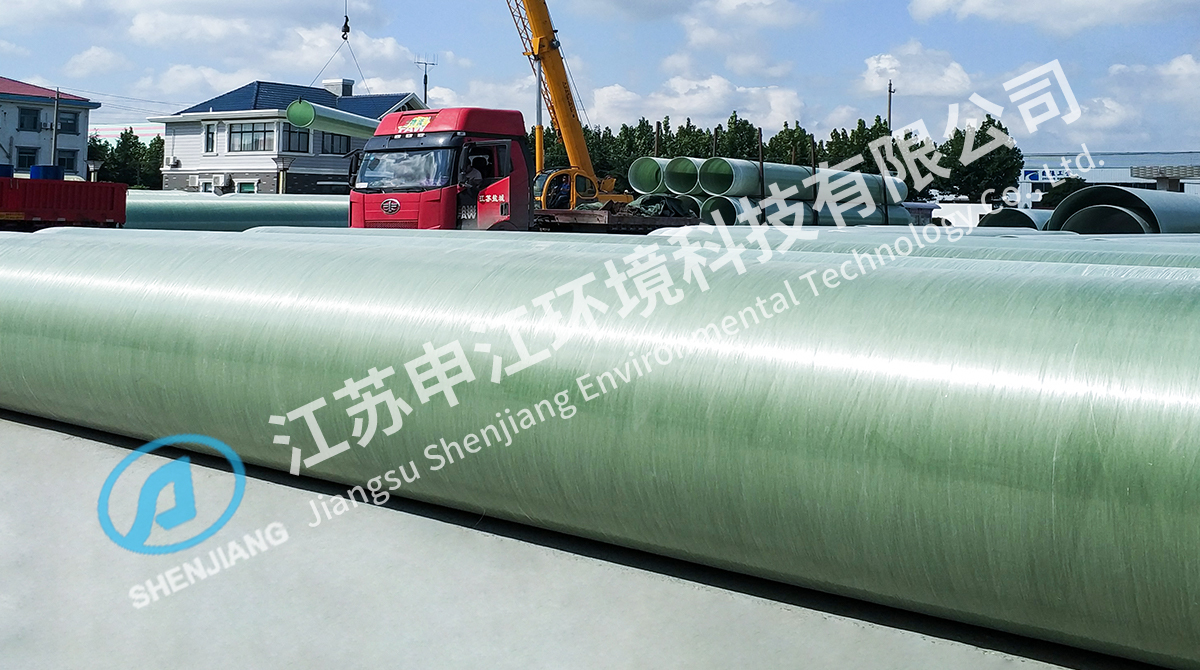
Cylindrical structure is a common design form in FRP towers, mainly characterized by the tower body being a continuous cylindrical shape. This design is formed by winding glass fiber reinforced materials and resin layers to form an integrated cylindrical structure. The cylindrical structure has the characteristics of uniform force and can better resist wind pressure and self-weight from all sides. Due to its overall continuity, the cylindrical FRP tower is more convenient in the manufacturing and transportation process, reducing the assembly process.
Cylindrical towers are generally suitable for small and medium-height towers, suitable for use as communication base stations, meteorological observations and other purposes. The disadvantage of this structural design is that the height is limited. Too high a cylindrical structure will increase the material consumption and self-weight, and the manufacturing difficulty increases with the increase in height.
Conical FRP tower structure design
The FRP tower with a conical structure presents a cone shape that gradually shrinks from bottom to top. The conical design helps to improve the stability of the tower body, especially when dealing with wind and other lateral loads. Through the conical design, the bottom section is larger to enhance the support capacity, and the upper section is smaller to reduce self-weight and material consumption.
Conical FRP towers are generally manufactured by segmented winding and lamination processes, which are convenient for transportation and on-site assembly. Its structure is more suitable for medium and high height towers than cylindrical ones, and it shows certain adaptability in applications that require a large height and complex forces.
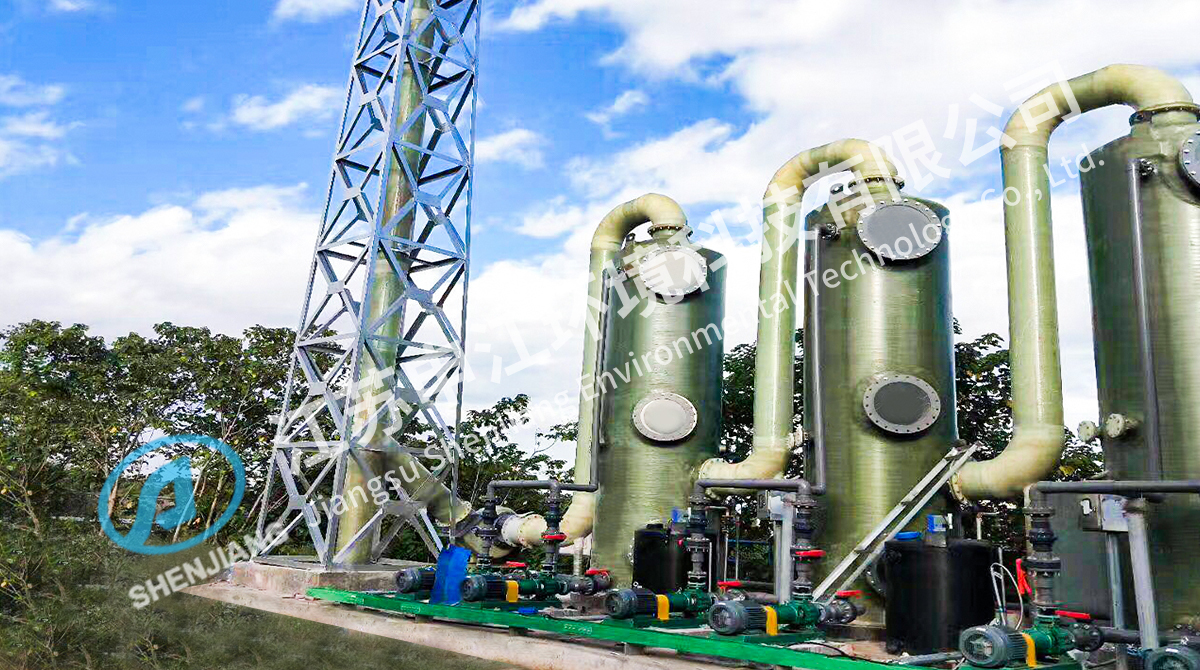
Lattice FRP tower structure design
The lattice structure is a frame structure composed of multiple FRP profiles connected by nodes to form a triangular or quadrilateral grid. The core of the lattice design is to disperse and transfer loads through a space frame, thereby reducing the deadweight and improving the overall stability.
This structural design is more common in high tower and large span applications, especially for power transmission towers, wind power towers and other occasions that need to withstand complex loads. The manufacture of lattice FRP towers is relatively complex, and strict design and testing of node connections and profile specifications are required.
Tubular lattice FRP tower structure design
The tubular lattice is a composite design that combines tubular sections and lattice structures, which not only maintains the rigidity of the tube section, but also utilizes the spatial stability of the lattice structure. This type of structure is often made of multiple round or square tubes connected by welding or bolts into a three-dimensional space frame.
This design can not only improve wind resistance, but also reduce weight while ensuring strength. Tubular lattice FRP towers are suitable for high and complex structures, such as large communication towers and high-rise meteorological towers. The manufacturing difficulty and cost are increased compared to simple cylindrical or conical structures.
Hybrid structure FRP tower design
Hybrid structure design refers to the combination of the above different structural forms to form a composite FRP tower. For example, a lattice frame is used at the bottom to ensure stability, and a cylindrical or conical structure is used in the middle and top to reduce deadweight. The hybrid structure design can take into account the force requirements of different parts and improve the adaptability of the overall performance.
This design method is flexible and suitable for FRP towers of various heights and functional requirements, but the corresponding manufacturing and installation process requirements are high. Hybrid structures are also commonly used in FRP towers for special purposes, such as multi-functional towers with observation platforms or other equipment.
Comparative analysis table of various structural designs
To facilitate understanding of the advantages and disadvantages of different FRP tower structural designs and their scope of application, the following table briefly compares the performance parameters of the main structural types.
| Structure Type |
Main Features |
Applicable Height Range |
Manufacturing Difficulty |
Stability Performance |
Typical Application Areas |
| Cylindrical |
Continuous structure, uniform stress distribution |
Low to medium height |
Low |
Moderate |
Communication base stations, meteorological towers |
| Conical |
Larger base section, better stability |
Medium to high height |
Moderate |
Relatively good |
Communication, lighting towers |
| Lattice |
Space frame, reduced self-weight |
Medium to ultra-high |
High |
High |
Transmission towers, wind power towers |
| Tubular Lattice |
Combines tubular rigidity with frame stability |
Medium to ultra-high |
High |
High |
High-rise communication towers, meteorological towers |
| Hybrid Structure |
Combines advantages of multiple structures |
Wide (low to ultra-high) |
Relatively high |
Relatively high |
Multifunctional towers, special applications |
The impact of structural design on FRP tower performance
The choice of FRP tower structural design not only affects the manufacturing cost and construction difficulty, but also directly relates to the performance of the tower. Cylindrical and conical structures are relatively simple to manufacture and maintain, and are suitable for small and medium-sized applications; while lattice and tubular lattice structures are suitable for environments with large heights and complex loads, and can provide better stability and bearing capacity. Hybrid structural design combines the advantages of various forms to give the tower better flexibility in meeting special needs.
The design also needs to consider the influence of environmental factors such as wind load, snow load, earthquake, as well as transportation and installation conditions. The material consumption, mechanical properties and fatigue life of different designs vary greatly, all of which require sufficient mechanical analysis and experimental verification in the design stage.
Future development trend of FRP tower structural design
With the advancement of materials science and manufacturing technology, FRP tower structural design is tending to be diversified and intelligent. The application of new high-performance composite materials is expected to improve the bearing capacity and durability of the structure. Modular and standardized design concepts are gradually being adopted, which promotes the automation and assembly efficiency of tower manufacturing.
The application of structural optimization design software and simulation technology will help engineers more accurately predict tower performance during the design phase and achieve the optimal configuration of materials and structures. Environmental protection and sustainable development concepts also prompt designers to pay more attention to the recycling and life cycle management of structures.




 English
  中文简体
中文简体 Español
 عربى
عربى русский
 ไทย
ไทย Indonesia
 Tiếng Việt