Material Performance Comparison
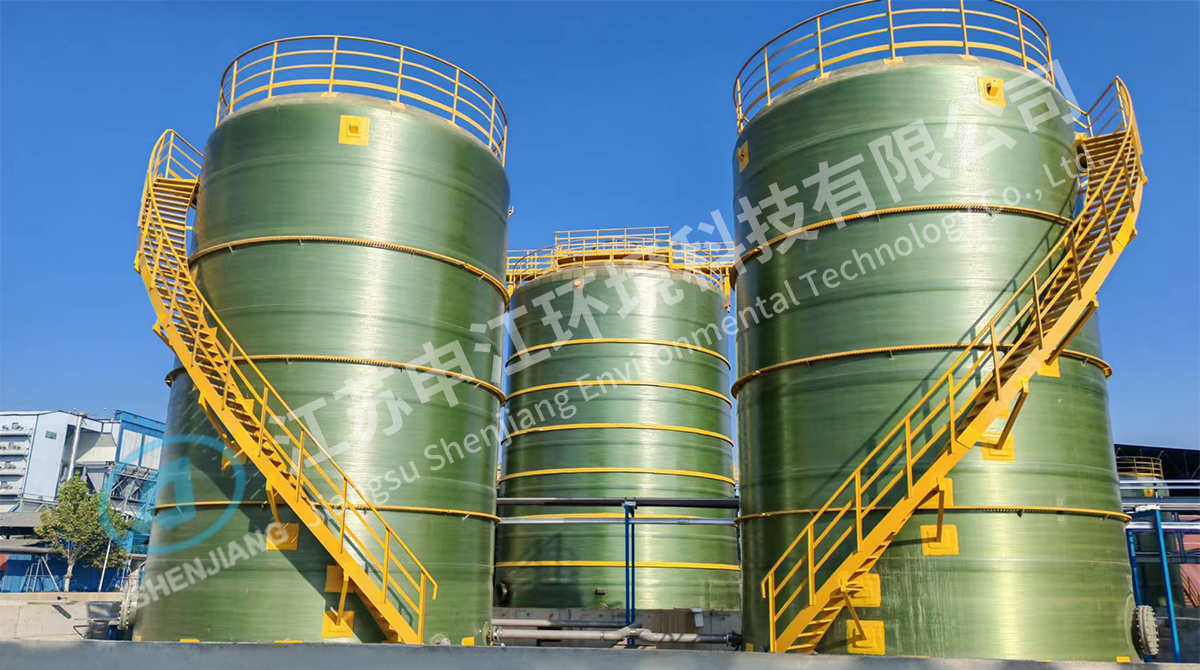
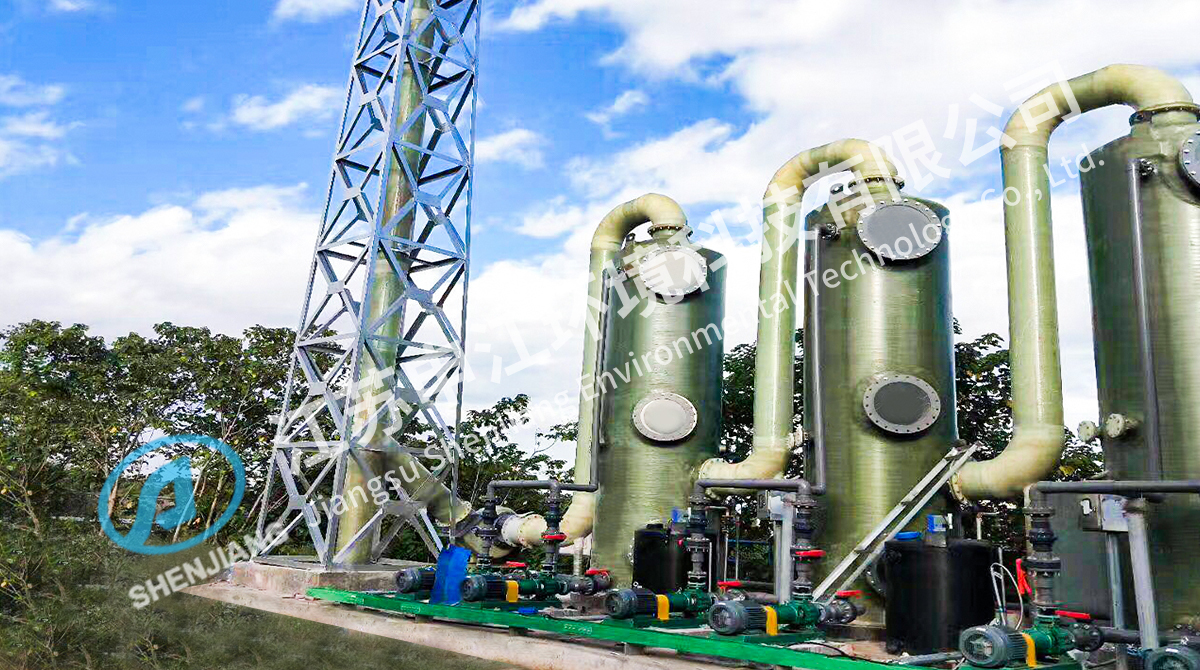
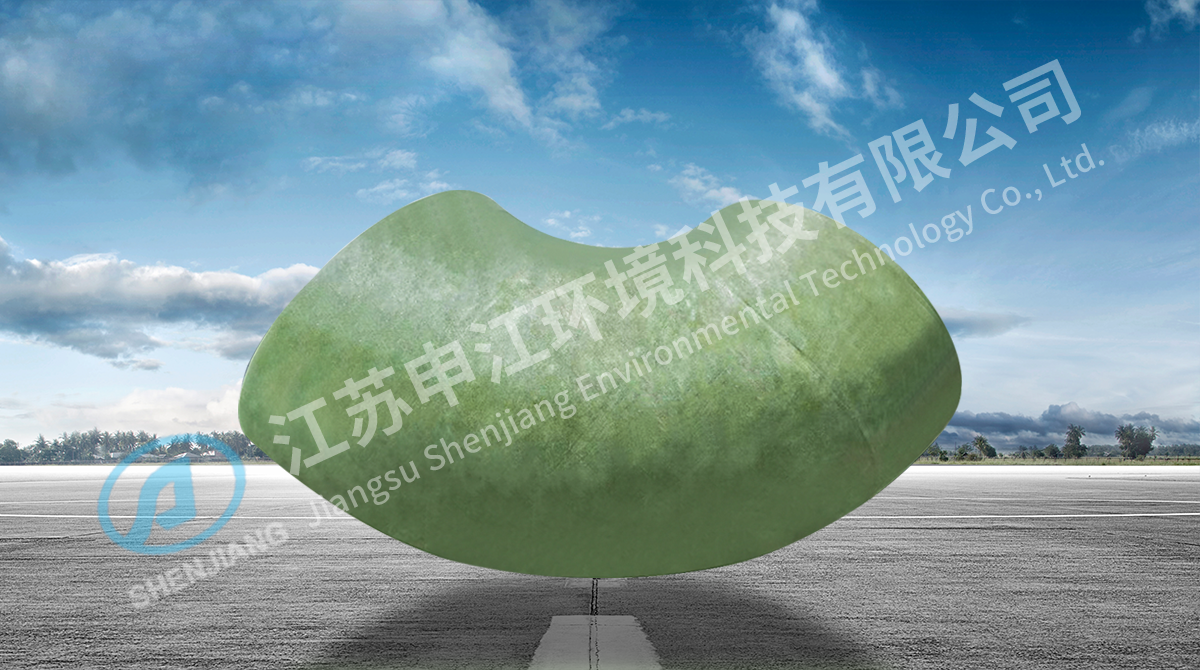
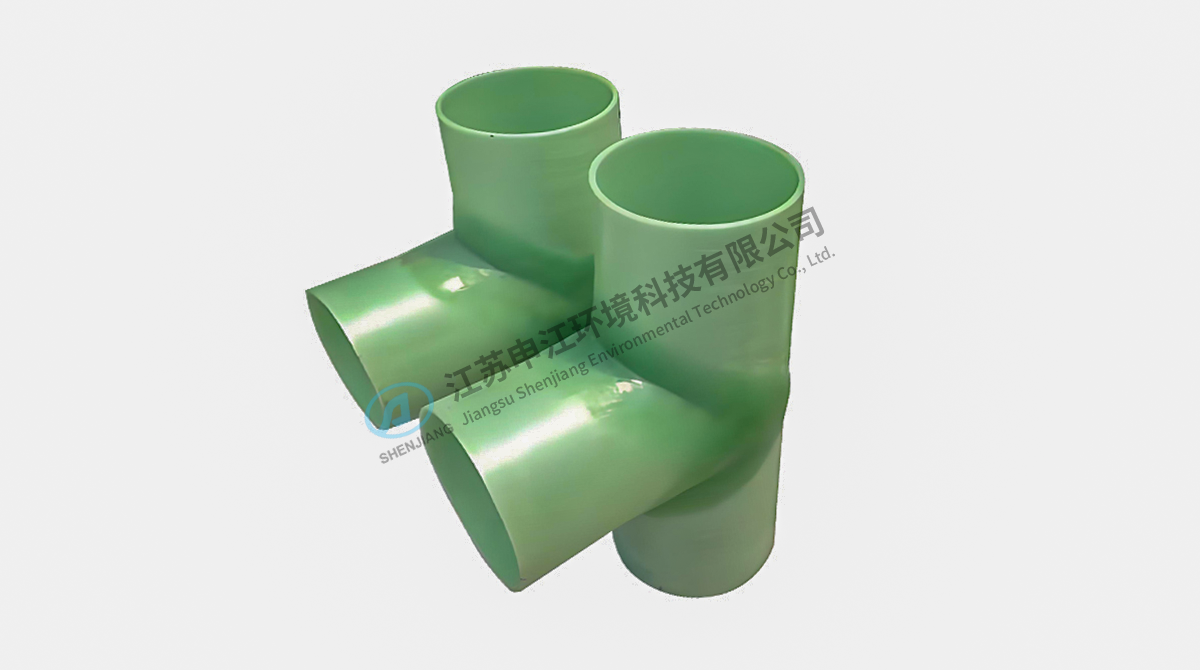
FRP towers are made of glass fiber reinforced plastic composite materials, which have lower density and better corrosion resistance. In contrast, traditional steel structure towers are mainly made of carbon steel or alloy steel, which have higher density and are susceptible to environmental corrosion. The density of FRP materials is about 1/4 to 1/5 of that of steel, so at the same volume, the self-weight of FRP towers is significantly lower than that of steel structure towers. This feature makes FRP towers more convenient to transport and install, reducing the difficulty and cost of construction.
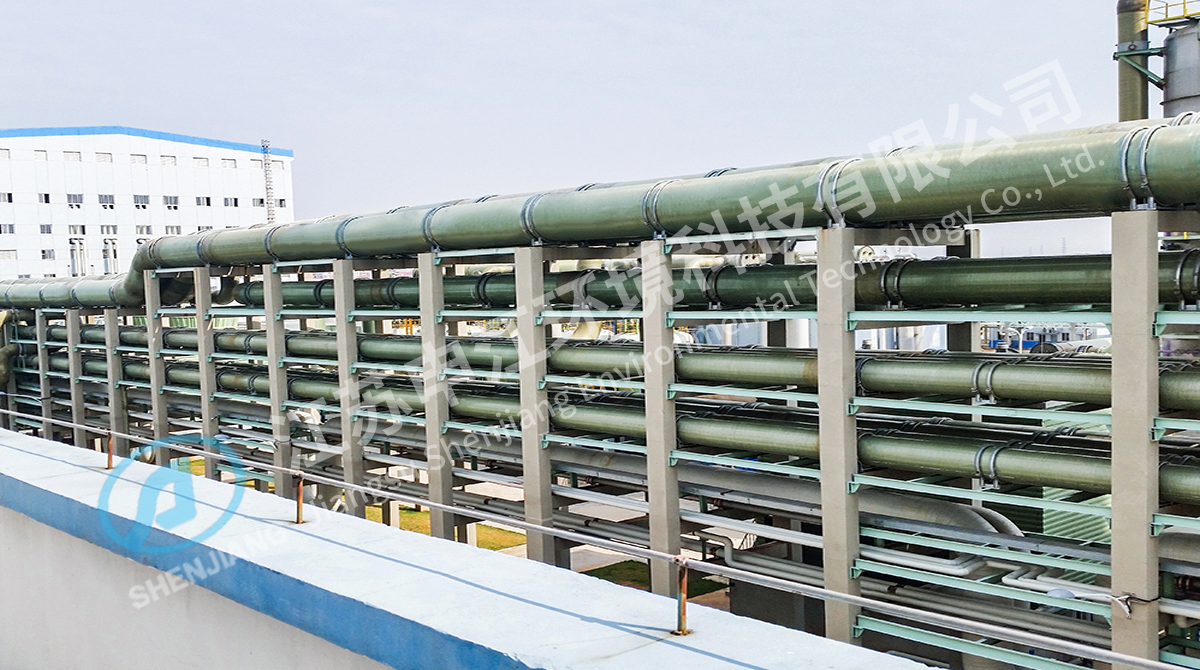
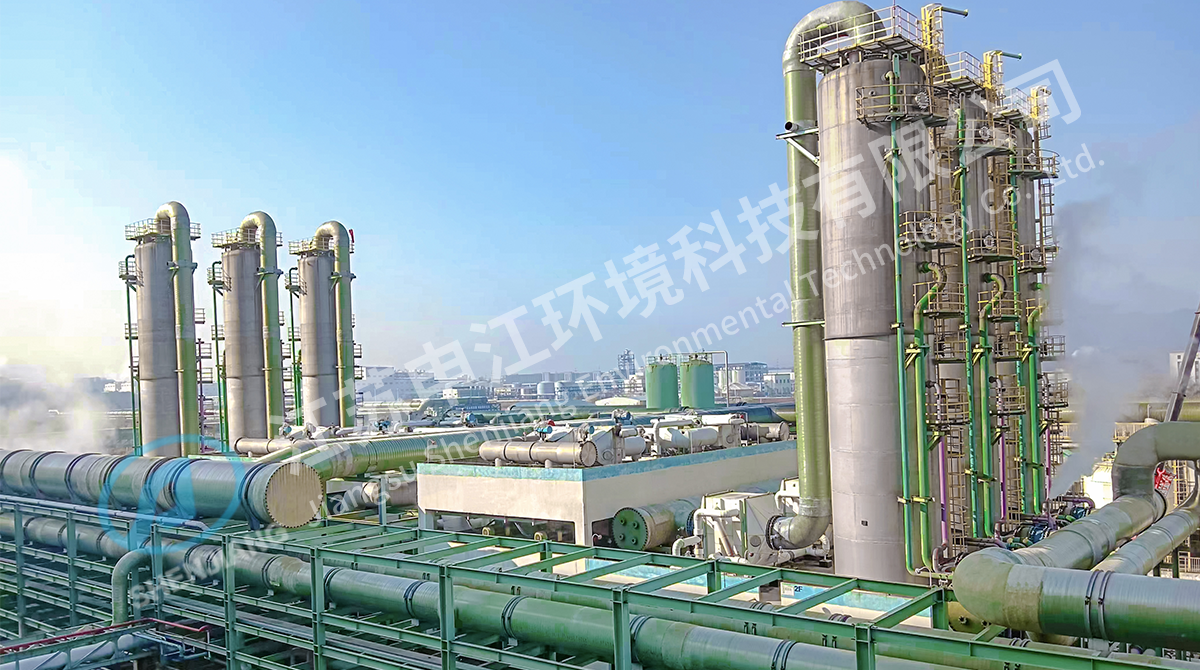
FRP has good corrosion resistance, especially suitable for coastal, high humidity or chemical corrosion environments, while steel structure towers need to take anti-corrosion coatings or cathodic protection measures, which increase maintenance costs and cycles. The electrical insulation properties of FRP materials also give it certain advantages in some special applications. The performance of FRP materials in high temperature environments is relatively limited, and its heat resistance limit is generally lower than that of steel. Steel structures have better strength retention capabilities under high temperature conditions and are relatively more applicable.
Comparison of structural strength and bearing capacity
Traditional steel structure towers can bear large static and dynamic loads due to the high strength and good plasticity of steel, and are suitable for ultra-high towers and complex stress environments. The design of steel structure towers is mature, with rich theoretical and practical foundations, and the structural safety has been extensively verified.
The strength of FRP towers depends on the arrangement of glass fibers and the quality of the resin matrix. Although the overall structural strength can meet the needs of medium and low height towers, there are certain limitations in the design of ultra-high towers. The brittleness of FRP is more obvious than that of steel, and its impact resistance and fatigue life are relatively weak, so a reasonable safety factor needs to be adopted in the design. FRP towers are suitable for applications with medium and small heights and moderate load requirements, while traditional steel structure towers still have a wider range of adaptability for high loads and extreme working conditions.
Analysis of manufacturing and construction characteristics
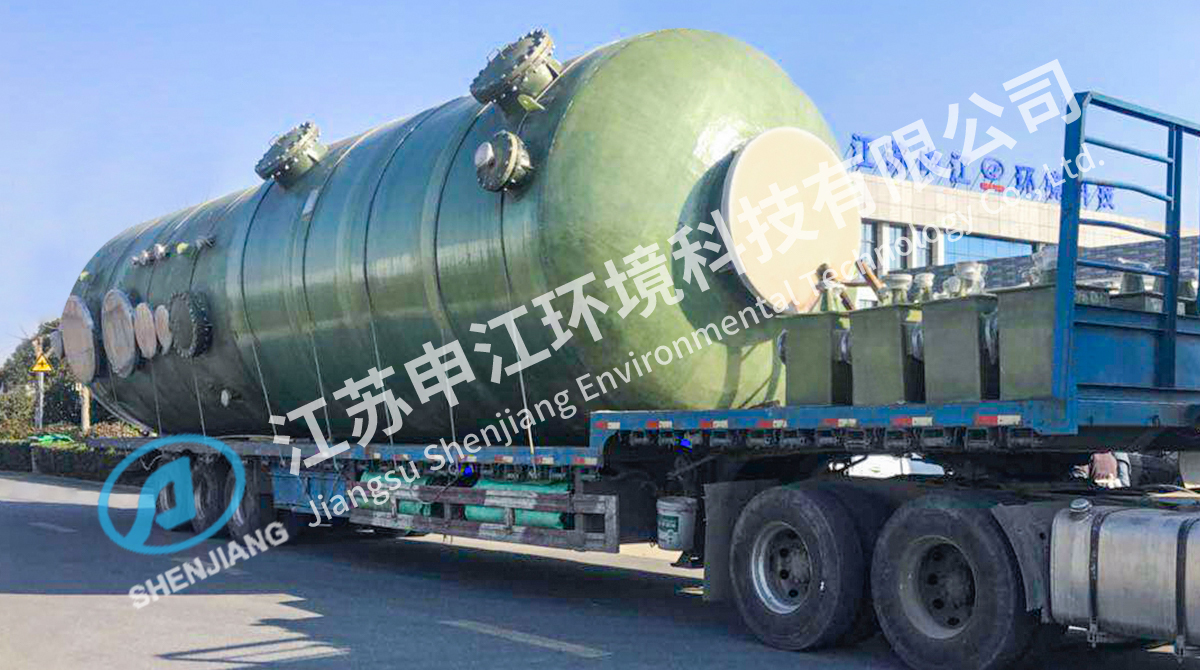
The manufacturing process of FRP towers mainly adopts mold forming technology, including winding forming, hand lay-up forming and other methods, which can realize the production of integrated or segmented structures. Mold production makes FRP towers flexible in shape, smooth in surface, environmentally friendly in manufacturing process, and easy to achieve mass production.
In contrast, steel structure towers usually use welding and mechanical connection processes, which require a lot of on-site assembly, complex procedures and a long construction period. The weight of steel structures is large, and the transportation and hoisting requirements are high, which has high requirements for construction equipment and personnel skills.
In terms of on-site installation, the lightweight characteristics of FRP towers make construction more convenient and can reduce construction risks and human resource investment. The weight and volume of steel structure towers increase the complexity of installation, especially when working at high altitudes.
Maintenance management and service life comparison
Due to the corrosion resistance of the material itself, FRP towers have a long maintenance cycle and relatively less maintenance workload. Generally, regular painting is not required for rust prevention, and the maintenance cost is low. The surface of FRP is smooth and easy to clean, which helps to maintain the appearance and performance of the structure.
Steel structure towers require regular inspection and anti-corrosion coating, especially in harsh environments, where the maintenance cost and frequency are high. Corrosion is one of the main challenges in the maintenance of steel structure towers, and failure to deal with it in time may affect the safety of the structure.
In terms of service life, both FRP towers and steel structure towers can meet conventional use requirements, but the specific life depends on the design standards, use environment and maintenance level. FRP materials are susceptible to UV aging, and protective measures need to be taken during design. Steel structures need to pay attention to anti-corrosion and fatigue performance.
Comparison of environmental adaptability
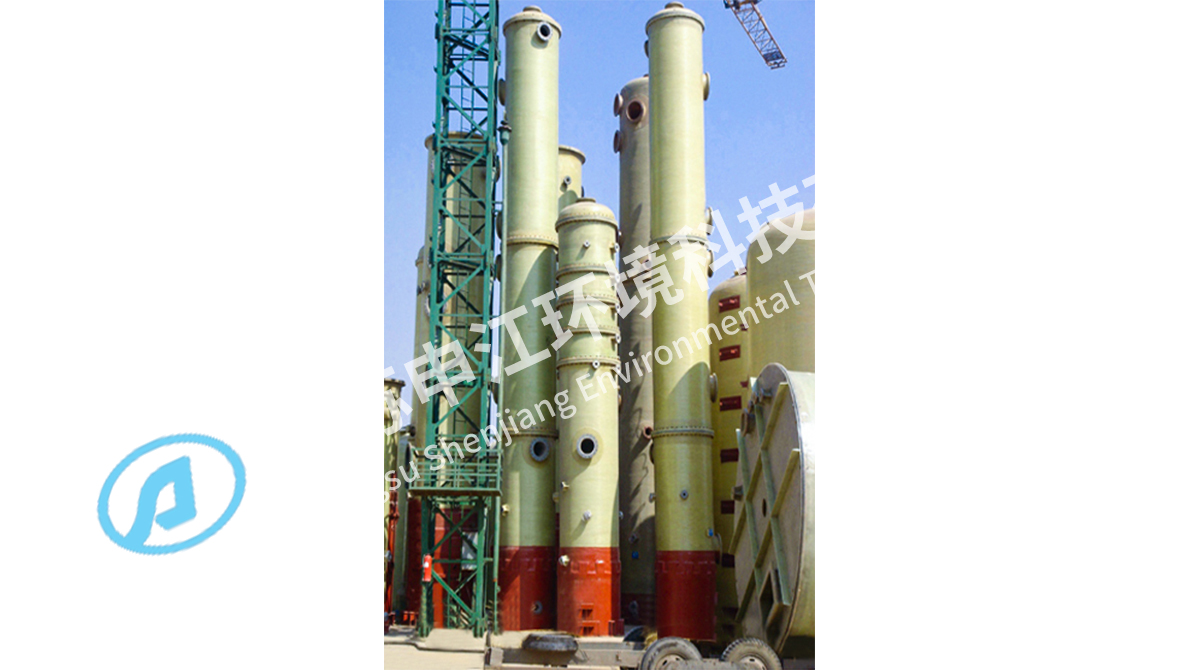
FRP towers perform well in corrosion resistance and electrical insulation, and are suitable for use in coastal areas, chemical plants and high humidity areas. Its non-conductive properties make it safer to use in some special electromagnetic environments.
The corrosion resistance of steel structure towers depends on protective measures, and its electrical conductivity is strong, requiring additional design in terms of lightning strikes and electrical safety. Steel structures are adaptable to a wide range of environments, but require more maintenance to extend their service life. The production and processing of FRP materials have relatively little environmental impact and have certain environmental advantages, but its non-flammability is not as good as steel and its fire resistance is weaker.
Cost-benefit analysis
The initial material cost of FRP towers is usually higher than that of traditional steel structures, but due to its light weight, the transportation and installation costs are relatively low. The low long-term maintenance cost also has a positive impact on the overall life cycle cost.
The material cost of steel structure towers is relatively low, but due to the weight and complex construction process, the transportation and installation costs are high. The maintenance frequency and cost are large, especially in corrosive environments. The cost-effectiveness of FRP towers and steel structure towers needs to be comprehensively evaluated based on the height, environment, functional requirements and maintenance conditions of the specific project.
Comparison table of FRP towers and steel structure towers
| Comparison Item |
FRP Tower |
Traditional Steel Tower |
| Material Density |
Low, about 1/4 to 1/5 of steel |
High |
| Corrosion Resistance |
Good, resistant to chemical and environmental corrosion |
Dependent on protective measures |
| Structural Strength |
Suitable for low to medium height, more brittle |
High strength, suitable for tall and complex loads |
| Manufacturing Process |
Mold forming, environmentally friendly, flexible shapes |
Welding and mechanical connections, complex procedures |
| Transportation and Installation |
Lightweight, easy to transport and install |
Heavy, higher requirements for transport and installation |
| Maintenance Needs |
Low maintenance, no frequent painting required |
Requires regular anti-corrosion coating, frequent maintenance |
| Service Life |
Sensitive to UV aging, requires protection |
Requires corrosion protection, affected by fatigue |
| Environmental Adaptability |
Suitable for humid, chemically corrosive environments; electrically insulating |
Wide applicability, requires protection; electrically conductive |
| Initial Cost |
Relatively high |
Relatively low |
| Lifecycle Cost |
Lower transportation and maintenance costs |
Higher transportation and maintenance costs |
FRP towers and traditional steel structure towers have their own characteristics, and their scope of application and performance focus are different. FRP towers are suitable for specific environments and medium and low height applications due to their advantages of light weight and corrosion resistance. Traditional steel structure towers have more experience and design foundation in terms of bearing capacity and structural safety, and are suitable for higher and more complex conditions. The selection of a suitable tower type should be based on a comprehensive consideration of specific engineering requirements, environmental conditions and economic efficiency. With the advancement of materials science and manufacturing technology, the performance and scope of application of FRP towers will continue to improve, and they may form a complementary relationship with traditional steel structure towers in more fields in the future.




 English
  中文简体
中文简体 Español
 عربى
عربى русский
 ไทย
ไทย Indonesia
 Tiếng Việt