Introduction to FRP Towers
FRP (Fiber Reinforced Plastic) towers are widely used in various industries due to their strength, durability, and resistance to corrosion. These towers are commonly employed in applications such as water treatment, chemical processes, and telecommunications. The design and material properties of FRP make them suitable for both outdoor and indoor environments, where exposure to harsh conditions is common. However, understanding the installation and maintenance processes is essential to ensuring the longevity and proper functioning of FRP towers.
Understanding FRP Towers
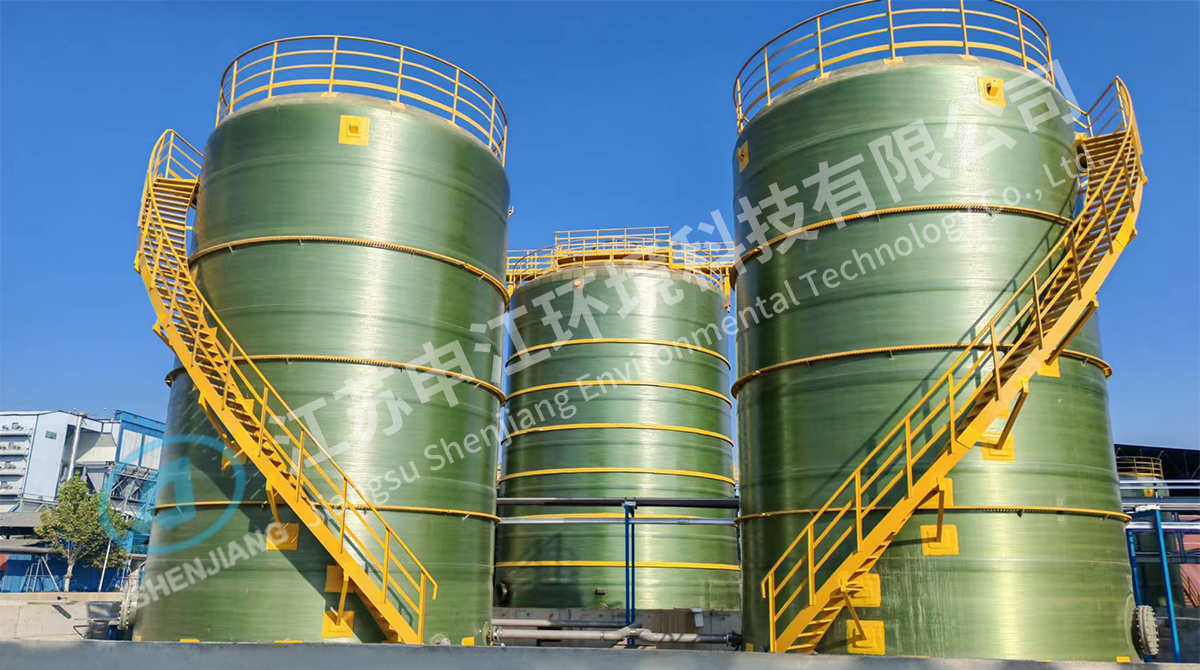
FRP towers are made from a composite material consisting of a polymer matrix reinforced with fiber, often glass fiber. The combination of these materials provides a structure that is both lightweight and strong, while also being resistant to environmental factors like moisture, UV rays, and chemicals. The towers are often used in situations where traditional materials such as steel or concrete may suffer from corrosion or excessive weight.
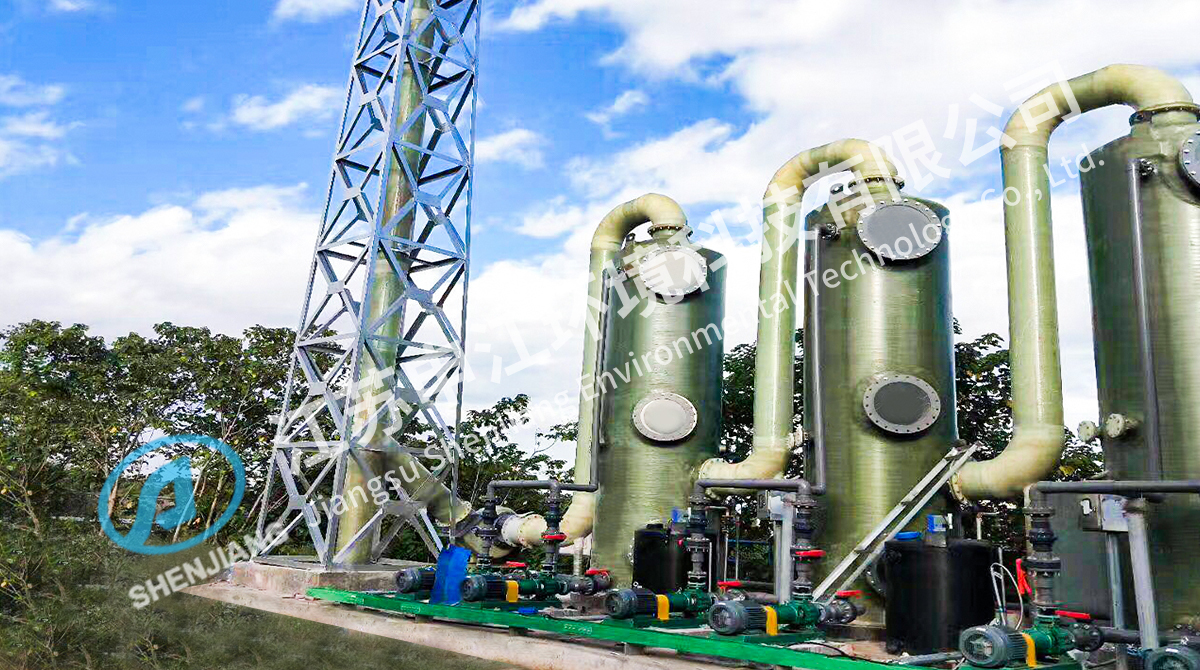
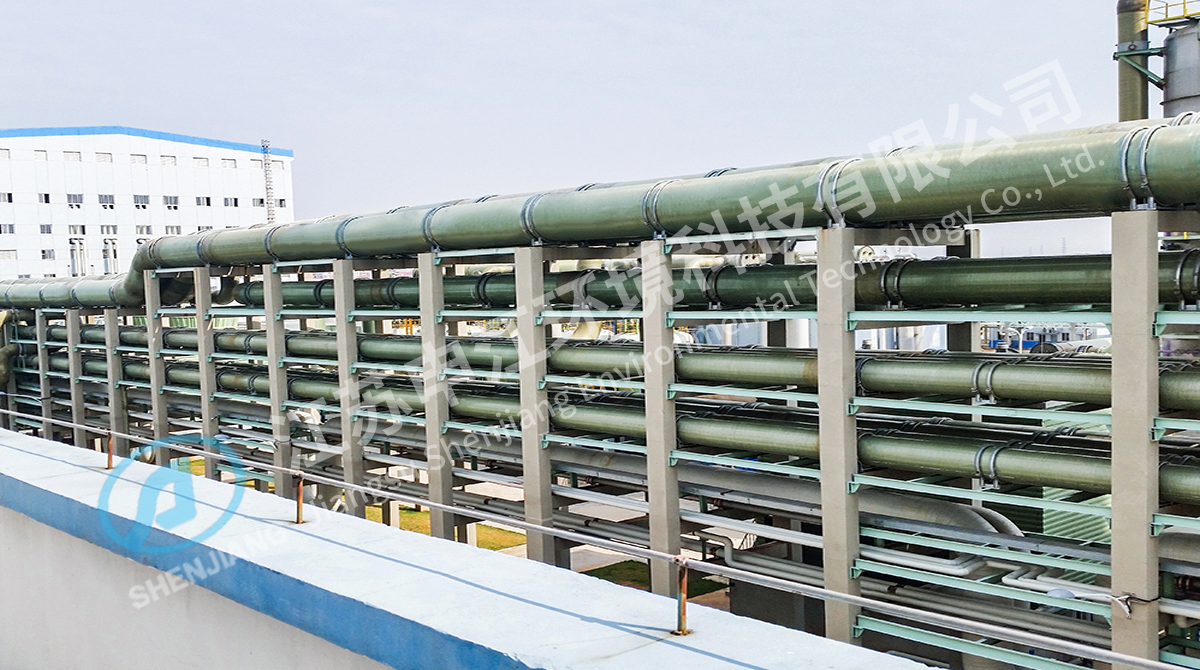
The versatility of FRP towers allows them to be used in a range of industries, from water purification systems to industrial ventilation, and even wind turbines. The ability to mold the material into various shapes and sizes makes these towers adaptable for different purposes. However, their successful installation and long-term performance depend on correct procedures and ongoing maintenance.
Installation Process of FRP Towers
The installation of FRP towers involves several important steps that need to be performed with precision to ensure the structure is stable and performs as intended. While the process may not be overly complex, it requires the right materials, equipment, and skilled personnel to avoid mistakes that could lead to structural weaknesses or operational issues down the line.
First, the site where the tower will be installed needs to be prepared. This may involve leveling the ground and ensuring that the area can support the tower's weight. Since FRP towers are relatively lightweight compared to steel or concrete alternatives, the foundation required may not be as extensive, but it still needs to be stable to avoid shifting or tilting over time.
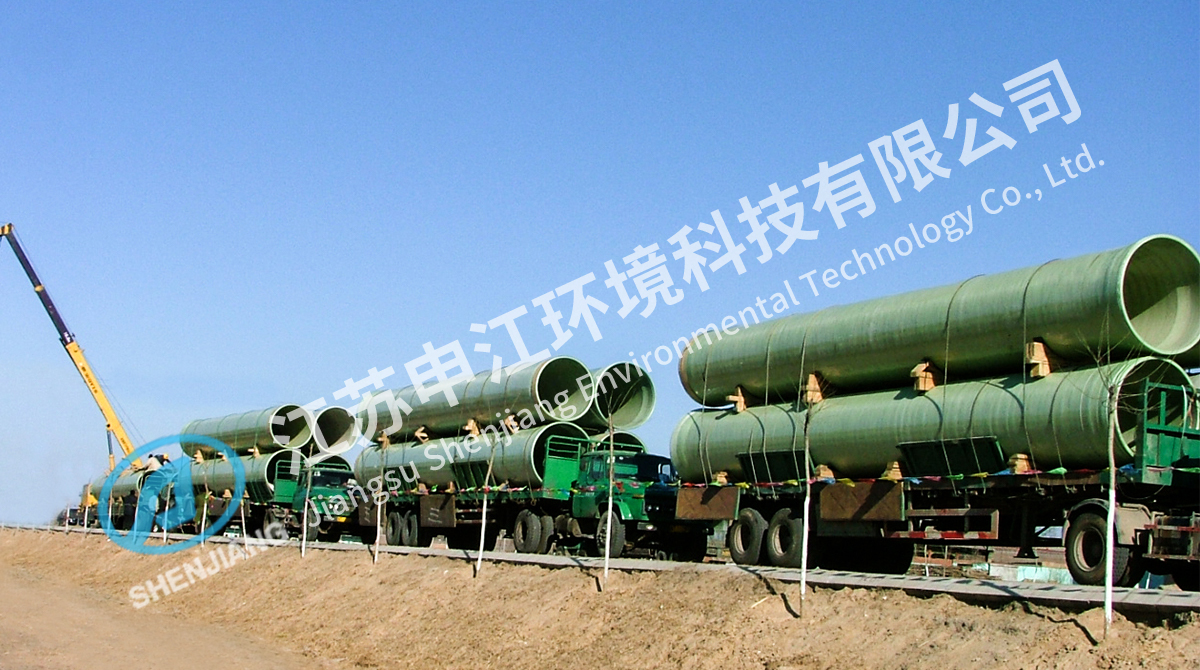
Once the foundation is ready, the FRP tower sections are transported to the site. These sections are often prefabricated in a factory and then assembled onsite. The ease of transportation and assembly is one of the key benefits of FRP, as the material is light enough to reduce logistics and labor costs. The individual sections are typically connected using bolts, screws, or flanges, and sometimes adhesive bonding is used for additional reinforcement.
It is important to follow the manufacturer’s guidelines during the installation to ensure that the correct fasteners and alignment are used. Incorrect installation can lead to issues such as instability, misalignment, or even failure to perform as expected. A thorough inspection of the components before assembly is also recommended to check for defects or damage incurred during transportation.
Challenges in FRP Tower Installation
While the installation of FRP towers can generally be considered straightforward, there are a few challenges that may arise during the process. One potential challenge is ensuring that the ground or foundation is sufficiently stable, as an unstable foundation can lead to tilting or sinking of the structure over time. Additionally, the weather can impact the installation process. Extreme temperatures or high winds may hinder progress or affect the curing of certain materials used in the assembly.
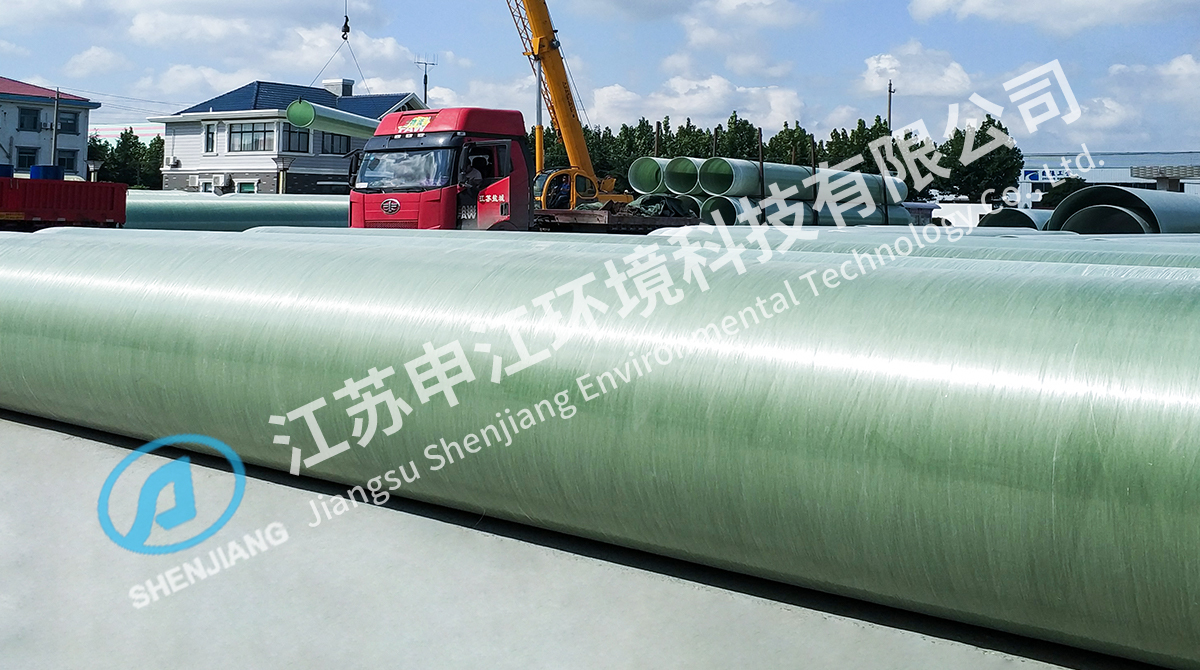
Another challenge is dealing with the assembly of larger FRP towers. While the material itself is lightweight, large structures still require careful handling and precision during assembly. Lifting and aligning large sections of the tower can be challenging, requiring the use of cranes or other lifting equipment, which can add to the complexity and cost of the installation process. It is crucial to have a team of experienced personnel to oversee the assembly to avoid misalignment or accidents.
Maintenance of FRP Towers
Maintenance of FRP towers is generally less demanding compared to traditional materials like steel or concrete. The natural resistance of FRP to corrosion, rust, and weathering means that these towers can last much longer with relatively minimal upkeep. However, this does not mean that no maintenance is required. Regular checks and minor repairs can help extend the lifespan and ensure that the tower continues to function properly over time.
The most basic aspect of maintaining an FRP tower is performing periodic inspections to look for any signs of damage. While FRP is resistant to most environmental factors, it is still possible for the material to suffer from impact damage, scratches, or wear over time. Inspecting the structure regularly for cracks, chips, or other signs of damage is crucial, particularly in high-stress areas such as joints, connections, or supports.
Another maintenance task is cleaning. FRP towers, like any other structure, can accumulate dirt, dust, or debris over time, which can affect their performance. While the cleaning process is typically straightforward, using the right cleaning agents and techniques is important to avoid damaging the material. Harsh chemicals or abrasive cleaning tools should be avoided, as they can cause surface degradation and reduce the tower's durability.
Handling Wear and Tear
Over time, wear and tear are inevitable, especially in environments where the FRP tower is exposed to physical stress or harsh chemical agents. The resin used in the production of FRP towers may begin to degrade after prolonged exposure to UV radiation, chemical spills, or constant mechanical stress. As part of regular maintenance, it may be necessary to apply protective coatings or undergo repairs to mitigate the effects of wear and tear.
In the event that cracks or other structural damage occurs, it is important to address these issues promptly to prevent further deterioration. FRP towers can often be repaired using specialized resins and patching techniques, which can restore the structural integrity of the material without the need for complete replacement. These repairs are typically less costly and time-consuming than replacing entire sections, making them a preferred option for extending the life of the tower.
Longevity and Durability Considerations
FRP towers are designed to be highly durable, but their longevity still depends on how well they are maintained and the environmental conditions they are exposed to. Towers located in coastal areas with high humidity or exposure to saltwater may require more frequent inspections due to potential salt damage, despite FRP’s inherent resistance to corrosion. Similarly, exposure to extreme temperatures, both hot and cold, can also affect the material’s performance over time.
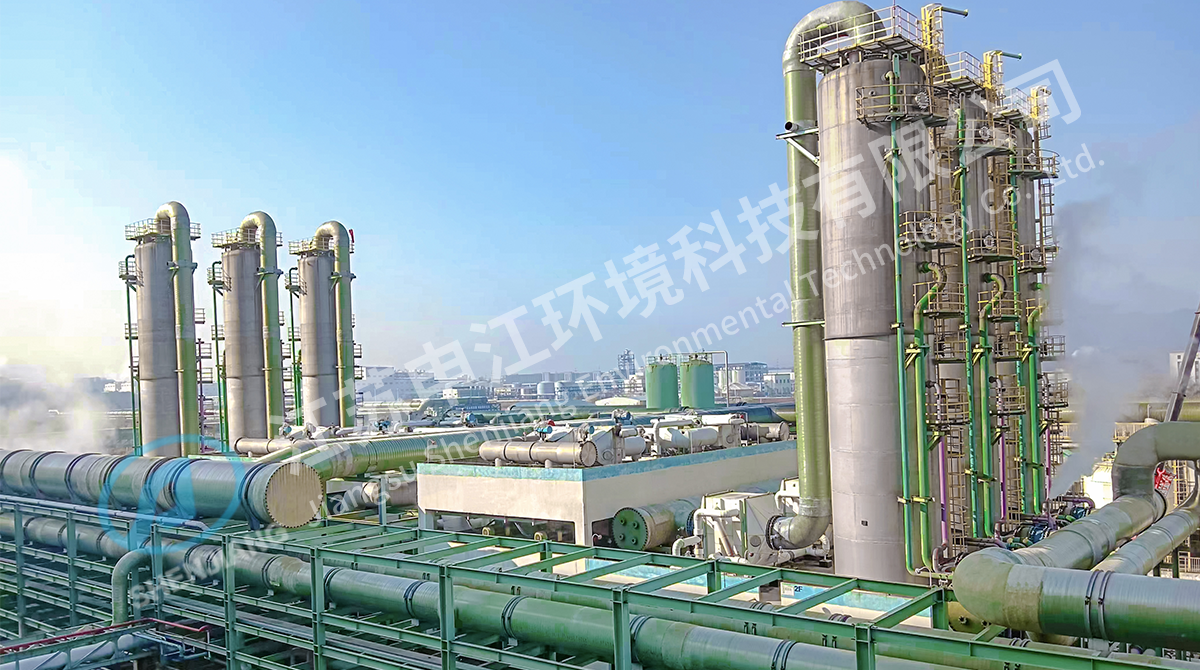
FRP towers used in industrial applications, such as chemical plants or power generation facilities, may also face additional stress from aggressive chemicals or heavy usage. In these cases, periodic structural analysis may be necessary to assess whether any internal damage has occurred that is not immediately visible on the surface. Overall, regular maintenance helps detect and address issues early, which can significantly extend the service life of the tower.
Cost of Installation and Maintenance
One of the main advantages of FRP towers is their relatively low cost compared to other materials such as steel or concrete. The installation process can be quicker and less labor-intensive, due to the lightweight nature of FRP and the ease with which it can be assembled. This reduces both labor costs and the need for heavy equipment, making FRP towers an attractive option for many industries.
Similarly, the maintenance costs for FRP towers are generally lower over the long term. The materials are resistant to rust and corrosion, meaning that there is less need for costly repairs or replacements. Furthermore, the ease of performing minor repairs on FRP structures further helps to reduce maintenance costs. However, as with any structure, the maintenance cost can increase if the tower is subjected to unusual stress or environmental conditions that accelerate wear and tear.




 English
  中文简体
中文简体 Español
 عربى
عربى русский
 ไทย
ไทย Indonesia
 Tiếng Việt