If the circulating water in your plant runs above roughly 300 mg/L chloride, or the site sits within a few kilometres of the coast, a hot-dip galvanised casing usually starts bleeding rust at the panel joints within three to five years. That is the point where owners begin pricing an FRP cooling tower. The conclusion first: fibreglass does not win on thermal performance — a well-built steel tower and a well-built FRP tower reach much the same approach temperature. FRP wins on corrosion resistance, dead weight and the cost of keeping the structure standing for twenty years.
The practical rule: specify FRP when the water or the surrounding air is aggressive, when the tower sits on a roof or steel platform with limited load capacity, or when a long, repaint-free casing life matters more than the lowest first cost. Stay with steel or concrete when the duty is clean, maintenance access is easy and capital budget dominates the decision.
How an FRP cooling tower is built and how it rejects heat
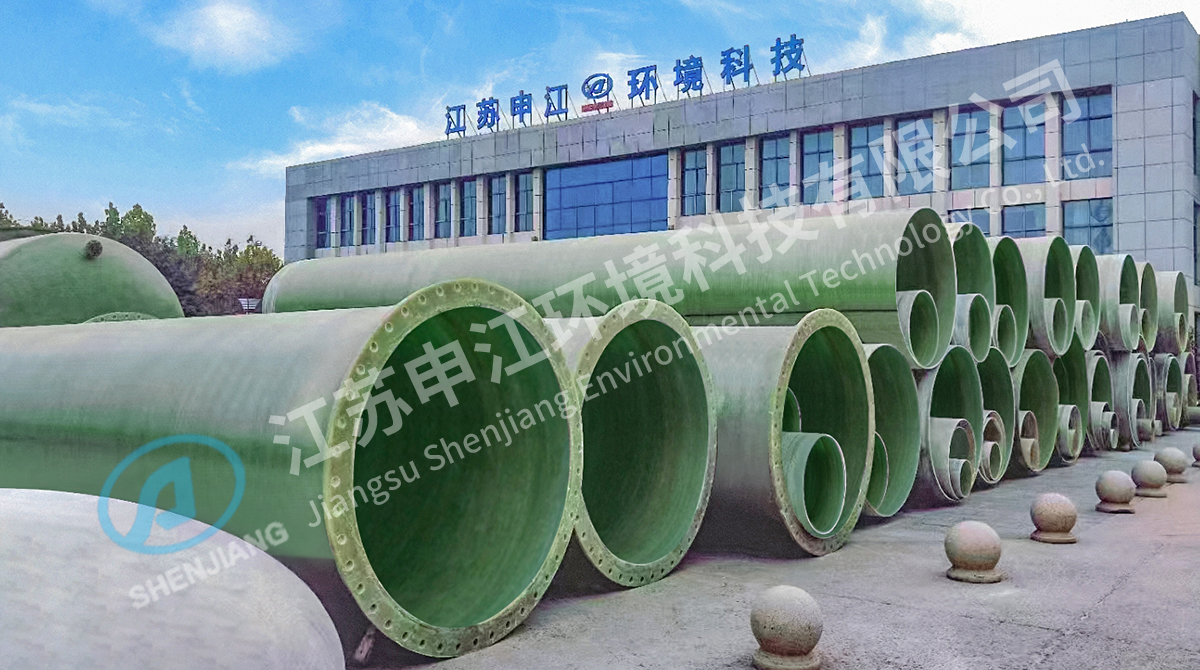
The casing is a set of moulded fibreglass panels, usually 4–8 mm thick with gelcoat on both faces, bolted on site around a frame of pultruded profiles or galvanised steel. Inside sits the working stack: hot water basin or spray header, PVC film fill, drift eliminators, inlet louvers, and an induced-draft fan discharging through the stack on top.
Cooling is mostly evaporation, not conduction. Each kilogram of water evaporated carries away about 2,430 kJ, so a tower working on a 10 °C range loses roughly 1.5–1.8% of its circulating flow and needs make-up water plus a small bleed to control cycles of concentration. Approach — the gap between cold water temperature and design wet-bulb — governs fill volume and therefore tower size; 3–5 K is the normal commercial band, and every extra kelvin you demand costs fill height, fan power or footprint.
Most industrial FRP units are square counterflow, induced draft, field-erected from panels. Crossflow and round bottle types serve smaller duties, and closed-circuit versions wrap a coil bundle inside the same shell when the process fluid must not touch air.
FRP versus galvanised steel versus concrete
This is the comparison that usually decides the purchase. It is written for induced-draft towers in cooling service; real positions shift with water chemistry, siting and specification.
Indicative comparison for induced-draft industrial cooling towers; confirm figures against your water analysis, wind and seismic loads and site access.
| Factor |
FRP |
Galvanised steel |
Concrete |
| Chloride and acid-bearing water |
High resistance; vinyl ester laminate for aggressive duty |
Coating-dependent; rusts at cut edges and joints |
Good where rebar cover is adequate |
| Casing weight |
About one-fifth of steel for the same panel |
Heavy, needs more structural steel |
Very heavy, needs dedicated foundations |
| Site assembly |
Bolted panels, no hot work, short crane time |
Welding and painting on site |
Long civil programme |
| Typical service life |
15–25 years |
8–12 years with repainting |
25–30 years |
| Repair |
Hand lay-up patch, same day |
Cut out and replace panels |
Structural repair, long outage |
| First cost |
Mid to high |
Lowest |
Highest |
The crossover point is water quality. Below a few hundred milligrams per litre chloride at neutral pH, galvanised steel is rational. Above that, or where the tower sits downwind of a scrubber, a stack or a coastal salt load, the repaint cycle eats the capital saving inside the first decade.
Where the budget actually goes
An FRP cooling tower is rarely the most expensive line in a cooling project — the fan, the electrical work and the foundations often cost more than the shell. The split below is typical for a field-erected industrial unit quoted with installation.
Typical cost split of an installed FRP cooling tower package
FRP shell, structure and basin — 28%
Fan, motor, gearbox and stack — 22%
Installation and civil works — 21%
Fill, drift eliminators and louvers — 13%
Engineering, drawings and commissioning — 9%
Freight, spares and contingency — 7%
Two items deserve attention during negotiation. The fan and drive package decides operating cost: a well-formed fan stack with a correctly matched motor and gearbox can cut fan power by 15–20% against a poorly diffused outlet, and that saving compounds for twenty years. Fill and drift eliminators decide thermal performance; a cheap fill with the wrong flute geometry may meet the duty on paper and fail it in the second summer, once the surface has scaled.
Specification checks before you request a quote
Suppliers can only size a tower properly when they receive the full duty. Missing data gets filled with assumptions that favour the vendor, so send all of the following:
- Circulating flow in m³/h, including any future expansion allowance.
- Hot and cold water temperatures, and whether the cold water target is fixed or flexible.
- Design wet-bulb for the site with the exceedance level you accept, for example 5% summer.
- Water analysis: chloride, sulphate, hardness, suspended solids, pH, and whether treated effluent is in the mix.
- Acceptable drift rate, typically 0.02% of circulating flow or lower where the plume lands on buildings or car parks.
- Noise limit at 1 m from the casing and at the nearest boundary, plus any night-time restriction.
- Electrical supply, motor enclosure class, and whether a variable-speed drive is required.
- Wind and seismic loads, footprint limits, and the lift plan for panels and fan stack.
Two further questions move the price more than buyers expect: does the tower run through sub-zero winters, and is plume abatement required? Both push the specification toward anti-icing measures or a hybrid, closed-circuit design.
Laminate and resin choices that decide service life
Two towers with identical dimensions can differ by ten years of life on laminate alone. Ask for the schedule in writing:
- Resin type — orthophthalic for mild water, isophthalic as the general industrial default, vinyl ester where chlorides, hypochlorite or acidic condensate appear.
- Glass content and lay-up — hand lay-up usually lands at 25–30% glass by weight; higher content with chopped strand mat and woven roving improves impact and hoop strength.
- Gelcoat and UV package — a 0.4–0.5 mm gelcoat plus UV stabiliser, otherwise the surface chalks and print-through appears within a few seasons.
- Fasteners and frames — stainless bolts and pultruded profiles avoid the galvanic couple that destroys mixed-material towers.
Cracking, deformation and colour fade are the failure modes owners report most often, and nearly all trace back to resin choice, cure control or a panel over-torqued during assembly. The mechanisms are worth understanding before you accept a quotation: how FRP towers age, crack and deform over long-term use.
Installation, commissioning and the maintenance rhythm
Field assembly is where a good tower becomes a bad one. Panels go up in sequence with a torque pattern rather than in a race; fill packs must sit square so air does not bypass; the fan needs dynamic balance after the stack is fitted; and the basin should hold water for 24 hours before the system is filled for real. Commissioning should include a distribution check across every nozzle, because an unbalanced header costs more performance than a slightly undersized fill.
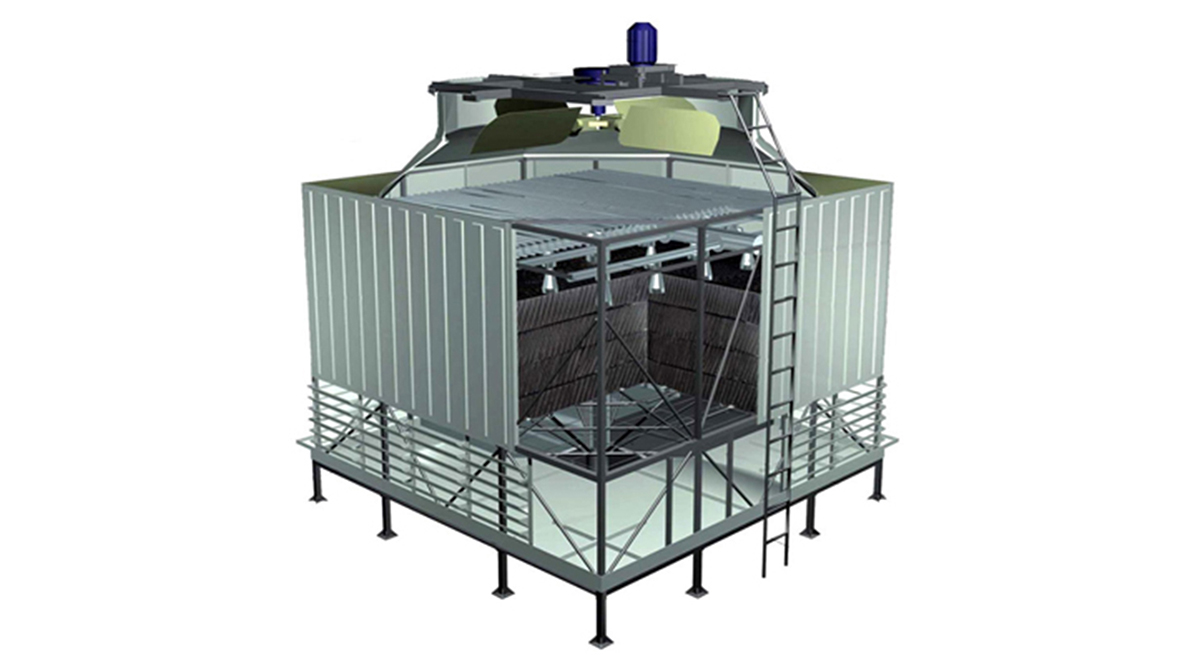 Counterflow Cooling Tower for Industrial Heat ExchangeView this cooling tower for direct water-air heat exchange, with fan, fill, distribution nozzles and basin details relevant to field assembly and commissioning.View Product →
Once running, the rhythm is simple but not optional: weekly fan and drive inspection, monthly cleaning of strainers and nozzles, quarterly check of the distribution basin for biological growth, and an annual look at fill, drift eliminators and laminate for blistering or star cracks. Water treatment does more for tower life than any other single action — hold cycles of concentration where the chemistry allows and the casing will outlast the fill by a decade.
Matching the tower to the rest of the FRP system
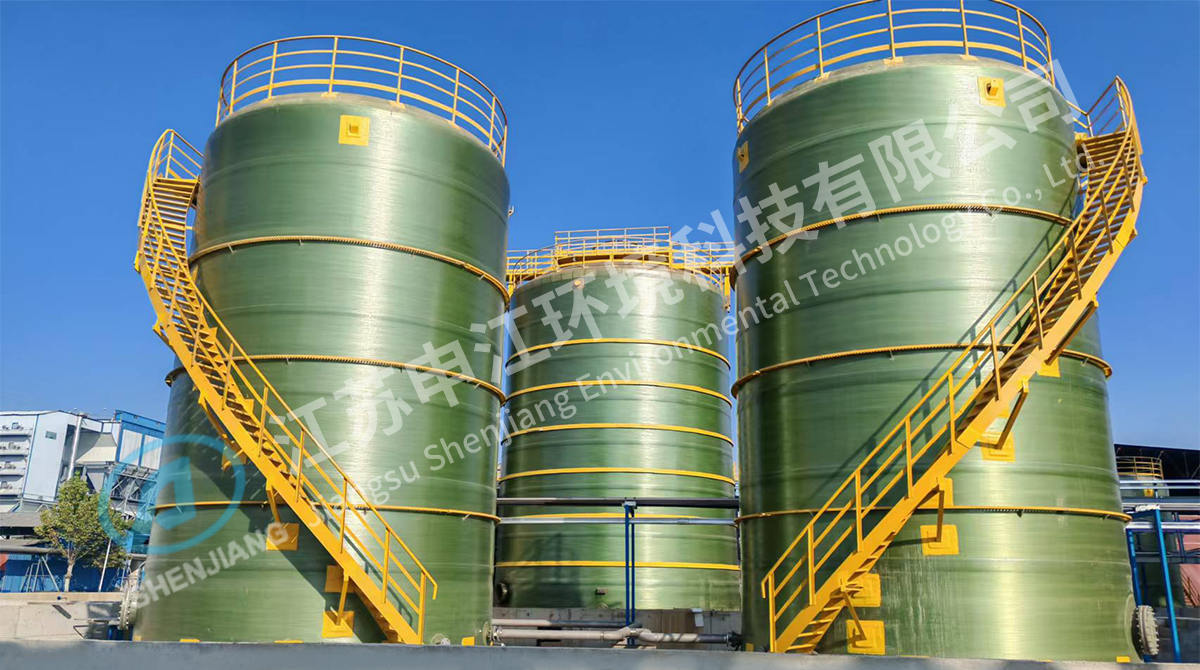
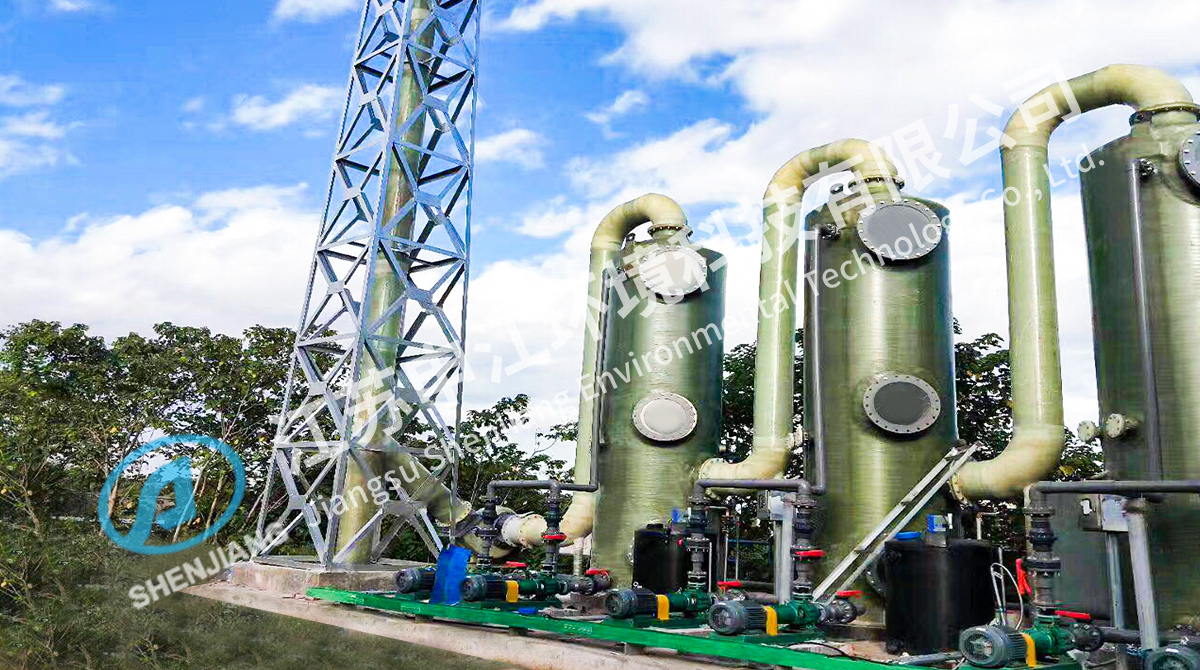
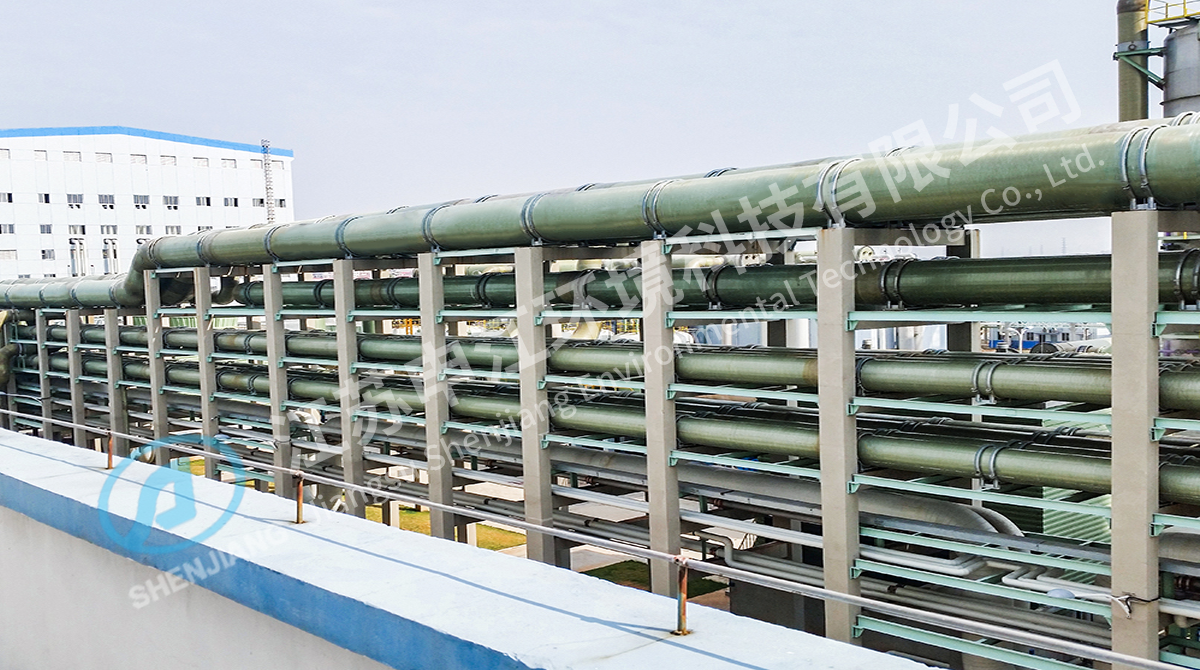
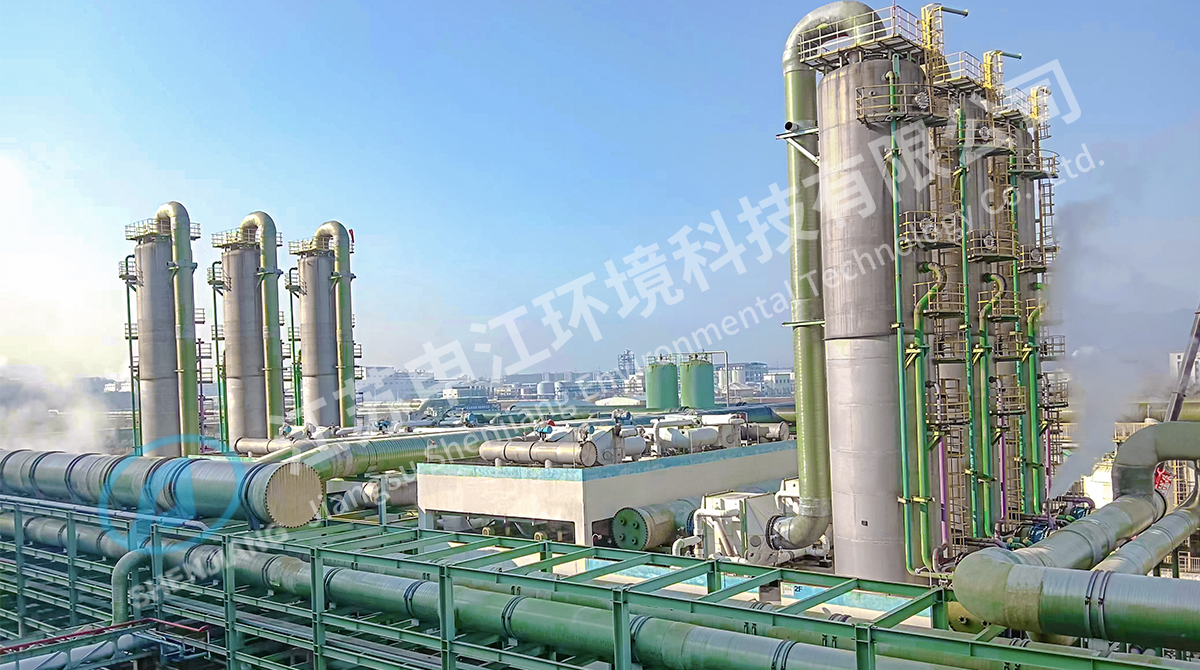
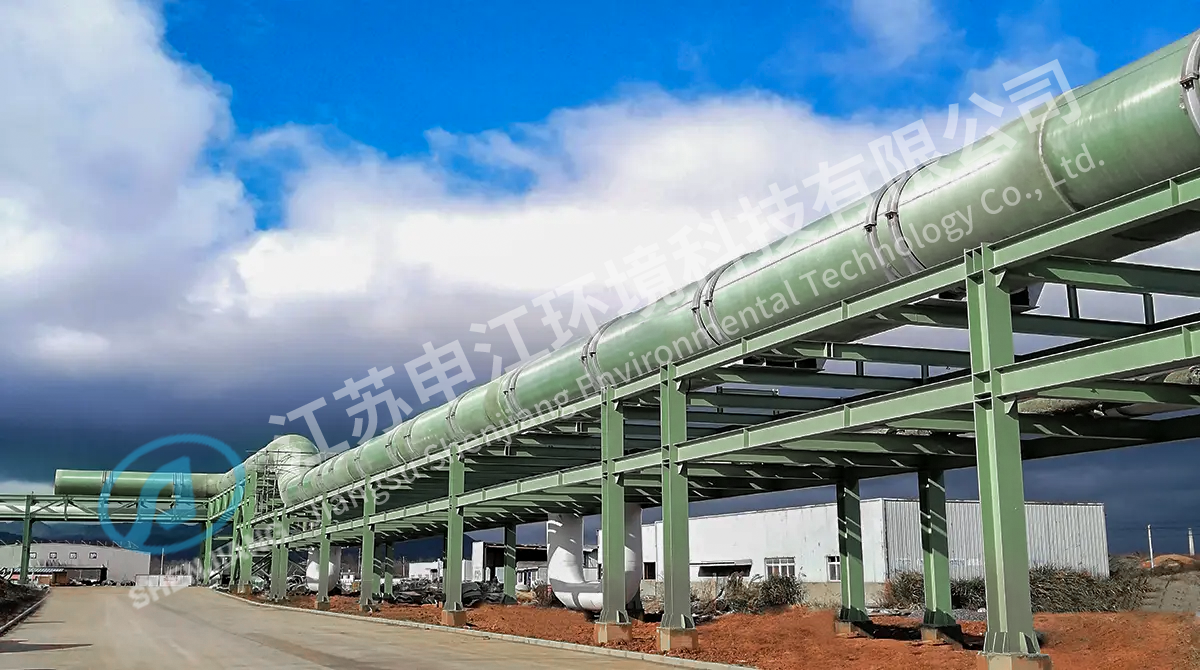
On most industrial sites the cooling tower is one item in a connected loop of composite equipment: exhaust ductwork running to the tower inlet, process pipe above or below ground, and tanks for make-up and blowdown. Buying shell, duct and pipe from one fabricator keeps resin systems, wall thicknesses and joint details consistent — which matters at the flange where a duct meets a tower inlet and two laminates have to seal.
Power and heavy-industry projects usually pair cooling duty with flue-gas treatment, where the same corrosion logic applies to ducts, absorbers and stacks; that pattern shows up in the power industry project references for FRP ducting and tower work.
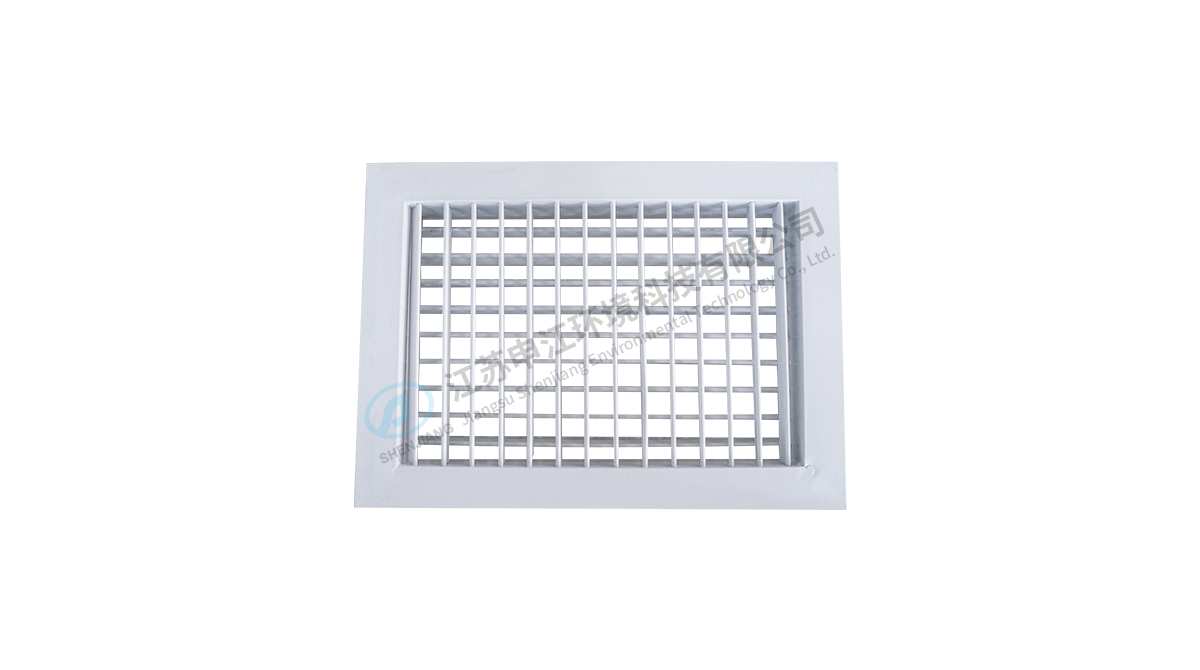 HVAC System Accessories in Corrosion-Resistant CompositeBrowse this HVAC accessories category for resin-based composite components designed for corrosion resistance, simple installation and maintenance in demanding facility environments.View Product →
Spare parts are the other half of the argument. Fill packs, drift eliminator sections, nozzles and fan blades should be available from the original fabricator for the life of the unit; a tower whose fill profile is discontinued in year eight becomes a forced refurbishment.
Questions worth asking before you sign
- Will you provide the thermal calculation, fan curve and motor selection at the quoted wet-bulb, not just a catalogue duty?
- Which laminate schedule and resin type are proposed, and can I see a test report for glass content and cure?
- What warranty applies to shell, fill and fan, and does it cover chalking and delamination separately?
- Who erects the tower, and who signs off fan balance and water distribution balance?
- What is the lead time for replacement fill and drift eliminator sections?
Answers to those five questions separate a fabricator from a trader faster than any brochure.
An FRP cooling tower is a twenty-year decision bought on a fifteen-week programme. Get the wet-bulb, the approach and the water chemistry right, insist on a laminate schedule in writing, and the material does what it was chosen for: keeping a corrosive duty out of the maintenance budget. Get those wrong and the tower will still stand — it will simply cost more every year than the steel unit you nearly bought.




 English
 中文简体
 Español
 عربى
 русский
 ไทย
 Indonesia
 Tiếng Việt