Understanding the Role of Desulfurization FRP Pipes
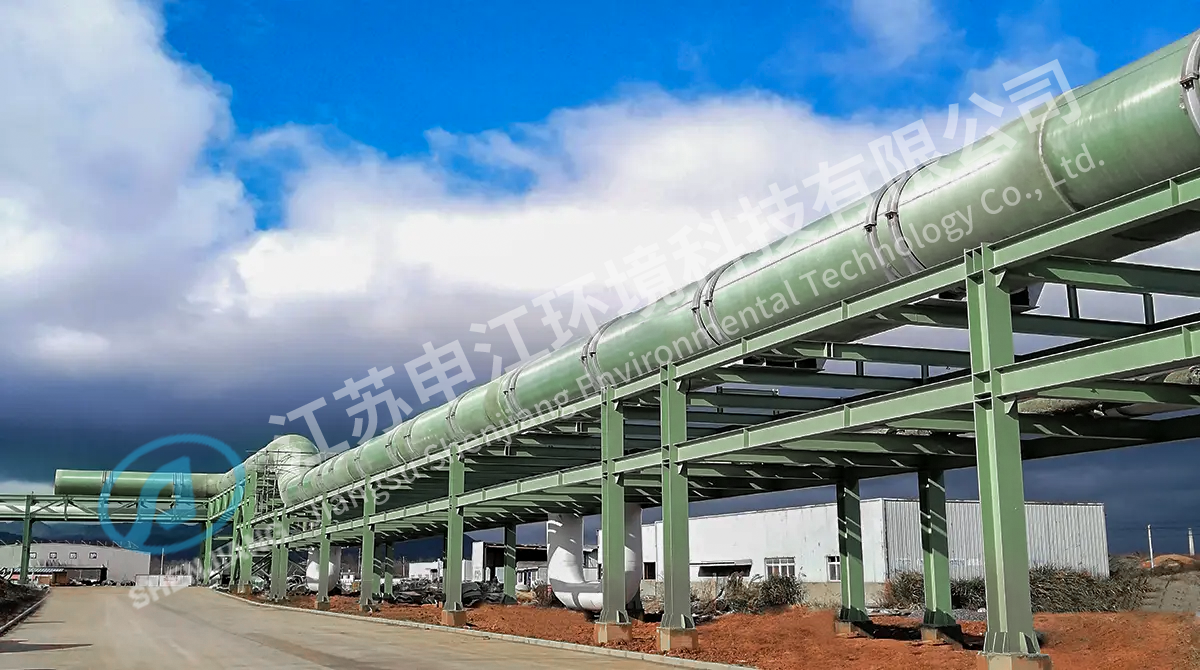
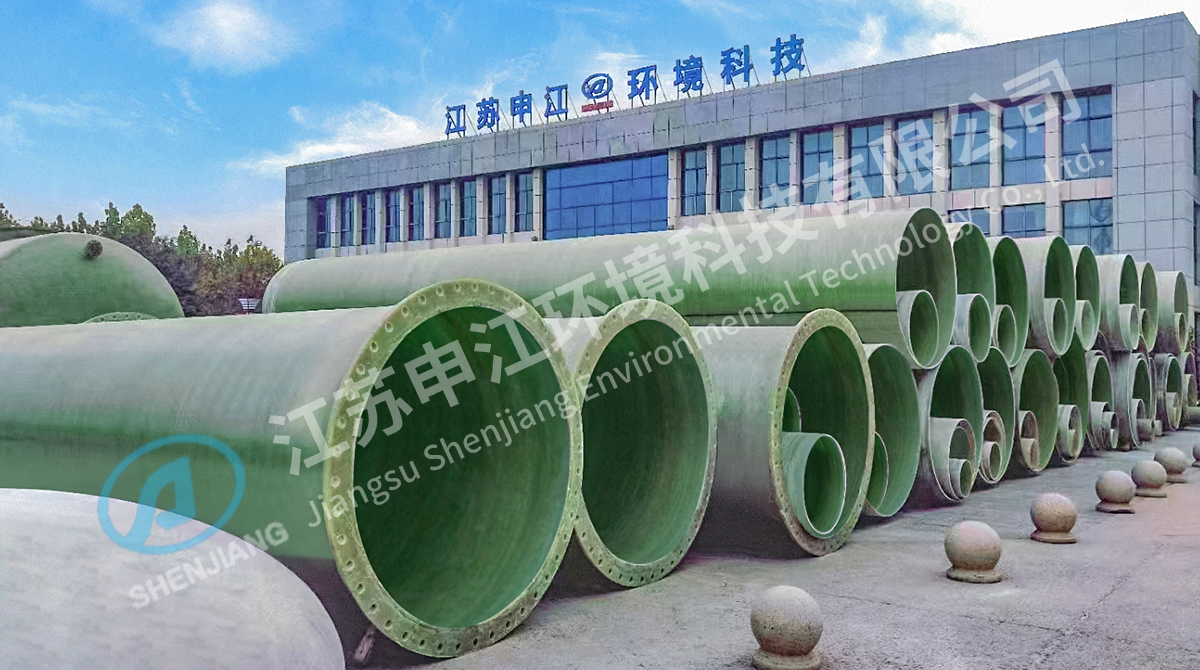
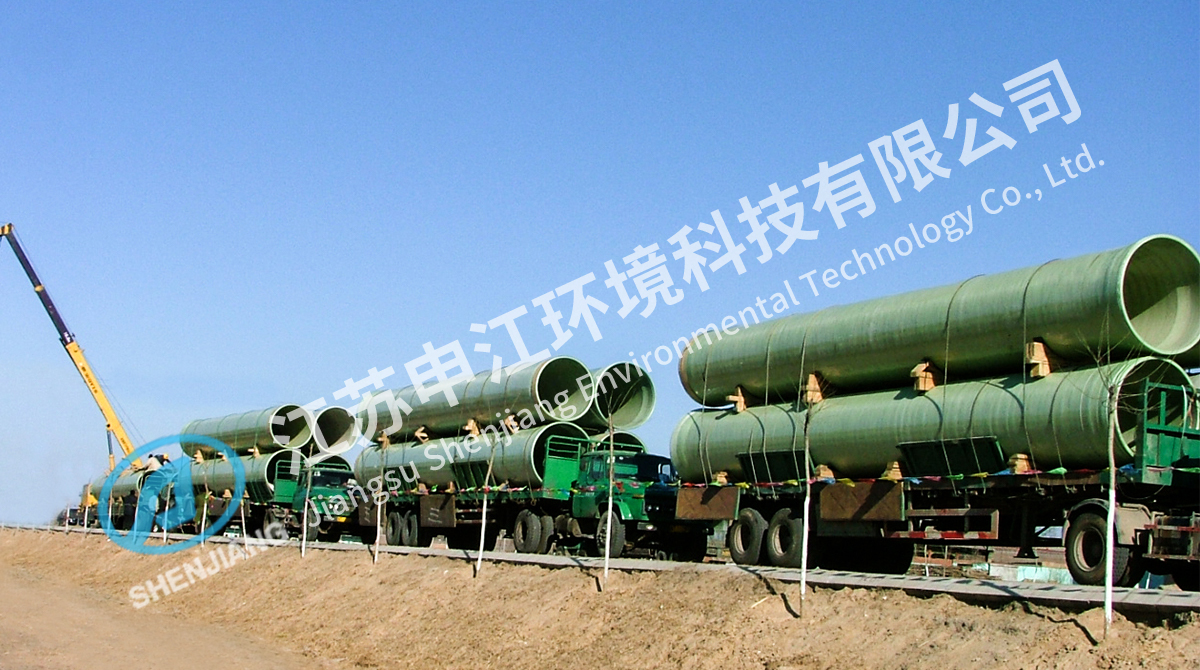
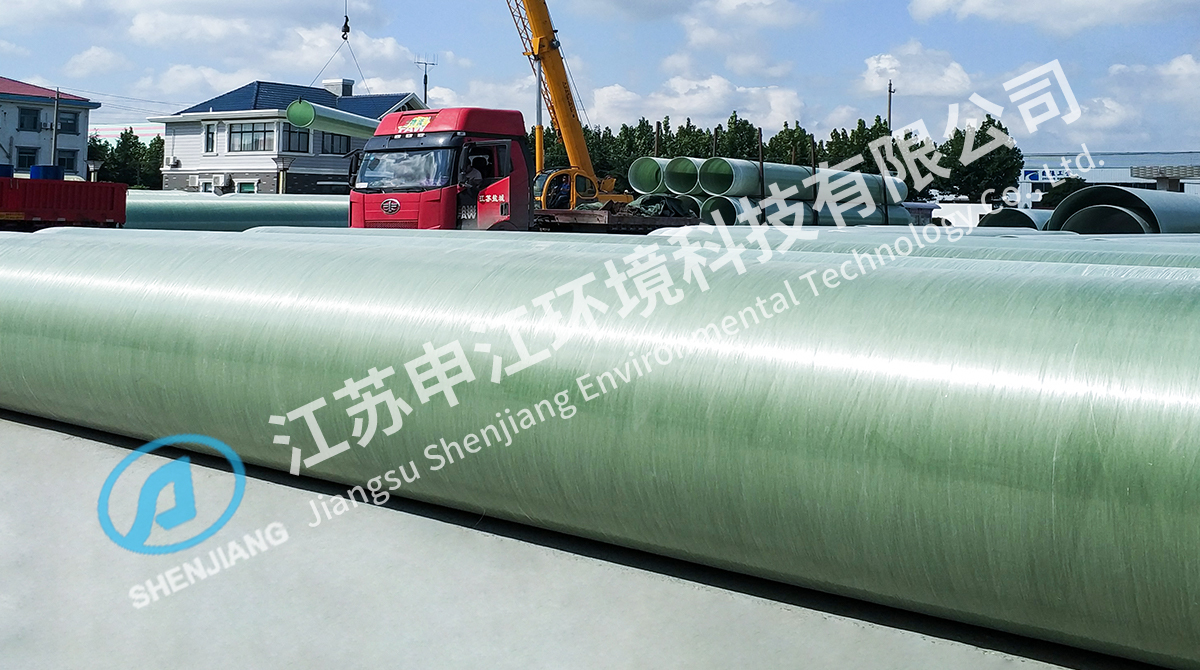
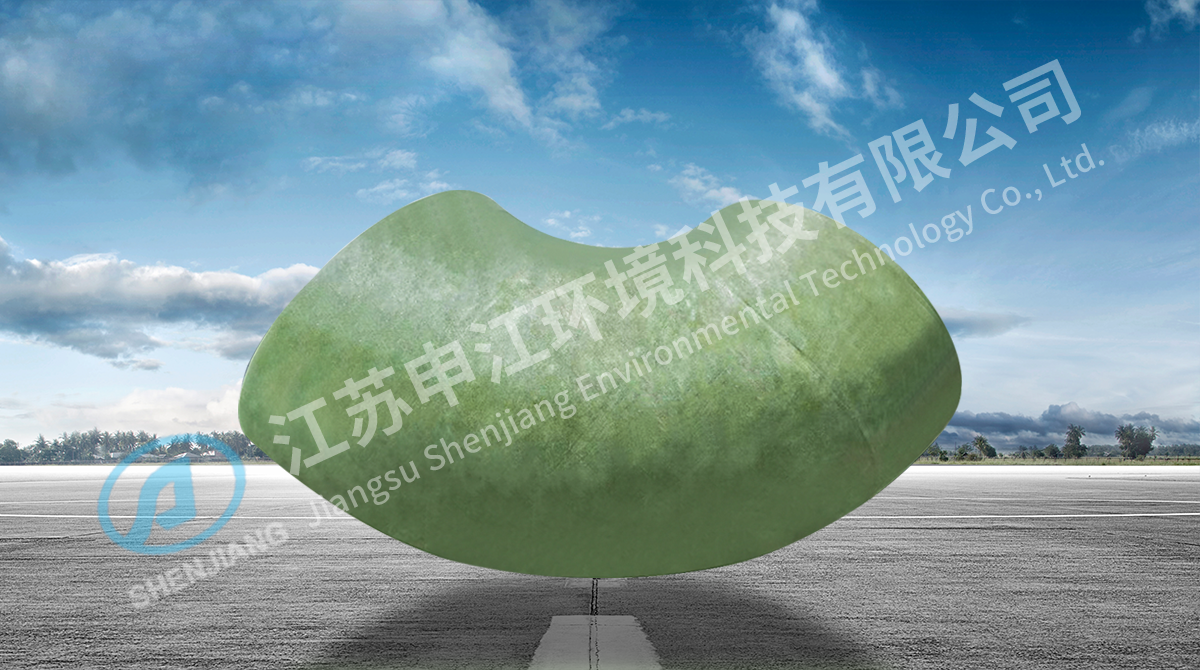
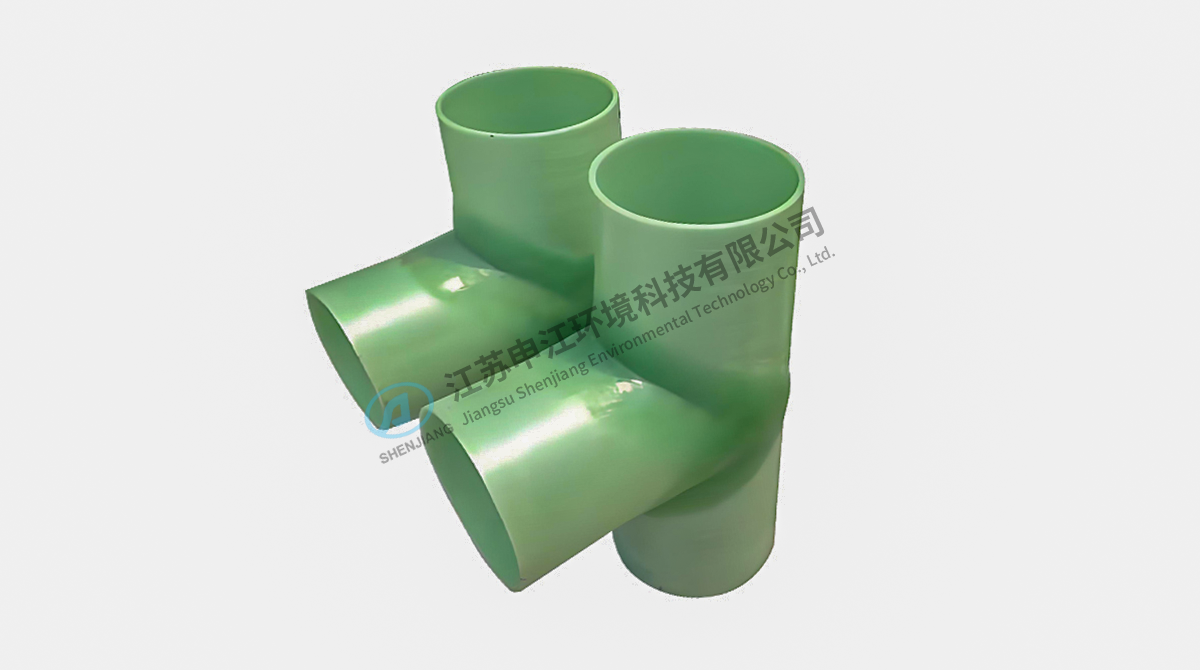
Desulfurization FRP (Fiber Reinforced Plastic) pipes are widely recognized in industrial applications where corrosion resistance, chemical stability, and long service life are critical. These pipes are mainly used to transport corrosive gases, liquids, and slurries produced during desulfurization processes. Due to their non-metallic composition, FRP pipes can withstand harsh environments that would quickly deteriorate conventional steel or iron piping. They are particularly beneficial in industries that involve high-temperature flue gases, chemical reactions, and wastewater containing sulfur compounds. Their lightweight nature also simplifies installation and maintenance in large-scale industrial systems.
Application in Power Generation Industry
The power generation sector is one of the primary industries utilizing desulfurization FRP pipes. Thermal power plants that burn coal or oil produce flue gases containing sulfur dioxide (SO₂), which must be removed before being released into the atmosphere. FRP pipes are used in flue gas desulfurization (FGD) systems to carry slurry, limestone, or absorbent solutions. These systems involve strong acids and abrasive particles, requiring pipes that can resist corrosion and mechanical wear. FRP materials are suitable because they maintain chemical resistance while being structurally strong enough to handle high-pressure environments. The use of FRP piping in FGD systems supports cleaner emissions and compliance with environmental standards.
Use in Chemical Processing Plants
Desulfurization FRP pipes play a significant role in chemical manufacturing facilities where acids, alkalis, and corrosive gases are common. In chemical plants, these pipes are installed in processing lines for sulfuric acid, hydrochloric acid, and chlorine gas systems. The non-reactive nature of FRP prevents contamination of sensitive chemical products and extends system reliability. Since many desulfurization reactions involve liquid and gas transfer at high temperatures, FRP’s resistance to heat deformation and chemical attack provides a durable solution. Their use in chemical plants not only enhances operational safety but also reduces maintenance frequency compared to metal piping systems.
Application in Petrochemical Industry
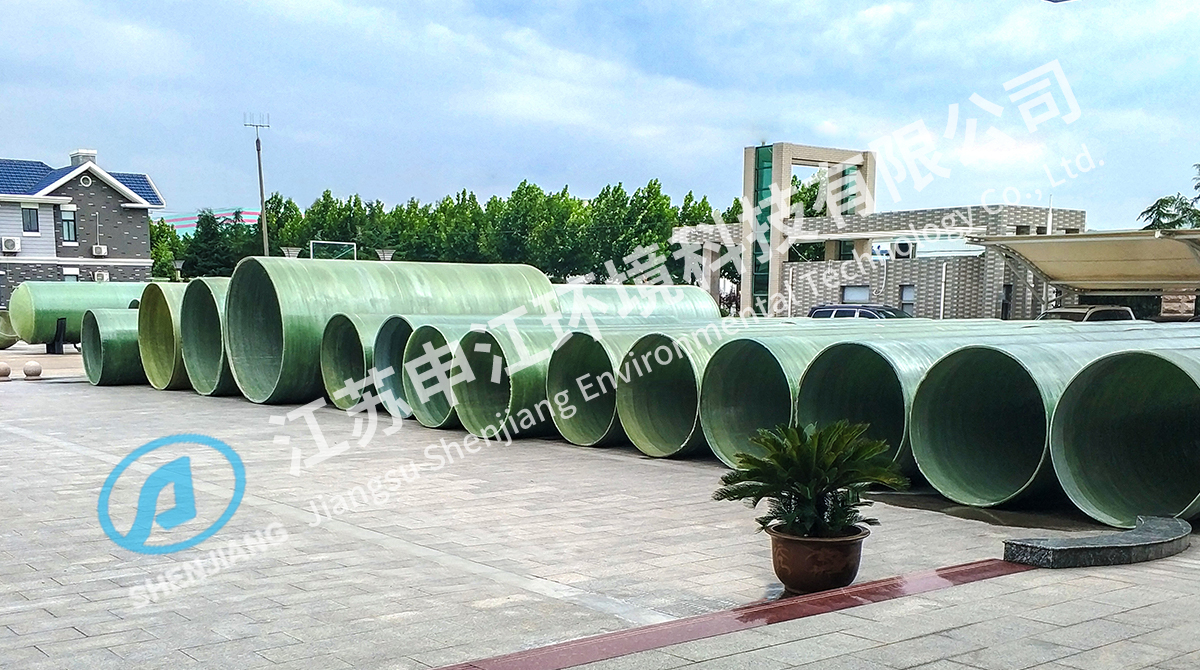
In the petrochemical sector, desulfurization is an essential step for refining petroleum products and treating associated gases. FRP pipes are widely used for transporting hydrogen sulfide-rich gases and acidic wastewater produced during refining and gas treatment processes. The petrochemical environment often combines high temperatures, pressure, and corrosive compounds, making FRP a suitable choice. Unlike traditional steel pipes that may suffer from pitting or scaling, FRP pipes resist internal corrosion and ensure stable flow conditions. The lightweight and modular design of FRP piping also simplifies installation in large refinery complexes or offshore platforms.
Use in Wastewater Treatment Plants
Desulfurization FRP pipes are also commonly applied in wastewater treatment facilities, particularly those handling industrial effluents containing sulfur compounds. In biological and chemical desulfurization systems, these pipes convey gas streams, neutralizing liquids, and treated effluents. FRP’s non-corrosive property allows it to handle wastewater with varying pH levels without structural degradation. The smooth inner surface of FRP pipes helps prevent scaling and biofilm accumulation, ensuring efficient flow and reducing the need for frequent cleaning. Additionally, FRP’s low thermal conductivity minimizes condensation, which is beneficial for maintaining stable process temperatures in treatment systems.
Use in Mining and Metallurgical Industries
Mining and metallurgical operations produce exhaust gases containing sulfur dioxide and other pollutants that require treatment before release. Desulfurization FRP pipes are employed in gas scrubbing systems to handle acidic gases, slurries, and dust-laden fluids. In metallurgical plants, these pipes transport chemical solutions used in ore refining and smelting processes. Their resistance to both chemical and abrasive wear makes them suitable for transporting mixed-phase fluids. Because FRP is non-metallic, it also prevents contamination of processed materials with metallic ions, which is particularly valuable in high-purity metal extraction processes. The lightweight construction allows easier installation in large industrial plants located in remote mining areas.
Application in Marine and Offshore Facilities
In marine environments, FRP pipes are valued for their resistance to seawater corrosion and chemical attack. Desulfurization systems installed on ships or offshore platforms use FRP piping to treat exhaust gases and manage liquid byproducts. The combination of salt, moisture, and fluctuating temperatures would quickly damage metal pipes, but FRP retains its mechanical integrity in these conditions. Marine FRP pipes are often used in ballast water systems, exhaust gas cleaning (scrubber) systems, and cooling lines. Their non-conductive nature also provides additional safety in marine electrical environments, reducing the risk of galvanic corrosion.
Use in Environmental Protection Projects
FRP pipes play an important role in environmental engineering, especially in projects aimed at reducing air and water pollution. Desulfurization systems are integral to emission control facilities, where FRP piping handles the movement of gases and absorbent solutions. In addition to industrial emissions control, FRP pipes are used in waste gas treatment units, chemical absorption towers, and neutralization systems. Their resistance to corrosive gases like sulfur dioxide, hydrogen chloride, and ammonia makes them a durable choice for long-term environmental applications. This reliability supports the sustainable operation of pollution control infrastructure.
Application in Pulp and Paper Industry
The pulp and paper industry also benefits from desulfurization FRP pipes due to the frequent use of chemicals such as sodium sulfide, chlorine dioxide, and caustic soda. These chemicals are highly corrosive and can deteriorate metal piping rapidly. FRP pipes are used in chemical delivery lines, waste gas ducts, and water recycling systems. Their smooth inner surface promotes laminar flow, reducing energy consumption during pumping. Furthermore, the non-reactive surface prevents cross-contamination of process chemicals, ensuring product consistency and environmental compliance.
Use in Food and Pharmaceutical Industries
Although less common, FRP pipes are also used in specific sections of food and pharmaceutical industries where chemical treatment or emission control is required. In these sectors, FRP piping may be applied in exhaust gas neutralization systems or wastewater handling units where hygiene and corrosion resistance are important. The ability of FRP to resist chemical cleaning agents without leaching harmful substances makes it a suitable option for auxiliary processing environments. Additionally, its lightweight design simplifies maintenance in facilities where space and accessibility are limited.
Comparison of Industry Requirements for FRP Pipes
The following table summarizes how desulfurization FRP pipes are utilized across different industries, highlighting their main functions and environmental conditions.
| Industry |
Main Application |
Operating Conditions |
Advantages of FRP |
| Power Generation |
Flue Gas Desulfurization (FGD) Systems |
High temperature, acidic slurry |
Corrosion and abrasion resistance |
| Chemical Processing |
Acid and Alkali Transfer Lines |
Strong acids and alkalis |
Chemical inertness and durability |
| Petrochemical |
Refining Gas Treatment Systems |
High pressure and temperature |
Lightweight and non-corrosive |
| Wastewater Treatment |
Effluent Transport and Neutralization |
Variable pH, moisture exposure |
Low maintenance and smooth flow |
| Mining & Metallurgy |
Gas Scrubbing and Slurry Transport |
Abrasive and acidic fluids |
Wear resistance and stability |
| Marine |
Scrubber and Cooling Systems |
Saltwater and vibration |
Corrosion resistance and lightweight |
Maintenance and Lifecycle Considerations
FRP pipes require relatively low maintenance compared to metallic systems, but periodic inspection is necessary to ensure long-term reliability. Checking for surface cracks, delamination, or joint leaks helps prevent unexpected downtime. Because FRP does not rust or corrode, maintenance mainly involves cleaning and verifying the integrity of connections. In environments where UV exposure is high, a protective coating can be applied to extend the service life. When properly installed and maintained, FRP desulfurization pipes can operate efficiently for decades without major replacement, contributing to reduced operational costs and consistent system performance.
Future Trends in FRP Pipe Applications
With increasing environmental regulations and demand for sustainable infrastructure, the use of desulfurization FRP pipes is expected to expand across multiple industries. Advances in resin formulations and fiber reinforcement techniques are improving the thermal and mechanical properties of FRP materials. These developments enable their use in even more demanding industrial environments. In the future, FRP pipes may also integrate monitoring systems that track performance and detect structural fatigue in real time. As industries continue to prioritize corrosion resistance and cost efficiency, FRP piping systems will remain an essential component of modern industrial design and environmental protection strategies.




 English
  中文简体
中文简体 Español
 عربى
عربى русский
 ไทย
ไทย Indonesia
 Tiếng Việt