Understanding the Importance of FRP Tank Sealing and Durability
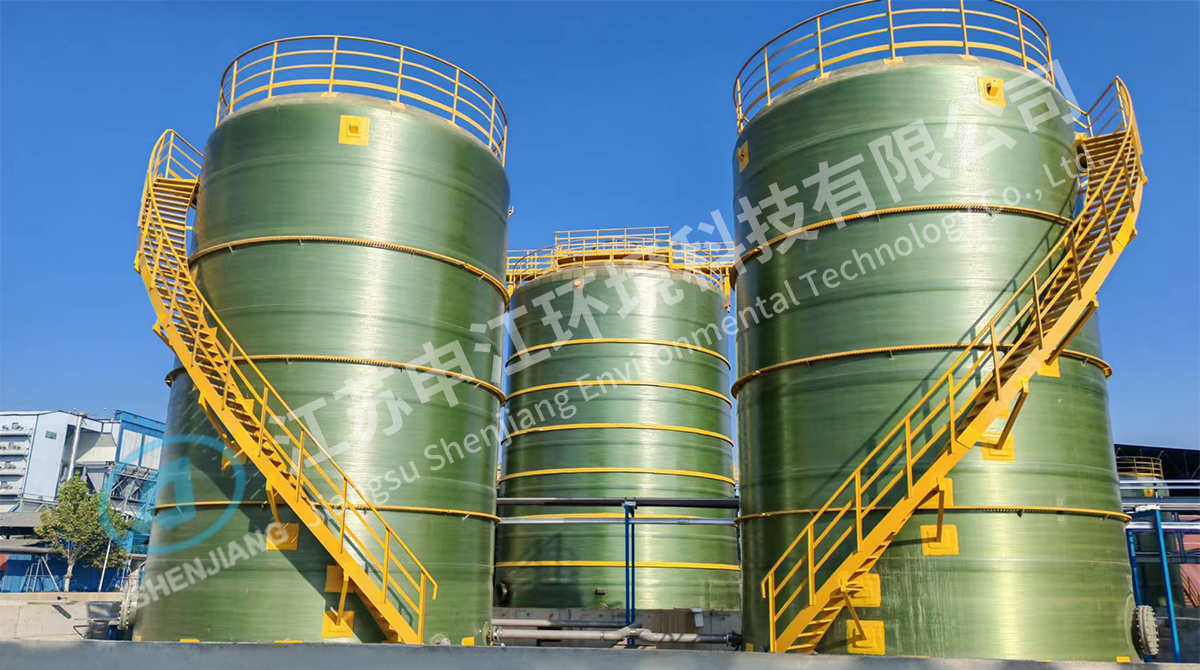
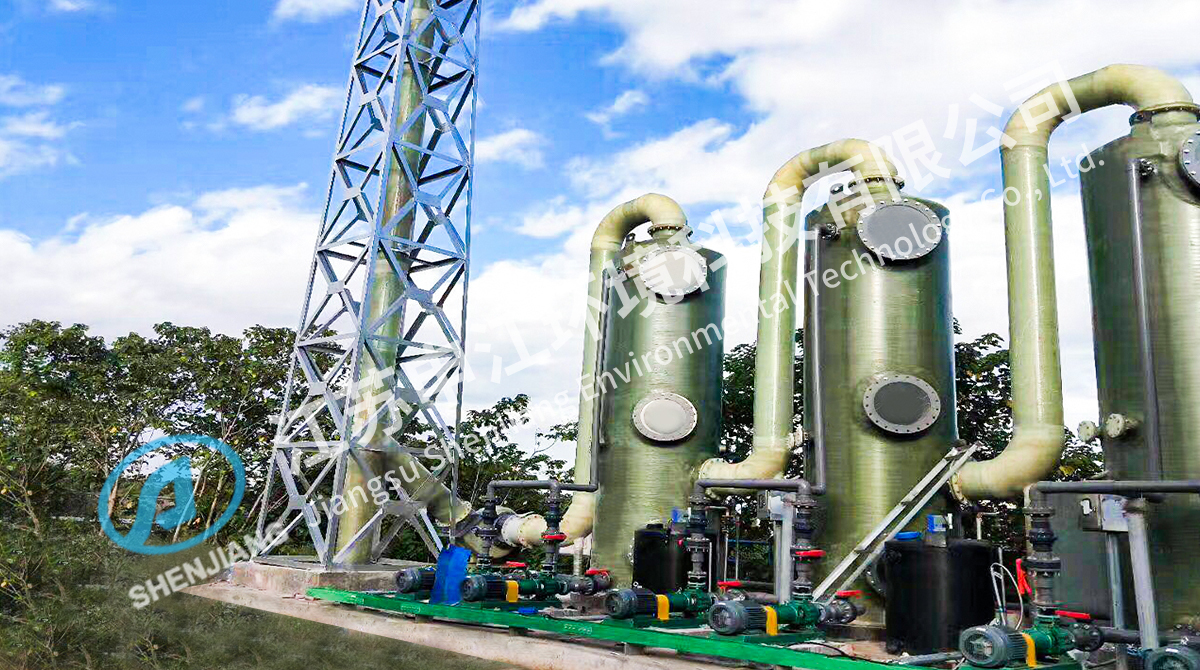
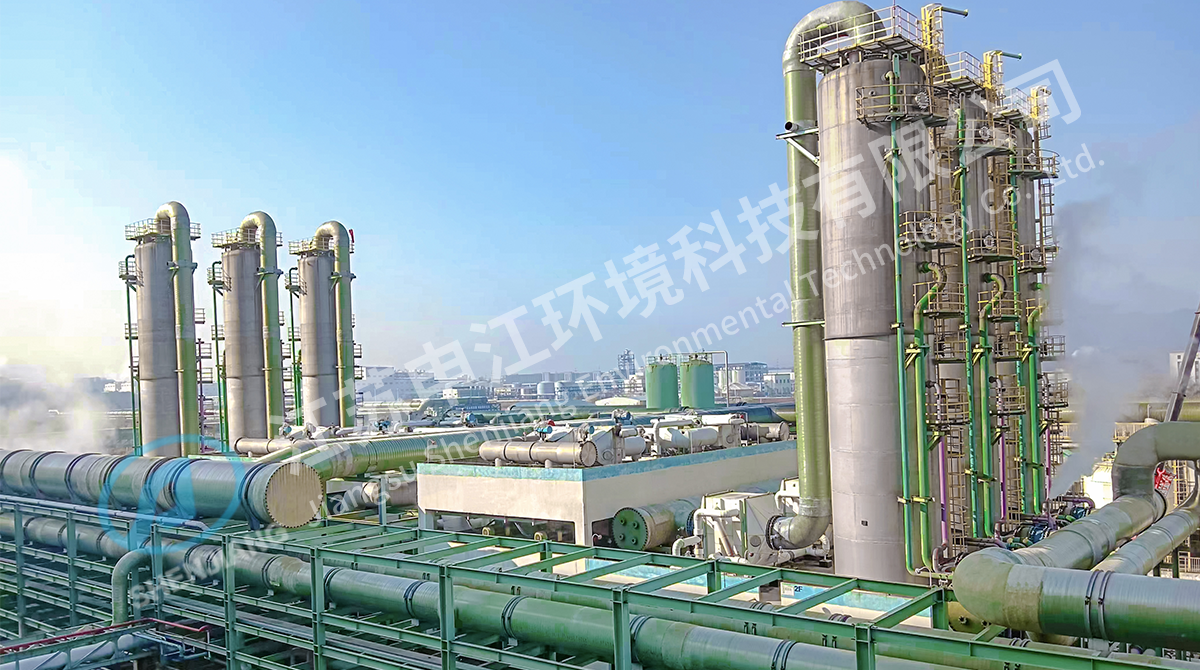
The sealing and durability of an FRP tank are crucial aspects of its performance, particularly when used for storing or processing chemicals, wastewater, or gases. During the production process, manufacturers must ensure that the tank structure is resistant to leaks, mechanical stresses, and long-term environmental degradation. Whether it is a general FRP tank, a desulfurization FRP tank, a denitrification FRP tank, or a combined desulfurization/denitrification FRP tank, attention to production details is the foundation for ensuring effective operation in demanding industrial environments. Without adequate sealing and durability measures, the tank may suffer from premature damage, reducing its service life and safety.
Material Selection and Resin Quality
The choice of materials plays a significant role in the sealing and durability of an FRP tank. High-quality resins such as vinyl ester or epoxy resins are often chosen due to their superior chemical resistance. Reinforcement fibers must be selected based on the mechanical load requirements, ensuring that the structure can handle internal pressure and external stress. For a desulfurization FRP tank, resins with high resistance to acidic gases are preferable, while a denitrification FRP tank may require materials that tolerate alkali-rich environments. A desulfurization/denitrification FRP tank often requires a careful balance of materials to ensure compatibility with both acidic and alkaline conditions. Proper resin-to-fiber ratio ensures uniform bonding, which prevents micro-cracks that could compromise sealing.
Layered Structure Design
FRP tanks are typically manufactured with a multilayered structure to improve both sealing and durability. The inner lining is often designed with corrosion-resistant resin layers to prevent chemical penetration. The structural layer consists of fiber-reinforced composites that provide mechanical strength, while the outer layer may contain UV-resistant materials to withstand environmental exposure. A desulfurization FRP tank, for instance, must have a thicker corrosion-resistant inner lining due to prolonged exposure to acidic gases. Similarly, a denitrification FRP tank requires adequate internal reinforcement to cope with nitrogen-based chemical reactions. Properly designing the layered structure enhances sealing by reducing permeability and extending the tank’s operational life.
Production Process Control
Maintaining strict control during the production process is essential for achieving consistent sealing and durability. Parameters such as resin curing temperature, fiber winding tension, and mold alignment must be carefully managed. Automated winding systems are often employed to ensure uniform distribution of fibers, reducing weak points that may compromise sealing. In the case of a desulfurization/denitrification FRP tank, precision in production is even more critical because it may be exposed to multiple corrosive substances. Defects such as air bubbles, uneven curing, or poor bonding can lead to structural weaknesses and leakage issues, making quality control one of the most important aspects of production.

Joint and Seam Reinforcement
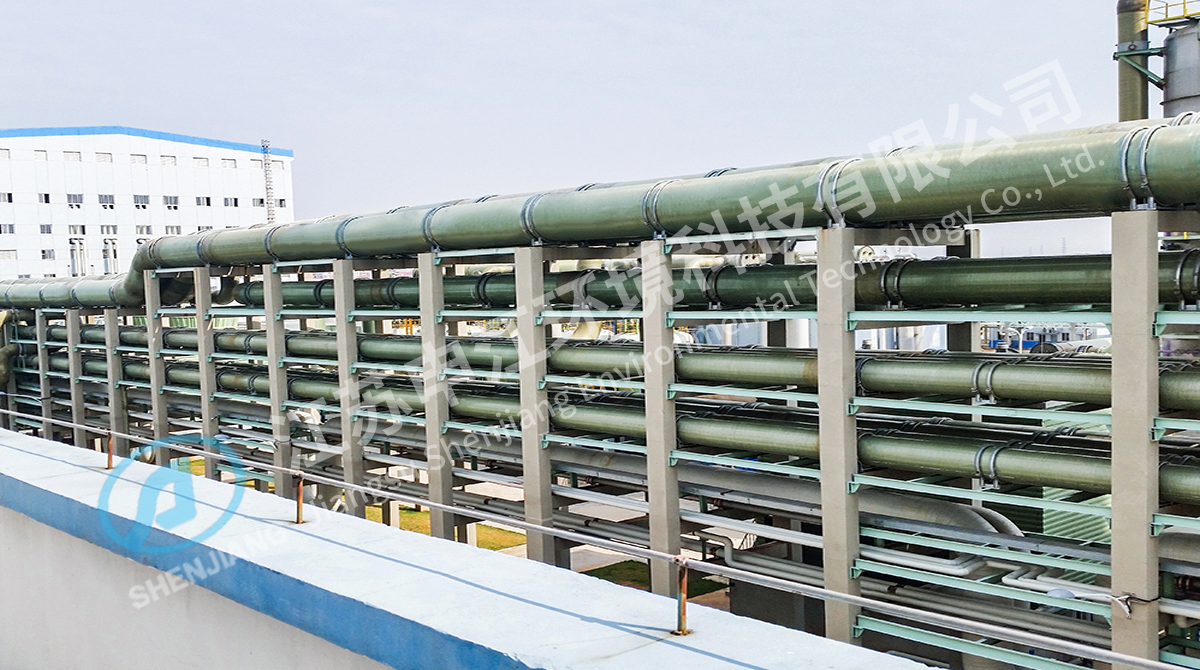
The joints and seams of an FRP tank are typically the most vulnerable areas for leakage. To ensure sealing, reinforced jointing techniques are applied, including secondary lamination and resin-rich overlays. Seam areas must be carefully smoothed and layered to avoid capillary paths for fluid migration. For a desulfurization FRP tank, where acidic gases exert continuous pressure, reinforced seams ensure that the sealing remains intact. A denitrification FRP tank also benefits from reinforced seams, as nitrogenous compounds can penetrate micro-gaps over time. High-quality adhesives and lamination methods extend the durability of these critical sections.
Testing Methods for Sealing
Sealing effectiveness cannot be confirmed without rigorous testing procedures. Hydrostatic testing, vacuum testing, and pressure hold tests are commonly used to evaluate the integrity of FRP tanks. These tests help detect any micro-leaks or weaknesses before the tank is deployed in the field. For example, a desulfurization FRP tank is often tested with acidic solutions to simulate operating conditions, while a denitrification FRP tank may undergo testing with alkaline solutions. In both cases, testing verifies that the tank maintains its sealing properties under real-world stress.
Durability Enhancement with Protective Coatings
Additional protective coatings can enhance the long-term durability of FRP tanks. Anti-UV coatings protect outdoor tanks from sunlight degradation, while abrasion-resistant coatings minimize surface wear in environments with particulate matter. A desulfurization/denitrification FRP tank, which may operate in harsh industrial atmospheres, benefits from multi-layer coatings that reduce surface erosion. Such coatings extend durability by protecting both the inner and outer layers of the tank, thereby reducing the need for frequent maintenance.
Environmental Factors Affecting Durability
The external operating environment greatly influences the durability of FRP tanks. In coastal areas with high humidity and salt exposure, corrosion resistance becomes critical. In colder climates, resistance to thermal cycling is important, as repeated freezing and thawing can cause micro-cracks. A desulfurization FRP tank working in power plants must withstand acidic flue gases at varying temperatures, while a denitrification FRP tank in wastewater treatment must tolerate biological and chemical fluctuations. Proper environmental consideration during design and production ensures that sealing and durability remain effective under specific conditions.
Maintenance as a Durability Strategy
Although durability starts with production quality, ongoing maintenance practices are equally important. Inspections for cracks, leaks, or surface degradation should be performed regularly. Re-coating and re-sealing measures can extend service life significantly. For desulfurization FRP tanks, periodic inspection of inner linings ensures resistance to acidic attack. Denitrification FRP tanks require monitoring of alkaline resistance to ensure continued performance. A desulfurization/denitrification FRP tank benefits from scheduled inspections that focus on both acidic and alkaline influences. Maintenance strategies help sustain durability across long operational lifespans.
Comparison of Different FRP Tank Types
The following table provides a comparison of the different types of FRP tanks, highlighting their sealing and durability considerations:
| Tank Type |
Main Application |
Sealing Consideration |
Durability Focus |
| FRP Tank |
General chemical and water storage |
Prevent leakage at seams |
UV and mechanical resistance |
| Desulfurization FRP Tank |
Acidic gas treatment |
Thicker inner corrosion-resistant lining |
Resistance to acidic attack and high temperatures |
| Denitrification FRP Tank |
Alkaline wastewater treatment |
Seam reinforcement to prevent chemical seepage |
Resistance to alkaline degradation |
| Desulfurization/Denitrification FRP Tank |
Combined acidic and alkaline gas treatment |
Balanced inner linings compatible with both environments |
Durability under mixed corrosive conditions |
Integration of Advanced Manufacturing Techniques
Modern FRP tank production employs techniques such as vacuum infusion and filament winding to improve both sealing and durability. Vacuum infusion ensures even resin distribution, reducing porosity and enhancing sealing. Filament winding provides consistent fiber orientation, which increases mechanical strength. For high-demand applications such as desulfurization/denitrification FRP tanks, combining these techniques results in higher durability and fewer risks of leakage. As industries demand longer service lifespans and reduced maintenance costs, such advanced production techniques play a significant role in ensuring tank performance.
Long-Term Performance Expectations
When the production process is carefully managed, FRP tanks can provide decades of service. Their durability depends on the quality of material selection, structural design, production precision, and protective measures. For desulfurization FRP tanks, this means reliable handling of acidic gases over extended use. For denitrification FRP tanks, it involves consistent alkaline resistance. Desulfurization/denitrification FRP tanks must demonstrate adaptability in combined environments. Ensuring sealing and durability at the production stage directly translates to safer operations, longer service life, and reduced costs for industrial users.




 English
  中文简体
中文简体 Español
 عربى
عربى русский
 ไทย
ไทย Indonesia
 Tiếng Việt