Introduction to FRP Tanks
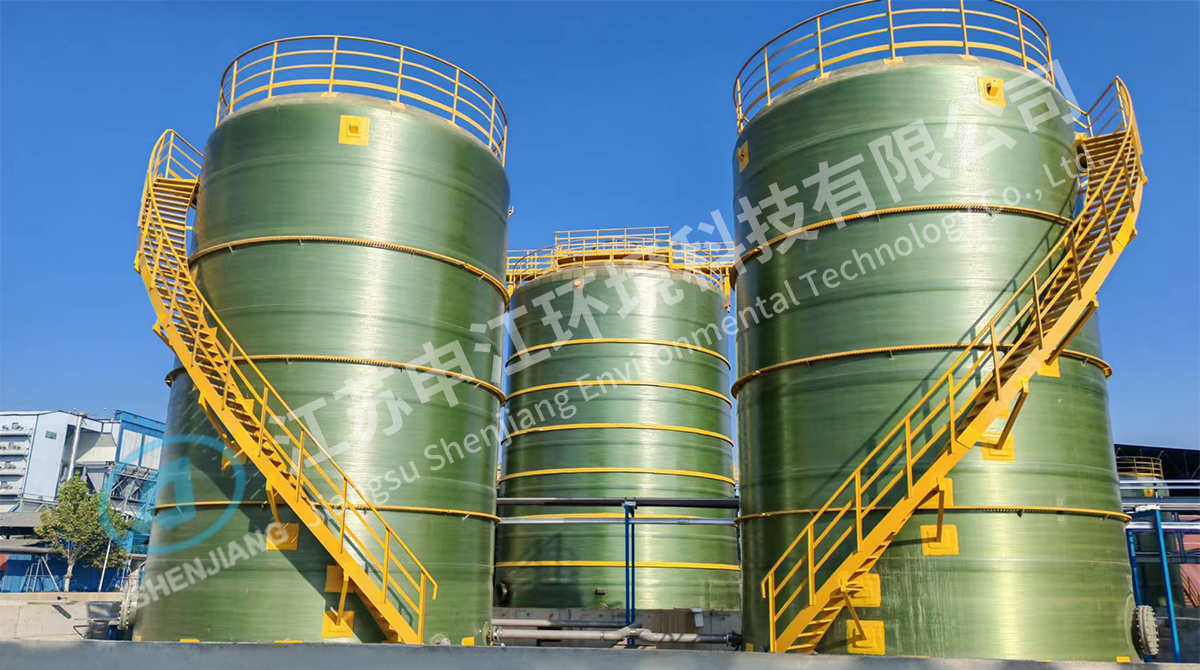
Fiberglass Reinforced Plastic (FRP) tanks are increasingly being used in various industries for their excellent durability and performance. FRP is a composite material made from a plastic resin reinforced with glass fibers. This combination offers a strong, lightweight, and corrosion-resistant structure, which makes it an ideal choice for tanks used in harsh environments. FRP tanks are commonly used in the storage of chemicals, water, and wastewater, as well as for industrial and agricultural purposes. However, the durability of FRP tanks is often compared to traditional materials such as metal and plastic.
Corrosion Resistance of FRP Tanks
One of the primary advantages of FRP tanks is their exceptional resistance to corrosion. Unlike metal tanks, which can deteriorate over time due to rust and oxidation when exposed to moisture or chemicals, FRP tanks do not suffer from such corrosion issues. The glass fibers and resin composition of FRP provide a protective barrier against corrosive substances, making these tanks ideal for storing chemicals, acids, and other reactive liquids. Metal tanks, such as steel or aluminum, are prone to rust, especially in environments with high humidity or exposure to corrosive chemicals, requiring regular maintenance and protective coatings to extend their lifespan. In contrast, FRP tanks remain largely unaffected by these conditions, ensuring a longer service life with minimal upkeep.

Strength and Structural Integrity of FRP Tanks
In terms of structural strength, FRP tanks offer a good balance of strength and flexibility. They are designed to withstand significant pressure and stress without cracking or breaking, which is essential in applications such as wastewater treatment and chemical storage. While metal tanks, especially steel tanks, also provide high strength, they are more vulnerable to stress corrosion cracking, particularly when exposed to high temperatures or corrosive environments. Plastic tanks, on the other hand, may be more prone to damage from impact or extreme temperatures. In comparison, FRP tanks are relatively resistant to mechanical damage, providing a durable option for various applications where strength and structural integrity are crucial. The flexibility of FRP allows the tanks to absorb stress, reducing the risk of cracks or leaks.
Longevity of FRP Tanks
The longevity of FRP tanks is another factor that sets them apart from metal and plastic tanks. While metal tanks can last for decades when properly maintained, their lifespan is ultimately limited by corrosion and the need for regular repairs. FRP tanks, however, have a significantly longer lifespan due to their resistance to corrosion, rust, and other forms of degradation. Under normal operating conditions, FRP tanks can last for 20-30 years or even longer with minimal maintenance. This longevity is particularly beneficial in industries where the cost of replacement or downtime is high. Plastic tanks, while generally less susceptible to corrosion, may degrade more quickly under UV light exposure or extreme temperatures, limiting their lifespan compared to FRP tanks. Therefore, in terms of longevity, FRP tanks often provide a more reliable and cost-effective solution in the long term.
Temperature Resistance of FRP Tanks
FRP tanks exhibit excellent resistance to temperature fluctuations, both high and low, making them suitable for a wide range of applications. While traditional metal tanks may be susceptible to warping or cracking under extreme temperature conditions, FRP tanks maintain their structural integrity even in environments with fluctuating or extreme temperatures. Plastic tanks can be more vulnerable to temperature extremes, as they may become brittle and crack when exposed to freezing conditions or soften and warp when subjected to heat. FRP, with its reinforced glass fiber structure, is better equipped to handle such changes, ensuring that it can withstand thermal stress without compromising its strength. This makes FRP tanks a versatile option for industries where temperature control is a significant factor, such as chemical processing or food and beverage storage.
Maintenance and Repair Requirements
Maintenance is a critical aspect when evaluating the durability of tanks, as regular upkeep can significantly extend the lifespan of the tank and ensure its continued performance. Metal tanks require routine maintenance to prevent rust and corrosion, such as applying protective coatings or performing inspections for signs of damage. In addition, metal tanks may require welding or patching if they become damaged. Plastic tanks, while relatively low maintenance, can suffer from UV degradation and may need to be replaced sooner than metal or FRP tanks. FRP tanks are generally low-maintenance, as they do not corrode or degrade in the same manner as metal tanks. However, if an FRP tank does become damaged, repairs can be straightforward and cost-effective, often involving the use of specialized resin kits to patch up cracks or leaks. Overall, FRP tanks require less maintenance compared to metal tanks, offering long-term durability with minimal upkeep.
Environmental Impact of FRP Tanks
Another consideration when evaluating the durability of FRP tanks is their environmental impact. FRP tanks are often seen as more eco-friendly than metal tanks because they do not require the mining and refining of metals, which can be resource-intensive and polluting. Additionally, FRP tanks are lighter in weight, which reduces transportation costs and energy consumption. Plastic tanks, while generally easier to produce, may be less environmentally friendly, as they are often made from petroleum-based materials and are not biodegradable. The production of FRP involves the use of fiberglass and resin, which can be more energy-intensive, but FRP tanks themselves are highly durable, reducing the need for frequent replacements and minimizing their overall environmental impact.
Cost Considerations of FRP Tanks
The initial cost of FRP tanks can be higher than that of plastic tanks, but the long-term savings in terms of durability and maintenance make them a cost-effective option. While metal tanks can also be durable, their susceptibility to corrosion and the need for regular maintenance can increase their overall lifetime cost. In contrast, FRP tanks offer a longer service life and lower maintenance costs, making them a better investment over time. For industries where tank replacement or repair is costly or disruptive, FRP tanks can provide significant savings in the long run, especially in harsh environments where corrosion would typically require frequent replacements of metal tanks.
Applications of FRP Tanks
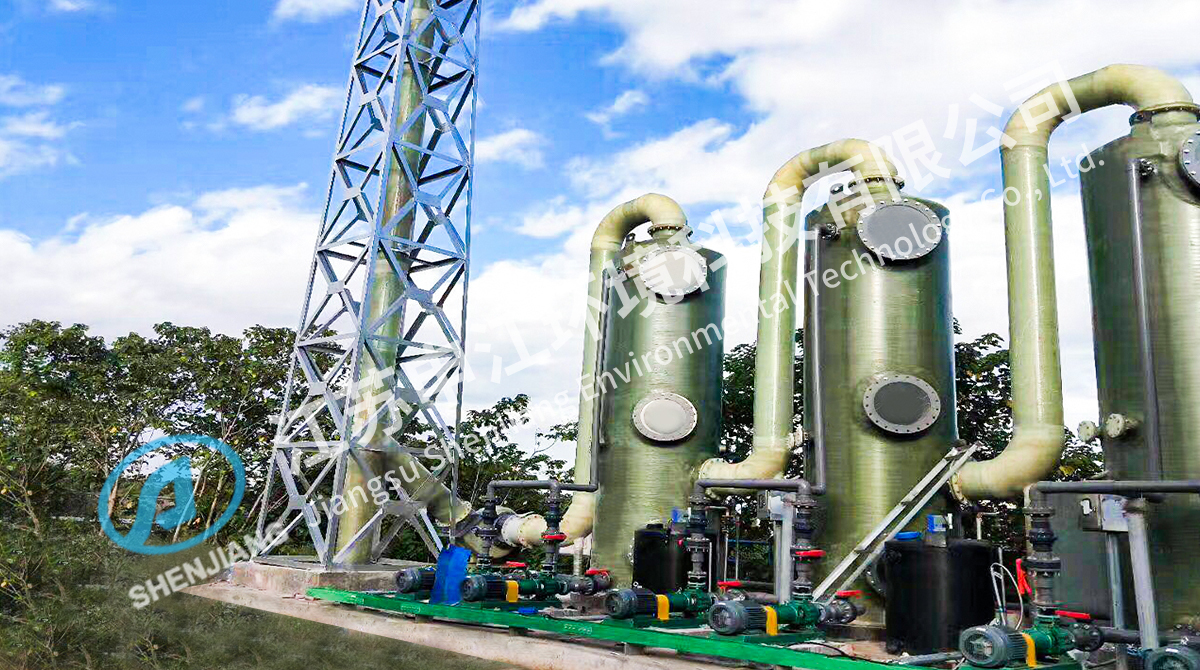
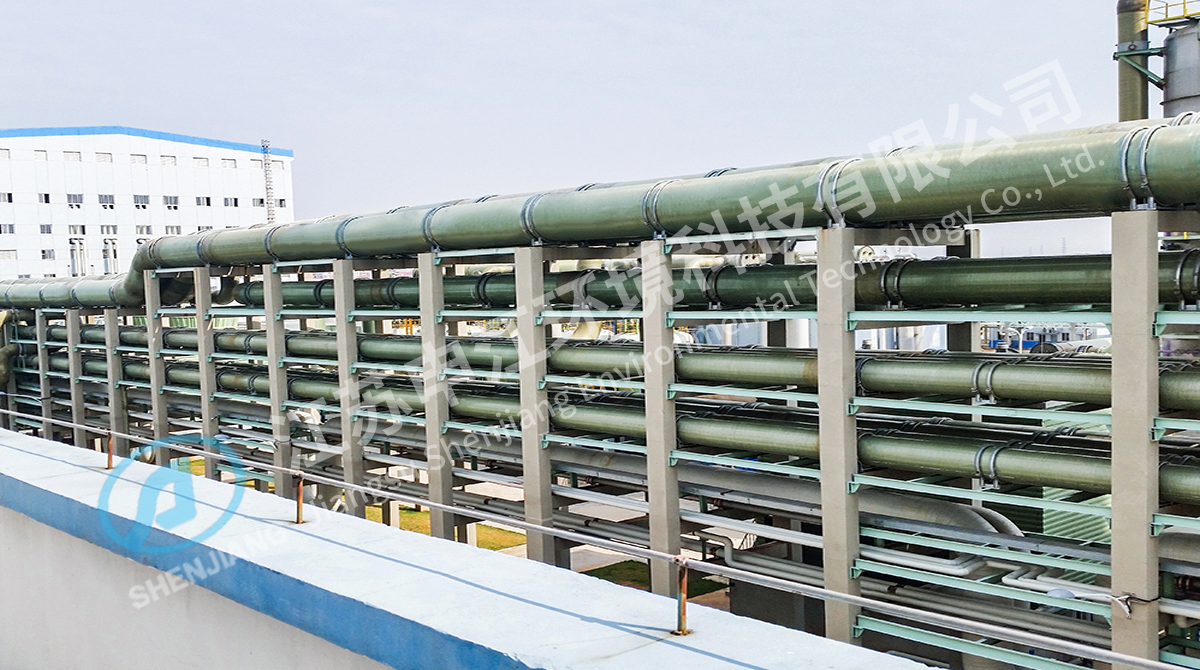
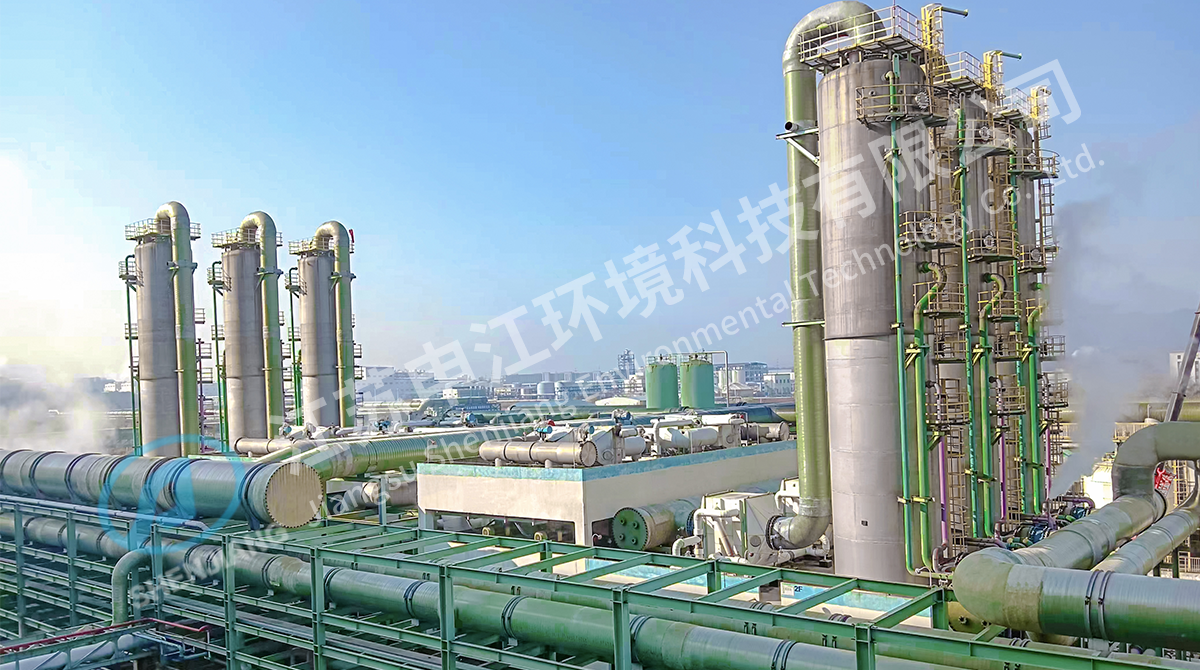
FRP tanks are widely used in industries that require strong, durable, and corrosion-resistant tanks. They are commonly used in the chemical industry for storing hazardous chemicals, acids, and other corrosive materials. FRP tanks are also employed in wastewater treatment, food processing, and agriculture, where their resistance to corrosion and temperature fluctuations makes them an ideal choice. In these applications, the durability of FRP tanks is crucial for ensuring safety, preventing leaks, and maintaining the quality of stored products. The versatility and reliability of FRP tanks have made them a preferred choice for many industries looking for long-lasting storage solutions.




 English
  中文简体
中文简体 Español
 عربى
عربى русский
 ไทย
ไทย Indonesia
 Tiếng Việt