Introduction to Flue Gas Treatment in Industrial Processes
Flue gas treatment plays a crucial role in reducing harmful emissions from industrial processes, which is important for both environmental protection and compliance with regulations. The selection of appropriate treatment methods depends largely on the type of industrial process involved, as different processes produce varying compositions of flue gases. Factors such as temperature, pressure, gas composition, and the specific pollutants emitted influence the choice of treatment technologies.

The Importance of Flue Gas Treatment
Flue gas treatment is essential for controlling the release of pollutants such as particulate matter, sulfur dioxide (SO2), nitrogen oxides (NOx), carbon dioxide (CO2), volatile organic compounds (VOCs), and other harmful gases. These pollutants can cause significant environmental and health issues, such as air pollution, acid rain, and respiratory diseases. By treating flue gases, industries can minimize these risks and meet regulatory requirements, which often mandate a reduction in specific pollutants.
The selection of flue gas treatment technologies varies depending on the type of industrial process. Industries that produce large volumes of gases with high levels of sulfur or nitrogen require different methods compared to those that emit low levels of pollutants. Understanding the unique characteristics of the flue gases produced in different industrial processes is critical to determining the most effective treatment methods.
Types of Industrial Processes and Their Flue Gas Characteristics
Industrial processes generate flue gases with different characteristics based on the raw materials used, the type of energy consumed, and the nature of the manufacturing process. These gases can contain a wide range of pollutants, each requiring different treatment methods. The primary industrial sectors producing flue gases include power generation, chemical manufacturing, cement production, and metal smelting.
For example, power plants typically burn coal, natural gas, or oil to generate electricity. The combustion of coal releases high amounts of sulfur and particulate matter, while natural gas combustion produces mainly CO2 and nitrogen oxides (NOx). On the other hand, cement production involves the use of limestone and other minerals at high temperatures, which can produce particulate matter and carbon dioxide, as well as trace amounts of volatile organic compounds (VOCs).
The flue gases from chemical manufacturing processes may contain a range of volatile compounds, including chlorine, ammonia, and other hazardous chemicals depending on the chemicals being produced. Similarly, metal smelting processes often emit gases such as sulfur dioxide (SO2), carbon monoxide (CO), and various particulate materials, depending on the metal being processed and the smelting method used.
Factors Affecting the Selection of Flue Gas Treatment Methods
Several factors influence the selection of flue gas treatment methods, including the composition of the flue gas, the regulatory standards in place, and the operational conditions of the industrial process. These factors can help determine the appropriate technology for removing specific pollutants from the exhaust gases, and they also affect the overall efficiency and cost-effectiveness of the treatment method.
Pollutant Type and Concentration
One of the most important factors in selecting a flue gas treatment method is the type and concentration of pollutants in the flue gas. For example, sulfur dioxide (SO2) is commonly found in the flue gases of coal-fired power plants and industrial boilers, while nitrogen oxides (NOx) are more commonly produced by high-temperature combustion processes. The concentration of these pollutants will determine which treatment technologies are most suitable.
If the concentration of a particular pollutant is high, it may require more intensive treatment, such as wet scrubbing or selective catalytic reduction (SCR) for NOx. On the other hand, for lower concentrations, simpler methods like dry scrubbing or adsorption may be sufficient. The concentration of particulate matter (PM) in flue gases is another consideration. High particulate concentrations are common in cement and steel manufacturing, where methods like electrostatic precipitators or bag filters are often employed.
Temperature and Pressure Conditions
The temperature and pressure of the flue gases play a significant role in the effectiveness of treatment methods. High-temperature gases, such as those produced by incinerators, power plants, and cement kilns, may require special equipment designed to handle extreme heat, such as high-temperature scrubbers or catalytic converters. For example, in a coal-fired power plant, flue gases are often cooled before they pass through treatment devices to ensure that the treatment methods can function effectively.
Pressure conditions also affect the choice of treatment technology. Some treatment methods, such as adsorption or condensation, may require low pressure, while others, like certain types of scrubbing or catalytic reduction, may be more efficient under higher pressures. It is important to match the flue gas treatment technology with the operational conditions of the industrial process to ensure optimal performance.
Regulatory Standards and Environmental Considerations
Environmental regulations are a critical factor in determining the choice of flue gas treatment methods. Many countries have strict regulations in place that limit the amount of specific pollutants that can be released into the atmosphere. These regulations often dictate the type of treatment technologies that must be employed in order to meet emission limits for pollutants like sulfur dioxide, nitrogen oxides, and particulate matter.
For example, in regions with stringent air quality standards, industries may be required to implement advanced flue gas treatment methods such as selective catalytic reduction (SCR) for NOx or flue gas desulfurization (FGD) for SO2. In other regions, where emissions are less tightly regulated, industries may be able to rely on simpler treatment technologies that are more cost-effective but less efficient at removing pollutants.
Flue Gas Treatment Methods for Specific Industrial Processes
The selection of treatment technologies varies depending on the type of industrial process and the pollutants produced. Below are some of the common treatment methods used in different industrial sectors:
Power Generation
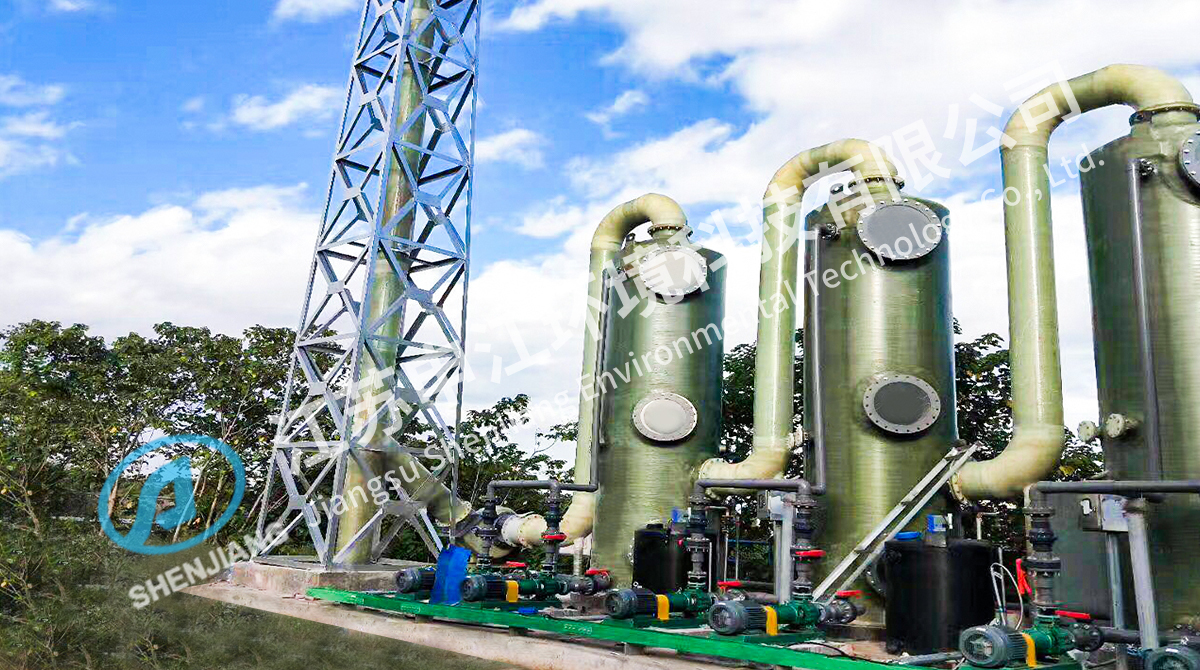
In power generation, especially in coal-fired power plants, flue gas treatment is critical due to the high levels of sulfur and nitrogen oxides produced during combustion. Flue gas desulfurization (FGD) systems, such as wet scrubbers or dry scrubbers, are commonly used to remove sulfur dioxide (SO2) from the exhaust gases. For nitrogen oxides (NOx), selective catalytic reduction (SCR) or selective non-catalytic reduction (SNCR) are commonly employed to reduce emissions.
Cement Manufacturing
Cement production involves high-temperature processes that generate large amounts of CO2, particulate matter, and other pollutants. Electrostatic precipitators (ESP) or fabric filters are typically used to remove particulate matter from the flue gases. For CO2, carbon capture technologies may be used, although these are still developing and may not be widely implemented in all cement plants.
Chemical Manufacturing
Chemical manufacturing processes often produce flue gases with a wide range of pollutants, including volatile organic compounds (VOCs), ammonia, and sulfur compounds. The treatment methods used will depend on the specific chemicals being produced. Common technologies include scrubbers, adsorption systems, and catalytic converters, which can remove various pollutants from the exhaust gases.
Metal Smelting
Metal smelting processes, particularly those involving non-ferrous metals like copper, zinc, and lead, produce flue gases containing sulfur dioxide (SO2), particulate matter, and other hazardous pollutants. Flue gas treatment methods for smelting processes often include sulfur recovery units, electrostatic precipitators, and bag filters to capture and remove the pollutants.
Comparison of Treatment Methods for Different Industrial Processes
The following table summarizes the common flue gas treatment methods used in different industrial processes:
| Industry |
Common Pollutants |
Typical Treatment Methods |
| Power Generation |
SO2, NOx, Particulate Matter |
Flue Gas Desulfurization (FGD), Selective Catalytic Reduction (SCR) |
| Cement Manufacturing |
CO2, Particulate Matter |
Electrostatic Precipitators (ESP), Carbon Capture (Experimental) |
| Chemical Manufacturing |
VOCs, Ammonia, Sulfur Compounds |
Scrubbers, Adsorption Systems, Catalytic Converters |
| Metal Smelting |
SO2, Particulate Matter |
Sulfur Recovery Units, Electrostatic Precipitators, Bag Filters |




 English
  中文简体
中文简体 Español
 عربى
عربى русский
 ไทย
ไทย Indonesia
 Tiếng Việt