Jiangsu Shenjiang Environmental Technology Co., Ltd.

Recruiting Global Agents

Jiangsu Shenjiang Environmental Technology Co., Ltd.
Home / Product / Industrial waste gas treatment / CS2 Waste Gas Treatment Equipment and System Debugging

CS2 Waste Gas Treatment Equipment and System Debugging

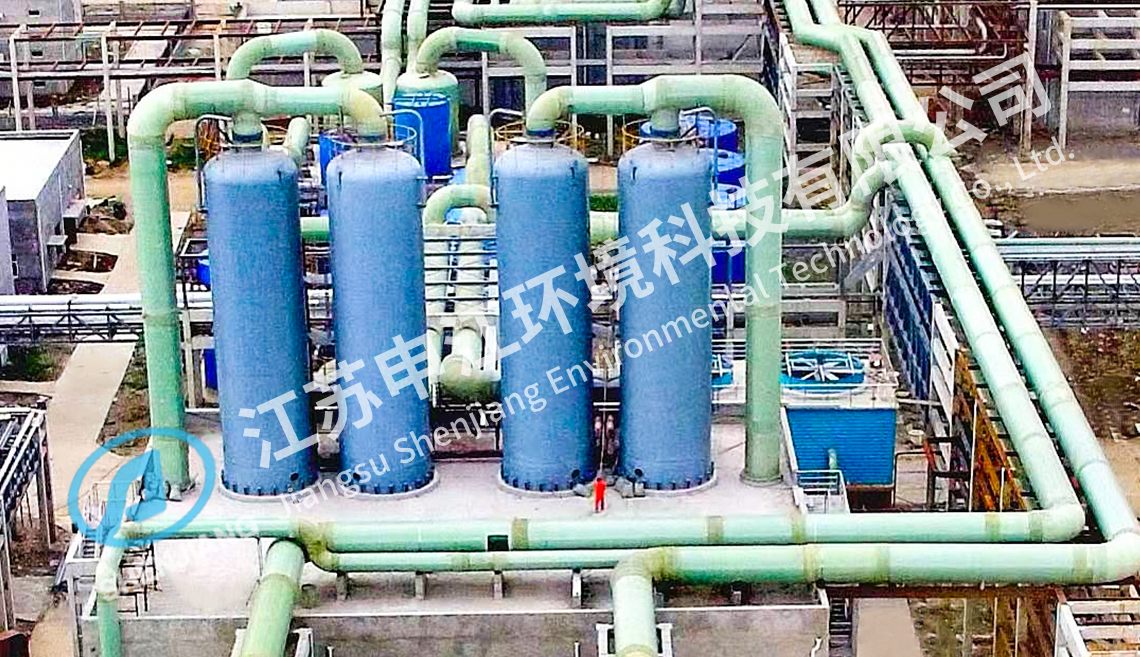
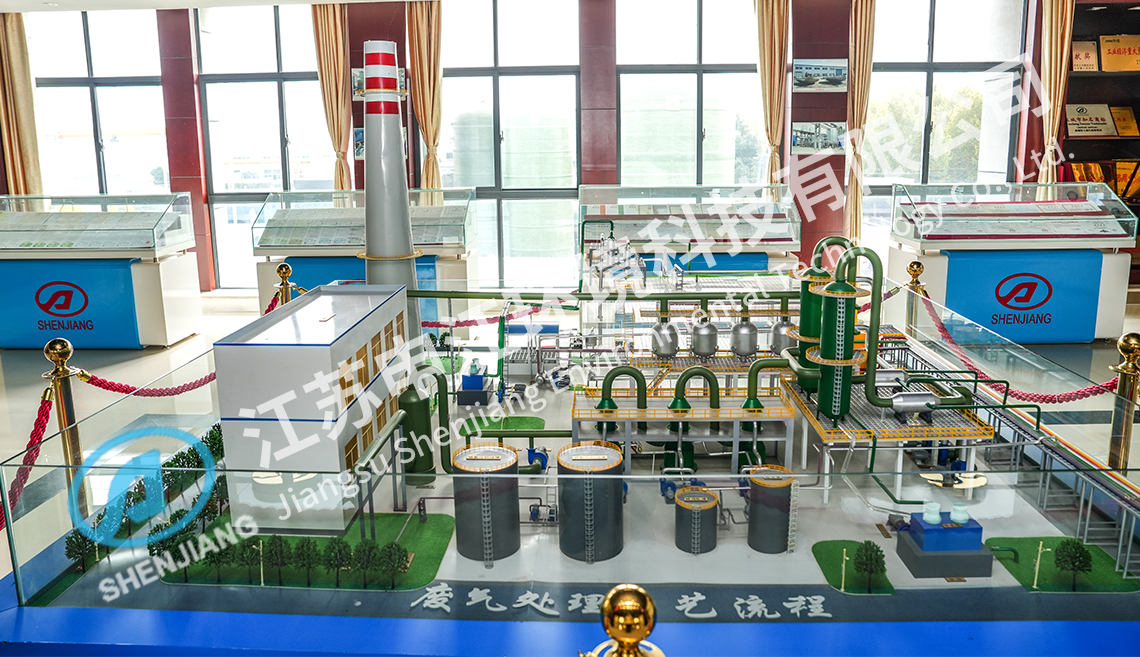
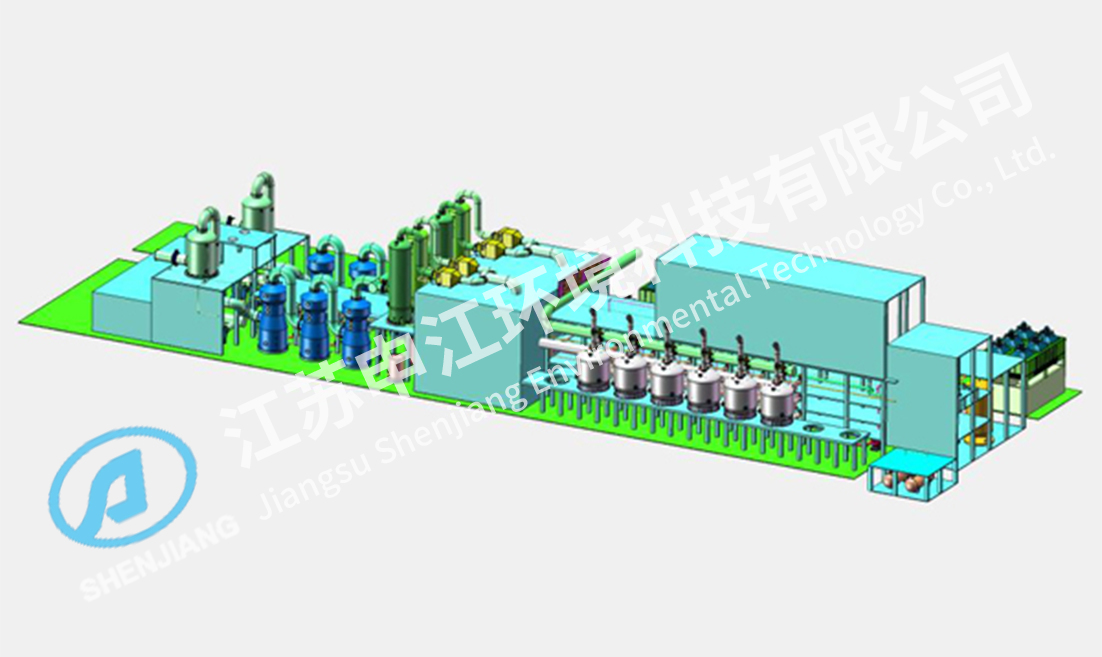
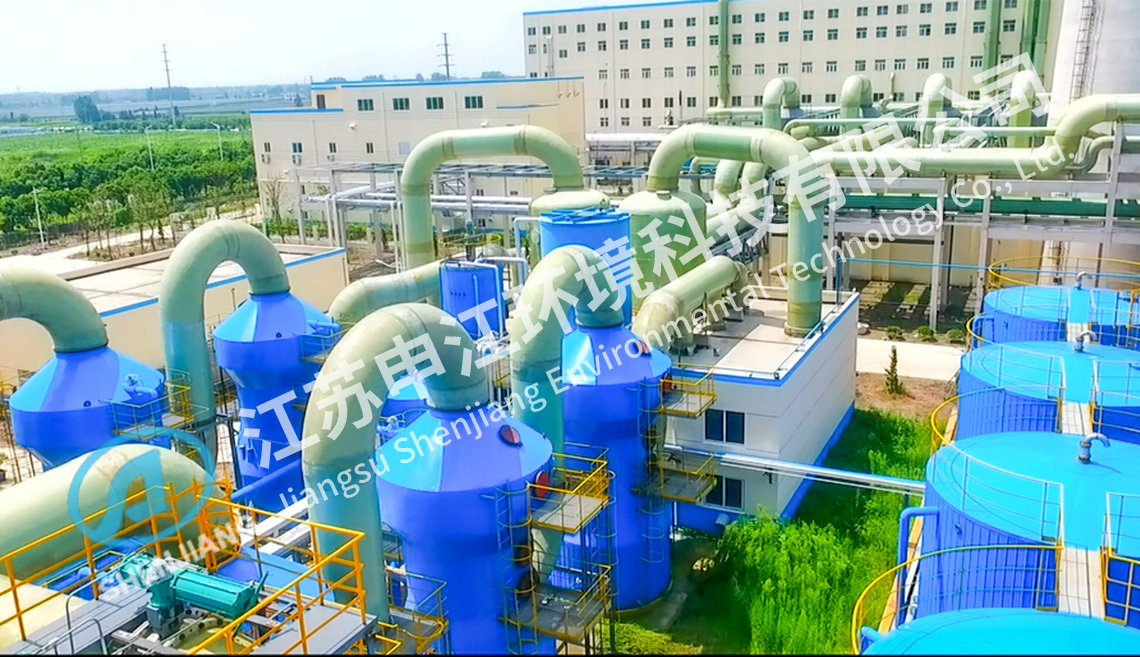
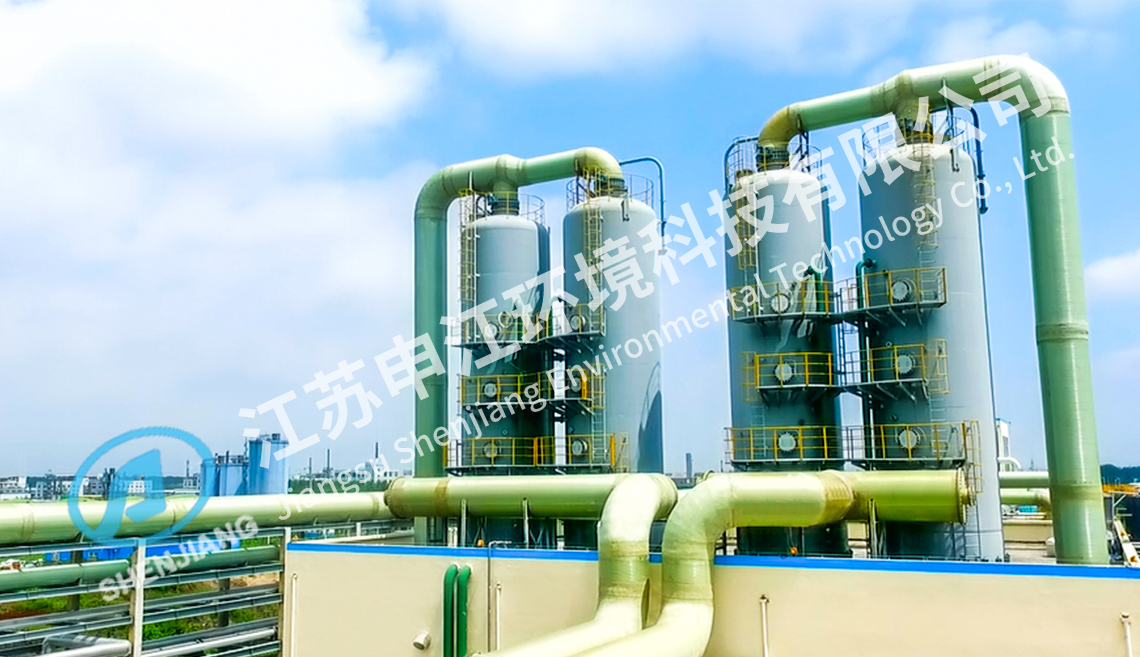
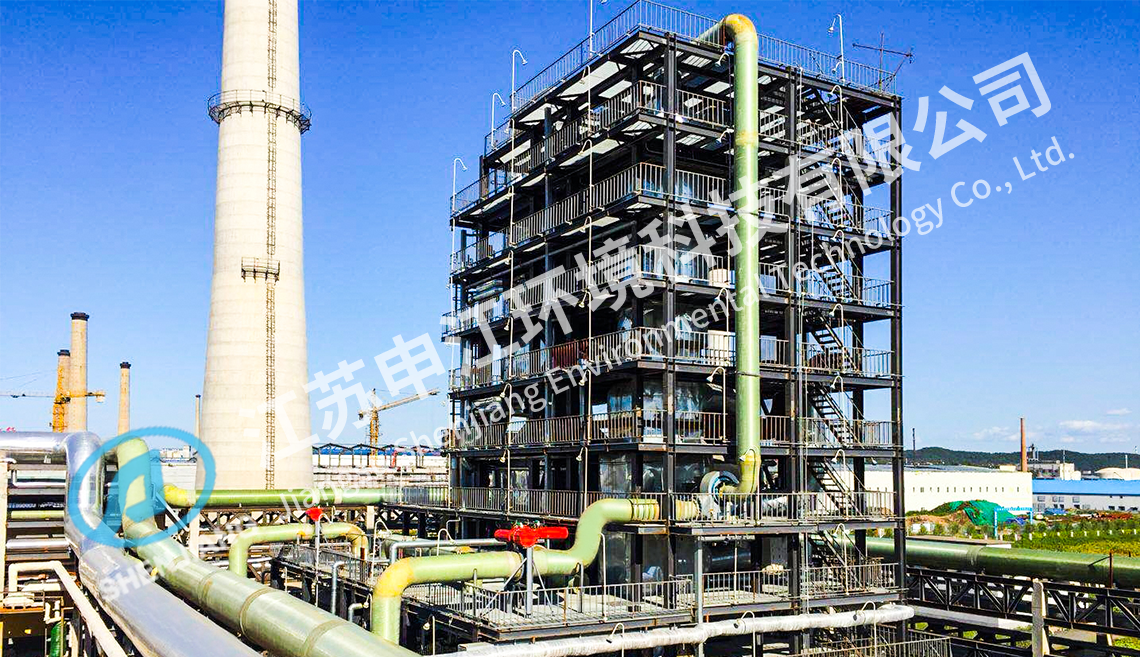
Upon completion of the construction, our company conducts equipment and system commissioning for the recycling system, including equipment cleaning, pipeline purging, equipment, and pipeline pressure testing, debugging of pumps and fans and other dynamic equipment, mechanical equipment linkage, single system commissioning, no-load operation of the whole system, no-load thermal debugging of the whole system, start-up operation, and maintenance of transportation.

Exceeding Your Dreams on a Budget

Are you looking for solutions that not only meet but exceed your expectations? Look no further! Our dedicated team of experts is at your service, eager to provide you with swift and dependable support. Whether you have questions, need inquiries addressed, or have concerns that require immediate attention, we are here to ensure a good experience for you.

About SHENJIANG
Jiangsu Shenjiang Environmental Technology Co., Ltd.

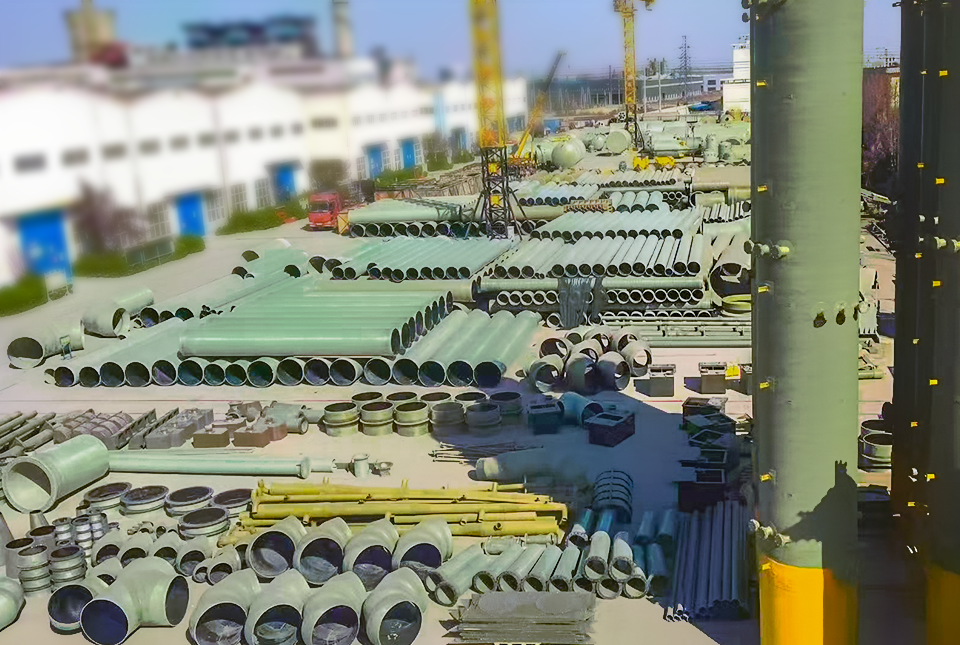
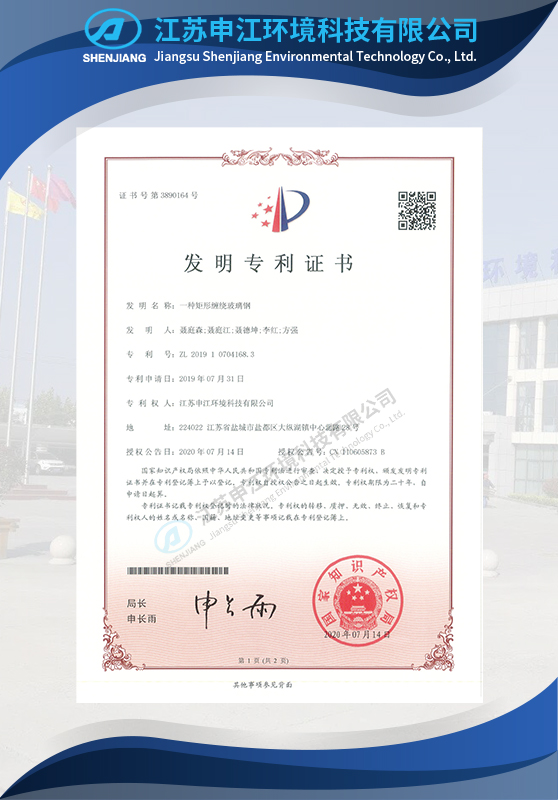
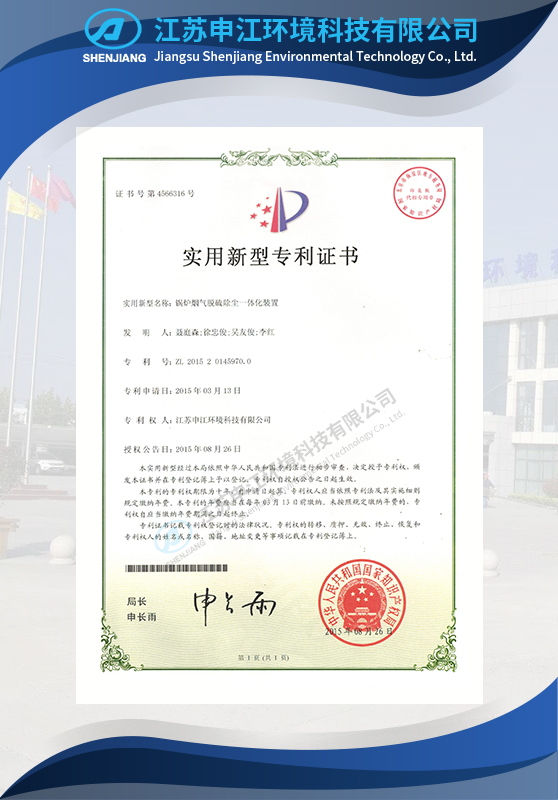
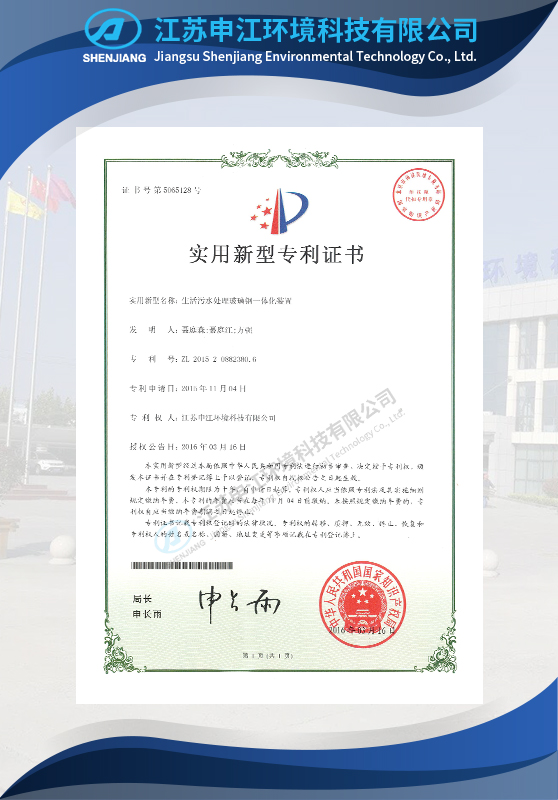
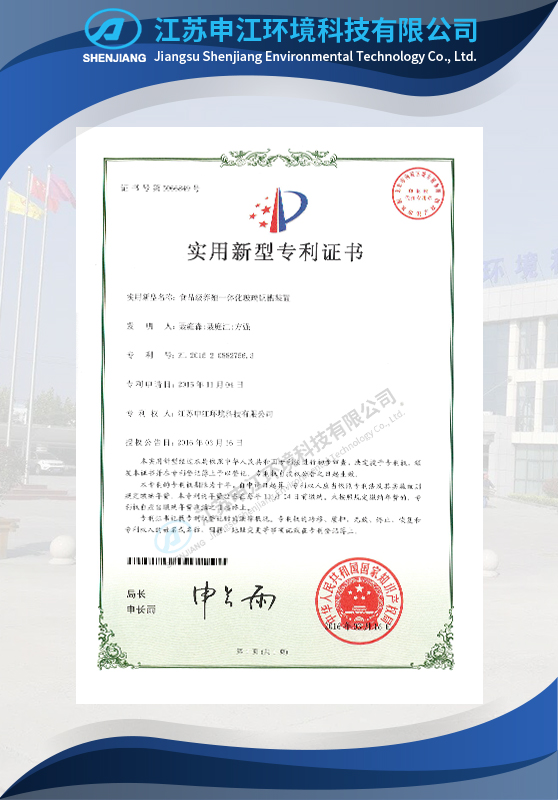
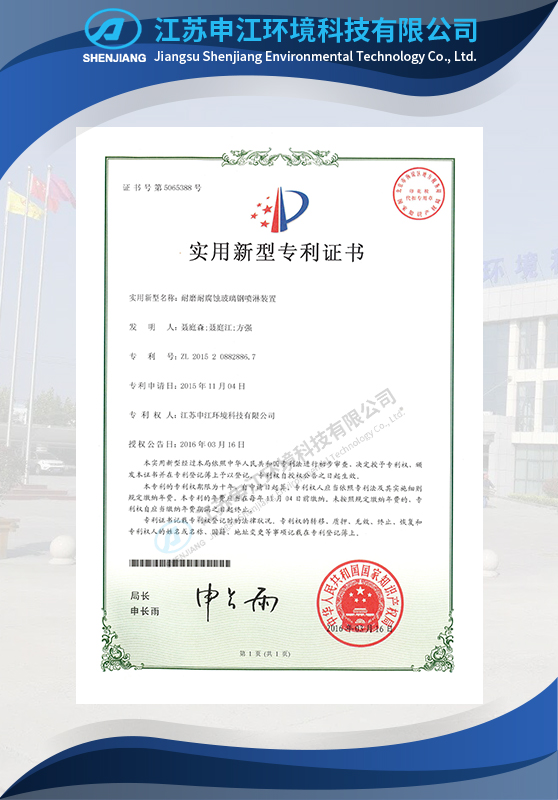
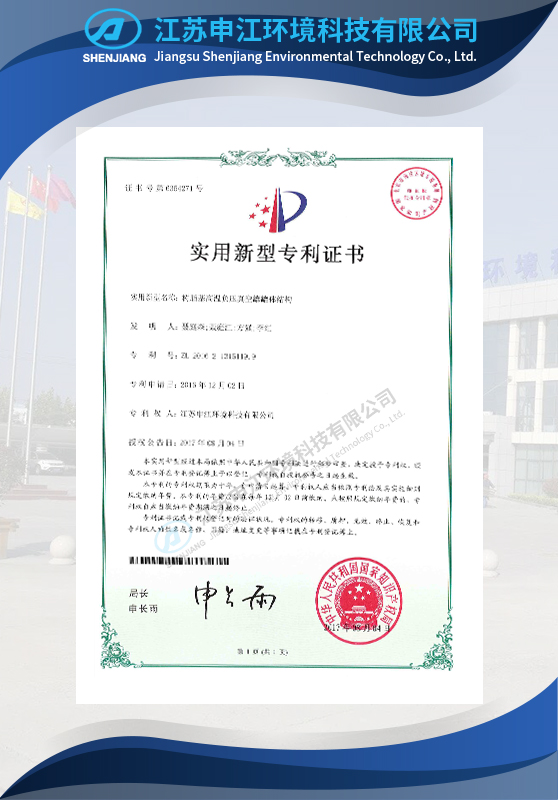
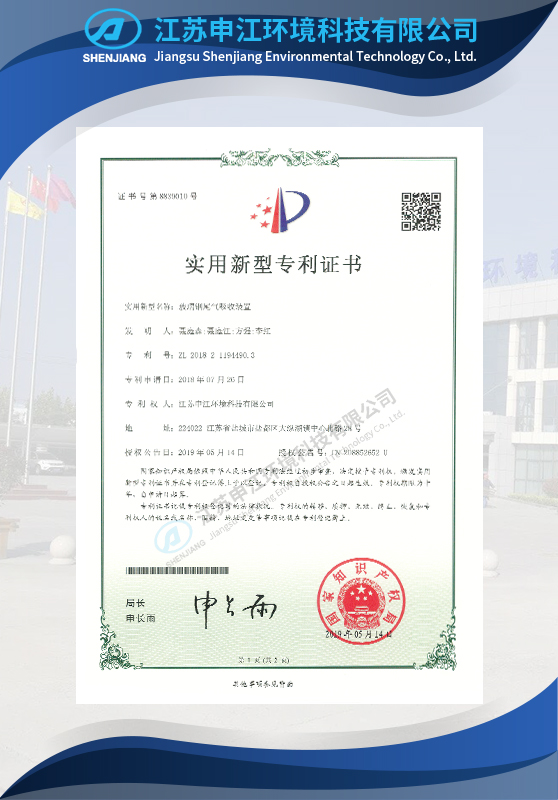
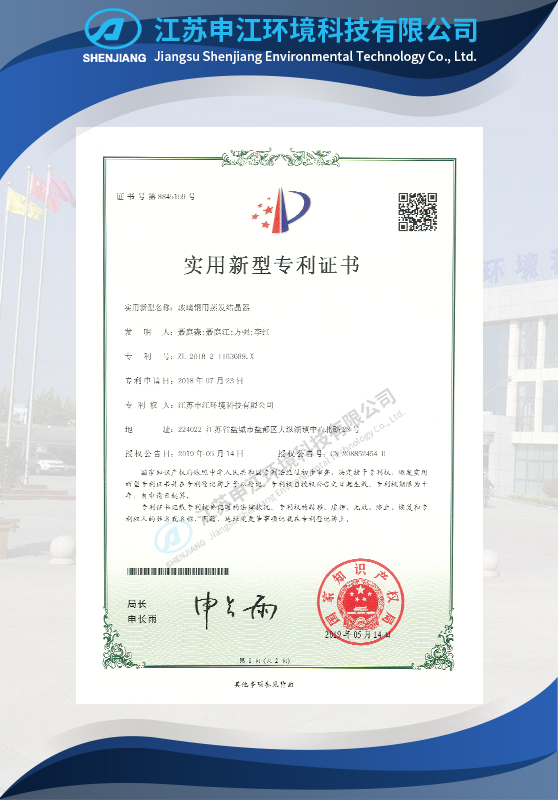
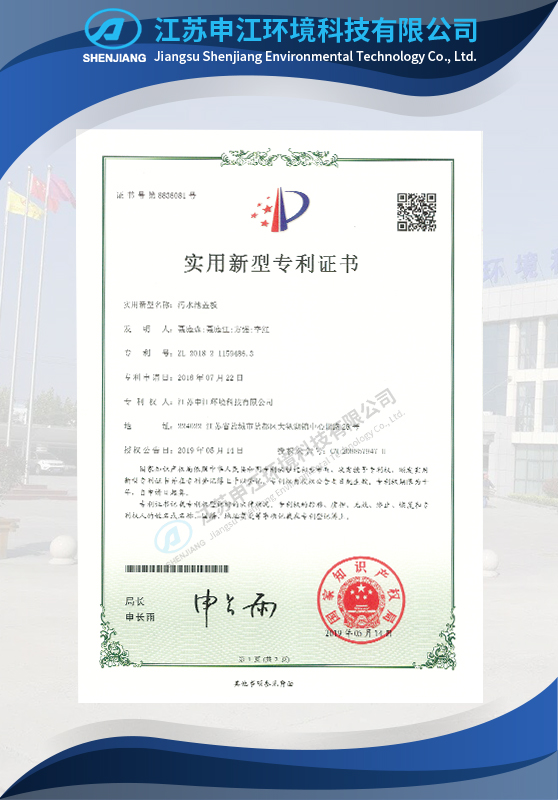
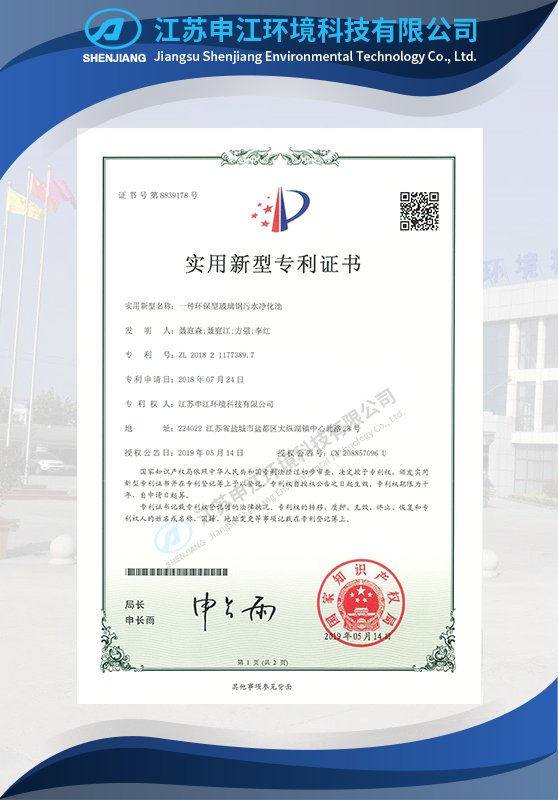
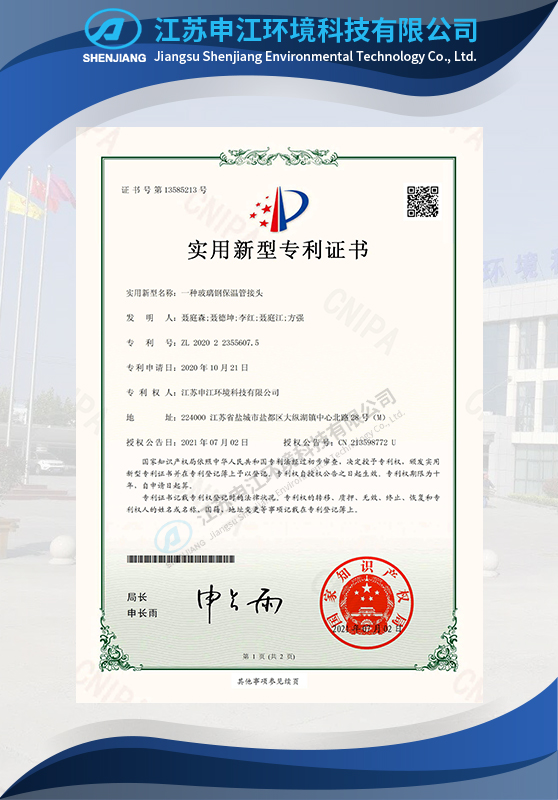
Established in 1996, Jiangsu Shenjiang Environmental Technology Co., Ltd. is a professional China CS2 Waste Gas Treatment Equipment and System Debugging Manufacturers and CS2 Waste Gas Treatment Equipment and System Debugging Factory.And is nestled in the picturesque city of Yancheng, Jiangsu Province, known for its moniker "Land of Water and Fish-Rice." The company specializes in designing, developing, manufacturing, and installing complete sets of waste gas treatment equipment and resin-based composite material products. Adhering to the principle of "market orientation and technological innovation," we have been steadfast in scientific and technological innovation, ensuring the company's sustained and stable growth. Our team comprises 218 dedicated employees, including 35 professional technicians, and we are equipped with over 100 advanced testing and production machines. Our R&D center spans 3,000 square meters, while our factory buildings, office buildings, and business buildings cover an area of 35,000 square meters. With a registered capital of 101.6 million yuan and total assets amounting to 154 million yuan, we have evolved over two decades through continuous self-innovation, utilizing new materials, technologies, and processes, resulting in a cluster of industries with multiple patents. Shenjiang embraces a diversified and multifaceted approach to industry-academia integration. We adopt an applied training model that combines theoretical research with practical exploration, establishing long-term cooperative relationships with esteemed institutions like Southeast University, University of Shanghai for Science and Technology, Xi'an Jiaotong University, "China Environmental Protection Equipment Industry Base Technology Research Center," and "Jiangsu Pollution Control and Resource Utilization Engineering Technology Research Center." In addition, we actively promote international scientific and technological cooperation, forging partnerships with countries such as Indonesia, Thailand, Austria, and Singapore. Guided by the business philosophy of "technology, credibility, service, and development," we have developed a range of innovative products including waste gas treatment and recovery systems, desulfurization and denitrification systems, central air conditioning unit systems and fittings, windpipes, resin-based composite pipes, water supply and drainage sandwich pipes, resin-based composite material non-standard equipment and storage tanks, cooling towers, chemical fiber non-standard equipment, cleaning furnace equipment, and painting complete sets of equipment. These new processes are characterized by advanced technology, strong adaptability, simple operation, and low costs. We have filed 40 proprietary technology certifications, with 30 utility granted, 4 inventions, and 7 PCT certificates. Our independently developed waste gas recovery and treatment devices have been listed in the "Jiangsu Province Key Promoted New Technology and New Product Catalog." With a global presence, we have established supply, installation, and sales offices in various locations, including Indonesia, Singapore, Austria, Xinjiang, Fujian, Nanjing, Shandong, and Sichuan. Moreover, we boast professional construction teams specializing in environmental protection, mechanical and electrical, and anti-corrosion and insulation equipment installation. As our enterprise grows, Shenjiang is committed to enhancing its brand influence, rallying together to face challenges, and seeking mutual development for a shared future. We adhere to a people-oriented approach and a development philosophy that emphasizes scientific innovation. With a united front and the determination to overcome difficulties, we maintain our entrepreneurial spirit and unwavering commitment to our founding principles. We strive to create intellectual property for our enterprise, gradually shift focus to our core business, and pursue diversified development. We are constantly upgrading and transforming, targeting the development trends of both domestic and international markets, and aiming to establish new projects and achieve new outcomes. We are dedicated to making a greater contribution to the cause of environmental protection.
Certificate Of Honor
  • 04
  • 07
  • 08
  • 09
  • 010
  • 011
  • 012
  • 013
  • 014
  • 015
  • 016
  • 017
News
Industry knowledge extension

Testing process of CS2 waste gas treatment equipment and system debugging
Before testing the CS2 waste gas treatment equipment, we conducted comprehensive preparations to ensure the effectiveness and accuracy of the test. Shenjiang Environmental Technology's technical team first conducted a detailed inspection of the equipment to ensure that all components were in good condition, tightly connected and leak-free. For equipment of different models and specifications, we developed a detailed test plan to clarify the purpose, method, steps and expected results of the test. In addition, in order to ensure the smooth progress of the test process, we prepared the necessary test instruments and reagents, including gas chromatographs, sulfur dioxide detectors, and activated carbon sampling tubes.
Equipment performance testing
Equipment performance testing is the core link of CS2 waste gas treatment equipment and system debugging, focusing on the following key aspects:
Adsorption efficiency test: By simulating the emission of CS2 waste gas, we use adsorption materials such as activated carbon to treat the waste gas, and measure the waste gas concentration before and after treatment to evaluate the adsorption efficiency. Jiangsu Shenjiang Environmental Technology is equipped with advanced adsorption efficiency testing equipment, which can accurately measure the adsorption effect of waste gas to ensure the efficiency of the treatment process.
Catalytic oxidation efficiency test: For CS2 exhaust gas treatment equipment using catalytic oxidation process, we will conduct catalytic oxidation efficiency test. By adjusting the type, dosage and reaction conditions of the catalyst, we can optimize the catalytic oxidation process and thus improve the exhaust gas treatment efficiency.
System stability test: In the case of long-term continuous operation, we will monitor the operating parameters of the equipment, including air intake, pressure and temperature, to ensure the stability of the system. At the same time, check the wear resistance and corrosion resistance of the equipment to ensure the reliability and effectiveness of the equipment in long-term operation.
System debugging and optimization
After completing the equipment performance test, we enter the system debugging and optimization stage. The main goal is to adjust the equipment parameters to optimize the system performance and ensure the best exhaust gas treatment effect.
Parameter adjustment: According to the equipment performance test results, we will adjust the parameters such as air intake, pressure and temperature to improve the exhaust gas treatment efficiency. At the same time, we will optimize the catalyst type, dosage and reaction conditions in the catalytic oxidation process to further enhance the treatment effect.
System linkage test: After completing the parameter adjustment, we will conduct a system linkage test to check the coordination and stability between the various components of the equipment. By simulating actual working conditions, we observe the operating status of the equipment to ensure that the system can operate stably and meet production needs.
Emission monitoring: During the debugging process, Shenjiang Environmental Technology will continuously monitor the exhaust gas concentration at the exhaust port to ensure that the exhaust gas emissions meet national standards. At the same time, the emission data is recorded and analyzed to provide important reference for subsequent equipment operation and maintenance.
What problems and failures will occur during the CS2 waste gas treatment equipment and system debugging test
In the waste gas treatment industry, the debugging of CS2 waste gas treatment equipment is a key link to ensure that its performance meets the standards. However, in actual operation, a variety of problems are often encountered during the debugging process, which not only affect the operating efficiency of the equipment, but may also cause emissions to fail to meet the standards. The following will discuss equipment performance, system stability, emissions and other common problems in detail, and propose corresponding solutions.
Inadequate equipment performance
During the debugging period, it is a common problem that the equipment performance fails to meet the expected standards. The reasons for this situation may include equipment design defects, manufacturing process problems, etc. For example, insufficient adsorption capacity of adsorption materials, unreasonable design of catalytic oxidation reactors, and poor equipment sealing may affect the overall performance of the equipment. In response to these problems, Jiangsu Shenjiang Environmental Technology will quickly organize a professional technical team to conduct in-depth analysis and identify the root causes of the problems. Solutions include replacing adsorption materials with better performance, redesigning the catalytic oxidation reactor to improve its reaction efficiency, and strengthening the sealing of the equipment to ensure that the gas does not leak, thereby improving the overall treatment effect.
Insufficient system stability
The stability of the system is an important guarantee for the normal operation of the equipment. However, the problem of insufficient system stability during the commissioning process often occurs, often due to factors such as insufficient coordination between the various components of the equipment, instability of the control system, or interference from the external environment. In order to solve this problem, Jiangsu Shenjiang Environmental Technology introduced an advanced automatic control system to ensure the stable operation of the system through real-time monitoring and intelligent adjustment. Despite this, unforeseen problems such as sensor failure and controller failure may still occur. In response, we have established a rapid response mechanism to replace or repair faulty components in a timely manner, and strengthen the daily maintenance and maintenance of the system to improve overall stability.
Emissions do not meet standards
Emissions do not meet standards is one of the most serious problems in the commissioning process, which is directly related to environmental protection and corporate compliance. The reasons for non-compliance with emission standards may include insufficient equipment processing efficiency, improper debugging parameter settings, or changes in the external environment. To ensure that emissions meet standards, we implement strict emission monitoring during the debugging process. Once we find that emissions exceed standards, we will quickly adjust the operating parameters of the equipment, such as optimizing the air intake volume, adjusting the reaction temperature, etc., to improve the processing efficiency. At the same time, continuous tracking and analysis of emission data will help to timely identify potential problems and effectively solve them.
Other common problems
In addition to the above main problems, problems such as excessive equipment noise and excessive energy consumption may also occur during the debugging process. Although these problems are not as serious as non-compliance with emission standards, they will also have a negative impact on the normal operation of the equipment. To this end, we have taken a series of measures to optimize the performance of the equipment. For example, by improving the equipment structure, improving the manufacturing process, or adopting more efficient energy utilization technology, the noise and energy consumption during equipment operation can be effectively reduced.