Material Structure and Long-Term Behavior of FRP Pipes & Fittings
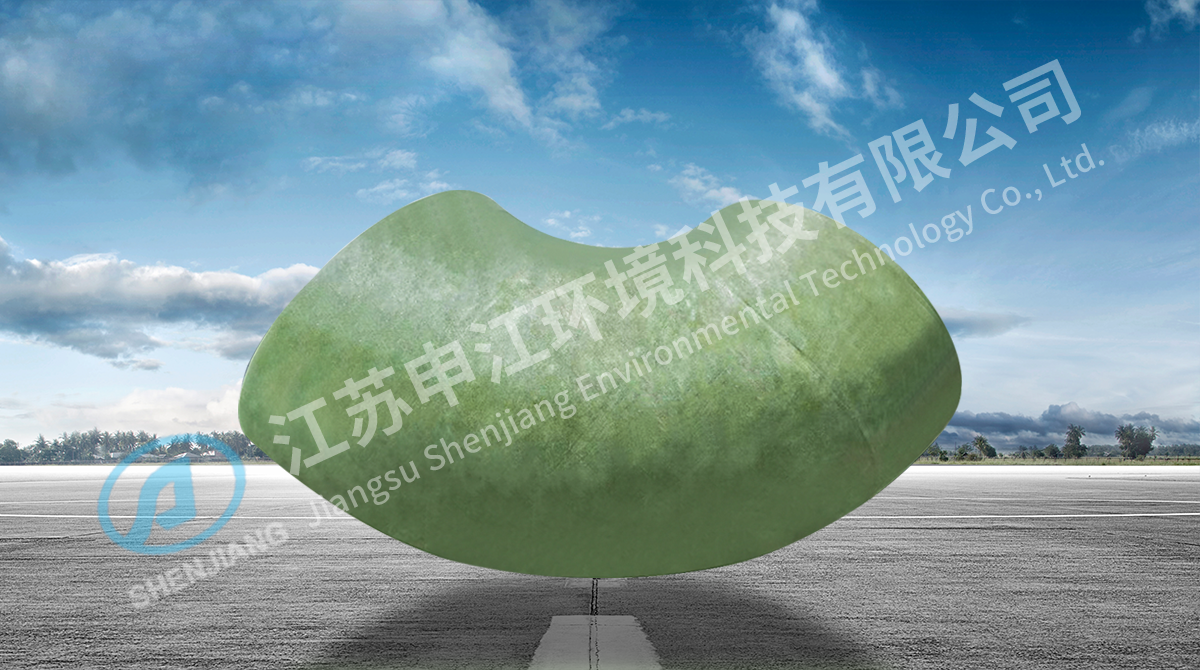
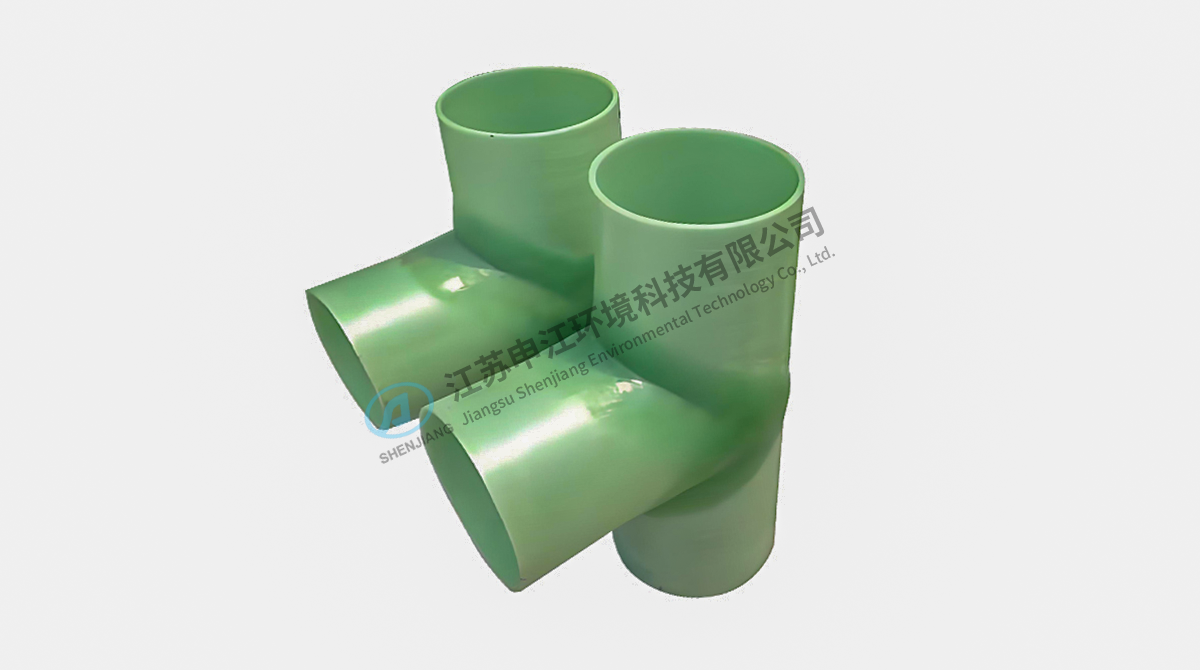
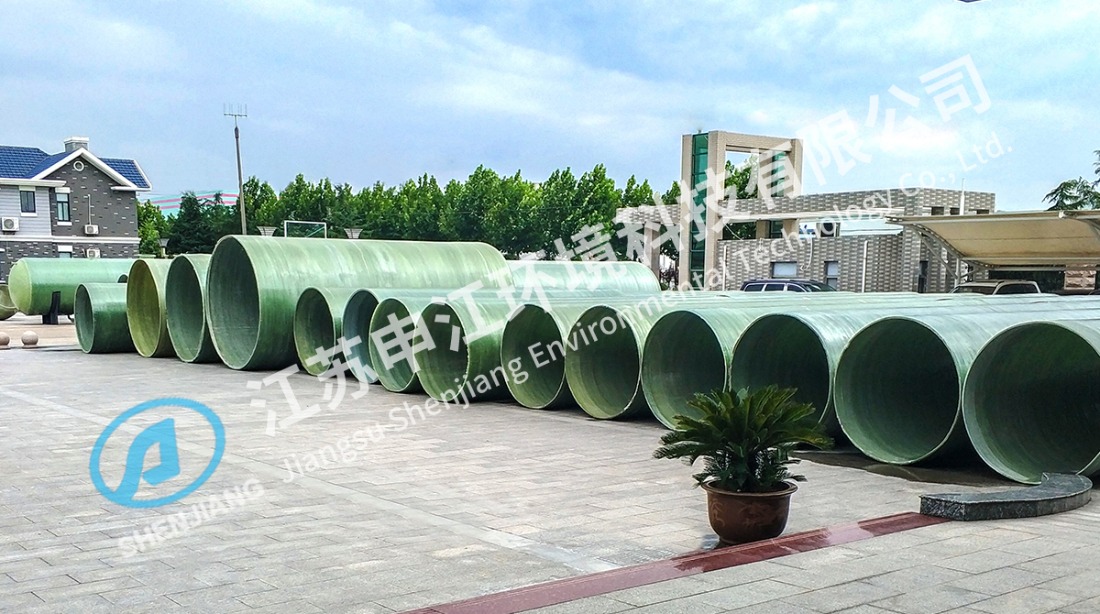
The long-term performance of FRP pipes & fittings is an important topic for industries that rely on stable, corrosion-resistant piping systems. FRP pipes & fittings are manufactured using fiber reinforcement materials, resin matrices, and layered structural designs that provide strength and chemical resistance. Over time, questions may arise about whether these products could delaminate, leak, or crack when subjected to environmental stress, mechanical load, or chemical exposure. To understand these possibilities, it is helpful to analyze the construction of the composite material, the bonding between layers, and the types of stresses encountered in real applications. The layered structure of FRP provides both rigidity and flexibility under normal conditions, and its behavior depends greatly on production quality, installation practices, and operating environment. By examining these aspects, users can better assess long-term stability and performance outcomes.
Layer Bonding and the Potential for Delamination
Delamination refers to the separation of layers within a composite structure. For FRP pipes & fittings, the reinforcement fibers and resin must bond effectively to ensure structural continuity. Delamination may occur when the interface between layers is weakened due to manufacturing issues or excessive stress during service. Factors such as incomplete resin curing, uneven fiber distribution, or trapped air pockets can create weak interfaces. However, when properly manufactured, these components maintain stable bonding due to the cross-linked structure of cured resin. The potential for delamination also relates to thermal expansion differences between layers, especially in environments with significant temperature fluctuations. Repeated heating and cooling cycles may gradually impact bonding strength, particularly near joints or fittings where structural transitions occur. Understanding these behaviors helps industries anticipate and prevent long-term delamination risks.
Environmental Conditions and Their Influence on Delamination
Environmental conditions play a major role in whether FRP pipes & fittings may delaminate over extended use. High UV exposure can gradually influence resin surfaces, especially in outdoor applications lacking protective coatings. Moisture penetration in certain environments may also affect resin integrity, though FRP materials are generally resistant to water absorption. Thermal cycling, chemical interaction, and stress concentration at joints are additional conditions that can influence delamination potential. Chemical exposure is a significant factor in industrial settings where different liquids or gases may soften the resin matrix. When these conditions are accounted for during material selection and installation, delamination risk becomes more controlled and predictable.
| Condition |
Potential Impact on Bonding |
Notes |
| Thermal cycling |
Gradual weakening at layer interfaces |
More visible near fittings |
| UV exposure |
Surface resin degradation |
Protective coating recommended |
| Chemical contact |
Resin softening or dulling |
Material compatibility important |
Leakage Risks in FRP Pipes & Fittings
Leakage is another concern when evaluating the long-term reliability of FRP pipes & fittings. Most leakage issues arise not from the pipe body itself but from joints, connections, and improper installation. FRP pipe structures are generally manufactured with controlled layer thickness and resin saturation to ensure continuous surfaces. When joints are improperly aligned or adhesive bonding is incomplete, leakage may occur at the interface rather than through the pipe wall. Environmental pressure, temperature variations, and external mechanical loads can also place stress on joint areas, influencing long-term sealing performance. In well-designed systems where adhesives, lamination techniques, or mechanical couplings are applied correctly, leakage risk becomes significantly reduced. Regular inspection and maintenance contribute to preventing leakage during extended service life.
Mechanical Factors Influencing Leakage
Mechanical stress results from internal pressure, external loads, vibrations, or misalignment during installation. FRP pipes & fittings remain stable under appropriate pressure ratings; however, stress concentration can occur near bends, tees, or transitions between materials. Misaligned supports or uneven loading may gradually distort joint areas, allowing small gaps to form. Over time, this can contribute to seepage or periodic leaks. Additionally, improper torque application in mechanically coupled fittings may cause uneven compression on gaskets. Environmental vibrations from machinery or thermal expansion-induced shifts may also influence sealing performance. Understanding these mechanical factors helps ensure that leakage risk remains manageable during long-term operation.
| Mechanical Issue |
Influence on Leakage |
Prevention |
| Misalignment |
Gap formation at joints |
Proper installation and supports |
| Excessive vibration |
Joint fatigue |
Vibration isolation measures |
| High internal pressure |
Stress on fittings |
Operating within rated limits |
Cracking Behavior and Structural Integrity Over Time
Cracking is another potential long-term concern for FRP pipes & fittings. These products are designed to distribute pressure evenly across their layered structure, allowing them to withstand internal pressure and external forces. However, cracking may occur if the material is exposed to stresses beyond its design limits. One contributing factor is impact damage, which can create microfractures that expand gradually. Chemical exposure may also induce surface dulling or weakening, which could lead to cracking under repeated stress. Thermal contraction and expansion over time may produce small structural tensions, particularly in regions where pipes transition from buried to above-ground sections. These gradual forces may eventually lead to fine cracks if not managed properly.
Types of Cracks and Their Causes
Cracks that appear in FRP pipes & fittings fall into several categories. Surface cracks may form when UV exposure or chemical interaction gradually affects the outer layer. Stress cracks may occur at areas where load distribution is uneven, such as elbows, reducers, or unsupported spans. Impact cracks can result from heavy objects striking the pipe, which may not immediately cause failure but could create internal weakness. Longitudinal cracks often relate to internal pressure exceeding the pipe’s structural capacity, while circumferential cracks may arise from external compression. Each type of crack reflects different environmental or mechanical conditions, and understanding these helps guide proper installation and operation practices.
Effects of Chemical and Thermal Exposure on Cracking
Chemical exposure is a significant factor for industries using FRP pipes & fittings in aggressive environments. Some chemicals can soften the resin matrix, making it more susceptible to deformation under load. Thermal exposure is equally influential; repeated heating and cooling cycles can cause expansion and contraction that stress the resin and fiber layers. Over long periods, this may contribute to microcracks or gradual weakening. To reduce these effects, manufacturers recommend selecting resin types that match chemical conditions and installing protective coatings for environments with high temperature variations. These preventive measures help maintain structural stability and reduce crack formation.
| Stress Type |
Possible Crack Form |
Typical Cause |
| Internal pressure |
Longitudinal cracks |
Pressure overstress |
| External compression |
Circumferential cracks |
Ground load or misalignment |
| Surface stress |
Hairline cracks |
UV or chemical exposure |
Manufacturing Quality and Long-Term Behavior
The manufacturing process plays a significant role in determining whether FRP pipes & fittings may delaminate, leak, or crack over time. Consistent resin distribution, proper curing, and accurate fiber alignment are important to achieving stable performance. Automated winding processes and controlled resin application help maintain uniform layer thickness. When the curing process is monitored carefully, the resulting cross-linked network forms a strong structure capable of resisting operational stresses. Quality testing, including hydrostatic pressure testing, mechanical load assessment, and visual inspection, further ensures that FRP pipes & fittings are prepared for long-term use. High manufacturing standards reduce the likelihood of premature structural issues.
Installation Practices and Their Impact on Longevity
Installation practices significantly influence long-term outcomes for FRP pipes & fittings. Proper handling techniques help avoid impact damage that could lead to future cracking. Accurate alignment during installation helps maintain joint integrity, reducing the likelihood of leakage. Appropriate support placement prevents uneven loading, and protective coverings help shield pipes from UV exposure in outdoor environments. Adhesive-bonded joints and laminated joints must be applied carefully to ensure full bonding. When installation guidelines are followed, the potential for delamination, leakage, or cracking becomes significantly minimized.
Long-Term Maintenance and Monitoring
Maintenance and periodic inspection are essential elements of ensuring the long-term stability of FRP pipes & fittings. Regular monitoring allows operators to identify early signs of wear, such as surface dulling, small cracks, or minor leakage at joints. Maintenance programs often include visual inspection, pressure testing, and environmental assessment. Detecting issues early helps prevent more extensive problems and extends the service life of the piping system. When combined with appropriate operational controls and environmental protection, the long-term behavior of FRP pipes & fittings remains predictable and manageable.




 English
  中文简体
中文简体 Español
 عربى
عربى русский
 ไทย
ไทย Indonesia
 Tiếng Việt