
Jiangsu Shenjiang Environmental Technology Co., Ltd.

Recruiting Global Agents

Jiangsu Shenjiang Environmental Technology Co., Ltd.
Home / News / Industry News / How does the FRP adsorption tank ensure the uniformity and stability of airflow during the adsorption process?

How does the FRP adsorption tank ensure the uniformity and stability of airflow during the adsorption process?

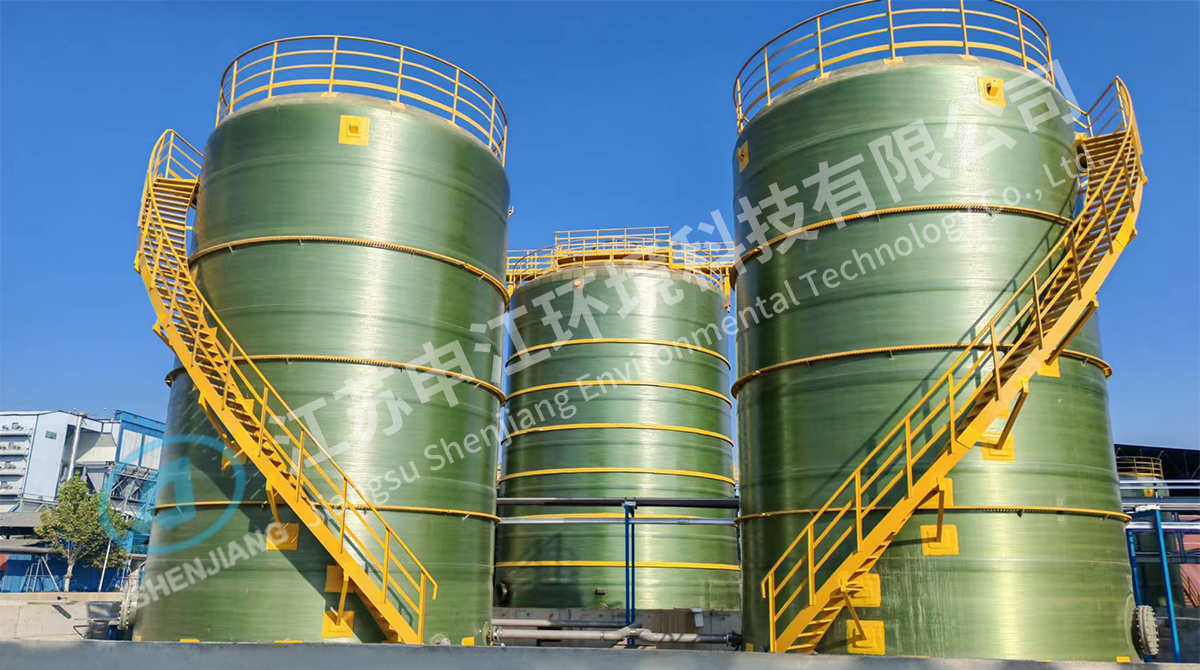
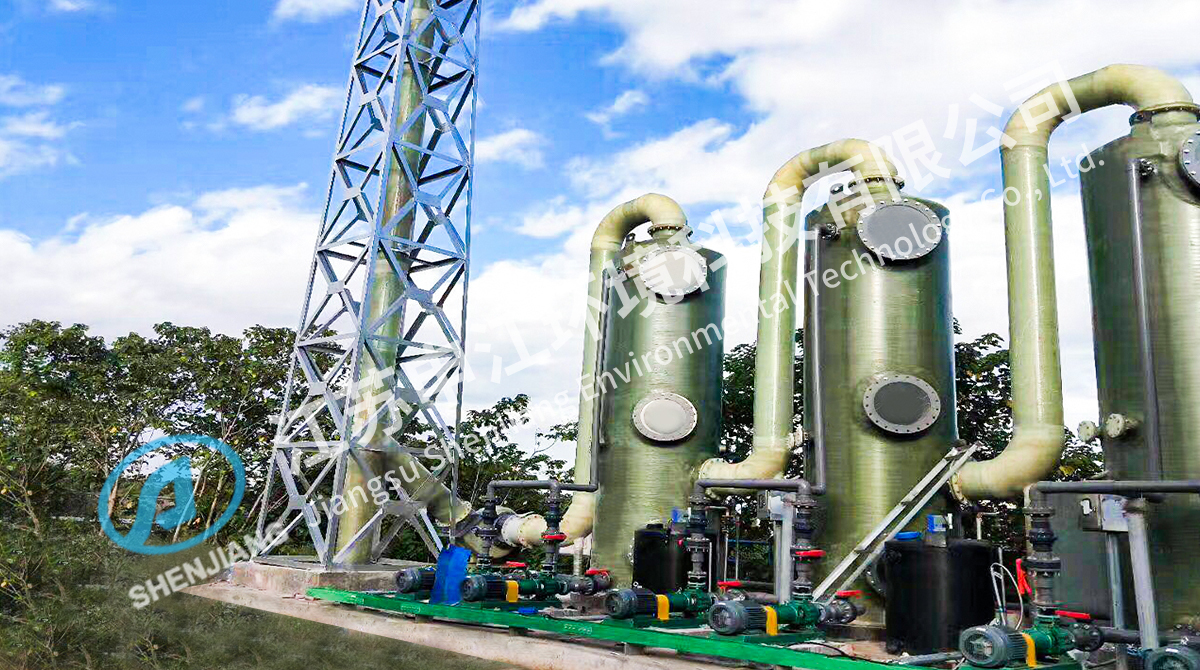
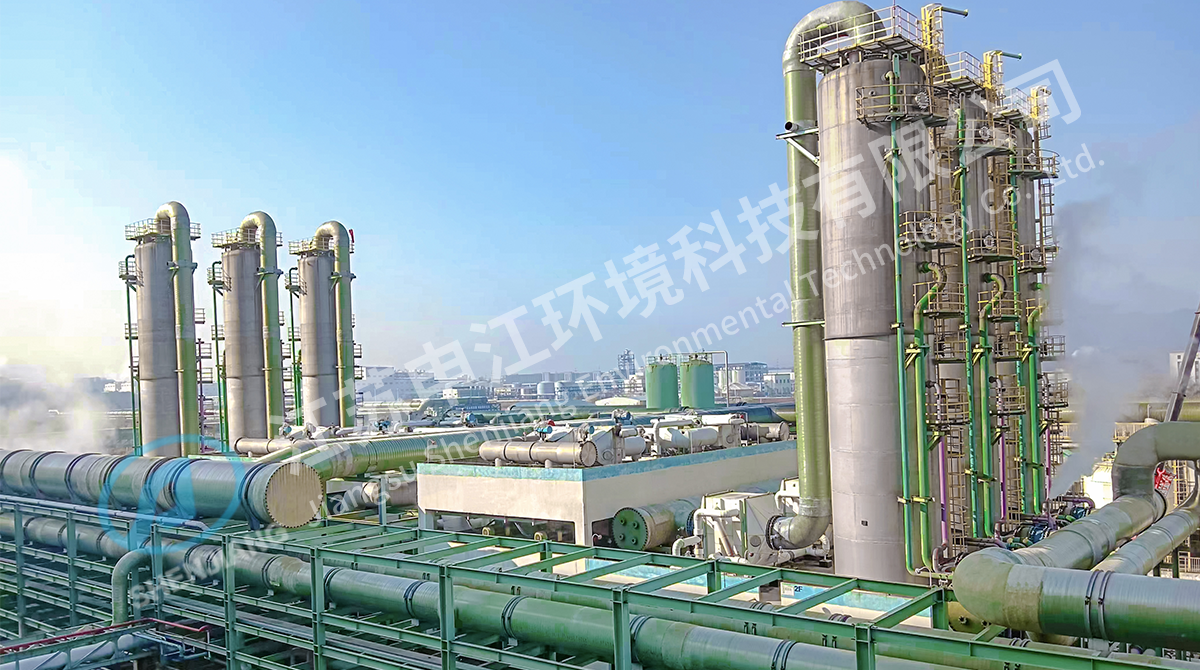
In many industrial applications, adsorption tanks are used to treat waste gas, wastewater or other pollutants, especially in the fields of chemical industry and environmental protection. FRP adsorption tanks have gradually become the preferred equipment for treating pollutants in many industries due to their corrosion resistance, light weight and good structural characteristics. Ensuring the uniformity and stability of the airflow during the adsorption process is a key factor in the design of FRP adsorption tanks, which affects their adsorption efficiency and service life. In order to ensure the smooth progress of this process, adsorption tanks usually adopt a series of design technologies and operating methods.
The design of FRP adsorption tanks needs to ensure that the gas is evenly distributed when entering the tank body. This is usually achieved by reasonably designing the air inlet of the adsorption tank. The layout of the air inlet should fully consider the flow rate, direction and diffusion effect of the airflow after entering. In order to avoid the formation of local high or low flow rate areas before the airflow enters the adsorption material layer, the adsorption tank often adopts a uniformly distributed air inlet system. The purpose of this is to ensure that the airflow can be evenly distributed on the entire adsorbent surface during contact with the adsorbent, thereby maximizing the adsorption effect.
In addition to the air inlet design, the internal distribution system of the FRP adsorption tank is also crucial. The interior of the tank is usually designed into a certain layered structure or mesh structure, which helps to further optimize the distribution of the airflow. In some efficient adsorption systems, airflow distribution plates, diffusers and other equipment are used. These equipment change the flow direction and flow rate of the airflow to ensure that the airflow can pass through the entire adsorption medium layer. With the help of these designs, the airflow can be evenly distributed on the surface of the adsorbent, avoiding local deviation or short-circuiting of the airflow, thereby ensuring the efficiency and stability of the adsorption process.
The operating conditions of the FRP adsorption tank also directly affect the uniformity and stability of the airflow. During the adsorption process, the contact time and contact area between the gas and the adsorbent material are the key factors determining the adsorption efficiency. In order to ensure that the airflow is fully in contact with the adsorbent, the design of the adsorption tank usually takes into account a reasonable airflow velocity. If the airflow velocity is too high, it may lead to insufficient adsorbent loading, so that part of the gas fails to fully contact the adsorbent, resulting in reduced adsorption effect. Conversely, if the airflow velocity is too low, the gas may stay in certain areas for too long, causing excessive saturation of the adsorbent and affecting the overall adsorption efficiency.
In order to improve the stability of the FRP adsorption tank in operation, special attention should be paid to the temperature control and pressure regulation of the adsorption tank. Under different temperature and pressure conditions, the properties and flow characteristics of the gas will change, which may lead to unstable airflow. FRP adsorption tanks are generally equipped with temperature and pressure monitoring systems, which maintain the temperature and pressure in the adsorption tank within a suitable range through an automatic adjustment mechanism to ensure stable airflow. In addition, modern FRP adsorption tanks are also equipped with efficient airflow adjustment devices to enable precise adjustment under different working conditions to ensure the uniformity and stability of the airflow during the adsorption process.
Regular inspection and maintenance are also key to ensuring the uniformity and stability of the airflow during the adsorption process of FRP adsorption tanks. During long-term operation, the adsorbent will gradually become saturated, and the flow of the airflow may be affected. Regularly replacing the adsorbent, cleaning the internal pipes, and checking the sealing of the equipment can effectively prevent uneven airflow distribution or unstable airflow.