
Jiangsu Shenjiang Environmental Technology Co., Ltd.

Recruiting Global Agents

Jiangsu Shenjiang Environmental Technology Co., Ltd.
Home / News / Industry News / How do FRP exhaust ducts prevent the buildup of condensation inside, which could lead to potential corrosion or system inefficiencies?

How do FRP exhaust ducts prevent the buildup of condensation inside, which could lead to potential corrosion or system inefficiencies?

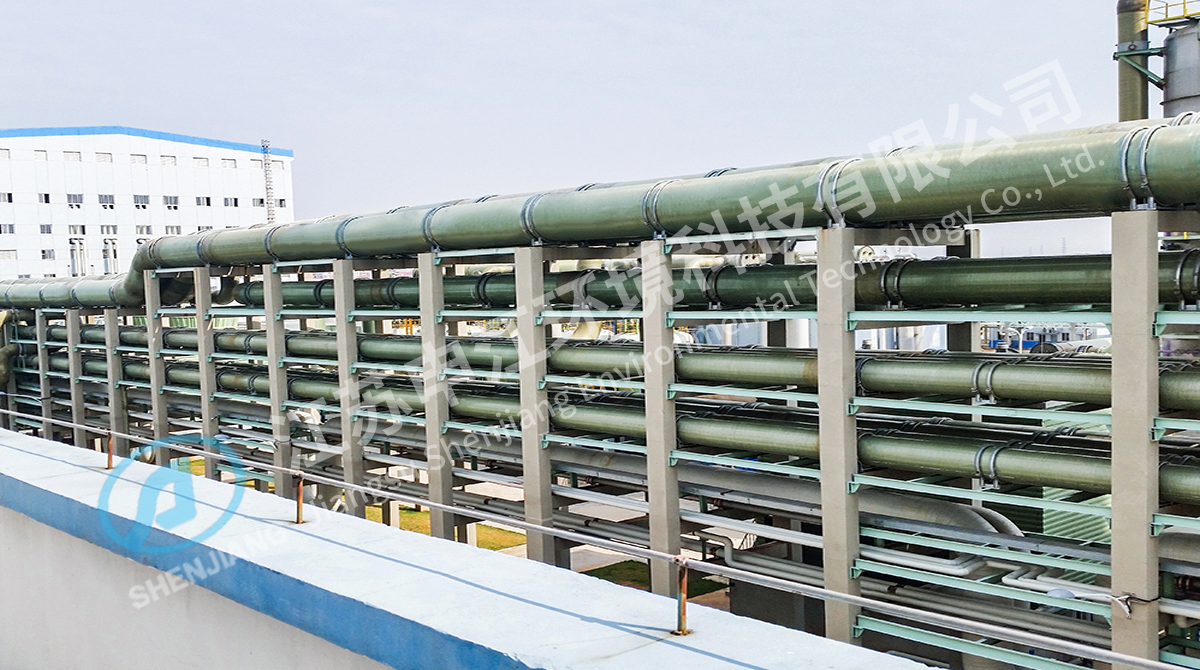
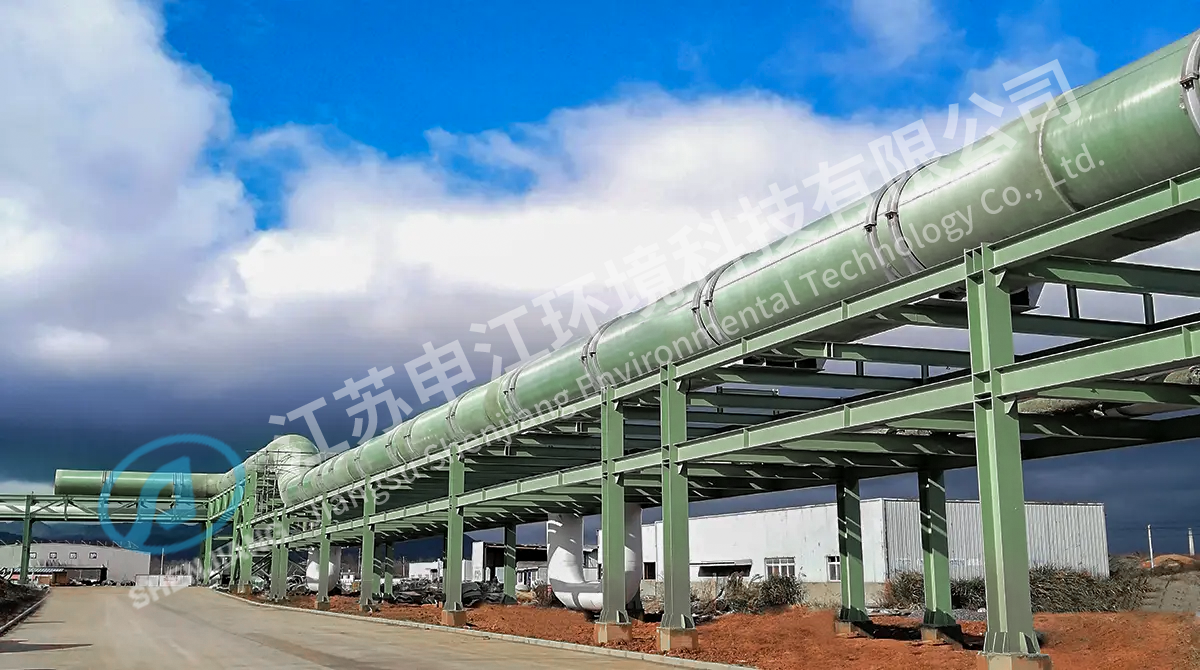
FRP exhaust ducts are made from composite materials that possess excellent thermal insulation properties. This reduces the risk of condensation by limiting the temperature fluctuations within the duct system. When the temperature inside the duct system is better regulated and consistent, the chances of moisture condensing from the air and settling on the duct walls are significantly lower. For example, in industrial environments where hot gases are discharged, FRP ducts are better equipped to maintain internal temperatures, preventing condensation when cooler external temperatures meet the warm exhaust gases. This thermal regulation is essential for maintaining both the integrity of the system and the fluidity of the exhaust flow.

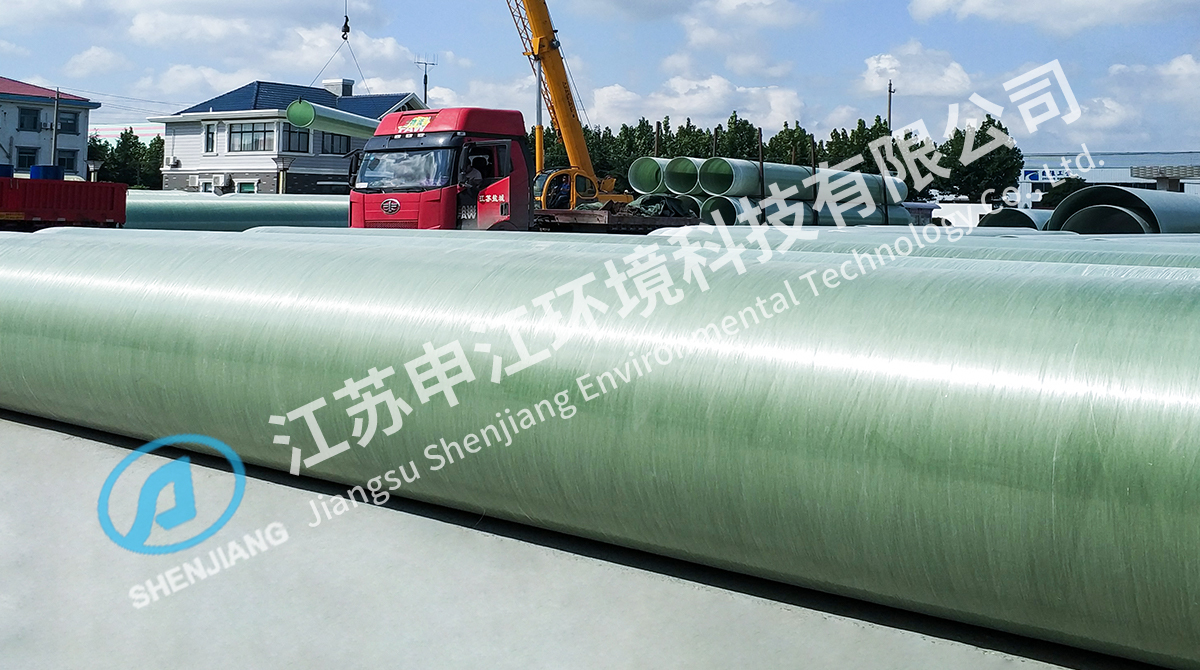
The surface of FRP exhaust ducts is smooth and non-porous, which minimizes the accumulation of moisture. Unlike metal ducts, which have the potential to trap moisture in micro-cracks or rough surfaces, FRP ducts naturally resist water adhesion due to their smooth surface. This lack of surface roughness helps to prevent water droplets from clinging to the interior, which is a common cause of condensation. The non-porous nature of FRP ensures that water vapor does not permeate the material, avoiding moisture buildup within the system and further enhancing the duct's resistance to corrosion.

One of the most significant benefits of using FRP exhaust ducts is their inherent resistance to corrosion. In environments where high moisture content or corrosive chemicals are present, such as in chemical processing plants or manufacturing facilities, traditional metal ducts are susceptible to rust and deterioration over time due to condensation. However, FRP materials are highly resistant to corrosion from both external and internal sources, including acidic or alkaline exhaust gases. By preventing rust and degradation of the material itself, FRP ducts maintain the integrity of the system for an extended period, thereby preventing issues such as leaks, blockages, and system failures that could occur in corroded metal ducts.

FRP exhaust ducts are particularly suited for use in environments with high humidity, where condensation is a frequent concern. Since fiberglass reinforced plastic is a poor conductor of heat, it prevents rapid temperature shifts that might otherwise cause water vapor in the air to condense inside the ducts. In industrial applications such as food processing or HVAC systems, where humidity levels can be consistently high, FRP ducts ensure that moisture in the air does not condense on the walls of the ducts, preventing the system from becoming a breeding ground for rust or biological contaminants.

The internal surface of FRP ducts is intentionally smooth to facilitate the easy flow of gases and minimize the potential for water or other substances to accumulate. Smooth surfaces provide fewer opportunities for particles to settle or moisture to form, unlike ducts with rougher surfaces that could create crevices where condensation may collect. The smooth interior makes cleaning and maintenance much easier, as there are fewer places for residue or debris to build up. This prevents clogging and ensures the efficient operation of the system, free from the inefficiencies caused by condensation.

In some cases, FRP exhaust ducts are designed with integrated drainage systems or features that actively direct any formed condensation away from critical areas. These drainage mechanisms ensure that any moisture that accumulates within the duct is efficiently removed from the system before it can build up and cause problems. By channeling condensation to designated drain points, the ducts maintain optimal flow and prevent the development of corrosive environments within the system. This is especially important for systems operating in environments where condensate is inevitable, such as those handling hot, humid exhaust gases.